
Think indoor cats can eat the same food as outdoor cats?
They move less, groom more, and often gain weight or struggle with hairballs, so their food needs are different.
Good indoor formulas balance lower calories with strong animal protein and the right fiber to keep digestion moving without leaving your cat hungry.
This post cuts through marketing to show the top picks that actually help control weight, reduce hairballs, and support coat and urinary health, so you can pick the best food for your cat.
Top Indoor Cat Food Picks to Help You Choose the Best Option
Indoor cats deal with stuff outdoor cats don’t. They move less. They groom more. And they’re way more likely to pack on pounds or struggle with hairballs. So the food you pick needs to balance controlled calories, solid protein, and enough fiber to keep digestion running smoothly without adding weight. There are tons of indoor formulas out there, all making promises. But they don’t all deliver.
The better indoor foods have a few things in common: protein levels somewhere between 26 and 42 percent (depending on the formula), calories dialed back to prevent obesity, and fiber to help hair move through instead of coming back up. Premium brands usually spotlight real animal proteins and skip the filler junk. Budget options focus on being easy to find and easy to afford. What works for your cat comes down to age, how active they are, any sensitivities, and what you can spend.
1. Hill’s Science Diet Adult Indoor
Pros: Vet-developed formula, controlled calories, kibble shaped to make them chew.
Cons: Costs more. Contains wheat and corn, which some cats can’t handle.
2. Royal Canin Indoor Adult
Pros: Kibble sized for indoor cats, fiber blend designed to cut down stool smell and help with hairballs.
Cons: Protein’s not as high as some premium brands. Has corn and wheat fillers.
3. Purina Pro Plan Focus Indoor Care
Pros: You can find it everywhere, mid-range price, includes prebiotic fiber and omega-6s for coat health.
Cons: Uses poultry by-product meal. More carbs than grain-free options.
4. Wellness CORE Grain-Free Indoor
Pros: High protein (usually 36–42%), probiotics for digestion, no grains.
Cons: More expensive per pound. Protein might be overkill for really lazy cats.
5. Blue Buffalo Indoor Health
Pros: Deboned chicken or fish listed first, includes antioxidant blend, grain-free versions available.
Cons: Calorie-dense, so you need to watch portions. Some cats just won’t eat it.
6. Purina Friskies Indoor Delights
Pros: Super cheap, lots of flavors, easy to grab at any store.
Cons: Artificial colors, flavors, added sugars. Fine for occasional feeding, not great as the only food long term.
Check your cat’s current calorie intake and body condition first. If they’re overweight or coughing up hairballs regularly, go for formulas with 4 to 8 percent fiber and under 340 calories per cup. Read the ingredient list closely. Named proteins like chicken, turkey, or fish should be first. If your budget allows, try a mid-tier option first. Then adjust based on how your cat responds.
Indoor Cat Nutrition Essentials for Choosing Cat Food
Indoor cats usually need 180 to 280 calories a day. That’s way less than outdoor cats who hunt, climb, and patrol. Lower activity means lower energy needs, so feeding your indoor cat the same calorie-loaded food meant for outdoor cats is a fast track to weight gain. At the same time, indoor cats groom more, which means more hairball risk. Their food needs enough fiber to move all that swallowed fur through without it coming back up.
Protein’s still the foundation, whether your cat goes outside or not. Look for formulas with 30 to 40 percent crude protein on a dry-matter basis. Quality animal proteins (chicken, turkey, fish) support lean muscle, immune function, and healthy skin and coat. Indoor cats also need omega-6 fatty acids for coat shine and omega-3s like fish oil for inflammation control and joint support. Fiber should be between 3 and 8 percent. Too little won’t handle hairballs. Too much makes the food less appealing and can mess with nutrient absorption.
Hydration deserves extra attention with indoor cats. Less activity and relying on dry kibble can lead to chronic mild dehydration, which stresses kidneys and bladder over time. Wet food delivers about 70 to 110 calories per 3-ounce can along with a lot of moisture, making it a smart addition or alternative to kibble. If you’re feeding dry food only, consider adding water or low-sodium bone broth to meals. Or offer a pet fountain to encourage drinking.
Five nutrients to focus on for indoor cats:
- Quality animal protein (30–40% crude protein) to keep lean muscle and prevent muscle loss during weight management.
- Moderate fat (usually 10–18% crude fat) for energy and essential fatty acids without too many calories.
- Soluble and insoluble fiber (3–8%) from sources like beet pulp, cellulose, pumpkin, or psyllium for hairball control and keeping them full.
- Taurine (minimum 0.1% in dry food, 0.2% in wet) for heart and eye health. Indoor cats need the same taurine as outdoor cats.
- Moisture through wet food, toppers, or added water to support kidney and urinary health, especially as they get older.
How to Compare the Best Indoor Cat Foods by Key Features
Once you’ve got a short list, comparing them side by side helps you see real differences in protein, calories, and cost. Marketing language hides what’s actually in the bag, so focus on the guaranteed analysis panel and the first five ingredients. Protein percentage tells you how much muscle-building nutrition is there. Calorie density per cup determines portion sizes and daily feeding cost. Fiber supports hairball management and keeps them feeling full. Price range shows whether you can actually stick with it long term.
| Brand & Formula | Protein Range (%) | Approx. Calories per Cup | Price Range (per bag) |
|---|---|---|---|
| Hill’s Science Diet Indoor | 28–32 | 300–340 kcal | $18–$50 |
| Royal Canin Indoor Adult | 26–31 | 300–360 kcal | $20–$55 |
| Purina Pro Plan Indoor | 30–36 | 320–370 kcal | $15–$45 |
| Blue Buffalo Indoor Health | 30–34 | 300–360 kcal | $15–$40 |
| Wellness CORE Grain-Free Indoor | 32–38 | 320–380 kcal | $18–$45 |
| Instinct Raw Boost Indoor | 36–42 | 360–420 kcal | $25–$60 |
Higher protein doesn’t automatically win. If your indoor cat is lazy and gains weight easily, a formula with 28–32 percent protein and 300 calories per cup might work better than a 40 percent protein, 400-calorie formula that requires tiny portions and leaves your cat hungry. Premium pricing doesn’t guarantee better results either. Some mid-range brands offer excellent protein quality and digestibility at half the cost of boutique options. Calculate cost per feeding based on your cat’s daily calorie needs, not cost per bag. And check that fiber levels support hairball control without making the food taste bad.
Understanding Ingredients in Indoor Cat Food
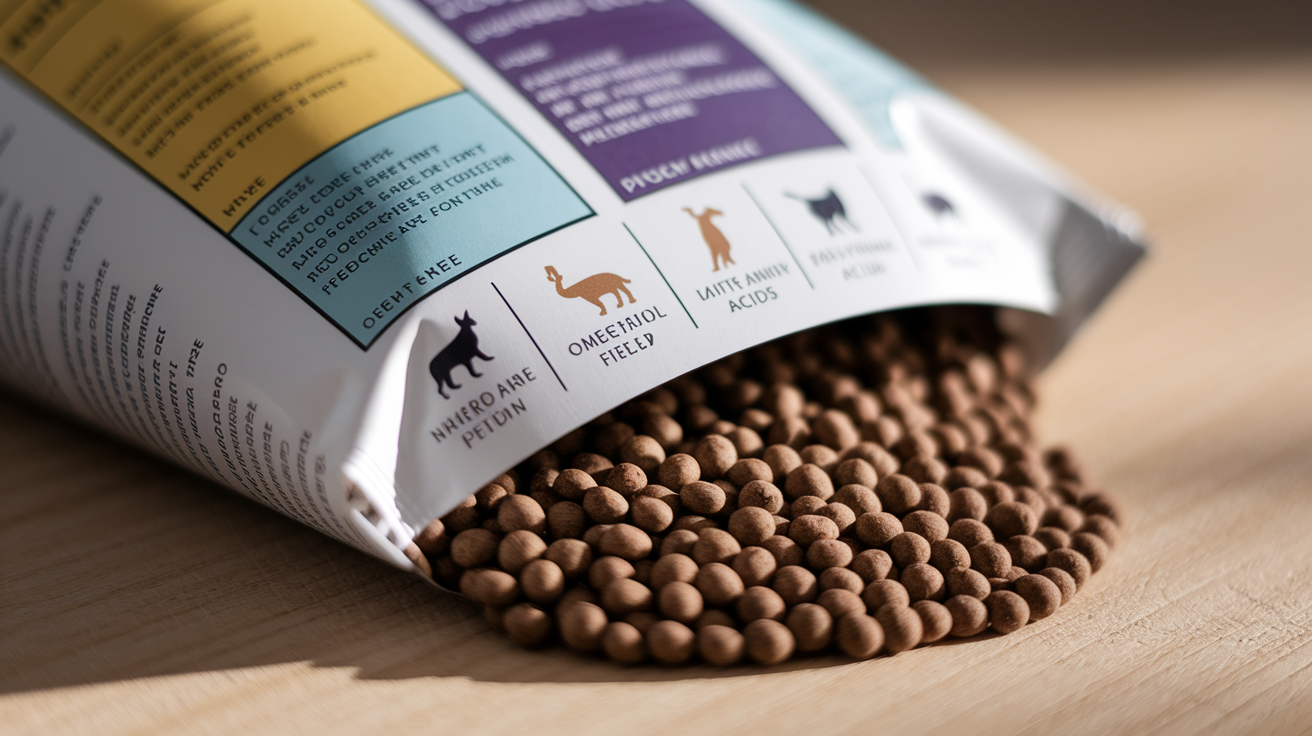
Ingredient lists show what your cat’s actually eating every day, past the marketing on the front of the bag. The first ingredient should be a named animal protein: chicken, turkey, salmon, or another specific meat source. Not a vague “meat meal” or “poultry by-product.” Quality proteins are easier to digest, provide more usable amino acids, and support lean muscle mass, which matters when you’re managing calories to prevent weight gain. Omega-6 fatty acids (from chicken fat or fish oil) keep skin healthy and coat shiny. Omega-3 sources like EPA and DHA from fish support brain function and reduce inflammation.
Fiber’s just as important for indoor cats. Look for both soluble and insoluble fiber sources. Beet pulp, powdered cellulose, pumpkin, and psyllium all help move hair through the digestive tract and add bulk to keep your cat feeling full without adding calories. Fiber also slows carbohydrate absorption, which can help manage blood sugar and energy levels. On the flip side, skip formulas that rely on unnamed by-products, excessive grains used as cheap fillers (especially if your cat shows signs of sensitivity like itchy skin or soft stools), and artificial colors or flavors that add nothing nutritional and might trigger sensitivities in some cats.
Look for these ingredients:
- Named animal proteins (chicken, turkey, salmon, whitefish) as the first ingredient
- Omega-3 sources like fish oil, salmon oil, or flaxseed
- Fiber sources such as beet pulp, powdered cellulose, pumpkin, or psyllium
- Whole grains or legumes (brown rice, oats, peas) if your cat tolerates them
- Added vitamins and minerals (beta-carotene, vitamin C, taurine) to meet AAFCO standards
- Bone broth or added moisture in wet formulas to support hydration
Avoid or minimize these ingredients:
- Ambiguous “meat by-products” or “poultry meal” without named sources
- Excessive corn, wheat, or soy used mainly as cheap fillers
- Artificial colors (Red 40, Yellow 5) that serve no nutritional purpose
- Artificial flavors and preservatives (BHA, BHT) when natural alternatives exist
- Added sugars or sweeteners, which contribute to weight gain and dental issues
- High ash content (above 8–10%) if your cat has urinary or kidney concerns
Premium vs Budget Indoor Cat Food Options
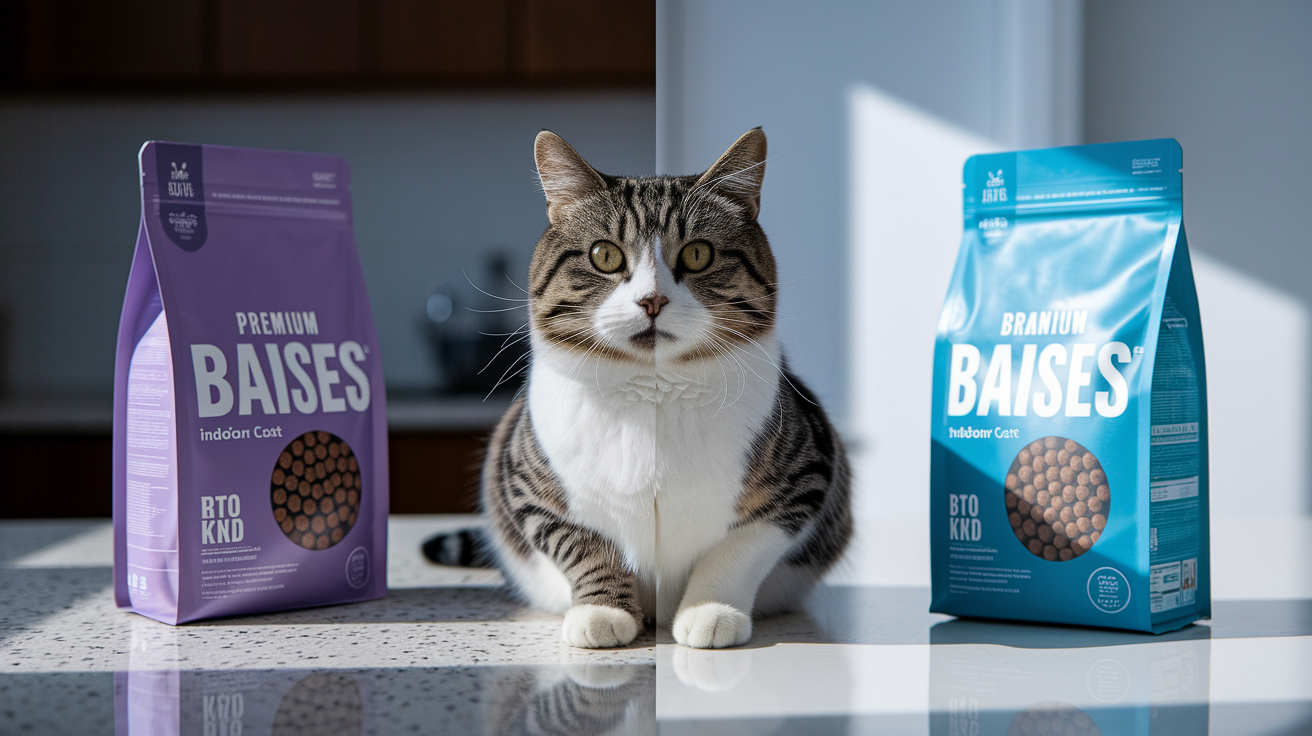
Premium indoor cat foods typically focus on whole animal proteins, limited or no grains, higher digestibility, and specialized blends of probiotics, antioxidants, and omega fatty acids. Brands like Wellness CORE, Royal Canin, and Hill’s Science Diet invest in research, controlled sourcing, and formulas designed for specific life stages or health concerns. You’ll pay more per pound (often $18 to $60 for a mid-sized bag), but you’re usually getting better protein quality, fewer fillers, and more consistent manufacturing standards. Premium brands also tend to offer veterinary backing or clinical trials supporting their claims.
Budget options like Purina Pro Plan (mid-tier) and Friskies (lowest cost) focus on accessibility and being widely available. You’ll find them in grocery stores, big-box retailers, and online at price points between $12 and $30 for comparable bag sizes. These formulas often include more grains and carbohydrate sources to keep costs down, and some use poultry by-product meal or less-specific protein sources. That doesn’t make them unsafe, but it does mean protein digestibility and amino acid profiles can vary more batch to batch. For healthy adult cats without special needs, a quality mid-tier brand can perform just as well as a premium option if you monitor portions and results.
Four key differences between premium and budget indoor cat foods:
- Protein sources: Premium brands typically list deboned chicken or fish first. Budget brands may lead with meals or by-products.
- Filler content: Budget formulas often include more corn, wheat, or rice to reduce cost. Premium options use limited grains or go grain-free.
- Added functional ingredients: Premium foods often include probiotics, omega-3s, antioxidant blends, and specialized fibers. Budget options focus on meeting basic AAFCO minimums.
- Price per feeding: Premium foods cost more per bag but are often more calorie-dense or nutrient-rich, so portion sizes may be smaller and cost per feeding closer to mid-tier brands.
Best Wet Food Choices for Indoor Cats
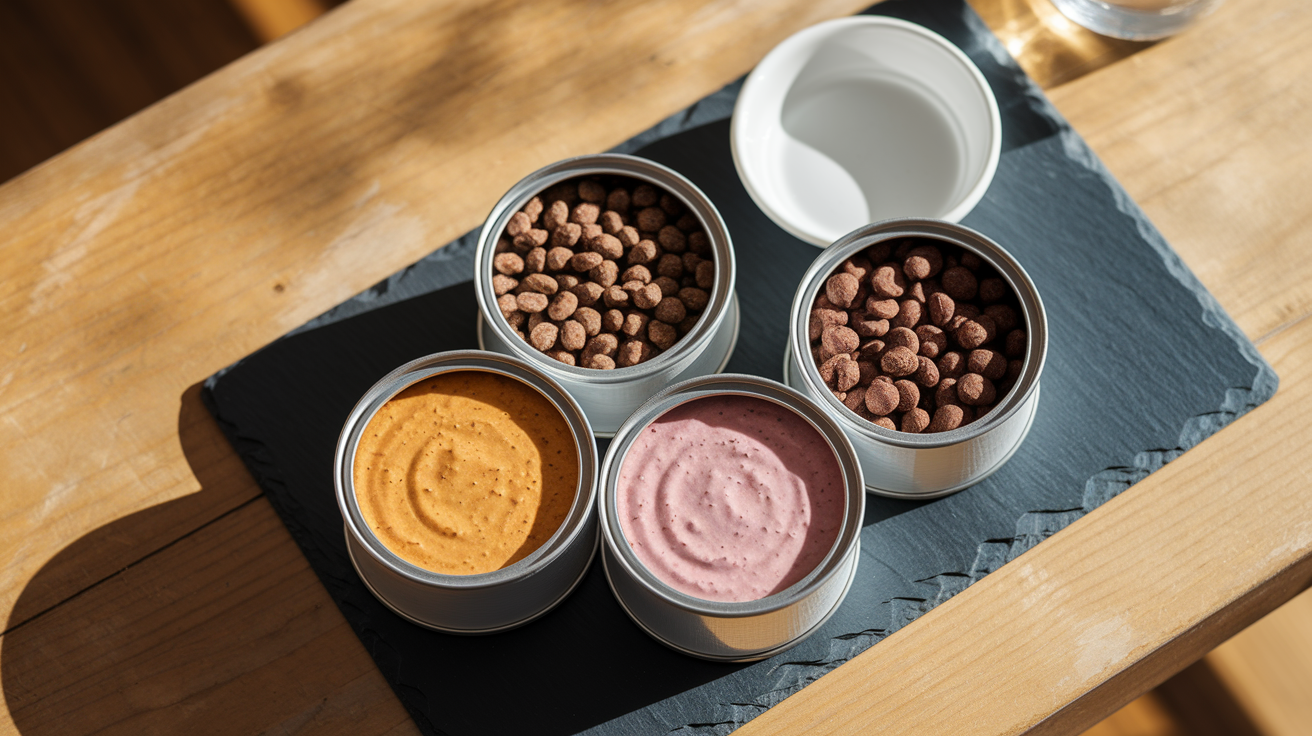
Wet food delivers moisture along with nutrition, making it a smart choice for indoor cats who don’t drink enough water on their own. A typical 3-ounce can has about 70 to 110 calories and 75 to 80 percent moisture, compared to dry kibble’s 8 to 12 percent. That extra hydration supports kidney function, urinary tract health, and can help prevent crystal formation or bladder issues common in indoor cats. Wet food also tends to be more palatable and satisfying per calorie, which helps with portion control and weight management.
Look for wet formulas built around named animal proteins and bone broth, which adds flavor and additional moisture. Grain-free or limited-ingredient wet foods work well for cats with sensitivities, and formulas with added fiber (like pumpkin or psyllium) can double as hairball-control meals. Wet food is more perishable and typically costs more per calorie than kibble, but many pet parents find the health benefits (especially for cats prone to urinary issues) worth the extra expense and effort. You can feed wet food exclusively, use it as a topper to make kibble more appealing, or rotate between wet and dry meals throughout the week.
Feeding wet food does require attention to portion sizes and storage. Opened cans should be refrigerated and used within two to three days, and uneaten portions left at room temperature for more than an hour should be tossed to prevent bacterial growth. Calculate daily calorie needs first, then divide total calories between wet and dry foods if you’re mixing formats.
Four example wet indoor cat formulas:
- Chicken & Salmon Rustic Blend: Humanely raised chicken, wild-caught salmon, and chicken bone broth for hydration and omega-3 support.
- Homestead Turkey Rustic Blend: Turkey and turkey bone broth, offering a single-protein option for cats with poultry sensitivities.
- Whitefish & Sweet Potato Pâté: Ocean whitefish plus fiber-rich sweet potato for hairball control and digestive health.
- Duck & Pumpkin Grain-Free: Novel protein (duck) with added pumpkin fiber, good for cats with common protein allergies or sensitive stomachs.
Indoor Cat Food for Special Needs (Hairballs, Weight, Sensitivities)
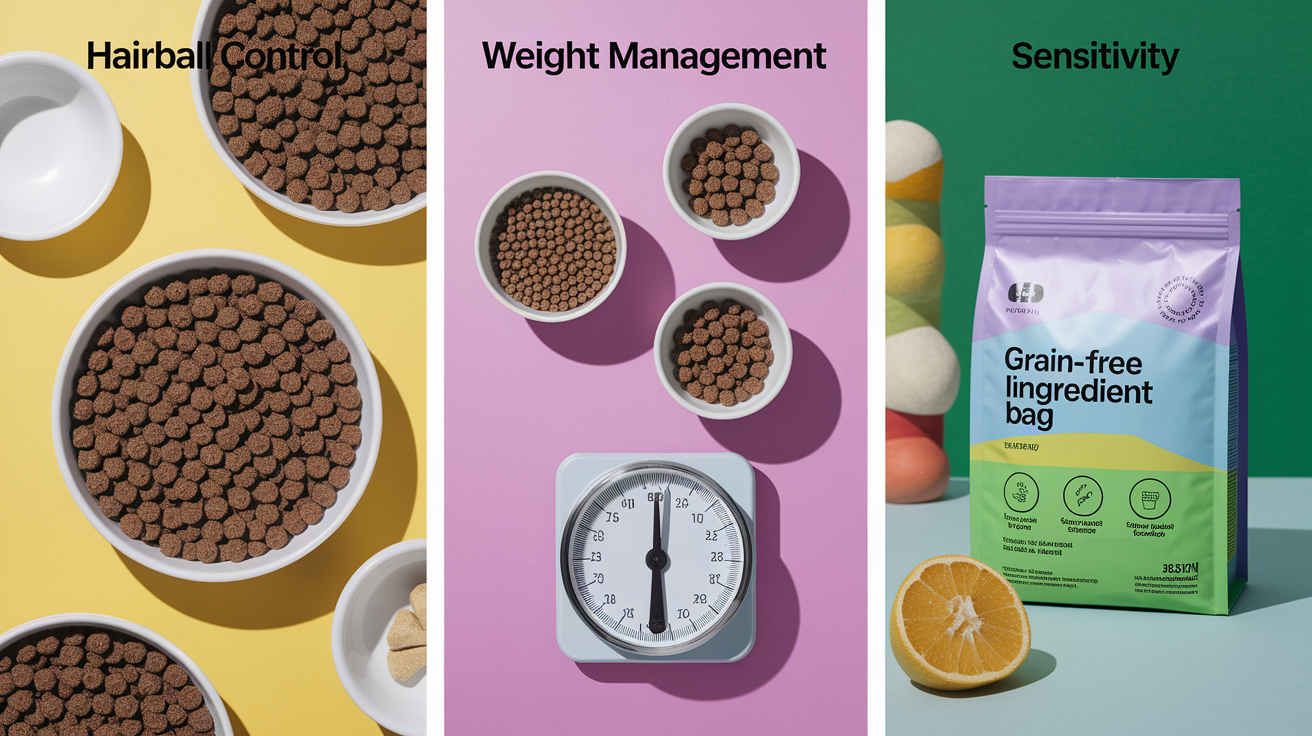
Indoor cats groom a lot, and all that swallowed fur can turn into hairballs or digestive discomfort if their diet doesn’t have enough fiber to move it through. Weight management is another common challenge. Nearly 60 percent of domestic cats are overweight, and indoor cats face the highest risk because of lower activity and free-choice feeding habits. Sensitivities to grains, specific proteins, or artificial additives can show up as itchy skin, soft stools, or chronic vomiting. The right food addresses these issues without needing a prescription or veterinary diet, though you should always talk to your vet if symptoms stick around or get worse.
Handling these concerns starts with reading labels and adjusting feeding habits. Hairball-control formulas focus on fiber. Weight-management foods reduce calorie density and fat. Sensitive-stomach options limit ingredients and avoid common triggers. In many cases, a single well-chosen indoor formula can handle two or even all three issues at once, especially if you pair it with portion control and regular monitoring.
Hairball Control Foods
Hairball-control formulas use added fiber to bind ingested hair and move it smoothly through the digestive tract before it clumps into a hairball. Look for crude fiber levels between 4 and 8 percent, with sources like powdered cellulose, beet pulp, psyllium, or pumpkin. Hill’s Science Diet Indoor includes powdered cellulose specifically for hairball management, while Royal Canin Indoor relies on a blend of soluble and insoluble fibers to improve stool quality and reduce vomiting. High-fiber foods may produce larger, firmer stools, which is normal and even good if it means fewer hairballs. If your cat still struggles with frequent hairballs despite a high-fiber diet, consider adding a hairball-relief gel or increasing the proportion of wet food, which provides extra moisture to help hair pass more easily.
Weight Management Foods
Safe weight loss for cats happens slowly, about 0.5 to 2 percent of body weight per week. A 12-pound cat losing 1 percent per week will drop roughly 1.5 ounces, or about half a pound per month. Weight-management formulas do this by lowering calorie density (often 280 to 330 kcal per cup), reducing fat content, and increasing protein and fiber to preserve muscle and keep your cat feeling full. Royal Canin Indoor and Hill’s Science Diet Indoor both target controlled calories and lean proteins, while still meeting AAFCO standards for complete and balanced nutrition. Measure portions with a kitchen scale or calibrated scoop, track daily intake, and weigh your cat monthly to confirm progress. Adjust portions by 5 to 10 percent if weight loss stalls or accelerates too quickly, and talk to your vet if you see no change after eight weeks.
Sensitive Stomach/Allergy-Friendly Foods
Cats with food sensitivities or allergies often show signs like chronic diarrhea, vomiting, itchy skin, or excessive grooming. Common triggers include unnamed by-products, artificial colors and flavors, corn, wheat, soy, and sometimes even common proteins like chicken or fish. Limited-ingredient diets (LID) narrow the formula to a single protein source and a handful of carbohydrates, making it easier to identify and eliminate the culprit. Blue Buffalo offers grain-free indoor formulas with deboned chicken or fish as the primary protein and no artificial additives, while brands like Nutro Natural Choice focus on whole proteins and avoid common allergens. If you suspect a sensitivity, transition to a limited-ingredient formula over 7 to 10 days and monitor symptoms closely. Keep a feeding journal to track stool quality, vomiting, scratching, and energy levels, and bring those notes to your vet if symptoms don’t improve within four weeks.
Wet vs Dry Cat Food for Indoor Cats
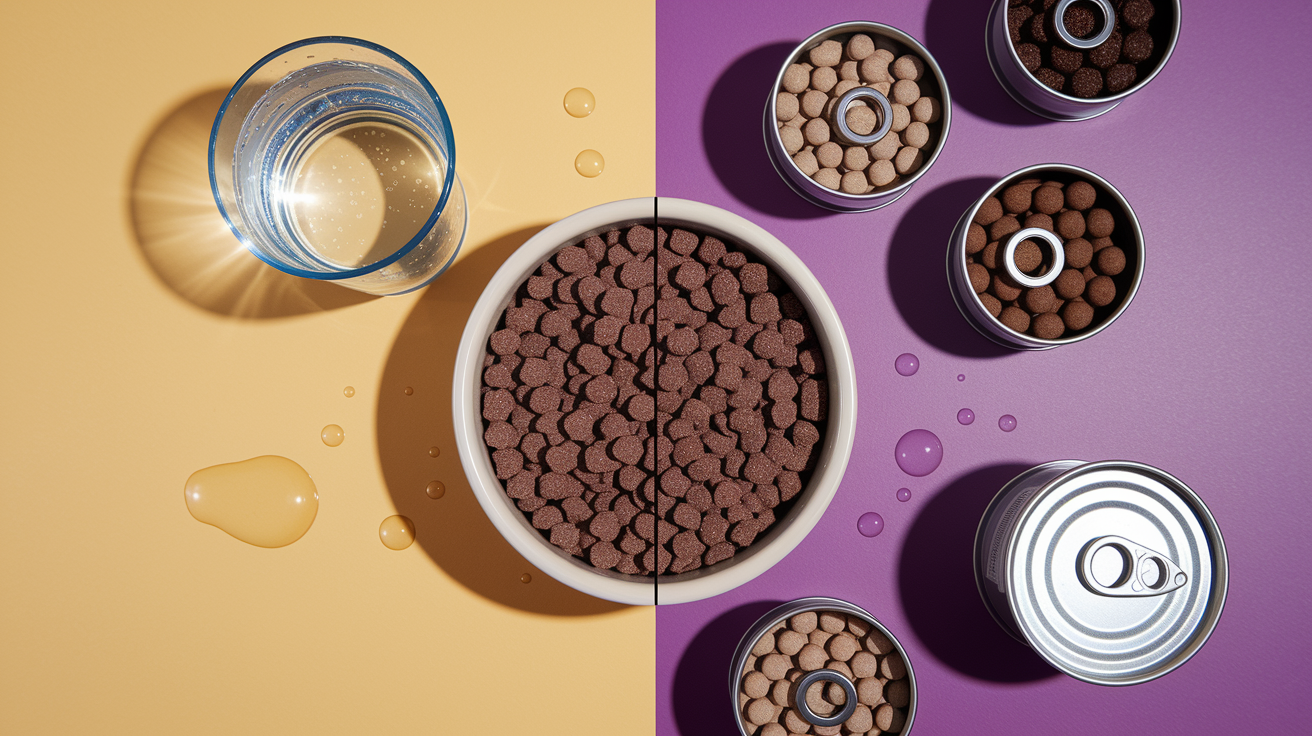
Dry kibble is convenient, shelf-stable, and often more affordable per calorie than wet food. It supports dental health by providing a crunchy texture that can reduce plaque buildup, and portion control is straightforward. Just measure the cup and you’re done. Calorie density typically falls between 280 and 380 kcal per cup, so you’ll need to watch portions carefully if your indoor cat tends to gain weight. Kibble also works well in timed feeders, puzzle toys, and multi-cat households where you need to control who eats what. The downside is dry food contains only 8 to 12 percent moisture, so cats who rely solely on kibble may not drink enough water to stay well-hydrated.
Wet food flips those priorities. With 75 to 80 percent moisture and calorie densities around 70 to 110 kcal per 3-ounce can, wet food keeps your cat hydrated and makes it easier to manage weight without leaving them hungry. Wet formulas are more palatable for picky eaters, easier to digest, and often feature bone broth or added water that supports kidney and urinary health. The tradeoffs are cost (wet food is typically more expensive per calorie), storage (opened cans must be refrigerated), and spoilage risk if portions sit out too long. Many pet parents find a mixed approach works best: dry kibble as a base, with wet food added as a topper, rotated meal-by-meal, or offered exclusively to cats with urinary or kidney concerns.
Your cat’s age, activity level, and health status should guide your choice. Kittens and active adults often do fine on high-quality dry food alone, as long as fresh water is always available. Sedentary adults, seniors, and cats with a history of urinary crystals or kidney issues benefit from a higher proportion of wet food. If budget or convenience favors dry food, consider adding a tablespoon of water or low-sodium bone broth to each meal to boost moisture intake.
Four guidelines for choosing wet or dry food:
- Choose dry kibble if you need convenience, cost efficiency, timed feeding options, or dental texture for plaque control.
- Choose wet food if your cat is prone to urinary issues, doesn’t drink enough water, or needs help managing weight with larger, more satisfying portions.
- Mix both formats if you want the convenience of dry food and the hydration benefits of wet, or if your cat is picky and variety improves appetite.
- Monitor hydration regardless of format by checking litter box habits (urine clumps should be frequent and golf-ball sized or larger) and offering a water fountain or multiple bowls.
Portion Control and Feeding Schedules for Indoor Cats
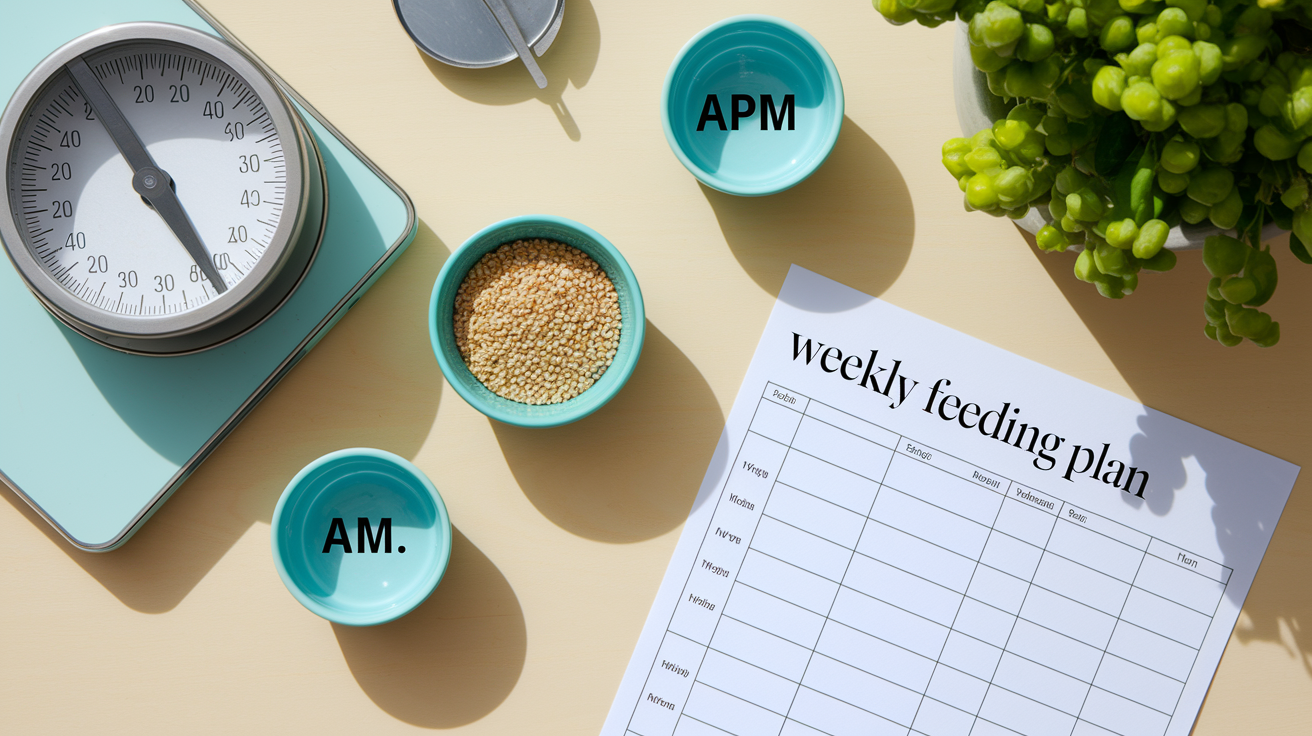
Even the best indoor cat food will cause weight gain if you overfeed it. Most indoor adult cats need between 180 and 280 calories per day, but that range varies based on weight, age, metabolism, and activity. An 8-pound sedentary senior might need only 160 calories, while a lean, playful 12-pound young adult could require 250. The feeding guidelines on the bag are starting points, not rules. They’re often based on active, unspayed or unneutered cats and can easily overfeed a typical indoor cat by 20 to 40 percent.
Start by calculating your cat’s actual needs. A rough estimate is 20 calories per pound of ideal body weight per day for weight maintenance, or 18 calories per pound for gradual weight loss. Measure food using a kitchen scale or a level measuring cup, not a heaping scoop, and track what you’re feeding for at least a week to establish a baseline. If your cat is gaining weight, reduce portions by 5 to 10 percent and check again in four weeks. If they’re losing too quickly or seem constantly hungry, increase by the same small amount. Scheduled meals (two or three times per day) work better than free-choice feeding for most indoor cats, because they let you control portions, monitor appetite, and prevent boredom grazing.
Consistency matters more than perfection. Pick a feeding schedule that fits your routine and stick with it. Cats do well with predictability, and a regular schedule reduces stress and begging behavior. If you’re switching foods, transition gradually over 7 to 10 days to avoid digestive upset, and recalculate portions based on the new food’s calorie density. Switching from a 350-calorie-per-cup formula to a 300-calorie version means you’ll need to feed slightly more to maintain the same total daily calories.
Five feeding schedule tips for indoor cats:
- Weigh your cat monthly and adjust portions if you see more than a 5 percent change in body weight over eight weeks.
- Use a kitchen scale to measure kibble by weight (grams) rather than volume (cups) for consistent portion sizes.
- Feed two or three meals per day at the same times each day to reduce begging and prevent boredom eating.
- Don’t top off the bowl throughout the day. Measure the full daily portion and divide it across scheduled meals.
- Track calories from treats and reduce meal portions by the same amount. Treats should not exceed 10 percent of total daily calories.
How to Transition Indoor Cats to a New Food Safely
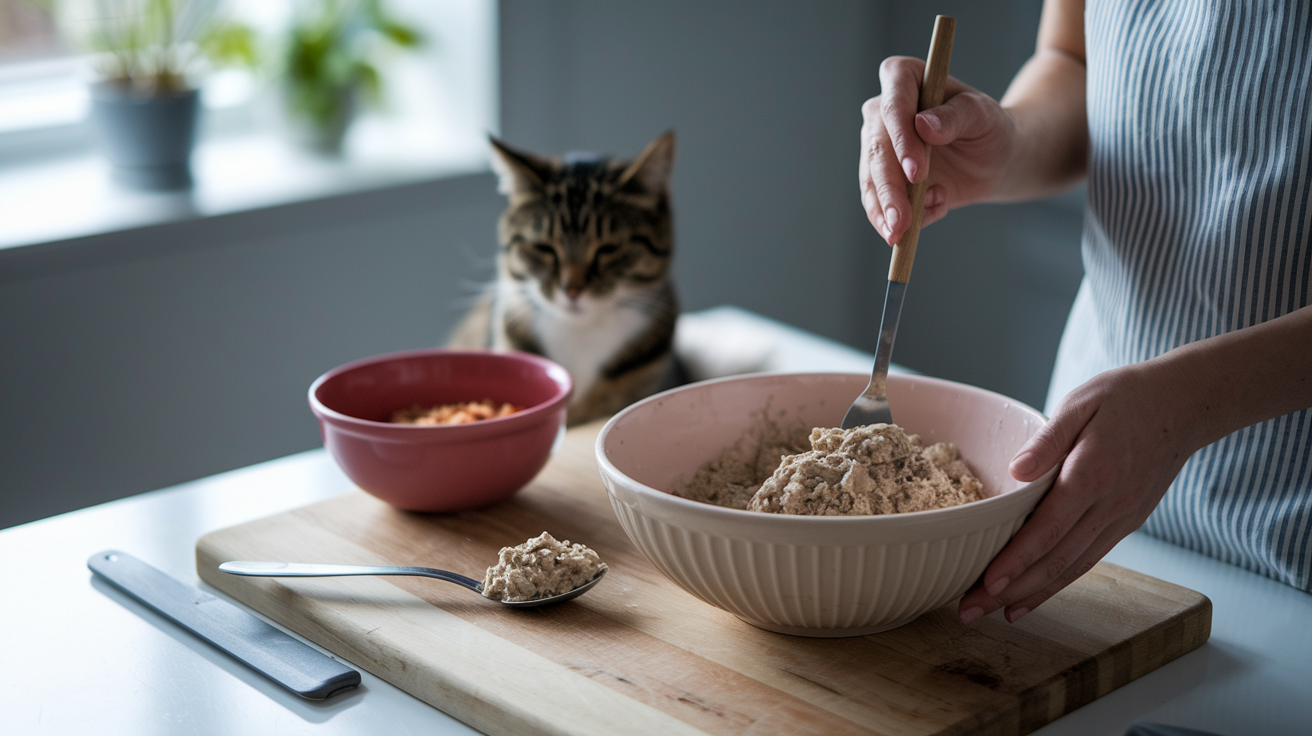
Switching cat food abruptly can trigger vomiting, diarrhea, or refusal to eat, so a gradual transition over 7 to 10 days gives your cat’s digestive system time to adjust. Start by mixing a small amount of the new food with the current food, about 25 percent new to 75 percent old, and monitor your cat’s stool quality, appetite, and energy. If everything looks normal after two to three days, increase the new food to 50 percent, then 75 percent, and finally 100 percent by the end of the transition window.
Watch for signs of digestive upset during the switch. Soft stools or mild gas are common in the first few days and usually clear up as the gut adapts. If your cat develops watery diarrhea, vomits more than once, or refuses to eat for 24 hours, slow the transition or return to the previous food and talk to your vet. Some cats with sensitive stomachs need a longer, slower transition (up to two weeks), while others adapt quickly. Keep feeding times consistent, offer fresh water, and avoid introducing treats or table food during the transition to isolate any reactions to the new formula.
Four-step transition process:
- Days 1–3: Mix 25% new food with 75% current food. Monitor stool quality and appetite closely.
- Days 4–6: Increase to 50% new food and 50% current food. Continue monitoring for soft stools or vomiting.
- Days 7–9: Shift to 75% new food and 25% current food. Your cat’s digestive system should be adapting by now.
- Day 10: Feed 100% new food and observe for one full week. Adjust portions based on calorie density and your cat’s weight trend.
Final Words
Start by comparing the top picks and match them to your cat’s needs. We covered six commonly recommended dry formulas, how premium and budget options differ, and what wet food adds.
Use the nutrition essentials and the ingredient guide to check protein, calories, and fiber, especially for hairball or weight concerns. Follow the portion control tips and a 7–10 day transition, and watch appetite, stool, weight, and hydration.
Pick one sensible option, track a few daily notes, and adjust as you go. With a little patience you’ll find the best cat food for indoor cats that fits your cat and your routine.
FAQ
Q: What is the healthiest cat food for an indoor cat?
A: The healthiest cat food for an indoor cat is a formula with named animal protein, about 30–40% protein, controlled calories for indoor activity, 3–8% fiber for hairballs, and no artificial colors or vague by-products.
Q: What is the silent killer of cats?
A: The silent killer of cats is often chronic kidney disease; watch increased thirst, urination, weight loss, low appetite, or vomiting, and get prompt vet bloodwork and urine testing if you notice these signs.