
Not all cat food is created equal — and your cat’s health can show the difference. After testing formulas, checking ingredient panels, and scanning recall histories, I narrowed the choices to brands that truly work for obligate carnivores: named animal protein first, honest labels, and steady quality. This guide gives quick top picks and deeper reviews of wet, dry, and air-dried foods so you can pick the best match for your cat’s life stage, health needs, and budget.
Top Recommended Cat Foods (Quick Summary)
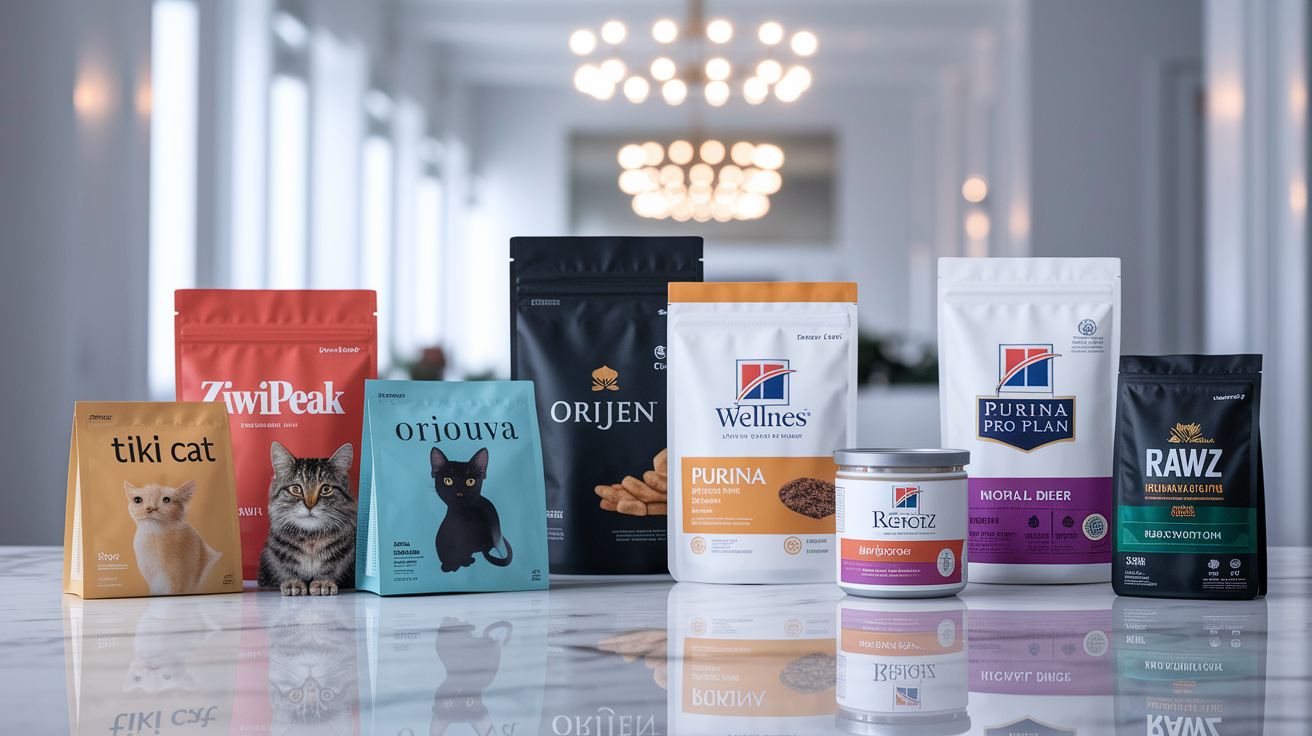
After testing formulas, checking ingredient panels, and looking at recall histories, you can narrow down which cat foods actually work for obligate carnivores. The brands below earn their spot for protein quality, honest labels, and consistency.
- Tiki Cat – Wet formulas with real shredded meat you can see; minimal fillers, high moisture.
- ZiwiPeak – Air-dried and canned recipes hitting 45%+ crude protein (dry matter); top-tier sourcing, top-tier price.
- Orijen – Dry kibble with 38–45% crude protein; meat-first every time; built for active cats and kittens.
- Weruva – Boneless fish and chicken, low-carb, no carrageenan, made in FDA facilities.
- Wellness CORE – Grain-free dry and wet; 35–40% protein; solid quality without the premium sticker shock.
- Purina Pro Plan – Vets recommend it, formulas target urinary, digestive, and weight issues, and it won’t wreck your budget.
- Hill’s Science Diet – Prescription-tier therapeutic diets for kidney, urinary, and weight problems; vets trust it.
- Acana – Meat-first recipes, 30–40% protein, mid-to-upper pricing, clean recall record.
- Natural Balance – Limited-ingredient options with taurine, glucosamine, and omegas; works for sensitive stomachs.
- RAWZ – Simple ingredient decks, no rendered meat meals or by-products.
This list sticks to AAFCO-compliant formulas, named animal proteins as the first ingredient, clean recall records over the past five years, and strong reviews from Chewy, Amazon, and ConsumerAffairs.
In-Depth Reviews of the Best Cat Foods
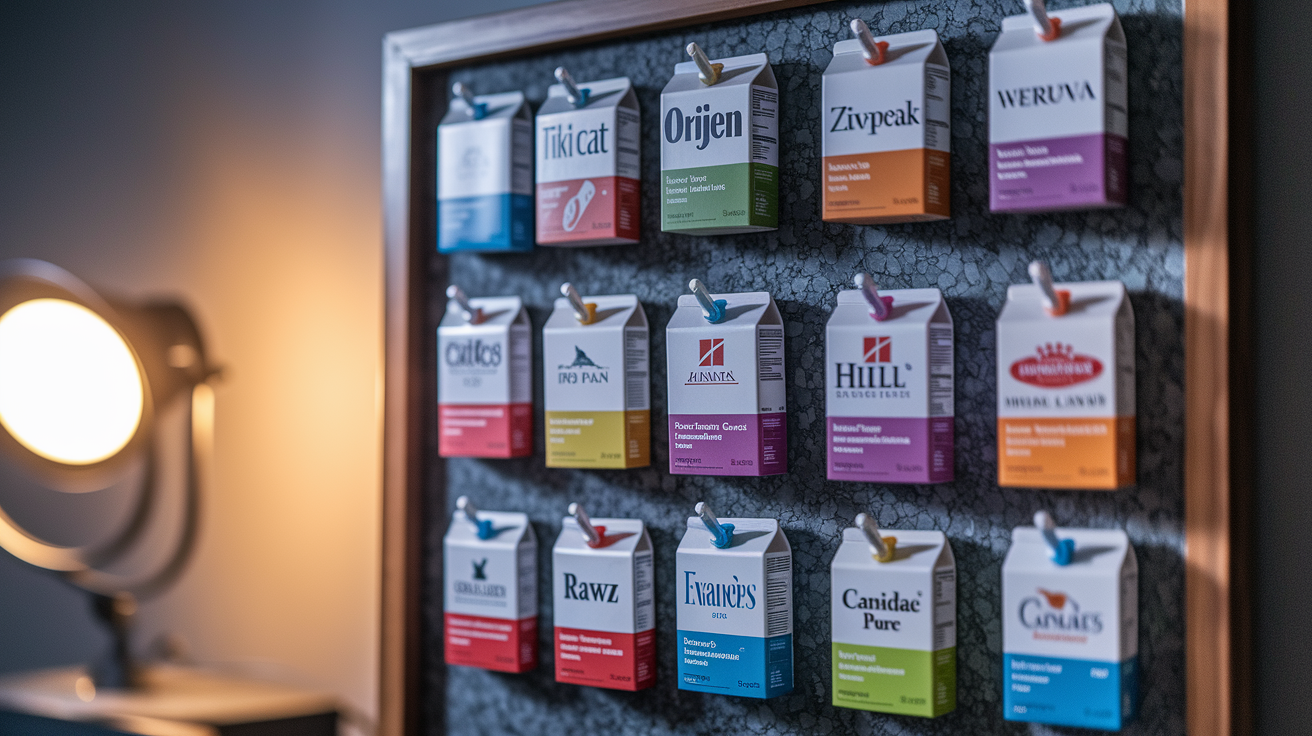
Tiki Cat combines high moisture (wet recipes usually deliver 75–85% water) with named muscle meats like shredded chicken, tuna, mackerel as the first ingredient. Most cans provide 40%+ crude protein on a dry-matter basis. Price ranges from $1.50 to $3.00 per 5.5-oz can. You get excellent palatability for picky eaters, support for urinary and kidney health through hydration, and superfoods like pumpkin and kale. The trade-off? Higher per-day cost and almost no dry-food options. This works well for cats needing moisture-rich diets or recovering from urinary issues.
Orijen dry formulas push protein to 38–45%, pulling from free-run poultry, nest-laid eggs, and wild-caught fish. Typical retail runs $6.50–$9.00 per pound. Calorie density is high (around 400–450 kcal per cup), so you need to measure portions carefully for less-active cats. You get biologically appropriate ratios, freeze-dried inclusions, and minimal plant fillers. But premium pricing and calorie concentration don’t suit weight-prone or senior cats. Best for kittens, active adults, and owners ready to invest in top-tier kibble.
ZiwiPeak air-dried and canned recipes deliver crude protein above 45% on a dry-matter basis. Air-dried pouches retail for $8–$12 per pound; 5.5-oz cans run $3.00–$5.50. Whole prey ratios include muscle meat, organs, and bone. No synthetic vitamins needed. You get exceptional ingredient purity, single-animal-protein formulas perfect for elimination trials, and shelf-stable air-dried convenience. Cost per day can exceed $4.00 for a 10-lb cat. Excellent for cats with complex allergies or owners seeking grain and legume-free options.
Weruva wet foods feature visible chicken breast chunks and flaked tuna, salmon, or tilapia. The Mideast Feast freeze-dried formula claims more than 94% bone-free fish, excluding bones, organs, grains, gluten, carrageenan, corn, wheat, soy, and artificial colors. Cans average $1.50–$3.50 per 3-oz to 10-oz portion. Low-carbohydrate profiles, high palatability, and BRCGS facility compliance make it appealing. Limited dry options and higher per-feeding cost are the downsides. Works well for cats transitioning from grocery brands or those needing hydration boosts.
Wellness CORE offers both grain-free kibble and pâté wet recipes. Dry formulas usually deliver 35–40% crude protein from deboned turkey, chicken meal, and salmon meal. Price sits at $3.00–$6.00 per pound for dry and $1.00–$2.50 per 5.5-oz can for wet. Balanced omega ratios, added probiotics, and wide retail availability are strengths. Some formulas include peas and lentils as protein boosters. A reliable mid-premium brand for multi-cat households.
Purina Pro Plan provides targeted formulas: Savor Adult for palatability, Focus for urinary or sensitive skin, and LiveClear to reduce allergens in cat hair and dander. Dry kibble costs $1.50–$3.50 per pound; wet pouches run $0.80–$1.50 each. Crude protein ranges from 30–40% depending on line. Extensive vet endorsement, prescription-adjacent therapeutic options, and affordability make it stand out. Ingredient decks include corn gluten meal and animal by-products in some SKUs. Great for budget-conscious owners and cats with diagnosed health issues.
Hill’s Science Diet standard lines offer chicken or ocean fish as the first ingredient, with crude protein around 30–35%. Prescription Diet lines address renal disease (phosphorus restriction), urinary stones (controlled magnesium), and obesity (high fiber, low calorie). Dry ranges from $2.00–$5.00 per pound; prescription cans cost $2.50–$4.00 each. Rigorous clinical trials, life-stage and condition-specific formulas, and global vet trust are the draw. Higher reliance on corn and wheat gluten for texture is the trade-off. Best for cats under veterinary care or senior cats needing therapeutic diets.
Acana recipes mirror Orijen’s whole-prey philosophy at a slightly lower price ($3.50–$6.50 per pound for dry). Protein sits at 30–40%, sourced from cage-free chicken, wild-caught herring, and grass-fed lamb. Regional ingredient sourcing, WholePrey ratios (meat, organs, cartilage), and no synthetic additives are highlights. Limited wet-food offerings and potential for over-feeding due to calorie density are considerations. Suitable for active adult cats and owners seeking Canadian-sourced kibble.
Natural Balance L.I.D. (Limited Ingredient Diets) formulas pair single animal proteins (duck, venison, salmon) with a single carbohydrate like green peas or sweet potato. Dry runs $2.50–$5.00 per pound. Each recipe includes taurine, vitamin E, calcium, phosphorus, glucosamine, and omegas. Transparent ingredient lists, lower allergenic potential, and good digestibility are strengths. Some formulas rely on pea protein to meet AAFCO minimums. Works well for cats with suspected food sensitivities or inflammatory bowel disease.
RAWZ uses 100% meat, fish, and poultry without rendered meals or by-products. Dry kibble provides 40%+ crude protein; cans offer shredded chicken or salmon in broth. Price ranges from $4.00–$7.00 per pound dry and $2.00–$3.50 per 5.5-oz can. Minimal processing, no gums or thickeners, and grain-free formulas are the appeal. Limited retail distribution and premium pricing are the barriers. Best for owners prioritizing ingredient purity and willing to order online.
Royal Canin veterinary lines target specific diagnoses: Renal Support for chronic kidney disease, Urinary SO for struvite dissolution, Hypoallergenic for severe food allergies. Dry costs $2.50–$6.00 per pound; wet pouches run $2.00–$4.00 each. Decades of clinical research, precise nutrient profiles, and global vet network back the brand. Ingredient lists include brewers rice, corn, and animal by-products for cost control and palatability. Perfect for cats with documented chronic conditions requiring long-term dietary management.
Tiki Pets Born Carnivore dry formulas deliver 40% guaranteed crude protein from deboned chicken and egg. The 2.8-lb bag retails around $12–$18. Superfoods like flaxseed, carrots, and kale add antioxidants. High protein without legumes, grain-free, and no artificial flavors are positives. Small bag sizes raise per-pound cost. Best for kittens and high-energy adults.
Evanger’s offers both conventional and organic lines. The Super Premium Vegetarian Complete Balanced Dinner (12.8-oz can) meets AAFCO profiles for adult maintenance. Meat Lover’s Medley with Rabbit (4.4-lb dry) features inspected rabbit, chicken, and turkey. USDA-inspected meats, biologically appropriate recipes, and variety of proteins are strengths. Limited retail presence is a drawback. Suitable for rotation feeding and cats needing novel proteins.
Canidae PURE Goodness for Joints (5-lb dry) combines real salmon with glucosamine and chondroitin. HealthPlus Solutions add vitamins, omegas, and probiotics. Price sits at $3.50–$5.50 per pound. Targeted wellness formulas, limited-ingredient options, and family-owned transparency appeal to many. Some recipes include pea protein. Good for senior cats and those prone to arthritis.
Meow Mix Original Choice (16-lb dry) offers chicken, turkey, salmon, and ocean fish at budget pricing ($1.00–$2.00 per pound). Crude protein hovers around 30%. Affordability, wide availability, and all-life-stages AAFCO statement are strengths. Corn and soybean meal as primary carbohydrates, artificial colors are weaknesses. Best for multi-cat shelters or owners on tight budgets seeking an AAFCO-compliant baseline.
Comparison Table: Top Cat Foods by Type, Price, and Protein Quality

| Brand | Food Type | Primary Protein | Protein % | Price Range | Best For |
|---|---|---|---|---|---|
| Tiki Cat | Wet | Shredded chicken, tuna | 40%+ DM | $1.50–$3.00 per 5.5 oz | Hydration, urinary health |
| Orijen | Dry | Free-run poultry, fish | 38–45% | $6.50–$9.00/lb | Active adults, kittens |
| ZiwiPeak | Air-dried / Wet | Whole prey (meat, organs, bone) | 45%+ DM | $8–$12/lb; $3–$5.50 per can | Allergies, grain-free |
| Weruva | Wet / Freeze-dried | Boneless chicken, tuna, salmon | 38–42% DM | $1.50–$3.50 per 3–10 oz | Low-carb, picky eaters |
| Wellness CORE | Dry / Wet | Turkey, chicken meal | 35–40% | $3.00–$6.00/lb; $1–$2.50 per can | Multi-cat homes |
| Purina Pro Plan | Dry / Wet | Chicken, salmon | 30–40% | $1.50–$3.50/lb; $0.80–$1.50 per pouch | Budget, vet-recommended |
| Hill’s Science Diet | Dry / Wet / Rx | Chicken, ocean fish | 30–35% | $2.00–$5.00/lb; Rx $2.50–$4.00 | Therapeutic diets, seniors |
| Acana | Dry | Cage-free chicken, herring | 30–40% | $3.50–$6.50/lb | Active adults |
| Natural Balance L.I.D. | Dry / Wet | Duck, venison, salmon | 32–38% | $2.50–$5.00/lb | Food sensitivities |
| RAWZ | Dry / Wet | Whole chicken, salmon | 40%+ | $4.00–$7.00/lb; $2–$3.50 per can | Ingredient purity |
Protein percentages listed as crude protein on an as-fed basis for wet food and guaranteed analysis for dry. Dry-matter (DM) conversions yield higher numbers for wet formulas once moisture is removed. Price ranges reflect typical online and specialty-retailer costs as of 2024; regional and promotional pricing may vary. The “Best For” column highlights the primary use case based on ingredient quality, macronutrient profile, and common customer feedback.
Choosing Cat Food by Life Stage
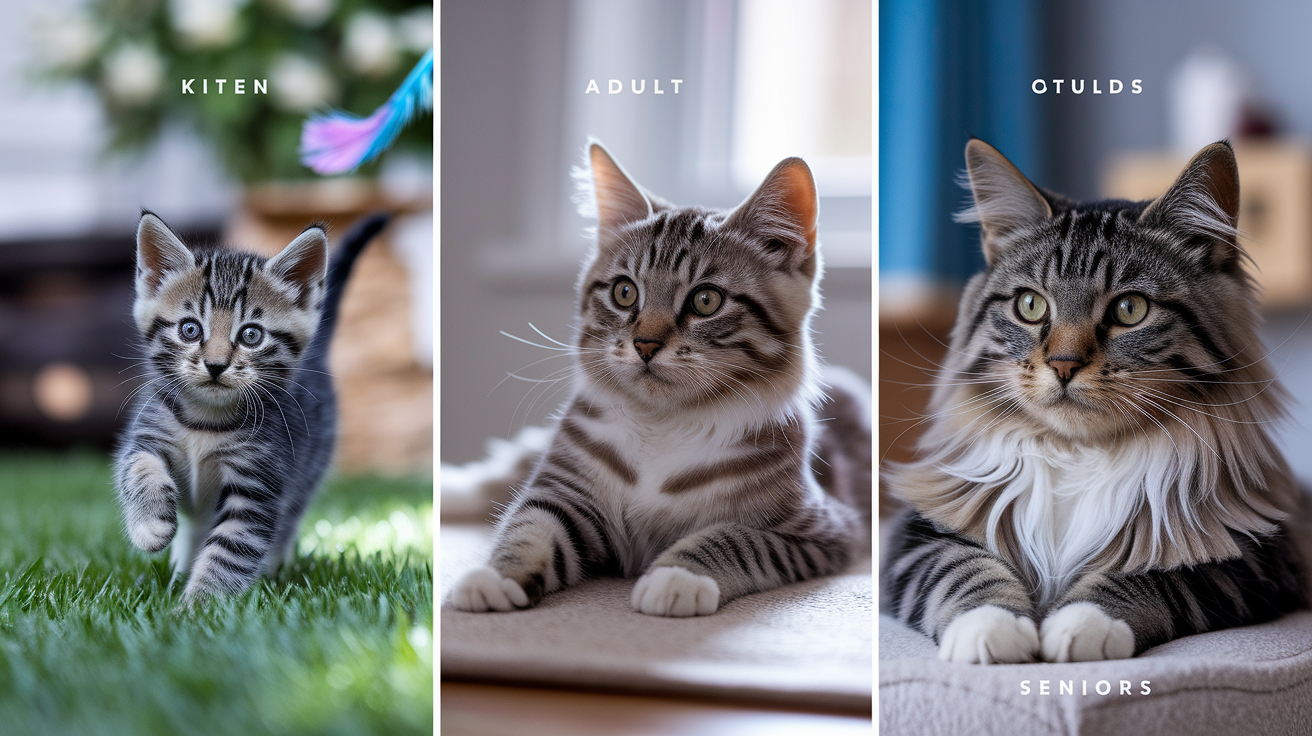
Kittens need higher protein and calorie density to fuel rapid growth. AAFCO nutrient profiles for growth and reproduction set a minimum crude protein of 30% on a dry-matter basis, though practical recommendations push toward 35–45% to support muscle and organ development. Kitten formulas also deliver elevated fat (typically 18–25%) to meet energy demands that can reach 200–300 kcal per pound of body weight daily. Brands like Orijen, Tiki Pets Born Carnivore, and Nutro Early Development include DHA from fish oil or egg to support brain and vision development. Feeding a kitten adult-maintenance food can stunt growth and weaken immunity.
Adult cats (1–7 years) do well on maintenance formulas with 30–40% crude protein and 12–20% fat. Indoor or neutered adults often need controlled calories (around 20 kcal per pound of body weight) to prevent obesity. Formulas labeled for “indoor” cats usually add fiber (3–6%) from beet pulp or cellulose to promote satiety and hairball passage. Active or outdoor adults benefit from higher-calorie kibbles (380–450 kcal/cup) like Acana or Wellness CORE. Brands offering both grain-free and grain-inclusive lines let you tailor carbohydrate sources (sweet potato, peas, or brown rice) to your cat’s digestive tolerance.
Senior cats (7+ years, or 11+ for some brands) face slowing metabolisms, reduced kidney function, and joint wear. Senior-specific recipes lower calorie density to 300–360 kcal/cup, increase highly digestible proteins (chicken, whitefish), and add glucosamine, chondroitin, and omega-3 fatty acids (EPA/DHA) for joint and cognitive health. Phosphorus restriction (often 0.5–0.8% on a dry-matter basis) helps protect aging kidneys. Tiki Pets Silver Senior Health and Hill’s Science Diet Senior formulas are good examples. Switching from adult to senior food around age 7–8 addresses age-related changes before they become problems.
Key Nutrients and Recommended Ranges by Life Stage:
- Crude Protein: Kittens 35–45%; Adults 30–40%; Seniors 30–38%
- Crude Fat: Kittens 18–25%; Adults 12–20%; Seniors 10–18%
- Calorie Density: Kittens 400–550 kcal/cup; Adults 300–450 kcal/cup; Seniors 300–360 kcal/cup
- Phosphorus: Kittens 0.8–1.2%; Adults 0.5–1.0%; Seniors 0.5–0.8%
- DHA/EPA: Kittens 0.01–0.02% minimum; Adults optional; Seniors 0.2–0.5% for cognition
- Fiber: Kittens 2–4%; Adults (indoor) 3–6%; Seniors 3–5%
Ingredient Quality Guide: What Matters Most
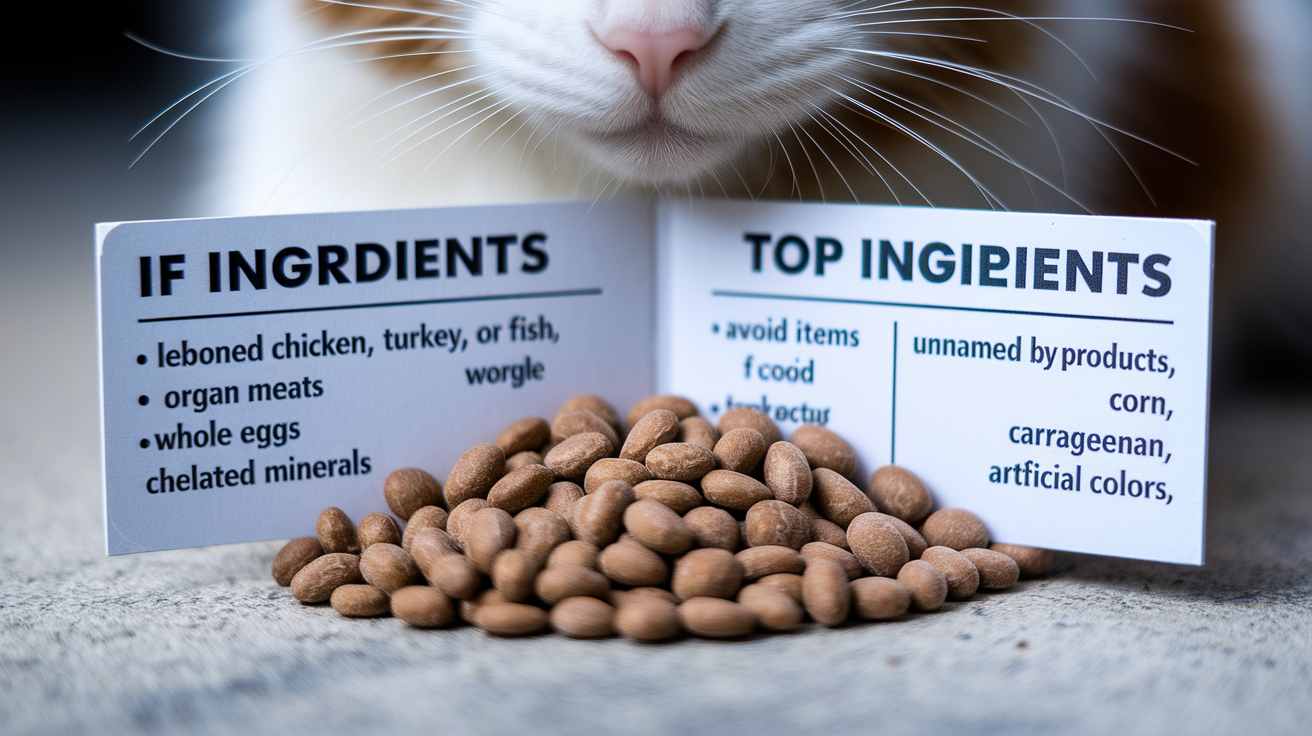
The first five ingredients on a cat food label tell you the bulk of what’s inside. Named animal proteins (chicken, turkey, salmon, rabbit) should occupy the top spot, followed by animal meals (chicken meal, fish meal) that concentrate protein by removing water. Whole eggs and organ meats (liver, heart) supply amino acids like taurine, which cats can’t make enough of on their own.
Plant-based proteins (pea protein, corn gluten meal, soy protein isolate) inflate crude protein percentages but lack the complete amino acid profile of animal tissue. While small amounts of peas or lentils contribute fiber, formulas listing them in the top three ingredients put cost over what’s biologically right for cats. Cats are obligate carnivores. Their digestive systems work best on meat, not grains or legumes.
Ingredients to Seek:
- Deboned chicken, turkey, or fish (first ingredient)
- Named animal meals (chicken meal, salmon meal for concentrated protein)
- Organ meats (liver, heart for taurine, vitamins A and D)
- Whole eggs (complete amino acid profile)
- Animal fat (chicken fat, salmon oil for omegas and palatability)
- Low-glycemic vegetables (pumpkin, spinach, carrots for fiber and antioxidants)
- Chelated minerals (zinc proteinate, copper proteinate for higher bioavailability)
- Probiotics (Bacillus coagulans, Enterococcus faecium for digestive support)
Ingredients to Avoid:
- Unnamed by-products (“meat by-product meal” without species)
- Corn, wheat, or soy as primary ingredients
- Artificial colors (Red 40, Yellow 5, Blue 2)
- Artificial flavors (chemical palatants masking poor-quality protein)
- Chemical preservatives (BHA, BHT, ethoxyquin linked to health concerns)
- Carrageenan (thickener in wet food; tied to GI inflammation)
- Propylene glycol (semi-moist preservative; potential red blood cell damage)
- Excessive plant proteins (pea protein, potato protein as top-five ingredients)
Scan the ingredient panel before you buy. If animal protein appears first, meals or whole meats occupy positions two through four, and the formula skips artificial dyes and unnamed by-products, the food probably meets baseline quality standards. Cross-reference with the guaranteed analysis to confirm crude protein above 30% and crude fat above 9% on an as-fed basis for dry formulas, or above 8% protein and 2% fat for wet recipes.
Veterinarian Insights on Cat Nutrition
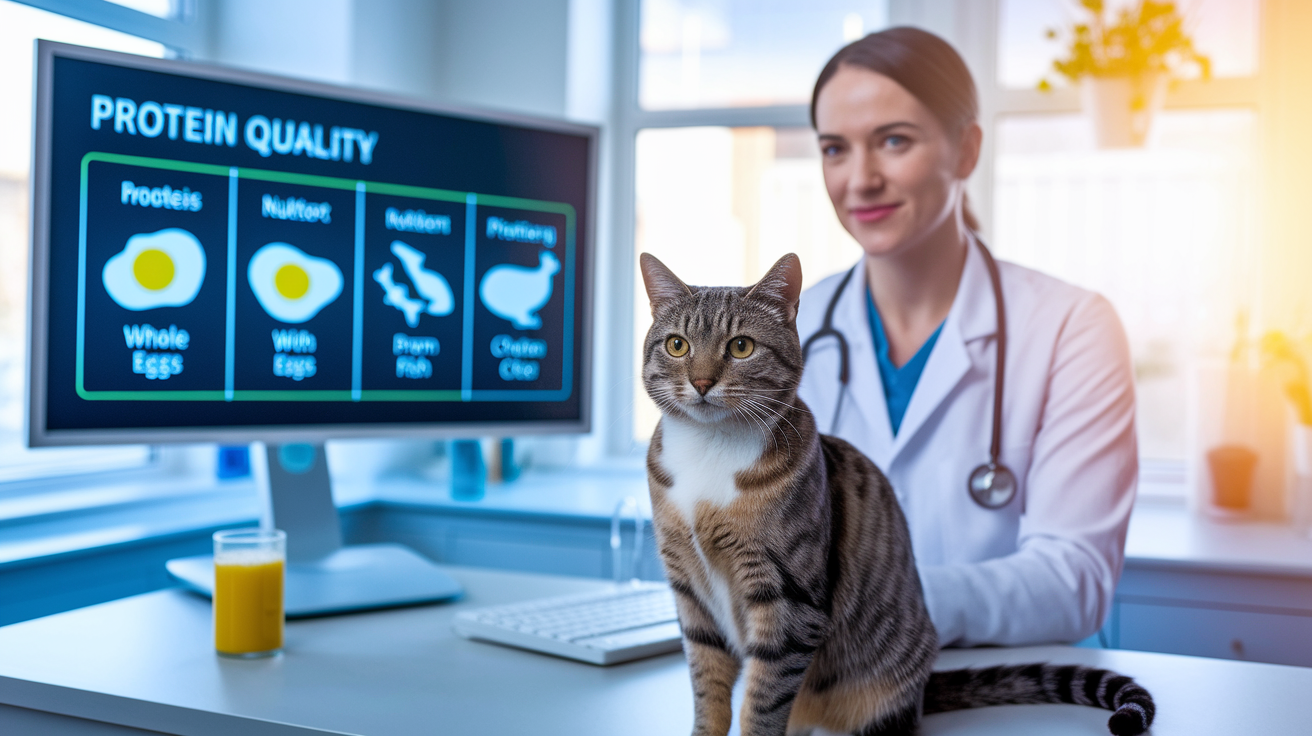
Veterinary nutritionists talk about digestibility as the real measure of protein quality. A food with 40% crude protein from corn gluten and soy delivers fewer usable amino acids than a 32% protein formula sourced from chicken and fish. Biological value (the proportion of absorbed protein retained for tissue synthesis) ranks highest for whole eggs (100), followed by fish (92), chicken (79), and beef (74). Plant proteins score lower, making animal-sourced formulas the gold standard for feline health.
The right macronutrient ratios mirror the composition of a whole prey animal: roughly 50–60% protein, 30–40% fat, and 5–10% carbohydrate on a caloric basis (dry-matter energy distribution). Cats lack salivary amylase and have short intestinal tracts that don’t ferment plant matter well. Chronic high-carbohydrate feeding (common in low-cost dry kibbles) shows up in obesity, diabetes mellitus, and inflammatory bowel disease. Vets recommend formulas with less than 10% carbohydrate on a dry-matter basis for better metabolic health.
Common health issues tied to diet include urinary crystals (struvite, calcium oxalate), chronic kidney disease, and food allergies. Urinary health gets better with moisture-rich diets that dilute urine and reduce mineral saturation. Prescription urinary formulas control magnesium (0.08–0.12%) and adjust pH to dissolve or prevent stones. Chronic kidney disease benefits from phosphorus restriction (0.3–0.6% dry matter) and omega-3 supplementation to slow disease progression. Food allergies need elimination trials using hydrolyzed or novel proteins (venison, rabbit, kangaroo) fed exclusively for 8–12 weeks under veterinary supervision.
Vets typically recommend feeding a combination of wet and dry food to balance convenience with hydration, rotating proteins every few months to prevent single-ingredient sensitivities, and monitoring body condition score monthly. Free-feeding dry kibble encourages overconsumption and obesity. Portion-controlled meals (two to three times daily) align with a cat’s natural hunting rhythm and support steady glucose levels.
Best Cat Food for Common Health Needs
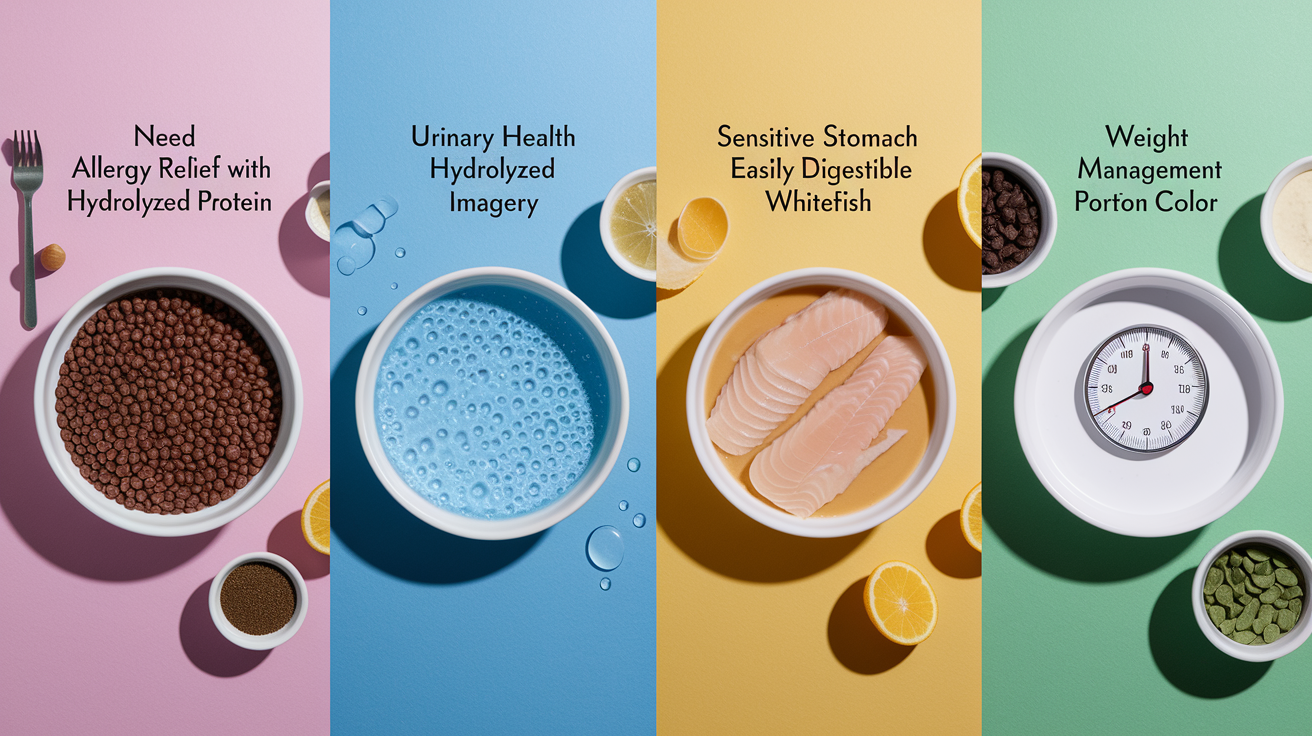
Food for Allergies
Cats with food allergies (itchy skin, ear infections, or chronic vomiting) need limited-ingredient diets (L.I.D.) or hydrolyzed-protein formulas. Limited-ingredient recipes pair a single novel protein (duck, venison, rabbit, kangaroo) with a single carbohydrate (green peas, sweet potato) to cut allergenic exposure. Natural Balance L.I.D., Blue Buffalo Basics, and Instinct Limited Ingredient are common starting points. Hydrolyzed diets like Royal Canin Hydrolyzed Protein or Hill’s Prescription Diet z/d break proteins into fragments too small to trigger immune responses. An elimination trial lasts 8–12 weeks with zero treats, table scraps, or flavored medications. If symptoms clear up, a challenge phase reintroduces the old food to confirm the allergen. You need to read every label. Even “grain-free” foods may share processing equipment with allergenic ingredients.
Food for Urinary Health
Feline lower urinary tract disease (FLUTD) covers cystitis, urinary crystals, and bladder stones. Moisture is the single best prevention tool. Wet food or water-enhanced dry kibble dilutes urine and flushes the bladder. Formulas like Hill’s c/d Multicare, Royal Canin Urinary SO, and Purina Pro Plan Focus Urinary Tract Health adjust magnesium (0.08–0.12%), calcium, and pH to discourage crystal formation. Struvite crystals dissolve in acidic urine (pH 6.0–6.5), while calcium oxalate stones need surgical removal and alkaline-maintenance diets. Prescription urinary foods aren’t interchangeable. A vet must diagnose the crystal type through urinalysis or imaging. Over-the-counter “urinary care” kibbles offer lighter mineral control and suit cats with a history of minor issues but no active stones.
Food for Sensitive Stomachs
Chronic vomiting, diarrhea, or soft stools point to digestive sensitivity. Highly digestible proteins (chicken, turkey, whitefish) and limited carbohydrates reduce GI workload. Formulas with prebiotics (chicory root, fructooligosaccharides) and probiotics (Bacillus coagulans, Enterococcus faecium) support beneficial gut bacteria. Hill’s Sensitive Stomach & Skin, Purina Pro Plan Focus Sensitive Skin & Stomach, and Royal Canin Digestive Care are clinically tested options. Some cats respond better to grain-free recipes (sweet potato, peas), while others tolerate brown rice or oatmeal. Skip formulas with artificial colors, high-fat content (above 20%), or carrageenan in wet foods. All can trigger inflammation. Feeding smaller, more frequent meals (three to four times daily) also makes digestion easier.
Food for Weight Management
Obesity affects over 50% of domestic cats and raises risks for diabetes, arthritis, and hepatic lipidosis. Weight-loss formulas increase protein (38–45%) to preserve lean muscle while reducing fat (8–12%) and calories (280–320 kcal/cup for dry). High fiber (6–12%) from cellulose, beet pulp, or psyllium promotes satiety. Good brands include Hill’s Metabolic, Royal Canin Weight Care, Purina Pro Plan Weight Management, and Wellness CORE Reduced Fat. Target gradual loss of 0.5–2% body weight per week. Faster loss risks hepatic lipidosis, a life-threatening liver condition. Measure portions with a kitchen scale, not a scoop. Kibble density varies. Pair diet changes with environmental enrichment (puzzle feeders, vertical climbing) to increase activity. Never reduce intake by more than 25% without vet oversight.
Budget vs Premium Cat Food: What You Actually Get
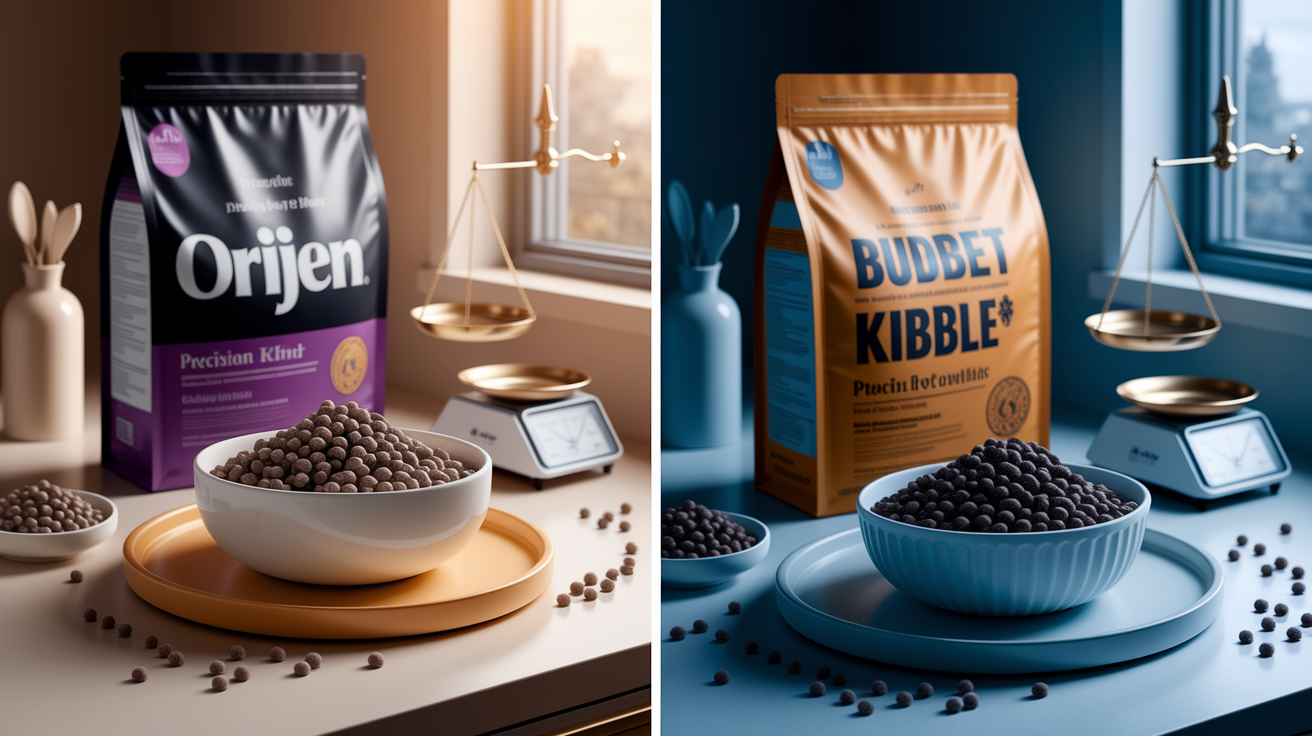
Premium cat foods cost more because of better protein sources, minimal processing, and ingredient traceability. A $9.00-per-pound kibble like Orijen uses free-run chicken and wild-caught fish, freeze-dried for nutrient retention, and includes no synthetic vitamins because whole-prey ratios supply them naturally. Budget brands at $1.50 per pound often rely on chicken by-product meal (rendered from necks, feet, intestines), corn or wheat gluten for protein padding, and artificial palatants to mask lower-quality ingredients. The difference shows in digestibility. Premium foods yield smaller, firmer stools because more nutrients are absorbed, not excreted.
Processing methods also split. Premium wet foods use human-grade muscle meat packed in broth, then gently cooked to keep moisture and amino acids intact. Budget wet foods may use mechanically separated meat, gelling agents like carrageenan, and high-heat canning that degrades taurine, requiring synthetic supplementation. Dry kibble premiums use low-temperature extrusion or air-drying to protect proteins and fats. Budget kibbles use high-heat, high-pressure methods that create advanced glycation end products (AGEs), linked to inflammation and aging.
What Distinguishes Premium from Budget:
- Protein Source: Named whole meats vs. by-products and plant proteins
- First Ingredient: Deboned chicken or fish vs. corn, wheat, or unnamed “meat”
- Fat Quality: Chicken fat, salmon oil vs. generic “animal fat” or vegetable oils
- Preservatives: Mixed tocopherols (vitamin E) vs. BHA, BHT, ethoxyquin
- Fillers: Minimal starches vs. corn, wheat, soy as primary carbs
- Long-Term Value: Higher digestibility and nutrient density mean smaller portions, offsetting per-pound cost
A 10-lb adult cat eating premium food may consume 1/3 cup daily (at 450 kcal/cup) costing $1.50–$2.00 per day, while the same cat on budget kibble needs 3/4 cup daily (at 300 kcal/cup) costing $0.50–$1.00. Over a year, the premium cat gets denser nutrition with fewer filler calories, possibly cutting vet bills for obesity, diabetes, or urinary issues that show up more with low-quality diets.
How to Transition Your Cat to a New Food
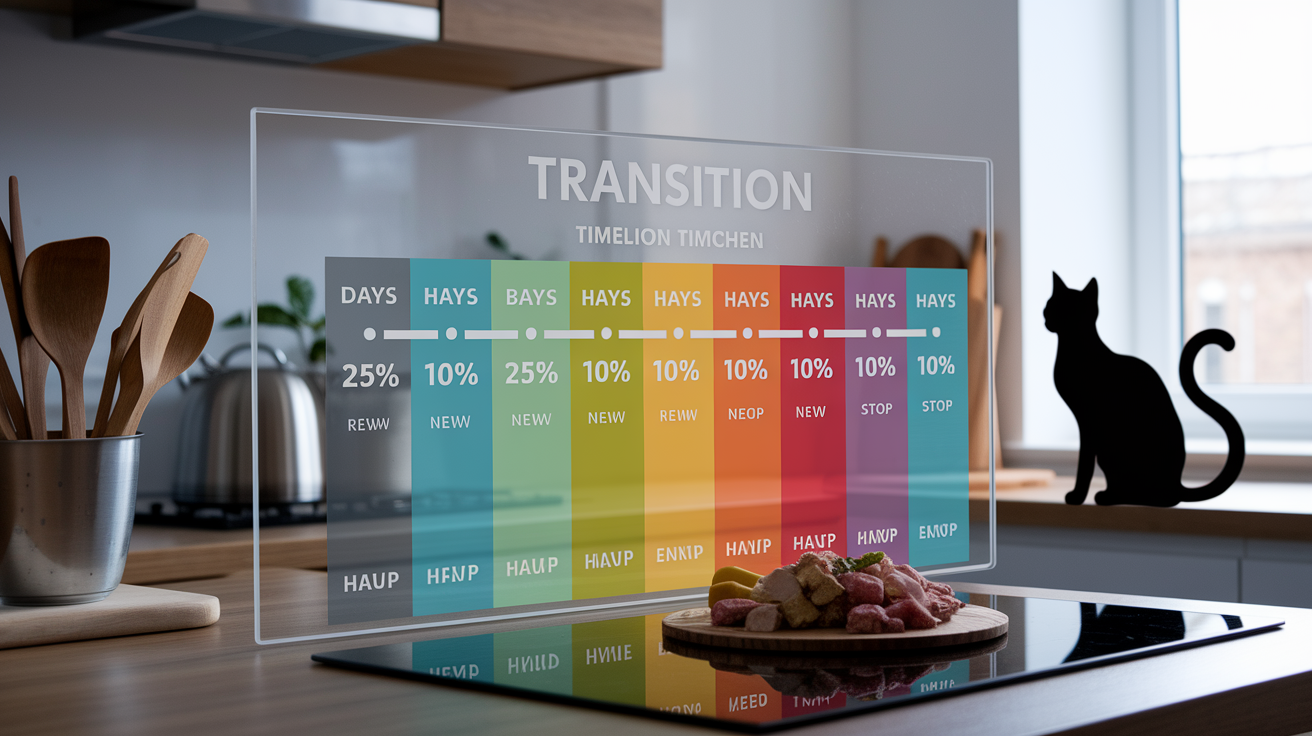
Abrupt diet changes mess with gut bacteria, causing vomiting, diarrhea, or refusal to eat. A gradual 7–10 day transition lets the digestive system adjust and cuts stress-related appetite loss. Cats are neophobic (wary of unfamiliar foods), so patience and consistency matter.
- Days 1–2: Mix 25% new food with 75% current food. Serve at regular meal times, checking for normal stool consistency and appetite.
- Days 3–4: Bump to 50% new food, 50% current food. Watch for soft stools or less interest. If you see either, hold this ratio for an extra day.
- Days 5–6: Shift to 75% new food, 25% current food. Most cats tolerate this phase fine.
- Day 7: Offer 100% new food. If your cat eats normally and stools stay firm, you’re done.
- Extended Transition (Days 8–10): For sensitive stomachs or picky eaters, stretch the 50/50 and 75/25 phases an extra day each.
- Hydration Check: Make sure fresh water’s always available, especially when switching from wet to dry or vice versa.
- Emergency Stop: If vomiting happens more than once, or diarrhea lasts beyond 24 hours, go back to the previous food and call a vet.
Signs of a successful transition include consistent appetite, normal energy levels, firm stools, and a shiny coat within two to three weeks. If your cat refuses the new food entirely, try warming wet food to body temperature (around 100°F) to boost aroma, or sprinkle a small amount of freeze-dried chicken or bonito flakes on top as a bridge flavor.
Switching between similar formulas (same brand, different protein) often needs only a 5-day transition. Moving from dry to wet, or budget to premium, benefits from the full 10-day schedule because nutrient density and ingredient profiles differ a lot.
Final Words
in the action, we offered a quick shortlist, deep reviews, a comparison table, an ingredient checklist, vet perspectives, condition-specific picks, budget notes, and a clear 7–10 day transition plan.
Use the shortlist to try one or two foods, read the reviews for protein and recall history, and check the table for price and protein quality.
If your cat has special needs, follow the relevant section and talk with your vet. Transition slowly and track appetite, stool, and energy.
With a little journal tracking you’ll find the best cat food for your cat and feel confident about the choice.
FAQ
Q: What is the healthiest cat food brand? Which is the highest quality cat food? Which cat foods do vets recommend?
A: The healthiest, highest-quality cat foods vets recommend are high in named animal protein, low in fillers, and from trusted makers—examples include veterinary prescription diets (Hill’s, Royal Canin) and high-protein brands (Orijen, Purina Pro Plan).
Q: What are the healthiest foods to feed a cat?
A: The healthiest foods to feed a cat are animal-based, high-protein wet or fresh diets, limited-ingredient formulas for sensitivities, and small amounts of cooked meat treats—avoid excessive carbs, fillers, and table scraps.