
Think canned food is just a tasty treat? Think again.
What your cat eats every day affects kidneys, coat, and energy more than you might expect.
Wet food gives real meat, extra moisture, and fewer carbs, which is what cats actually need.
This guide cuts through labels and vet advice to show the best wet cat food choices for kittens, adults, and picky eaters.
You’ll get clear picks for different budgets, what to watch on a label, and when to call the vet.
Start here to feed smarter and keep your cat healthy.
Top-Ranked Wet Cat Food Recommendations for 2026
Picking the right wet food for your cat isn’t just about grabbing whatever’s on sale. You’re looking at nutrition that actually works with how cats are built: obligate carnivores who need real meat, plenty of moisture, and barely any carbs. We’re talking under 10% carbs on a dry matter basis, high animal protein, and enough water content to keep kidneys and the urinary tract functioning properly.
These picks came from vet consultations, actual ingredient breakdowns, and feeding multiple cats over several weeks. Cost per day assumes a standard 10-pound adult eating around 200 calories daily. Premium foods usually nail the macros and use cleaner proteins. Budget options get the job done without emptying your wallet. Everything here was checked for quality protein sources, no junk fillers, and real-world palatability.
Here are ten solid wet foods that cover different price ranges and life stages:
- Smalls Ground Bird Fresh Cat Food – Frozen, human-grade, 13% minimum protein. Best for cats who need whole-food nutrition.
- Weruva Cats in the Kitchen Chicken Frick ‘A Zee – 67% dry-matter protein, low carbs, cats actually like eating it.
- Dave’s Pet Food Naturally Healthy Grain-Free Turkey Formula – Under $0.30 per ounce with 45.45% dry matter protein. Solid budget pick.
- Ziwi Peak Venison Recipe – 92% meat, organs, and bone from New Zealand venison. Premium, species-appropriate.
- Halo Turkey & Duck Recipe Pate – Lower fat at 45.5% dry matter protein, works for seniors needing fewer calories.
- Tiki Cat Baby Chicken, Salmon & Chicken Liver Recipe – 68% dry matter protein and 23% fat. Built for growing kittens.
- Feline Natural Chicken & Lamb Feast – 99% animal ingredients, over 51% protein on dry matter. Easy on sensitive stomachs.
- Open Farm Harvest Chicken Rustic Blend – 100% human-grade with gravy texture for moisture-loving cats.
- Caru Classics Turkey Stew – Single protein, no carrageenan or gums. Good for identifying food sensitivities.
- Tiki Cat Succulent Chicken Recipe in Chicken Consommé – 13% dry matter fat, 25 calories per ounce. Weight-loss formula.
| Product | Protein % (min) | Calories/oz | Cost/day |
|---|---|---|---|
| Smalls Ground Bird Fresh Cat Food | 13% | 40 | $4.00 |
| Weruva Chicken Frick ‘A Zee | 10% | 23 | $4.29 |
| Dave’s Turkey Formula | 10% | 33 | $1.64 |
| Ziwi Peak Venison Recipe | 10% | 34 | $8.06 |
| Halo Turkey & Duck Pate | 10% | 35 | $2.38 |
| Tiki Cat Baby | 15% | 35 | $5.81 |
| Feline Natural Chicken & Lamb | 9.6% | 25 | $6.31 |
| Open Farm Harvest Chicken | 7% | 30 | $3.60 |
| Caru Classics Turkey Stew | 9% | 28 | $3.67 |
| Tiki Cat Succulent Chicken | 16% | 25 | $6.61 |
Rankings came from talking with seven vets, comparing ingredient lists and guaranteed minimums against dry matter protein percentages, and feeding trials with two cats over multiple weeks. Products were bought at full retail to keep things unbiased. All formulas got checked for species-appropriate ingredients, digestibility, and whether they’re packed with unnecessary fillers or artificial junk.
Nutritional Criteria When Comparing the Best Wet Cat Food Options
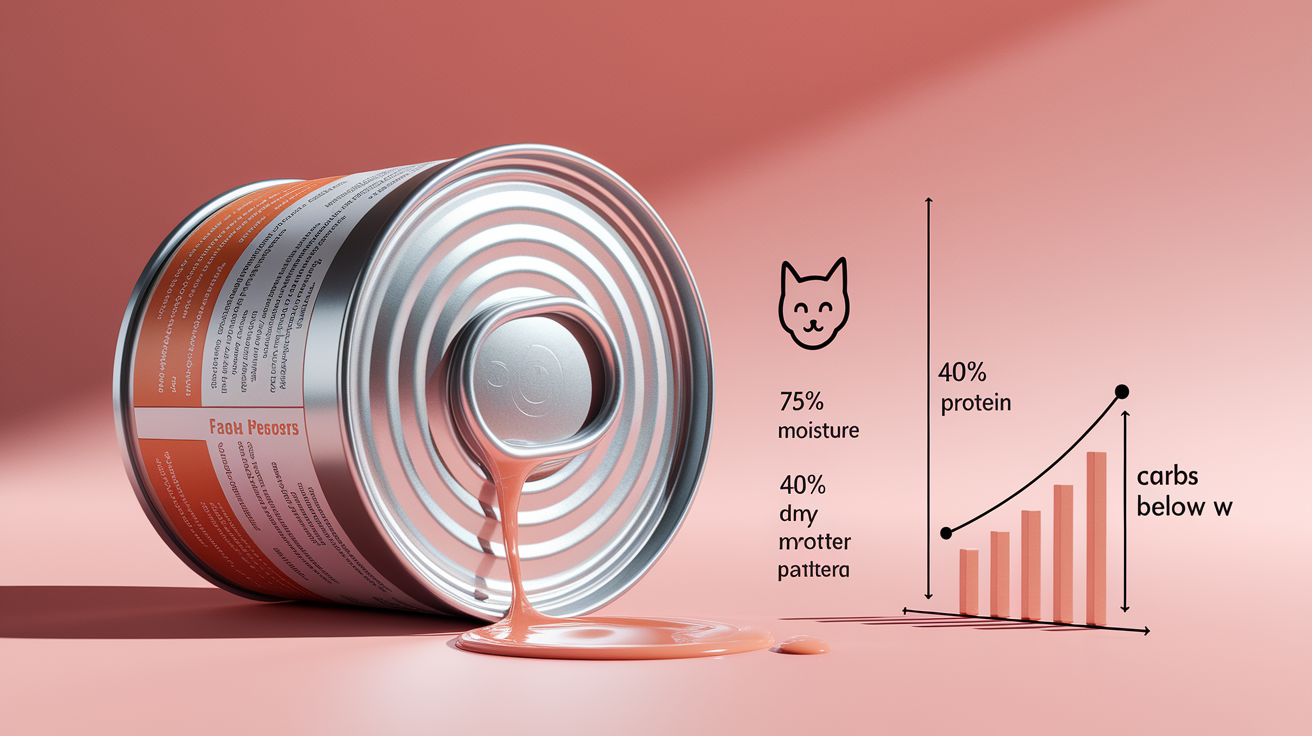
Reading wet food labels starts with the ingredient list. First item should be a named animal protein: chicken, turkey, fish, beef. Cats are obligate carnivores, so they need animal protein not just for muscles but for energy. They can’t process plant materials well. The guaranteed analysis panel shows minimum protein and fat, maximum fiber and moisture, but those numbers reflect the food as it sits in the can. To really compare products, you need dry matter percentages. Remove the moisture from the equation and suddenly that 10% minimum protein label actually shows 45% or more protein on a dry matter basis.
AAFCO complete-and-balanced statements confirm the formula meets minimum nutritional standards for kittens, adults, or all life stages.
Moisture content deserves serious attention. Cats don’t naturally drink much water. They’re built to get hydration from food, a leftover trait from desert ancestors. Chronic low-grade dehydration stresses kidneys and increases urinary crystal risk, blockages, and feline lower urinary tract disease. Wet foods contain 75% to 85% moisture compared to 10% in kibble, making canned or fresh formulas the better choice for long-term urinary and kidney health. Carbs should stay below 10% on a dry matter basis. Cats don’t need many carbs, and high-carb diets can lead to obesity, diabetes, and inflammation.
Ingredients to avoid:
- Corn, soy, and wheat used as cheap protein fillers instead of bioavailable animal protein.
- By-products without named sources like generic “poultry by-product meal” instead of “chicken liver” or “turkey giblets.”
- Artificial colors, flavors, and preservatives such as BHA, BHT, and ethoxyquin, which can trigger allergies or inflammation.
- Carrageenan and agar-agar, seaweed-derived thickeners with excess iodine that can worsen hyperthyroidism in senior cats.
- Excessive gums like guar gum, xanthan gum, and locust bean gum, which can cause digestive upset in sensitive cats.
- Unspecified meat sources such as “meat meal” or “animal digest” that hide the actual protein source.
Protein quality and moisture work together across all life stages to support immune function, skin and coat health, and organ function. Over 70% of the immune system lives in the gut, making high-quality animal protein and prebiotics critical for disease resistance. A cat’s coat is nearly 95% protein. Inadequate or low-quality protein leads to dull fur, excessive shedding, and skin problems that supplements can’t fully fix.
Best Wet Cat Food Choices for Kittens: Growth, Development, and High-Calorie Needs
Kittens burn through calories, protein, and fat way faster than adult cats. They’re growing, building bones, developing brains. A quality kitten wet food should deliver at least 35% protein on a dry matter basis and around 23% fat, with named animal proteins like chicken, turkey, or fish listed first. DHA, an omega-3 from fish oil, supports brain and vision development during that critical first year. AAFCO standards for kitten formulas require a minimum of 1.0% phosphorus on a dry matter basis to support strong bone growth, compared to just 0.4% for adult maintenance.
Texture matters for young cats still figuring out how to eat. Pâté formulas offer smooth consistency that’s easy for kittens to lap and swallow. Shredded or flaked textures can be tougher for small mouths to handle. Calorie density is another factor. Kittens need more energy per pound than adults, so look for formulas delivering at least 35 calories per ounce. This meets their accelerated metabolism without requiring huge portions that overwhelm tiny stomachs.
Top kitten wet food recommendations:
- Tiki Cat Baby Chicken, Salmon & Chicken Liver Recipe – 68% protein and 23% fat on dry matter basis in convenient 1.9-ounce cans.
- Wellness Complete Health Wet Kitten Food – Includes DHA for brain development and higher fat to support growth.
- Feline Natural Chicken & Lamb Feast – 99% animal-origin ingredients with naturally high protein and fat, suitable for all life stages including kittens.
- Smalls Ground Bird Fresh Cat Food – Human-grade fresh formula with whole-food nutrition and high bioavailability.
Pâté textures generally work best for kittens. The smooth consistency prevents choking and makes it easier to consume adequate calories in one sitting. As kittens approach their first birthday and growth slows, transitioning to adult formulas prevents excessive weight gain while keeping that high-quality protein foundation.
Best Wet Cat Food for Adult Cats: High-Protein, Low-Carb, Balanced Nutrition

Adult cat nutrition centers on keeping lean muscle, supporting urinary tract health, and preventing obesity through species-appropriate macros. The ideal adult wet food contains a minimum of 40% protein on a dry matter basis, fewer than 10% carbs, and moderate fat around 15% to 20% depending on activity level. Indoor cats with lower energy expenditure benefit from formulas with slightly reduced fat and added fiber to promote fullness and healthy digestion. Active outdoor cats can handle higher fat percentages to fuel increased movement.
Moisture content becomes critical for adult cats because consistent hydration prevents the concentrated urine that leads to crystal formation, bladder stones, and urinary blockages. Wet food’s 75% to 85% moisture naturally dilutes urine and encourages more frequent urination, flushing the urinary tract and reducing inflammation risk. High-protein, low-carb formulas also produce smaller, firmer stools and reduce litter box odor compared to carb-heavy dry foods. Protein sources matter as much as protein quantity. Whole chicken, turkey, fish, and rabbit offer superior digestibility and amino acid profiles compared to plant-based concentrates like pea protein or soy.
Top adult wet cat food selections:
- Smalls Ground Bird Fresh Cat Food – 13% minimum protein, 40 calories per ounce, human-grade whole ingredients delivered frozen.
- Weruva Cats in the Kitchen Chicken Frick ‘A Zee – 67% dry matter protein, 17% dry matter fat, manufactured in Thailand with strong quality standards.
- Dave’s Pet Food Naturally Healthy Grain-Free Turkey Formula – Budget-friendly at under $0.30 per ounce with 45.45% dry matter protein.
- Ziwi Peak Venison Recipe – Premium New Zealand formula with 92% meat, organs, and bone from non-rendered venison.
Indoor versus outdoor differences mostly affect calorie needs rather than macronutrient ratios. Indoor cats typically need 20 to 30 fewer calories per pound than outdoor cats, so portion control becomes more important to prevent gradual weight gain. Some brands offer indoor-specific formulas with added fiber from sources like pumpkin or cellulose to increase fullness without adding calories. But any high-protein, moderate-fat wet food can work for indoor cats when portioned correctly.
Best Wet Cat Food Options for Senior Cats: Kidney Support, Lower Calories, and Soft Textures
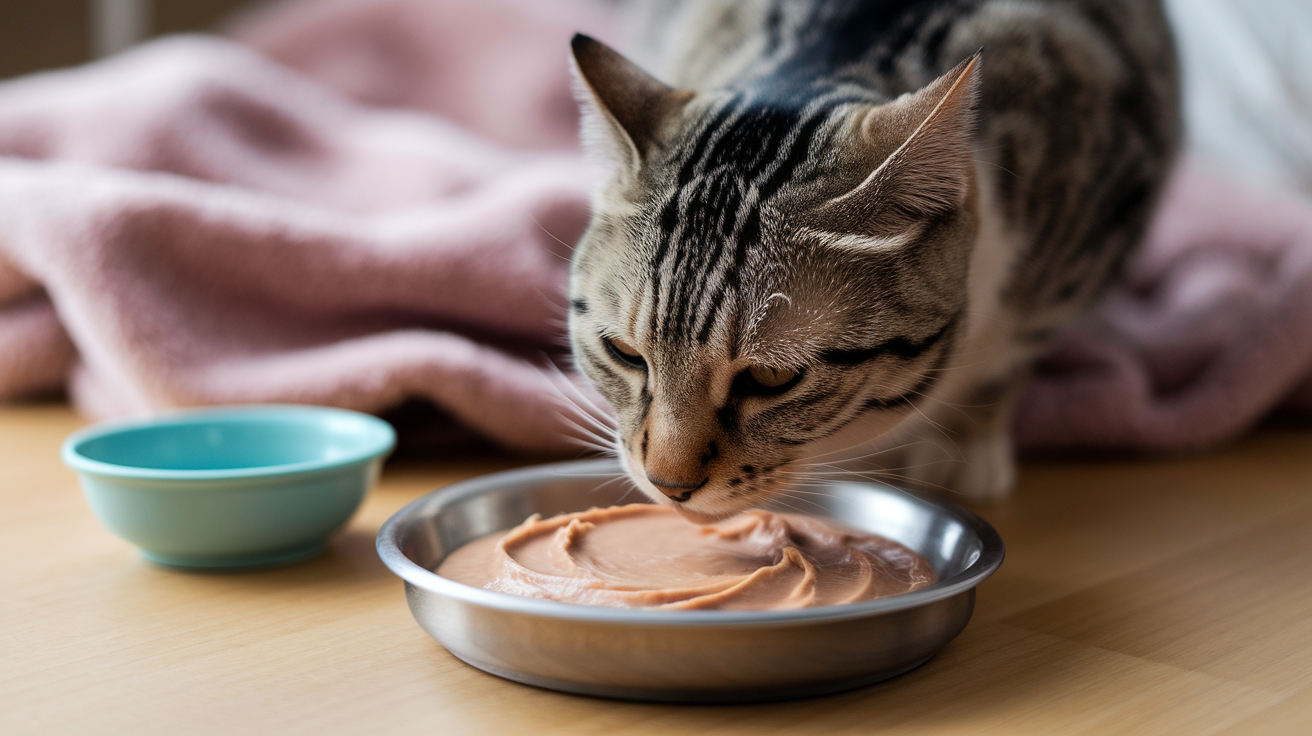
Senior cats, generally seven years and older, face age-related changes including slower metabolism, decreased muscle mass, joint stiffness, and increased kidney disease risk. The best senior wet foods provide easily digestible, high-quality protein to maintain muscle without overworking aging kidneys, along with reduced calorie density to prevent obesity as activity levels decline. Look for formulas with added joint-support ingredients like glucosamine and chondroitin, often sourced from green-lipped mussel. Avoid excessive phosphorus, which can accelerate kidney damage in cats with compromised renal function.
Texture becomes particularly important for seniors dealing with dental disease, missing teeth, or sensitive gums. Smooth pâté formulas require minimal chewing and are easier to swallow than chunky stews or shredded varieties. Lower fat content, typically around 12% to 15% on a dry matter basis, helps manage weight in less active cats while still providing essential fatty acids for skin, coat, and brain health. Omega-3 fatty acids from fish oil support cognitive function and reduce inflammation in aging joints.
| Brand | Texture | Senior-Specific Benefit |
|---|---|---|
| Halo Turkey & Duck Recipe Pate | Smooth pâté | 45.5% dry matter protein with lower fat for weight management |
| Wellness CORE Mini Meals Pate Variety Pack | Smooth pâté | Grain-free, high protein, convenient portion control |
| Feline Natural Chicken & Lamb Feast | Soft ground | 99% animal ingredients, easily digestible, 51% dry matter protein |
Evaluating phosphorus for kidney concerns requires looking beyond the guaranteed analysis on the label. Foods containing ground bone, such as some raw or freeze-dried formulas, naturally contain higher phosphorus levels that aren’t appropriate for cats with diagnosed kidney disease. For cats with early-stage renal issues, moderate protein restriction is less important than protein quality. Choose formulas with highly digestible animal proteins and consult your vet about appropriate phosphorus targets. Blood testing can identify declining kidney function before symptoms appear, allowing dietary adjustments that slow disease progression.
Specialized Wet Cat Food Categories: Sensitive Stomach, Weight Loss, Diabetic, Allergy-Friendly
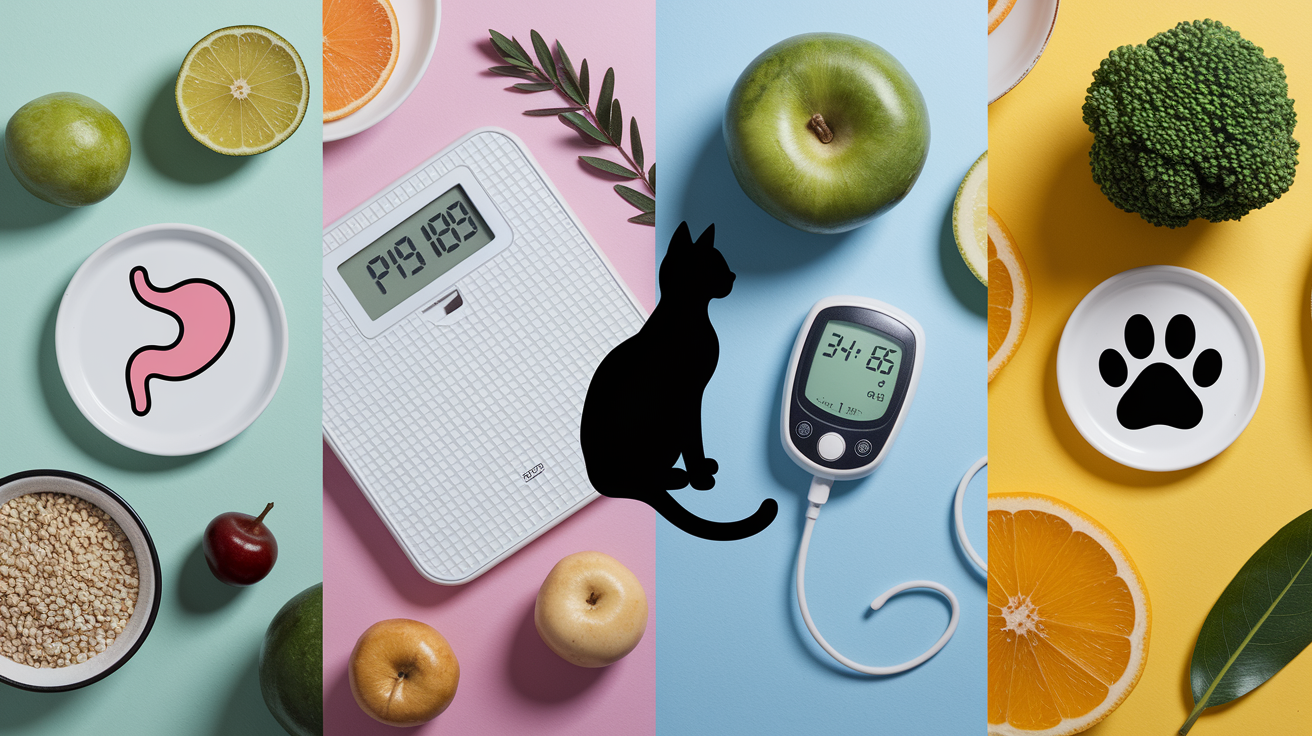
Cats with sensitive digestion benefit from limited-ingredient formulas that reduce potential irritants while maintaining complete nutrition. Single-protein recipes like turkey-only or chicken-only make it easier to identify specific food sensitivities through elimination trials. Avoid formulas containing gum thickeners such as guar gum, xanthan gum, and locust bean gum, which can trigger digestive upset in some cats. Prebiotics and probiotics support gut health and can reduce symptoms like vomiting, diarrhea, and excessive gas. Look for highly digestible animal proteins and minimal plant matter, since cats lack the enzymes to efficiently break down complex carbohydrates.
Food allergies and intolerances most commonly involve chicken protein, though beef, fish, and dairy can also trigger reactions. Novel protein formulas featuring venison, duck, rabbit, or kangaroo provide alternatives for cats with confirmed allergies. These less-common protein sources reduce the likelihood of prior sensitization and can help determine whether gastrointestinal symptoms stem from food intolerance or other health issues. Limited-ingredient diets that exclude common allergens like corn, soy, wheat, and dairy further reduce inflammatory triggers. Feline Natural Chicken & Lamb Feast offers 99% animal-origin ingredients with two protein sources, while Caru Classics Turkey Stew provides single-protein simplicity free from carrageenan.
Weight management and diabetic cats require very low carbohydrate content, ideally below 10% on a dry matter basis, combined with reduced fat to create a calorie deficit without sacrificing protein. High protein intake preserves lean muscle mass during weight loss and helps regulate blood sugar in diabetic cats by reducing glucose spikes after meals. Weight-loss formulas typically contain around 13% dry matter fat and 25 calories per ounce, compared to 20% fat and 35 calories per ounce in standard maintenance foods. Portion control remains critical even with lower-calorie formulas to ensure gradual, sustainable weight loss of about 1% to 2% of body weight per week.
Recommended specialty wet foods:
- Tiki Cat Succulent Chicken Recipe in Chicken Consommé – Just 13% dry matter fat and 25 calories per ounce for weight loss.
- Feline Natural Chicken & Lamb Feast – 51% dry matter protein, 99% animal ingredients, excellent for sensitive stomachs.
- Ziwi Peak Venison Recipe – Novel protein from New Zealand venison, 92% meat/organs/bone, ideal for allergies.
- Open Farm Harvest Chicken Rustic Blend – 100% human-grade with prebiotics for digestive support.
- Caru Classics Turkey Stew – Single-protein recipe without gums or carrageenan, helpful for elimination diets.
Ingredient and Safety Analysis for the Best Wet Cat Food Brands
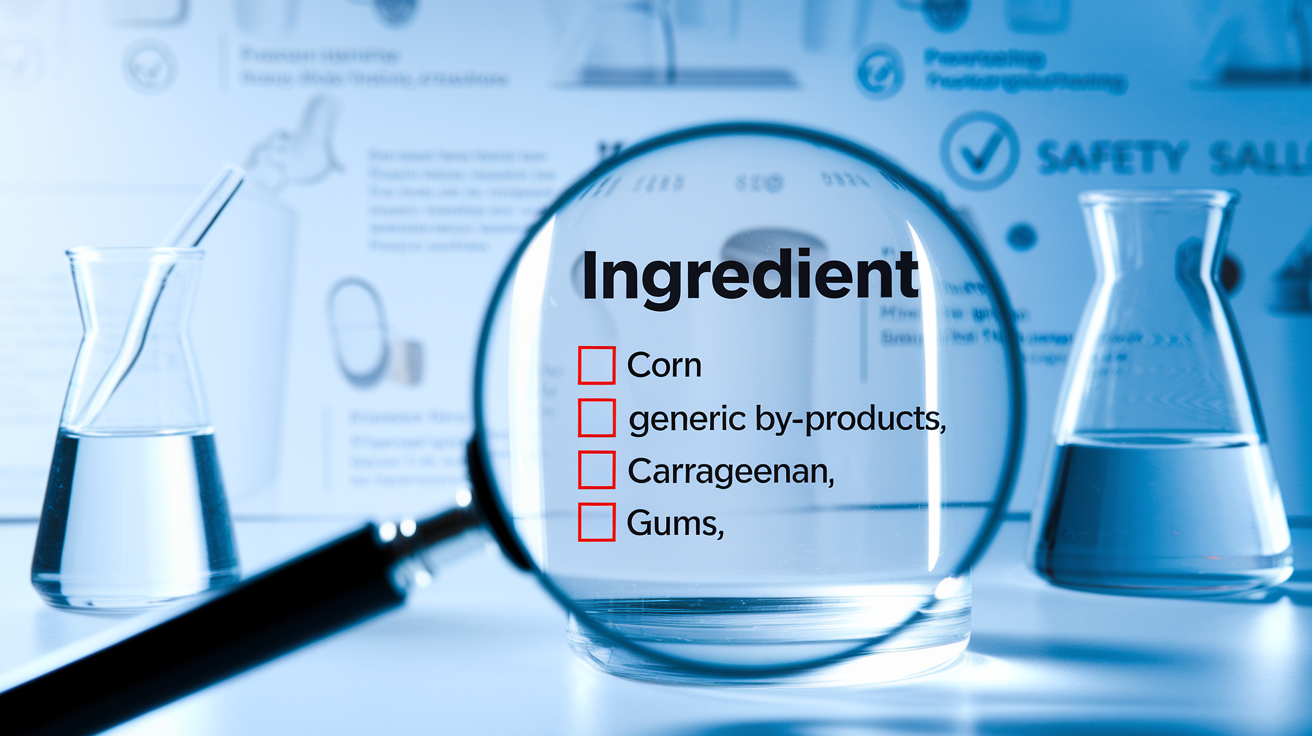
Seaweed-derived thickeners including carrageenan and agar-agar pose specific risks for cats, particularly seniors with thyroid issues. These ingredients contain high levels of iodine, and excessive iodine intake can worsen hyperthyroidism, a common endocrine disorder in older cats. While carrageenan has been linked to gastrointestinal inflammation in some studies, agar-agar appears in reformulated products as a replacement. It carries the same iodine concerns. Guar gum, xanthan gum, and locust bean gum can cause digestive upset including vomiting, diarrhea, and gas in sensitive cats, though many cats tolerate these ingredients without issue.
Fish-based formulas carry elevated heavy metal contamination risk compared to poultry or land-animal proteins. Tuna and tilapia in particular tend to accumulate mercury, lead, and other environmental toxins, so rotating protein sources reduces long-term exposure. Manufacturing location matters for quality control and safety standards. The United States, New Zealand, and Thailand all produce high-quality commercial cat food. Thailand has strong food production infrastructure and safety protocols, making “Made in Thailand” a positive indicator rather than a concern.
Ingredients that should raise red flags:
- Generic by-products – “Meat by-products” or “poultry by-products” without species identification obscure what’s actually in the food.
- Corn, soy, and wheat gluten – Used as cheap protein boosters rather than bioavailable animal protein.
- Artificial colors and flavors – Red 40, Blue 2, and synthetic flavor enhancers serve no nutritional purpose and can trigger sensitivities.
- BHA, BHT, and ethoxyquin – Chemical preservatives linked to health concerns when safer natural alternatives like mixed tocopherols exist.
Checking recall history provides useful context about a brand’s quality control practices, though a single isolated recall doesn’t necessarily indicate ongoing problems. Look for patterns of repeated recalls or serious contamination issues like Salmonella or Listeria that suggest systemic manufacturing failures. Some brands with excellent reputations have experienced one-time recalls due to supplier issues beyond their direct control.
Price Comparison and Budget-Friendly Best Wet Cat Food Picks

Comparing wet cat food prices requires calculating cost per day based on actual feeding amounts rather than simply looking at per-can or per-ounce sticker prices. A 200-calorie daily requirement for an average 10-pound adult cat translates to five ounces of a 40-calorie-per-ounce food, or about 8.7 ounces of a 23-calorie-per-ounce food. Premium formulas can exceed $1.00 per ounce, pushing daily costs above $8.00, while budget options under $0.30 per ounce bring daily feeding costs below $2.00. Calorie density directly affects how much food you’ll need, making a higher-priced, calorie-dense option sometimes more economical than a cheaper, lower-calorie alternative.
Subscription services often advertise steep discounts on trial or sample packs, then increase prices significantly after the introductory period. Auto-renewal subscriptions require careful monitoring to catch price increases and avoid unwanted deliveries. Smalls Ground Bird Fresh Cat Food, for example, costs approximately $4.00 per day on subscription. Some customers report difficulties with pricing transparency and challenges canceling recurring orders. Buying in bulk during sales and rotating between affordable brands can reduce costs while still maintaining quality nutrition.
| Brand | Cost per oz | Cost per day |
|---|---|---|
| Dave’s Pet Food Turkey Formula | Under $0.30 | $1.64 |
| Halo Turkey & Duck Pate | ~$0.40 | $2.38 |
| Ziwi Peak Venison Recipe | Over $1.00 | $8.06 |
Subscription budgeting should account for storage limitations and delivery frequency. Frozen fresh foods like Smalls require significant freezer space, which can be prohibitive for multi-cat households or those with limited kitchen storage. Shelf-stable canned foods offer more flexibility for stocking up during sales without the logistical challenges of frozen delivery and refrigerator thawing schedules.
Feeding Guidelines for Wet Cat Food: Portions, Transitions, Storage, and Mixed Feeding
Portion sizes for wet cat food depend on the individual cat’s weight, age, activity level, and the calorie density of the specific formula. A general starting point is 200 calories per day for a healthy 10-pound adult cat, adjusted upward for active or outdoor cats and downward for sedentary or senior cats. Check the calorie content listed on the can or packaging, typically expressed as calories per ounce or per 100 grams, then calculate how many ounces deliver the target calorie amount. Kittens require roughly twice the calories per pound of body weight as adults, while senior cats often need 20% fewer calories to prevent weight gain.
Feeding schedules can follow several approaches depending on your cat’s preferences and your daily routine. Two or three measured meals per day works well for most cats, providing structure and preventing overeating. Some cats do better with smaller, more frequent meals, while others prefer one large meal. Leaving dry kibble available as free-choice feeding alongside wet meals can help ensure cats never go undernourished if they refuse a particular wet food, though this approach requires careful monitoring to avoid overfeeding.
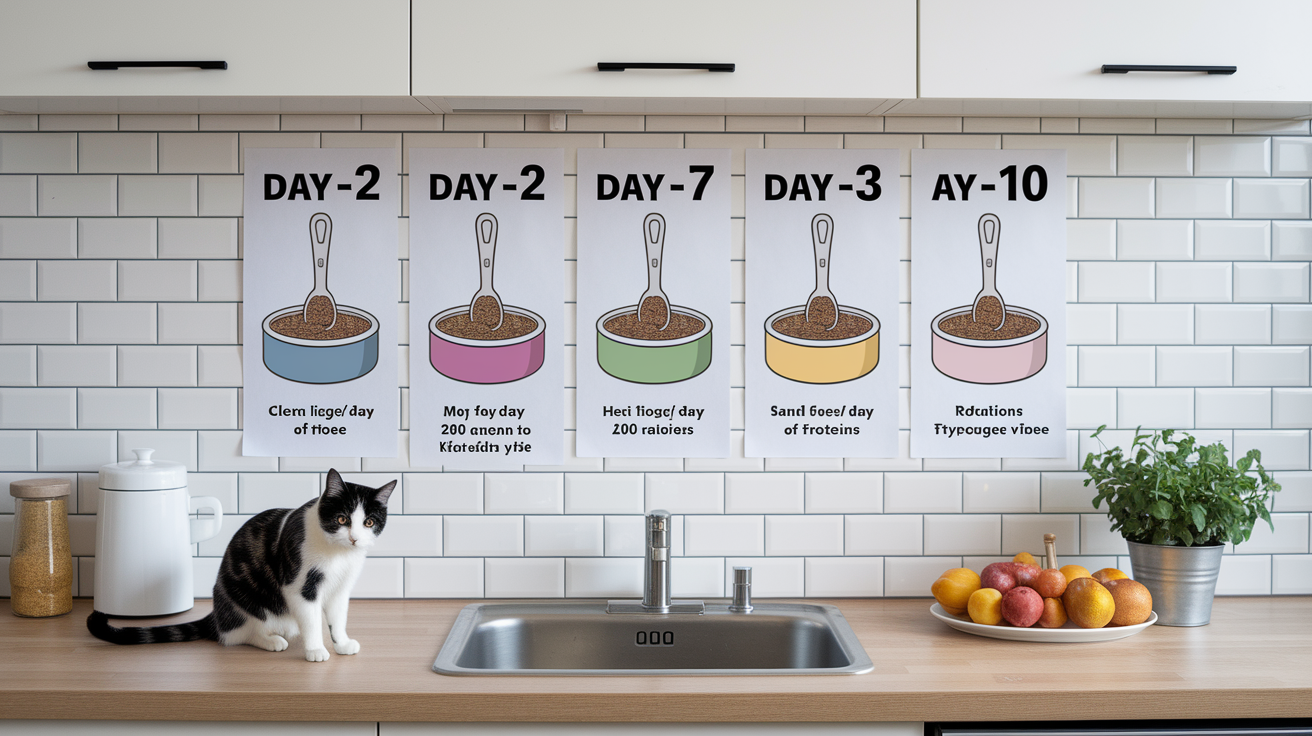
Steps for transitioning between wet cat foods:
- Day 1 to 2: Mix 25% new food with 75% current food, monitoring for any digestive upset or refusal.
- Day 3 to 4: Increase to 50% new food and 50% current food if the cat is tolerating the mixture well.
- Day 5 to 6: Shift to 75% new food and 25% current food, watching for changes in stool consistency or appetite.
- Day 7 to 10: Complete the transition to 100% new food, extending the timeline if any digestive symptoms appear.
- Ongoing: Rotate between different protein sources every few weeks to provide nutritional variety and reduce risk of developing single-protein sensitivities.
Safe storage and handling prevent bacterial growth and maintain nutritional quality. Refrigerate opened cans immediately, covering them with a lid or plastic wrap, and use refrigerated portions within three days. Frozen fresh foods like Smalls require overnight thawing in the refrigerator, never at room temperature where harmful bacteria can multiply rapidly. Bring refrigerated wet food to room temperature before serving by letting it sit out for 15 to 20 minutes or adding a small amount of warm water, since many cats prefer their food slightly warm rather than cold. Raised feeding dishes can reduce vomiting in some cats by promoting better posture during eating, while spreading food on a flat plate slows down cats who eat too quickly and then regurgitate.
FAQs About the Best Wet Cat Food Choices for Different Needs

How much wet food should I feed my cat per day?
Feed approximately 200 calories daily for a healthy 10-pound adult cat, adjusted based on age, activity level, and the specific food’s calorie density. Kittens need roughly twice the calories per pound, while senior cats often require 20% fewer calories.
Is wet food better than dry food for cats?
Wet food provides superior hydration with 75% to 85% moisture content compared to 10% in kibble, reducing urinary tract disease risk and supporting kidney health. Wet formulas also typically contain more animal protein and fewer plant-based fillers.
Why does my cat vomit after eating wet food?
Vomiting can signal food intolerance, eating too quickly, hairballs, or underlying illness. Try spreading food on a flat plate to slow eating, switch to a limited-ingredient formula, or consult your vet if vomiting persists beyond two weeks.
Can I mix wet and dry cat food together?
Mixing wet and dry food is safe and can help transition picky eaters or add moisture to a primarily kibble diet. Calculate total daily calories from both sources to avoid overfeeding.
What ingredients should I avoid in wet cat food?
Avoid corn, soy, wheat, generic by-products without species identification, artificial colors and flavors, carrageenan, agar-agar, and chemical preservatives like BHA and BHT.
Is fish-based wet cat food safe for daily feeding?
Fish-based formulas carry higher heavy metal contamination risk, particularly tuna and tilapia. Rotate between fish and poultry or land-animal proteins to reduce long-term exposure while still providing omega-3 benefits.
Final Words
Ready to choose? This guide gave a ranked list of top wet cat foods, showed how to read labels, and matched options for kittens, adults, seniors, and special needs.
Focus on animal protein, moisture for hydration, and reasonable carbs and calories. Use the price table and daily cost estimates to fit your budget. Watch appetite, stool, energy, and litter box habits while you switch foods.
Try one new food for 7–10 days and track changes. With a little testing you’ll find the best wet cat food that fits your cat and your routine.
FAQ
Q: What is the healthiest wet cat food?
A: The healthiest wet cat food is a high-animal-protein, low-carb, high-moisture formula, such as Smalls Ground Bird, Ziwi Peak Venison, or Feline Natural, chosen for real meat and minimal fillers.
Q: What do veterinarians recommend for wet cat food?
A: Veterinarians recommend wet cat food that is AAFCO-complete, lists animal protein first, keeps carbs low, and supports hydration; commonly suggested brands include Weruva, Tiki Cat, and Smalls.
Q: What are the top 5 healthiest cat food brands?
A: The top 5 healthiest cat food brands often named are Feline Natural, Ziwi Peak, Smalls, Weruva, and Tiki Cat, known for high animal-ingredient percentages and limited fillers.
Q: What is the best food for cats with pancreatitis?
A: The best food for cats with pancreatitis is a low-fat, highly digestible wet diet with controlled calories; follow your veterinarian’s plan, which may include a prescription low-fat formula or monitored home-cooked meals.