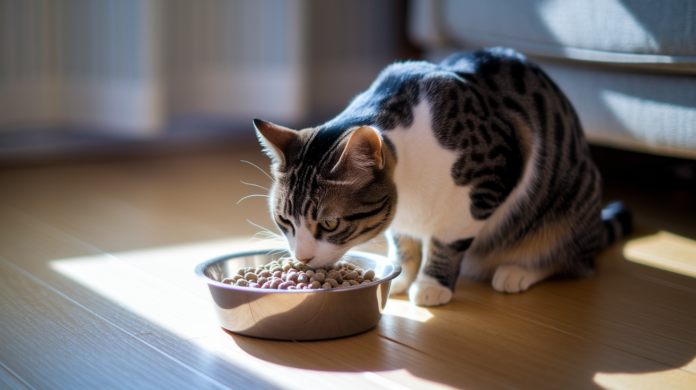

Think any dry kibble will do for a couch-bound cat?
Indoor cats burn less, groom more, and face weight gain, hairballs, and urinary trouble if their food isn’t right.
Vets recommend dry foods that put animal protein first, control calories, and add fiber to keep muscle, support digestion, and cut hairballs and urinary risk.
Read on for seven vet-picked kibbles, quick buying tips, and the signs to watch so you can choose the best daily feed for your indoor cat.
Top-Ranked Dry Cat Foods for Indoor Cats
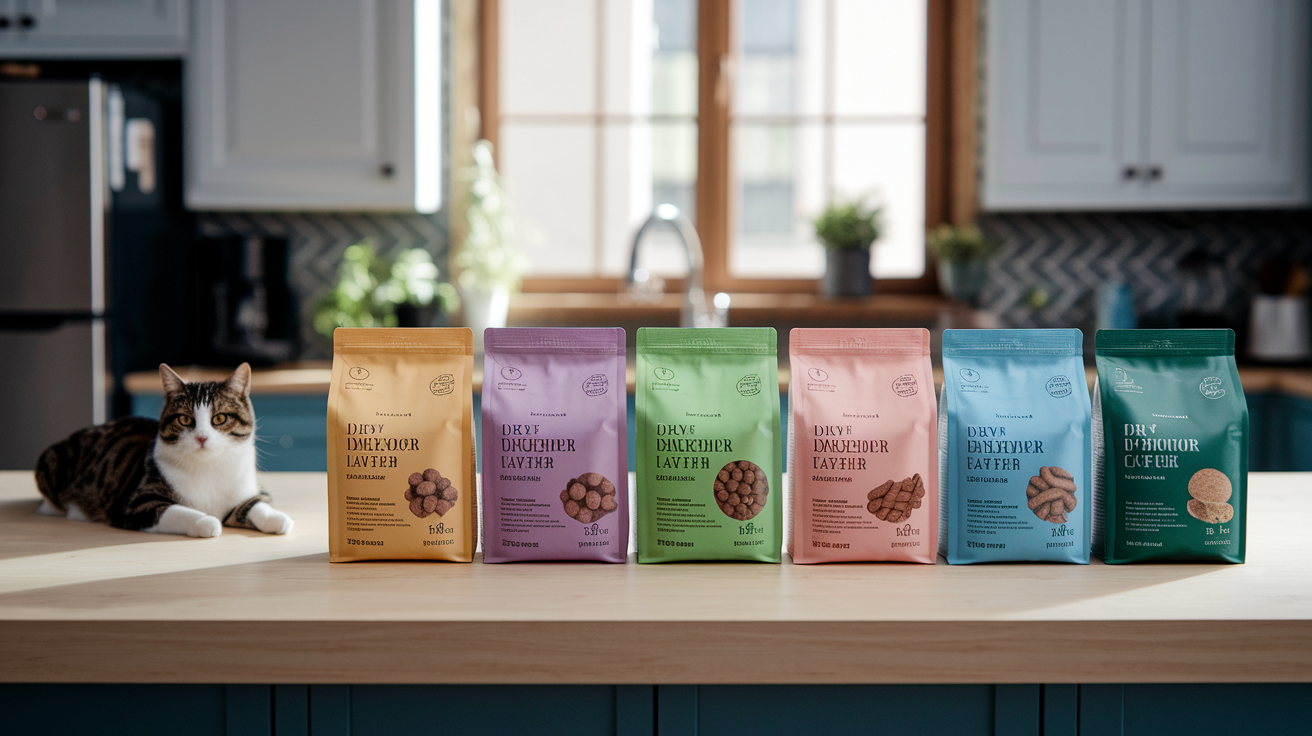
Indoor cats don’t move around like their outdoor cousins. They burn fewer calories, groom more, and face bigger risks for weight creep, hairballs, and urinary trouble. The right dry food needs to deliver solid animal protein without packing on the pounds, plus enough fiber to keep digestion moving. Here are seven options that do the job.
-
Hill’s Science Diet Adult Indoor Cat Food — Real chicken leads the list, fiber blend tackles hairballs, and calories match a couch potato lifestyle. It’s a steady pick for daily feeding.
-
Royal Canin Indoor Adult Dry Cat Food — Built for cats 1–10 years old with proteins that digest easily, modest fat to prevent weight gain, and L‑carnitine to help burn fat while keeping muscle.
-
Wellness CORE Grain-Free Indoor Formula — Heavy on protein with chicken, turkey, and whitefish, plus probiotics and antioxidants. Works well if you’re going grain-free.
-
Blue Buffalo Indoor Health Natural Adult Dry Cat Food — Starts with deboned chicken, adds “LifeSource Bits” loaded with vitamins, and uses fiber to move hairballs along and keep bowels regular.
-
Iams ProActive Health Indoor Weight & Hairball Care — Real chicken plus a fiber setup that manages weight and cuts down on hairballs. Sits in the middle price range.
-
Purina ONE Indoor Advantage Adult Dry Cat Food — Turkey first, natural fiber, and antioxidants. Budget-friendly without skipping core nutrition for indoor cats.
-
PrimaCat Grain-Free Chicken Dry Cat Food — Says it’s 90% animal proteins from fresh and dried chicken, grain-free, and includes prebiotics for digestion. Appeals if you want minimal carbs.
Detailed Reviews of the Top Indoor Cat Food Picks
Hill’s Science Diet Adult Indoor Cat Food is what a lot of vets reach for when they need something reliable. Chicken sits at the top of the ingredient list, pushing crude protein around 30% to hold onto lean muscle even when your cat’s idea of exercise is walking to the food bowl. Natural fibers from beet pulp and oat fiber help hairballs slide through instead of coming back up. Calorie content is dialed in for cats who nap more than they hunt. The kibble size makes them chew a bit, which scrapes some plaque off teeth. Downside? It’s pricey, and some cats find the texture boring compared to richer recipes.
Royal Canin Indoor Adult Dry Cat Food zeroes in on the 1–10 year stretch with fat levels that won’t let weight sneak up, while omega-3s and omega-6s keep the coat healthy. Proteins digest easily so there’s less waste in the litter box and less smell. L‑carnitine helps the body turn stored fat into energy, useful when your cat treats every surface like a bed. Royal Canin has research behind it and cats usually eat it without fuss. The catch is the ingredient list leans on corn and wheat, so if your cat can’t handle grains or you prefer grain-free, this won’t fit.
Wellness CORE Grain-Free Indoor Formula packs a protein punch. Deboned chicken, turkey, and whitefish push crude protein near 40%, supporting muscle even in cats who’ve retired from all activity. It skips grains and uses peas and potatoes instead, then loads up probiotics, antioxidants, vitamins, and minerals. Because it’s nutrient-dense, you feed smaller portions than grain-heavy brands, which stretches your dollar. The one hiccup is that some cats get loose stools when you first switch, thanks to all that protein. Go slow.
Blue Buffalo Indoor Health Natural Adult Dry Cat Food mixes deboned chicken with whole grains like brown rice and barley, offering carbs most cats handle fine. Those “LifeSource Bits” are cold-formed pellets stuffed with antioxidants and vitamins to support immune function. Fiber helps with hairballs and keeps things regular. It’s widely available and sits mid-to-premium on price. Problem is palatability can swing. Some picky cats turn their nose up at the kibble, and a few owners see inconsistent stool firmness, maybe tied to batch differences in the fiber mix.
Iams ProActive Health Indoor Weight & Hairball Care gives you real chicken up front and a dual-fiber system to handle weight and hairballs at once. Beet pulp brings soluble fiber, cellulose brings insoluble fiber, and together they promote regular bowel movements so fur passes smoothly. Iams also tosses in vitamin E and omega fatty acids for skin and coat. It’s a solid middle option if you’re watching your budget but still want named proteins and functional fiber. The trade-off is lower overall protein than premium grain-free lines, and some cats on strict calorie limits may still put on weight if you’re not careful with portions.
Nutritional Needs of Indoor Cats
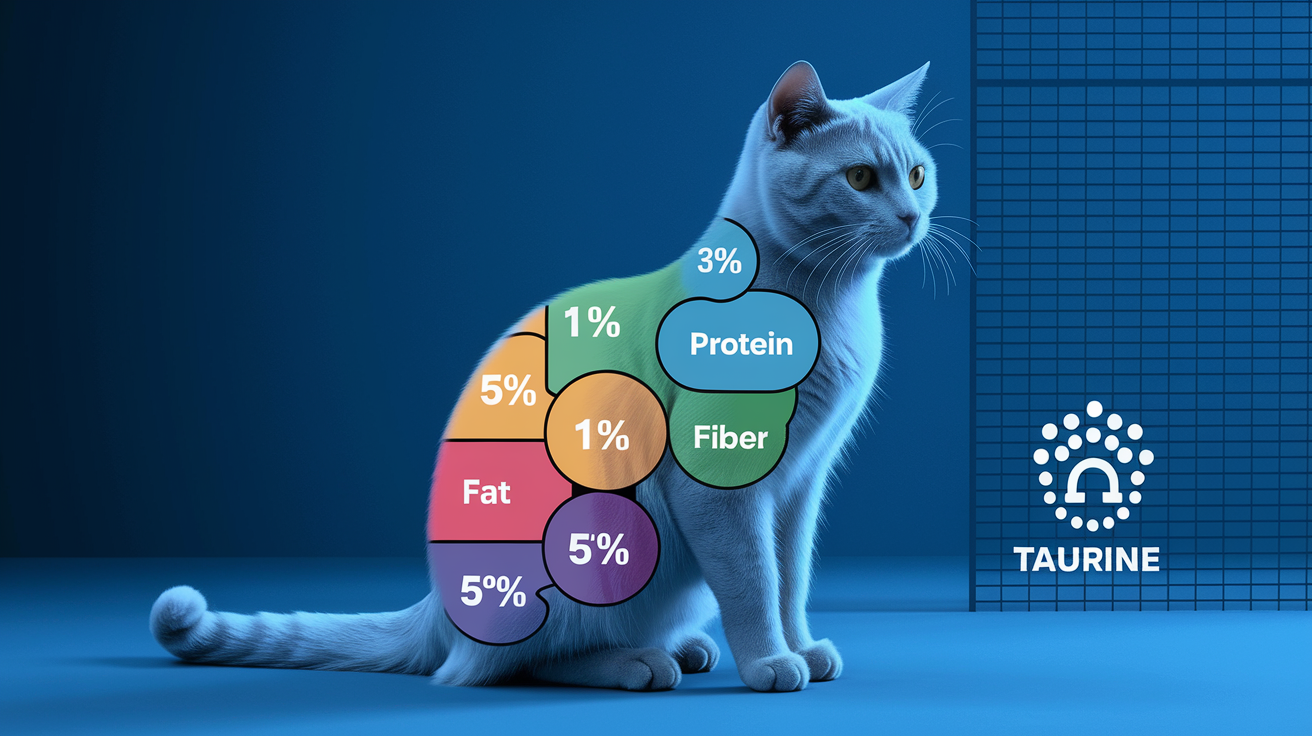
Indoor cats sit around. A lot. Without territory patrols or hunting, they burn 20–30% fewer calories than outdoor cats the same size. That drop in energy use sets them up for weight gain, which opens the door to diabetes, sore joints, and urinary problems. A food built for indoor life needs high-quality protein to keep muscle intact, moderate fat so calories don’t pile up, and enough fiber to keep digestion on track and hairballs moving.
Protein is the foundation. Cats are obligate carnivores, so they need amino acids from animal tissue. For indoor adults, look for at least 30% crude protein from named sources like chicken, turkey, salmon, or lamb. Fat should land between 10–15%, supplying omega-3s and omega-6s for coat health and cell function without driving weight up. Fiber typically runs 3–6% in indoor formulas, with sources like beet pulp, psyllium, or rice bran regulating transit time and cutting down hairball frequency.
Key nutrients to check:
Taurine — Cats can’t make it themselves, and without it they risk heart disease and vision loss. Indoor cats don’t get it from live prey, so kibble has to deliver.
Omega-3 and omega-6 fatty acids — Keep skin intact, coat shiny, and inflammation down. Named sources like salmon oil, flaxseed, or chicken fat matter.
Controlled magnesium and phosphorus — Around 0.1% magnesium and 0.8–1.0% phosphorus help reduce urinary crystals, critical when water intake is low.
Probiotics and prebiotics — Good bacteria and their fuel improve gut health, nutrient absorption, and stool quality.
Vitamins and minerals — Beyond taurine, look for vitamin E (antioxidant), B vitamins (energy metabolism), and balanced calcium/phosphorus for bones.
Pros and Cons of Dry Food for Indoor Cats
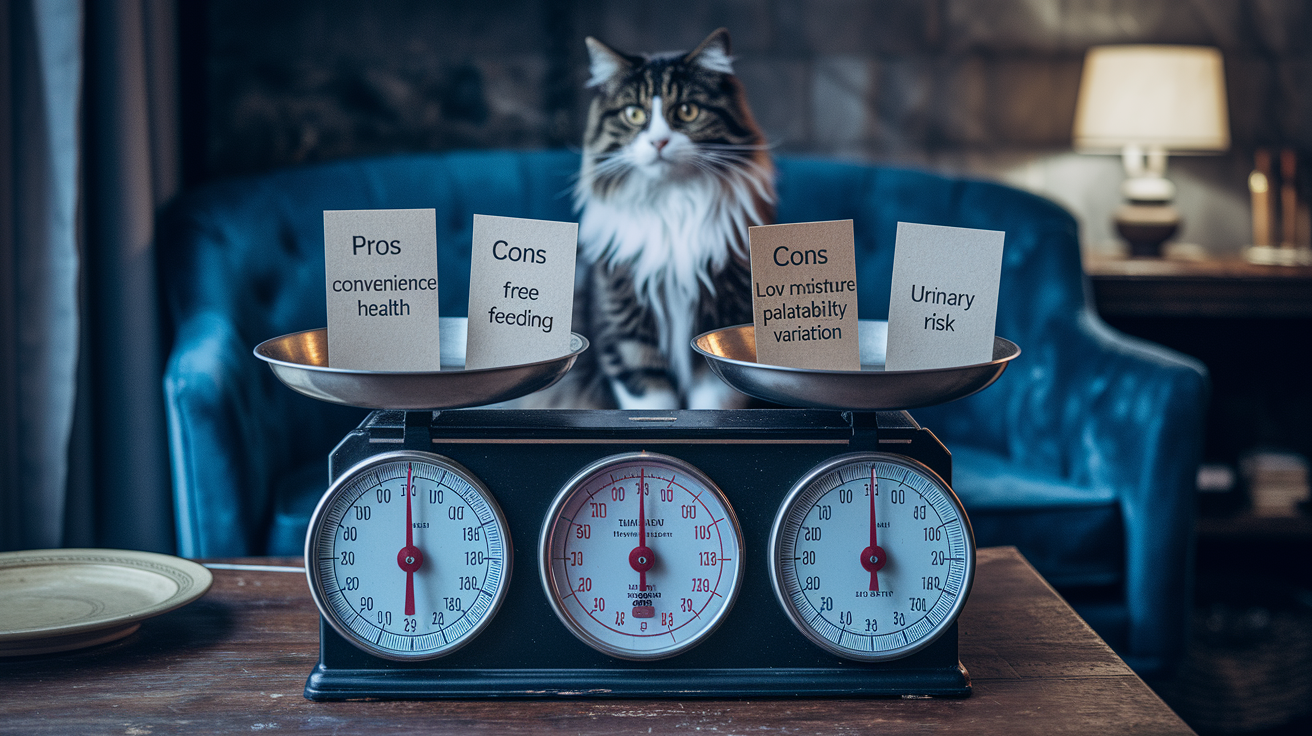
Dry kibble fits indoor life pretty well. It sits on the shelf without refrigeration, you can measure it into automatic feeders for consistent meal times, and the crunch scrapes plaque off teeth, which helps when cats don’t have bones or prey to chew. Kibble also costs less per serving than wet food, making it easier to stick with long-term on a budget.
But it has limits you can’t ignore. Moisture content usually sits around 10% or less, so cats eating only kibble have to drink enough water to stay hydrated. Many indoor cats are lazy drinkers, which raises the risk of urinary crystals, bladder inflammation, and kidney stress. Ingredient quality swings wildly across brands. Cheaper formulas lean heavy on corn, wheat, or soy fillers that bring calories without much nutritional value and can spike blood sugar. If you go dry as the main diet, always put out multiple fresh-water sources and think about mixing in a little wet food to boost moisture intake.
Pros:
Convenience — Easy to store, measure, and serve. Works with automated feeders.
Dental support — Kibble texture scrapes plaque during chewing.
Cost — Usually lower price per calorie than wet or raw diets.
Free-feeding flexibility — Dry food can sit out for hours without spoiling, helpful for grazers.
Cons:
Low moisture — 10% or less means your cat has to drink enough water, and many don’t.
Variable ingredient quality — Budget formulas may pack in grains, fillers, and artificial additives.
Urinary risk — Concentrated urine from low hydration can promote crystals and FLUTD.
Palatability limits — Some cats prefer wet food’s aroma and texture and may under-eat dry kibble, especially when stressed or sick.
Buying Guide: How to Choose the Best Dry Cat Food for Indoor Cats
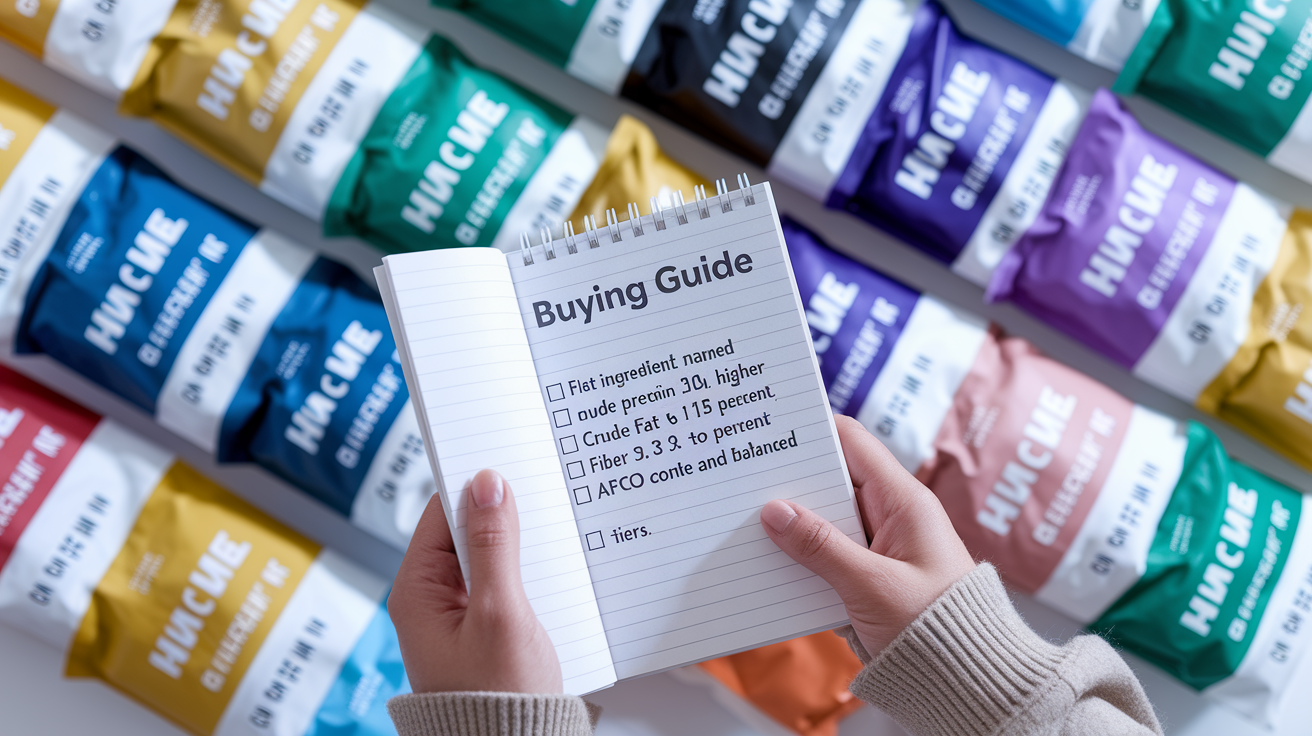
Start with the ingredient panel. You want a named animal protein in the first spot. Chicken, turkey, salmon, or lamb signals a protein-forward formula. Skip bags where corn, wheat, or soy lead the list. Those grains are cheap fillers that bring calories without the amino acids cats need. Next, check the guaranteed analysis. Crude protein should hit 30% or higher, crude fat 10–15% for weight control, and crude fiber 3–6% for hairball management. An AAFCO “complete and balanced” statement for adult maintenance confirms the food meets baseline nutrient requirements, though it doesn’t promise premium sourcing or digestibility.
Price tiers often track ingredient quality and processing care. Budget brands may cost $1–$2 per pound and lean on by-product meals, grain fillers, and synthetic vitamins to hit minimums. Mid-tier options, $2–$4 per pound, usually use whole meats or named meals, moderate grain content, and add probiotics or omega oils. Premium and grain-free formulas, $4–$7+ per pound, feature high animal-protein percentages, minimal fillers, and functional ingredients like glucosamine or cranberry extract. While premium foods cost more up front, they’re often more calorie-dense so daily portions shrink, and long-term health benefits can cut veterinary expenses for obesity, diabetes, and urinary issues.
Brand credibility counts. Look for companies that employ veterinary nutritionists, run feeding trials, and publish sourcing details. Certifications or third-party testing for contaminants, heavy metals, or mycotoxins add trust. If a brand had recent recalls, check whether it was isolated or part of a pattern, and whether the company communicated clearly and acted fast.
| Ingredient/Factor | Why It Matters | Red Flags to Watch For |
|---|---|---|
| First Ingredient | Sets the protein foundation. Named animal proteins deliver essential amino acids cats can’t make themselves. | Corn, wheat, soy, or “meat by-products” listed first. Vague terms like “poultry” without species. |
| Crude Protein % | Preserves lean muscle in sedentary cats. Higher protein often means better satiety and metabolic health. | Protein below 28% in adult formulas. Heavy reliance on plant proteins (pea protein, soy isolate) to inflate numbers. |
| Fat Source | Supplies energy and essential fatty acids for coat, skin, and cellular function. Named fats digest better. | Generic “animal fat” or “vegetable oil” without species. Fat levels above 18% in weight-control formulas. |
| Fiber Type & % | Promotes digestive regularity, hairball passage, and satiety. Insoluble and soluble fiber work together. | Fiber under 2% (may not support hairball control) or over 8% (can reduce nutrient absorption and palatability). |
| Additives & Preservatives | Natural preservatives (tocopherols, rosemary extract) maintain freshness safely. Artificial dyes serve no nutritional purpose. | BHA, BHT, ethoxyquin. Artificial colors (Red 40, Yellow 5). Propylene glycol. Excessive salt used as flavor enhancer. |
Expert Opinions and Real Customer Insights
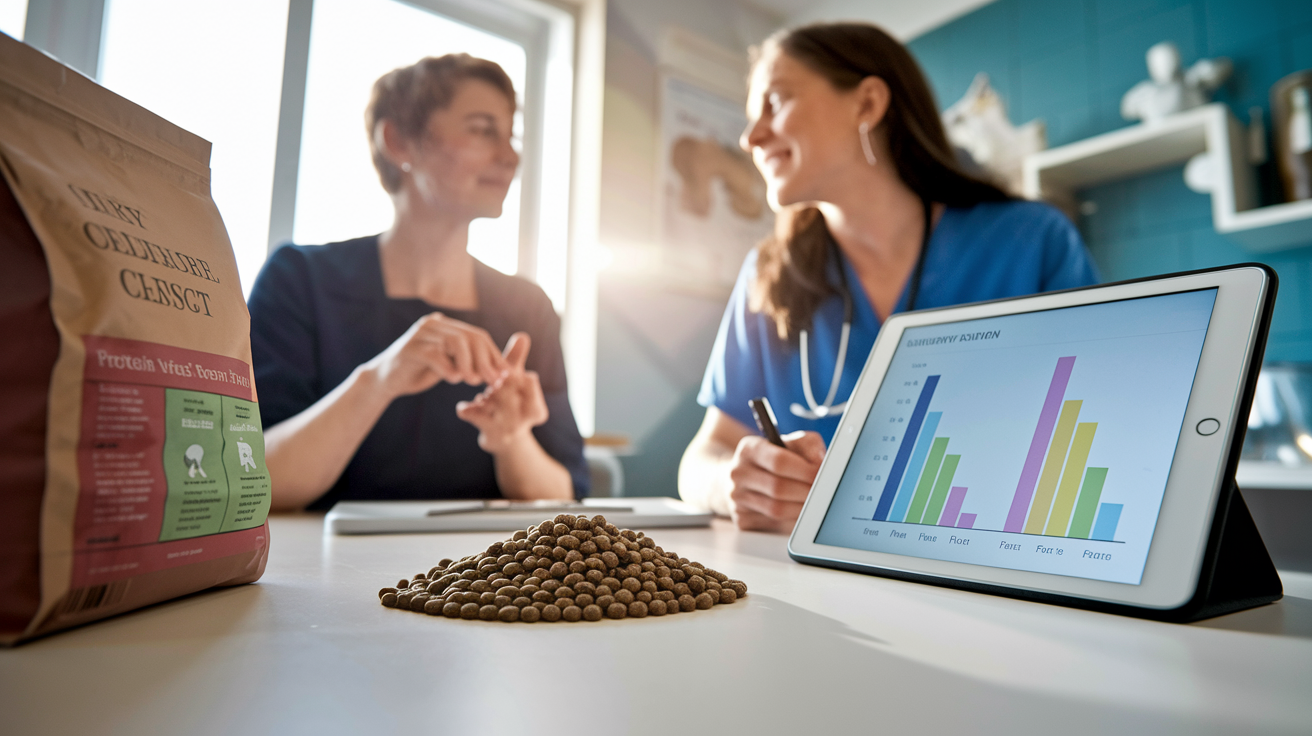
Vets keep saying the same thing: the right dry food for indoor cats balances high animal protein with controlled calories. Board-certified veterinary nutritionists point out that indoor cats need diets preventing obesity without losing muscle, so protein should stay above 30% while fat holds moderate. Fiber is another focus. Formulas with a blend of soluble fiber, like beet pulp, and insoluble fiber, like cellulose, help move hairballs through the gut and keep bowel movements regular. Vets also stress fresh water availability, since dry food alone barely provides moisture and urinary health depends on dilute urine to prevent crystals.
Customer reviews and satisfaction surveys show that palatability, stool quality, and coat condition drive repeat purchases. Owners report that cats switched to high-protein, moderate-fat indoor formulas often show shinier coats, firmer stools, and sustained energy without weight gain. Negative feedback usually centers on picky eaters rejecting new kibble textures or digestive upset during fast food switches. Many satisfied customers mention using gradual 7–10 day transitions and rotating between two or three trusted brands to maintain interest and variety.
Common satisfaction patterns include fewer hairball incidents when fiber content sits around 4–5%, improved litter-box odor with highly digestible proteins, and stable weight when portion sizes match the feeding guidelines on the bag. Owners who invest in premium formulas often note smaller daily portions and longer bag life, offsetting the higher per-pound cost. Across reviews, the message is clear: quality ingredients, transparent sourcing, and tailored indoor nutrition deliver real improvements in day-to-day health and long-term wellness.
Frequently Asked Questions About Dry Cat Food for Indoor Cats
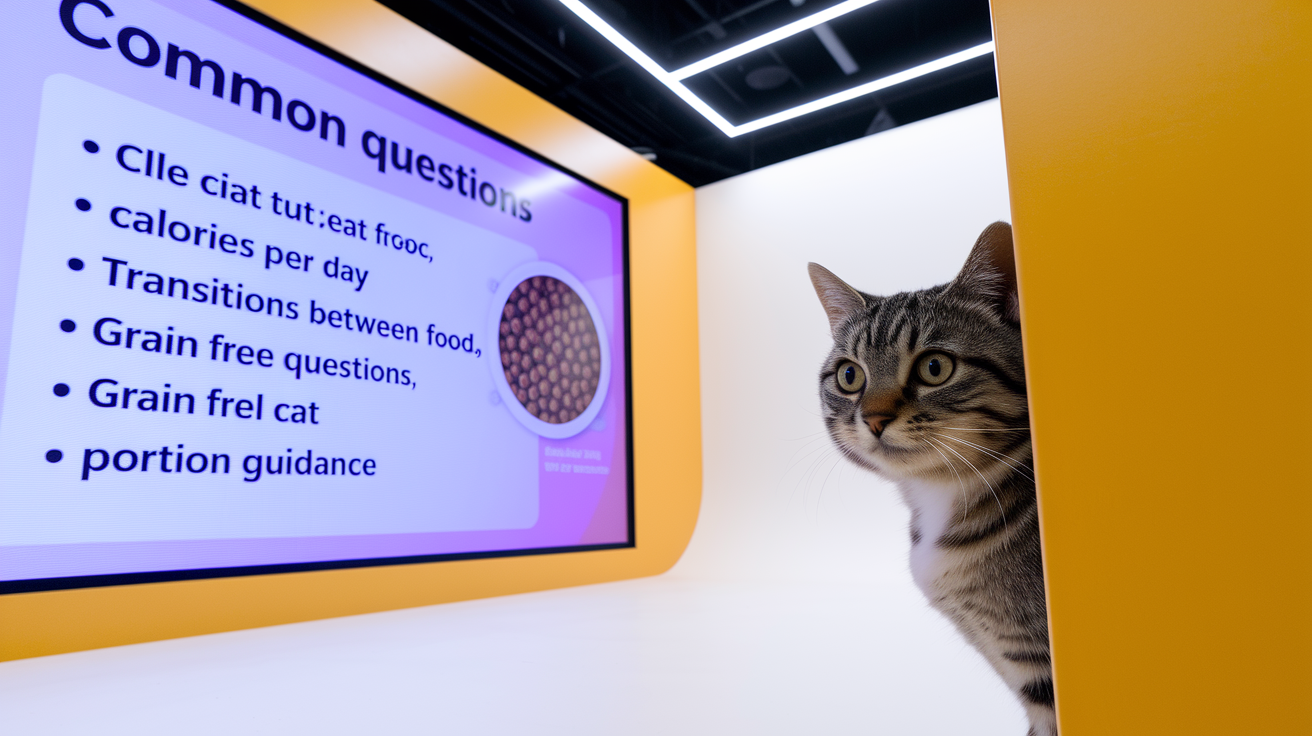
Choosing the right dry food raises practical questions about portions, transitions, and ingredient priorities. Here are answers to the most common concerns.
How many calories does an indoor cat need per day?
Most indoor adult cats need 20–30 calories per pound of body weight daily. A 10-pound indoor cat typically requires 200–300 calories, depending on age, activity level, and metabolism. Check the feeding guide on your chosen kibble and adjust based on your cat’s body condition.
Can I feed my indoor cat an outdoor-cat formula?
You can, but outdoor formulas usually contain more calories and fat to fuel higher activity. Feeding an outdoor formula to a couch potato may lead to weight gain over time. Indoor-specific recipes are calibrated for lower energy needs and often include hairball-control fiber.
How long should I transition to a new dry food?
Mix the new kibble with the current food over 7–10 days, gradually increasing the ratio. Start with 25% new food for the first 2–3 days, then 50%, then 75%, and finally 100%. If vomiting or diarrhea shows up, slow the transition and stretch it to two weeks.
Do indoor cats need grain-free food?
Not always. Most cats tolerate grains like rice and oats without issue. Grain-free formulas can help cats with grain sensitivities or owners seeking higher protein percentages, but they aren’t required for general indoor health. Focus on protein quality and calorie control first.
How much dry food should I feed per meal?
Portion sizes depend on the kibble’s calorie density and your cat’s weight. Divide the daily calorie target into 2–3 small meals. For example, if your cat needs 240 calories and the kibble provides 400 calories per cup, feed about ⅗ cup total, split into two or three servings.
Will dry food alone keep my indoor cat hydrated?
Dry kibble contains roughly 10% moisture, so cats must drink enough water to stay hydrated. Always provide fresh water in multiple locations, consider a water fountain to encourage drinking, and supplement with a small amount of wet food if your cat is a poor drinker.
What’s the best way to store dry cat food?
Keep kibble in a cool, dry place away from direct sunlight and humidity. Use an airtight container to preserve freshness, but keep the original bag inside the container so you retain the expiration date and lot number. Toss any food that smells off or shows mold.
How can I tell if my cat is allergic to their dry food?
Watch for vomiting, diarrhea, excessive gas, itching, red skin, hair loss, or chronic ear infections. If you suspect an allergy, consult your vet and consider a limited-ingredient or hypoallergenic formula. An elimination diet, introducing one novel protein at a time, can help identify the trigger.
Final Words
Choose a formula that fits your indoor cat’s lower calorie needs, higher fiber needs, and hairball control. That was the focus of the ranked picks and detailed reviews above. We covered nutrition needs, pros and cons of kibble, a buyer’s guide, vet and owner insights, plus FAQs.
Next, compare protein quality, calorie density, fiber content, and digestibility. Transition slowly and track weight, appetite, stool, and coat.
Use the checks and top picks to find the best dry cat food for indoor cats for your buddy. Small changes, big comfort.
FAQ
Q: What is the healthiest dry cat food for indoor cats? Which brand of cat food is the best for indoor cats?
A: The healthiest dry cat food for indoor cats is a low‑calorie, high‑quality protein formula with extra fiber and hairball support; top brands include Hill’s Science Diet, Royal Canin, Purina Pro Plan, and Blue Buffalo.
Q: What is the #1 dry cat food? Which dry cat food is recommended by vets?
A: The #1 dry cat food often recommended by vets is a controlled‑calorie indoor formula like Hill’s Science Diet or Royal Canin, praised for quality protein, fiber content, and hairball or weight management support.