

Think a calico’s coat is just for looks? Not always.
Most calicos are perfectly typical, but rare male calicos often carry an extra X chromosome (XXY), and that brings real health risks, including bone weakness, higher obesity and diabetes risk, and fertility problems.
This intro covers what to watch for, which myths to drop, and simple checks and vet steps that really matter.
Read on to learn the signs, routine care tips, and when to call your vet so your calico lives a long, comfortable life.
Key Calico-Specific Health Issues to Monitor

Most calico cats face the same general health risks as any other house cat. That’s because “calico” just describes a coat pattern (white, orange, and black patches), not a separate breed. But there’s an exception: rare male calicos.
Male calicos usually carry an extra X chromosome (XXY). It’s called Klinefelter syndrome, and it brings real health concerns. We’re talking weaker bones (so more fractures), higher body fat (which ups the risk for diabetes and joint trouble), and sometimes cognitive or behavioral issues. If you’ve got a male calico, he’ll need closer monitoring throughout his life.
For female calicos, which make up about 99.9% of all calicos, the coat color itself doesn’t cause health problems. That’s a myth with no veterinary backing. What really matters is the cat’s breed, environment, diet, preventive care routine, and catching symptoms early. Any calico can develop the usual feline illnesses (dental disease, urinary issues, kidney trouble, heart conditions, parasites, infections). But again, these aren’t tied to the tri-color coat.
Early detection matters a lot, especially for rare male calicos. Watch for warning signs that might point to complications from chromosomal issues or general cat illness. Catching things early means better outcomes and a higher quality of life.
Symptoms to keep an eye on:
- Sudden weight gain or loss
- Drinking more water or urinating more often (could signal diabetes)
- Broken bones from minor falls or normal activity
- Limping, stiffness, or not wanting to jump
- Less activity or interest in play
- Appetite changes (eating way more or way less)
- Behavioral shifts like aggression, hiding, or confusion
- Lethargy or pulling back from normal routines
Calico Cat Genetics and Health Connections

Calico coloring happens because of a genetic process that needs two X chromosomes. In cats, the genes for orange and black fur sit on the X chromosome. Female cats have two X chromosomes (XX), so they can show both colors in separate patches through something called X-inactivation (or lyonization). Early in development, one X chromosome in each cell randomly “turns off,” creating that mosaic look of orange and black. The white patches come from a different gene, the white-spotting gene. That’s why most calicos are female.
Male cats typically have one X and one Y chromosome (XY), so they express either orange or black. Not both. Rare male calicos show up when a chromosomal hiccup gives them an extra X (XXY), or in even rarer cases, when they’re chimeras (two embryos fused together). These genetic quirks are uncommon. Estimates put it at around 1 in 3,000 to 1 in 10,000 male cats. Genetic testing with a cheek swab or blood draw can confirm XXY chromosomes and help everyone involved understand what health risks might be coming.
Understanding XXY Chromosomes
An XXY karyotype happens from a random error during cell division, either when sperm or eggs form, or early in embryo development. In humans, this is called Klinefelter syndrome. Cats follow a similar pattern. The extra X lets male calicos express both orange and black fur, but it also messes with normal development. XXY males are almost always sterile and may need lifelong monitoring because of higher risks for metabolic, skeletal, and behavioral problems. Genetic testing is a good idea when you think you’ve got a male calico, especially if you’re noticing odd health or behavior patterns. Testing gives clarity for vet planning and helps you prep for possible specialized care.
Health Problems Unique to Male Calico Cats
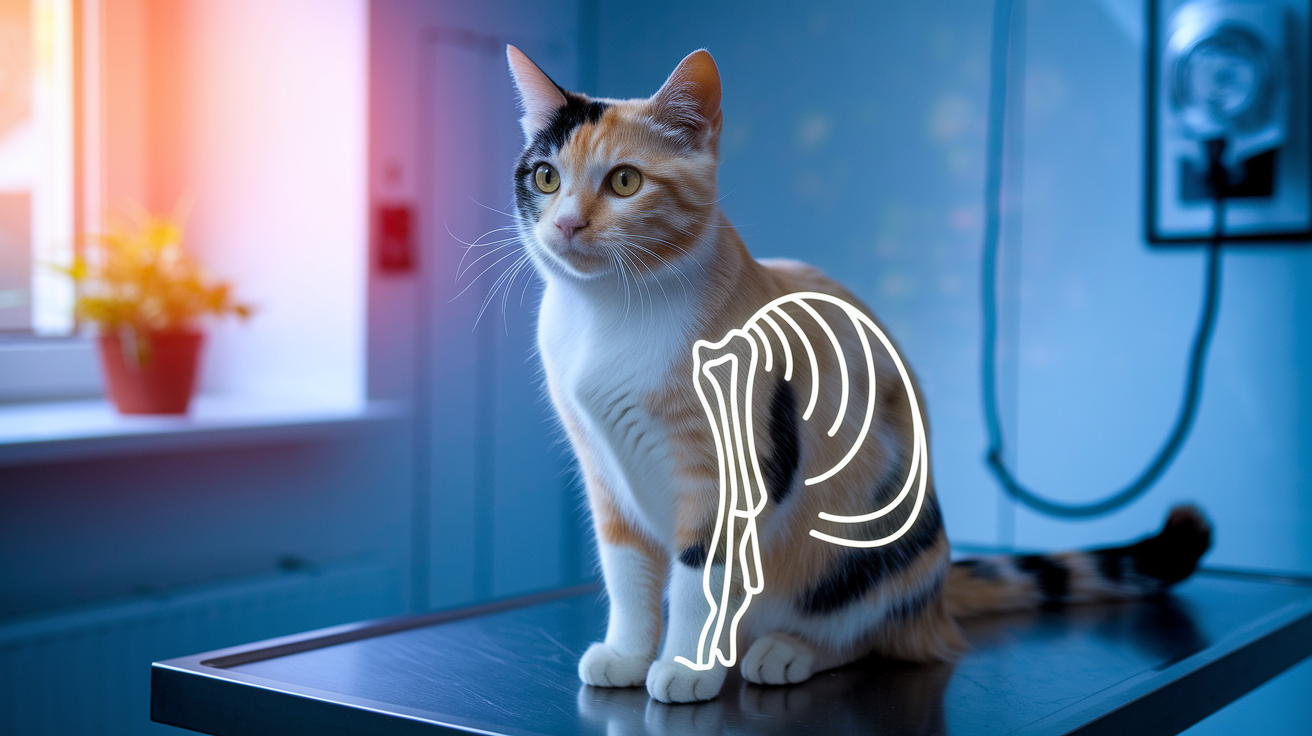
Male calico cats with XXY chromosomes face a distinct batch of ongoing health challenges that female calicos don’t. The most consistent issue is sterility. Nearly all XXY males can’t reproduce because their reproductive development is abnormal. Beyond that, the extra X chromosome bumps up baseline risk for several conditions. More body fat builds up, which makes them prone to obesity, diabetes, and joint strain. Bone density tends to be lower than in typical male cats, so there’s a higher chance of fractures from normal activity or minor bumps. Cognitive and behavioral difficulties (confusion, slower learning, heightened anxiety) can show up too, though how severe it gets varies from cat to cat.
Because of these overlapping vulnerabilities, male calicos need more frequent vet monitoring than typical cats. You’ll want to work with your vet to set up a screening schedule that includes routine bloodwork to watch glucose levels (for diabetes), weight checks at every visit, joint checks, and behavioral observations. Occasional X-rays might be needed if fractures are suspected or if your cat shows signs of fragile bones. In very rare cases, male calicos may carry even more complex karyotypes like XXXY, which can make health risks worse. The key is early identification, consistent monitoring, and jumping on symptoms when they appear. If you’ve got a male calico, expect your vet to want more frequent check-ins than usual. That’s not a red flag, it’s just smart planning.
Lifespan Expectations and Long-Term Calico Health
Average lifespan for calico cats ranges from 12 to 16 years. Many live into their late teens or even early twenties when they get consistent vet care, a balanced diet, and a safe environment. Lifespan depends mainly on the cat’s breed, overall health, lifestyle (indoor vs. outdoor), and access to preventive care. Not coat color. A calico Maine Coon might have different longevity than a calico domestic shorthair, simply because breed-specific health tendencies vary. Female calicos, which make up almost all calicos, follow the same longevity patterns as non-calico cats of the same breed and health profile.
Male calicos with XXY chromosomes might live slightly shorter lives because of bone weakness, metabolic complications, and increased disease risk adding up. But many XXY males still have full, comfortable lives when their health gets monitored closely and managed appropriately. Early intervention for diabetes, joint pain, and fractures makes a real difference in quality of life and longevity.
When calico cats hit their senior years (usually around age 10 or 11), health care needs shift. Senior cats should get wellness exams twice per year instead of the standard once per year for adults. These visits let vets catch age-related conditions early: chronic kidney disease, arthritis, dental disease, heart problems, and cognitive changes. Watch for mobility shifts like trouble jumping onto furniture, not wanting to use stairs, or stiffness after resting. These might point to arthritis or joint degeneration.
Preventive Care to Reduce Calico Cat Health Issues

Preventive care is the best way to lower the risk of serious illness and extend your calico cat’s healthy years. Adult calico cats (ages 1 to 10) should get a full wellness exam at least once per year. Senior cats (age 10 and older) benefit from twice-yearly exams. These visits usually include a physical exam, weight check, dental evaluation, and talk about any behavioral or health changes you’ve noticed. Vaccinations, parasite prevention, and routine screenings for common cat diseases should be part of every preventive care plan.
Spaying and neutering are critical. Female calicos spayed before their first heat cycle have a much lower risk of mammary tumors, which are malignant in about 90% of cats. Spaying also prevents uterine infections and gets rid of ovarian cancer risk. Male calicos, though rare, benefit from neutering too. Neutering prevents testicular cancer, lowers the risk of prostate problems, and cuts down on behaviors like marking and roaming. Kittens can be safely spayed or neutered as early as 8 weeks, though many vets recommend waiting until 4 to 6 months.
Key preventive steps:
- Schedule annual wellness exams for adults, twice yearly for seniors
- Keep vaccinations current (core vaccines include rabies, feline distemper, and feline herpesvirus)
- Use year-round flea, tick, and heartworm prevention
- Provide routine dental care, including professional cleanings as your vet recommends
- Spay or neuter your cat unless they’re part of a responsible breeding program
- Monitor weight at every vet visit and adjust diet or exercise as needed
Nutrition and Weight Management for Calico Cats

Calico cats don’t need special diets because of their coat color. They need the same balanced nutrition as any other house cat: quality animal-based proteins, essential fatty acids, vitamins, minerals, and appropriate carbs. Pick a cat food that lists a named meat (like chicken, turkey, or fish) as the first ingredient. Avoid foods loaded with fillers or artificial additives. Age and health status matter more than color, so choose kitten, adult, or senior formulas based on your cat’s life stage. Cats with diagnosed conditions like kidney disease or diabetes may need prescription diets your vet recommends.
Weight management is especially important for calico cats. Particularly for rare male calicos who face higher risks of obesity, diabetes, and joint problems because of their XXY chromosomes. Even in female calicos, extra weight raises the risk of arthritis, heart disease, and urinary problems. Limit treats to just a few per day and go with healthy options like small amounts of cooked chicken or turkey instead of high-calorie commercial treats. Don’t feed table scraps or human foods that are toxic to cats: onions, garlic, chocolate, grapes, and anything with xylitol.
Practical weight-control strategies:
- Measure food portions with a standard measuring cup instead of free-feeding
- Feed meals at consistent times each day to build routine and prevent overeating
- Use puzzle feeders or slow-feed bowls to encourage natural hunting behavior and slow down eating
- Provide daily play sessions with interactive toys to burn calories and keep muscle tone
- Weigh your cat regularly (at home or during vet visits) and track changes over time
Common Medical Conditions Seen in Calico Cats
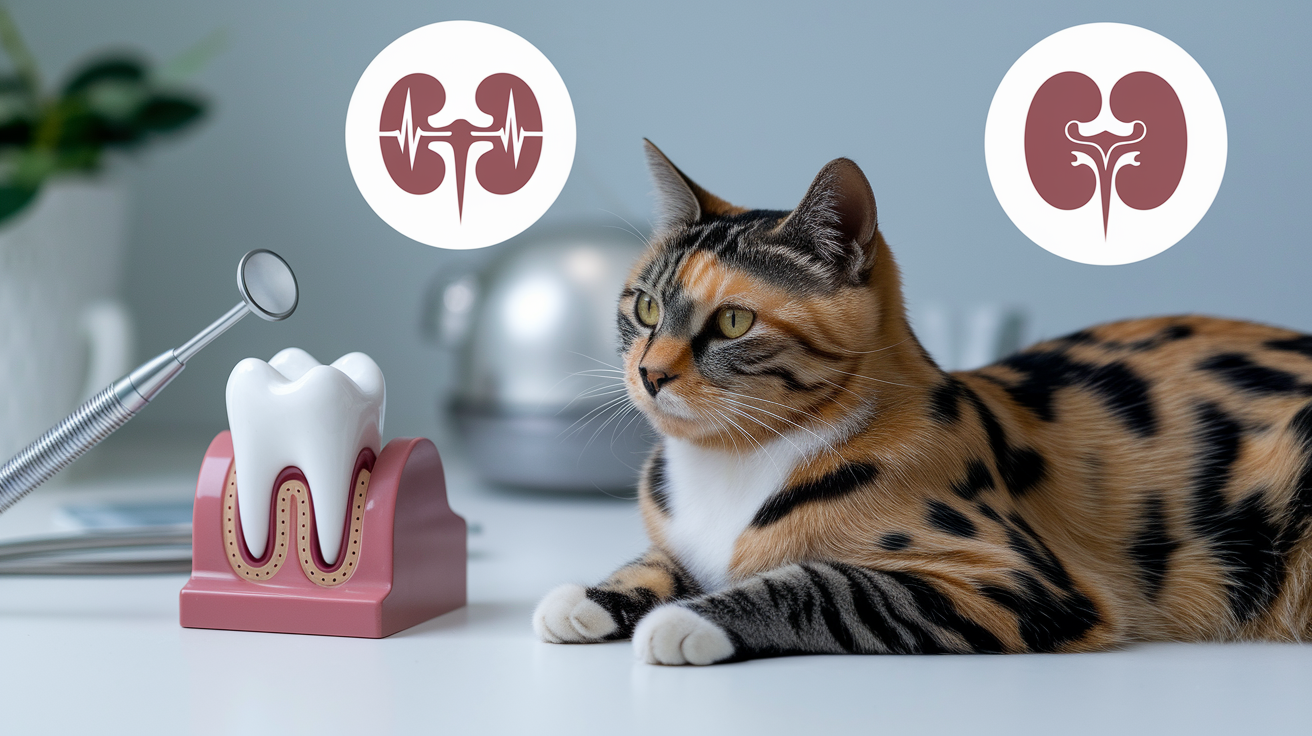
Calico cats aren’t predisposed to illness just because of their coat. But they’re vulnerable to the same range of conditions that affect all house cats. Understanding these common problems helps you recognize early symptoms and get vet care before things get severe. Dental disease is one of the most widespread cat health issues, affecting most cats by age three. Periodontal disease, broken teeth, and oral masses can cause pain, trouble eating, bad breath, and drooling. Regular dental exams and professional cleanings cut the risk of tooth loss and infections that spread through the body.
Urinary tract problems, including feline lower urinary tract disease (FLUTD), are common in both male and female cats. Symptoms include straining to urinate, blood in the urine, frequent trips to the litter box with little output, and urinating outside the box. Male cats have higher risk for urethral blockage, which is life-threatening and needs immediate vet attention. Kidney disease is another common condition, especially in senior cats. It often shows up gradually with increased thirst, more urination, weight loss, and poor appetite. Heart disease (hypertrophic cardiomyopathy, mitral valve disease, dilated cardiomyopathy) can develop silently and might only get detected during routine exams.
Calicos are also at risk for parasites (fleas, ticks, ear mites, intestinal worms), skin conditions (atopic dermatitis, flea allergies, fungal infections), ear infections, eye problems (corneal ulcers, conjunctivitis), respiratory infections, and various cancers (lymphoma, mast cell tumors, mammary tumors). Trauma from falls, fights, or accidents, and swallowing foreign objects, are additional concerns, especially for cats with outdoor access.
| Condition | Key Signs to Watch For | When to See a Vet |
|---|---|---|
| Dental Disease | Bad breath, drooling, difficulty eating, pawing at mouth | At first sign of symptoms or during routine annual exams |
| Urinary Tract Problems (FLUTD) | Straining to urinate, blood in urine, frequent litter box trips, inability to urinate | Immediately if unable to urinate; same day for other symptoms |
| Chronic Kidney Disease | Increased thirst, increased urination, weight loss, vomiting, lethargy | Within a few days of noticing symptoms; senior cats should be screened regularly |
| Heart Disease | Coughing, difficulty breathing, lethargy, reduced appetite, sudden weakness | Immediately if breathing is labored or cat collapses; otherwise within 24 hours |
Behavioral and Stress-Related Health Issues in Calico Cats
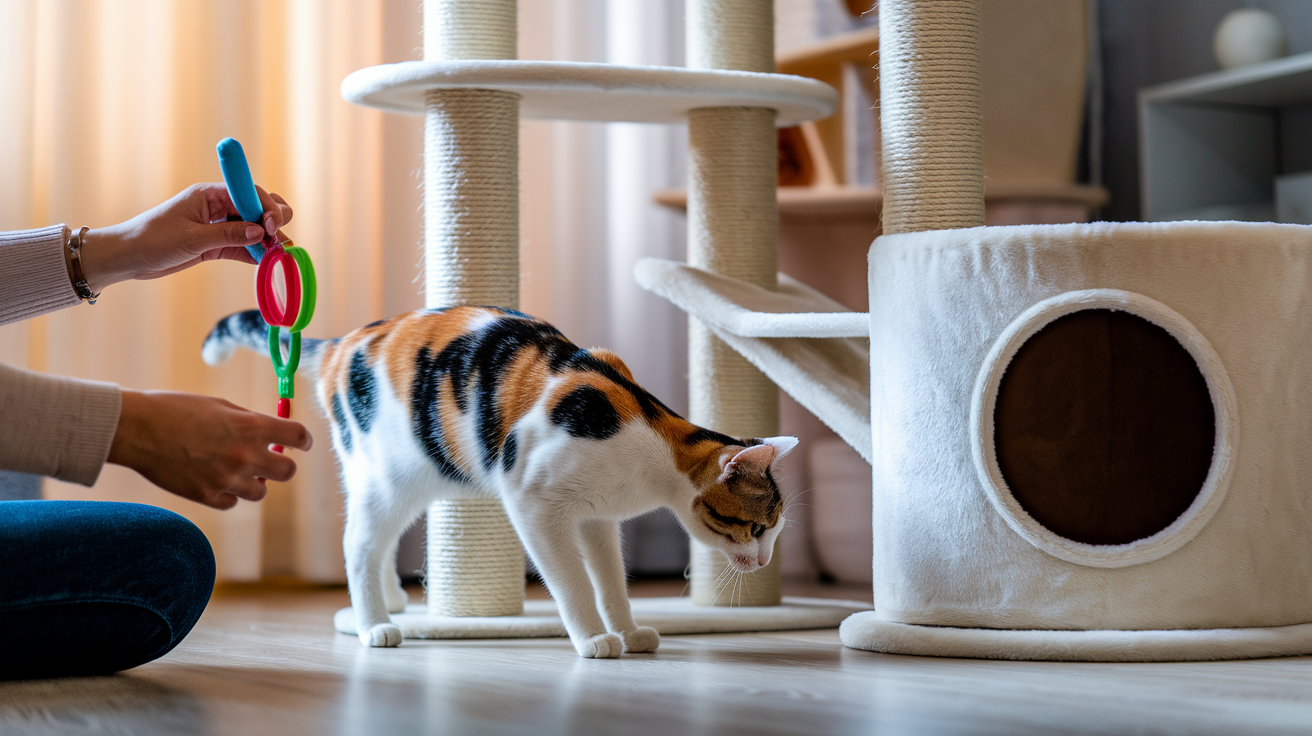
Behavioral changes in calico cats often signal underlying pain, illness, or stress. Don’t brush them off as “just personality.” When a social cat starts hiding, a playful cat becomes lethargic, or a calm cat suddenly shows aggression or won’t stop vocalizing, these shifts might point to physical discomfort, cognitive decline, or environmental stressors. Pain from dental disease, arthritis, urinary infections, or fractures (especially relevant for male XXY calicos with fragile bones) often shows up as irritability, withdrawal, or changes in grooming. Cats in pain might over-groom one area, creating bald patches, or stop grooming altogether, leaving the coat matted and messy.
Chronic stress also takes a physical toll on calico cats. Stressors like changes in household routine, new pets showing up, loud noises, lack of hiding spaces, or dirty litter boxes can trigger stress-related illnesses, including urinary problems, upset stomach, and weakened immune response. Environmental enrichment plays a big role in reducing stress and supporting long-term health. Provide vertical spaces (cat trees, shelves), quiet retreat areas, interactive play sessions, puzzle feeders, and consistent daily routines for feeding and play. Gradual introductions to new pets or household changes, paired with positive reinforcement (treats, praise), help calico cats adjust without setting off behavioral or health crises. If behavioral changes stick around for more than a few days or come with physical symptoms (appetite loss, vomiting, lethargy), schedule a vet visit to rule out medical causes.
Diagnostic Tests Recommended for Calico Cats

Routine diagnostic testing lets vets catch health problems before symptoms get severe. That’s especially important for managing conditions common in calico cats and for keeping tabs on rare male calicos with XXY-related risks. Bloodwork, including a complete blood count (CBC) and chemistry panel, checks organ function, blood sugar levels, red and white blood cell counts, and markers for kidney and liver health. These tests are typically recommended during annual wellness exams for adults and twice yearly for senior cats. For male calicos, glucose and lipid monitoring might happen more often to screen for diabetes and metabolic imbalances.
Urinalysis checks for signs of infection, kidney disease, diabetes, crystals, and blood in the urine. This test is especially useful for cats showing urinary tract symptoms or those with a history of FLUTD. Imaging studies (X-rays and ultrasound) help diagnose bone fractures (a concern for XXY males with reduced bone density), heart issues, tumors, bladder stones, and organ enlargement. Genetic testing using a cheek swab or blood sample can confirm XXY chromosomes in male calicos and guide long-term care planning.
Recommended tests:
- Annual bloodwork (CBC and chemistry panel) for adult cats, twice yearly for seniors
- Urinalysis during wellness exams or when urinary symptoms show up
- X-rays or ultrasound when fractures, heart disease, or internal masses are suspected
- Genetic testing for male calicos to confirm chromosomal status and assess health risks
Home Care and Monitoring for Calico Cat Health

Daily home monitoring is one of the best ways to catch health problems early and keep your calico cat well between vet visits. Track key indicators like appetite, water intake, weight, litter box habits, activity level, and grooming behavior. Sudden changes in any of these can signal the start of illness. For example, increased thirst paired with more urination might mean diabetes or kidney disease. A sudden drop in appetite lasting more than 24 hours deserves a call to the vet. Check weight monthly at home (using a pet scale or by weighing yourself with and without the cat) and write it down to spot gradual gains or losses.
Litter box monitoring gives you valuable clues about urinary and digestive health. Changes in how often, how much, what color, or what smell the urine or stool has, along with straining, blood, or mucus, should get reported to your vet. Keep the litter box clean by scooping daily and doing a full litter change weekly to encourage consistent use and cut down on stress. Fresh water should always be available. Some calicos prefer running water from a pet fountain. Regular grooming sessions, especially for long-haired calico cats, not only prevent matting and hairballs but also give you a chance to check for lumps, bumps, fleas, skin lesions, or signs of pain when touched.
At-home care steps:
- Monitor and record daily food and water intake
- Check litter box habits daily for changes in urine or stool
- Weigh your cat monthly and keep a simple log
- Brush or comb your cat regularly to spot skin and coat changes
- Provide consistent feeding and play routines to reduce stress and support overall health
Final Words
Watch for XXY-related risks in rare male calicos — weight change, fractures, increased thirst, and behavior shifts are early red flags. Calico is a color pattern, but genetics can change care.
This post covered genetics, male-specific risks, common feline conditions, diagnostics, nutrition, preventive care, and home monitoring. Use checklists: appetite and litter box checks, monthly weight, and yearly or twice-yearly vet exams.
Track symptoms and bring notes to the vet so problems get caught early. Keeping an eye on calico cat health issues and simple routines helps most calicos live long, comfy lives.
FAQ
Q: Are calico cats more prone to illness?
A: Calico cats are not inherently more prone to illness; the coat pattern itself doesn’t cause disease. Rare male calicos with XXY chromosomes do face higher health risks and need careful vet monitoring.
Q: What is the life expectancy of a calico cat?
A: The life expectancy of a calico cat is about 12 to 16 years on average, though many reach late teens or early twenties. Overall care, breed, and health matter more than coat color.
Q: Do calico cats have problems?
A: Calico cats don’t have color-linked problems by default, but rare male calicos (XXY) often have fertility, bone, obesity, diabetes, and behavior risks that require extra veterinary attention.
Q: Are calico cats smart?
A: Calico cats are not inherently smarter due to their coat; intelligence varies by individual, breed, and environment. Mental enrichment, play, and training help any cat think, learn, and adapt.