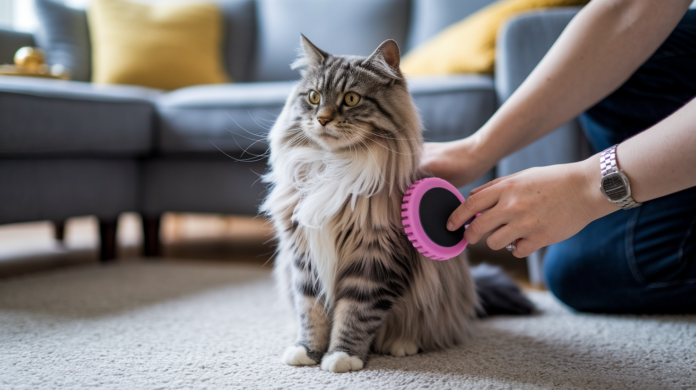

Think any brush will do for a long‑haired cat? Think again.
Those flowing coats look stunning but hide tangles that can become painful if you miss them.
The right brush makes grooming faster, gentler, and stops small knots from turning into mats.
In this post I’ll show the top brushes that actually work for thick fur, explain which tool fits each coat and temperament, and give a simple routine so you can keep your cat comfy and mat‑free without stress.
Top Brushes for Long‑Haired Cats: Expert Picks and Why They Work
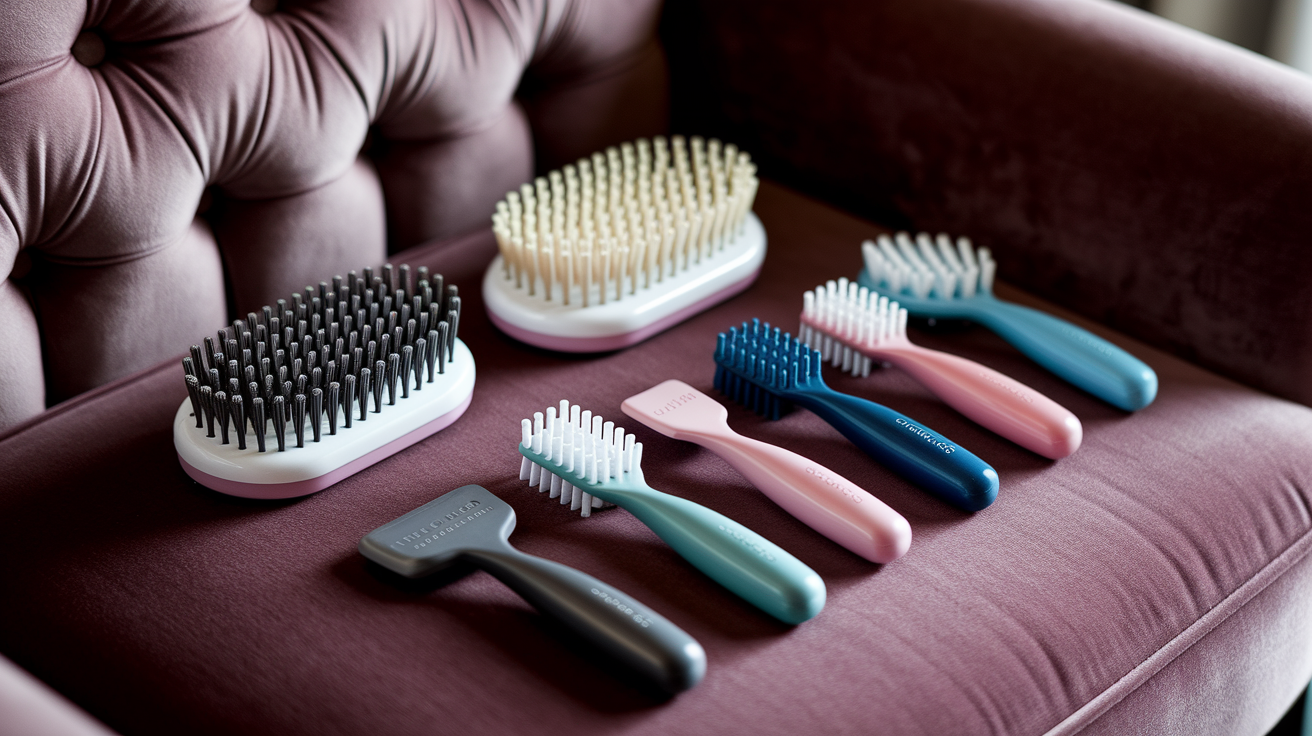
Long haired cats are gorgeous. They’re also a lot of work. The right brush doesn’t just make grooming easier, it keeps your cat comfortable and stops small tangles from becoming painful mats. Here’s what actually works for thick, flowing coats.
• Hartz Groomer’s Best Combo Brush – Double sided tool with stainless steel pins and nylon bristles. Lifts loose fur, reaches the undercoat, gentle enough for the face.
• Andis Pet Deshedding Tool – Curved metal teeth grab undercoat fur fast. A few strokes pull out what other brushes miss.
• Safari Self‑Cleaning Slicker Brush – 288 stainless steel pins work through small mats and surface clumps. Push button ejects hair so you’re not picking it out by hand.
• Well & Good Prostyle Dual‑Sided Shedding Rake – 7 tooth side for mats, 13 tooth side for thinning. Two tools in one handle.
• Chris Christensen Cat/Carding Buttercomb #013 – Dual length stainless steel teeth dig into stubborn tangles with control.
• HandsOn All‑In‑One Grooming Gloves – Rubber palm nubs remove loose hair gently. Great for cats who hate traditional brushes.
• Furbliss Curry‑Style Silicone Brush – Medical grade silicone. Works wet or dry. You can throw it in the dishwasher.
These aren’t just nicer versions of basic brushes. They solve specific problems that come with long coats. Mats form deep, where the undercoat compresses against skin. Generic brushes skim the surface and leave that layer completely untouched. Undercoat rakes and deshedding combs reach through the topcoat without pulling or scratching. Slicker brushes handle loose fur and minor tangles once you’ve already managed what’s underneath. Dematting tools use curved, hooked teeth to grip compacted fur without cutting skin. When you match the tool to the job it’s designed for, grooming gets faster, gentler, and way more effective at preventing the kind of mats that end in expensive groomer visits.
How to Choose the Right Brush for Your Long‑Haired Cat

Coat density matters more than breed. A Persian with a thick, plush undercoat needs tools that penetrate layers without snagging. A Maine Coon with a silky topcoat and moderate undercoat might do fine with a gentler slicker and monthly rake sessions. Feel your cat’s coat. If you can’t easily run your fingers down to the skin, you need something that reaches deeper than surface bristles.
Construction affects how much control you have and how comfortable it is for your cat. Look for rubber tipped pins or a soft cushion pad under the bristles. The tool should flex against skin instead of poking it. Handles with ergonomic grips or rubber coating reduce hand fatigue when you’re working through a longer session. Smaller brush heads help you navigate tight spots like under the legs and behind the ears, where mats form fastest.
Temperament guides the rest. Cats new to grooming, older cats, or those with thin skin do better with flexible silicone brushes or grooming gloves that feel more like petting. Cats who tolerate handling well can move straight to metal toothed tools that remove more fur per stroke.
Selection Criteria:
• Tooth or pin length – Has to reach the undercoat without scraping skin.
• Head size – Smaller for armpits, behind ears, under the tail. Larger for back and sides.
• Self‑cleaning feature – Push button hair ejection saves time and keeps bristles clear.
• Material safety – Rounded tips, smooth edges, flexible pads reduce irritation risk.
Understanding Brush Types for Long‑Haired Cats
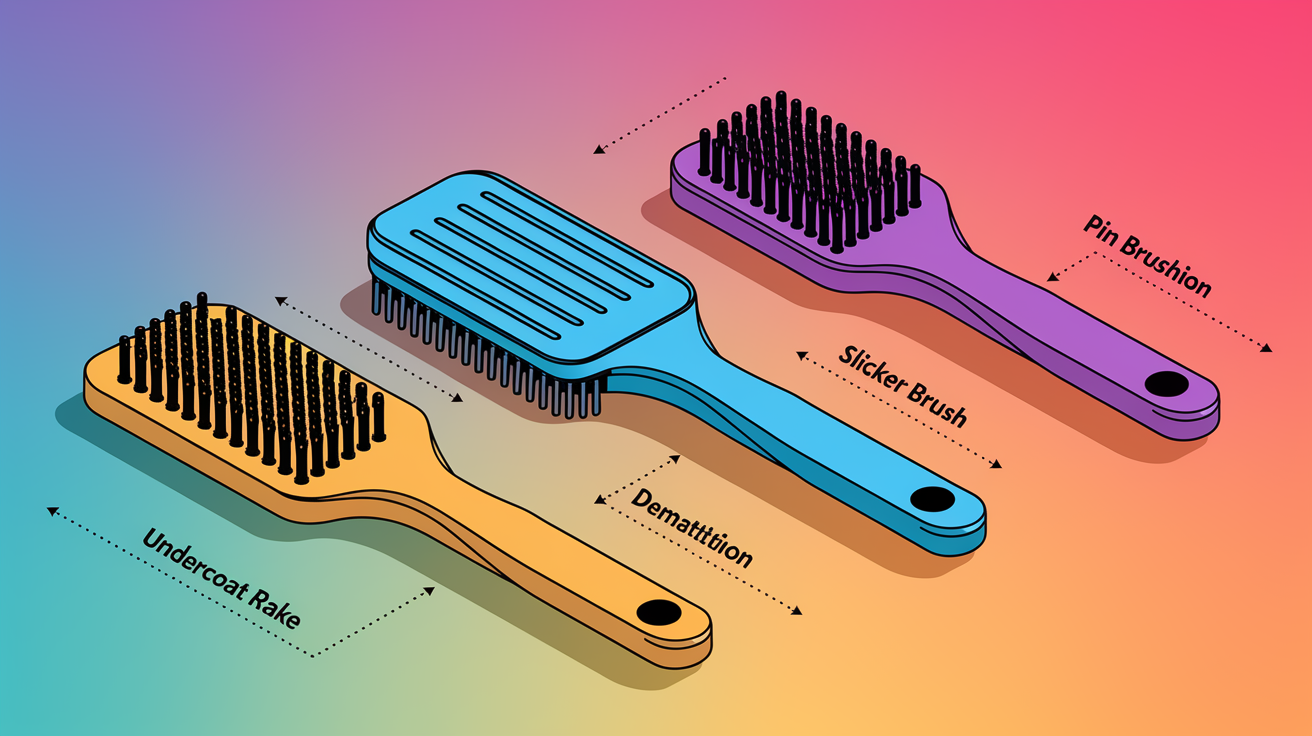
Each type solves a different problem. You’ll get better results when you know which tool to grab first.
Slicker Brushes
Slicker brushes are built for the topcoat. Fine, short wires set close together grab loose hair and smooth out light tangles without digging deep. They work best after you’ve already addressed the undercoat with a comb or rake. Use them daily or every other day to fluff the coat and catch surface shedding before it lands on your furniture. They’re gentle enough for the belly, behind the ears, under the legs when you use light pressure and short strokes. If your cat’s coat is heavily matted or the undercoat is compacted, a slicker won’t fix it. It’ll glide over the top and leave the root level tangles alone.
Dematting Combs
Dematting combs have sharp, rounded blades designed to cut through mats without cutting skin. The curve helps you reach the base where it’s anchored. These tools require care. Hold the skin taut, work in small sections, never pull hard. Dematting combs aren’t for regular brushing. They’re for problem solving when a section of fur has already knotted into a solid mass that a slicker or pin brush can’t separate. Smaller tools give you better control. If a mat is too large or too close to the skin, stop and call a groomer. One slip with a dematting blade can cause a painful cut that takes weeks to heal.
Undercoat Rakes
Undercoat rakes reach the layer where mats start. They have long, widely spaced teeth that slide under the topcoat and pull out dead undercoat fur before it compacts. This is the tool that prevents mats instead of reacting to them. Use it once a month to every other month, depending on how fast your cat sheds. Work in the direction of fur growth with short, gentle strokes. Focus on the back, sides, hindquarters where the undercoat is thickest. Rakes remove more hair per stroke than any other tool, so expect large clumps. That’s normal. What’s left is a lighter, fluffier coat that’s less likely to tangle.
Grooming Routine for Long‑Haired Cats
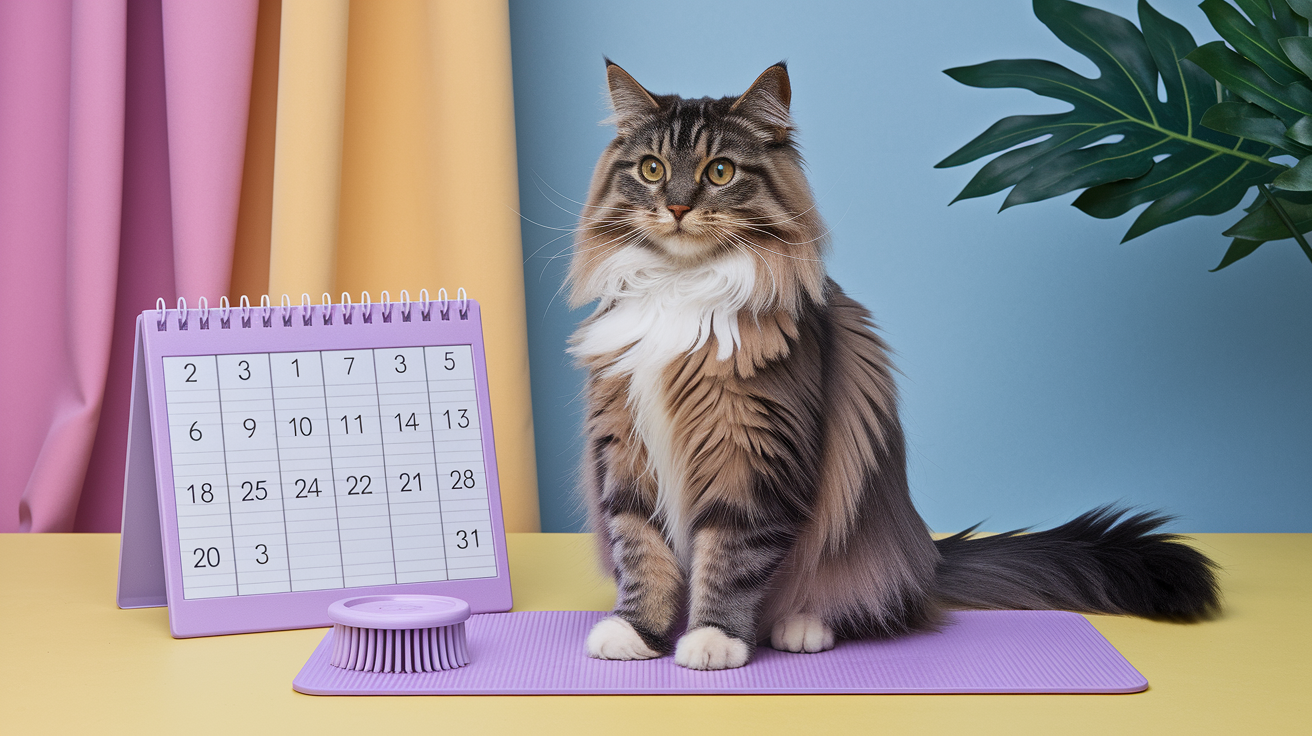
Long haired cats need consistent brushing to stay ahead of matting. Aim for three to seven times per week. Daily is ideal if your cat tolerates it. If your schedule is tight, commit to at least three sessions and add a monthly deep grooming day with an undercoat rake.
Mats form fastest in friction zones. Behind the ears, under the front legs, in the armpits, along the belly. Run your hands over these areas every day, even on days you don’t brush. If you feel a small knot forming, address it immediately with a comb or your fingers. Waiting even two days can turn a pea sized tangle into a mat that requires a dematting tool.
Technique matters as much as frequency. Always brush in the direction of fur growth. Start at the head and work toward the tail, then do the legs and belly last. Use light pressure. Let the tool do the work instead of pressing hard into the skin. If you hit resistance, stop and switch to a comb to work through the tangle before continuing.
Weekly Grooming Routine:
- Day 1, 3, 5, 7 – Use a slicker brush or combo brush for 5 to 10 minutes. Focus on the topcoat, back, sides, tail.
- Day 2, 4, 6 – Quick hand check of friction zones (behind ears, under legs, belly). Comb out any small tangles immediately.
- Once per week – Use a metal comb on the undercoat in problem areas. Work through any forming mats with gentle, short strokes.
- Once per month – Full deshedding session with an undercoat rake. Follow with a slicker brush to remove loose topcoat fur left behind.
- As needed – Dematting tool or grooming gloves for stubborn tangles or sensitive cats who need a gentler start.
Comparing Popular Brushes for Long‑Haired Cats
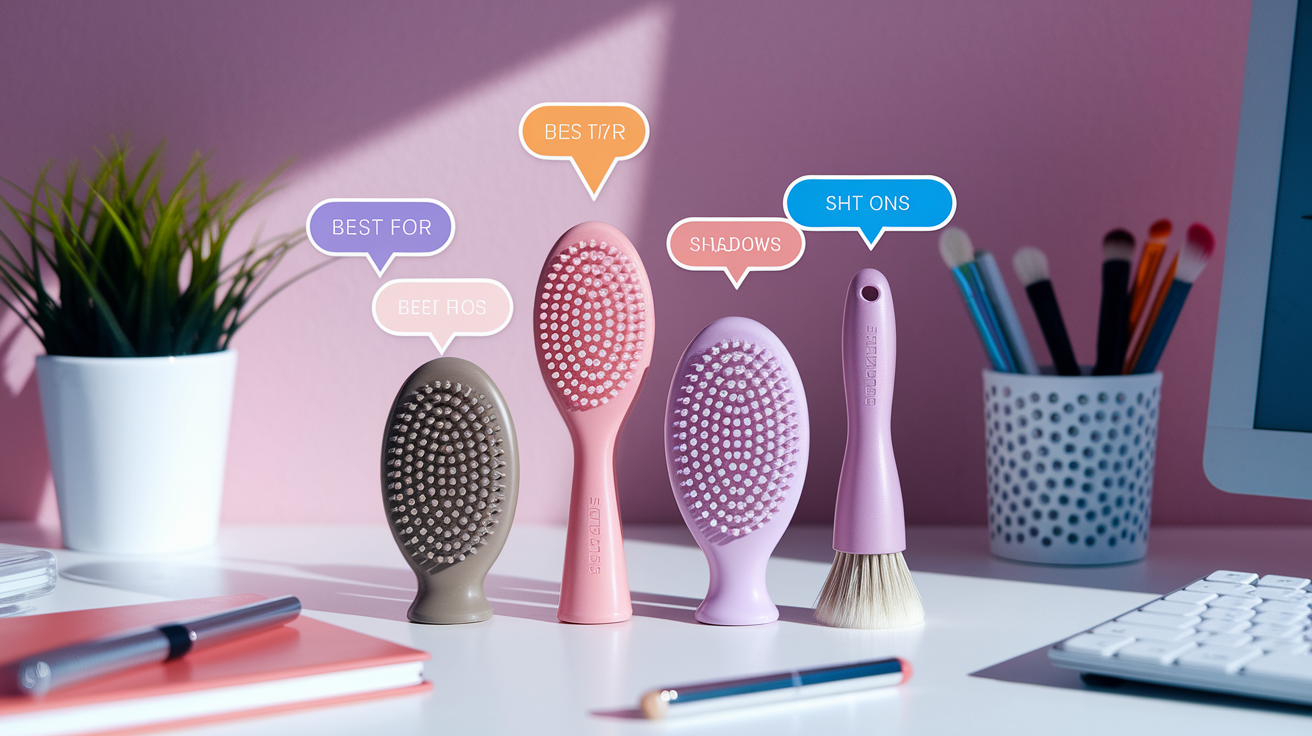
Different tools solve different problems. The table below breaks down what each brush type does best and where it falls short.
| Brush Type | Best For | Pros | Cons |
|---|---|---|---|
| Slicker Brush | Daily topcoat maintenance, removing loose hair and light tangles | Gentle, easy to use, self cleaning models save time, works well on belly and face | Doesn’t reach undercoat, ineffective on large mats, can irritate skin if used roughly |
| Dematting Comb | Cutting through existing mats safely | Curved blades grip mats at the base, rounded tips reduce skin injury risk, gives control in tight spots | Sharp, requires careful handling, not for regular brushing, smaller tools needed for precision |
| Undercoat Rake | Preventing mats by removing dead undercoat fur | Reaches deep layers, removes large amounts of fur quickly, reduces shedding and hairballs | May leave thin layer of loose topcoat, needs follow up with slicker or comb, can pull if used over bones |
| Pin Brush | Sensitive cats, general grooming, light detangling | Rounded tips are comfortable, gentle on skin, good for cats new to brushing | Doesn’t remove deep mats, less effective at deshedding than rakes or slickers |
Use the table as a quick reference when you’re deciding which tool to grab. If your cat’s coat feels smooth on top but you can’t get your fingers through to the skin, start with an undercoat rake. If the coat is fluffy but shedding heavily, a slicker brush will handle daily maintenance. If you feel a hard knot under the fur, reach for the dematting comb and work slowly.
The best grooming kit for a long haired cat includes at least three tools. An undercoat rake for monthly deep sessions, a slicker brush or combo brush for daily topcoat work, and a metal comb for spot checking problem areas. Add a dematting tool if your cat is prone to mats, or grooming gloves if your cat dislikes traditional brushes. No single tool does everything, so expect to rotate through your kit depending on what the coat needs that day.
How to Handle Severe Mats and When to Seek Professional Help
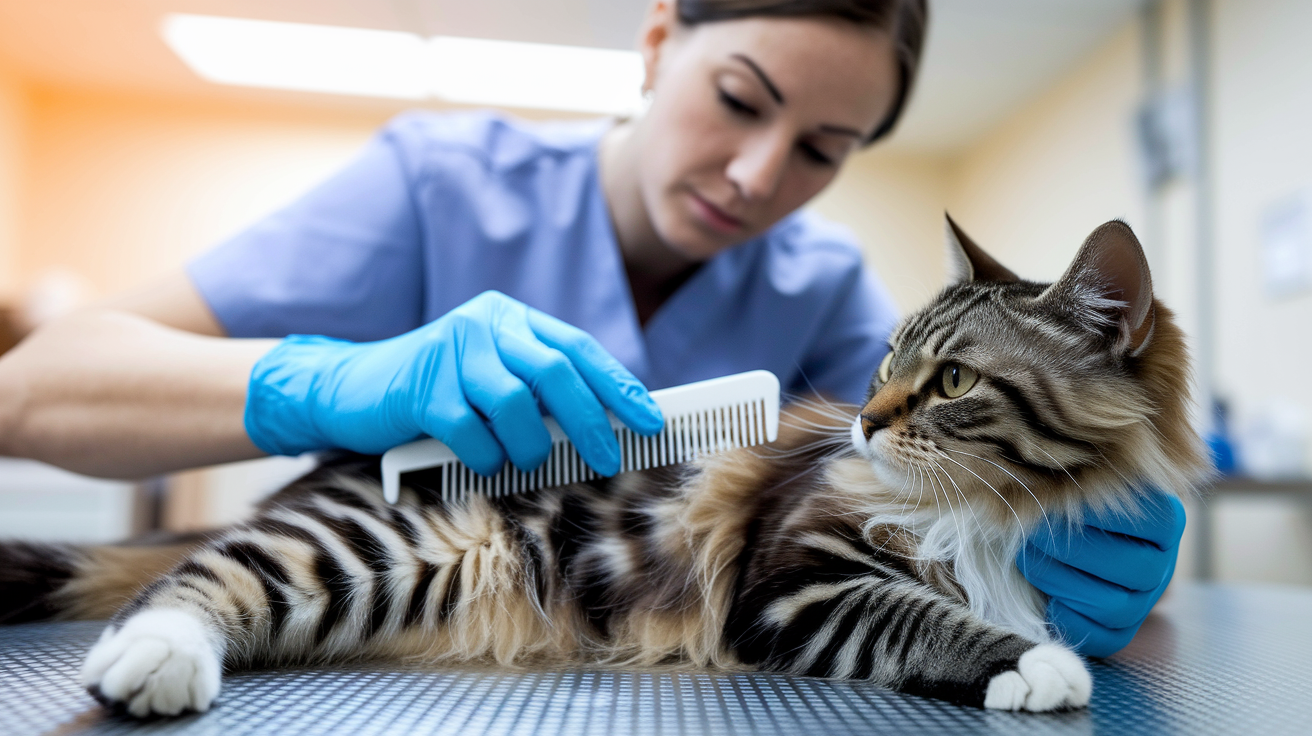
Severe mats are more than cosmetic. When fur compacts into a solid mass, it pulls on the skin with every movement. That constant tension is painful. Mats also trap moisture, dirt, bacteria against the skin, creating conditions for infections and hot spots. If a mat covers more than a couple square inches, feels hard and immovable, or sits directly against the skin with no gap, it’s beyond what you should handle at home.
Safe removal at home requires the right tool and a calm cat. Use a dematting comb, not scissors. Hold the skin taut with one hand so you’re not pulling on it while you work. Insert the comb at the base of the mat, closest to the skin, and gently saw back and forth in short motions. Work in small sections. If the mat doesn’t start to loosen after a minute or two, stop. Forcing it increases the risk of cutting the skin or stressing your cat to the point where future grooming becomes a fight.
Call a professional groomer or your veterinarian if the mat is larger than a quarter, located in a sensitive area like the armpit or groin, or if your cat won’t stay still. Mobile groomers are worth considering for cats who get anxious during car rides. A groomer can sedate or use techniques you don’t have access to at home. Waiting too long to get help can turn a grooming issue into a medical one that requires sedation and clippers.
Final Words
You now have clear picks and why they work, plus the quick how-to on matching tools to coat needs.
We covered slicker brushes, dematting combs, undercoat rakes, and what each solves. You also learned simple selection steps and comfort tips to keep brushing calm and safe.
There’s a short weekly routine and signs when mats need a pro, so you can act before skin problems start.
Use this guide to choose the best brush for long haired cats and build a steady routine. Fewer mats, healthier coat, more easy snuggles.
FAQ
Q: What kind of brush is best for a long haired cat? What do groomers use to groom cats?
A: The best brush for a long-haired cat and what groomers use are slicker brushes, dematting combs, and undercoat rakes, each removes tangles, cuts through mats, and reaches the dense undercoat safely.
Q: How often should I brush a long haired cat?
A: You should brush a long-haired cat 3 to 7 days per week, aiming for daily brushing for heavy shedders or cats that mat easily.
Q: How do I brush my long haired cat?
A: To brush a long-haired cat, use gentle short strokes from head to tail, work in small sections, hold loose skin over mats, use dematting tools if needed, and reward the cat often.