

Think a cat needs exactly 18 toes? Think again.
Polydactyl cats are born with extra toes that make their paws look like mittens or snowshoes, and some have as many as 28 little beans.
Most extra toes are harmless, but they can change how you trim nails, check for ingrown claws, and spot problems early.
Read on to learn the genetics, history, health signs to watch, and simple care steps you can use at home.
Understanding Extra Toes in Polydactyl Cats
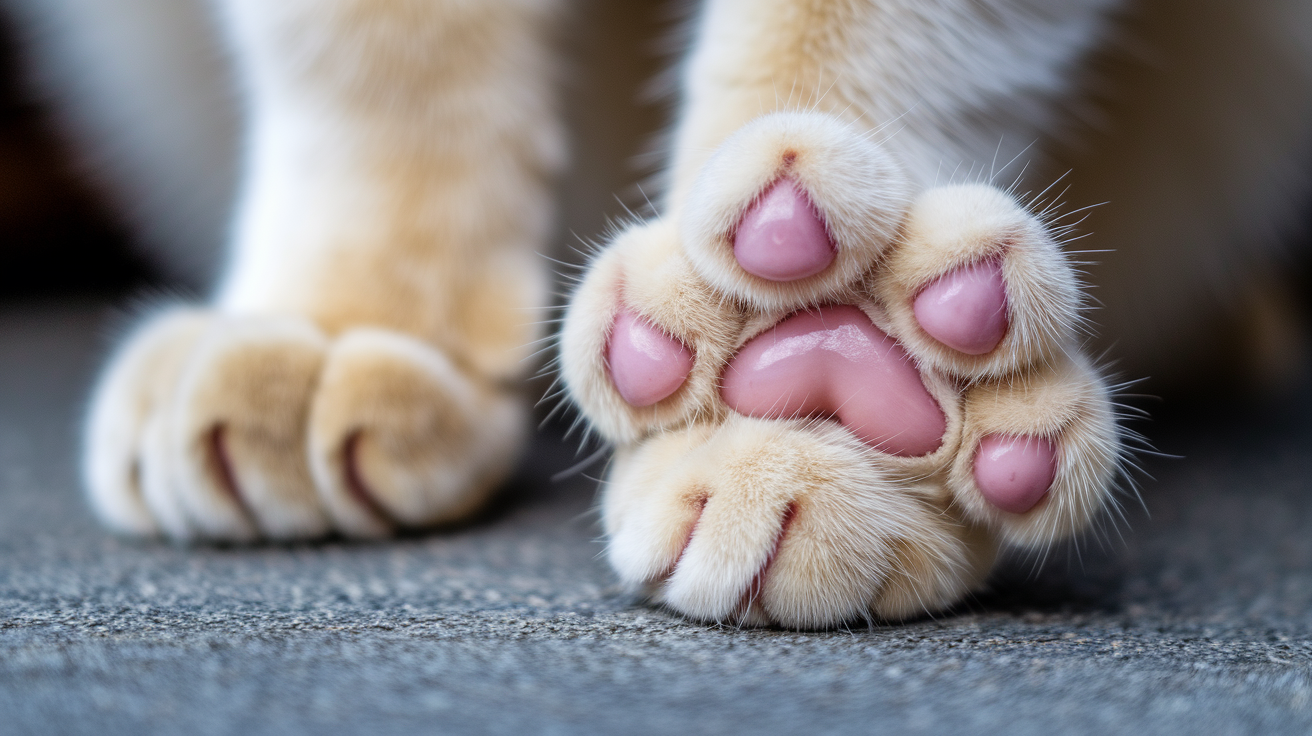
Polydactyly means your cat has more toes than usual. Most cats come with 18 total: five on each front paw, four on each back paw. Those five front toes include a little dewclaw tucked higher on the inside of the leg, kind of like a thumb that doesn’t touch the ground. Polydactyl cats throw that 18-toe standard out the window. They can have anywhere from 19 to 28 toes depending on how many extras show up and where.
Extra digits usually appear on the front paws, bunched on the inner “thumb” side in what’s called a pre-axial position. This makes the paw look like a mitten or a snowshoe, with a wider pad and something that resembles an opposable thumb. Some cats grow extra toes on the outer “pinky” side (post-axial) or smack in the middle of the paw (meso-axial). The extras can match on both sides or be totally lopsided. One paw might have six toes, the other seven.
You’ll know a polydactyl paw when you see it:
- Standard front paw — Five toes with a small dewclaw on the inside.
- Mitten front paw — Six or seven toes with a wide pad and that prominent thumb-like digit.
- Standard back paw — Four toes, no dewclaw.
- Polydactyl back paw — Five or more toes, though this is less common than front extras.
- Asymmetric polydactyly — Different toe counts on the left and right paws of the same cat.
- Incomplete digit — A visible nub or partial toe with no nail or working joint.
The current world record holders reached 28 toes, seven per paw. Extra toes are fully visible at birth, so you’ll know immediately if a kitten is polydactyl when you count those tiny beans.
The Genetics Behind Polydactyl Cats

Polydactyly in cats follows an autosomal dominant inheritance pattern. That means a kitten only needs one copy of the mutated gene to develop extra toes. Autosomal means the gene sits on a regular chromosome, not a sex chromosome, so males and females inherit it equally. Dominant means the trait shows up even in heterozygous cats, those carrying one normal gene and one mutated gene. But here’s the twist: not every cat with the gene will have extra toes, and those that do can have wildly different numbers or placements of digits.
The mutation messes with limb-development pathways during embryonic growth, particularly genes in the sonic hedgehog (SHH) signaling pathway and its regulator LMBR1. These genes control where and how many digits form on a developing paw. When the mutation triggers extra activity in this pathway, additional digit buds appear and grow into functional or partial toes. Sailors and breeders in New England favored polydactyl cats historically, believing the wide paws improved balance on ships and helped with mousing. Over generations, deliberate selection kept the trait alive in certain bloodlines, especially among Maine Coons.
Here’s what happens when polydactyl cats reproduce:
- Polydactyl cat (heterozygous) × Normal cat — Each kitten has roughly a 50% chance of inheriting the mutation.
- Polydactyl cat (heterozygous) × Polydactyl cat (heterozygous) — About 75% of kittens will be polydactyl, 25% will have normal paws.
- Polydactyl cat (homozygous, rare) × Normal cat — All kittens inherit one copy and are polydactyl.
- Normal cat × Normal cat — No polydactyl kittens unless a spontaneous new mutation occurs, which is uncommon.
Genetic Terms Explained
Heterozygous means carrying one mutated gene and one normal gene. Most polydactyl cats are heterozygous. Homozygous means both gene copies carry the mutation. These cats always pass the trait to offspring but are less common because the mutation can reduce embryonic survival when doubled. Variable expression describes how the same gene produces different outcomes. One cat might have 20 toes, another 24, even within the same litter.
Breeds and History Connected to Polydactyl Cats

Maine Coons have one of the highest rates of polydactyly among pedigreed cats. Historical records suggest up to 40% of early Maine Coon populations in coastal New England carried extra toes. Breeders valued the trait for practical reasons: wider paws acted like natural snowshoes in deep snow and provided better grip on icy ship decks. The Pixiebob breed also accepts polydactyl individuals within its standard, though the trait appears less frequently than in Maine Coons. Any domestic cat, purebred or mixed, can be polydactyl since the mutation occurs randomly across all feline populations.
The most famous polydactyl colony lives in Key West, Florida, at the Ernest Hemingway Home and Museum. A ship captain gave Hemingway a white polydactyl cat named Snow White in the 1930s. Snow White had kittens, and those kittens had kittens. Today the estate houses over 60 descendants, roughly half of whom carry extra toes. Visitors can tour the grounds and meet cats with names honoring famous writers, many sporting the signature mitten paws that made Snow White a legend. Descendants of this colony are sometimes marketed as “American Polydactyl” cats, though that’s a heritage label rather than a formally recognized breed.
Sailors across New England, Nova Scotia, and the British Isles prized polydactyl cats as ship cats long before Hemingway made them literary icons. Folklore held that extra toes brought good luck and that the cats’ superior climbing and balance skills made them better rat hunters in tight cargo holds. There’s no hard evidence that polydactyls hunt more effectively, but the myth persisted enough to spread the trait along shipping routes from Boston to England.
| Region/Breed | Notable Information |
|---|---|
| Coastal New England | High historical prevalence; sailors favored wide-pawed “ship cats” for stability and mousing. |
| Maine Coon | Up to 40% polydactyl in early populations; snowshoe paws advantageous in harsh winters. |
| Key West, Florida | Hemingway estate colony descended from Snow White; 60+ resident cats, ~50% polydactyl. |
| Pixiebob | Breed standard allows polydactyly; trait occurs naturally but less common than in Maine Coons. |
Health Implications for Polydactyl Cats
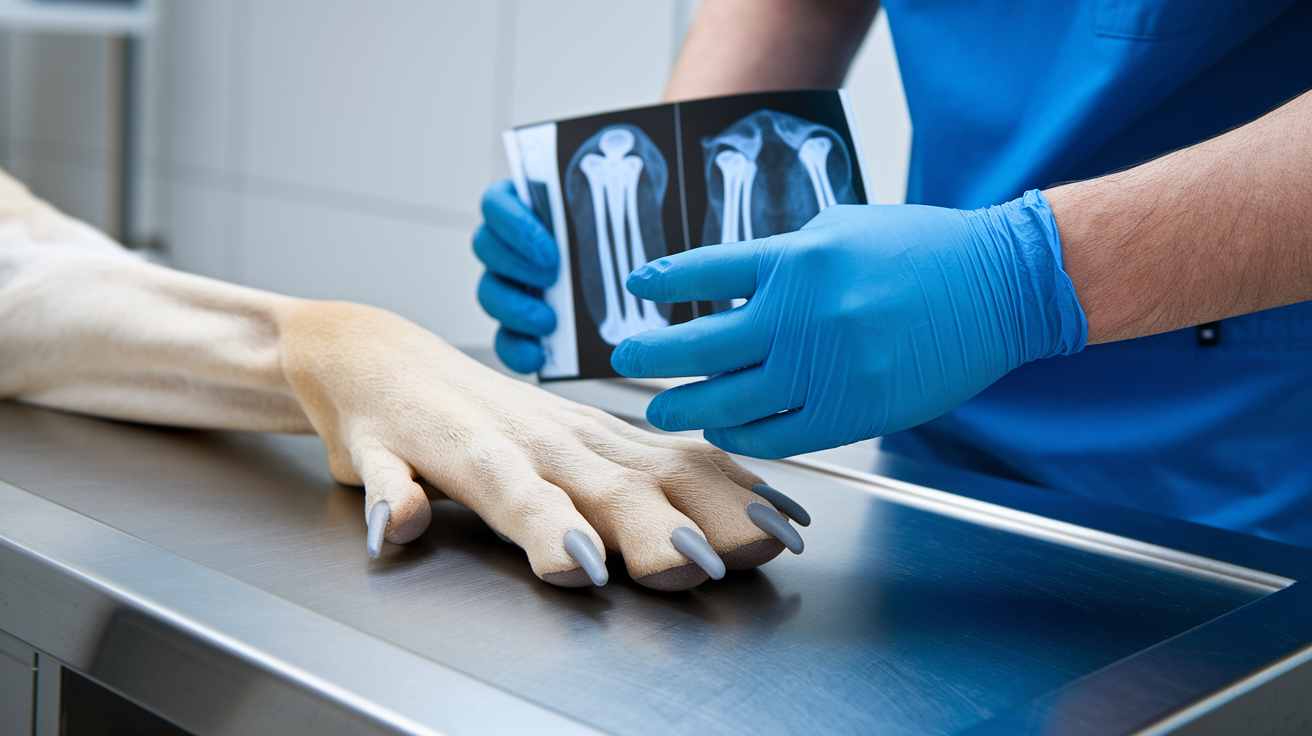
Most polydactyl cats live normal, active lives with no mobility problems or pain from their extra toes. The trait is cosmetic in the majority of cases. Paws look different but function just fine for running, jumping, and climbing. Problems arise when extra digits are malformed, nonfunctional, or positioned awkwardly enough to interfere with walking or grooming. A poorly connected toe can twist under the paw during movement. A nail attached to a vestigial digit might curve into the pad because the cat can’t wear it down naturally. Or an extra toe with limited range of motion can develop joint inflammation over time.
Veterinary evaluation is straightforward. Your vet will inspect each paw for nail bed health, check that all toes move freely without pain, and watch your cat walk to rule out limping or abnormal weight distribution. If a digit looks inflamed, the vet may take an x-ray to see whether bones are properly formed and aligned. Surgery to remove problematic toes is an option when conservative care (regular trimming, infection treatment) doesn’t resolve chronic pain or recurrent infections. Removal is uncommon and reserved for digits that genuinely impair your cat’s quality of life.
Watch for these signs that an extra toe may need veterinary attention:
- Limping or favoring one paw during normal activity
- Swelling, redness, or warmth around an extra digit
- A nail growing into the paw pad or curving abnormally
- Persistent licking or chewing at a specific toe
- Discharge, odor, or visible infection in the nail bed or between toes
Caring for Polydactyl Cat Paws at Home

Extra toes mean extra nails. Extra nails need regular trimming to prevent overgrowth, snagging on fabric, or curling into the pad. Plan to trim nails every two to six weeks, depending on your cat’s activity level and how quickly the nails grow. Use a standard cat nail clipper and work in good light so you can see the pink quick inside each nail. Trim only the clear, sharp tip to avoid cutting into the blood supply. Some polydactyl cats have nails on vestigial toes that don’t retract fully, so those need extra attention since they won’t wear down from scratching.
Polydactyl paws have more nooks between digits where litter, dirt, and sticky substances can lodge. After litter box use or outdoor exploration, wipe paws with a damp, soft cloth or unscented pet wipe to clear out debris. Check between toes for small stones, clumps of litter, or matted fur that might irritate the skin. If you spot redness or your cat pulls the paw away when you touch a specific spot, inspect more closely for a foreign object or early infection.
Your home setup can support paw health without special equipment. Provide tall, sturdy scratching posts so your cat can naturally file down front nails. Choose litter with fine granules that won’t wedge between toes as easily as large pellets. If your floors are slippery tile or hardwood, add a few area rugs in high-traffic zones to give better traction. Polydactyl paws are usually stable, but wet beans on smooth surfaces can still cause a slip.
Follow these steps for a quick at-home paw check every week or two:
- Gently press each paw pad to extend all nails, including those on extra digits.
- Look for overgrown, cracked, or ingrown nails and trim as needed.
- Inspect the spaces between toes for dirt, litter clumps, or matted fur.
- Feel each toe for heat, swelling, or tenderness that wasn’t there before.
- Watch your cat walk across the room to confirm normal gait and weight distribution.
Behavioral and Functional Aspects of Polydactyl Cats
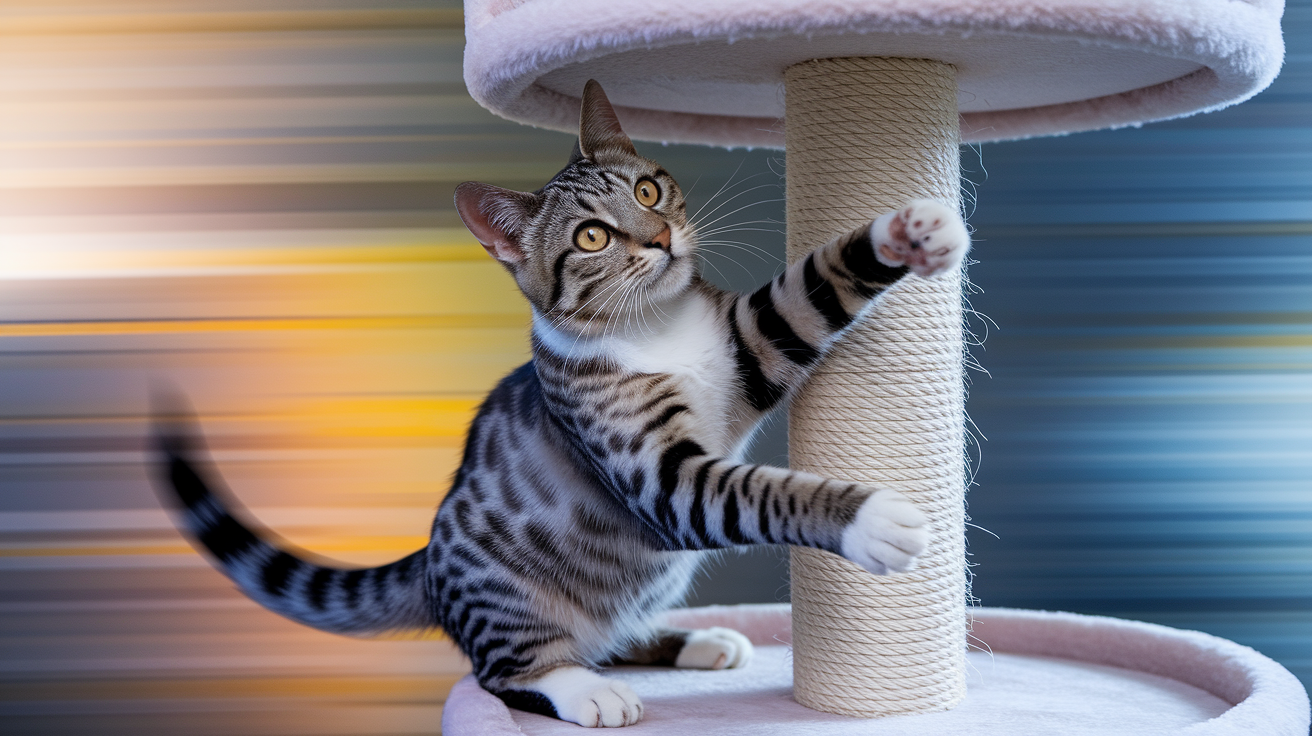
Polydactyl cats with prominent thumb-like digits sometimes display a knack for gripping objects or manipulating toys in ways that look almost hand-like. Owners report cats holding treats between toes, batting at doorknobs with better leverage, or climbing vertical surfaces with what seems like extra confidence. The wider paw base can improve balance on narrow perches or uneven terrain, which may explain why sailors thought these cats were steadier on rolling ship decks. There’s no controlled research proving polydactyls are universally better climbers or hunters, but anecdotal evidence from generations of ship logs and barn cat stories suggests the trait offered real advantages in specific environments.
Temperament and personality vary as widely among polydactyl cats as among any other group. A polydactyl Maine Coon might be calm and sociable. A polydactyl alley cat might be skittish and independent. And a Hemingway descendant could land anywhere on the spectrum. The extra toes don’t code for boldness, sweetness, or curiosity. Those traits come from breed tendencies, early socialization, and individual genetics unrelated to digit count. If a polydactyl cat seems especially playful or affectionate, credit the cat, not the paws.
Adoption Considerations for Polydactyl Cats
Polydactyl cats show up regularly in municipal shelters, breed-specific rescues, and barn-cat rehoming programs. If you want one, start by contacting Maine Coon rescues or general cat rescues in areas with historical polydactyl populations: coastal New England, the Great Lakes region, parts of the Pacific Northwest. Some shelters specifically note “extra toes” or “Hemingway cat” in online listings because the trait attracts adopters. You can also find polydactyl kittens through responsible breeders who work with Maine Coons or Pixiebobs, though ethical breeders will prioritize health and temperament over cosmetic traits.
Before you finalize an adoption, examine the cat’s paws closely. Count toes, check that nails are trimmed and healthy, and ask whether the cat has ever shown signs of limping or paw pain. Watch the cat walk and jump to confirm normal mobility. Ask the shelter or foster home how often nails were trimmed and whether any toes required veterinary attention. A well-cared-for polydactyl cat will have clean paws, even nail length across all digits, and no hesitation putting weight on any foot.
Deliberately breeding cats to produce or amplify the polydactyl mutation is discouraged by most veterinary and feline welfare organizations. The trait is a genetic mutation, not a health improvement, and selecting for it prioritizes appearance over your cat’s well-being. Responsible breeders who encounter polydactyly in their lines treat it as an incidental variation, not a selling point. If a breeder advertises “rare polydactyl kittens” at premium prices or markets the trait as exotic, that’s a red flag for profit-driven breeding rather than ethical animal care.
| Adoption Factor | What to Ask/Self-Check |
|---|---|
| Paw Structure | Are all toes functional, or are some vestigial? Do nails retract normally? |
| Nail Condition | Are nails trimmed evenly? Any signs of overgrowth, splitting, or ingrown nails? |
| Mobility | Does the cat walk, run, and jump without limping or favoring a paw? |
| Medical History | Has the cat had paw infections, surgery, or chronic issues related to extra toes? |
FAQs About Polydactyl Cats

Are polydactyl cats rare? Not particularly. The trait appears in 4–5% of the general cat population in North America and is even more common in certain regions like New England and Key West. If you live near a historic shipping port or an area with strong Maine Coon lineage, you’re more likely to meet one.
Do polydactyl cats need special veterinary care? Routine care is the same as for any cat. The main difference is more frequent nail trimming and occasional paw inspections to catch overgrown nails or debris between toes. If extra digits are well-formed and functional, no special vet visits are necessary beyond annual checkups.
Is it true that polydactyl cats are better climbers? Some polydactyl cats show improved grip and balance due to wider paw pads and thumb-like digits, but it’s not a universal rule. Climbing ability depends on body structure, muscle tone, confidence, and practice, not just toe count.
Can you declaw a polydactyl cat? Declawing any cat is considered inhumane and is banned in many regions. For polydactyl cats, the procedure would be even more invasive due to the higher number of digits and potential variations in bone structure. Regular nail trimming is the humane alternative.
Do polydactyl cats live as long as regular cats? Yes. Polydactyly doesn’t affect lifespan. A polydactyl cat’s life expectancy depends on the same factors as any cat: diet, indoor vs. outdoor lifestyle, veterinary care, and genetics unrelated to toe count.
Will all kittens in a litter be polydactyl if one parent is? No. If the polydactyl parent is heterozygous (one mutated gene, one normal), each kitten has about a 50% chance. Litters often include a mix of polydactyl and normal-toed kittens, and toe counts can vary widely even among the polydactyl siblings.
Final Words
We walked through what extra toes look like, how the trait is inherited, which breeds and histories are linked, plus health checks, home care, behavior notes, adoption tips, and FAQs.
You’ve got simple steps to follow: watch nails, clean between toes, and note pain, limping, or signs of infection. If anything worries you, bring photos and notes to your vet.
With simple routines and regular nail care, polydactyl cats usually thrive, and they’re sturdy, interesting pets who fit right into family life.
FAQ
Q: Is a polydactyl cat rare?
A: A polydactyl cat is not necessarily rare; frequency depends on region and breed. Some areas and breeds (like Maine Coons and Key West cats) have many extra-toed individuals, while elsewhere they’re uncommon.
Q: How do you say “I love you” in cat language?
A: You say “I love you” in cat language by using slow blinks, gentle head bunts, soft voices, giving treats, and steady affection—simple signals cats read as trust and bonding.
Q: What annoys cats the most?
A: What annoys cats the most is sudden loud noises, forced handling, dirty litter boxes, changes in routine, and strong unfamiliar smells; each cat’s sensitivity varies, so watch their reactions and adjust.
Q: What are the problems with polydactyl cats?
A: Problems with polydactyl cats include malformed or nonfunctional extra digits that can cause ingrown nails, pad injuries, infection risk, snagging, and the need for more frequent nail trims; many stay healthy with routine care.