

As many as 50 to 90 percent of cats over age 4 have dental disease, often with no obvious signs.
Cat teeth are built like tiny meat-cutting tools: 30 adult teeth with sharp premolars and long canines meant for shearing and gripping, not grinding like ours.
Read on to learn simple daily care, what to watch for, and practical vet steps so you can protect your cat’s comfort and teeth for years to come.
Understanding Adult Cat Dental Anatomy and Tooth Counts
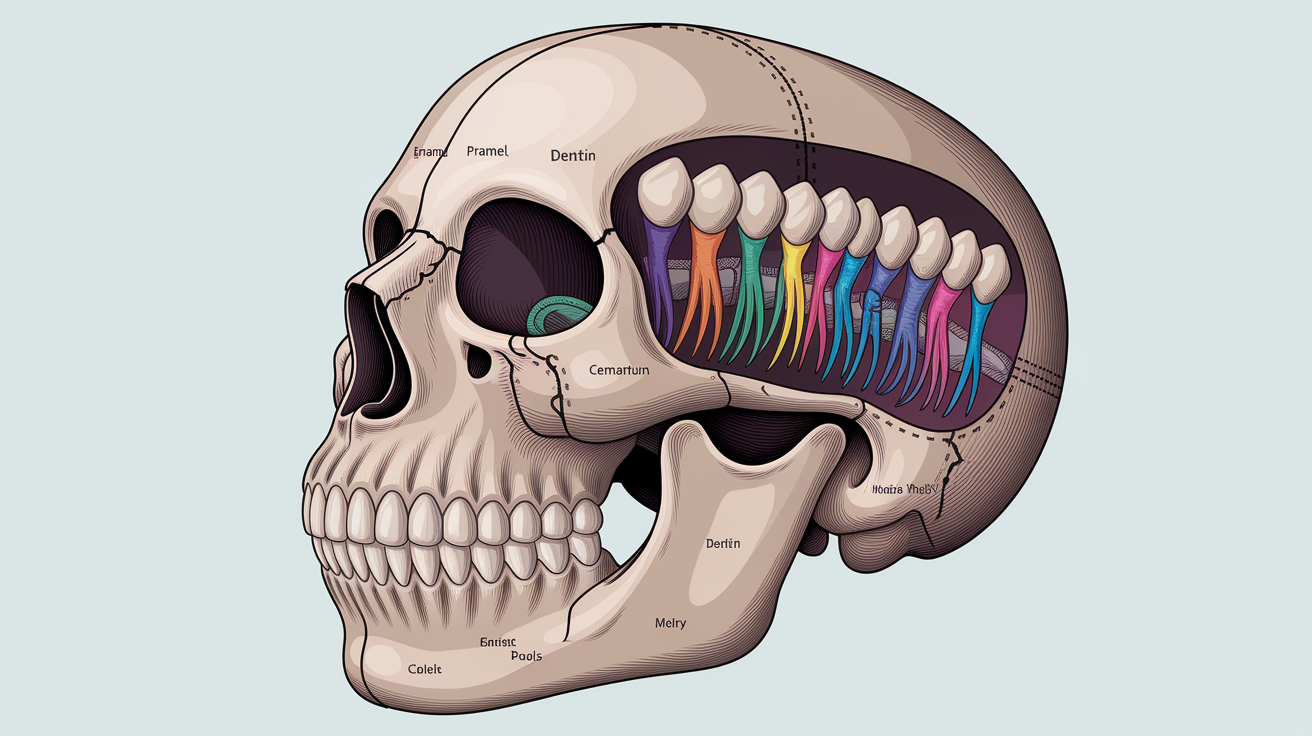
Adult cats have 30 permanent teeth. That’s a precise setup built for life as a carnivore. You’ve got 12 incisors up front, 4 canines (those dramatic fangs), 10 premolars, and 4 molars. It’s different from humans, who carry 32, and dogs, who have 42.
Each tooth is layered. Hard enamel covers the crown, the part you can see. Underneath that sits dentin, which is softer. Below the gum line, there’s a root covered in cementum. At the center is the pulp, packed with blood vessels and nerves that keep the tooth alive.
Cat teeth aren’t shaped like ours. Their molars and premolars have sharp edges made for shearing through meat and bone, not grinding grains or veggies. The canines are long and strong, built to puncture prey. This specialized structure means cats don’t get the same flat-surface cavities that plague humans.
Kittens start with 26 baby teeth before switching to the full adult set. Those baby teeth fall out naturally as permanent ones push through, usually wrapping up before the cat’s first birthday.
What each tooth group does:
- Incisors – Grooming fur, nibbling small bites, picking up objects, keeping claws tidy
- Canines – Puncturing and gripping prey or food, delivering killing bites when hunting
- Premolars – Shearing and slicing through muscle and tissue
- Molars – Crushing small bones and tough meat fibers
- Enamel layer – Hard protective surface that resists wear during chewing
- Root and pulp – Anchors the tooth and supplies nerves and blood to keep it healthy
Cat Tooth Development from Kitten to Adult
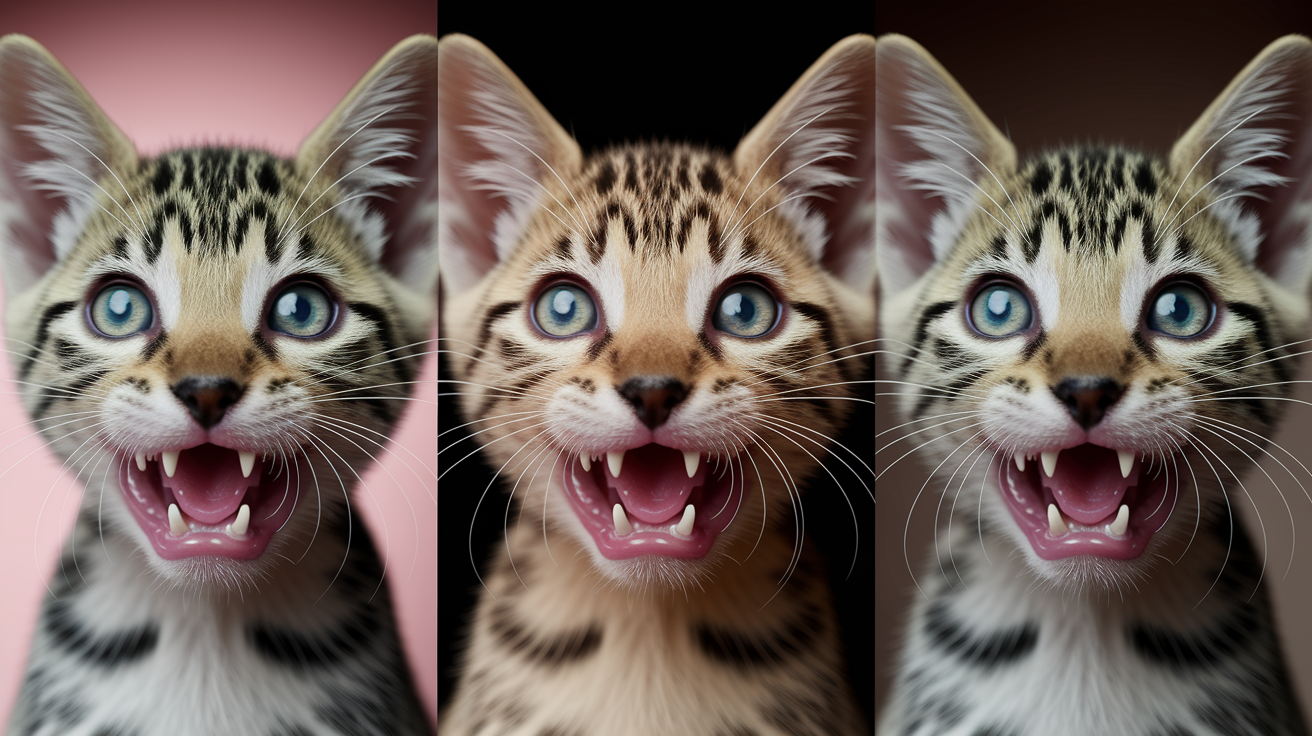
Kittens are born toothless. Their first teeth start showing up around 2 to 4 weeks. Incisors come in first, usually around 3 to 4 weeks, with canines and premolars following close behind. By 8 weeks, all 26 baby teeth should be visible. This early set is temporary and much smaller than adult teeth, designed to get kittens through nursing and into solid food.
Losing baby teeth and gaining permanent replacements starts around 3 to 4 months. You might notice a kitten pawing at its mouth during this time, or see some sore gums and mild bleeding. Most kittens handle it without major drama. By 6 months, the majority of permanent teeth have erupted. The full set of 30 adult teeth should be in place before the first birthday. If you take care of them, those permanent teeth are built to last a lifetime.
Normal teething is mild, but watch for anything unusual. Excessive drooling, refusing to eat for more than a day, or visible swelling all deserve a vet visit.
Kitten teething timeline:
- 2–4 weeks: First baby teeth (incisors) break through
- 3–4 months: Baby teeth start falling out as permanent teeth push up
- 6 months: Most adult teeth have erupted
- Before 12 months: All 30 permanent teeth should be fully in place
Retained Baby Teeth Complications
Sometimes a baby tooth doesn’t fall out on schedule. The permanent tooth erupts next to it, creating a crowded situation. This traps food and bacteria between the two teeth, which can lead to early gum disease or bite problems. It happens most often with canines. If you see a “double fang” situation past 6 or 7 months, get it checked. Vets usually recommend extracting the retained baby tooth to prevent long-term issues and keep the gums healthy.
Functional Roles of Incisors, Canines, Premolars, and Molars in Cats
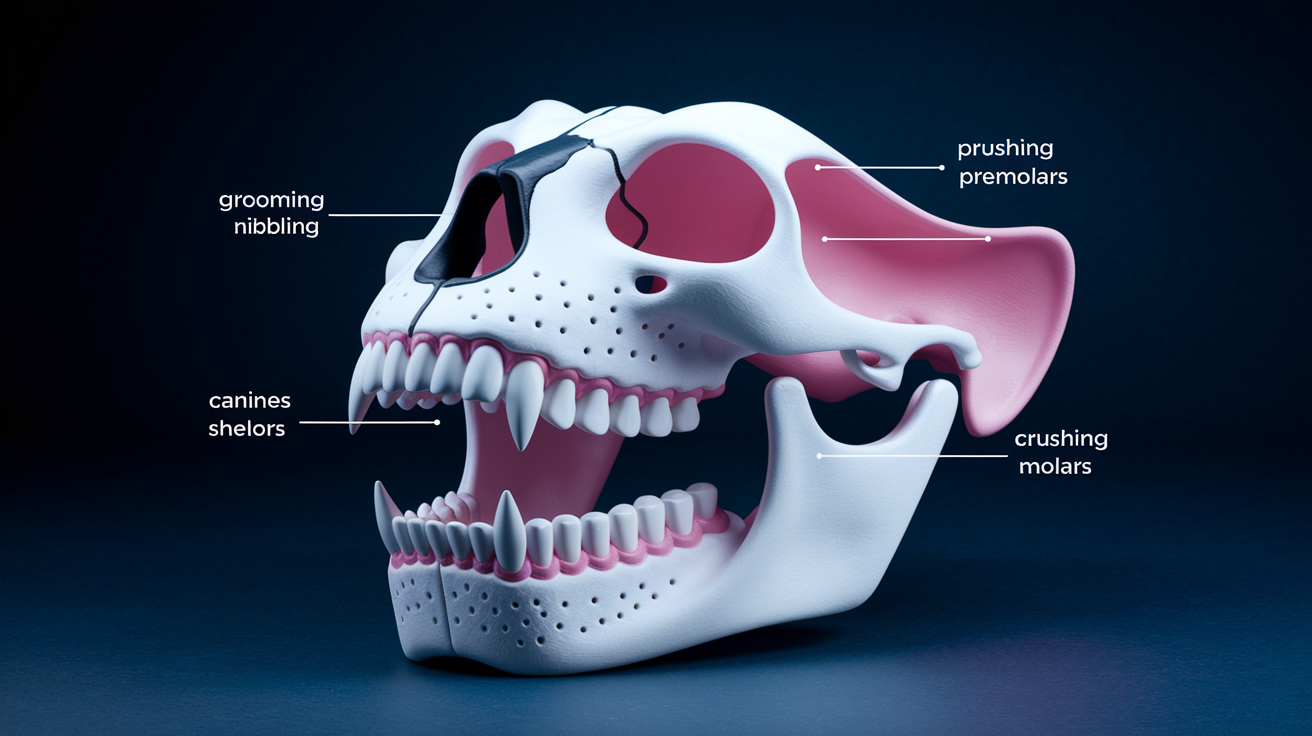
Each tooth group has a job tied to survival. Incisors, those tiny teeth at the front, are mostly for grooming, nibbling, and picking up small things. Canines are the fangs that puncture and grip, essential for hunting. Premolars and molars work together to shear and crush, slicing through muscle, sinew, and even small bones. It’s a setup that reflects millions of years as obligate carnivores.
Because cat teeth are blade-like instead of flat, they don’t develop the same cavities humans get on chewing surfaces. There aren’t broad, horizontal areas where sugars and bacteria can sit and decay enamel. Instead, feline dental problems show up along the gum line and inside the tooth itself.
| Tooth Type | Primary Function |
|---|---|
| Incisors | Grooming, nibbling, picking up small items |
| Canines | Puncturing, gripping, and tearing prey or food |
| Premolars | Shearing and slicing meat and tissue |
| Molars | Crushing small bones and grinding tough fibers |
Common Cat Dental Problems and What They Look Like
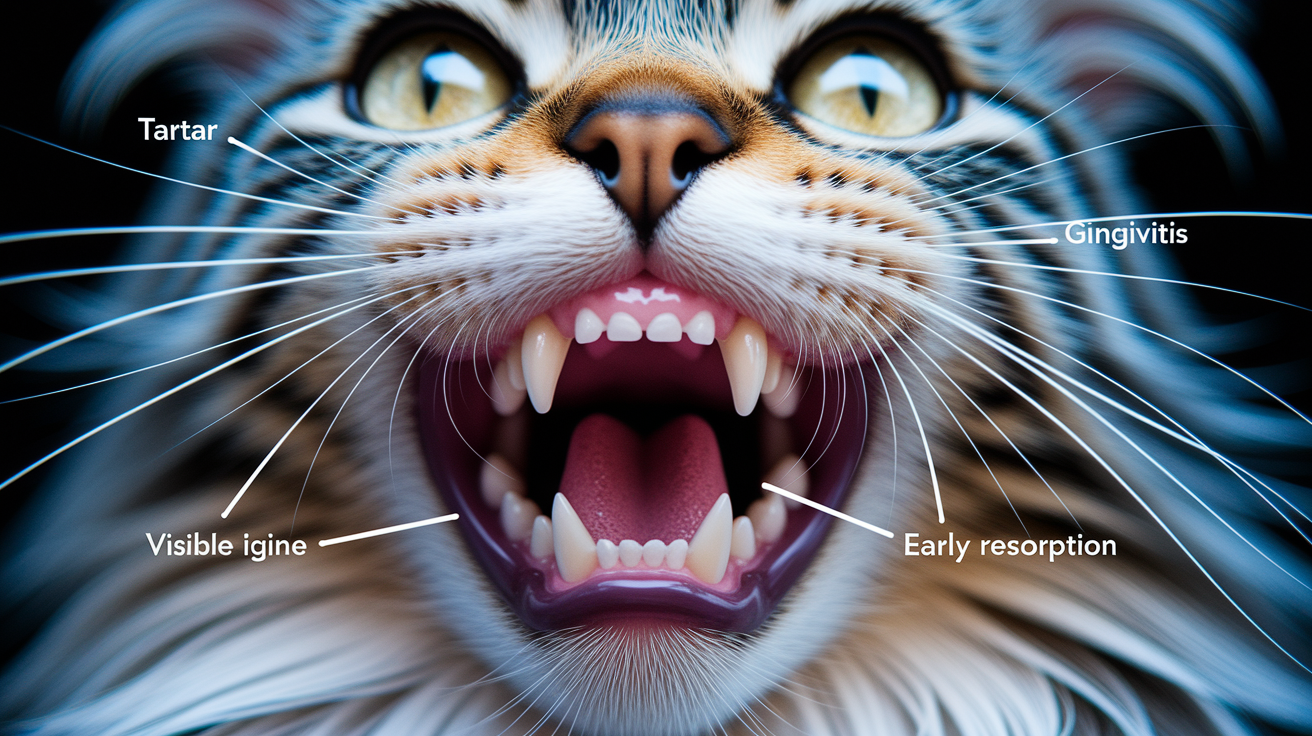
Cats rarely get true cavities, but they’re highly prone to other dental diseases that can be just as painful. Periodontal disease, which affects the gums and supporting structures around the teeth, is one of the most widespread. It often starts with gingivitis, which is red, inflamed gums. Without treatment, bacteria and plaque harden into tartar. That tartar pushes gums away from the tooth, creating pockets that deepen infection and can eventually loosen or destroy the tooth. Studies suggest 50% to 90% of cats over age 4 show some level of dental disease.
Tooth resorption is another common problem that’s uniquely feline. The cat’s body starts breaking down the internal structure of a tooth and replacing it with bone-like material. Early resorption might look like a tiny red dot at the gum line or a small hole in the tooth. Advanced cases can hollow out the entire crown. Extraction is often the only way to relieve the pain.
Feline stomatitis is severe, painful inflammation of the mouth’s soft tissues. It can affect the gums, tongue, and throat, sometimes requiring full-mouth extractions to manage. Oral cancer is less common but does happen, showing up as visible masses, ulcers, or bleeding.
Plaque and tartar buildup are visible signs that disease is progressing. Plaque is a soft, sticky film that forms daily on teeth. If not removed, it mineralizes into hard tartar (calculus), which appears as yellow, brown, or gray crust along the gum line.
Common symptoms of dental disease:
- Bad breath with a distinctly foul or fishy odor
- Red, swollen, or bleeding gums
- Visible yellow or brown tartar crust on teeth
- Drooling or excessive salivation
- Difficulty chewing or dropping food while eating
- Pawing at the mouth or face
- Weight loss or reduced appetite
- Loose, broken, or missing teeth
Understanding Tooth Resorption
Tooth resorption is an internal process where the hard structures of the tooth (dentin and sometimes enamel) are broken down by the cat’s own cells and replaced with softer, bone-like substance. The exact cause isn’t fully understood, though it’s believed to involve inflammatory triggers and abnormal cell activity. Unlike human cavities, which result from bacterial acid eroding enamel from the outside, tooth resorption works from the inside out. It doesn’t respond to fillings. Once a resorptive lesion is identified, extraction is usually recommended to eliminate pain. Cats with resorption can appear completely normal on the outside, so dental radiographs (x-rays) are often the only way to confirm the damage below the gum line.
Behavioral and Physical Signs of Oral Pain in Cats

Cats are skilled at hiding discomfort. It’s a survival trait from their wild ancestors. Even when dealing with significant dental pain, many will continue eating and grooming as if nothing’s wrong. This makes it important to watch for subtle shifts in behavior.
A cat with oral pain might start preferring softer foods, chew only on one side of the mouth, or take longer to finish meals. You might notice them dropping kibble or turning their head at odd angles while eating.
Halitosis (bad breath that smells rotten, metallic, or unusually fishy) is one of the earliest red flags. Drooling, especially if it’s new or excessive, can indicate mouth soreness. Some cats will paw at their face or rub their mouth against furniture. A decrease in grooming, particularly around the face, can mean it hurts to move the jaw. Weight loss and a generally “off” demeanor, like hiding more than usual, can follow if the pain becomes chronic.
Behavioral changes that may signal oral pain:
- Avoiding dry food or showing a new preference for wet food
- Chewing on one side of the mouth or dropping food frequently
- Pawing at the mouth, face, or jaw
- Decreased grooming, especially facial grooming
- Increased hiding, irritability, or reluctance to be touched near the head
Veterinary Diagnosis and Professional Dental Procedures for Cats
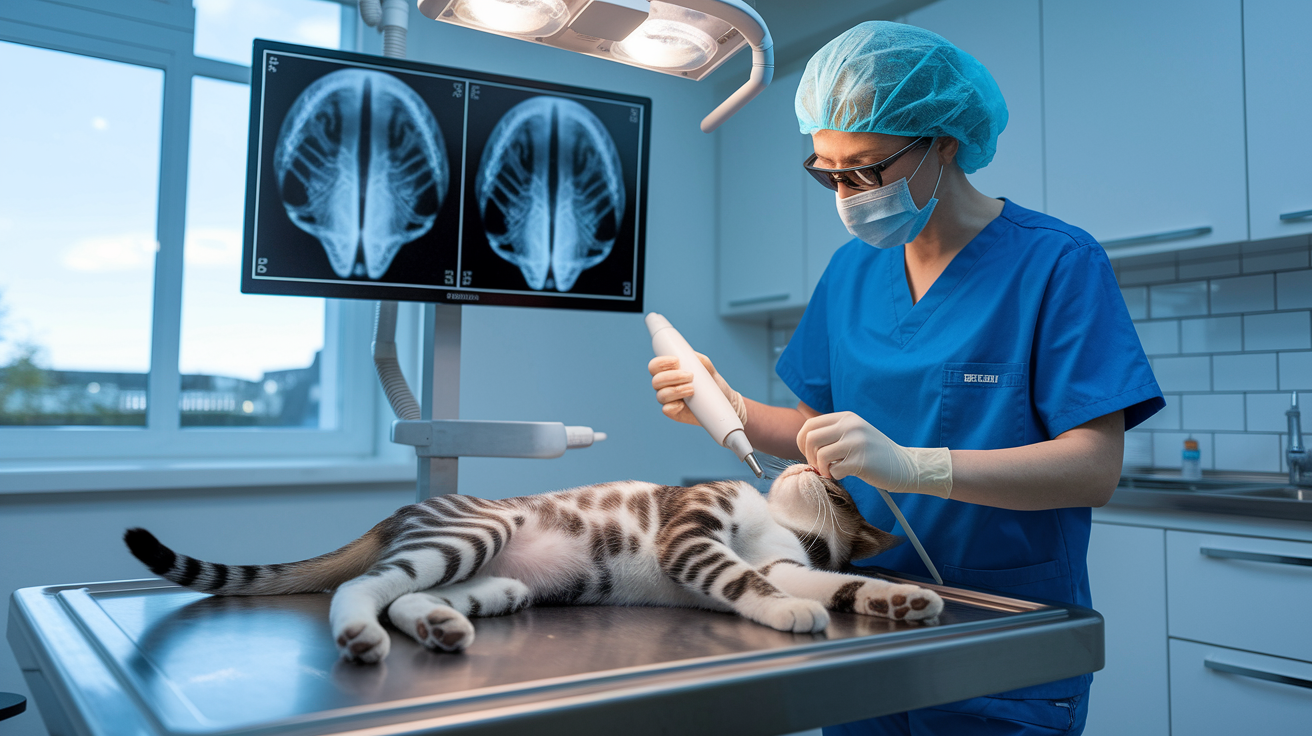
A thorough veterinary dental exam starts with a visual inspection of the teeth, gums, and oral cavity. But the most important diagnostic tool is dental radiography (x-rays). Since much of a cat’s tooth structure sits below the gum line, x-rays reveal hidden problems like root abscesses, bone loss, and internal resorption that aren’t visible during a surface exam. Blood tests are often performed before any procedure to check organ function and make sure the cat can safely handle anesthesia.
Professional dental cleanings are performed under general anesthesia because cats won’t tolerate the noise, scraping, and time required for a complete cleaning while awake. During the procedure, a vet or veterinary technician uses an ultrasonic scaler to remove tartar above and below the gum line, then polishes the teeth to smooth the enamel and slow future plaque buildup. Any diseased, fractured, or resorbing teeth are typically extracted at the same time.
The cost of a routine cleaning generally falls between $300 and $700, depending on location and complexity. If extractions or treatment for advanced periodontal disease are needed, costs can climb to around $768 or more.
Even with some or all teeth removed, most cats adapt quickly and continue to eat wet food and often dry kibble without issue. The relief from chronic pain usually outweighs any temporary adjustment period.
Typical steps in a professional dental cleaning:
- Pre-anesthetic exam and bloodwork to assess overall health and anesthesia safety
- General anesthesia administered and monitored throughout the procedure
- Dental radiographs taken to evaluate tooth roots, bone, and hidden disease
- Scaling and polishing to remove tartar above and below the gum line and smooth enamel
- Extractions performed on any teeth that are fractured, infected, or resorbing
- Recovery monitoring until the cat is fully awake and stable
Safety of Anesthesia for Dental Work
Modern veterinary anesthesia is remarkably safe, especially with proper pre-procedure screening. Blood tests check liver and kidney function to make sure the body can process anesthetic drugs. During the procedure, the cat is monitored continuously for heart rate, blood pressure, oxygen levels, and body temperature.
Anesthesia does carry some risk, particularly in very young, very old, or medically compromised cats. But the risk of untreated dental disease (chronic pain, infection, and systemic illness) often outweighs the anesthesia risk. Vets will discuss any concerns based on the individual cat’s health status and help you weigh the benefits against the risks.
At-Home Dental Care for Cat Teeth
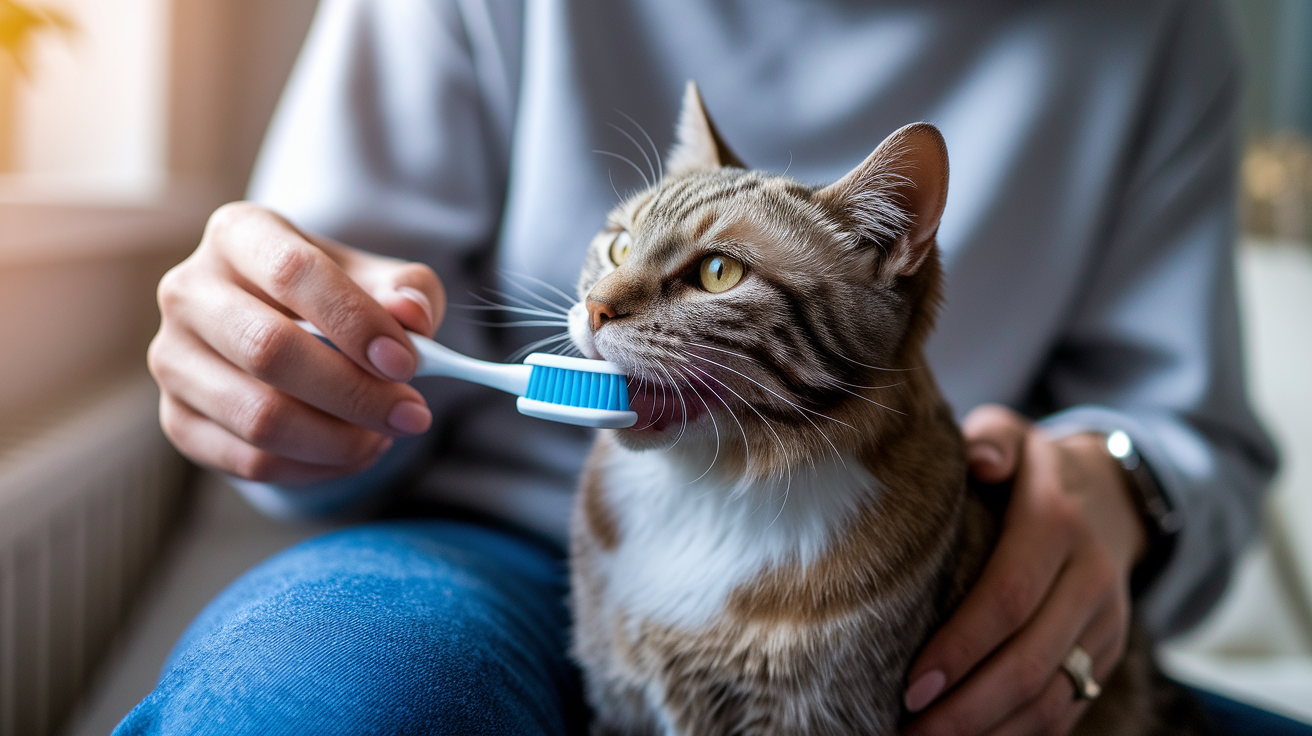
Daily tooth brushing is the gold standard for preventing plaque and tartar buildup at home. The goal is to disrupt plaque before it hardens, which happens within 24 to 48 hours. Brushing doesn’t have to be perfect or cover every tooth at first. Consistency matters more than completeness, especially when you’re just starting out.
Use a soft-bristled toothbrush designed for cats or a finger brush, along with cat-formulated toothpaste in flavors like chicken, beef, or seafood. Never use human toothpaste. It contains ingredients like fluoride and foaming agents that are harmful if swallowed, and cats don’t rinse and spit.
Dental gels can be applied with a finger or brush and often contain enzymes that help break down plaque. Gauze wrapped around a finger works in a pinch if your cat won’t tolerate a brush. The brushing motion should focus along the gum line, where plaque accumulates most. Don’t worry about brushing the inner surfaces of the teeth. Cats’ tongues naturally keep those areas cleaner, and the outer surfaces are where tartar builds up.
It can take weeks to work up to brushing all the teeth in one session. Start slow, keep sessions short, and reward your cat immediately afterward.
Step-by-step brushing technique:
- Lift the lip gently on one side and let your cat get used to you touching their mouth
- Massage the gums and teeth with your finger for just a few seconds, then stop and reward
- Introduce cat toothpaste on your finger and let them lick and taste it
- Add a soft-bristled brush or finger brush with a small amount of toothpaste
- Brush along the gum line in small circles, focusing on the outer surfaces of a few teeth
- Gradually increase coverage over days and weeks, rewarding calm behavior after each session
Training Cats to Accept Brushing
Desensitization is the key. Start by simply touching your cat’s face and lips during calm moments, like when they’re relaxed on your lap. Pair every step with a high-value treat or a bit of their favorite wet food. Early sessions might only involve lifting the lip for a second or two.
Once that’s comfortable, introduce the toothpaste on your finger so they learn the flavor is rewarding, not threatening. Keep sessions under 30 seconds at first. If your cat pulls away or becomes agitated, stop and try again later. Progress is gradual. Some cats take weeks to tolerate a full brushing, and that’s normal. The goal is to build a routine that feels predictable and safe, not stressful.
Dental Diets, Treats, and Product Safety
Veterinary dental diets and treats that carry the Veterinary Oral Health Council (VOHC) seal have been tested and proven to reduce plaque or tartar. These products work through mechanical action (larger kibble that encourages chewing) or chemical action (ingredients that interfere with plaque formation). Dental treats should be given daily for best results, and specialty kibbles are designed to be fed as a complete diet.
Water additives are another option. They’re mixed into your cat’s drinking water and contain enzymes or antimicrobial agents that help control bacteria in the mouth.
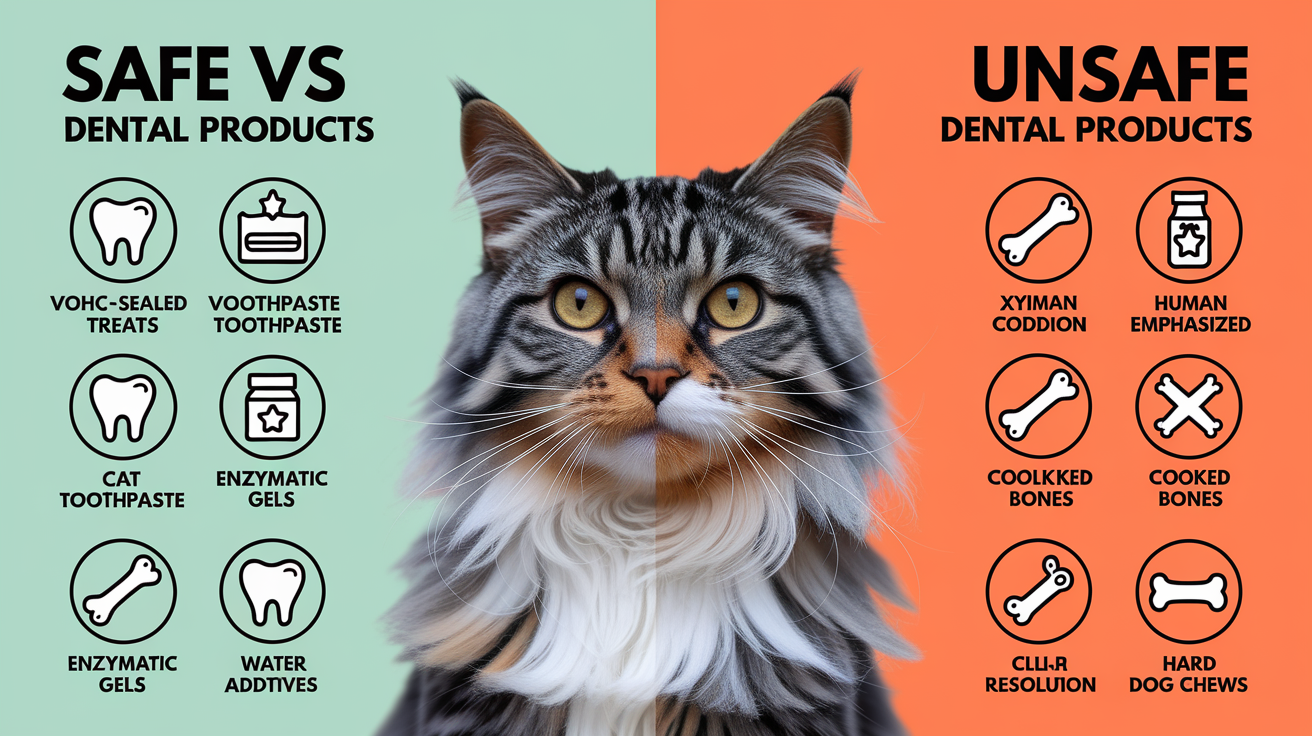
Not all dental products are safe. Human toothpaste is toxic to cats because it often contains fluoride and xylitol, an artificial sweetener that can cause serious harm. Avoid giving cooked bones, which can splinter and cause choking or intestinal blockages. Hard chew toys marketed for dogs may be too tough for cat teeth and can lead to fractures.
Safe and unsafe dental product guide:
- Safe: VOHC-approved dental treats, cat-formulated toothpaste, enzymatic gels, water additives designed for cats, soft rubber chew toys
- Unsafe: Human toothpaste, xylitol-containing products, cooked bones, hard antlers or bones, dog dental chews not tested for cats
Monitoring Cat Teeth and Knowing When to Seek Veterinary Care
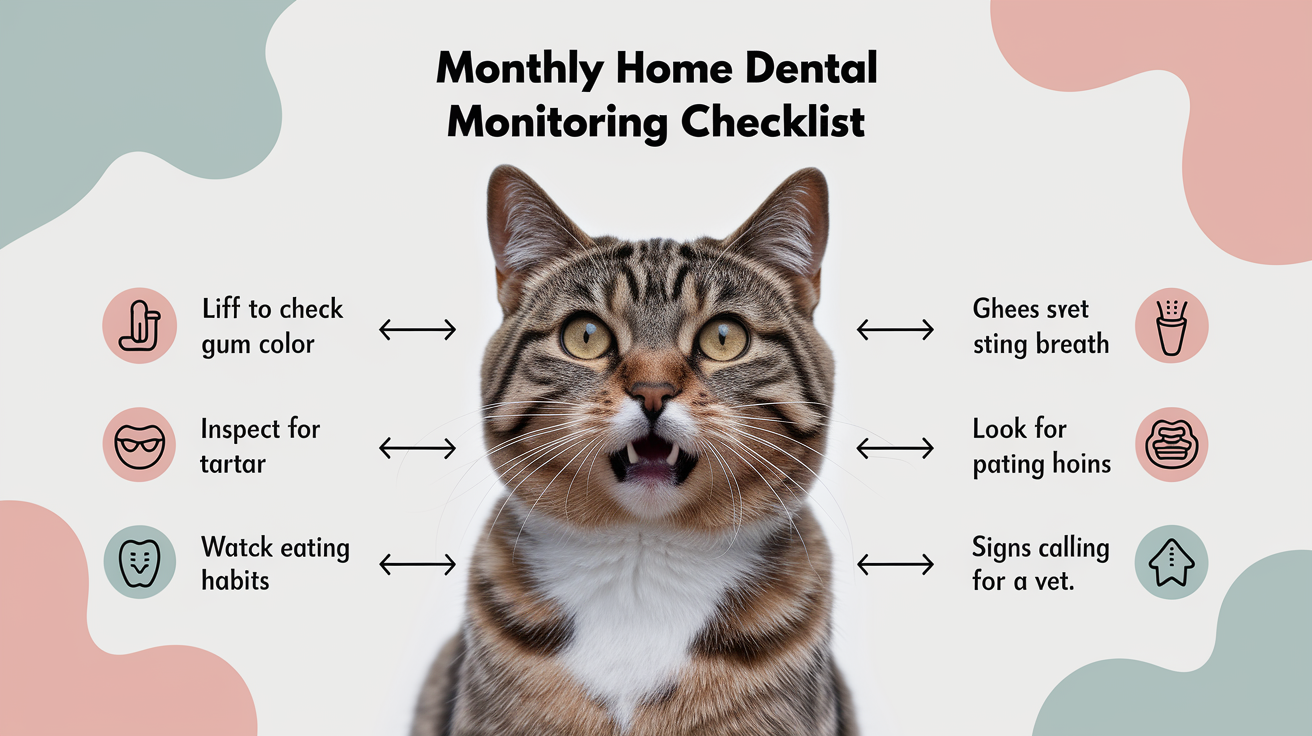
Regular at-home monitoring helps catch problems early, often before they become painful or expensive. Plan to check your cat’s mouth at least once a month. Lift the lips gently and look at the gums, teeth, and the areas where the gum meets the tooth. Healthy gums should be pink (or pigmented, depending on your cat’s natural coloring) and firm, not red, swollen, or bleeding. Teeth should be white or slightly off-white, without heavy yellow or brown buildup.
Sniff your cat’s breath during these checks. A mild odor is normal, but a strong, foul, or rotten smell is a red flag. Watch how your cat eats. Any hesitation, chewing on one side, or dropping food can signal discomfort.
Annual veterinary exams should always include a dental evaluation. Many cats benefit from professional cleanings starting as early as age 3 or 4, when dental disease often begins to appear.
Monthly home dental checklist:
- Gently lift lips and check gum color (should be pink, not red or pale)
- Look for visible tartar buildup (yellow, brown, or gray crust)
- Sniff breath for foul or unusually strong odors
- Watch eating habits for signs of difficulty or behavior changes
- Check for drooling, pawing at the mouth, or facial swelling
- Schedule a vet visit if any concerning signs appear or if it’s been a year since the last dental exam
Final Words
In the action, we covered adult cat anatomy and the 30 permanent teeth, plus how incisors, canines, premolars, and molars each work. We also ran through kitten tooth changes and common dental problems to watch for.
You’ve got practical steps for at-home care, what to expect from a vet visit, and safe product choices. There’s a simple monthly checklist to keep things routine.
Keep checking gums, breath, and eating habits. Small daily steps make a big difference in cat teeth health, and that’s a very good place to be.
FAQ
Q: What annoys cats the most?
A: What annoys cats the most are sudden changes to their comfort and territory, like loud noises, rough handling, forced interaction, dirty litter boxes, unfamiliar animals, and strong citrus or chemical smells.
Q: What is the one meat to never feed a cat?
A: The one meat to never feed a cat is raw or undercooked meat, because it can carry bacteria and parasites that cause illness. Always cook meat or use vet‑approved cat food.
Q: Do cats pick a favorite person?
A: Cats do pick a favorite person, usually the one who provides food, safety, play, and calm attention; they show it by following, sleeping with, or seeking out that person more often.
Q: What sounds do cats like?
A: Cats like soft, low‑pitched or high‑frequency sounds that mimic prey, such as purring, chirping, rustling, gentle talking, and familiar toy or food‑jar noises.