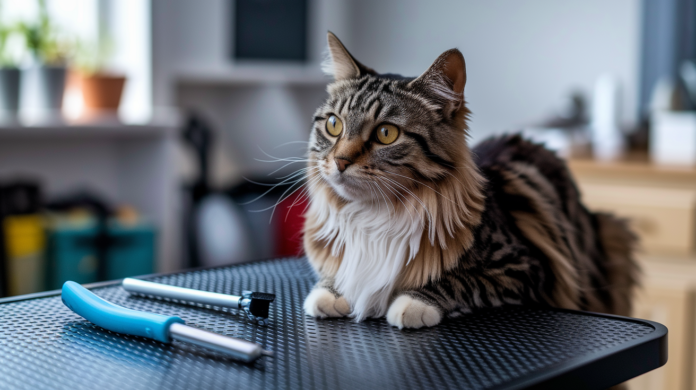

Tired of tugging at stubborn tangles and watching your cat squirm?
The right dematting tool can turn a stressful session into a calm, five-minute fix.
This post reviews seven top-rated dematting tools and shows which ones actually work for different coat types and mat sizes.
You’ll get quick picks for long silk, dense undercoats, and tight skin-close mats, plus safety tips to avoid nicks and stress.
If you’re not sure where to start, that’s normal, and we’ll make it simple so your cat stays calm.
Top-Rated Cat Dematting Tools Reviewed

When mats start forming in your cat’s coat, the right tool makes all the difference. You’ll either have a calm grooming session or end up in a stressful tug-of-war. Every cat’s coat is different, so matching the tool to your cat’s fur type and the size of the mats matters.
Here are seven dematting tools that actually work:
FURminator Long Hair Cat Tool works best for long-haired cats with dense undercoats. The stainless steel edge and skin guard reduce the risk of digging into skin while you’re removing loose fur and small tangles.
Chris Christensen Big G Slicker Brush is your go-to for gentle detangling on sensitive cats. Fine bristles work through knots without yanking, and the ergonomic handle gives you control during longer sessions.
Andis Pet Detangling Blade handles thick coats with larger, tighter mats. Curved metal teeth reach deep into the undercoat and slice through mats cleanly when you’re using it with a low vibration clipper.
Safari Cat Comb (dual tooth) is perfect for daily maintenance and finishing passes. Wide teeth detangle, narrow teeth catch smaller mats, and the gentle design works well for cats who are new to grooming.
Undercoat Rake (rounded tips) tackles double coated cats who shed heavily. Long, rounded teeth pull out dead undercoat hair and help prevent mats from forming in the first place.
JW Pet GripSoft Shedding Blade suits regular grooming on cats with moderate shedding. The circular blade design with teeth turned 90° away from skin reduces scratching, and the rubber grip makes it easy to hold during wiggly sessions.
Mat Splitter with Serrated Blades cuts through dense, tight mats between 1–2 inches. Serrated blades cut through the mat vertically instead of pulling, and rounded edges protect the skin underneath.
If your cat has a long, silky coat and only gets occasional tangles, a slicker brush and finishing comb will handle most sessions. For cats with thick undercoats or frequent matting, pair an undercoat rake with a mat splitter. Short-haired cats rarely need heavy duty tools. A simple dual tooth comb or shedding blade keeps their coat smooth and mat free.
Comparison of Popular Cat Dematting Tools

Understanding what each tool does helps you skip the guesswork and pick the one that matches your cat’s coat and the mats you’re dealing with. Some tools work fast on undercoat buildup. Others specialize in slicing through tight tangles. And a few are gentle enough for daily touch-ups.
| Tool Type | Best For | Key Benefit | Typical Price Range |
|---|---|---|---|
| Long-Tooth Dematting Comb | Small, loose tangles under 1 inch | Gentle separation without pulling live hair | $10–$30 |
| Undercoat Rake | Heavy shedding and thick double coats | Removes dead undercoat before mats form | $15–$35 |
| Slicker Brush | Detangling knots on long or silky fur | Fine bristles smooth fur without yanking | $10–$30 |
| Mat Splitter/Breaker | Dense mats 1–2 inches, close to skin | Serrated blades cut mats vertically, reducing skin risk | $15–$40 |
| Electric Clipper (low-vibration) | Severe mats over 2 inches or matted skin | Fast removal with less stress than hand tools | $40–$120 |
Coat texture and mat severity drive which tool you need. If your cat’s fur is soft and fine, a slicker brush or long tooth comb will handle most tangles without stressing the skin. Coarse, wiry coats or mats that sit tight against the skin respond better to mat splitters or rakes with longer tooth spacing. When mats cover more than 20 percent of the body or sit directly on the skin, an electric clipper or a trip to the groomer is the safer call.
Pros and Cons of Different Dematting Tool Types
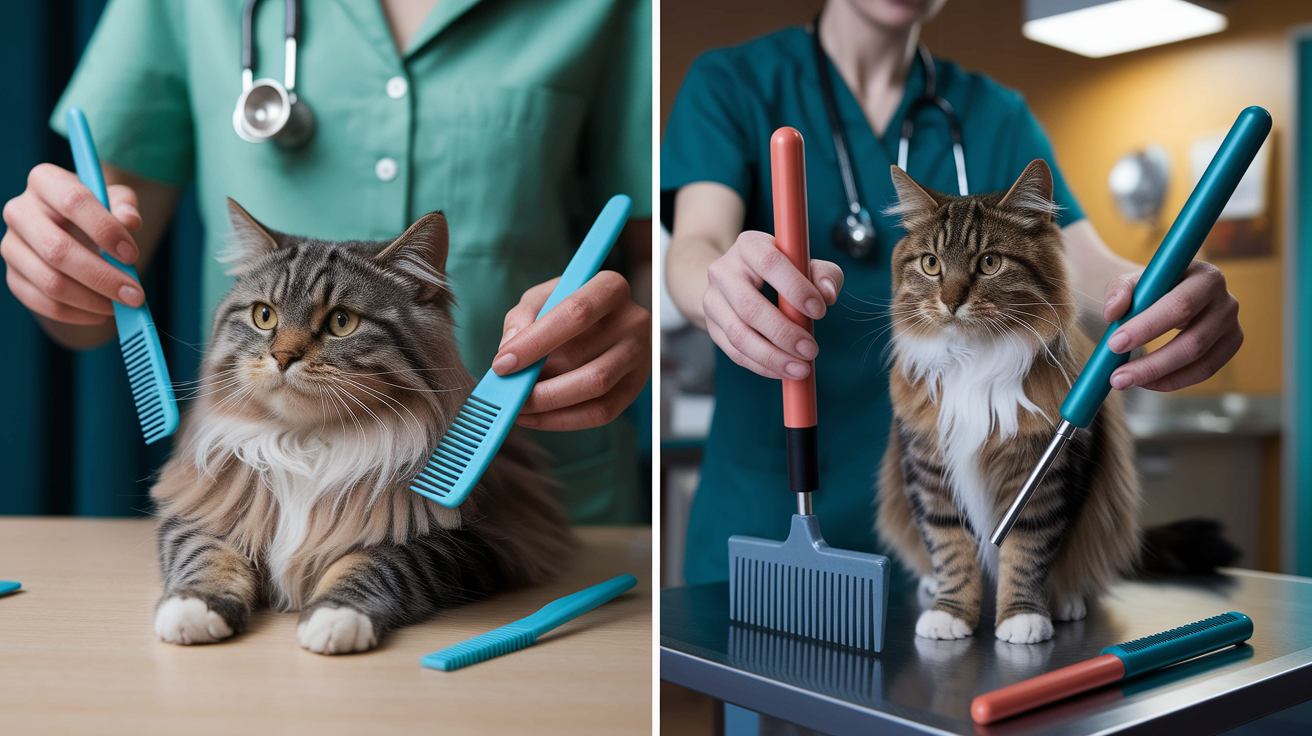
Every dematting tool has strengths and trade-offs. Knowing what each type does well and where it falls short helps you build a grooming kit that actually fits your cat’s needs and your daily routine.
Combs and slicker brushes are gentle, affordable, and easy to clean, which makes them a solid choice for regular maintenance and light tangles. They work well on cats who tolerate grooming calmly and don’t have heavy undercoat buildup. The downside? They can take longer on thick mats. And if you pull too hard, you’ll stress your cat and risk yanking live hair.
Undercoat rakes and mat splitters speed things up when you’re dealing with dense fur or stubborn mats. They’re designed to cut or separate rather than pull. These tools reduce session time and work well for heavy shedders or cats with double coats. But they require a bit more skill to use safely. Sharper blades can nick skin if you’re not careful, and some cats find the sensation uncomfortable at first.
Here’s what to expect:
Combs are precise and gentle but slower on large or tight mats. Slicker brushes smooth and detangle without pulling but may miss deep undercoat buildup. Undercoat rakes remove dead fur fast but can feel rough on sensitive skin. Mat splitters cut through dense mats cleanly but need careful handling near the skin. Electric clippers handle severe mats quickly but cost more and can be noisy or scary for anxious cats. Grooming scissors give you control for spot trimming but carry a higher risk of accidental cuts.
Buying Criteria: How to Choose the Right Dematting Tool
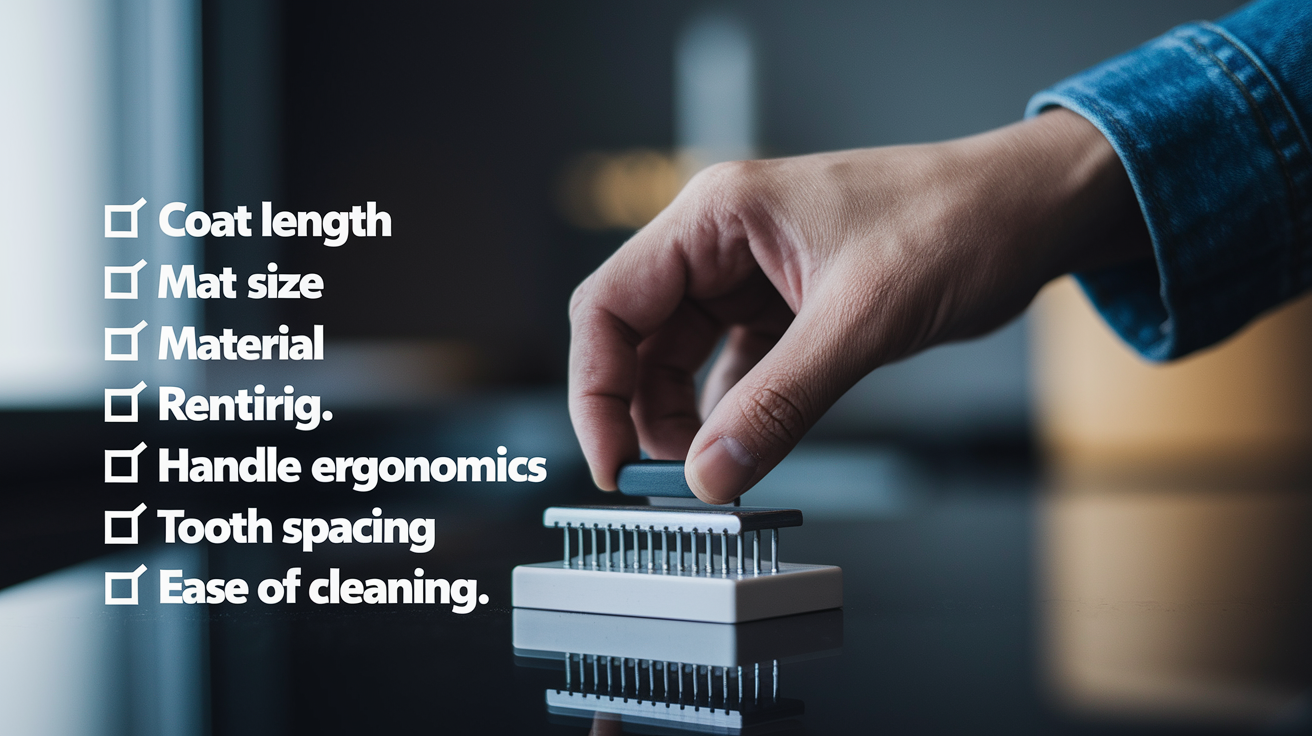
Picking the right dematting tool starts with understanding your cat’s coat, your comfort level, and how often you’ll realistically use it. A tool that works for a calm Persian won’t necessarily suit a wriggly Maine Coon with a thick undercoat.
Here are six things to check before you buy:
Coat length and type. Long-haired cats need tools with longer teeth or deeper blades to reach through the topcoat. Short-haired cats do fine with simpler combs or shedding blades.
Mat size and severity. Small tangles under one inch respond to slicker brushes and long tooth combs. Mats one to two inches need rakes or mat splitters. Anything larger or matted to the skin calls for clippers or professional help.
Material quality. Stainless steel teeth resist rust and stay sharper longer. Rounded or coated tips reduce the chance of scratching skin. Cheap plastic handles can crack, especially if your cat shifts suddenly.
Handle ergonomics. Non slip grips and balanced weight reduce hand fatigue during longer sessions. If the tool feels awkward in your hand, you’ll use it less often.
Tooth spacing and count. Wider spacing (1/4 inch or more) works for thick coats and heavy mats. Narrow spacing (1/8 inch) suits fine fur and finishing passes. Tools with 6–20 teeth are common. More teeth mean slower but gentler detangling.
Ease of cleaning. Self cleaning brushes with retractable bristles or quick release buttons save time. Combs and rakes without moving parts are easy to rinse and wipe down after each session.
For cats who are jumpy or don’t like being touched, look for tools with rounded tips, quiet operation, and a design that lets you work quickly. The faster you finish, the less stressed your cat will be. And the more likely they’ll sit still next time.
Grooming Tips for Preventing Mats in Cats
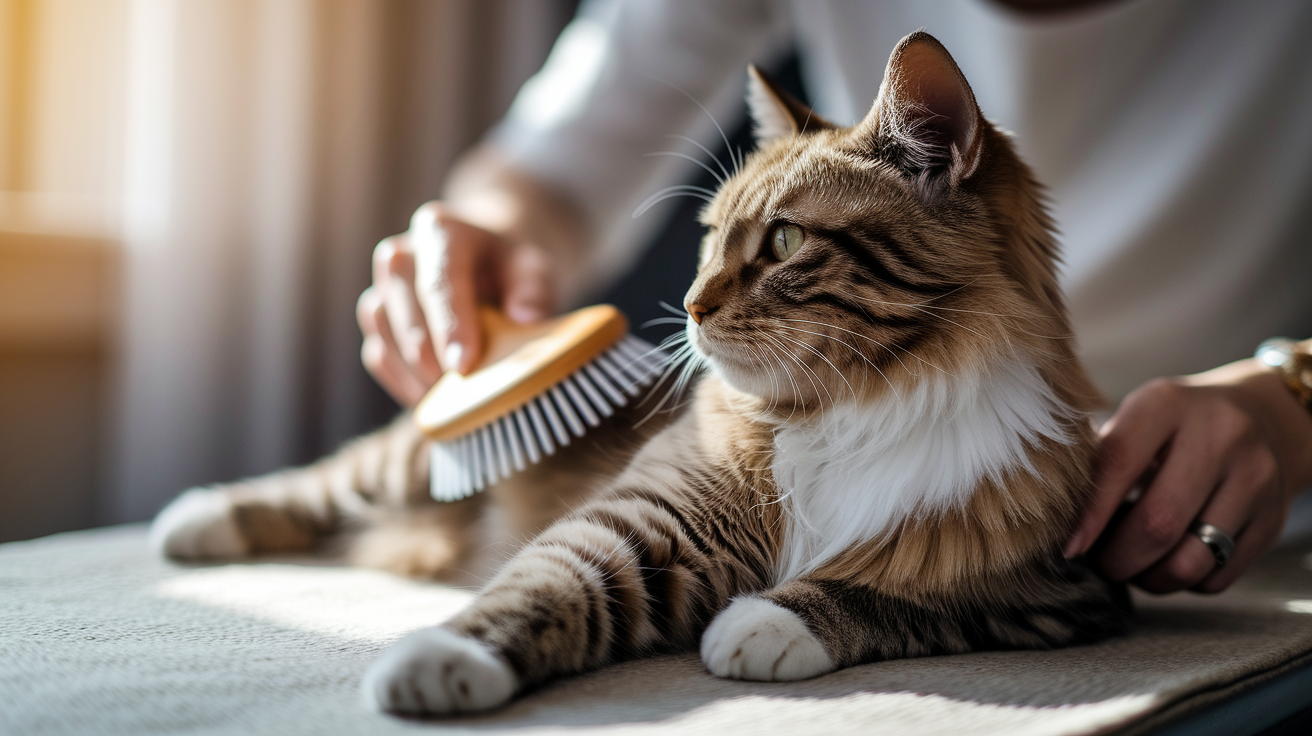
Mats form fast, especially on long-haired cats. But regular brushing and a few simple habits can stop tangles before they turn into tight knots. Most mats show up in areas where fur rubs against skin or other surfaces. Behind the ears, under the front legs, along the belly, and at the base of the tail.
Brush your cat two to three times a week minimum if they have long or thick fur. During heavy shedding season, usually spring and fall, daily five minute sessions work better than one long weekly session. Short sessions keep your cat calm and give you time to catch small tangles before they lock up.
Here are five practical steps to reduce mat formation:
Start every session by running your fingers through your cat’s coat to feel for small knots or rough spots. Use a wide tooth comb first to loosen tangles, then follow with a finer comb or slicker brush to smooth the coat. Pay extra attention to friction zones: armpits, collar area, belly, hindquarters, and tail base. Keep your cat’s coat dry after baths or wet weather. Damp fur tangles faster than dry fur. Trim long fur around the rear end if your cat has trouble grooming themselves or if litter tends to stick.
If you’re not sure where to start, run the comb in the direction the fur grows and work in small sections. Stop if you hit a tangle and hold the base of the mat gently while you work through it from the ends toward the skin. Never yank.
Safety Guidelines for Using Dematting Tools
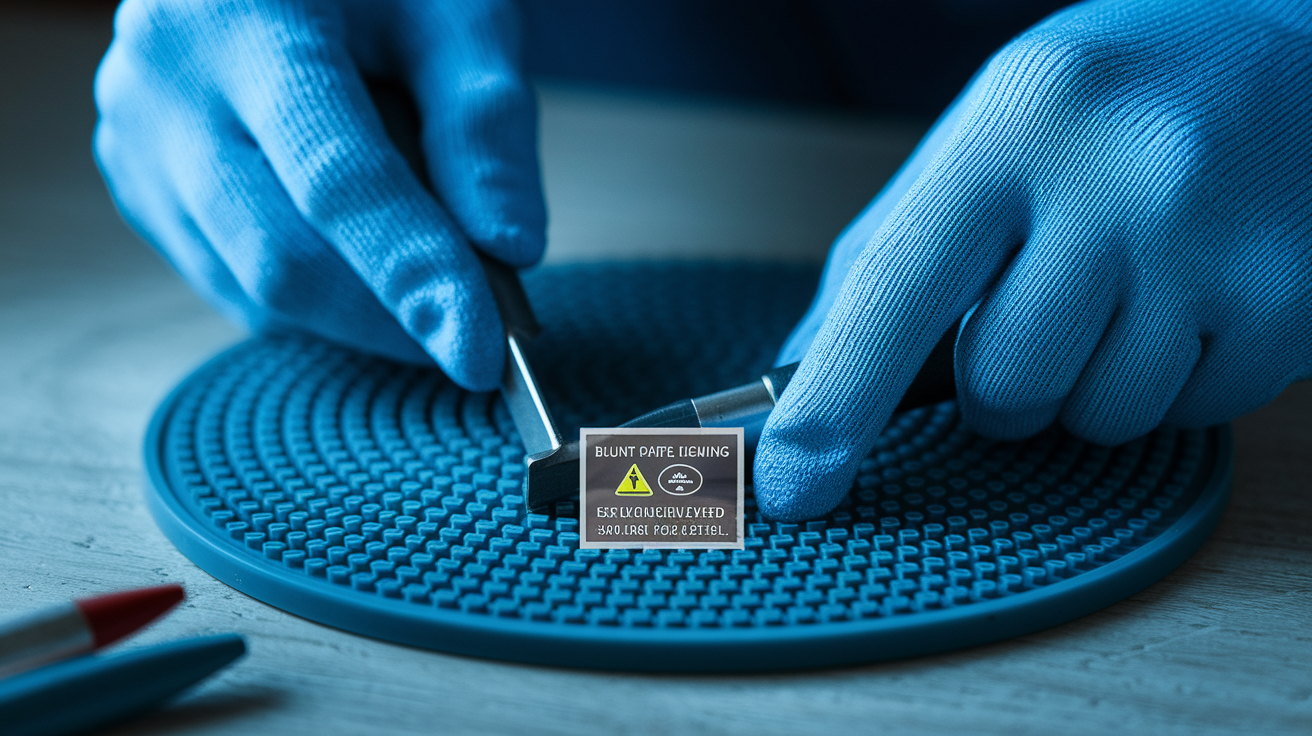
Using a dematting tool the wrong way can hurt your cat’s skin, stress them out, or turn grooming into a fight. Safe technique protects your cat and makes future sessions easier.
Always hold the base of a mat firmly but gently near the skin before you start working on it. This keeps you from pulling live tissue and reduces the chance of pain. Work from the ends of the mat toward the base, not the other way around. If the mat is tight or sits directly against the skin, leave at least 1/8 to 1/4 inch of space between the tool and your cat’s body when cutting or combing.
Here are six safety rules to follow every time:
Inspect your cat’s skin before you start. Red patches, scabs, bumps, or sores mean stop and call your vet. Use blunt tip scissors if you need to trim near the skin. Sharp points can puncture skin if your cat moves suddenly. Keep sessions short. Five to twenty minutes max. Long sessions increase the chance of skin irritation and stress. Stop immediately if your cat vocalizes, hisses, tries to bite, or if you see redness or bleeding. Never force a mat. If it won’t come loose after gentle work, it’s time to see a groomer or vet. Clean your tools after every session. Dirty blades can transfer bacteria and cause skin infections.
Watch your cat’s body language during grooming. Ears pinned back, tail lashing, or a low growl are signs they’ve had enough. If your cat won’t stay still or keeps trying to escape, break the session into two or three shorter ones spread across the day. Forcing it increases the risk of injury and makes your cat less cooperative next time.
Frequently Asked Questions About Cat Dematting Tools

Can I use a dematting tool on kittens?
Yes, but choose gentle tools like soft slicker brushes or wide tooth combs. Keep sessions very short and watch for stress. Kittens have delicate skin, so avoid sharp or heavy tools.
How often should I brush my long-haired cat to prevent mats?
Two to three times a week minimum. Daily short sessions work best during shedding season or if your cat has a thick undercoat or tends to mat quickly.
Can I just cut out a mat with scissors?
You can, but it’s risky. If the mat sits tight against the skin, scissors can nick or puncture. Use blunt tip grooming scissors and hold the mat away from the body, or use a mat splitter designed to cut mats vertically.
What’s the difference between a dematting comb and an undercoat rake?
A dematting comb has long, sharp teeth that slice through tangles. An undercoat rake has rounded teeth that pull out dead undercoat hair before it mats. Rakes prevent mats, combs remove them.
When should I take my cat to a professional groomer instead of doing it myself?
If mats are larger than two inches, cover more than 20 percent of the body, sit directly on the skin, or cause your cat pain or bleeding. Also if your cat won’t stay still or becomes aggressive during grooming.
How much does professional mat removal cost?
Typically $50 to $150 or more, depending on severity and whether sedation is needed. Severe matting that requires shaving under sedation at a vet clinic can cost more.
Final Words
We jumped straight into seven top-rated dematting tools, showing which coats they suit and why.
Then we compared rakes, combs, and brushes, weighed pros and cons, and listed buying criteria plus grooming and safety tips you can use today.
Pick a tool that matches your cat’s coat and mat severity, follow the safety steps, and track results in your journal.
Using one of the best dematting tools for cats and a calm, regular routine makes grooming less stressful and keeps their coat healthier.
FAQ
Q: How do I untangle my cat’s matted fur without hurting him?
A: Untangling your cat’s matted fur without hurting him starts by holding the skin gently taut, working small sections, using a wide-tooth comb or dematting tool, rewarding calm behavior, and stopping if the cat winces.
Q: Are dematting tools safe for cats?
A: Dematting tools are safe for cats when used correctly: pick the right tool for coat type, use slow gentle strokes, avoid tugging, keep a safety guard, and stop if skin reddens or the cat resists.
Q: How do you get rid of severely matted cat hair?
A: Getting rid of severely matted cat hair means seeing a professional groomer or vet for safe removal or shaving; home attempts can cut or irritate skin, so prefer expert help or sedation if needed.
Q: What do groomers use to groom cats?
A: Groomers use dematting rakes, slicker brushes, fine-tooth combs, clippers, nail trimmers, and calming techniques or muzzles; they match tools to coat type and may sedate for very stressed or severely matted cats.