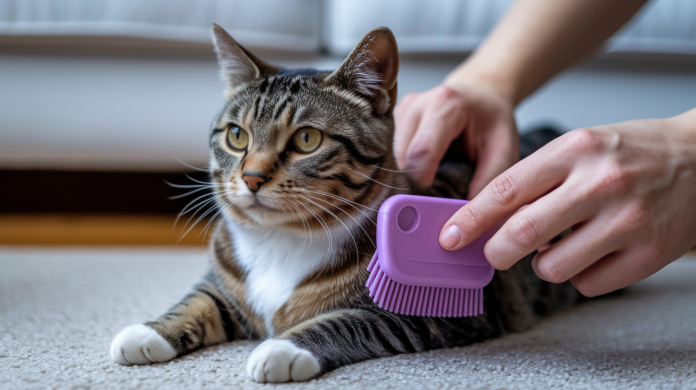

Think grooming your cat is optional?
Think again.
Regular grooming cuts down shedding, stops mats, and helps you spot lumps, fleas, or skin irritation early.
This post gives clear, doable steps for at-home care, brushing for different coats, safe baths, stress-free nail trims, ear, eye and paw checks, dental basics, mat removal tips, and ways to help anxious cats.
By the end you’ll have a short routine you can repeat so grooming stays calm and useful, not scary.
Core At-Home Grooming Steps for Your Cat
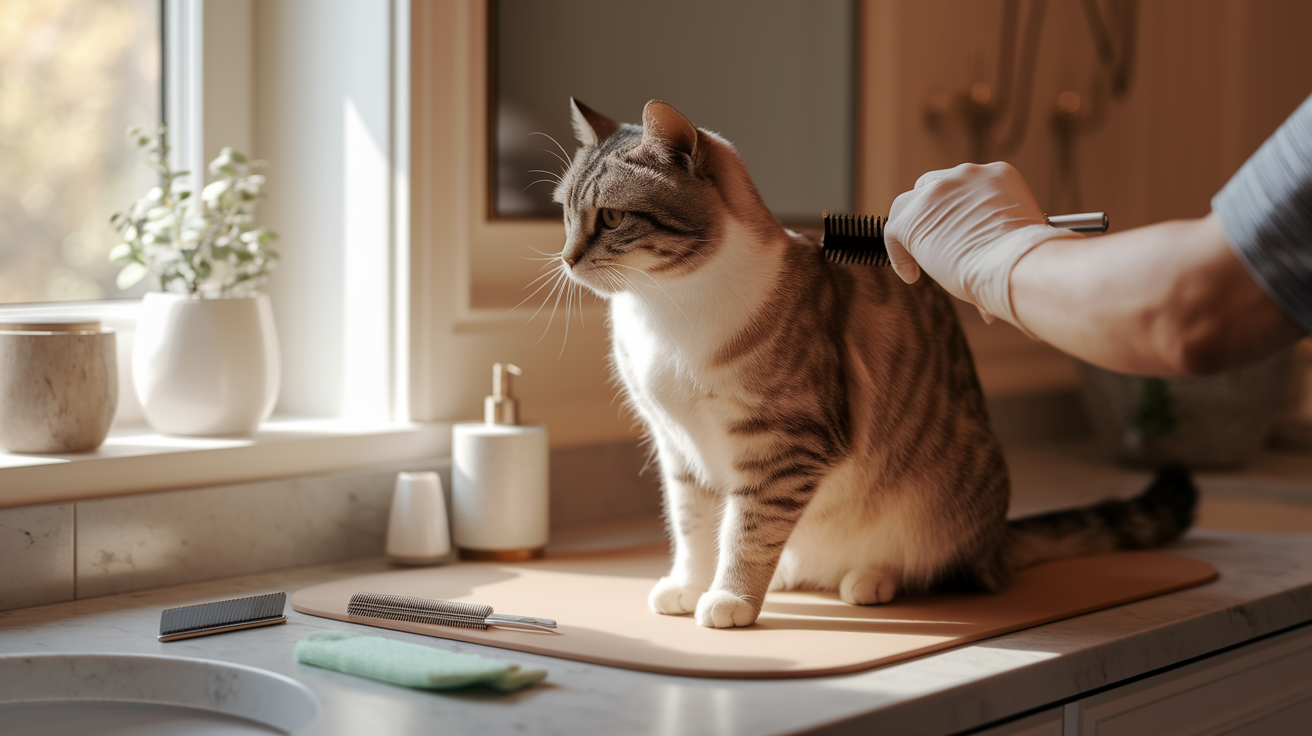
Grooming your cat isn’t about looks. It cuts down on shedding, stops mats before they start, and keeps skin healthy. You’re also getting a chance to spot lumps, scratches, fleas, or shifts in how they act that might mean something’s wrong.
Before you start, grab what you need: slicker brush, metal comb, nail trimmer, pet-safe wipes, and a grooming glove. Most cats do better with short, chill sessions instead of long ones that stress them out. Pick a time when your cat’s relaxed, maybe after they’ve eaten or had a good play, and work somewhere quiet where they feel safe.
Keep it simple and safe. Don’t force anything if your cat pulls away. Watch for signs they’re done, like ears pressed flat, hissing, or a flicking tail. Stop if things get tense. A calm experience now makes the next one easier.
Here’s how to groom at home:
- Brush gently to get rid of loose fur and tangles.
- Look over the fur and skin for mats, flakes, redness, or bugs.
- Check each nail and trim just the white tip if it’s grown too long.
- Wipe around the eyes with a damp cloth to clear away crust or gunk.
- Use pet-safe wipes on the coat or paws if they need it.
- Give your cat a treat and some gentle scratches to finish on a positive note.
Brushing Techniques for Different Coat Types

How often you brush depends on your cat’s fur. Longhaired cats like Persians and Maine Coons need brushing almost daily to keep tangles away. Shorthaired cats usually just need it once a week to control shedding and keep things smooth.
Use gentle, steady pressure. Start at the head and work toward the tail, going with the direction the fur grows. For longhaired cats, tackle small sections at a time and check spots that mat easily: behind the ears, under the legs, along the belly. If you hit resistance, stop. Use your fingers to gently work the knot loose before you try brushing again.
Pay attention to what your cat’s telling you. Some love firm strokes. Others want a lighter touch. If your cat starts swatting or walking away, switch to a softer tool or give them a break. Catching mats early during regular brushing saves you both trouble later.
Different brushes do different things:
- Slicker brushes pull out loose fur and light tangles in short or long coats.
- Bristle brushes smooth shorthair and spread the natural oils around.
- Combs (wide-toothed or metal) work through longhair tangles and help you find hidden mats.
- Grooming gloves are great for cats who hate regular brushes. Feels more like petting.
Safe Bathing Practices for Cats

Most cats don’t need baths unless they’re dirty, greasy, or hairless. Breeds like the Sphynx need regular baths to wash off skin oils, but most cats clean themselves just fine. Only bathe when you have to, like after they’ve been outside or if your vet says it’s time for a medicated wash.
Use lukewarm water and shampoo made for cats. Human shampoo messes with their skin. Fill a sink or tub with three to four inches of water, put a rubber mat down so they don’t slip, and wet them gently with a spray nozzle or pitcher. Don’t spray their face, ears, or eyes. Mix the shampoo first (one part shampoo to five parts water), work it through the coat, then rinse completely. Leftover soap irritates skin and attracts dirt.
Dry your cat by wrapping them in a big towel somewhere warm and quiet. Most cats do fine air drying. If you use a blow dryer, keep it on low heat and hold it back. Keep things calm, offer treats, and never trap a freaked-out cat in the water.
Nail Trimming Without Stress
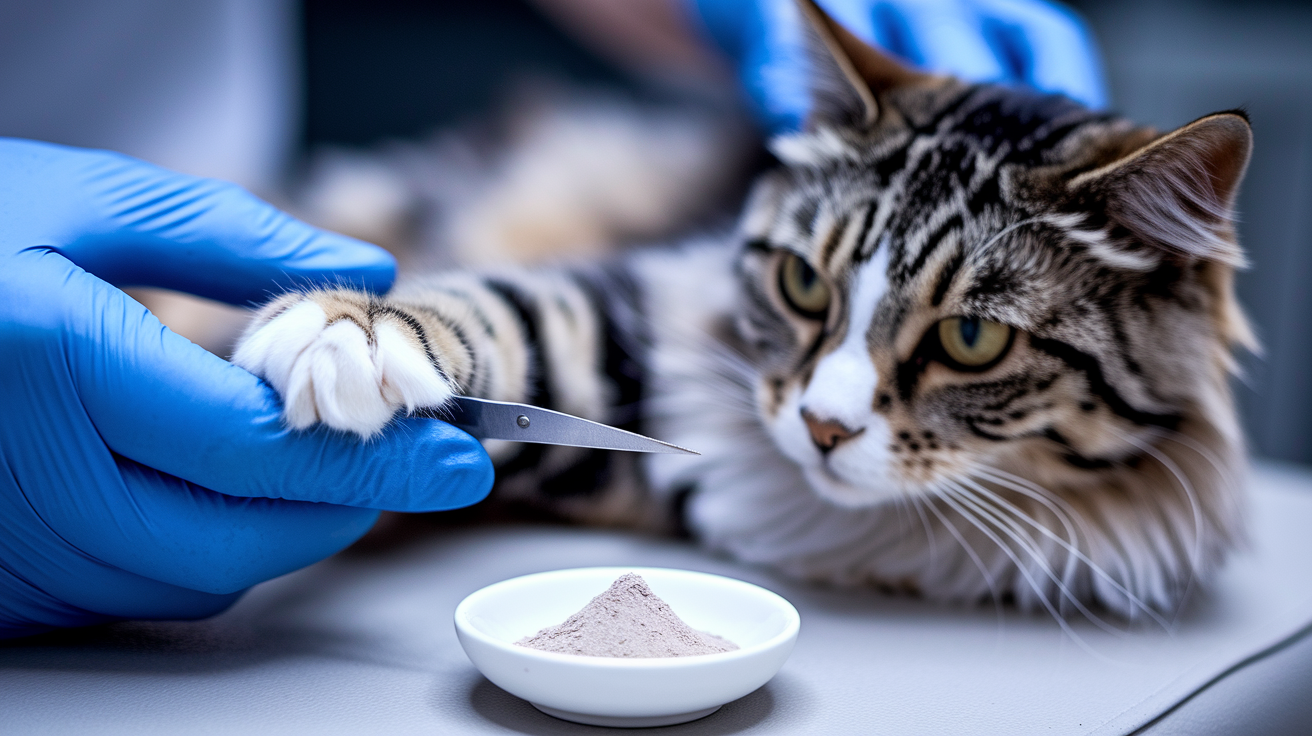
Trimming stops overgrowth and keeps nails from snagging. Only trim the white part to avoid the quick, that pink area inside where the nerves and blood vessels are. Cutting the quick hurts and bleeds, so keep styptic powder handy just in case.
Start by getting your cat used to having their paws touched. Rub each toe for a few seconds, press gently on the pad to extend the nail, and do this every couple of days until they relax. Some people practice with a piece of uncooked spaghetti in the clippers so the cat gets used to the snapping sound before the real thing.
Here’s how to trim:
- Hold your cat in your lap or on a steady surface in a quiet spot.
- Press the pad gently to extend one claw.
- Find the white tip and the pink quick inside.
- Clip just the white part, staying clear of the quick.
- Give your cat a treat and some praise after trimming even one or two nails.
If they resist, just do a couple nails per session and work your way up. Aim for every ten days to two weeks.
Ear, Eye, and Paw Cleaning Essentials
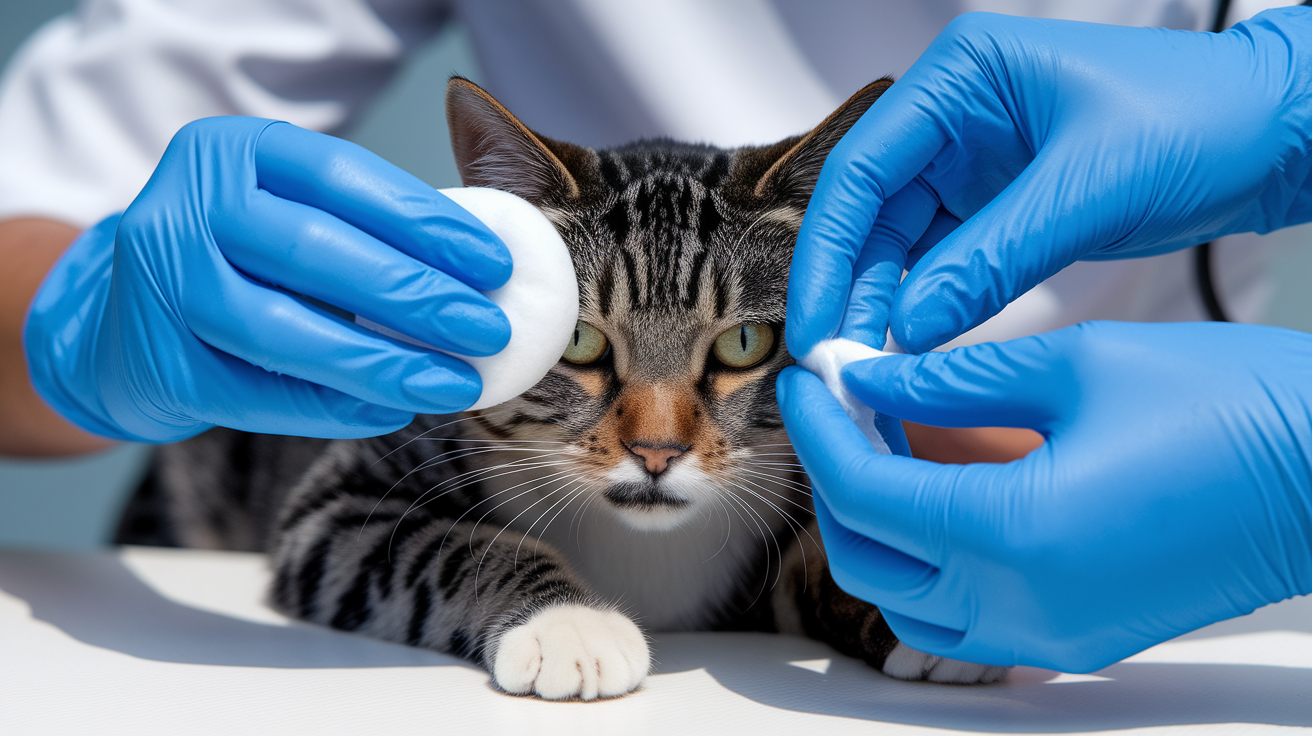
Cats pick up gunk in their ears and paws, especially outdoor cats. Eye discharge gets wiped with a soft, damp cloth. Cotton swabs don’t go inside ears. Weekly checks catch small stuff before it turns into big stuff.
For ears, check the outer flap and what you can see of the canal for wax, dirt, or smell. Healthy ears look pale pink inside with barely any wax. Use a vet-recommended ear cleaner on a cotton ball or gauze and wipe just the outer parts you can see. Don’t poke deeper. See a vet if you notice dark debris that looks like coffee grounds (could be ear mites), redness, constant scratching, head shaking, or bad smell.
For eyes, look for crust or discharge in good light. Wipe from the inner corner out with a damp cotton ball, fresh one for each eye. For paws, wipe daily with a damp cloth and check between toes and pads for cuts, splinters, sores, or swelling. Pull out visible splinters with tweezers and watch small cuts. Get vet help if you see blood, pus, or smell something off.
Dental Care for Cats
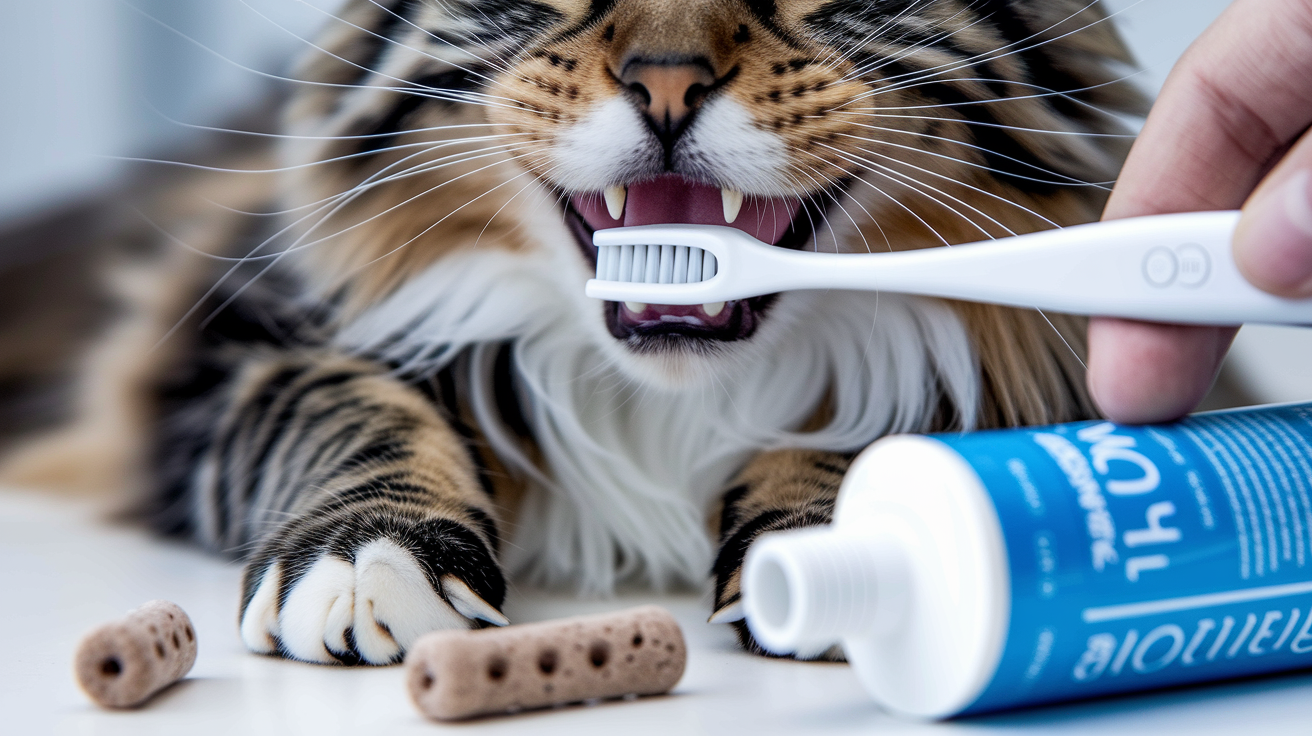
Dental disease shows up a lot in cats. Brushing teeth cuts down plaque and keeps gums healthier. Only use toothpaste made for cats. Human toothpaste has stuff that can upset their stomach.
Go slow. Rub your cat’s gums with your finger or a cotton swab so they get used to it. Once they’re okay with that, let them taste a little cat toothpaste. Then use a small cat toothbrush or finger brush to gently brush along the gum line and outer tooth surfaces. Try for daily brushing or at least a few times a week.
Three ways to support dental health:
- Brushing with a cat toothbrush and toothpaste designed for cats.
- Dental treats that scrape away soft tartar and massage gums while they chew.
- Water additives that cut down plaque when you add them to drinking water (pick vet-approved ones).
Watch for dark red gum lines, ulcers, lots of drooling, pawing at the mouth, loose teeth, or trouble chewing. Those need a vet visit.
Managing and Preventing Matted Fur
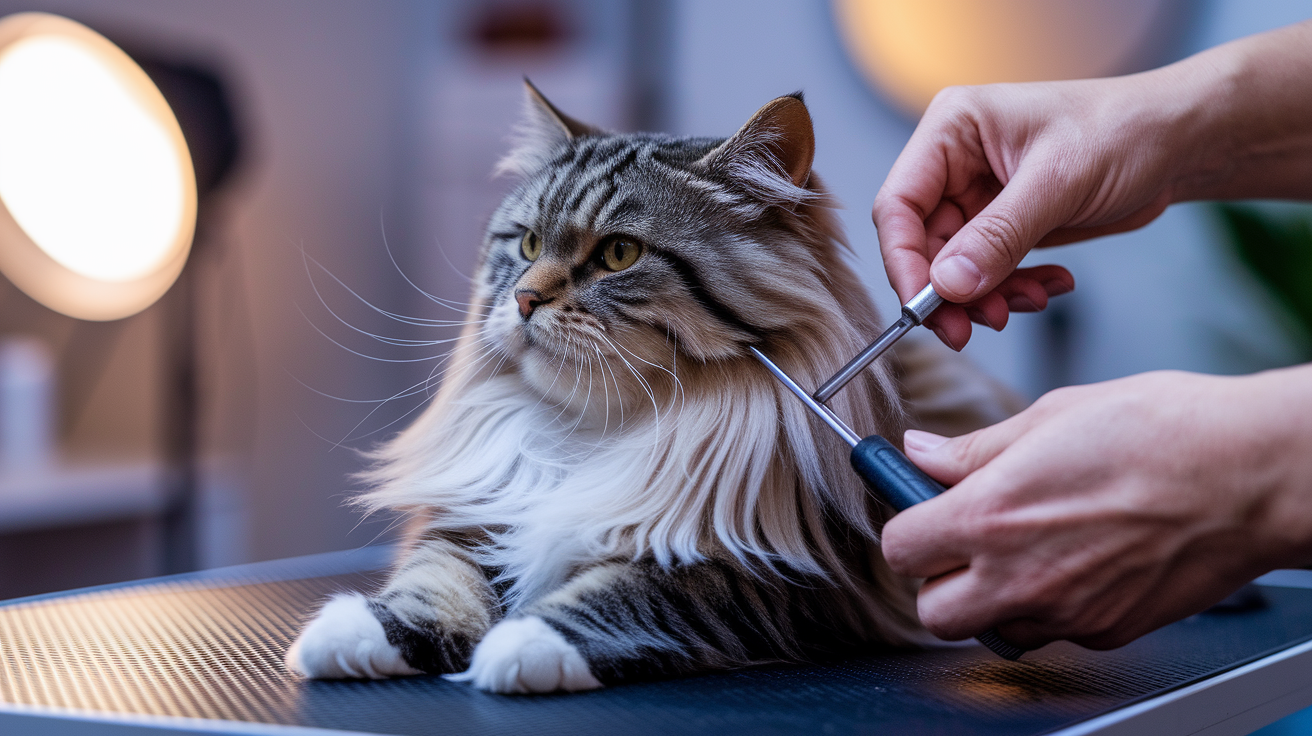
Mats irritate skin, trap moisture, and hide infections or bugs. Bad mats need a pro, but catching them early stops big tangles. Regular brushing is your best defense.
For small mats, sprinkle a little talcum powder on the knot to help loosen it. Use your fingers to gently tease it apart, working from the outside toward the middle. If the mat won’t budge, a mat-splitter tool can carefully cut through without pulling skin. Don’t use regular scissors close to the skin. Cat skin is thin and easy to cut by accident. If a mat’s tight against the body or your cat’s in pain, stop and book a groomer or vet.
Prevention starts with knowing what causes mats. Four common reasons:
- Not brushing enough, especially longhaired breeds.
- Moisture from drool, water bowls, or damp spots.
- Heavy shedding that tangles with the rest of the coat.
- Limited movement in older or overweight cats who can’t groom themselves well.
Brushing every few days for longhaired cats and weekly for shorthaired ones keeps mats from forming.
Helping Anxious Cats During Grooming
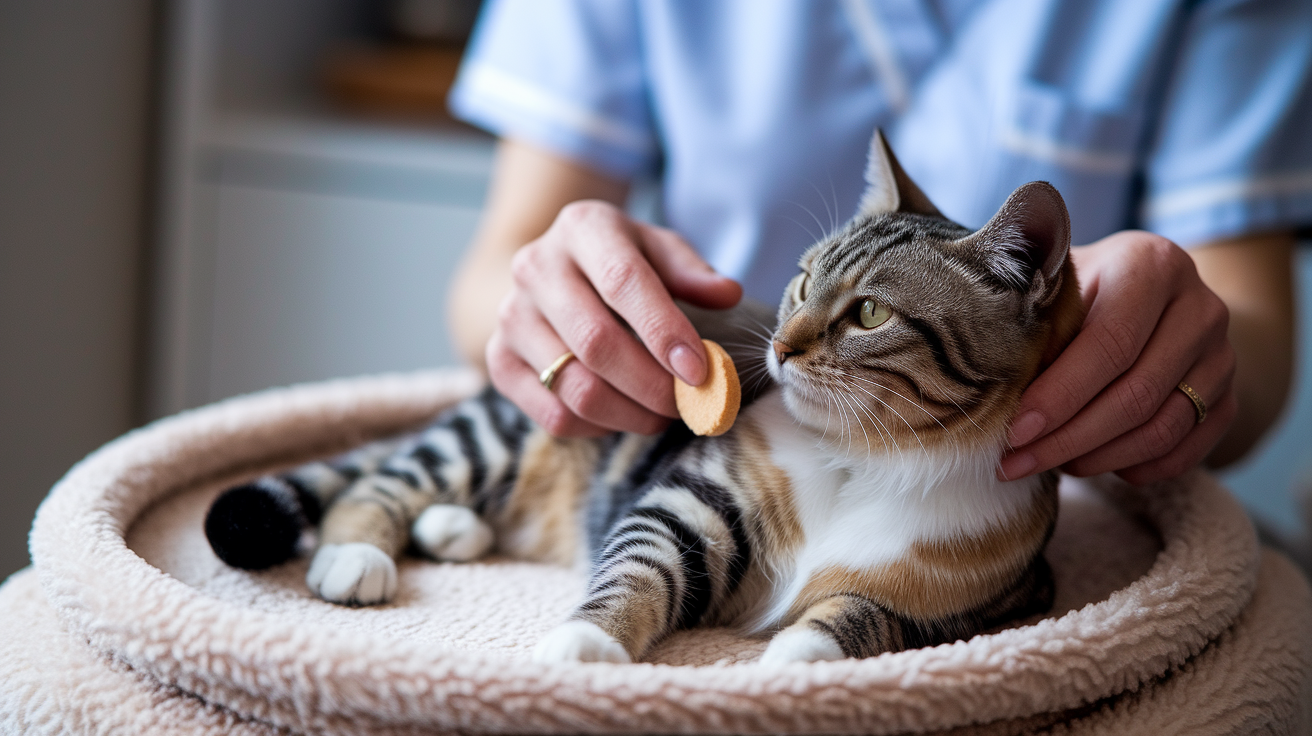
Lots of cats get nervous during grooming. Short sessions, treats, and calm spaces cut down stress. If your cat thinks grooming means fear or pain, you’ll need patience and consistency to rebuild trust.
Set up a quiet, familiar spot with soft light and no loud noises. Lay your tools out ahead of time so you’re not scrambling mid-session. Start with just a minute or two of gentle brushing or paw handling, then stop and reward with a treat or play. Slowly add more time as your cat settles. Don’t chase or corner a cat who’s trying to leave. Let them come back when they’re ready.
Desensitization helps. Handle grooming tools near your cat without using them so they learn the brush or clippers aren’t dangerous. Pair each step with something good, a favorite treat, a calm voice, or some chin scratches. If your cat gets worked up, take a break. Pushing through teaches them grooming is scary, which makes next time harder.
Grooming Differences Among Breeds
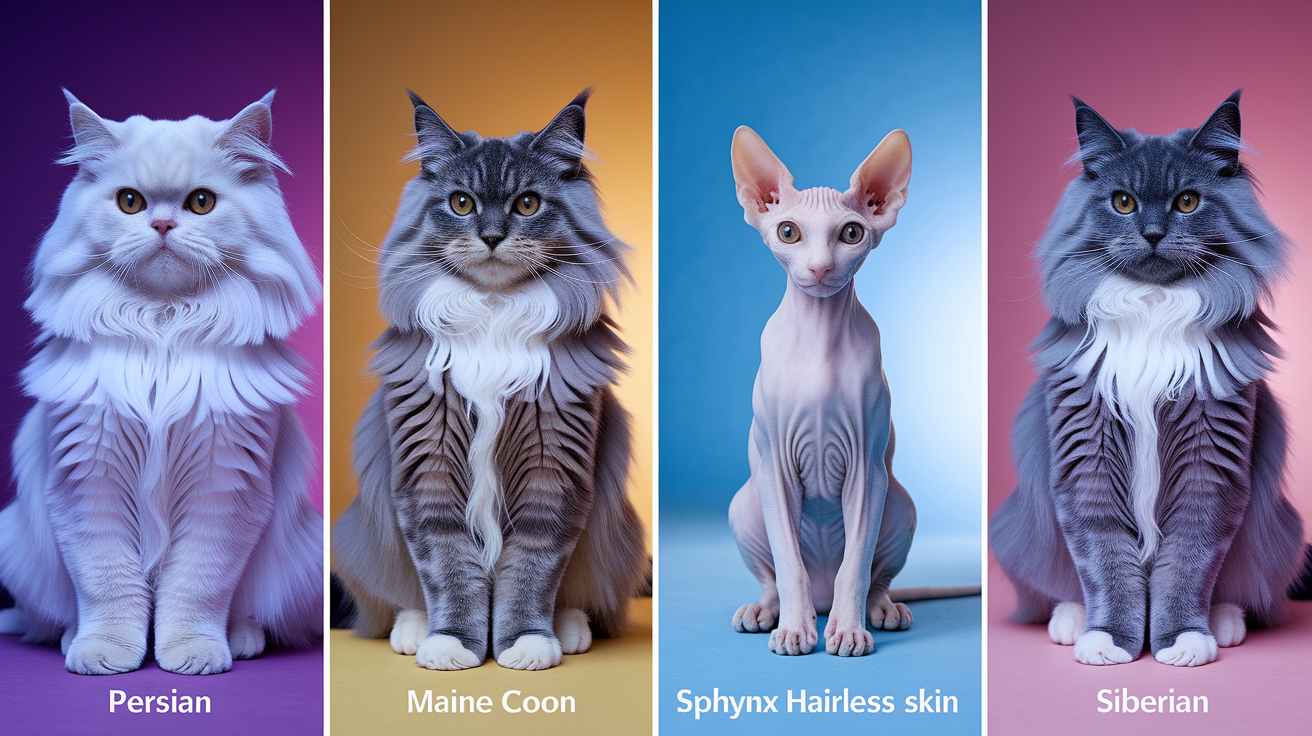
Longhaired breeds need more brushing. Some breeds get eye gunk more often and need cleaning more frequently. Your grooming routine should match your cat’s body, not just their mood.
Persians and Himalayans have long, thick coats that mat easily and need daily brushing. Their flat faces also cause tear stains, so clean their eyes daily with a damp cotton ball to prevent buildup. Maine Coons have dense, water-resistant fur and tufted paws that collect litter and dirt, so check paws regularly and brush every few days. Sphynx cats don’t have fur, so oils build up on their skin and they need weekly baths with gentle, moisturizing cat shampoo.
Shorthaired breeds like the British Shorthair or Russian Blue shed year-round indoors and do well with weekly brushing to cut down loose hair and hairballs. Breeds with double coats, like the Siberian, shed heavily when seasons change and need more grooming during those times.
| Breed | Special Grooming Need |
|---|---|
| Persian / Himalayan | Daily brushing and daily eye cleaning for tear staining |
| Maine Coon | Brushing every few days and regular paw-tuft trimming |
| Sphynx | Weekly bathing to remove skin oils |
| Siberian | Increased brushing during seasonal shedding periods |
Recommended Cat Grooming Products
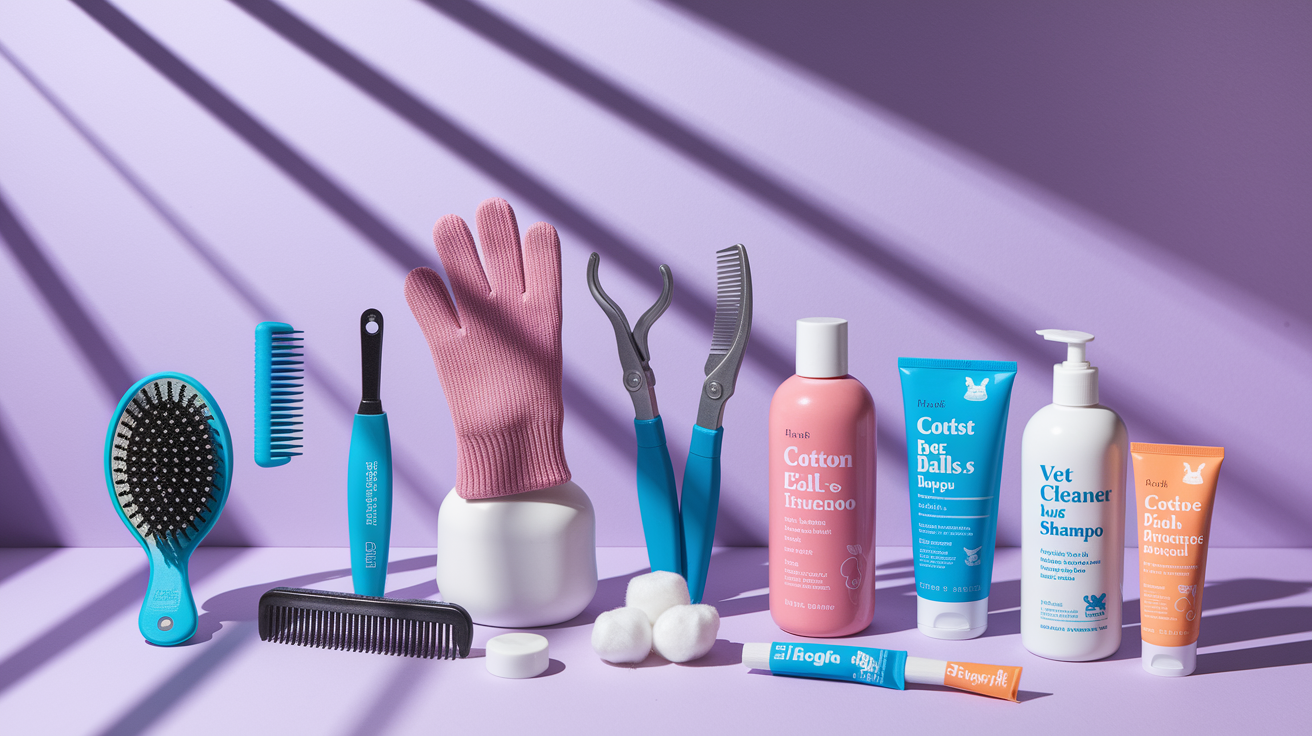
Good tools make grooming safer and easier. Products vary based on coat length and sensitivity, so pick tools that match your cat and your comfort level. Getting the right supplies makes grooming faster and less stressful for both of you.
A slicker brush works for most cats, pulling out loose fur and light tangles without yanking. Metal combs with wide teeth untangle longhaired coats, while fine-toothed combs check for fleas or dirt close to the skin. For cats who hate regular brushes, a grooming glove feels more like petting. Nail trimmers come in scissor and guillotine styles. Pick whichever feels steadiest in your hand. Always keep styptic powder close by in case you clip the quick by mistake.
Cat-safe shampoos should skip harsh chemicals and strong smells. Look for hypoallergenic if your cat has sensitive skin. Vet-recommended ear cleaners come in liquid form and dissolve wax without irritating the ear canal. Pet-safe wipes are handy for quick cleanups between baths, especially paws and rear areas. For dental care, grab a cat toothbrush with soft bristles or a finger brush, and only use toothpaste made for cats.
Five product categories to keep around:
- Brushes and combs (slicker brush, metal comb, or grooming glove).
- Shampoos (cat-safe, hypoallergenic).
- Nail care tools (trimmers and styptic powder).
- Cleaning supplies (ear cleaner, cotton balls, pet wipes).
- Dental products (cat toothbrush, cat toothpaste, dental treats).
When to Seek Professional Grooming or Veterinary Care
Professional grooming makes sense for bad mats, aggressive cats, or medical stuff. Vets can trim nails, clean ears, and handle sensitive procedures when a cat won’t put up with at-home care. Knowing when to ask for help keeps both you and your cat safe.
If your cat fights grooming to the point where someone could get hurt, book a professional groomer. Groomers know how to work with anxious animals and have tools like grooming tables and safe restraints. Services often include full grooms, sanitary trims, de-shedding treatments, and mat removal. Some groomers do “refresh grooms,” shorter appointments for nail trims, ear cleaning, and light comb-outs between full sessions. If mats are stuck to the skin or cover big areas, a pro can safely shave them without causing injury.
See a vet right away if you notice lots of hair loss, constant scratching or licking, open wounds, red or swollen skin, discharge from ears or eyes, or signs of dental trouble like drooling or trouble eating. Vets diagnose skin conditions, infections, parasites, and dental problems that grooming can’t fix. They might do skin scrapings, allergy tests, or bacterial cultures to find the real issue. If your cat has a chronic condition, your vet can suggest prescription shampoos, medications, or diet changes to support long-term skin and coat health.
Final Words
in the action we covered the essentials: quick at‑home steps, brushing by coat type, safe baths, stress‑free nail trims, ear/eye/paw care, dental habits, and mat management. We also touched on breed needs, product picks, and when to seek pro help.
Keep a simple routine and track a few things: brushing frequency, nail checks, and any skin or behavior changes. Short sessions win.
With steady, calm care, cat grooming becomes easier and less stressful for both of you. You’ve got this.
FAQ
Q: Should you take cats to groomers?
A: Taking cats to groomers is helpful when they have severe mats, are longhaired, resist at-home trims, or need nail or sanitary clipping; pick a calm, cat-experienced groomer and share health notes.
Q: What is “I love you” in cat language?
A: “I love you” in cat language is often slow blinking, head bunting, purring, kneading, and relaxed eye contact, all showing trust and comfort; mirror a slow blink to bond back.
Q: What annoys cats the most?
A: What annoys cats most are forced handling, loud sudden noises, strong smells, no safe hiding spots, rough grooming, and chaotic routines; respect boundaries and keep care calm and predictable.
Q: How much does a cat grooming cost?
A: How much cat grooming costs usually runs $30–$90 for basic services; full grooms or de-matting may be $100–$200. Costs depend on location, coat type, and the cat’s temperament.