

Treating a puppy like a tiny adult can quietly harm their bones and future health.
Puppies need more calories per pound, plus the right balance of high-quality protein, energy-dense fats, DHA for the brain, and controlled calcium and phosphorus for bone growth.
This guide explains the essential nutrients puppies need, how timing and portioning matter, and what label clues to watch for so you can support steady, healthy growth from day one.
If you want clear, practical steps to feed with confidence, read on.
Core Nutrient Foundations for Meeting Puppy Nutrition Requirements

Puppies burn through calories like there’s no tomorrow. Unlike adult dogs who mostly need fuel for daily energy and basic maintenance, growing pups use every bit of food for two jobs at once: powering those bursts of zoomies and building entirely new tissues. Muscles, organs, bones, skin, immune structures. It’s all under construction at the same time. This dual workload means a young puppy needs way more calories per pound of body weight than a full-grown dog, and those calories can’t just be empty filler. They need to be packed with the right building blocks.
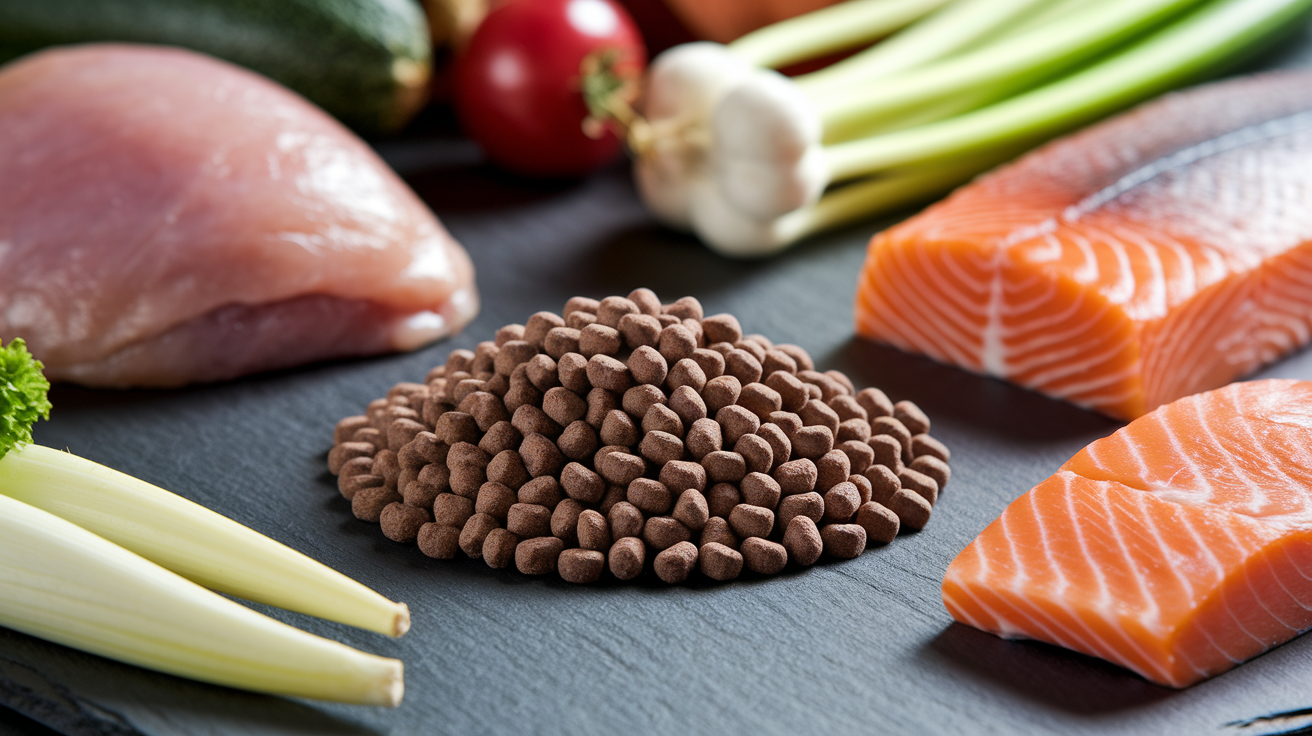
High-quality animal-sourced proteins form the foundation. Real meat, poultry, or fish should appear as the first ingredient on any puppy food label, because protein supplies the amino acids needed to construct muscle fibers, connective tissue, and a strong immune system. Healthy, energy-dense fats come next. They deliver concentrated calories and help puppies absorb fat-soluble vitamins. Within that fat fraction, omega-3 fatty acids, especially DHA and EPA, support rapid brain development, vision maturation, and healthy skin and coat. A complete puppy diet also includes a full spectrum of vitamins and minerals, with calcium and phosphorus standing out as critical for bone and dental growth when kept in proper balance.
Balanced growth, not overly rapid growth, is the target during early life. Pushing a puppy to grow too fast by overfeeding raises the number and size of fat cells, setting the stage for lifelong weight struggles. In large and giant breeds, excessive calories or imbalanced calcium and phosphorus ratios can trigger developmental orthopedic problems. Joint malformations. Skeletal pain. Meeting puppy nutrition requirements means hitting a metabolic sweet spot: enough fuel and nutrients to support steady, healthy tissue building without pushing growth beyond what the skeleton can safely support.
Understanding Age-Based Puppy Nutrition Needs During Growth

Growth happens in waves, not at a constant pace. A puppy’s caloric needs rise and fall with those waves. The most intense energy demands occur during the first three to four months, when tissue production is at its peak and the puppy may double or triple in size within weeks. As the pup approaches maturity, when bone plates close and organ systems finish developing, daily caloric requirements gradually decline. By the time most puppies reach adult size, their per-pound energy needs have dropped closer to adult maintenance levels.
Maturity timelines vary widely by breed size, and this directly impacts how long elevated puppy nutrition requirements must be maintained. Small and toy breeds often reach sexual maturity and near-adult size as early as five to six months, meaning their high-calorie puppy phase is relatively short. Medium breeds typically mature around eight to twelve months. Large and giant breeds, however, may continue growing until fifteen to twenty-four months of age. They need extended time on puppy-formulated diets to support prolonged skeletal development and muscle gain. Matching caloric intake to these size-based growth curves helps ensure each puppy gets the fuel it needs during active development, then smoothly transitions to lower-calorie adult nutrition once growth slows.
Understanding Nutrient Ratios, AAFCO Standards, and Identifying High-Quality Ingredients

The Association of American Feed Control Officials sets minimum nutrient profiles that any commercial dog food labeled “for puppies” or “for growth” must meet. These standards establish baseline levels for protein, fat, vitamins, and minerals required to support healthy development. When a bag or can displays a statement that the product meets AAFCO Puppy Food Nutrient Profiles, it means the recipe has been formulated to hit those minimums, either through feeding trials or laboratory analysis. This compliance statement is one of the most useful tools a new puppy owner has when comparing brands.
Nutrient ratios matter as much as raw totals. Calcium and phosphorus, for example, must be provided in a balanced ratio, typically close to 1.2:1 for puppies, to ensure bones mineralize correctly without becoming brittle or malformed. Too much calcium, especially in large-breed formulas, can accelerate bone growth faster than connective tissue can keep up, increasing the risk of hip dysplasia and other orthopedic disorders. Fat and protein also work together. Protein builds tissue, while fat supplies concentrated energy and transports vitamins A, D, E, and K into cells. A well-designed puppy food balances these macronutrients so growth proceeds at a steady, sustainable rate.
Ingredient quality determines how well a puppy can actually use the nutrients listed on the guaranteed analysis panel. The ingredient list is ordered by weight before cooking, so the first few items reveal what makes up the bulk of the recipe. Look for named animal proteins, like “chicken,” “salmon,” “lamb,” rather than vague terms like “meat meal” or “poultry by-product.” Whole proteins deliver complete amino acid profiles and are more digestible than heavily processed by-products. Fats should also be clearly identified, such as “chicken fat” or “fish oil,” and the label should explicitly mention DHA when brain and vision support is a priority.
Red flags include ingredient splitting, where the same grain is listed multiple times in different forms to push it lower on the list. Generic fat sources without named animals. Absence of an AAFCO compliance statement. Some brands use marketing terms like “holistic” or “premium” without meeting formal nutritional standards, so always verify that the food is specifically formulated for growth. If the packaging only lists an adult or “all life stages” claim without growth-specific language, double-check the guaranteed analysis to ensure it meets puppy-level protein and fat minimums.
Key label elements to check every time:
Named animal protein as the first ingredient, like “deboned chicken,” “beef,” “ocean fish.” AAFCO compliance statement confirming the food meets Puppy or Growth nutrient profiles. Guaranteed analysis showing minimum protein and fat percentages appropriate for puppies. Ingredient order that reflects real whole-food sources, not filler-heavy formulas. Inclusion of DHA or omega-3 sources, such as fish oil, for brain and vision development.
Puppy Nutrition Requirements for Feeding Schedules and Frequency
Young puppies have small stomachs and fast metabolisms, so they digest food quickly and need fuel delivered in smaller, more frequent portions throughout the day. From roughly eight weeks, when most pups arrive home, until three to four months of age, plan to feed three to four meals per day, spaced as evenly as possible. Spreading calories across multiple meals helps maintain stable blood sugar, supports steady energy for play and learning, and reduces the risk of digestive upset or vomiting from eating too much at once.
As the puppy grows and stomach capacity increases, you can begin consolidating meals. By four to six months of age, most puppies transition comfortably to two meals per day, typically one in the morning and one in the evening. This twice-daily schedule mirrors the adult feeding pattern and works well once growth rate begins to slow. Large and giant breeds, which grow for an extended period, often stay on a puppy diet and two-meal rhythm until twelve to eighteen months or even longer, but the portion size per meal gradually increases while overall daily calories are carefully managed to prevent overly rapid weight gain.
Core feeding frequency milestones:
8 weeks to 3–4 months: feed 3 to 4 times per day. 4 to 6 months: transition to 2 times per day. 6 months and beyond: maintain 2 meals per day, adjusting portion size and formula as the pup approaches maturity.
How Portion Sizes Fit Into Puppy Nutrition Requirements
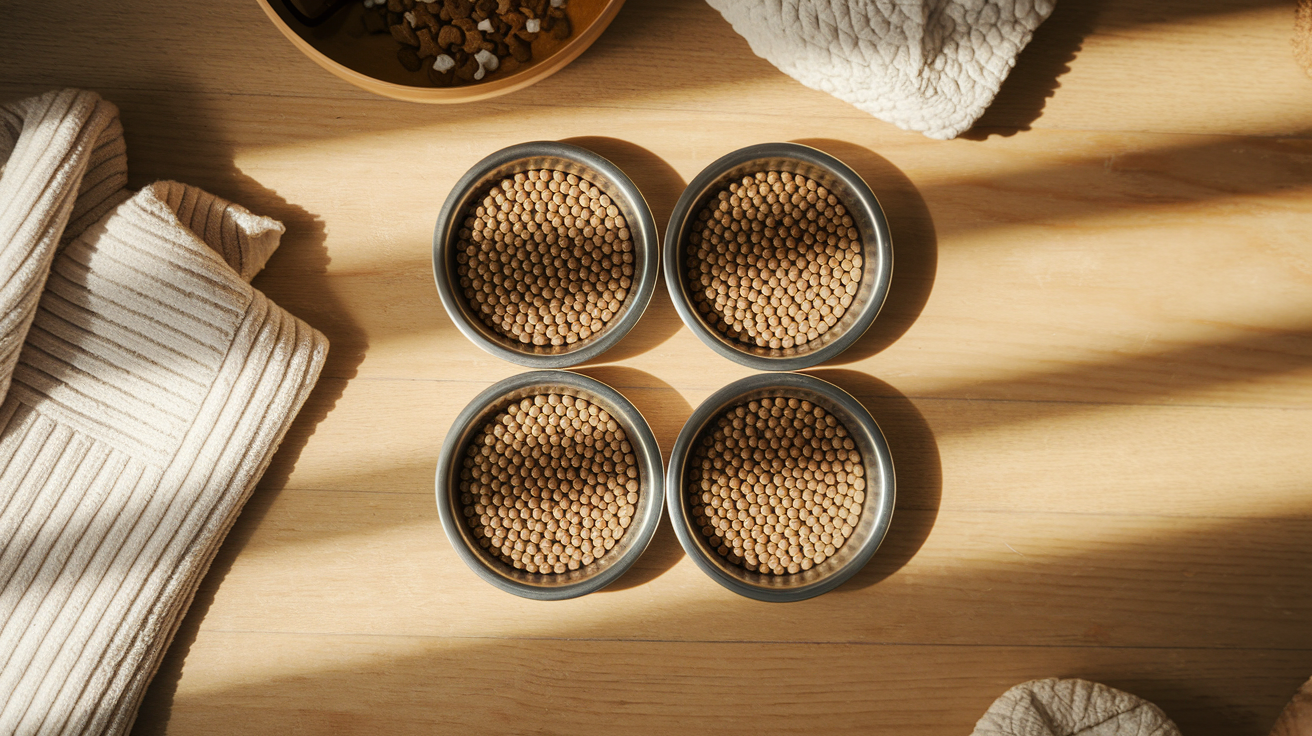
Portion sizing is where feeding guidelines on the bag meet real-world observation of your individual puppy. Most commercial puppy foods print a chart showing recommended daily amounts based on current body weight and, sometimes, estimated adult size. Use that chart as your starting point, then adjust up or down depending on your pup’s activity level, metabolism, and body condition. A puppy who plays hard all day may need the upper end of the range, while a calmer pup may do better at the lower end.
Body condition scoring is a simple hands-on method to check if portions are on track. Run your hands along your puppy’s ribcage. You should be able to feel the ribs easily under a thin layer of fat, but they shouldn’t be visibly protruding. From above, the pup should have a visible waist behind the ribs, and from the side, the belly should tuck up slightly rather than sagging or bulging. If ribs are hard to feel under a thick fat pad, reduce portions slightly. If ribs are sharp and prominent, increase food. Make changes gradually, about ten percent at a time, and recheck body condition every week or two.
Overfeeding during puppyhood does more than create a chubby pup. It actually increases the total number of fat cells the dog will carry for life, raising the risk of obesity in adulthood. In large and giant breeds, excess calories can push growth faster than bones and joints can handle, leading to conditions like hip dysplasia or osteochondrosis. Feeding the right amount, guided by both the package chart and regular weight checks, supports steady, balanced development.
| Age Range | Estimated Adult Size | Portioning Notes |
|---|---|---|
| 8 weeks – 4 months | Toy/Small (under 20 lb adult) | Follow package chart; divide total into 3–4 small meals; adjust for high metabolism and hypoglycemia risk |
| 8 weeks – 6 months | Medium (20–50 lb adult) | Use mid-range package recommendations; shift to 2 meals by 4–6 months; monitor body condition weekly |
| 8 weeks – 12+ months | Large (50–90 lb adult) | Feed large-breed puppy formula; control calcium/phosphorus; aim for slow, steady growth; 2 meals by 6 months |
| 8 weeks – 18–24 months | Giant (90+ lb adult) | Use giant-breed formula; strictly moderate calories to prevent rapid growth; continue puppy food until skeletal maturity; veterinary oversight critical |
Puppy Nutrition Requirements During Weaning and Transitioning Foods

Weaning is the gradual shift from mother’s milk to solid food, and it typically begins around four weeks of age when the puppy’s baby teeth start to emerge. At this stage, puppies are still nursing but can start sampling soft, easily digestible food. Breeders or foster caregivers usually introduce a gruel made by moistening high-quality puppy kibble with warm water or mixing in a small amount of canned puppy food to create a soupy texture. This makes it easy for tiny mouths to lap up and helps prevent choking while the pup learns to chew.
By six to eight weeks, most puppies are fully weaned and eating only solid food, though many benefit from continued moisture. Soaking dry kibble in warm water for a few minutes before serving softens the pieces, improves palatability, and supports hydration, especially for pups who aren’t drinking much water yet. Mixing wet and dry food is another practical option. Wet food tends to be more aromatic and appealing, while dry kibble provides a bit of mechanical cleaning for emerging teeth. Either way, the goal is to make the transition smooth and low-stress.
Any time you switch food brands or formulas, whether moving from one puppy food to another or eventually transitioning to adult food, do it gradually over seven to ten days. Start by mixing about twenty-five percent of the new food with seventy-five percent of the old, then increase the new food portion every couple of days while decreasing the old. This slow blend gives the puppy’s digestive system time to adapt to new protein sources, fat levels, and fiber content, reducing the chance of diarrhea, vomiting, or appetite loss during the change.
Breed-Size Factors Affecting Puppy Nutrition Requirements

Small and toy breeds pack a fast metabolism into a tiny body, which means they burn through calories quickly and can be vulnerable to low blood sugar, or hypoglycemia, if meals are spaced too far apart. These pups often reach full adult size and sexual maturity by five to six months, so their window of elevated puppy nutrition requirements is shorter than larger breeds. Feeding three to four small meals per day during early months helps keep energy stable, and even after transitioning to two meals, portion sizes remain modest because total body mass is low.
Large and giant breeds grow much more slowly, with skeletal development continuing until fifteen to twenty-four months in some cases. This prolonged growth period requires careful nutritional management. Too many calories or unbalanced calcium and phosphorus can accelerate bone growth faster than tendons, ligaments, and cartilage can keep up, increasing the risk of hip dysplasia, elbow dysplasia, and other developmental orthopedic diseases. Large-breed and giant-breed puppy formulas are specifically designed with controlled calcium, phosphorus, and calorie levels to support steady, moderate growth rather than rapid spurts.
Medium-sized breeds fall somewhere in the middle, maturing around eight to twelve months and tolerating standard puppy formulas without the heightened orthopedic risk seen in giants. Still, portion control and body condition monitoring remain important to prevent overfeeding. Regardless of size, every puppy benefits from a feeding plan tailored to its growth curve, activity level, and individual metabolism.
Major breed-size nutritional differences:
Small and toy breeds need higher meal frequency early on to prevent hypoglycemia. Shorter time on puppy food, roughly 5–8 months. Medium breeds do well with standard puppy formulas. Transition to adult food around 8–12 months based on growth plateau. Large breeds require large-breed puppy formulas with controlled calcium and phosphorus. Stay on puppy food until 12–18 months. Giant breeds need giant-breed formulas. Prolonged puppy nutrition phase until 18–24 months. Veterinary growth monitoring essential to avoid orthopedic disorders.
Digestive Health and Puppy Nutrition Requirements

A puppy’s digestive system is still maturing during the first several months, and sudden changes in diet, stress, or low-quality ingredients can all trigger upset stomachs, loose stools, or constipation. Fiber plays a quiet but important role in keeping digestion regular. It adds bulk to stool, supports healthy gut bacteria, and can help firm up loose bowel movements. Most complete puppy foods include moderate fiber from sources like beet pulp, pumpkin, or sweet potato, which are gentle and easy to digest.
Some puppies have naturally sensitive stomachs or develop temporary digestive issues during weaning, vaccination periods, or after deworming treatments. In these cases, a bland, easily digestible diet for a day or two, such as plain boiled chicken and white rice, can give the gut time to settle. Once stools return to normal, gradually reintroduce the regular puppy food using the same slow-transition method you’d use when switching brands. If digestive problems persist beyond a few days, or if you notice blood in the stool, vomiting, or lethargy, contact your veterinarian.
Food sensitivities and allergies, though less common in young puppies than in adults, can show up as skin issues or digestive trouble. Common triggers include certain grains, like wheat, or proteins like chicken, beef, or soy. Signs to watch for include rashes, red or inflamed skin around the ears, paws, mouth, or eyes, chronic itching, or recurring soft stools. If you suspect a food sensitivity, work with your vet to identify the culprit. Sometimes a limited-ingredient or novel-protein puppy formula can resolve the issue without needing extensive testing.
Hydration, Water Intake, and Feeding Hygiene Within Puppy Nutrition Requirements

Puppies need constant access to fresh, clean water, especially as they transition from milk to solid food. Water supports every metabolic process. Digestion, nutrient transport, temperature regulation, and waste elimination. A pup who isn’t drinking enough can quickly become dehydrated, particularly during warm weather or after active play. Place a shallow, stable water bowl in an easy-to-reach spot, and refill it at least twice a day to keep it fresh and appealing.
Feeding hygiene is just as important as what goes into the bowl. Wash food and water bowls daily with hot, soapy water to prevent bacterial buildup, especially if you’re using wet food or moistening kibble, which can spoil quickly at room temperature. Store dry puppy food in an airtight container in a cool, dry place to preserve freshness and prevent rancidity of fats. Check expiration dates on bags and cans, and avoid buying more food than your puppy will eat within four to six weeks, since nutrients and flavor degrade over time once packaging is opened.
Quick feeding-hygiene checklist:
Wash food and water bowls with soap and hot water every day. Store dry food in a sealed container away from heat and moisture. Discard uneaten wet food or moistened kibble within 30–60 minutes to prevent spoilage.
Puppy Treats, Safe Human Foods, and Training Rewards Aligned With Nutrition Requirements
Treats are a valuable tool for training, socialization, and bonding, but they should never make up more than ten percent of a puppy’s total daily caloric intake. Going over that threshold can throw off nutritional balance, reduce appetite for complete meals, and contribute to weight gain. Choose treats specifically formulated for puppies when possible, since these are sized appropriately for small mouths and designed to complement puppy nutrition requirements rather than interfere with them.
Certain human foods can be offered in very small amounts as low-calorie, nutrient-dense rewards. Carrots, apple slices without seeds, plain pumpkin, steamed green beans, and small pieces of boiled egg are all safe options that many puppies enjoy. Plain, unsweetened yogurt or a spoonful of canned pumpkin can also support digestive health when used sparingly. Always introduce new foods one at a time and watch for any signs of upset stomach or allergic reaction.
Other common human foods are toxic to dogs and must be avoided completely. Chocolate contains theobromine, which puppies cannot metabolize safely. Grapes and raisins can cause sudden kidney failure. Onions and garlic damage red blood cells. Avocado, caffeine, alcohol, and anything sweetened with xylitol are all dangerous. Even small amounts of these items can be life-threatening, so keep them out of reach and educate everyone in the household, especially kids, about what the puppy can and cannot have.
Safe versus unsafe human foods for puppies:
Safe in small amounts: carrots, apple slices without seeds, plain pumpkin, steamed green beans, boiled egg, plain unsweetened yogurt. Toxic, never feed: chocolate, grapes, raisins, onions, garlic, avocado, caffeine, alcohol, xylitol-sweetened products.
Veterinary Oversight and Adjustments to Puppy Nutrition Requirements
Regular veterinary wellness visits during the first year give you a partner in managing your puppy’s nutrition and growth. Vets track weight gain at each appointment, assess body condition, and compare progress against breed-standard growth curves to confirm the pup is developing on schedule. If growth is too slow, portions or calorie density may need to increase. If weight is climbing too fast, especially in large breeds, the vet may recommend dialing back portions or switching to a formula with controlled calorie and mineral levels to protect developing joints.
Every puppy is an individual, with unique metabolism, activity level, and health history, so cookie-cutter feeding plans don’t always fit. Your veterinarian or a board-certified veterinary nutritionist can build a customized feeding strategy based on breed, current weight, estimated adult size, and any special needs like food sensitivities or medical conditions. This professional guidance is especially valuable during transitions. Weaning, switching foods, or moving from puppy to adult formulas. It helps ensure your pup gets exactly what it needs at every stage of growth.
Final Words
Feed with focus: give high-quality protein, healthy fats like DHA/EPA, and the right vitamins and minerals while they grow. Use AAFCO guidelines and watch calcium-phosphorus balance to keep bones on track.
Keep a steady routine. Use age-based meal times, adjust portions by body condition, transition foods slowly during weaning, and watch digestion and hydration closely.
Track growth and share notes with your vet so plans can change as needed. Following these puppy nutrition requirements helps your pup grow strong and happy.
FAQ
Q: Why do puppies need higher calories and what key nutrients support growth?
A: Puppies need higher calories because rapid tissue growth and a fast metabolism demand more energy; they require high-quality animal protein, healthy fats (DHA/EPA), plus essential vitamins and minerals like calcium for balanced development.
Q: How do puppies’ nutrition needs change as they age?
A: Puppies’ nutrition needs change as growth slows: they burn the most calories during early rapid growth, then energy requirements drop as they approach maturity, with small breeds maturing sooner than large or giant breeds.
Q: What protein, fat, vitamin, and mineral focus should I look for in puppy food?
A: Look for named animal proteins first, adequate fat for energy, DHA/EPA for brain and coat, and balanced vitamins and minerals, with special attention to calcium for healthy bone development.
Q: How do AAFCO standards and label reading help choose a puppy food?
A: AAFCO standards confirm a food meets growth nutrient minimums; label reading shows ingredient order and guaranteed analysis, helping you pick a complete diet that suits your puppy’s growth needs.
Q: What feeding schedule and meal frequency should I follow for my puppy?
A: Puppies typically eat 3–4 small meals daily until about 3–4 months, then move to two meals a day between 4–6 months, with frequency reduced further as growth rate slows.
Q: How should I portion puppy meals to support healthy growth?
A: Portion meals using manufacturer weight-and-age guides, then adjust for body condition and activity; avoid overfeeding because excess fat cells raise lifetime obesity risk.
Q: When and how should I wean my puppy and transition foods?
A: Weaning usually starts around four weeks using moistened kibble or mixed canned food; transition slowly over 7–10 days to reduce digestive upset and check stool consistency during the switch.
Q: How do breed-size differences affect puppy nutrition and feeding strategy?
A: Breed-size differences matter: small breeds need more frequent meals to prevent low blood sugar, while large and giant breeds need controlled calcium/phosphorus and steady growth to protect developing bones.
Q: How can I support digestive health and spot food sensitivities in puppies?
A: Support digestive health with gradual food changes and appropriate fiber; consider probiotics if needed, and watch for rashes, redness around ears or paws, vomiting, or loose stools as possible sensitivity signs.
Q: What are the basics of hydration and feeding hygiene for puppies?
A: Puppies need constant access to fresh water, regularly cleaned bowls, and properly stored food in a cool, sealed container to limit bacterial growth and keep meals safe.
Q: How should treats and safe human foods fit into a puppy’s diet?
A: Treats should be under 10% of daily calories; safe small items include carrots, apple (no seeds), pumpkin, and boiled egg in moderation; avoid chocolate, grapes, and onions.
Q: When should I seek veterinary help to adjust my puppy’s nutrition?
A: Seek veterinary advice if your puppy shows slow or rapid growth, weight concerns, persistent digestive issues, or for a tailored plan based on breed, medical conditions, or unusual appetite changes.