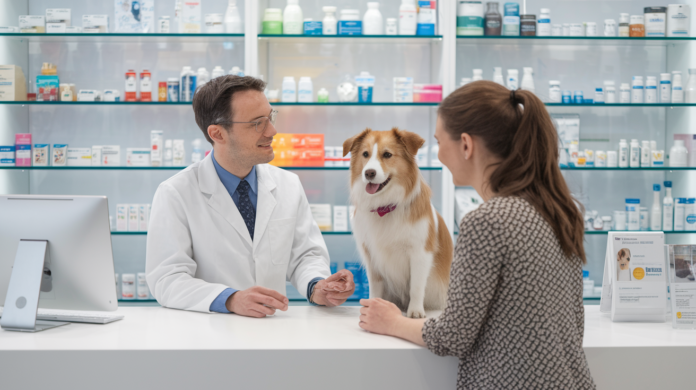

Did you know only 4 percent of online pet pharmacies meet National Association of Boards of Pharmacy standards?
That shocking gap means many sellers operate without proper oversight, which can lead to counterfeit drugs, poor storage, identity theft, or medications that never arrive.
Choose a pharmacy that shows accreditation, requires a vet prescription, lists the manufacturer and NDC number, and gives direct access to a licensed pharmacist.
Quality matters because those checks protect your pet from bad or wrong meds and help treatment actually work.
Key Qualities to Look for When Choosing a Trustworthy Pet Pharmacy
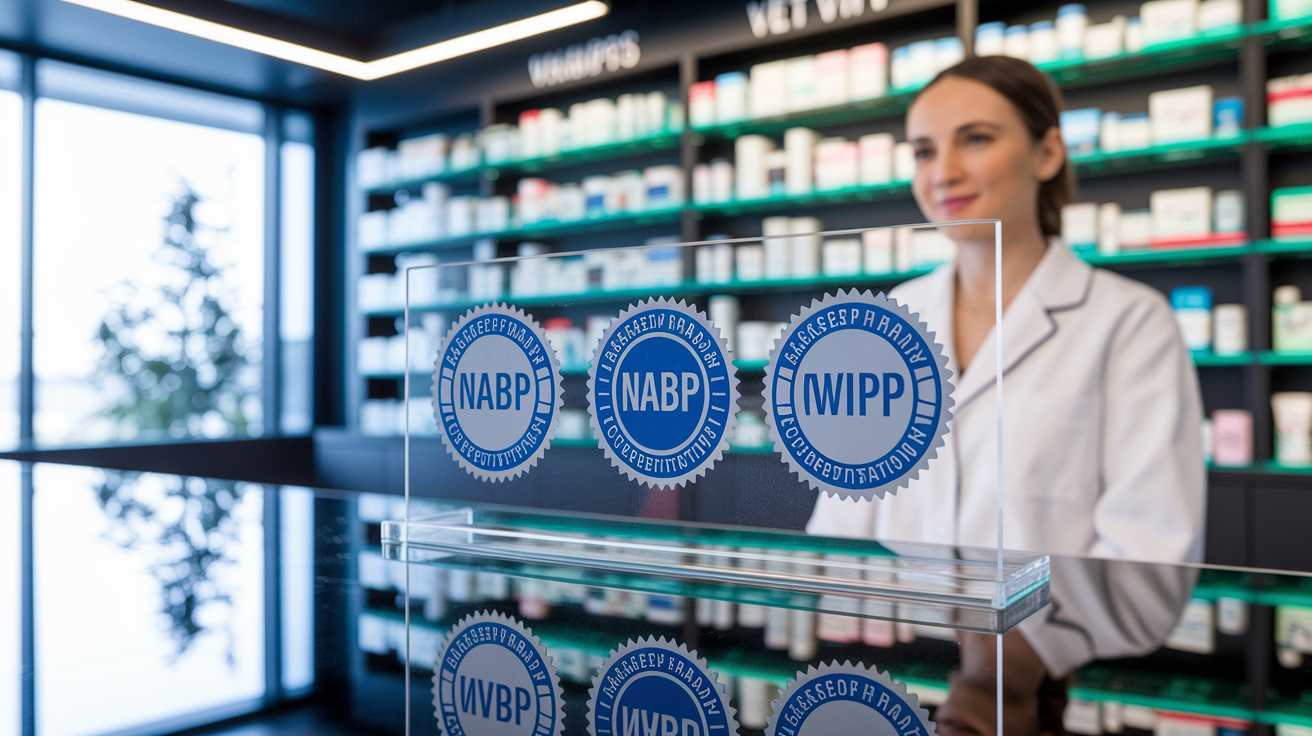
Only 4 percent of online pet pharmacies meet the National Association of Boards of Pharmacy standards. That’s not a typo. The vast majority of sellers operate outside accredited safety frameworks, which opens the door to counterfeit drugs, improper storage, identity theft, and medication that never shows up. When your dog needs heartworm prevention or your cat requires antibiotics, the pharmacy you choose directly affects whether treatment works and whether it’s safe.
Legitimate pet pharmacies show visible trust signals. Look for .pharmacy domain accreditation or the Vet-VIPPS seal. Both tie back to NABP oversight. A trustworthy pharmacy will display a physical U.S. address, publish a toll-free or local phone number, and name a licensed pharmacist-in-charge. These details confirm the business operates under state Board of Pharmacy rules and federal guidelines. Pricing should be clear, with unit costs and dispensing fees shown before checkout. Product pages must list manufacturer names and National Drug Code numbers so you can verify what you’re buying matches what your veterinarian prescribed.
Prescription verification and pharmacist access protect your pet from dosing errors, drug interactions, and unsafe combinations. A certified pharmacy requires a valid written or electronic prescription from your veterinarian before filling any controlled or prescription medication. The pharmacist reviews each order, confirms the dose matches your pet’s weight and condition, and remains available by phone or email to answer questions about administration, side effects, or refills. This isn’t optional paperwork. It’s the structural difference between a regulated healthcare provider and an unregulated seller.
Essential must-haves in a trustworthy pet pharmacy:
- Displays NABP/.pharmacy accreditation or Vet-VIPPS certification and a current state pharmacy license number.
- Requires a veterinarian prescription for all prescription medications and maintains a documented verification process.
- Provides direct access to a licensed pharmacist by phone or email for clinical questions and medication counseling.
- Publishes transparent pricing with visible unit costs, dispensing fees, and clear labeling of generic versus brand-name drugs.
- Lists manufacturer name and NDC number for every product, with authenticity guarantees or lot-number traceability.
Licensing, Accreditation, and Safety Standards in a Reliable Pet Pharmacy
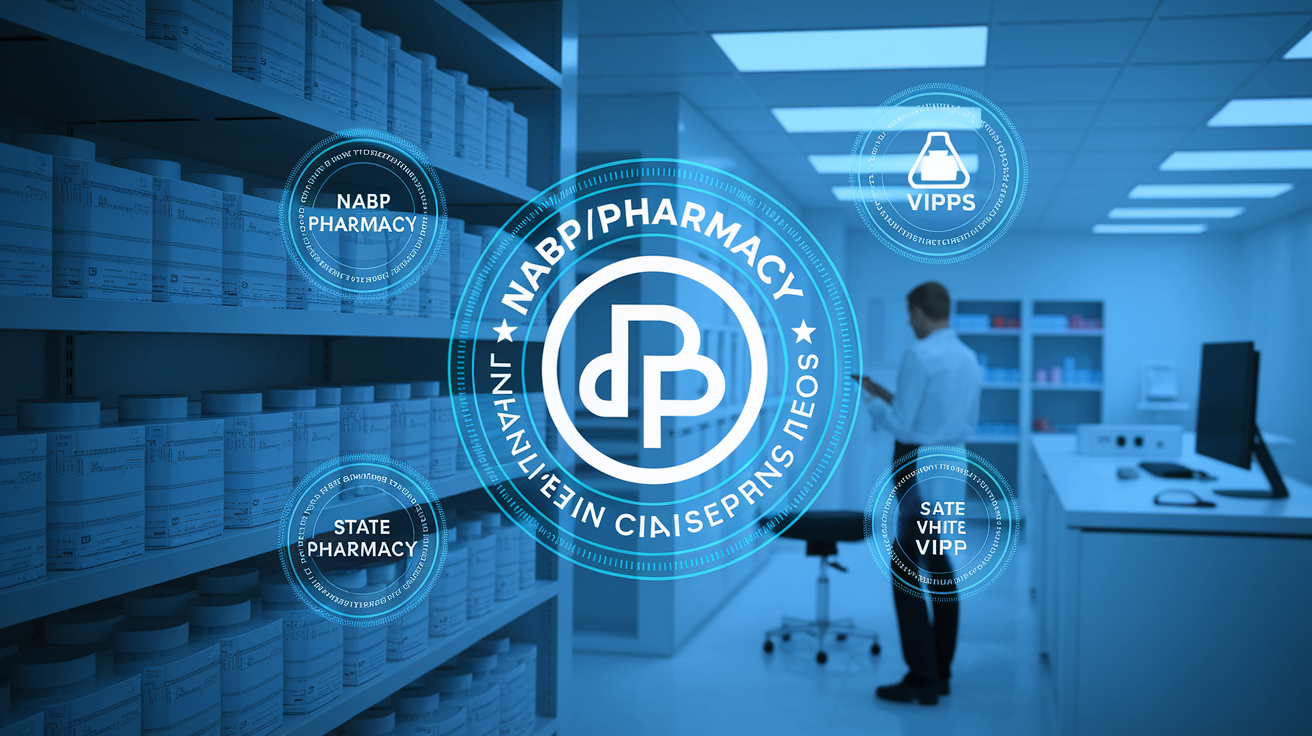
State Boards of Pharmacy enforce licensing rules that require every dispensing pharmacy to employ a pharmacist-in-charge, maintain secure medication storage, follow controlled-substance protocols under DEA regulations, and document every prescription fill. Federal agencies including the FDA and DEA set baseline safety and handling standards, but states add their own layers of inspection, recordkeeping, and pharmacist-to-technician ratios. A licensed pet pharmacy must pass unannounced inspections, submit to controlled-substance audits, and maintain up-to-date facility and personnel credentials. These aren’t optional certifications. They’re legal thresholds that separate pharmacies from online sellers pretending to be pharmacies.
Advanced accreditation programs go further. They audit prescription verification workflows, pharmacist availability, and product sourcing transparency. The Vet-VIPPS program requires pharmacies to prove compliance with both state and federal rules, submit to third-party verification, and maintain secure ordering systems. NABP .pharmacy accreditation checks for secure websites, transparent contact information, and adherence to dispensing protocols. LegitScript verification confirms the business model doesn’t bypass prescription requirements or sell to buyers without valid veterinary relationships. Each accreditation layer adds procedural accountability, more checkpoints between a prescription request and the medication that arrives at your door.
| Accreditation | What It Verifies |
|---|---|
| NABP/.pharmacy | Pharmacy meets baseline safety standards, maintains secure ordering, publishes transparent contact and licensing information, and adheres to prescription requirements under NABP oversight. |
| Vet-VIPPS | Pharmacy complies with state and federal regulations, submits to third-party audit, verifies veterinarian prescriptions, and provides pharmacist access for clinical questions. |
| State Pharmacy License | Pharmacy operates legally under the rules of the state Board of Pharmacy where it’s located, passes facility inspections, employs licensed pharmacists, and maintains controlled-substance records under DEA authority. |
How a Pet Pharmacy Should Handle Prescription Verification and Dosing Accuracy

Every prescription medication legally requires authorization from a licensed veterinarian who’s examined your pet and documented a Veterinary-Client-Patient Relationship. That VCPR must be current, which in many states means your pet has been seen within the past twelve months. A trustworthy pharmacy won’t fill an order until it receives a written prescription, an electronically transmitted e-prescription, or direct verbal confirmation from your veterinarian’s office. If the pharmacy allows you to checkout without entering veterinarian contact information or uploading a prescription image, that’s a red flag. Prescription verification isn’t a courtesy. It’s a legal and clinical safeguard.
Once the prescription arrives, a licensed pharmacist reviews the order for dosing accuracy, drug interactions, and species appropriateness. The pharmacist checks that the dose matches your pet’s recorded weight, confirms the medication is safe for the diagnosed condition, and flags any potential conflicts with other drugs your pet is taking. If something doesn’t align, the pharmacist contacts your veterinarian to clarify or adjust the order before dispensing. This step catches errors that could lead to toxicity, treatment failure, or adverse reactions. The pharmacist also confirms the prescription hasn’t expired and that refill counts match your veterinarian’s authorization.
Accurate labeling is the final checkpoint. Every medication should arrive with a pharmacy-generated label that includes your pet’s name, the drug name and strength, dosing instructions, the prescribing veterinarian’s name, the dispensing pharmacy’s contact information, the fill date, the expiration date, and the lot or NDC number. That label is your reference for administration and your proof of what was dispensed. If a question arises about side effects or interactions, the pharmacist uses the lot number to trace the batch and confirm authenticity.
Correct prescription verification process, step by step:
- Veterinarian writes or electronically transmits a prescription after examining your pet and confirming a current VCPR.
- You submit the prescription to the pharmacy by upload, fax, mail, or by providing your veterinarian’s contact information for direct verification.
- Pharmacy contacts your veterinarian’s office to confirm the prescription details, dosing, and refill authorization if the prescription wasn’t transmitted directly.
- Licensed pharmacist reviews the order for dose accuracy, species safety, potential drug interactions, and prescription expiration.
- Pharmacy fills the prescription, applies a complete label with drug name, strength, instructions, lot number, expiration date, and dispensing details.
- Pharmacist remains available by phone or email to answer questions about administration, side effects, storage, or refills before and after you receive the medication.
Product Range, Medication Authenticity, and Compounding Options in a Pet Pharmacy

A full-service pet pharmacy should carry medications and supplies for multiple species, not just dogs and cats. Look for dedicated product lines that serve horses, livestock, and exotic pets when relevant. Prescription drug categories include antibiotics and antiprotozoals for infections, dewormers for parasites, heart and blood pressure medications for cardiac conditions, pain relief and anti-inflammatory drugs for arthritis and post-surgical care, insulin and diabetes management supplies, seizure control medications, thyroid supplements, and behavior or anxiety medications. Preventive care products such as multi-way vaccines (5-way, 6-way, 7-way, 8-way, 9-way, 10-way formulations, and 3-year rabies boosters), heartworm preventatives, and flea-and-tick treatments should be available in both prescription and over-the-counter options depending on the active ingredient and state regulations.
Medical supplies matter as much as medications. A well-stocked pharmacy offers feeding tubes and nursing nipples for neonates or recovery patients, incubators and oxygen concentrators for critical care, syringes and needles in multiple gauges for injectable drugs and fluid administration, wound care materials, diagnostic test strips for glucose and urinalysis, medicated shampoos for dermatology cases, and mobility or monitoring aids. If the pharmacy only stocks a narrow selection of the most common drugs, you may face delays when your veterinarian prescribes something less routine.
Compounding services allow pharmacists to customize medications when commercial products don’t fit your pet’s needs. A compounding pharmacy can adjust dosage strengths for very small or very large animals, remove allergens or fillers that trigger reactions, combine multiple medications into a single dose to simplify administration, create flavored suspensions for cats or dogs who refuse pills, or prepare sterile injectable formulations under cleanroom standards. Not all pharmacies compound, and not all compounding meets sterile preparation requirements, so confirm the facility is licensed for the type of compounding your pet requires. Always verify that compounded medications include full ingredient disclosure, lot numbers, beyond-use dates, and clear administration instructions.
Common product categories in a certified pet pharmacy:
- Multi-way vaccines for dogs, cats, and horses, including canine distemper combinations, feline upper respiratory vaccines, and equine influenza or West Nile formulations.
- Heartworm preventatives in oral, topical, and injectable forms, with options for monthly or extended-duration protection.
- Antibiotics such as amoxicillin, cephalexin, enrofloxacin, and metronidazole for bacterial and protozoal infections.
- Flea-and-tick products including prescription isoxazolines and over-the-counter topical or collar options.
- Pain management medications such as NSAIDs, gabapentin, tramadol, and post-operative opioids under controlled-substance protocols.
- Diabetes care supplies including insulin formulations, syringes, glucose meters, and test strips.
- Medicated shampoos and topical treatments for dermatology conditions, hot spots, and fungal infections.
- Critical care and neonatal supplies such as feeding tubes, oxygen concentrators, incubators, and sterile fluids for subcutaneous or intravenous administration.
Price Transparency, Discounts, and Insurance Support in a Pet Pharmacy

Transparent pricing means you see the full cost before you complete checkout. That cost should break down into the medication unit price, the dispensing fee, any shipping or handling charges, and applicable taxes. If the pharmacy only shows a total without explaining what you’re paying for, ask. A legitimate pharmacy will provide an itemized view and explain why a brand-name drug costs more than its generic equivalent. Generic medications contain the same active ingredient, dose, and route of administration as the brand version, but cost less because the manufacturer doesn’t carry brand-development expenses. Pharmacies should label generics clearly and offer both options when available, so you can choose based on your budget and your veterinarian’s guidance.
Discount programs and subscription plans can lower costs for chronic medications. AutoShip programs deliver refills on a set schedule and often include a percentage discount for enrolling. Loyalty programs may offer points, rebates, or members-only pricing after a certain purchase threshold. Some pharmacies partner with third-party discount cards or manufacturer rebate programs, which apply at checkout. If your pet has insurance, confirm the pharmacy can process claims or provide itemized receipts that meet your insurer’s reimbursement requirements. Not all pet insurance plans cover pharmacy benefits, and those that do may require you to use a specific network or submit claims yourself, so clarify the process before ordering.
What transparent pricing should include:
- Clearly listed unit price per tablet, milliliter, or dose, with separate line items for dispensing fees and shipping costs.
- Visible distinctions between brand-name and generic drugs, with explanations of bioequivalence and cost differences.
- Upfront disclosure of AutoShip or subscription discounts, including cancellation terms and frequency options.
- Insurance billing support or itemized receipts that include NDC numbers, product names, quantities, and cost breakdowns for reimbursement claims.
Shipping, Delivery, and Packaging Standards in a Trusted Pet Pharmacy
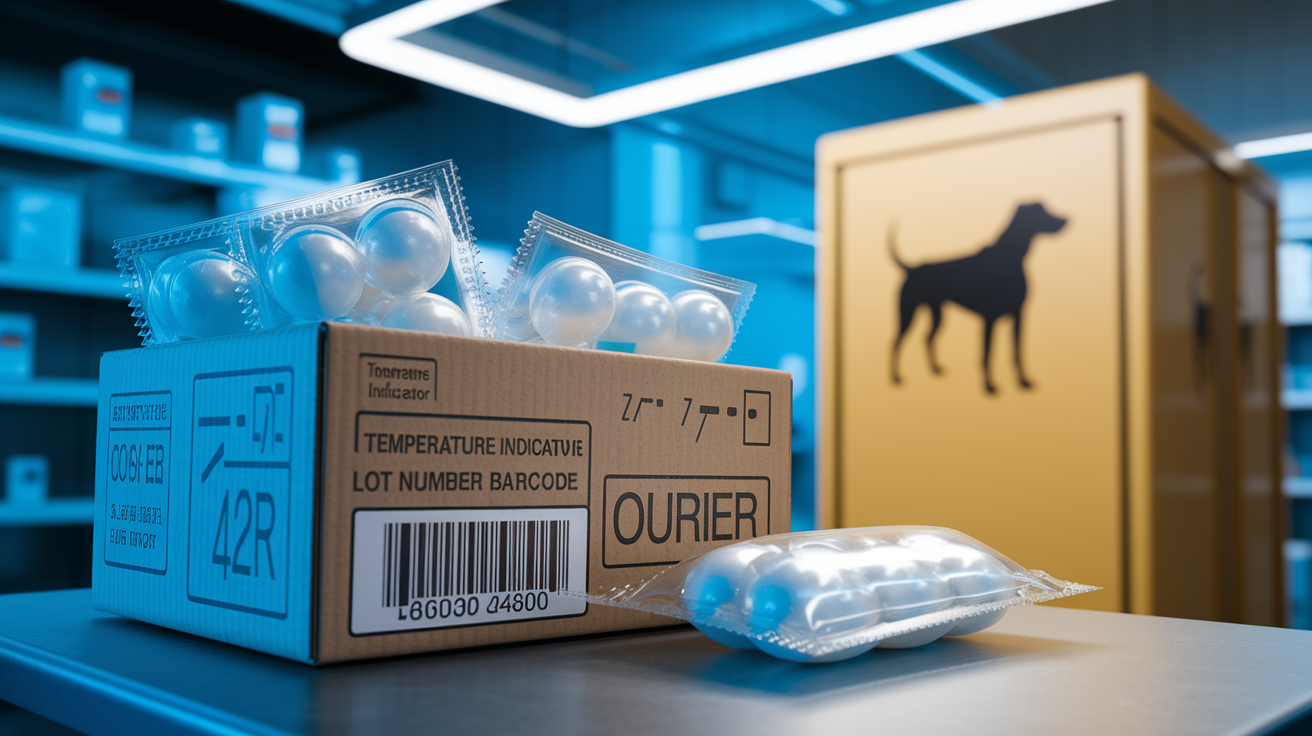
A certified pharmacy publishes shipping options, costs, and fulfillment timelines before you place an order. Standard ground shipping may take three to seven business days, while expedited options deliver within one to two days for urgent prescriptions. If your pet takes a temperature-sensitive medication such as insulin, vaccines, or biologics, confirm the pharmacy uses cold-chain shipping with insulated packaging, gel packs, or dry ice to maintain proper storage temperatures during transit. Some refrigerated medications lose potency if exposed to heat for even a few hours, so temperature control isn’t optional.
Tracking and delivery updates should arrive automatically once the order ships. You’ll receive a tracking number tied to a national carrier, a projected delivery date, and notifications if delays occur. If the package requires a signature, plan to be available or arrange for the delivery to be held at a local hub. Medication left on a porch in summer heat or winter cold can degrade, especially liquids, suspensions, and biologics.
When the package arrives, inspect it immediately. Check for signs of tampering such as torn tape, opened seals, or damaged boxes. Confirm the product name, strength, and quantity match your prescription label and order confirmation. Verify the expiration date gives you enough time to use the full supply. Look for the manufacturer name and lot number on the bottle or packaging, and compare those details to the NDC listed on your receipt or the pharmacy’s website. If anything looks wrong (wrong medication, expired date, broken seal, missing label), don’t give it to your pet. Contact the pharmacy and your veterinarian right away.
Key packaging checks to perform on arrival:
- Inspect for visible tampering, damaged seals, or packaging that appears opened or resealed during transit.
- Confirm the product name, strength, quantity, and dosage instructions match your prescription and order summary exactly.
- Check the expiration date and lot number, and verify the manufacturer name matches the product you were expecting based on your prescription and the pharmacy’s listing.
Customer Service, Pharmacist Access, and Support Resources in a Pet Pharmacy

Pharmacist Availability
Direct access to a licensed pharmacist is one of the most important safety features a pet pharmacy can offer. When you have questions about how to administer a medication, whether side effects are normal, or if a drug can be given with food, the pharmacist is your first resource. Trustworthy pharmacies publish a phone number and email address where a pharmacist is available during business hours, and some offer extended or 24/7 on-call access for urgent questions. If the pharmacy doesn’t list a pharmacist by name or provides only a generic customer-service line with no clinical expertise, that’s a red flag. Pharmacists are trained to counsel on drug interactions, dosing schedules, storage requirements, and signs that warrant a call to your veterinarian.
Communication Channels
Multiple contact options make it easier to get help when you need it. Look for pharmacies that offer phone support, email contact, live chat, and secure messaging through an online account portal. Phone support is best for urgent questions or complex medication instructions. Email works well for refill requests, prescription uploads, or non-urgent clarifications. Live chat provides quick answers during business hours. A well-designed account portal lets you view order history, track shipments, request refills, manage AutoShip schedules, update payment information, and save your pet’s medication list for faster future orders.
Review and Complaint Transparency
Customer reviews and complaint records reveal how a pharmacy handles problems. Check independent review platforms and the Better Business Bureau for patterns. A few negative reviews are normal, but watch for repeated complaints about counterfeit medications, missing orders, poor communication, or unresolved billing disputes. Trustworthy pharmacies respond to complaints publicly, offer solutions, and maintain a high resolution rate. If a pharmacy hides reviews, doesn’t respond to feedback, or has a pattern of unresolved issues, consider that a warning. Transparent complaint handling shows the business values accountability and customer safety.
Red Flags and Safety Risks to Avoid When Selecting a Pet Pharmacy

Any seller that fills prescription medications without requiring a valid veterinarian prescription is operating illegally. Prescription drugs are controlled for a reason. They carry risks of toxicity, overdose, drug interactions, and species-specific harm. A legitimate pharmacy won’t bypass verification, no matter how routine the medication seems. If the site lets you add a prescription drug to your cart and complete checkout without entering a veterinarian’s contact information or uploading a prescription image, don’t buy from that seller.
Missing or vague accreditation and licensing details are another major red flag. If the website doesn’t display a state pharmacy license number, a physical U.S. address, or a toll-free phone number, assume the business isn’t operating under legal oversight. Offshore pharmacies often avoid listing a location or provide only a P.O. box and an untraceable email address. These sellers aren’t subject to FDA or DEA regulations, and they’re not accountable to U.S. state Boards of Pharmacy. Suspiciously low prices that seem too good to be true usually indicate counterfeit products, expired medications, or medications stored improperly.
Major red flags that signal an unsafe or illegal pet pharmacy:
- No prescription required: the site fills prescription drugs without verification or veterinarian contact.
- Missing accreditation: no NABP, Vet-VIPPS, or state pharmacy license displayed or verifiable through official registries.
- Hidden or offshore address: no physical U.S. location listed, only a P.O. box, or an address in a country outside U.S. regulatory authority.
- No pharmacist access: no pharmacist name, phone number, or email provided for clinical questions or medication counseling.
- Prices far below market rate: medications priced so low that they can’t reflect legitimate sourcing, proper storage, or regulatory compliance costs.
- Vague product details: listings that omit manufacturer names, NDC numbers, lot numbers, or expiration date ranges.
- Poor complaint record: unresolved negative reviews, Better Business Bureau warnings, or patterns of non-delivery, counterfeit accusations, or billing fraud.
Online Pet Pharmacies vs. Local Veterinary Pharmacies: Key Differences and When to Use Each

Online pet pharmacies offer convenience and often lower prices, especially for medications your pet takes long-term. You can order from home at any hour, compare prices across multiple sites, and set up AutoShip delivery so you never run out of heartworm prevention or thyroid medication. Many online pharmacies stock a wider range of products than a single veterinary clinic, including hard-to-find formulations, compounded medications, and medical supplies. Shipping times typically range from two to seven days depending on the service level you choose, and tracking keeps you informed. For non-urgent refills and cost-conscious buyers, an accredited online pharmacy can be a practical and safe choice.
Local veterinary pharmacies, often located inside your pet’s clinic or a nearby animal hospital, provide faster access and guaranteed authenticity. When your dog is diagnosed with an ear infection and needs antibiotics right away, you can leave the appointment with medication in hand. Your veterinarian maintains oversight of the prescription fill and refill process, which supports continuity of care and ensures the VCPR is honored. If a question arises about dosing or side effects, your vet already has the medication details in your pet’s file. Local pharmacies also resolve issues more quickly. If you receive the wrong strength or need a dose adjustment, you can return to the clinic the same day rather than navigating a shipping return process.
Both options have trade-offs. Online pharmacies require more upfront verification, and you carry the responsibility for inspecting packaging, confirming expiration dates, and checking for counterfeits. Local veterinary pharmacies may cost more, but the premium buys faster service, direct veterinarian coordination, and fewer logistical risks. For chronic medications and preventive care where you can plan ahead, an accredited online pharmacy makes sense. For new diagnoses, urgent needs, or complicated treatments where real-time pharmacist and veterinarian communication matters, stick with your clinic’s in-house pharmacy or a nearby veterinary-focused location. If you choose online, verify accreditation first, and keep your veterinarian informed about where you fill prescriptions so they can track adherence and adjust treatment when needed.
| Option | Pros | Cons |
|---|---|---|
| Online Pharmacy | Often lower prices; convenient 24/7 ordering; wide product selection including hard-to-find or compounded medications; AutoShip and delivery options for recurring refills; price comparison across multiple accredited sellers. | Requires prescription upload or vet verification, adding 1–2 days; shipping delays possible; buyer responsible for inspecting packaging and authenticity; temperature-sensitive medications need cold-chain shipping; less direct veterinarian coordination; returns and issue resolution take longer. |
| Veterinary Pharmacy | Same-day medication pickup; guaranteed authenticity and proper storage; veterinarian maintains oversight of refills and adherence; faster issue resolution for wrong doses or side effects; immediate pharmacist/vet communication; VCPR compliance built in. | Higher prices due to lower volume and convenience premium; limited stock of less common medications or formulations; restricted to clinic hours for pickup; fewer price-comparison options; may not offer AutoShip or online ordering for all products. |
Final Words
Start by checking a pharmacy’s core signals: accreditation, prescription requirement, pharmacist access, and clear manufacturer information.
Also check product range, transparent pricing, shipping standards, and customer service. Watch red flags like no-prescription sales, hidden contact details, or prices that seem too good.
Make a short checklist of what to look for in a pet pharmacy: verified credentials, prescription checks, pharmacist access, clear pricing, and authentic product details. With this, you can shop calmly and keep your pet safe.
FAQ
Q: What are the essentials of veterinary pharmacy?
A: The essentials of veterinary pharmacy are a valid veterinarian prescription, pharmacist review and access, clear manufacturer/NDC details, guarantees of product authenticity, and accurate labeling with weight-based dosing guidance to keep pets safe.
Q: Is Walmart pet RX a real thing?
A: Walmart Pet Rx is a real service offering prescription pet medications online and at some stores; it requires a vet prescription, gives pharmacist support, and follows normal fulfillment and shipping practices.
Q: Is 1800petmeds a reputable company?
A: 1-800-PetMeds is a long-standing online pet pharmacy many owners use; it’s generally legitimate, but confirm accreditation, prescription checks, pharmacist access, and authenticity guarantees before you order.
Q: What is the most common complaint in a veterinary clinic?
A: The most common complaint in a veterinary clinic is skin and ear problems—itching, scratching, rashes, or ear infections—often from allergies, parasites, or infections and worth early attention.