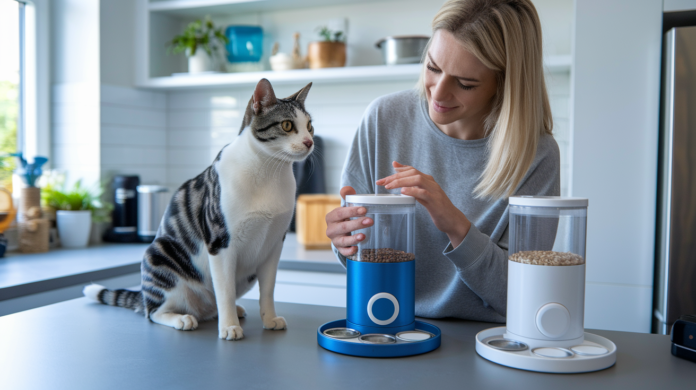

Think all pet feeders are the same?
They’re not.
Choosing the right feeder can stop mealtime chaos, control portions, and fit your daily rhythm so your pet eats healthier and you worry less.
This quick guide walks you through automatic, gravity, smart, and microchip feeders, plus what matters, like capacity, material, ease of cleaning, and when to use each type.
By the end you’ll have a clear match for your pet and your schedule.
Quick Guide to Choosing the Best Pet Feeder
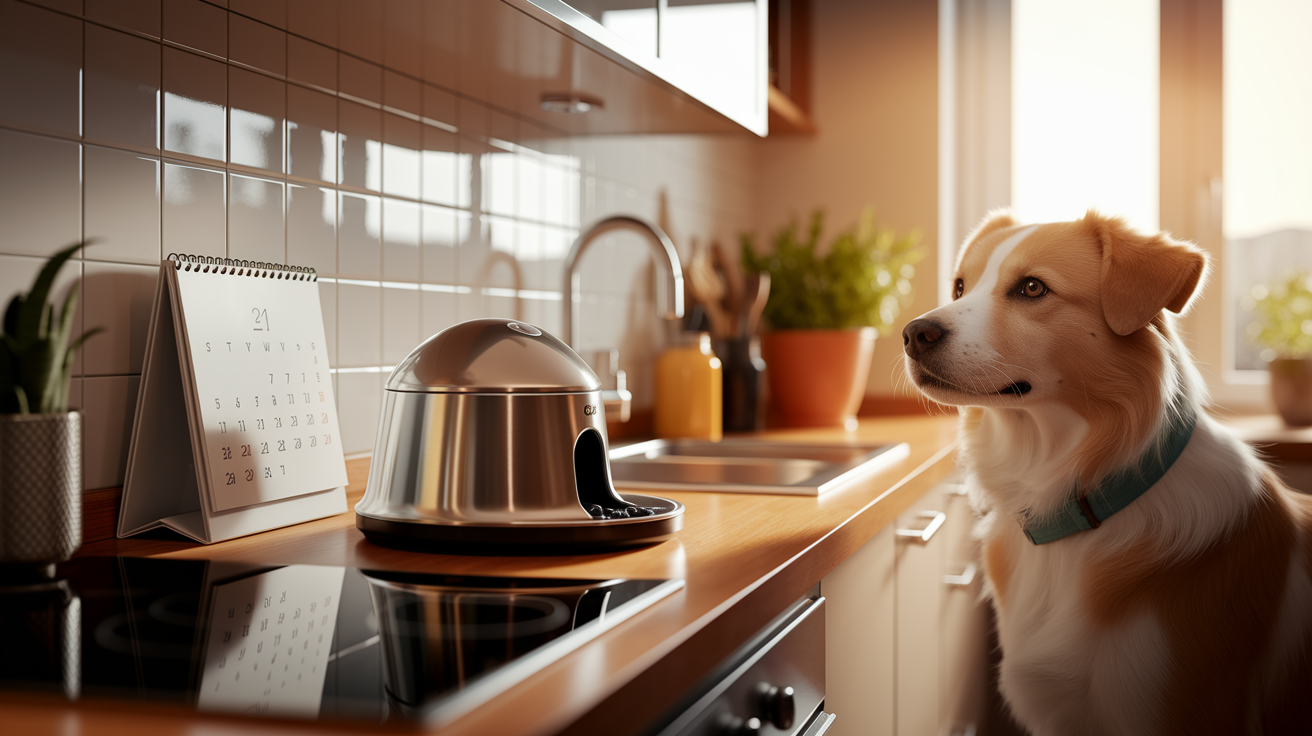
The right pet feeder depends on your daily routine, your pet’s eating habits, and how much control you need over portions. If you work long hours or travel often, an automatic feeder with scheduled meals keeps feeding consistent. If your pet grazes throughout the day and maintains a healthy weight, a gravity feeder works fine. If you need to monitor meals remotely or manage multiple pets with different diets, a smart or microchip feeder gives you that control.
Most pet parents fall into one of a few common situations. Matching your feeder to your lifestyle makes feeding easier and safer for your pet.
Here’s a quick breakdown to help you find your best fit:
- Busy work schedule or frequent short trips — Automatic feeder with portion control and scheduling, so meals happen on time even when you’re not home.
- Pet that grazes and self-regulates well — Gravity feeder for constant access to dry food without overfeeding risk.
- Need to check in or adjust feeding remotely — Smart feeder with app control, camera, and notifications for real-time updates.
- Multiple pets with different diets or food guarding — Microchip feeder that opens only for the tagged pet, preventing theft or cross-feeding.
- Pet prone to overeating or on a weight plan — Portion-controlled automatic feeder to manage serving sizes and meal frequency precisely.
Overview of Pet Feeder Types
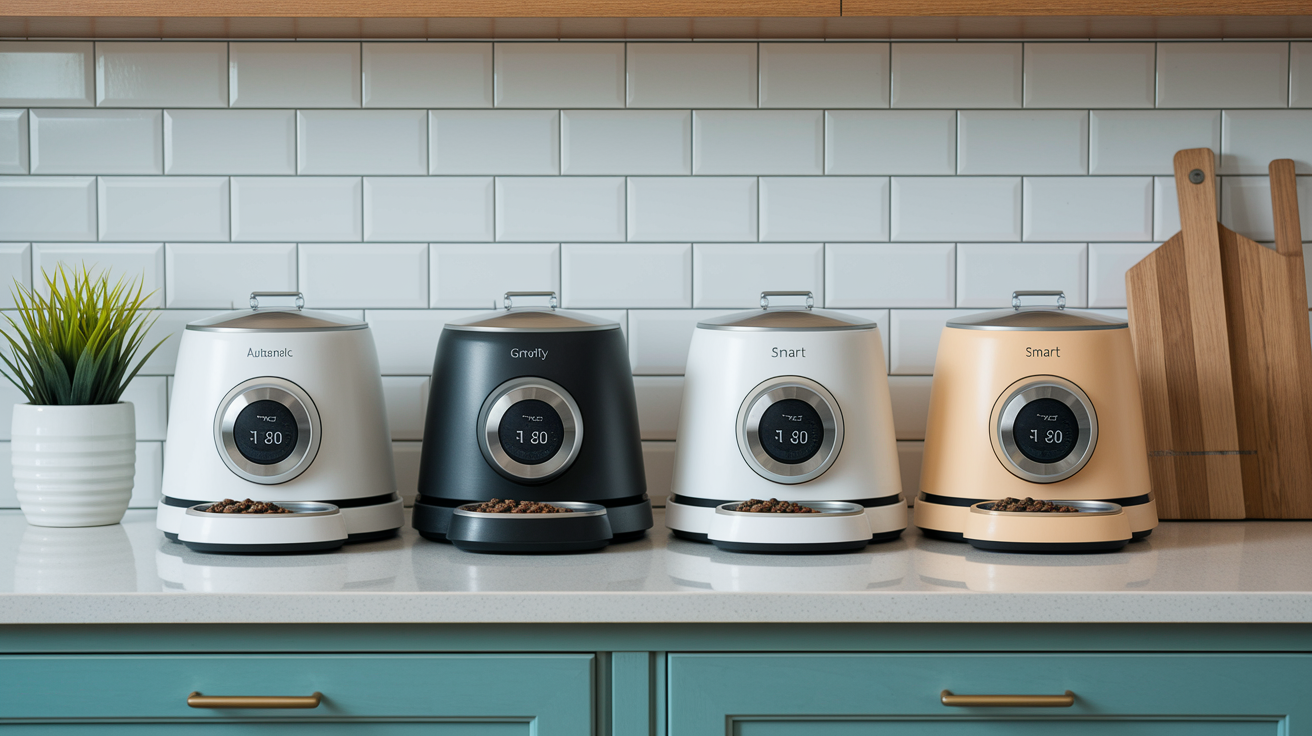
Pet feeders come in four main categories. Each one’s designed for different feeding styles and owner needs. Understanding the differences helps you pick the feeder that fits your pet’s habits and your daily routine.
Automatic Pet Feeders
Automatic feeders dispense pre-measured portions at scheduled times. You set the meal times and serving sizes, and the feeder releases food from a hopper or compartment. These feeders work well for pets on strict schedules or portion limits. They’re great for owners who work long shifts, have unpredictable hours, or travel for a few days at a time. Most automatic feeders run on batteries or plug into an outlet. Some offer both options for backup during power outages.
Gravity Pet Feeders
Gravity feeders use a simple refill-as-needed design. As your pet eats, kibble or water flows down from a reservoir to refill the bowl automatically. There’s no timer or portion control, just continuous access to food. These feeders suit pets that self-regulate well and don’t overeat. They’re also quiet, require no power, and work for households where someone’s usually home to monitor intake. Gravity feeders aren’t recommended for pets with weight issues or food-motivated pets that’ll eat until the bowl’s empty.
Smart Pet Feeders
Smart feeders connect to your phone via Wi-Fi or Bluetooth. You control feeding times, portion sizes, and meal frequency through an app, even when you’re away from home. Many smart feeders include built-in cameras, two-way audio, motion alerts, and feeding logs. Some models track eating patterns and send notifications when your pet finishes a meal. Smart feeders are best for tech-comfortable owners who want real-time monitoring, remote control, and data on their pet’s eating habits.
Microchip Pet Feeders
Microchip feeders use RFID collar tags or implanted microchips to grant access to specific pets. The feeder’s lid stays closed until the correct pet approaches, then opens automatically. This prevents food stealing in multi-pet homes and protects pets on prescription diets or weight plans. Microchip feeders work for both wet and dry food. They’re essential in households where one pet needs restricted access or when feeding schedules differ between pets.
Important Factors When Selecting a Pet Feeder
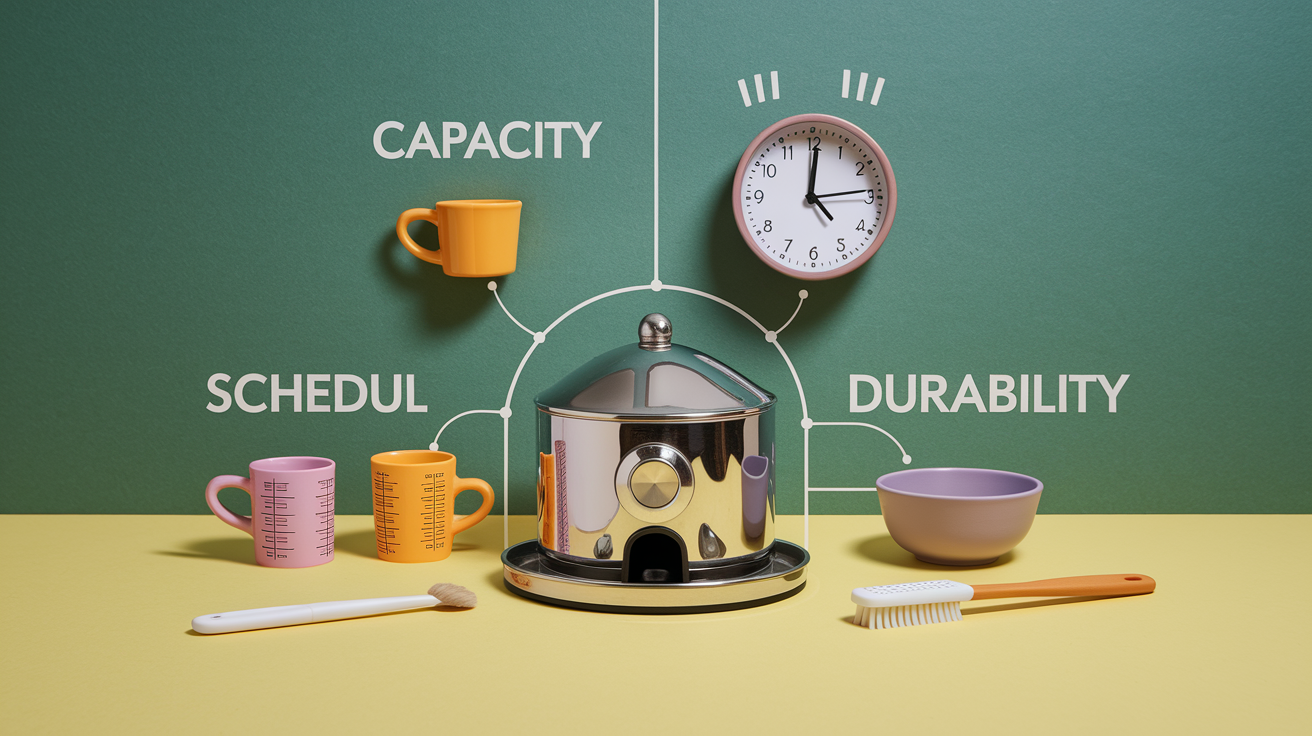
Capacity matters more than most people think. A small feeder might hold enough for a day, but if you’re gone for a weekend or work 12-hour shifts, you need a hopper that stores several days’ worth of meals. Large-breed dogs eat more per meal and need feeders with bigger reservoirs and wider bowl openings. Small pets or cats usually do fine with compact feeders. Check the hopper size in cups or liters and calculate how many days it’ll last based on your pet’s daily intake.
Scheduling features define how flexible your feeding routine can be. Basic automatic feeders offer one or two meals per day at fixed times. Mid-range models let you program multiple meals with different portion sizes throughout the day. High-end smart feeders allow you to adjust schedules remotely and add or skip meals on the fly. If your pet needs medication with meals or eats several small portions to manage digestion, look for feeders that support four or more scheduled feedings per day.
Durability protects your investment and your pet’s safety. Lightweight plastic feeders tip over easily, especially with enthusiastic eaters or large dogs. Stainless steel or heavy ceramic bases resist tipping and chewing. Check if the feeder has non-slip feet or a weighted bottom. Outdoor feeders need weatherproof housings. Battery compartments should be secure and pet-proof to prevent access to batteries if your pet knocks the unit over or chews on it.
Ease of cleaning affects both hygiene and how often you’ll actually maintain the feeder. Feeders with removable bowls, dishwasher-safe parts, and smooth interior surfaces prevent bacteria buildup and make daily rinsing simple. Hoppers with wide openings are easier to wipe down and refill. Avoid feeders with narrow crevices or complex mechanisms that trap food particles. If the feeder’s difficult to clean, it becomes a hygiene risk and a daily frustration.
Materials and Build Quality
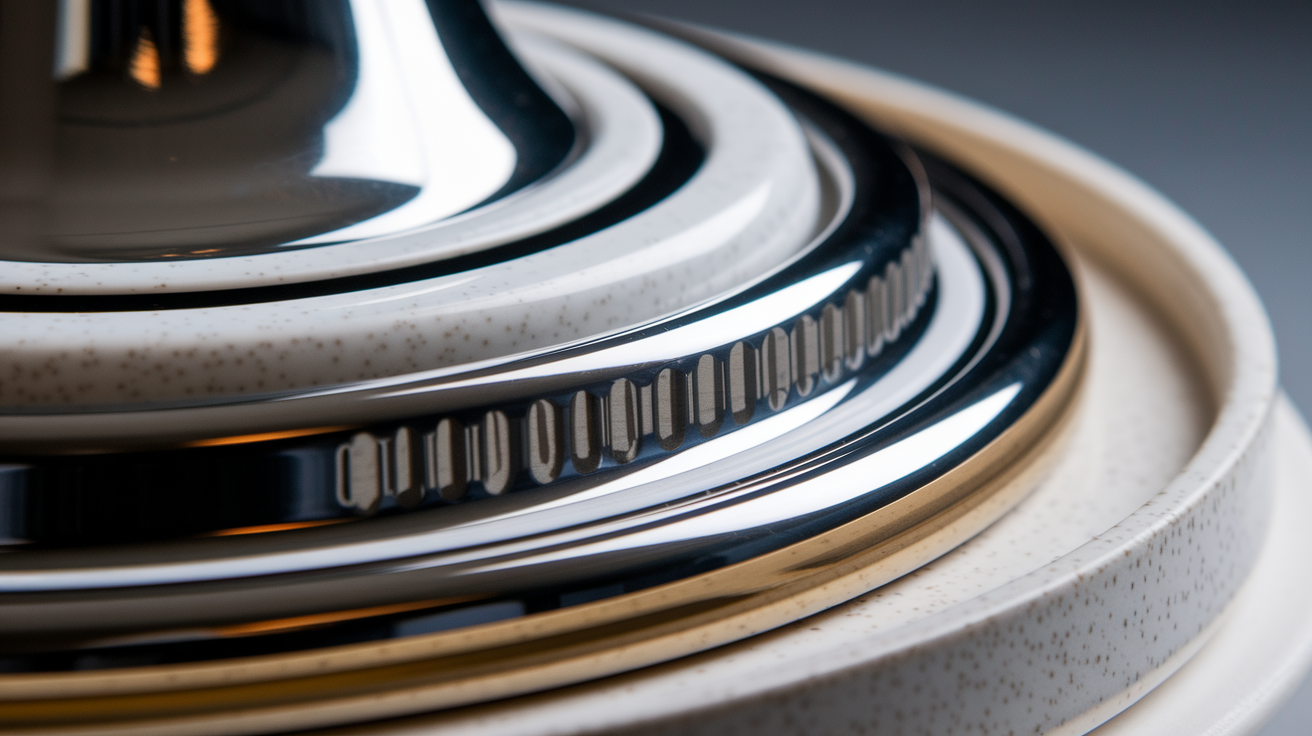
The material your feeder’s made from affects safety, durability, and how easy it is to keep clean. Stainless steel resists bacteria, doesn’t absorb odors, and handles dishwasher cycles without warping. It’s heavy enough to stay in place and sturdy enough for large or enthusiastic eaters. BPA-free plastic is lightweight, affordable, and easy to move, but it can scratch over time and may hold onto smells even after washing. Ceramic bowls are stable and easy to clean, but they crack or chip if dropped. Some glazes can harbor bacteria in scratches.
Each material works in different situations, so match the material to your pet’s habits and your cleaning routine.
| Material | Strengths | Considerations |
|---|---|---|
| Stainless Steel | Bacteria-resistant, durable, dishwasher-safe, no odor retention | Heavier, can be noisier when pet eats, higher cost |
| BPA-Free Plastic | Lightweight, affordable, easy to replace, wide variety of designs | Scratches easily, may retain odors, can crack or fade over time |
| Ceramic | Stable base, easy to clean, attractive design options | Breakable if dropped, heavier to move, inspect for cracks regularly |
Capacity and Portion Management
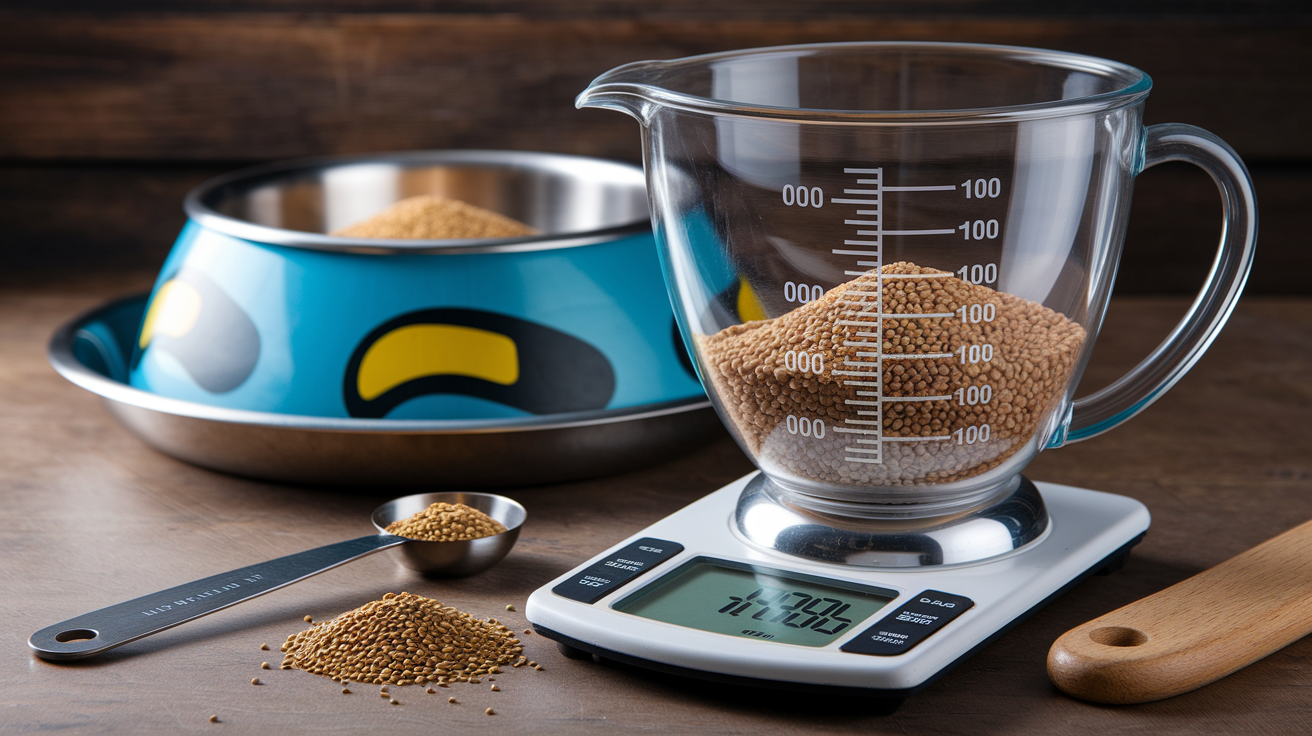
Feeder capacity determines how long you can go between refills. A four-liter hopper might feed a medium-sized dog for a week or a cat for two weeks, depending on portion sizes. If you have multiple pets or a large dog, look for feeders that hold at least six liters. Smaller hoppers work fine for single cats or toy-breed dogs, especially if someone’s home daily to refill. Always calculate capacity based on your pet’s daily food requirement, not just the feeder’s total volume. You’ll need to account for portion size per meal and the number of meals per day.
Portion control is the key feature for managing weight and preventing overeating. Feeders with adjustable portion sizes let you dial in exact serving amounts, usually measured in grams or cups. Some models dispense as little as one-eighth cup per meal, which helps with slow feeding or weight loss plans. Others allow up to two cups or more per meal for larger pets. Portion precision matters most for pets on vet-prescribed diets, pets prone to bloat, or pets that’ll eat everything in front of them.
Large-capacity feeders with precise portion control give you the best of both worlds. You can store a week’s worth of food and still control how much your pet gets at each meal. This combination works well for busy households, multi-day trips, or anyone who wants to prep food once and not worry about daily measuring. Just make sure the feeder’s portion settings match your pet’s needs. Test the dispenser with your specific kibble size before relying on it during a trip.
Smart Feeder Features and Technology
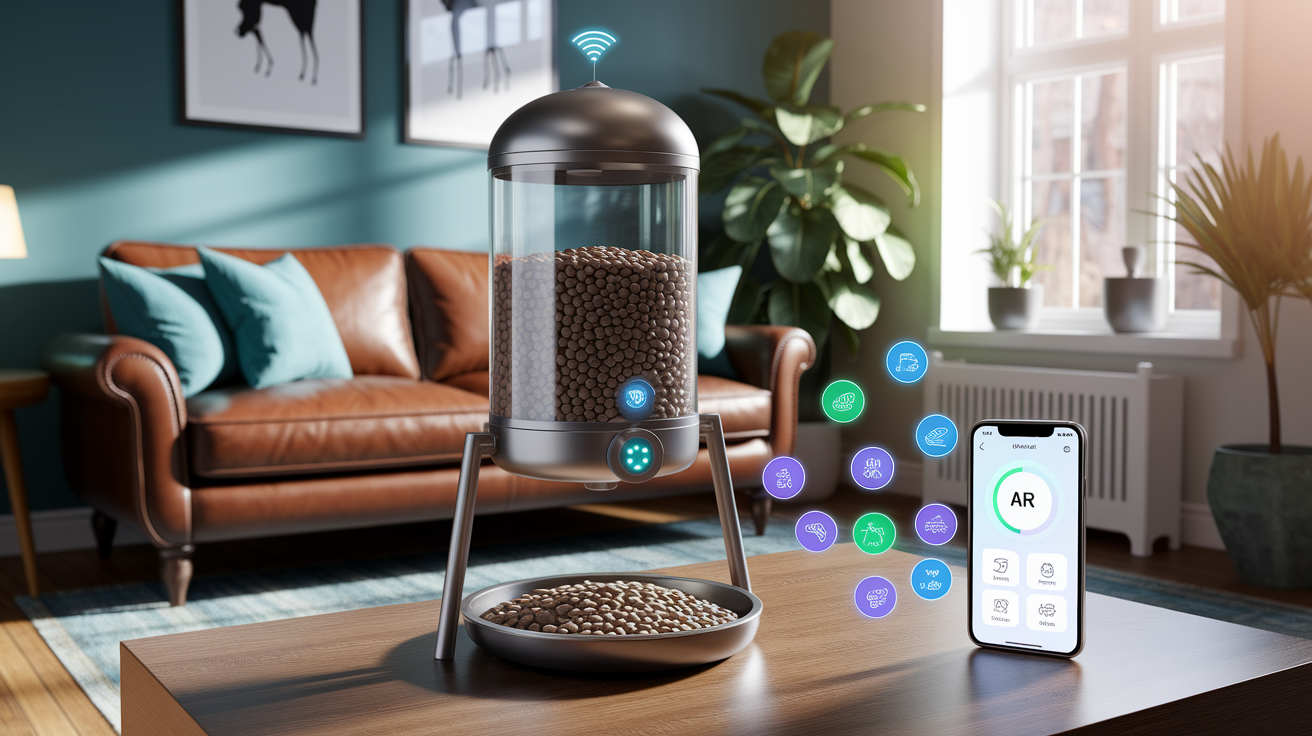
Smart feeders bring app-based control, remote monitoring, and data tracking into your pet’s feeding routine. If you want to adjust meal times or portion sizes from your phone, or check if your pet ate while you’re at work, a smart feeder makes that possible.
Here are the main features to look for:
- App-controlled scheduling — Set meal times, portion sizes, and feeding frequency from your phone, with the ability to adjust or add meals remotely.
- Built-in camera — Watch your pet in real time during meals, record video clips, and check if the bowl’s empty without walking over.
- Two-way audio — Talk to your pet through the feeder’s speaker, useful for anxious pets or to call them to their meal.
- Feeding notifications — Get alerts when a meal is dispensed, when your pet finishes eating, or if the feeder jams or runs low on food.
- Meal history and tracking — Review logs of when and how much your pet ate, helpful for spotting appetite changes or sharing data with your vet.
- Wi-Fi and offline modes — Most smart feeders need Wi-Fi for remote control, but some include battery backup and offline scheduling so meals continue during power or network outages.
Budget Considerations and Price Ranges
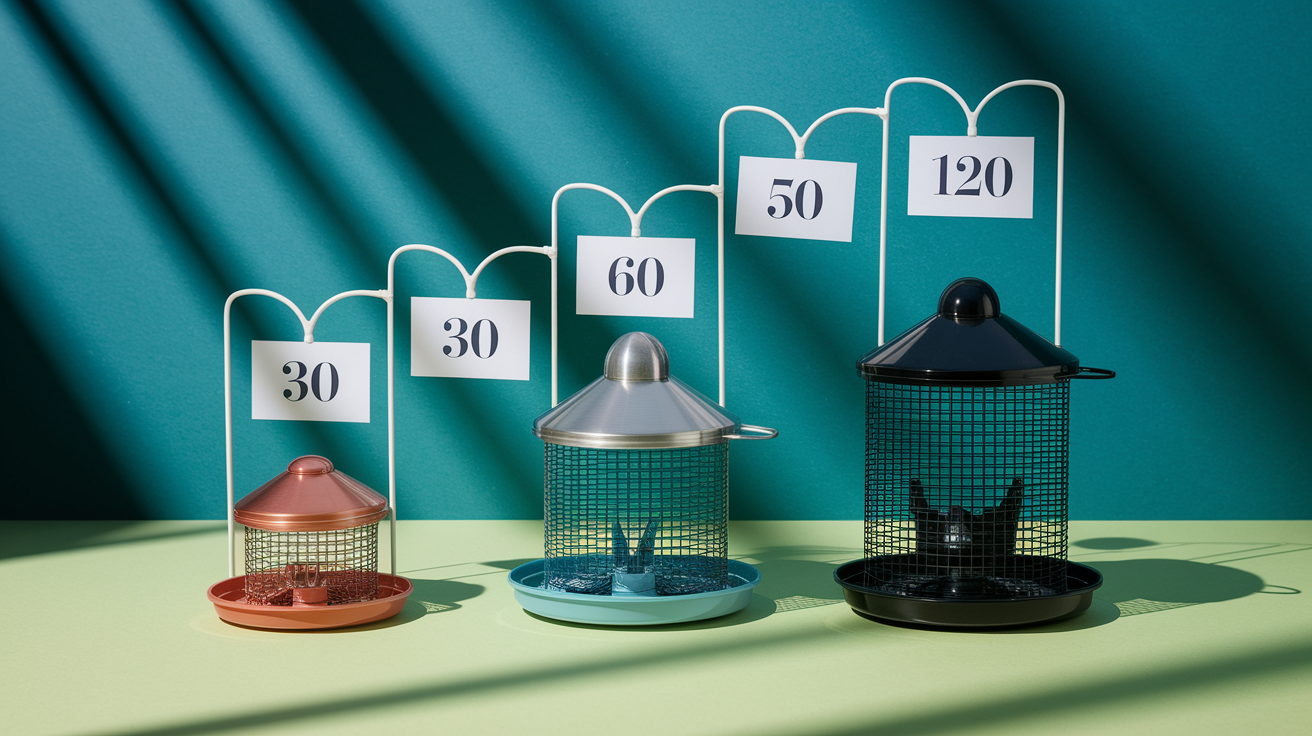
Budget feeders, usually under $30, include basic gravity feeders and simple automatic models with one or two meal slots. These work fine for pets that don’t need portion control or complex scheduling. They’re a good starting point if you’re testing whether your pet adapts to automatic feeding. The trade-off is limited features, lighter materials, and fewer customization options.
Mid-range feeders, between $50 and $120, offer programmable timers, adjustable portion sizes, and sturdier construction. Many include battery backup, anti-jam sensors, and larger hoppers. This price range covers most automatic feeders that handle daily feeding routines reliably without requiring app connectivity. If you need consistent scheduled feeding and portion control but don’t need remote monitoring, mid-range models deliver solid value.
Premium feeders, $120 and up, bring smart technology, cameras, app control, and features like two-way audio and meal tracking. Microchip feeders also fall into this range due to their specialized RFID technology. Premium models cost more upfront, but they add convenience and monitoring that can be worth it if you travel often, manage multiple pets, or want detailed feeding data. Factor in potential subscription costs for cloud video storage or premium app features when budgeting for smart feeders.
Pros and Cons of Each Feeder Type
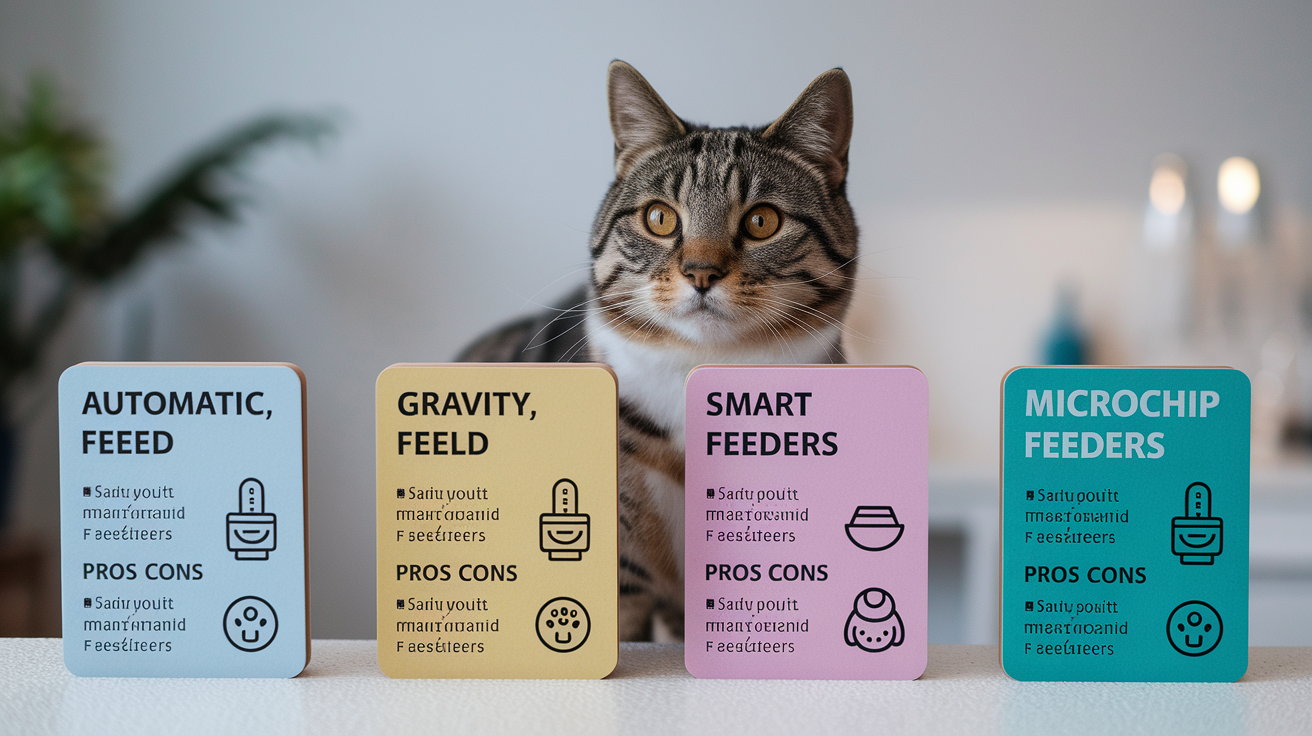
Each feeder type brings specific advantages and limitations. Understanding these trade-offs helps you match the feeder to your household’s real needs.
| Feeder Type | Pros | Cons |
|---|---|---|
| Automatic | Consistent meal times, portion control, works for multi-day absences, programmable schedules | Requires power or batteries, can jam with irregular kibble shapes, limited to dry food in most models |
| Gravity | No power needed, simple design, low cost, continuous food access, quiet operation | No portion control, not suitable for overweight pets or fast eaters, requires daily monitoring |
| Smart | Remote control via app, feeding logs, camera monitoring, two-way audio, real-time alerts | Higher cost, depends on Wi-Fi, possible subscription fees, more complex setup and troubleshooting |
| Microchip | Prevents food stealing, protects prescription diets, works for wet and dry food, supports multi-pet households | Requires RFID collar tag or registered microchip, higher price, single-pet access per feeder |
Scenario-Based Recommendations
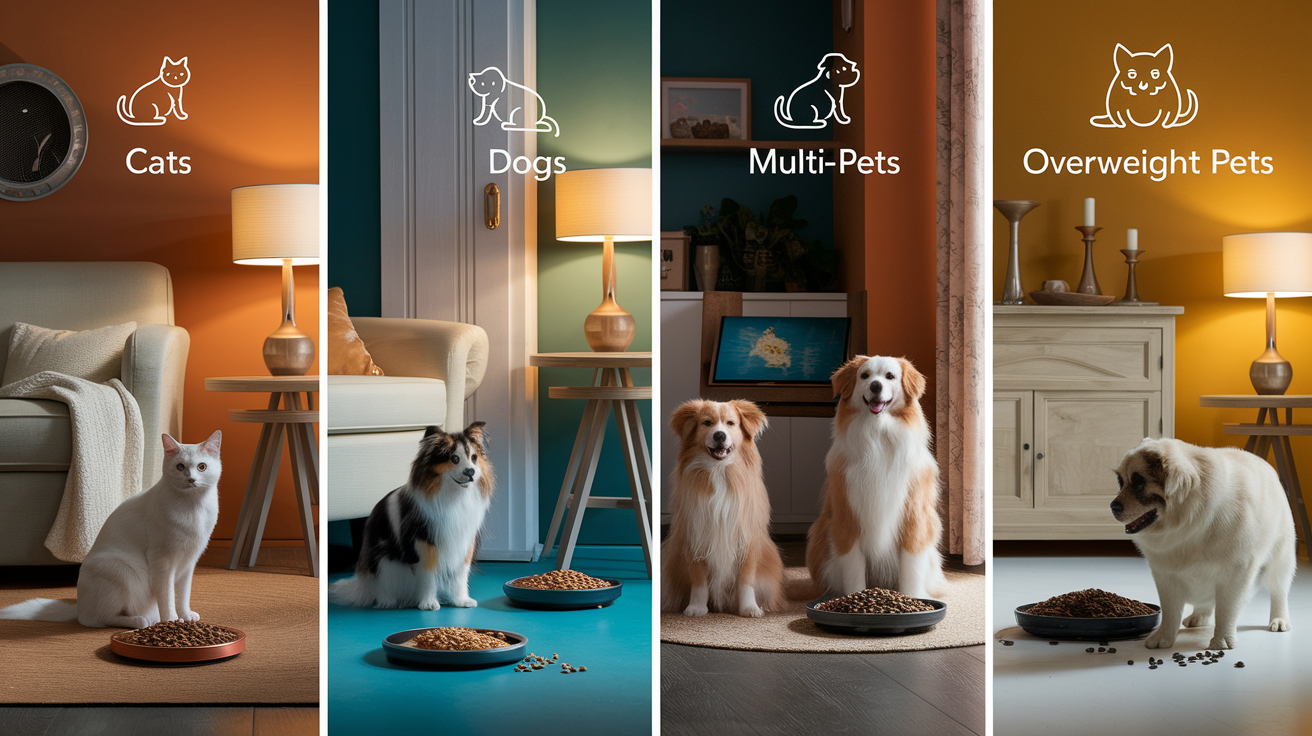
Choosing the right feeder becomes easier when you match it to your specific situation. Here’s what works best for common household setups.
Cats
Cats do well with feeders that support smaller, more frequent meals and prevent overeating. Microchip feeders work especially well in multi-cat homes where one cat steals food or needs a special diet. The feeder opens only for the tagged cat, keeping meals separate and stress-free. If you have a single cat that grazes, a gravity feeder’s fine as long as your cat self-regulates. For cats prone to vomiting or weight gain, an automatic feeder with portion control and multiple small meals per day helps manage digestion and calorie intake.
Dogs
Dogs benefit from feeders with larger capacities, anti-gulping portion control, and sturdy bases that resist tipping. Breeds like Labradors and Beagles are food-motivated and will overeat if given the chance, so portion-controlled automatic feeders are a better fit than gravity models. Large-breed dogs need feeders with wide bowl openings and hoppers that hold several days’ worth of food. If your dog has a tendency to bloat, look for feeders that dispense smaller portions multiple times a day rather than one or two large meals.
Multi-Pet Homes
Multi-pet households need feeders that prevent cross-feeding and food guarding. Microchip feeders are the most reliable solution, letting each pet access only their own food. If microchip feeders aren’t in your budget, separate automatic feeders placed in different rooms can work, as long as you monitor to make sure pets aren’t switching bowls. Avoid gravity feeders in multi-pet homes unless all pets are on the same diet and none have weight issues. There’s no way to track or control who ate what.
Overweight Pets
Pets on weight-loss plans need precise portion control and scheduled meals. Automatic feeders with adjustable portion sizes, measured in grams or small cup increments, let you follow your vet’s feeding plan exactly. Feeding multiple small meals throughout the day helps pets feel fuller and reduces begging. Smart feeders with meal tracking add another layer of accountability, showing you when and how much your pet ate so you can share progress with your vet and adjust portions as your pet loses weight.
Final Words
Start by matching feeder type to your life. Automatic feeders fit set schedules, gravity feeders give constant access, smart feeders let you feed remotely, and microchip feeders stop food stealing.
Weigh materials, capacity, portion control, and ease of cleaning. The post also covered smart features, price ranges, and pros and cons to help you compare.
Use this post to decide how to choose the right pet feeder; try one for a week and track appetite and meal timing. If unsure, call your vet. You’ll end up with a feeding setup that keeps meals steady and your pet happy.
FAQ
What type of pet feeder is best for cats?
The best pet feeder for cats typically includes portion control features and prevents food stealing in multi-cat homes. Microchip-activated feeders work well for households with multiple cats, while automatic feeders help manage feeding schedules for cats who tend to overeat or need regulated meal times.
What type of pet feeder is best for dogs?
The best pet feeder for dogs depends on your dog’s size, eating speed, and behavior. Large-breed dogs need higher-capacity feeders with stable, tip-resistant bases, while dogs who eat too quickly benefit from slow-feeder designs or automatic feeders that dispense controlled portions at set times throughout the day.
How do automatic pet feeders work?
Automatic pet feeders work by dispensing pre-measured portions of food at scheduled times you program into the device. Most use battery or electric power to rotate a feeding tray or release kibble from a hopper, allowing you to maintain consistent meal times even when you’re away from home.
What is a gravity pet feeder?
A gravity pet feeder is a simple, non-electric feeder that uses gravity to refill the bowl as your pet eats. Food stored in an overhead hopper automatically drops down to replace what’s been consumed, providing constant access to food without requiring power, timers, or scheduled portion control.
Are smart pet feeders worth the cost?
Smart pet feeders are worth the cost if you travel frequently, work long hours, or want remote feeding control and monitoring. They connect to your phone via Wi-Fi, let you adjust portions and schedules from anywhere, and often include cameras so you can check on your pet during mealtimes.
What materials are safest for pet feeders?
The safest materials for pet feeders include stainless steel and BPA-free plastic, both of which resist bacteria and are easy to clean. Stainless steel is the most durable and hygienic option, while BPA-free plastic offers a lightweight, budget-friendly alternative that’s still safe for daily use.
How much food capacity do I need in a pet feeder?
The food capacity you need in a pet feeder depends on your pet’s size, number of pets, and how often you refill it. Small pets or single-cat households can use feeders holding 3 to 5 pounds, while large dogs or multi-pet homes benefit from 10 to 20-pound capacity models.
Do microchip pet feeders prevent food stealing?
Microchip pet feeders prevent food stealing by only opening for the specific pet wearing a compatible microchip or RFID collar tag. The feeder’s lid stays locked until it detects the correct pet nearby, making them ideal for multi-pet households where one animal guards or steals another’s food.
How often should I clean my pet feeder?
You should clean your pet feeder at least once a week to prevent bacteria buildup, food residue, and stale odors. Feeders used for wet food or in humid environments need cleaning every 2 to 3 days, while dry kibble feeders can go slightly longer between deep cleans if wiped down regularly.
Can I use a pet feeder for both wet and dry food?
Most pet feeders work best with dry kibble, as wet food spoils quickly without refrigeration and can clog automatic dispensers. Some smart feeders include ice packs or sealed compartments designed specifically for wet food, but you’ll need to check the manufacturer’s specs before using anything other than dry food.
What features should I look for in a budget pet feeder?
Budget pet feeders should include stable construction, easy-to-clean bowls, and reliable portion control if automatic. Look for BPA-free plastic or basic stainless steel bowls, simple gravity or timer mechanisms, and sturdy bases that won’t tip over, even if you’re skipping advanced app connectivity or cameras.
How do portion-control feeders help with weight management?
Portion-control feeders help with weight management by dispensing precise, measured amounts of food at scheduled times, preventing overeating and free-feeding habits. They eliminate guesswork, support consistent calorie intake, and make it easier to follow your vet’s recommended daily portions for gradual, healthy weight loss.