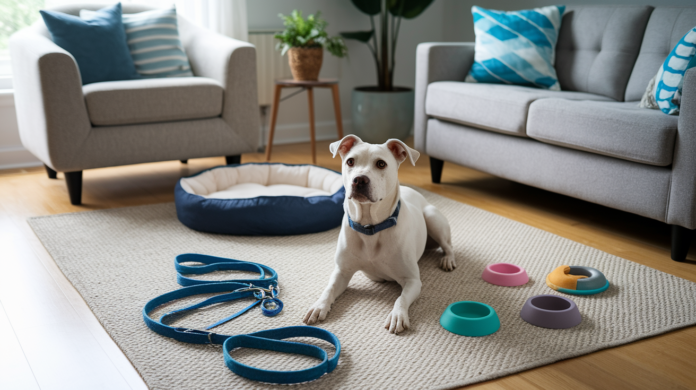

Are you buying dog gear that doesn’t fit and could put your dog at risk?
It’s easy to get distracted by cute designs, and if you’re not sure, that’s normal.
The right collar, leash, bed, bowl, and toys keep your dog safe, comfy, and calm.
This quick guide shows how to choose each item based on real measurements (neck, chest, weight), your dog’s behavior, and their life stage so you buy less and do better.
Quick-Start Guide to Choosing the Right Dog Accessories
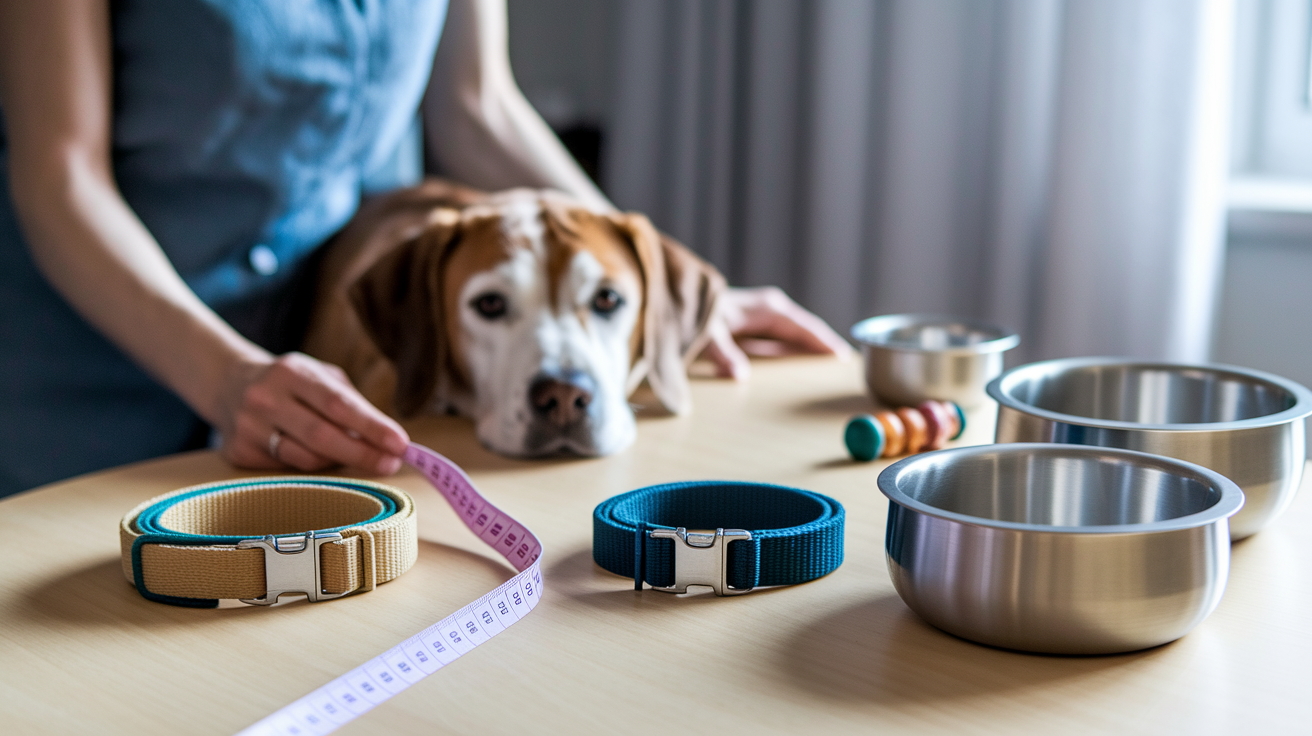
Your dog needs five things the day they walk through your door: a collar that fits with an ID tag attached, a leash that won’t snap, a bed they can actually sleep on, bowls for food and water, and a couple of toys that won’t turn into choking hazards. That’s it. Not optional. These are the basics that keep your dog safe, comfortable, and occupied while you figure out everything else.
Getting it right comes down to three things. Measure your dog. Sounds obvious, but most people don’t do it. Neck size, chest width, weight. Those numbers tell you whether a collar stays put or slides off, whether a harness distributes pressure without rubbing, whether a bed supports joints or just looks cute on Instagram. Next, match what you’re buying to how your dog actually behaves. A puller needs different gear than a dog who walks calmly. A dog that destroys everything needs toys built to survive, not fall apart into dangerous chunks. And finally, look for quality markers: reinforced stitching, buckles that lock, materials that won’t irritate skin or trap sweat.
Size and age change everything. Puppies grow fast. Buy adjustable collars and harnesses, not fixed sizes you’ll donate in three weeks. Small dogs under 20 pounds often do better with harnesses because their necks are fragile. Big dogs over 50 pounds need wider collars, stronger leashes, beds with real support, not decorative fluff. Older dogs benefit from raised bowls, beds that don’t slide around, grooming tools that don’t pull. Start with your dog’s actual measurements and life stage, and you’ll avoid most of the returns and safety scares.
Five things your dog needs right away:
- Collar with ID tag – Holds contact info; should fit with two fingers of slack underneath.
- Leash – Connects you on walks; 4 to 6 feet works for most situations, with a clip that can handle your dog’s strength.
- Bed – Supports joints and gives them a spot that’s theirs; washable cover and non-slip base matter.
- Food and water bowls – Stainless steel is easiest to keep clean; size and height should prevent tipping and neck strain.
- Toys – Safe options matched to size and chew habits to avoid choking or splintering.
Key Criteria for Evaluating Dog Accessories
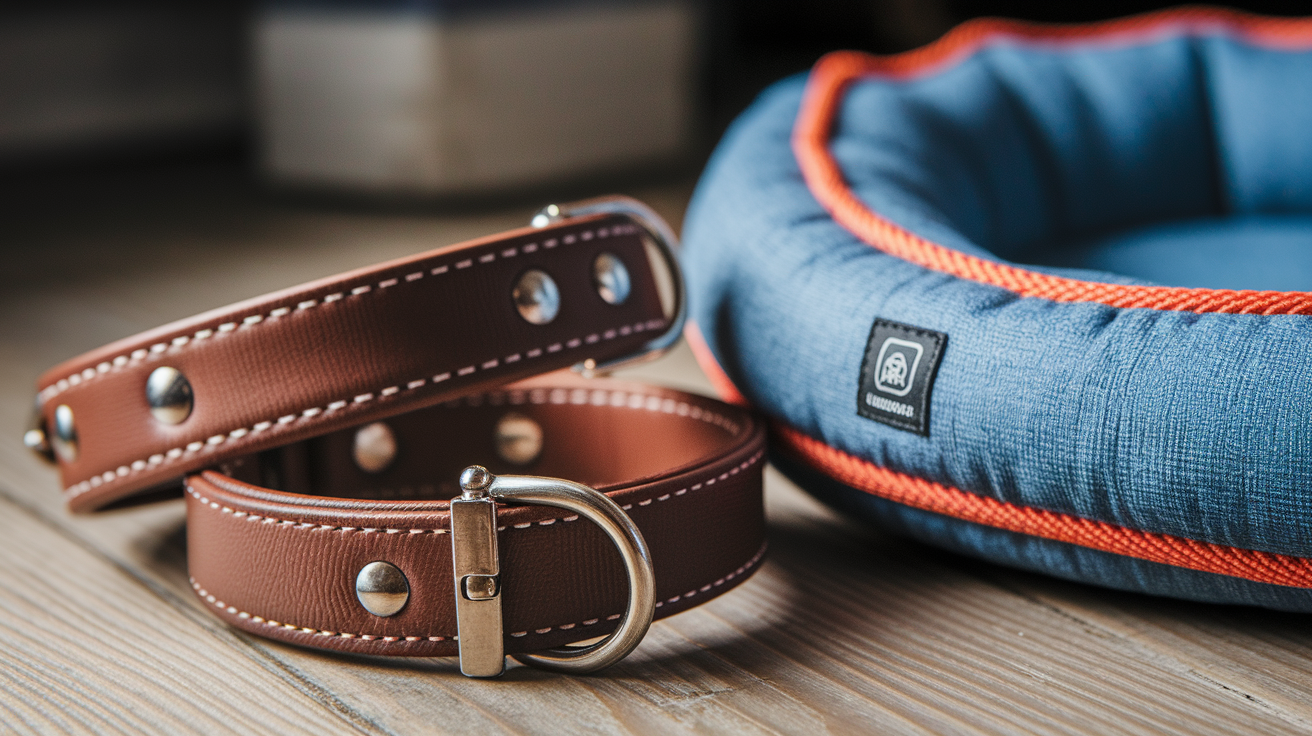
Safety comes down to materials and hardware. Check that fabrics won’t poison your dog, that metal clips and rings are welded instead of stamped, that buckles lock without pinching. Skip anything with small decorative bits that can be chewed off and swallowed. Certifications or test results are nice. But at minimum, make sure zippers are covered so they won’t catch fur, and that mesh openings are sized so a paw or head can’t get stuck.
Durability shows up in stitching and stress points. Reinforced seams at handle attachments, where the D-ring connects, across the chest panel of a harness. That means the thing can survive repeated pulling and washing without tearing. Look at how fabric connects to hardware. One line of stitching fails. Double or box stitching holds. For beds, check that zippers are protected and seams won’t split when your dog digs or spins before lying down.
Comfort matters more for some dogs than others. Pugs and Bulldogs need harnesses, not collars, because their airways can’t handle pressure. Dogs with thick coats overheat in neoprene. Short-haired dogs get cold and need fleece lining. Padding on leash handles saves your hands. Soft, breathable stuff prevents chafing on long walks. If your dog scratches at it, pulls at it, or seems uncomfortable, the design doesn’t fit their body.
Fit and adjustability turn generic into specific. Measure your dog’s neck where it meets the shoulders and the widest part of the chest before you buy any collar or harness. A collar should allow two fingers to slip between material and neck. A harness should sit snug without shifting but loose enough for two fingers at the chest. Adjustable straps let you fine-tune and adapt to growth or weight changes, but make sure the hardware locks and won’t slide during use.
Four things to check before buying:
- Measure neck, chest, and weight, then match those numbers to the product’s size chart.
- Check materials and hardware by looking at stitching, buckle strength, whether clips are rated for pulling.
- Verify safety features like reflective strips, non-slip bases, breakaway closures where needed.
- Confirm it’s machine washable or easy to clean, and that covers come off if it’s a bed or pad.
Accessories by Category: What to Look For
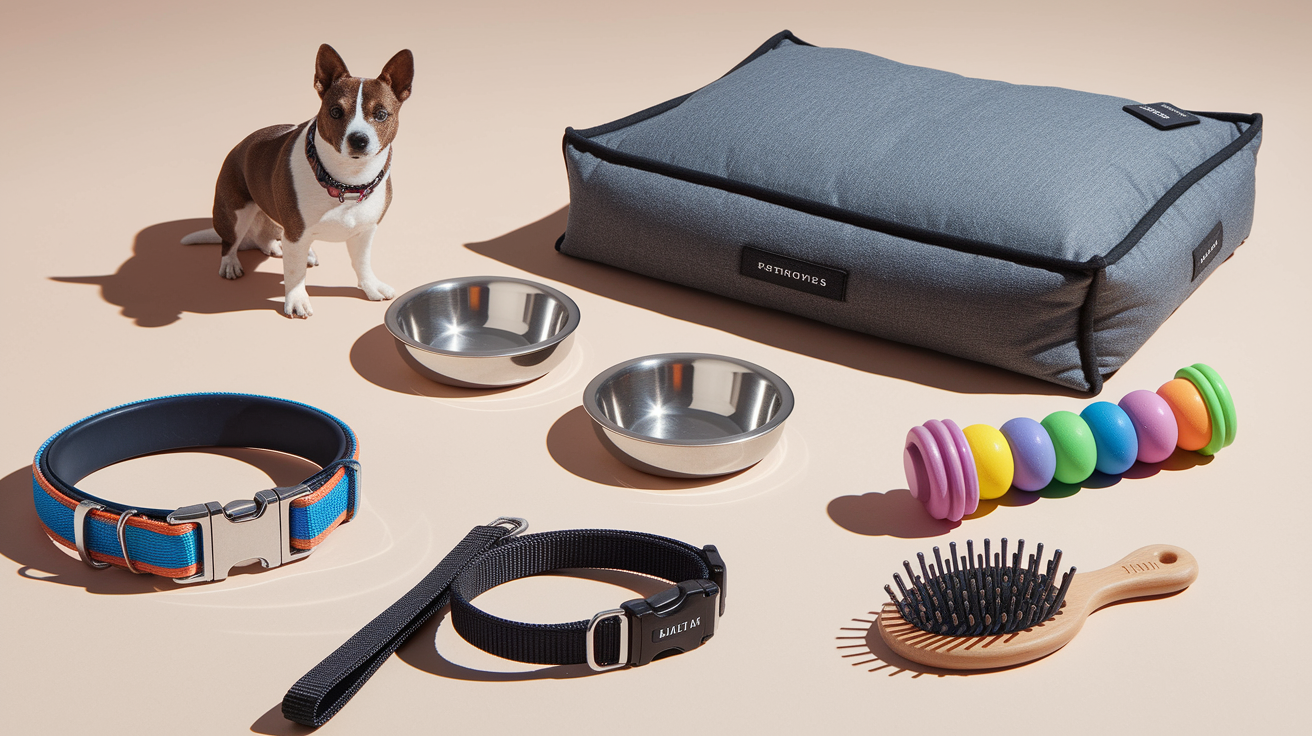
Collars
Measure your dog’s neck where the collar will sit, then add two inches. That’s your target length. The fit rule is simple: two fingers between collar and neck. No more. Too tight chokes or irritates skin. Too loose slips over the head. For small dogs and narrow-necked breeds, go lightweight with soft nylon or rolled leather. Consider a Martingale collar, which tightens a bit when pulled but won’t choke. For dogs over 50 pounds, choose wider collars, at least one inch, to spread pressure and keep it from digging in.
Buckle types are about convenience versus security. Traditional buckles don’t accidentally pop open, but they’re slower to fasten. Quick-release clips are faster for daily use, but verify the clip is sturdy and rated for your dog’s size. Martingale collars use a two-loop setup that tightens when the dog pulls. Useful for training and for dogs with heads narrower than their necks. Skip shock collars. If you need a training tool, look for vibration or sound-based options and only use them with professional help.
Materials affect durability and comfort. Nylon is cheap, lightweight, comes in every color, but it traps moisture. Leather is durable and looks nice, but needs regular conditioning and weighs more. Neoprene offers padding and waterproofing, but like nylon it traps sweat and isn’t great for active dogs in heat. Reflective collars or stitching improve visibility during early morning or evening walks. Personalized collars with engraved or embroidered contact info eliminate loose ID tags that scratch, jingle, or fall off.
Leashes
Length and material control how much control you have and how comfortable the walk is. A 4 to 6-foot leash gives close control for neighborhood walks and training. Longer leashes, 10 to 15 feet, work for recall training or open areas, but they’re harder to manage in crowds. Retractable leashes offer flexibility but can fail suddenly, and the thin cord causes rope burns or tangles. For daily use, a fixed-length leash is safer.
Handle comfort affects how far you can walk before your hand hurts. Padded handles or rope leashes with loops reduce pressure and prevent blisters. Nylon leashes are strong but burn if a dog pulls hard and the leash slides. Chain leashes are extremely durable and can’t be chewed through, good for powerful dogs or chewers, but they need a padded or leather handle to protect your hands from metal.
Clip quality is the most important hardware feature. The clip connects to your dog’s collar or harness and has to hold under tension. Look for heavy-duty swivel clips that rotate to prevent tangling, and check that the gate closes securely and won’t pop open if bumped. Quick-release clips are useful for working dogs or multiple handlers, but the release can’t trigger accidentally. If your dog weighs more than 50 pounds or pulls hard, choose clips rated for at least twice their weight.
Beds
Fill type and support determine whether a bed relieves joint pain or just looks nice. Orthopaedic foam or memory foam distributes weight evenly and reduces pressure on hips, elbows, spine. Especially valuable for senior dogs, large breeds prone to joint issues, dogs recovering from surgery. Bolster beds with raised edges provide security and a place to rest the head. Many dogs prefer that. Flat cushion beds work for dogs that sprawl, but they offer less support. Avoid beds filled only with loose stuffing or thin batting. They compress fast and provide almost no joint relief.
Washable covers are non-negotiable unless you want to replace the whole bed every few months. Look for zip-off covers that go straight into the washing machine. Fleece linings add warmth, useful for short-haired dogs or cold climates. Waterproof liners under the cover protect foam from accidents. A grippy or non-slip base keeps the bed in place on hardwood or tile and stops your dog from sliding it across the room while settling in.
Size the bed to your dog’s sleeping position. Measure from nose to tail while they’re stretched out, then add 6 to 12 inches. Dogs that curl up can use smaller, but most appreciate room to sprawl. If you have a puppy, either buy a budget bed you’ll replace as they grow, or invest in an adjustable or modular bed with removable inserts. Check that seams and zippers are reinforced, especially if your dog digs or circles before lying down.
Bowls
Material choice comes down to hygiene and durability. Stainless steel bowls are the best option. They don’t hold odors, they’re dishwasher safe, they last for years without scratching or cracking. Ceramic bowls are heavy and stable, which prevents tipping, but they chip or crack if dropped. Plastic bowls are cheap and lightweight, but they trap odors, scratch easily, and some dogs develop contact allergies to certain plastics.
Stability and anti-slip features prevent mess and frustration. Bowls with rubberized bases or silicone rings stay put while your dog eats and won’t slide across tile or hardwood. For enthusiastic eaters or large dogs, choose wide, shallow bowls with a weighted base. Raised feeders elevate bowls off the ground. Useful for tall breeds to reduce neck strain and for older dogs with arthritis who can’t bend down easily. Make sure the height matches your dog’s shoulder level so they can eat comfortably without lying down or stretching.
Depth matters for different breeds. Deep, narrow bowls trap long ears and drag them through food or water. Problem for Basset Hounds and Cocker Spaniels. Wide, shallow bowls are easier for flat-faced breeds like Bulldogs to access. For dogs that gulp water and spill constantly, consider a slow-feed or splash-proof bowl with a floating disk or ridged interior that slows drinking speed.
Toys
Safety is the first filter. Check that the toy is sized so your dog can’t swallow it whole or choke on pieces. Avoid toys with small plastic eyes, bells, decorations that can be chewed off. Squeaky toys are popular, but the squeaker is a choking hazard if the toy tears. For heavy chewers, choose toys labeled “indestructible” or “power chewer” rated, usually tough rubber or reinforced nylon.
Durability depends on chew intensity. Puppies teething need softer rubber that soothes gums without damaging emerging teeth. Adults with moderate chewing habits can use rope toys, tennis balls, plush toys, but inspect regularly for fraying or tears. Power chewers, including many terriers and bully breeds, destroy standard toys in minutes. For these dogs, invest in heavy-duty chew toys made from solid rubber or nylon, and rotate toys to keep interest high and reduce wear on any single item.
Suitability by activity and purpose matters as much as durability. Fetch toys like balls and frisbees need to be the right size for your dog’s mouth and made from materials that won’t splinter when caught mid-air. Puzzle toys and treat-dispensing toys provide mental stimulation and slow down fast eaters. Tug toys need strong stitching and handles that won’t tear under tension. Rotate toy types to keep your dog engaged, and remove any toy showing signs of breaking apart, fraying, or losing pieces.
Grooming Tools
Brush types have to match your dog’s coat. Slicker brushes with fine, bent wires work for removing loose fur and tangles in medium to long coats. Pin brushes with rounded tips are gentler, suited to dogs with silky or fine hair. Bristle brushes smooth short coats and spread natural oils. Undercoat rakes and de-shedding tools are essential for double-coated breeds like Huskies and German Shepherds, especially during seasonal shedding. Using the wrong brush is ineffective at best, painful at worst.
Nail tools come in two types: clippers and grinders. Guillotine clippers and scissor-style clippers both work, but scissor-style offers more control and is easier to position on thick nails. Nail grinders file the nail down gradually and reduce the risk of cutting into the quick, but some dogs hate the noise and vibration. Whichever you choose, make sure it’s sized for your dog’s nail thickness and that blades are sharp. Dull clippers crush the nail instead of cutting cleanly.
Coat compatibility extends to shampoos, conditioners, drying tools. Use dog-formulated shampoos. Human shampoos have the wrong pH and can dry out skin or trigger eczema. For dogs with thick undercoats, invest in a high-velocity dryer or absorbent towels, because air-drying takes hours and damp fur near the skin can lead to hot spots or fungal issues. Dogs with oily coats may need frequent baths. Dogs with dry or sensitive skin should be bathed only every few months unless visibly dirty.
Age-Appropriate and Breed-Specific Choices
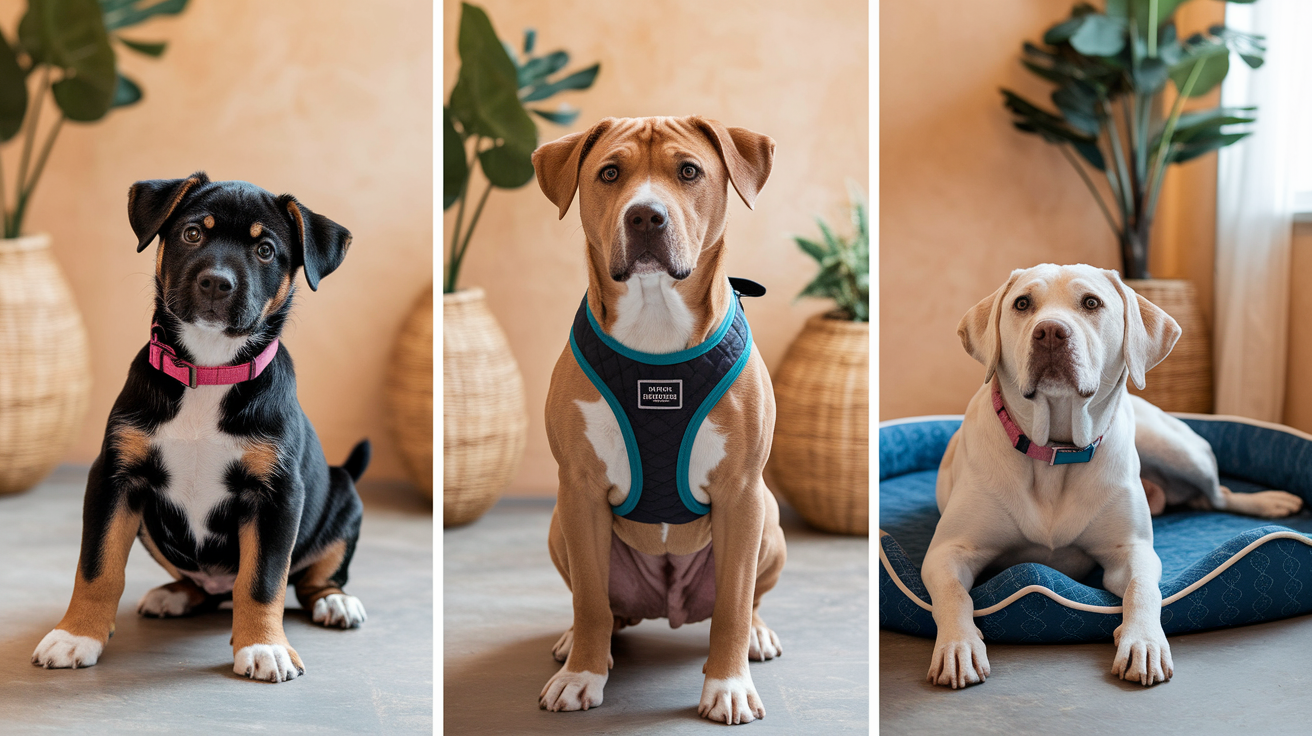
Puppy needs center on rapid growth and developing behavior. Collars and harnesses have to be adjustable, because neck and chest measurements will change every few weeks for the first six months. Step-in harnesses or over-head slip-on designs make it easier to fit a wriggly puppy who hasn’t learned to stand still. Choose softer materials for bedding and toys. Puppy teeth are sharp but delicate, so provide rubber teething toys rather than hard nylon bones that could crack a tooth. Avoid raised feeders until growth plates close, usually around 12 to 18 months, because some research suggests early use may increase the risk of developmental joint issues in large breeds.
Adult dog choices depend heavily on activity level and strength. High-energy breeds like Huskies, Vizslas, Australian Shepherds need durable, sweat-proof gear with reinforced stitching that won’t give out after repeated muddy walks. Reflective leashes and collars are essential for dawn and dusk exercise. Laid-back adults like Bulldogs benefit from wipe-clean fabrics and padded, breathable harnesses rather than rugged expedition gear they’ll never use. Match leash length and clip strength to pulling behavior. A dog that walks calmly on a loose leash can use a lighter leash. A dog that pulls or lunges needs hardware rated for twice their body weight.
Senior dog requirements focus on joint support, accessibility, gentler handling. Orthopaedic beds with memory foam reduce pressure on arthritic hips and elbows. Raised feeders bring food and water to a comfortable height and reduce strain on neck and front legs. Non-slip bowl bases and bed undersides prevent sliding on hard floors, especially important for dogs with reduced mobility or balance issues. Grooming should be gentler and more frequent, because older dogs are more prone to matting and skin sensitivity. Use soft-bristle brushes and take breaks if your dog shows discomfort.
| Age Group | Key Needs | Recommended Features |
|---|---|---|
| Puppies (0–12 months) | Adjustability for growth; safe teething support; easy handling for training | Adjustable collars and harnesses; soft rubber teething toys; step-in or slip-on harness designs; washable bedding with grippy base |
| Adults (1–7 years) | Durability for activity level; behavior-specific control; long-term comfort | Reinforced stitching; sweat-proof and wipe-clean materials; reflective elements; clip strength matched to pulling force; breathable harnesses |
| Seniors (7+ years) | Joint support; reduced strain; accessibility; gentle grooming | Orthopaedic or memory foam beds; raised feeders; non-slip bases; soft-bristle brushes; padded harnesses with easy-on designs |
Common Mistakes Owners Make When Buying Dog Accessories
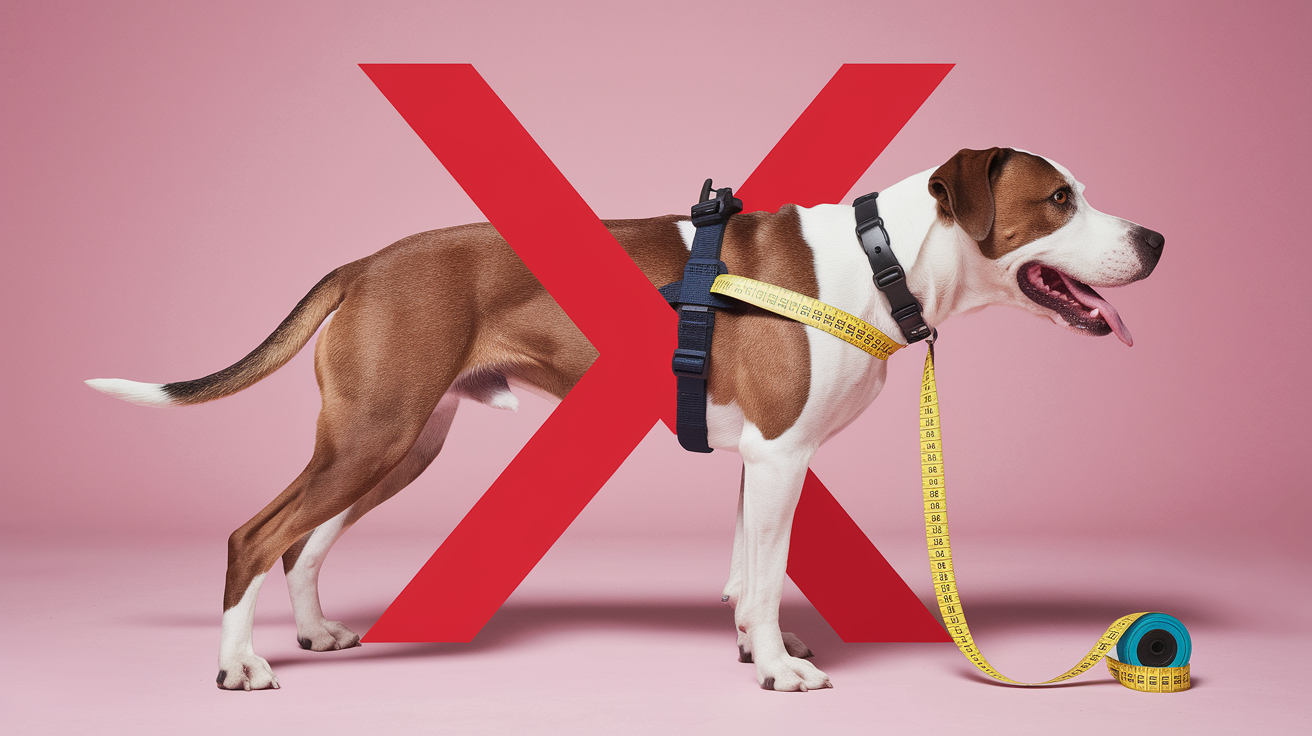
Mis-sizing is the biggest purchasing error. People guess at neck and chest measurements instead of using a soft measuring tape, or they choose a size based on breed alone without accounting for individual variation. A collar that’s too tight chokes or irritates skin. A collar that’s too loose slips over the head. A harness that doesn’t fit properly either restricts shoulder movement or rotates and chafes under the legs. Measure twice, buy once. Always verify you can slip two fingers comfortably under the collar or harness strap.
Choosing low-quality materials to save a few dollars leads to safety risks and repeat purchases. Thin nylon leashes fray and snap under tension. Plastic buckles crack in cold weather. Beds with loose stuffing compress into a flat mat within weeks. Cheap toys splinter or break apart into choking hazards. Materials matter, especially for gear that has to hold your dog securely or support their weight. If the stitching looks uneven, the hardware feels flimsy, or there’s no brand accountability or warranty, it’s not worth the risk.
Six mistakes people make:
- Skipping measurements – Buying by breed or weight instead of measuring neck, chest, body length leads to poor fit and returns.
- Ignoring activity level – Choosing lightweight gear for a power chewer or active dog results in broken leashes, shredded beds, wasted money.
- Overlooking adjustability – Fixed-size collars and harnesses don’t accommodate growth, weight changes, seasonal coat thickness.
- Using collars for dogs that pull – Persistent pullers, small dogs, brachycephalic breeds need harnesses to protect airways and necks.
- Delaying replacement of worn gear – Frayed leashes, cracked buckles, flattened beds are safety hazards, not things to use until they completely fail.
- Buying toys without checking size and chew rating – Toys that are too small or not rated for your dog’s chew intensity become choking or blockage risks.
Understanding Quality Tiers and Budget Options
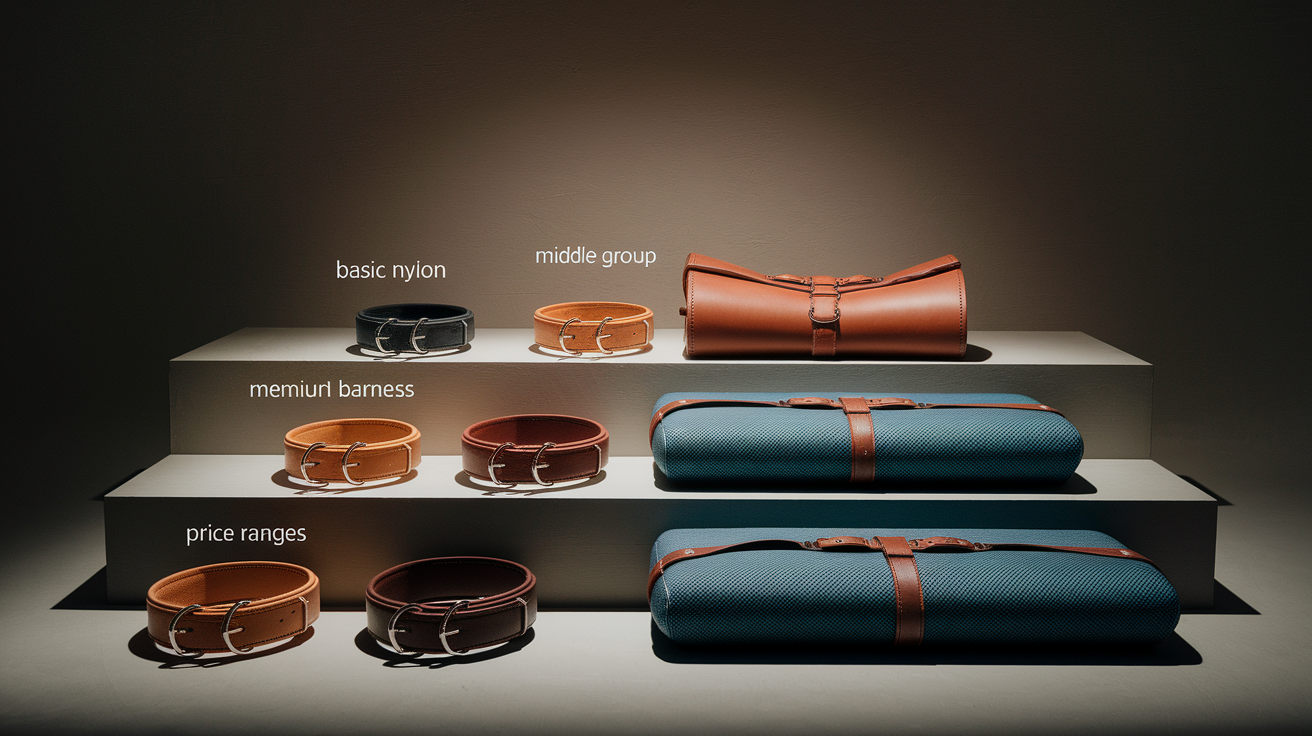
Entry-level products cost less because they use thinner materials, simpler construction, minimal features. A budget nylon collar holds an ID tag and works for calm, small dogs, but it won’t have reflective stitching, padded backing, or reinforced stress points. Budget beds often use polyester fill that compresses quickly instead of memory foam. These products are fine for short-term use or for puppies you know will outgrow the item in a few months, but expect to replace them sooner and don’t rely on them for heavy-duty or safety-critical tasks like securing a strong dog on a leash.
Mid-range options offer the best value for most people. Products in this tier use durable materials like reinforced nylon or genuine leather, include thoughtful design features like padded handles or adjustable straps, come from brands with a reputation for consistent quality. A mid-range harness has double stitching at stress points, a secure quick-release buckle, at least one reflective strip. A mid-range bed includes a washable cover, a non-slip base, foam that holds its shape for a year or more. This is where you’ll find three-year warranties and solid customer reviews.
Premium gear is worth the investment when safety, durability, or specialized needs justify the cost. If you have a 90-pound dog that pulls hard, a premium leash with marine-grade hardware and triple-stitched handles is a safety upgrade, not a luxury. If your senior dog has severe arthritis, an orthopaedic bed with certified memory foam and a waterproof liner is a medical aid. Premium grooming tools, like professional-grade clippers or high-velocity dryers, pay for themselves if you groom at home regularly. The key is matching premium features to actual needs, not paying extra for looks or branding.
| Tier | Typical Price Range | Key Features |
|---|---|---|
| Budget | $5–$20 per item | Basic materials (thin nylon, polyester fill); minimal adjustability; no warranty; suitable for short-term use or calm, small dogs |
| Mid-Range | $20–$60 per item | Durable materials (reinforced nylon, genuine leather, memory foam); adjustable straps; reflective elements; washable covers; 1–3 year warranty |
| Premium | $60–$150+ per item | Heavy-duty construction (marine-grade hardware, certified orthopaedic foam); specialized features (anti-pull harness design, high-velocity dryer); extended warranty; suited to large dogs, medical needs, or professional use |
Final Checklist for Selecting the Right Accessories
Before you buy any dog accessory, walk through a quick verification checklist to catch sizing errors, safety gaps, budget mismatches. This takes two minutes and prevents most of the returns, replacements, injuries that come from impulse purchases or guesswork. If you can answer yes to every checkpoint below, you’re ready to buy with confidence.
Eight things to verify before buying:
- Accurate measurements taken – Neck circumference, chest width, body length measured with a soft tape and compared to the product’s size chart.
- Fit verified with the two-finger rule – Collars and harnesses sized so two fingers fit comfortably between the strap and your dog’s body.
- Materials match activity level – Sweat-proof and reinforced for active dogs; soft and wipe-clean for laid-back dogs; breathable for warm climates.
- Hardware strength rated for pulling force – Clips, D-rings, buckles rated for at least your dog’s weight, ideally twice their weight if they pull.
- Safety features included – Reflective strips for night walks; non-slip bases for beds and bowls; no small detachable parts on toys.
- Washable or easy to clean – Removable covers, machine-washable fabrics, or wipe-clean surfaces to maintain hygiene.
- Adjustability or room for growth – Adjustable straps for puppies and dogs whose weight fluctuates; step-up sizing if between sizes.
- Warranty or return policy confirmed – At least a 14-day return window for unused items; a stated warranty of one year or more signals quality construction.
Final Words
Start by choosing the must-haves—collar, leash, bed, bowls, and toys—and match them to your dog’s size, age, and activity level.
Then use the article’s safety, durability, fit, and comfort checks, avoid common mistakes, and pick a budget tier that fits your needs.
If you’re still wondering how to select pet accessories for your dog, use the quick-start list and the final checklist as your buying roadmap. Small, steady choices make daily life better for both of you.
FAQ
Q: What are the 7-7-7, 3-3-3 and 10-10-10 rules for dogs?
A: The 7-7-7, 3-3-3, and 10-10-10 rules for dogs are number-based timing guides trainers use; the 3-3-3 commonly means 3 days, 3 weeks, 3 months for settling in. The other rules vary. Confirm with your trainer.
Q: What dog accessories are essential?
A: Essential dog accessories are a collar or harness with ID, a sturdy leash, food and water bowls, a comfortable bed, and safe chew toys for mental and dental health.