
What if the bag on your shelf is quietly making your pet sick?
It sounds extreme, but subtle signs, like odd smells, damaged cans, or a sudden refusal to eat, are often the first clue.
This post walks you through the most reliable warning signs, what to check on the package, and the immediate steps to protect your pet.
Think of it as a quick safety checklist so you can spot a problem before it becomes an emergency.
Key Indicators Your Pet’s Food May Be Recalled or Unsafe
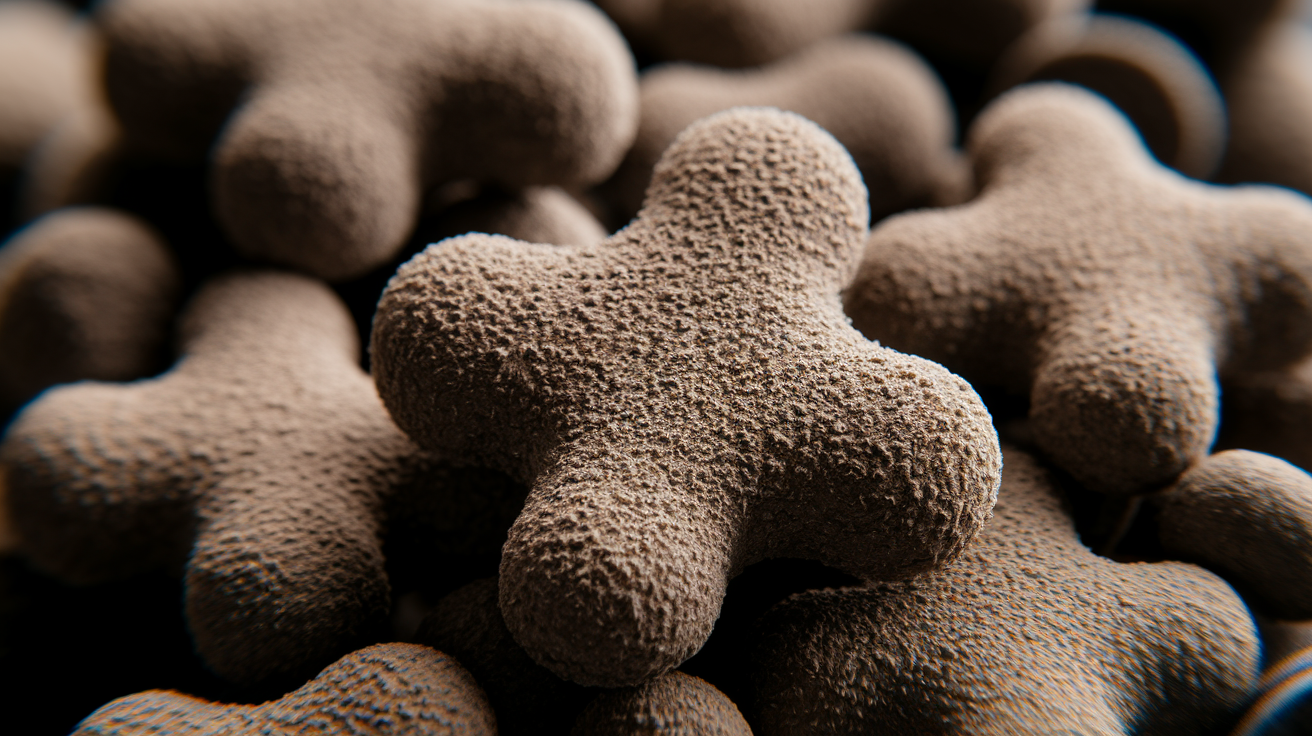
Look at your pet’s food before it hits the bowl. Kibble or wet food showing weird colors, textures, or random debris usually means something went wrong during production. Pieces that look darker, lighter, or crumbly compared to the rest of the bag? Could be mold or bad processing. And any foul, rancid, or musty smell is your first warning to toss it.
Packaging matters just as much as what’s inside. Damaged, torn, or dented cans and bags let in moisture, air, and bacteria. Bulging cans, broken seals, bags that arrived already open… all bad signs. Check the expiration or best-by date before you feed anything. If you spot insects, webbing, or foreign material mixed in with the food, stop feeding immediately.
Sometimes your pet tells you something’s wrong. If your dog or cat suddenly won’t touch food they usually love, it’s worth paying attention. They can smell or taste things you can’t, and a strong aversion to a fresh bag or can might mean the food’s off even if it looks fine to you.
Quick signs something might be wrong:
- Foul, moldy, or rancid smell when you crack open the package
- Mold, weird colors, or strange texture in the kibble or wet food
- Insects, webbing, or random objects mixed into the product
- Damaged, torn, bulging, or poorly sealed packaging
- Product past its expiration or best-by date
- Your pet suddenly refusing food they normally eat
Health Symptoms in Pets Linked to Potential Food Recalls
Digestive problems usually show up first. Vomiting and diarrhea can start within hours if bacteria like salmonella or listeria got into the food. Some pets throw up once or twice and bounce back. Others develop repeated vomiting, watery or bloody diarrhea, and clear discomfort. Loss of appetite, drooling, or constant lip licking can come with digestive symptoms. Dehydration follows fast in pets that vomit or have diarrhea for more than a few hours. You’ll see dry gums, sunken eyes, or skin that doesn’t snap back when you gently lift it.
Severe symptoms can happen if the contamination involves toxins like aflatoxins or mycotoxins from mold. These go after the liver and kidneys, causing jaundice (yellowing of the skin, gums, or whites of the eyes), increased thirst and urination, sudden weight loss, and weakness. Neurological signs like tremors, seizures, trouble walking, or confusion are rarer but possible with certain bacterial infections or heavy toxin exposure. Fever, lethargy, and reluctance to move mean your pet’s body is fighting something serious.
Timing tells you a lot. Bacterial contamination can cause symptoms anywhere from 6 to 72 hours after eating, though some infections take longer. Toxin-related illness might not appear until your pet’s eaten the contaminated food over several days or weeks, as toxins accumulate. Even if your pet seems fine after one meal, continued exposure raises the risk of organ damage.
Call your vet or animal poison control right away if you see:
- Repeated vomiting or diarrhea, especially if bloody or watery
- Dehydration, jaundice, or trouble breathing
- Seizures, tremors, collapse, or sudden behavior changes
- Won’t eat or drink for more than 12 to 24 hours
Packaging and Product Red Flags That Suggest a Pet Food Recall
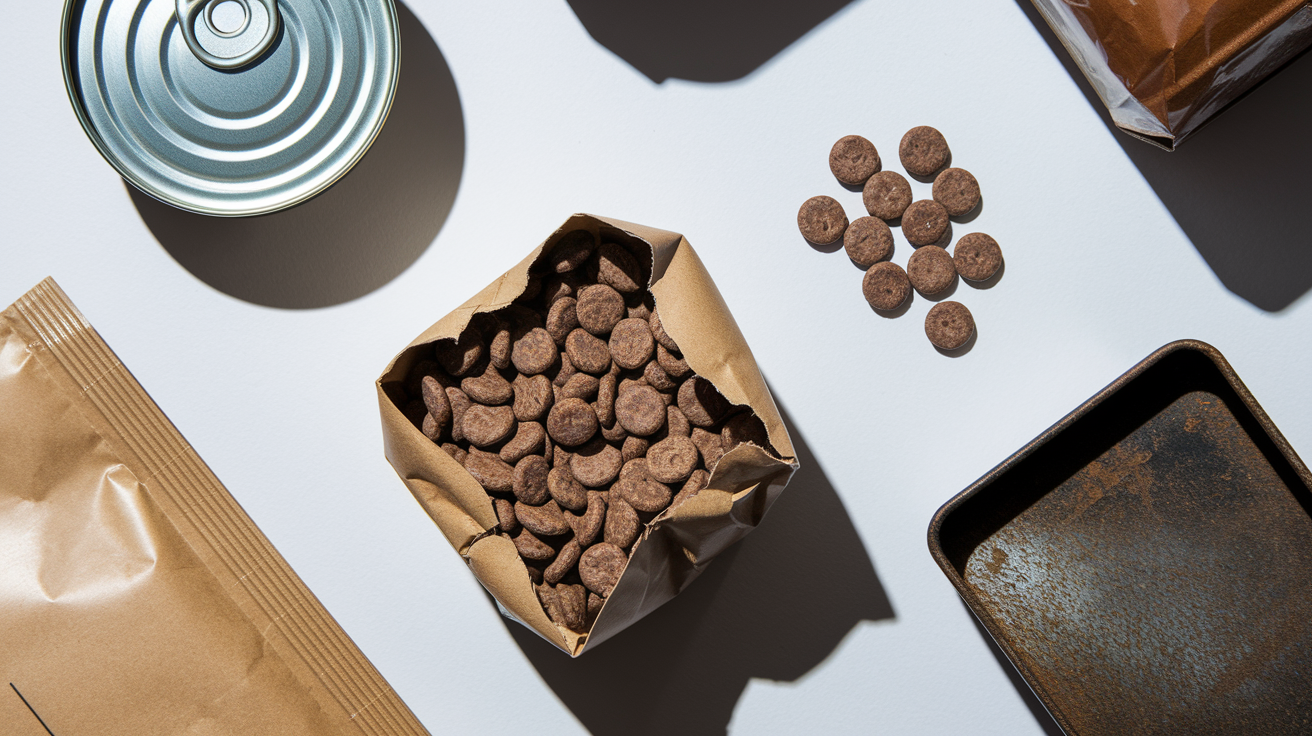
Start with your nose. Open the bag or can and smell the food before you serve it. A strong chemical smell, sour odor, or musty scent isn’t normal. Dry kibble should smell mild and grain-like or meaty, not sharp or spoiled. Wet food should smell fresh and protein-rich, not rotten or fermented. If the color looks wrong, check the whole batch. Kibble that’s way lighter, darker, or streaked with unusual tones can point to overheating, under-cooking, or mold. Wet food that’s gray, dull, or separated instead of uniform may have gone bad during storage or shipping.
Check the packaging itself. Cans with dents along the seams, bulging lids, or rust spots can develop leaks that let bacteria grow inside. Bags with torn corners, punctures, or broken zip seals lose their protection. Containers that feel sticky, damp, or greasy on the outside might’ve been stored in bad conditions. Always confirm the expiration or best-by date is still valid. Watch for labels that are smudged, peeling, or missing required info like lot numbers or ingredient lists.
| Red Flag | What It Means |
|---|---|
| Foul, sour, or musty smell | Possible bacterial growth, mold, or spoilage |
| Visible mold, webbing, or insects | Contamination during production or storage |
| Bulging, dented, or rusted cans | Seal failure, possible bacterial contamination |
| Torn, punctured, or open bags | Exposure to moisture, air, pests, or foreign material |
| Expired or missing best-by date | Product may be old, improperly labeled, or unsafe |
Where to Check for Official Pet Food Recall Notices
The most reliable place to confirm a recall is the FDA pet food recall database. This federal site lists all active and past recalls, including the date of the notice, affected brands, lot numbers, UPCs, and what went wrong. Updates appear as soon as manufacturers or the FDA issue formal announcements. Bookmark this page and check it regularly, especially if you buy specialty or raw diets that get recalled more often.
Manufacturer websites and veterinary association safety alerts are also good sources. Lots of brands post recall notices right on their homepage or in a dedicated safety section. National veterinary groups often compile and share recall summaries. You can sign up for email or text alerts through some manufacturers, retailers, or third-party recall-tracking services. These send notifications the same day a recall is announced, which helps since recalls don’t always make the news.
Top recall resources to monitor:
- FDA Animal & Veterinary recalls and withdrawals page (federal authority)
- Manufacturer or brand websites (official company notices)
- National veterinary association safety alerts (professional summaries)
- Retailer email or app alerts (if you buy from major chains or specialty stores)
How to Identify If Your Specific Pet Food Brand or Lot Was Recalled
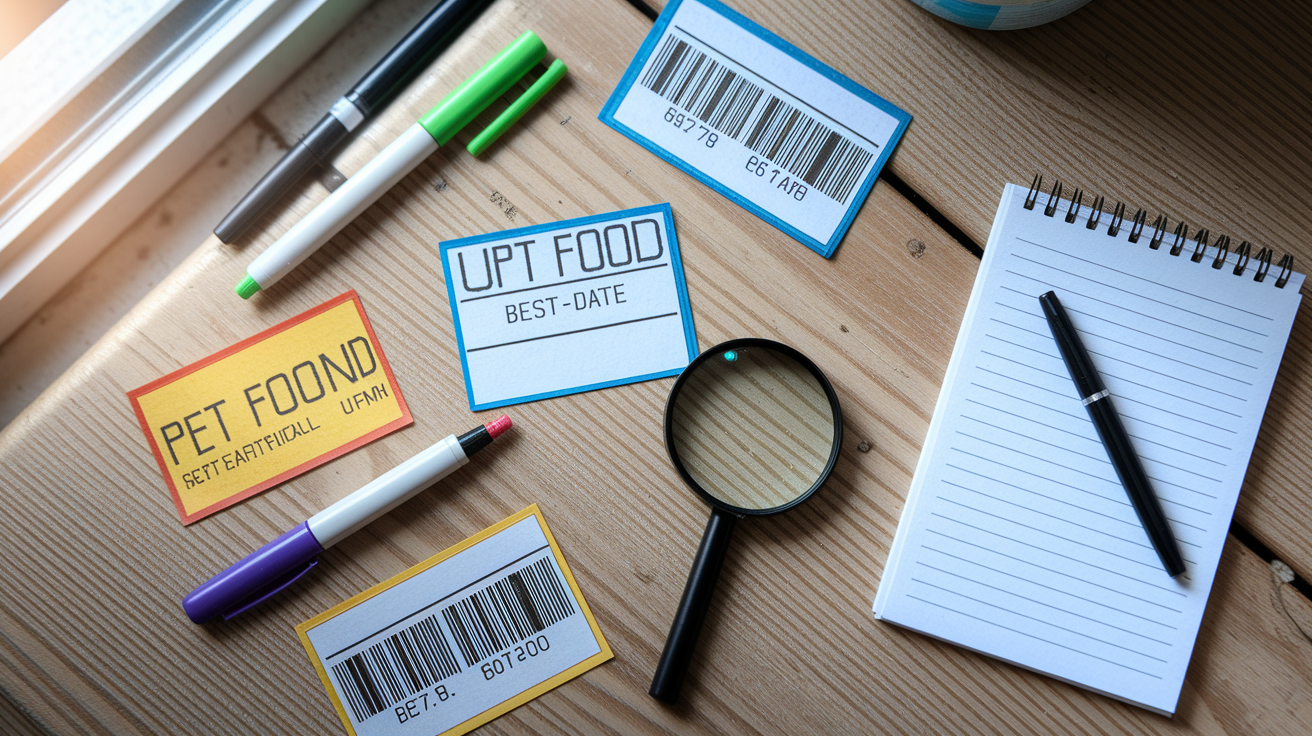
Recall notices include specific product identifiers so you can tell if your food is affected. The most important details are the lot number, best-by or expiration date, UPC or barcode, and net weight of the package. Lot numbers are usually a mix of letters and numbers stamped or printed near the expiration date, often on the bottom of a bag, the lid of a can, or the crimp of a pouch. Best-by dates come in different formats, sometimes as month-day-year (like “02102016”) or day-month-year depending on the manufacturer. The UPC is the barcode on the package. Net weight tells you the exact size of the container.
When a recall is announced, compare every detail on your packaging to the list in the notice. Even if the brand name matches, your specific lot might not be included. Recalls often affect only certain production batches made on particular dates or in specific facilities. If your lot number or best-by date isn’t listed, your product is usually safe. If any identifier matches, stop feeding the food right away.
Formatting can be confusing. Lot numbers might include slashes, dashes, or no separators. Best-by dates may be written as a string of numbers with no spaces. UPCs are typically a row of numbers under the barcode. If you can’t find a lot number, check the top, bottom, and back of the package, or look for a stamp near the nutrition label. Some brands print lot codes on an interior flap or along a sealed edge.
To verify if your food is recalled:
- Find the lot number, best-by date, and UPC on your package.
- Compare these identifiers to the exact details in the official recall notice.
- Check that the product name, type (dry, canned, frozen), and net weight match.
- If everything matches, stop feeding the food and follow recall instructions.
- If you’re unsure, contact the manufacturer’s customer service with your package details for confirmation.
Immediate Actions to Take If You Suspect a Pet Food Recall
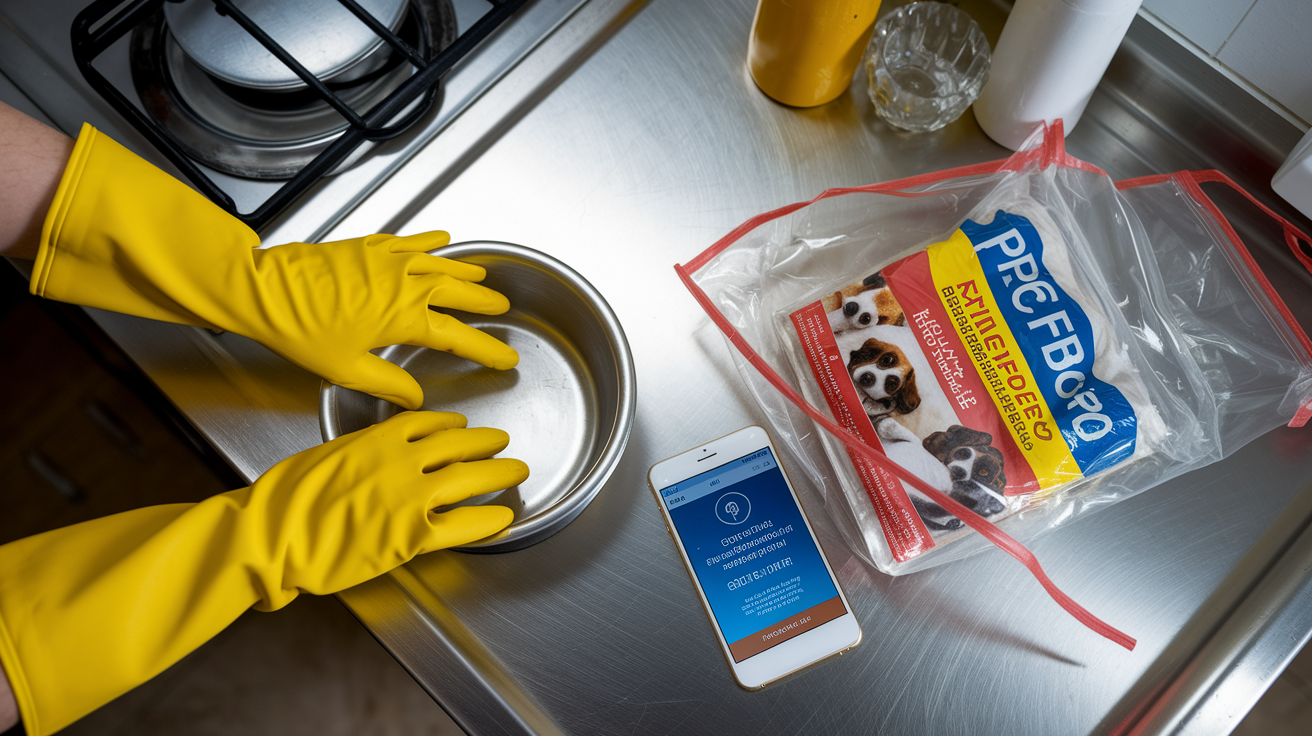
Stop feeding the product as soon as you see a recall notice or think something’s wrong. Don’t give your pet any more of the food, even if they seem fine. Remove all bowls, storage containers, and scoops that touched the food, and set them aside for cleaning. Keep the original packaging intact, including the bag, can, lid, or pouch. The lot number, UPC, and best-by date printed on the package are critical for reporting and refunds, so don’t throw anything away yet.
If your pet already ate the recalled food, contact your veterinarian immediately. Explain what your pet ate, how much, and when. Describe any symptoms you’ve noticed. Your vet may want to see your pet right away, run tests, or monitor them at home depending on the contamination type and your pet’s health. If your pet shows serious symptoms like vomiting, diarrhea, lethargy, or trouble breathing, get emergency veterinary care without waiting. You can also call the ASPCA Animal Poison Control Center at (888) 426-4435 for guidance on toxic exposure, though there’s a consultation fee.
Save any remaining food for testing or evidence. Put a small sample in a clean, sealed plastic bag or container and refrigerate or freeze it. This sample might be requested by the manufacturer, your veterinarian, or investigators if your pet becomes ill. Get rid of the rest of the recalled food in a way that keeps it away from your pet, other animals, and children. Double-bag it and put it in a secure trash bin, or follow specific disposal instructions from the recall notice. Clean and sanitize all bowls, scoops, and storage bins with hot soapy water, then disinfect with a pet-safe cleaner or a diluted bleach solution (one part bleach to ten parts water), and rinse well.
Steps to take immediately:
- Stop feeding the recalled or suspect food to your pet.
- Keep all original packaging, including the lot number, UPC, and best-by date.
- Contact your veterinarian or animal poison control if your pet ate the food, especially if symptoms appear.
- Save a small sample of the food in a sealed container and refrigerate or freeze it.
- Get rid of the remaining food securely, and sanitize all bowls, scoops, and containers that touched it.
Information Owners Should Document for Reporting Suspected Contamination

Investigators and manufacturers will ask for detailed product and purchase info when you report a suspected recall or contamination issue. Write down or photograph the exact product name and description, including whether it’s dry kibble, canned, pouched, or frozen. Record the type of container (bag, can, tray), the net weight or size, and any storage requirements listed on the label (refrigerated, frozen, or room temperature). Capture the lot number, which is often stamped near the best-by or expiration date, and note the full best-by or expiration date exactly as it appears. Take a clear photo of the UPC or barcode.
Document your purchase details. Write down when you bought the food and the exact store or website where you got it. If you ordered online, save your receipt or order confirmation email. Describe how you stored the food after purchase. Did you keep it in the original bag, transfer it to a sealed container, or refrigerate it? Note how you prepared or served the food, and whether you mixed it with anything else. If you saw a problem with the food itself, describe what you saw, smelled, or noticed, like mold, off color, weird texture, or foreign objects.
Required details to gather and preserve:
- Exact product name and product description
- Type of container (bag, can, pouch, tray, etc.) and net weight
- Lot number (alphanumeric code, usually near best-by date)
- Best-by or expiration date, written exactly as printed
- UPC or barcode number
- Purchase date and purchase location (store name or website)
- How the food was stored, prepared, and handled
- Description of the issue you observed with the food (smell, appearance, foreign material)
If your pet became ill, add the following:
- Pet’s species, breed, age, and current health status
- Symptoms you saw and when they started
- Any veterinary visits, diagnostic tests, or treatments your pet received
Common Contamination Causes Behind Pet Food Recalls
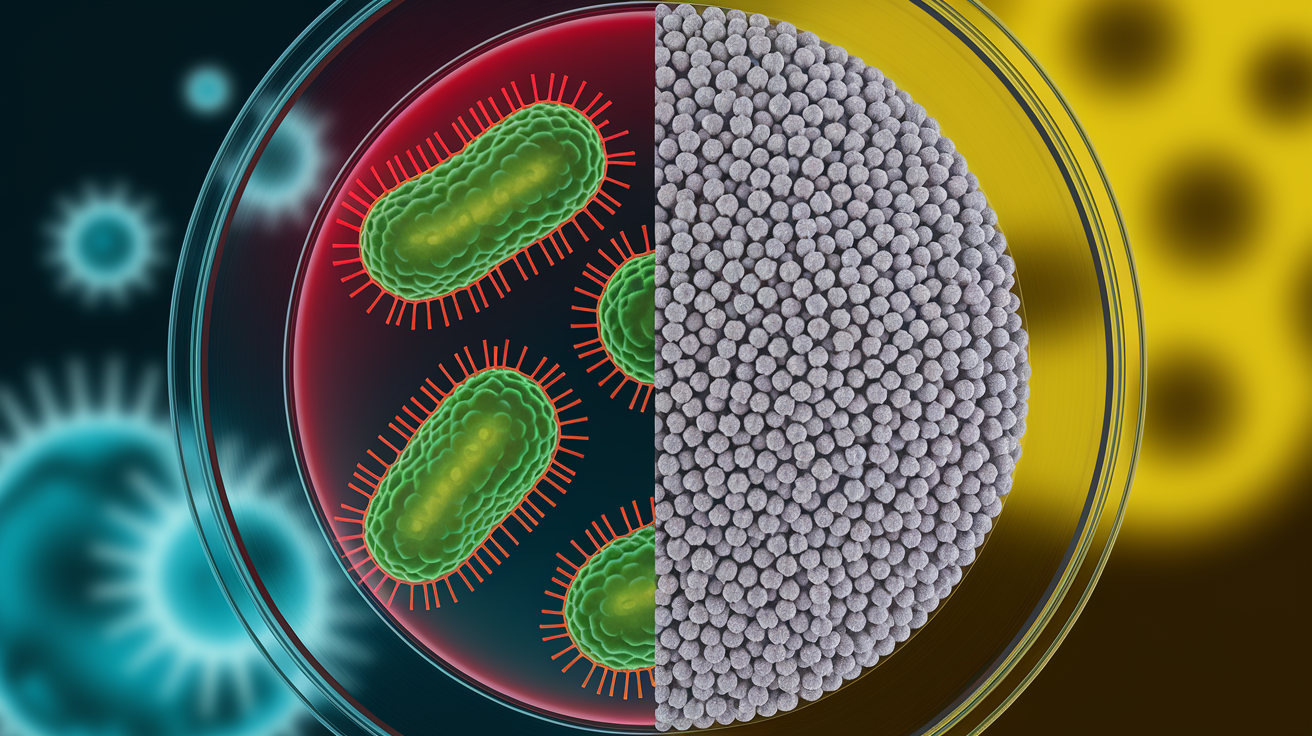
Bacterial contamination is one of the most frequent recall triggers. Salmonella and listeria can show up in raw ingredients, especially raw meat, poultry, or fish, and survive if cooking or processing temperatures are too low. Salmonella causes vomiting, diarrhea, and fever in pets. It can also spread to humans through contact with contaminated food, bowls, or pet feces. Listeria monocytogenes is less common but can lead to serious infections, including neurological symptoms, bloodstream infections, and complications in pregnant animals. Both bacteria are typically introduced during ingredient sourcing or manufacturing, and they spread fast if sanitation fails.
Mold and mycotoxins, especially aflatoxin, are another major cause of recalls. Aflatoxin is produced by mold that grows on crops like corn, wheat, and peanuts when they’re stored in warm, humid conditions. Even low levels of aflatoxin can damage the liver and kidneys over time. High levels can be fatal. Recalls related to mold contamination often happen after routine testing detects toxin levels above safe limits. Pets eating moldy food may show signs of liver failure, including jaundice, vomiting, loss of appetite, and lethargy.
Physical contamination involves foreign objects or materials that shouldn’t be in the food. Metal fragments, plastic pieces, wood splinters, or bits of packaging can get into the production line through equipment failures, damaged ingredients, or poor cleaning. Pets that swallow these materials risk choking, intestinal blockages, or internal injuries. Recalls for foreign material are usually issued quickly once a consumer or quality-control inspector reports the problem.
| Cause | Typical Recall Trigger |
|---|---|
| Salmonella contamination | Raw or undercooked ingredients, inadequate heat processing, cross-contamination during manufacturing |
| Aflatoxin or mycotoxin from mold | Moldy corn, grains, or other crops; improper storage of raw ingredients |
| Foreign material (metal, plastic, wood) | Equipment failure, damaged ingredient packaging, inadequate quality control |
| Listeria monocytogenes | Raw meat contamination, poor sanitation, cross-contact in processing facilities |
Preventive Monitoring and Safe Storage Practices to Avoid Recalled Food Risks
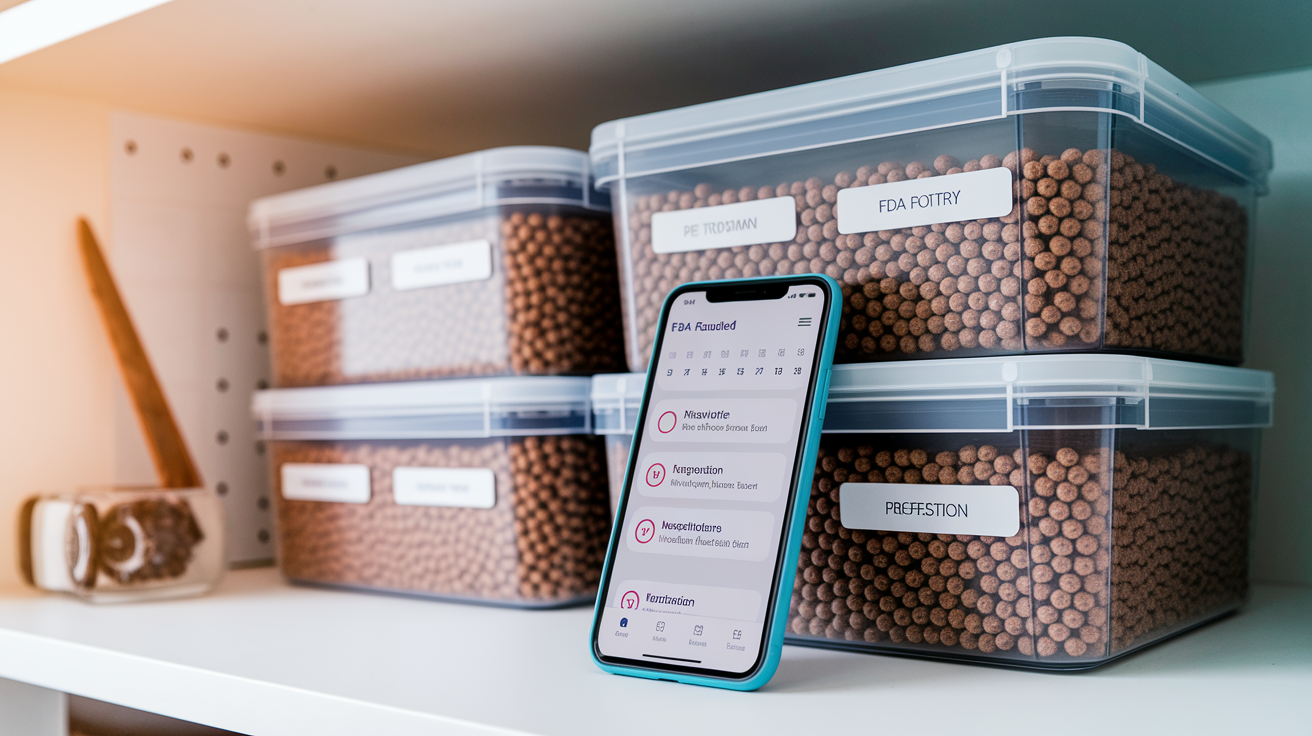
Check the FDA recall page or sign up for manufacturer alerts so you hear about recalls as soon as they’re announced. Lots of brands and retailers offer free email or app notifications that send alerts the day a recall is posted. Set a reminder to review recall lists once a week if you feed specialty, raw, or freeze-dried diets, since these products get recalled more often than standard kibble. Inspect every new bag or can before you open it. Look for damaged packaging, broken seals, or any signs of moisture, mold, or pests. Smell the food when you first open it, and toss anything that smells off.
Store pet food according to the label instructions. Keep dry kibble in a cool, dry place, ideally in the original bag inside a sealed container to protect it from humidity and pests. Refrigerate or freeze raw, fresh, or opened canned food as directed, and use it within the recommended time frame. Rotate your stock so you always use the oldest food first. Write the purchase date on each bag or can with a permanent marker, and keep a simple log of lot numbers and best-by dates for specialty or bulk purchases. This makes it faster to check if your food is affected when a recall happens.
Best practices to reduce recall risk:
- Monitor official recall sources regularly and subscribe to manufacturer or retailer alerts
- Inspect packaging for damage, off smells, or visible contamination before feeding
- Store food per label instructions and keep it in a sealed, clean container
- Rotate stock using the oldest product first, and track lot numbers and purchase dates for reference
Final Words
In the action, we covered quick visual checks for off-color pieces, moldy or rancid smells, and damaged packaging that can point to trouble. You also saw what to do when a pet suddenly refuses food.
We covered where to check official notices, how to match lot and UPC codes, and immediate steps while preserving samples and notes. If your pet shows worrying signs after eating, call your vet.
Keep a short checklist of the top signs of a pet food recall and hold onto packaging until you’re sure. Small steps now can prevent bigger problems, and you’re better prepared.
FAQ
Q: How do I know if my pet food is recalled?
A: You know a pet food is recalled by checking official lists (FDA, manufacturer) and matching lot, UPC, or best-by date. Also watch for damaged packaging, off smells, visible mold, or store recall alerts.
Q: What are the top three dog foods to avoid?
A: The top three dog foods to avoid are: brands with recent recalls, unlabeled bulk or bargain blends lacking lot codes, and formulas low in named meat but high in vague fillers or artificial additives.
Q: Which brands of dog food are being recalled?
A: Brands being recalled change often; check the FDA pet food recall database and manufacturer websites, search your brand plus “recall,” and compare lot or UPC numbers to confirm.
Q: What is the 25 rule for dog food?
A: The 25 rule for dog food means labels like “Chicken Dinner” require at least 25% of the named ingredient by weight before cooking; other terms like “with” or “flavor” have lower percentage rules.