

Could the toys, bowls, or treats you buy be quietly harming your pet?
It’s easy to be fooled by pretty packaging or the word “natural,” and those choices can affect your animal’s health.
This short guide shows practical checks you can do fast—what materials to pick, which label claims to trust, and how to read ingredient lists and sizing.
By the end you’ll have a quick checklist to spot risky products and know when to call your vet.
Essential Safety Principles When Selecting Pet Products
Before you hit “add to cart,” there are a few basic safety checks that can save you from bringing something unsafe into your home. They don’t take long, and they make a real difference.
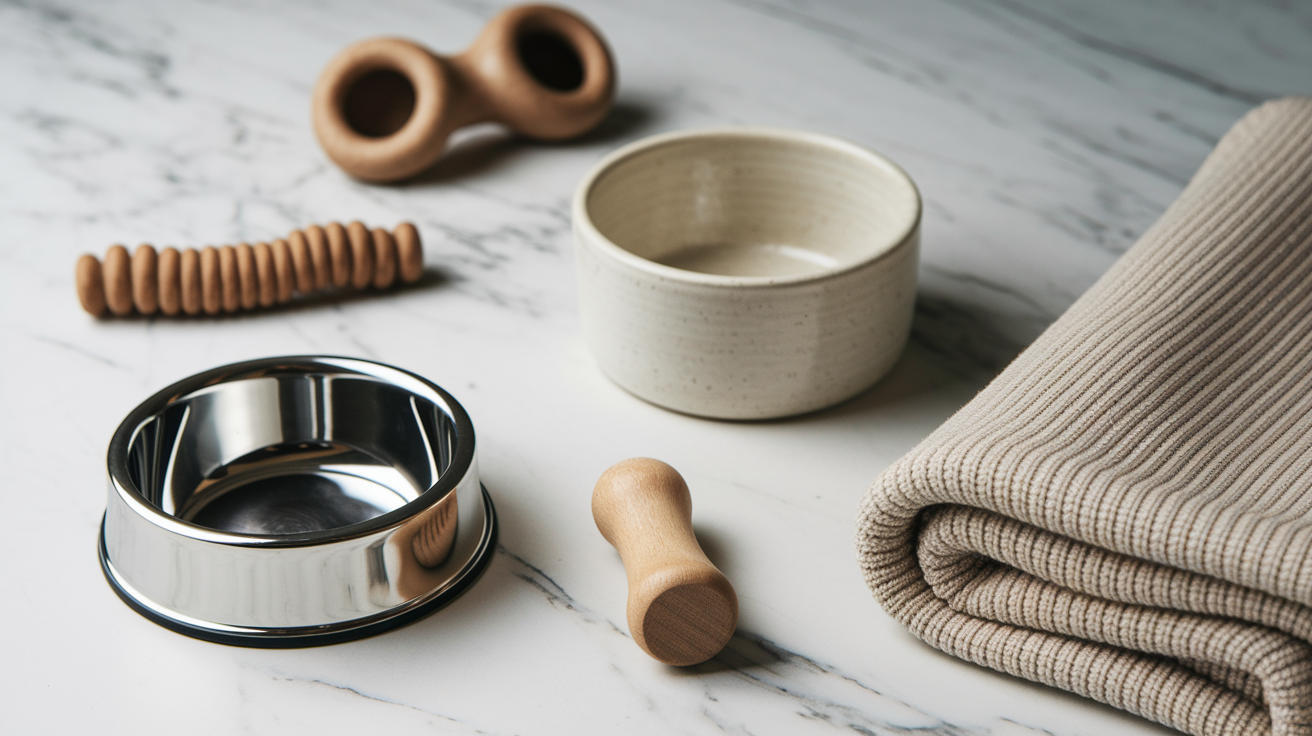
Start with materials. Stainless steel or properly glazed ceramic works best for bowls. For toys, stick with natural rubber, untreated wood, or organic cotton instead of cheap plastics that might contain BPA, phthalates, or lead. Bedding should use low-VOC foam with machine-washable covers. If something says “non-toxic” but won’t tell you what it’s made from or which certifications back that up, that’s a warning sign. You’ll also want to size-check toys against your pet’s mouth. Safe means bigger than the widest part of their snout. If the whole thing fits inside, it’s a choking risk.
Next, actually read the ingredient breakdown. For food and treats, UK label rules mean “with X” only requires 4 percent of that ingredient. “Rich in X” needs at least 14 percent. “X flavour” can contain literally zero of the thing. With grooming products and fabrics, avoid artificial dyes, parabens, sulfates, and vague terms like “natural” that don’t mean anything legally. When buying toys, check for the BS EN 71 mark (the European toy safety standard). For food, FEDIAF compliance shows the brand follows recognized nutritional guidelines. Toys, grooming items, and accessories often fall under general consumer rules instead of pet-specific regulation, so your own inspection becomes even more important.
Here’s your core checklist:
- Confirm materials are named and non-toxic. Stainless steel or ceramic for bowls, natural fibers or BPA-free rubber for toys.
- Read the full ingredient list and watch for vague wording or missing disclosures.
- Verify the toy is larger than your pet’s mouth width and check for loose parts, weak seams, or exposed stuffing.
- Look for safety certifications like BS EN 71 for toys or FEDIAF membership for food.
- Check recent recall databases for the product line before purchasing.
- Inspect the product for strong chemical smells, flaking paint, or visible construction flaws when it arrives.
Understanding Pet Product Labels and Ingredient Lists Safely
Labels can be confusing on purpose. Brands get to use words like “natural” or “holistic” without any legal definitions, and ingredient order or percentage claims aren’t always what they look like.
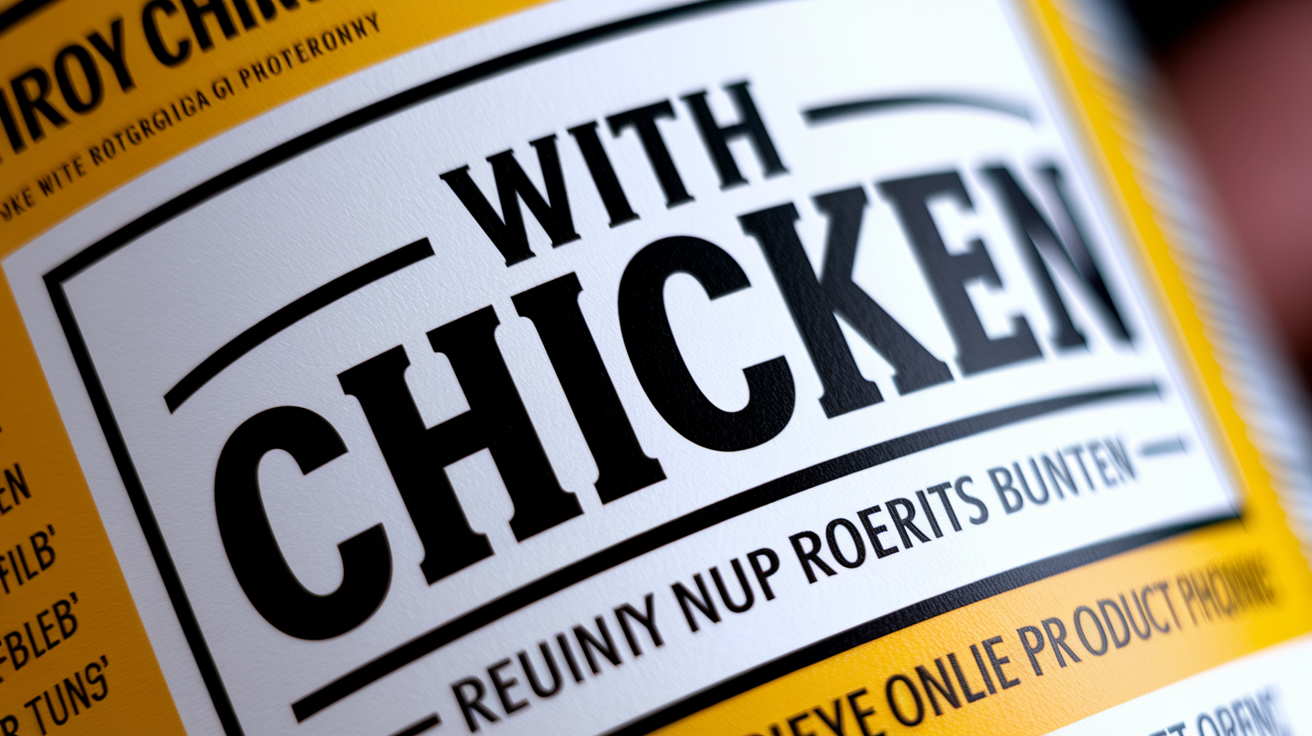
Ingredients go by weight, so the first few items make up most of the product. For food and treats, you want named protein sources like “chicken” or “salmon” instead of vague terms like “meat meal” or “animal by-product.” If a label says “with chicken,” UK and EU rules only require 4 percent chicken. “Rich in chicken” must contain at least 14 percent. “Chicken flavour” might not contain any actual chicken. When a brand won’t disclose full materials or says “proprietary formula,” don’t buy it. For grooming products, skip artificial fragrances, parabens, sulfates, and synthetic dyes. For bedding and toys, avoid products that list “fabric” or “filler” without naming the fiber or foam type.
When reading labels, use these five checks:
- Ingredients should be listed in descending order by weight. Look at the top three to five.
- Named, specific ingredients (organic cotton, wild-caught salmon, oatmeal extract) beat generic terms.
- Percentage claims follow the 4 percent and 14 percent rules. Double-check what “with” or “rich in” actually means.
- “Natural,” “holistic,” or “premium” are marketing words with no regulatory standard.
- Full disclosure of preservatives, colors, and additives is a sign of a trustworthy brand.
Safety Certifications and Standards for Pet Products
Certifications help you separate tested products from marketing hype, but not all product categories have the same level of oversight. Pet food in the UK is covered by more than 50 pieces of legislation, including rules on nutrition, labelling, and contamination. Toys, grooming products, and accessories often fall under general consumer safety rules instead of pet-specific checks, so independent certifications matter more here.
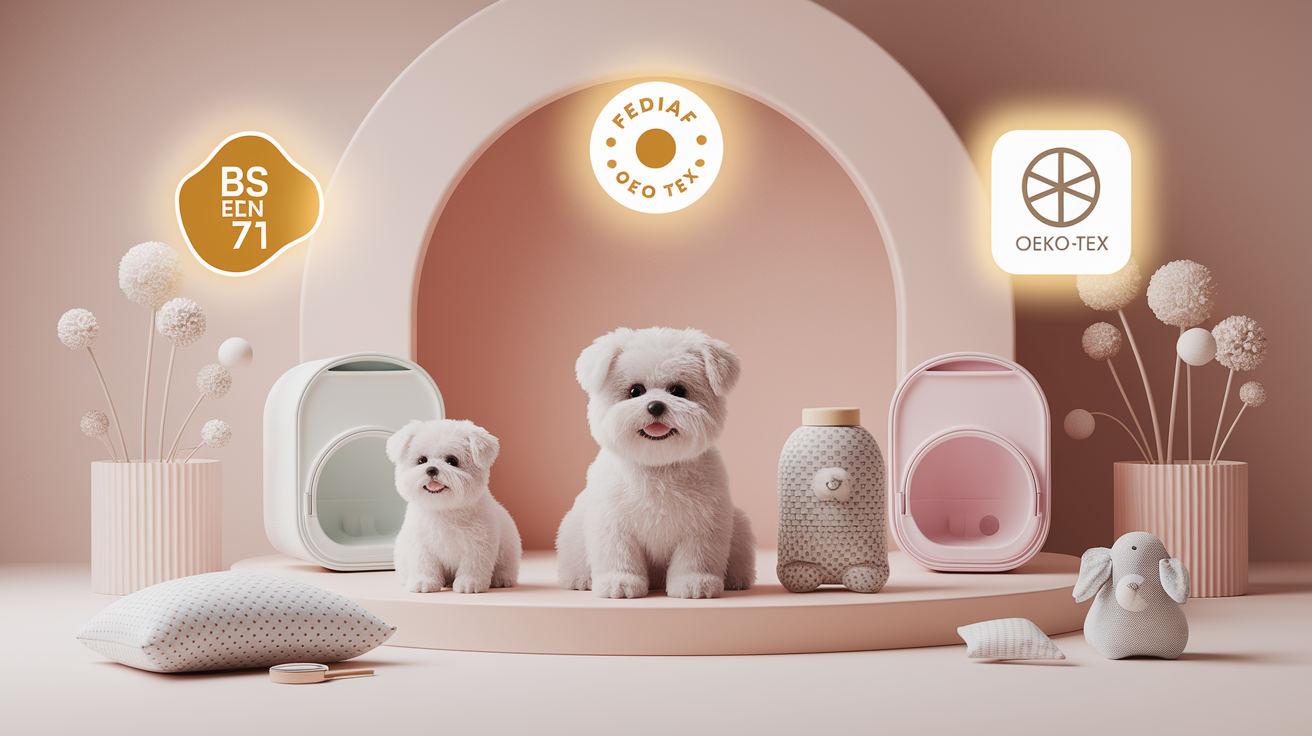
For toys, look for the BS EN 71 mark (European toy safety standards for chemical limits and small-part warnings). For food, FEDIAF compliance shows a brand follows the nutritional guidelines set by the European Pet Food Industry Federation. For grooming, you want pH-balanced formulas designed for pet skin, which is more alkaline than human skin. Independent eco-labels, cruelty-free certifications, and non-toxic seals add another layer of confidence, especially for shampoos and sprays. For bedding and fabric items, OEKO-TEX certification means the textile was tested for harmful chemicals. For foam, look for low-VOC or CertiPUR-US style certifications, which limit volatile organic compounds and flame retardants.
Third-party testing is a strong signal. If a brand publishes lab results, batch testing, or independent safety audits, they’re showing their work. If they only list their own claims without outside verification, that’s a yellow flag. You can also check whether the brand is a member of a recognized pet food or product trade association, which often requires quality standards and recall protocols.
Avoiding Toxic Materials and Hazardous Chemicals in Pet Products
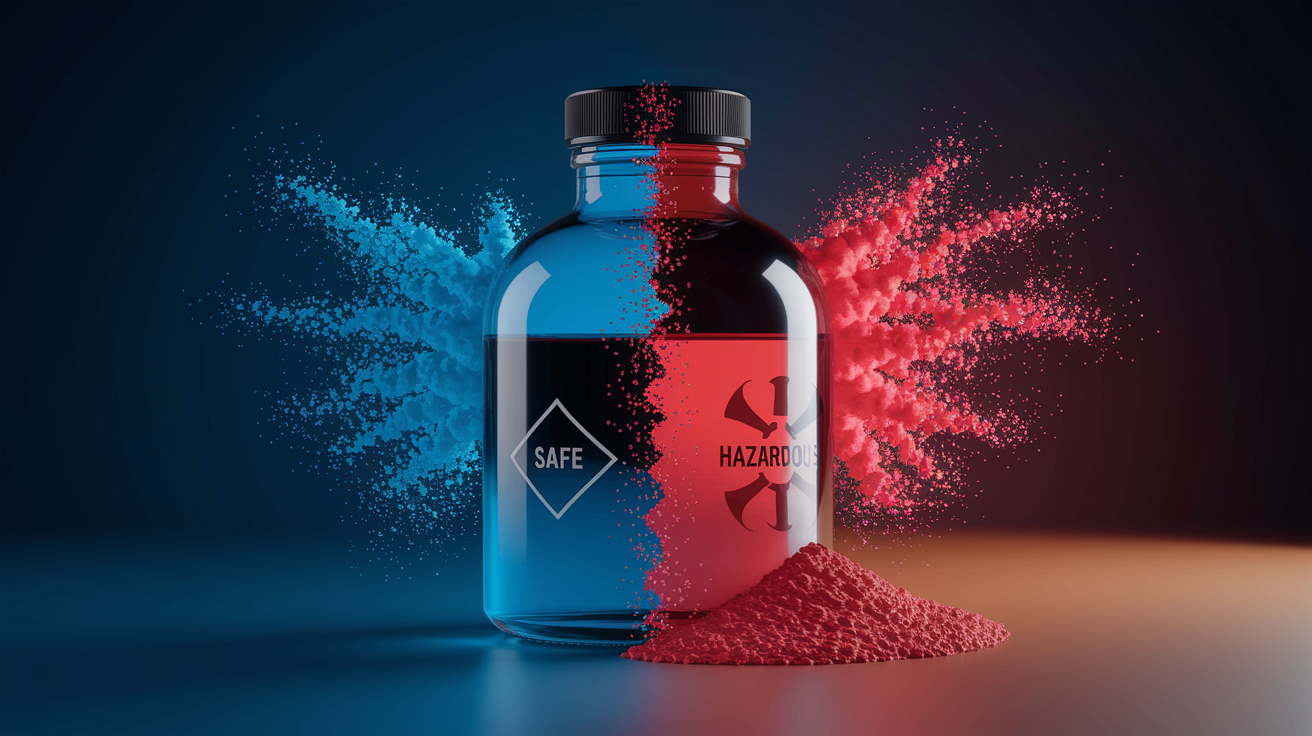
Certain chemicals and materials show up in pet products even though they can harm your cat or dog. Cheap plastics may contain BPA, which can leach into food or water and disrupt hormones. Phthalates, often found in soft plastics and artificial fragrances, are linked to respiratory problems. Lead can appear in painted toys, glazes on ceramic bowls, and low-quality metal hardware. Parabens and sulfates in shampoos can strip natural oils from your pet’s skin and coat. Artificial dyes and synthetic fragrances can trigger allergic reactions, especially in animals with sensitive skin.
For treats and chews, xylitol is extremely dangerous for dogs and can cause liver failure and seizures. Chocolate, grapes, and raisins are also toxic and should never appear in any pet product. Undisclosed fillers and vague “flavor” ingredients can hide allergens or low-quality protein sources. For bedding, flame retardants and off-gassing foam can irritate respiratory systems, especially in cats.
Safe alternatives are straightforward. Choose stainless steel (18/8 or 304 grade) or lead-free, fully glazed ceramic for food and water bowls. Pick natural rubber, untreated wood, or organic cotton for toys. Use wool, organic cotton, or tightly woven natural fibers for bedding, and make sure any foam is labelled low-VOC. For grooming, look for pH-balanced pet formulas with naturally derived preservatives or preservative-free options when shelf life and storage allow.
| Material or Chemical | Safe or Avoid? |
|---|---|
| BPA, phthalates, lead | Avoid |
| Parabens, sulfates, artificial dyes | Avoid |
| Xylitol (in treats) | Avoid |
| Stainless steel (304), lead-free ceramic | Safe |
| Organic cotton, natural rubber, wool | Safe |
| Low-VOC foam, pH-balanced pet shampoos | Safe |
Choosing Safe Toys, Bowls, Bedding, Treats, and Grooming Products
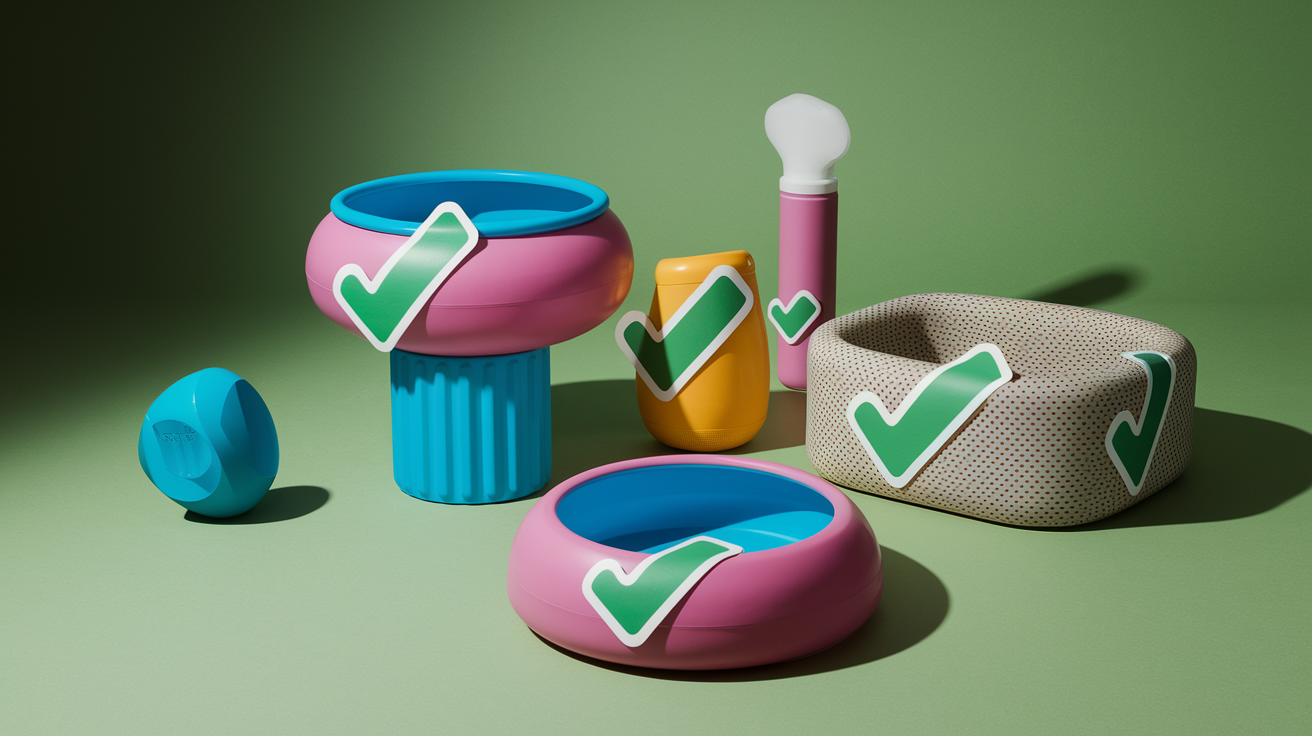
Each product category has its own set of safety rules. For toys, size is the first check. A toy must be larger than the widest part of your pet’s mouth so they can’t swallow it whole. Inspect seams, stuffing access, and squeaker placement. If your dog can rip through fabric or pull out a squeaker in the first session, that toy isn’t safe for unsupervised play. Look for one-piece construction or reinforced stitching. Avoid toys with small removable parts like plastic eyes, buttons, or ribbons. For heavy chewers, choose toys rated “indestructible” and replace them at the first sign of splitting or fraying.
For food and water bowls, stainless steel (18/8 or 304 grade) is the safest choice because it doesn’t harbor bacteria, won’t crack, and is dishwasher-safe. Ceramic works well if it’s fully glazed, lead-free, and free of chips or cracks. Skip plastic bowls for dogs that chew or scratch, since bacteria can grow in scratches and some plastics leach chemicals. Make sure bowls are the right height for your pet’s size and breed to reduce strain on their neck and joints.
Bedding should have machine-washable, removable covers so you can keep things clean without replacing the whole bed. Check that foam or fill is labelled low-VOC and free from harsh flame retardants. Natural fibers like cotton or wool are gentler on skin and less likely to cause allergic reactions than synthetic fabrics with unknown dyes. Look for tight weaves that won’t snag claws or fray easily.
For treats and chews, the ingredient list is everything. Avoid xylitol, chocolate, grapes, raisins, and anything with excessive artificial colors or unnamed “flavor” additives. Choose treats with one or two ingredients, like single-source protein (sweet potato, salmon, chicken breast), and check the expiration date and batch or lot number. If a brand won’t print a lot code, you can’t trace the product if a recall happens.
High-risk product categories to watch closely:
- Toys with squeakers, small parts, or weak seams that can release choking hazards.
- Plastic bowls that can harbor bacteria or leach chemicals, especially when scratched.
- Bedding with synthetic foam or fabric that off-gasses or uses undisclosed flame retardants.
- Treats or chews that list vague ingredients, artificial additives, or fail to disclose allergens.
Preventing Choking and Injury: Size and Durability Checks
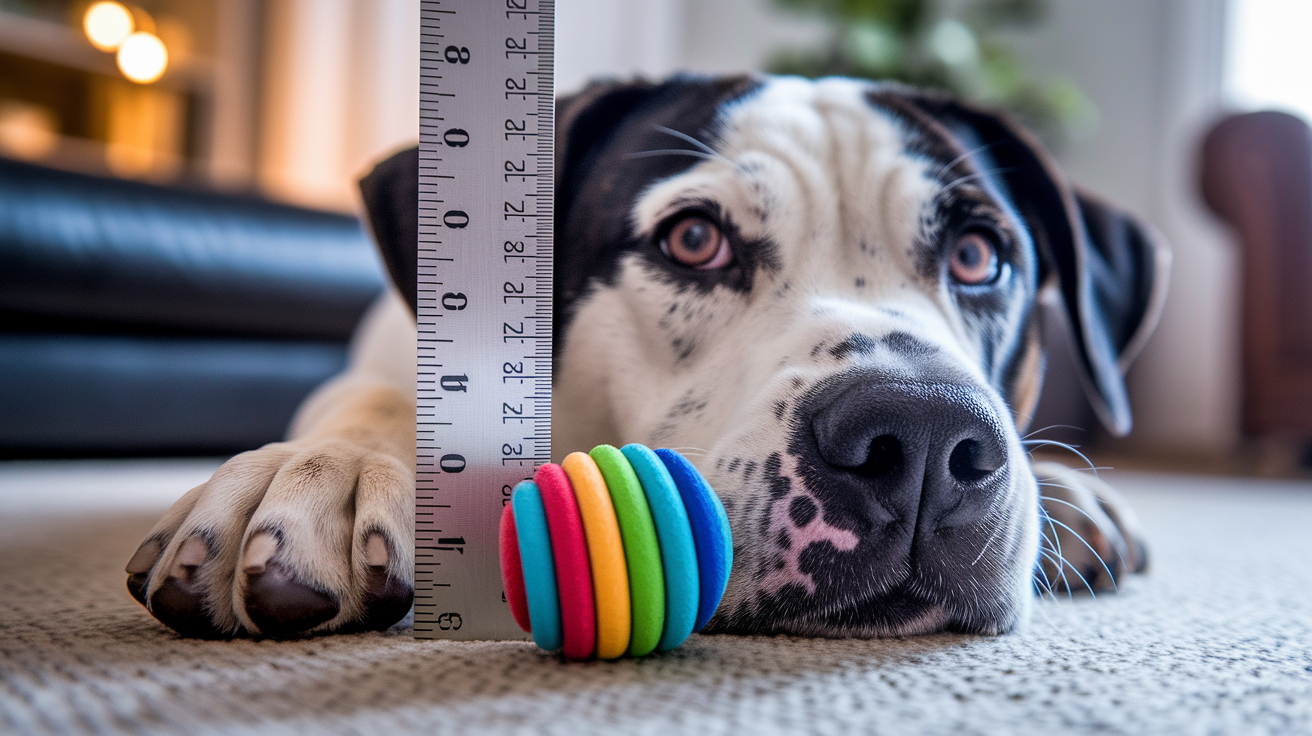
A toy is only safe if your pet can’t fit the whole thing in their mouth. Measure the widest part of your dog’s snout or your cat’s mouth, then compare it to the toy. If the toy is smaller or can compress to fit inside, it’s a choking risk. This rule applies to balls, chew toys, puzzle pieces, and any item your pet might carry or gnaw.
Durability matters just as much. Heavy chewers can shred “soft” toys in minutes, exposing stuffing, squeakers, and fabric threads that can cause intestinal blockages if swallowed. Check every toy after the first play session. If you see split seams, exposed stuffing, loose squeakers, or chunks missing, throw the toy away. Don’t wait for your pet to swallow a piece before you act. For rope toys, watch for fraying. Once threads come loose, they can wrap around teeth or be swallowed in long strands.
Here’s your four-step size and wear inspection:
- Before buying, confirm the toy is larger than your pet’s mouth width and can’t be compressed to fit inside.
- Supervise the first few play sessions closely and watch how your pet interacts with the toy.
- After each use, inspect for split seams, exposed interior materials, loose parts, or missing chunks.
- Replace any toy immediately at the first sign of damage, fraying, or access to stuffing or squeakers.
Assessing Brand Reputation, Recalls, and Customer Reviews Safely

Not all brands are equal, and a low price or flashy packaging doesn’t tell you anything about safety. Before you trust a product, look at how the brand communicates. A reputable manufacturer will list full ingredient or material breakdowns, include clear contact information, print batch or lot numbers on packaging, and make recall information easy to find. If a brand hides behind vague claims like “premium formula” or “secret blend,” they’re not being transparent.
Check recent recall databases before you buy. In the UK, you can search the Food Standards Agency and local consumer safety listings. In the EU and US, check the respective federal recall pages. Many manufacturers also publish recall notices on their own websites. If a brand has multiple recalls for contamination, mislabeling, or safety failures, that’s a pattern worth avoiding. Also look for third-party testing. Brands that publish independent lab results, safety audits, or certificates from recognized bodies are showing you proof, not promises.
Customer reviews are helpful, but read them critically. Look for patterns, not one-off complaints. If multiple reviews mention the same problem (allergic reactions, product breaking quickly, strong chemical smell), take it seriously. Balanced reviews that mention both good and bad experiences are more trustworthy than five-star-only listings. Watch for generic or repeated phrasing, which can signal fake reviews. If a product smells strongly of chemicals when you open it, or if the packaging is inconsistent with what the website showed, contact the seller and consider returning it.
Five steps to vet a brand’s trustworthiness:
- Confirm the label includes full ingredient or material disclosure and manufacturer contact details.
- Check that packaging shows batch or lot numbers so the product can be traced.
- Search official recall databases for the brand and product line before purchasing.
- Look for third-party testing, certifications, or independent safety endorsements.
- Read multiple customer reviews and watch for repeated reports of reactions, breakage, or quality issues.
When to Consult a Veterinarian Before Buying Pet Products
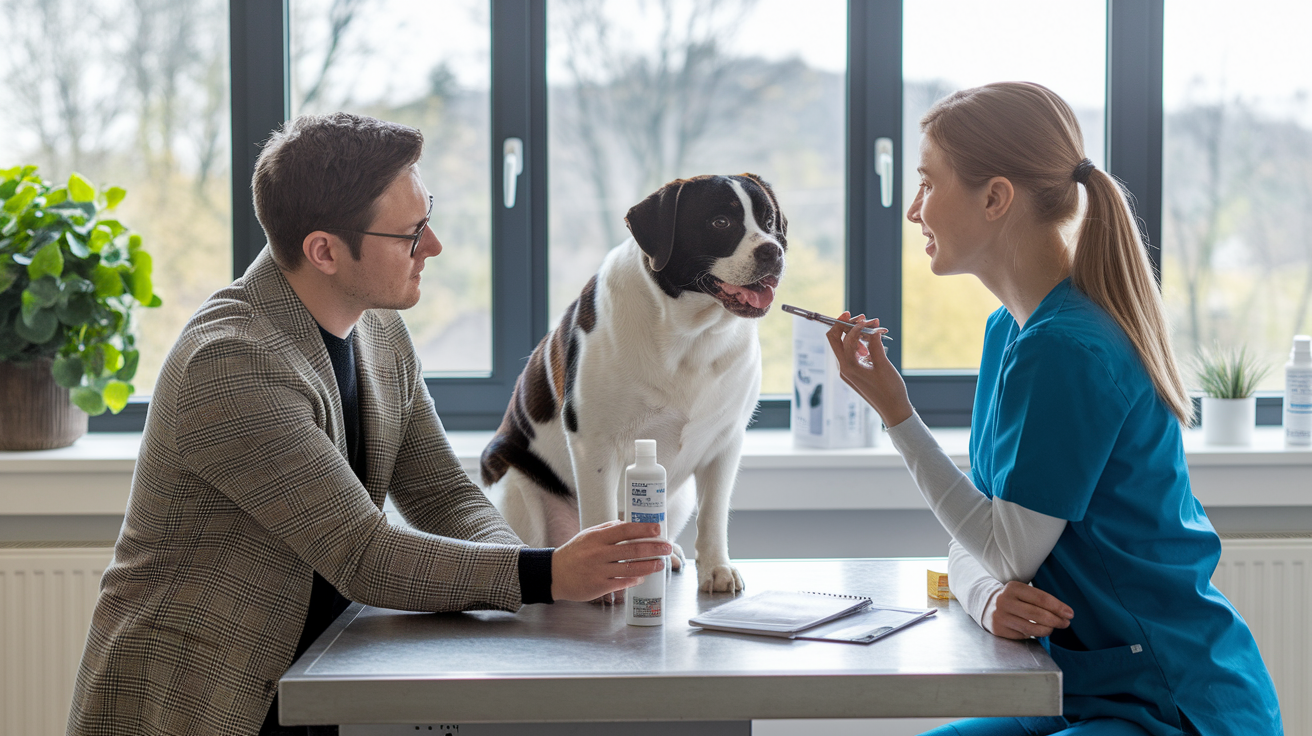
Your veterinarian knows your pet’s health history, breed tendencies, and any sensitivities that could make certain products unsafe. Before you introduce a new type of chew, treat, supplement, or grooming product, ask your vet. This is especially important if your pet has food allergies, skin conditions, dental disease, or a history of swallowing foreign objects. Some breeds are prone to choking or have stronger bite force, which changes the kind of toys and chews that are safe. Senior pets and animals with joint issues may need softer bedding or bowls at a different height.
If your pet has had allergic reactions before, your vet can guide you through an elimination process to identify safe ingredients. They can also recommend prescription diets or medically formulated grooming products when over-the-counter options aren’t enough. For supplements, novel proteins, or any product that makes health claims, get veterinary approval first. What works for one dog might trigger a reaction in another, and your vet can help you avoid trial-and-error risks.
A Quick Owner-Friendly Safety Checklist for Pet Products
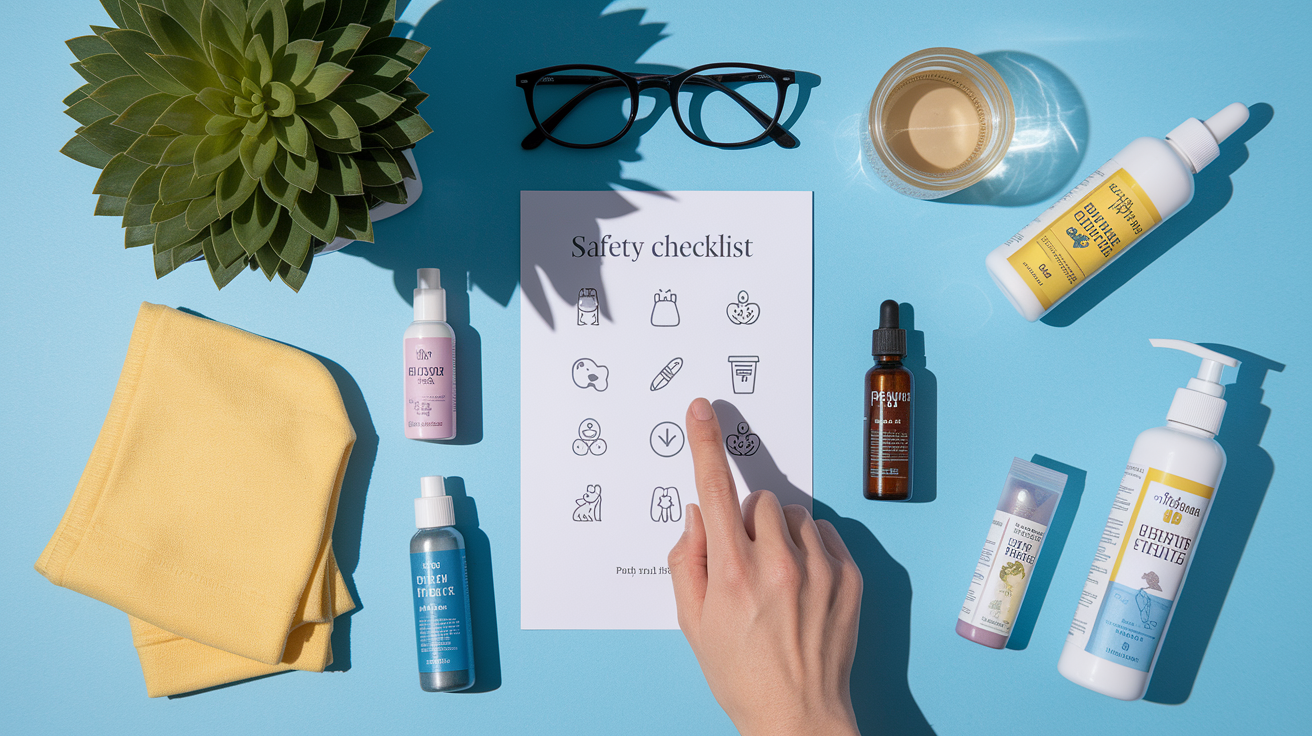
Here’s a short list you can use every time you shop, whether you’re buying online or standing in the pet aisle. Run through these checks before you buy, and again when the product arrives.
- Read the full ingredient or material list and confirm it names specific, non-toxic components.
- Check for safety certifications: BS EN 71 for toys, FEDIAF compliance for food, low-VOC or textile standards for bedding.
- Verify bowls are stainless steel (304 grade) or lead-free glazed ceramic and that toys use BPA-free, natural materials.
- Size-check toys to make sure they’re larger than your pet’s mouth and can’t be swallowed whole.
- Inspect the product for weak seams, loose parts, strong chemical smells, flaking paint, or visible construction flaws.
- Look for expiration dates, batch numbers, and clear manufacturer contact information on packaging.
- Search recent recall databases for the brand and product line before you finalize the purchase.
- Ask your veterinarian before introducing new treats, chews, supplements, or grooming products if your pet has health conditions or sensitivities.
Final Words
In the action, you learned quick safety checks: spot non-toxic materials, read ingredient and label rules, and use size and durability tests for toys and bowls.
We covered trusted certifications, how to vet brands and recalls, and when to check with your veterinarian for allergies or special needs.
Use the checklist and keep a short note of any issues. Following these straightforward steps on how to choose pet products safely helps protect your pet and makes everyday care easier and calmer.
FAQ
Q: How do I choose pet products safely?
A: Choosing pet products safely means checking materials, size, labels, and certifications first — pick stainless steel or fully glazed ceramic bowls, low-VOC bedding, and toys with clear safety marks and no weak seams.
Q: What chemicals and materials should I avoid in pet products?
A: You should avoid BPA, phthalates, lead, parabens, sulfates, artificial dyes and fragrances, and xylitol in treats; prefer stainless steel, ceramic, natural rubber, organic cotton, or wool instead.
Q: How do I read pet product labels and percentage claims?
A: Reading pet product labels means knowing “with X” implies about 4% X, “rich in X” about 14%, and “X flavour” may contain none; prefer named proteins and full ingredient disclosure over vague words like “natural.”
Q: Which certifications and standards should I look for?
A: You should look for BS EN 71 for toys, FEDIAF compliance for pet food, OEKO-TEX for fabrics, low-VOC or CertiPUR-style foam labels, and independent third-party testing where possible.
Q: How do I pick safe toys for my pet?
A: Picking safe toys means choosing items larger than your pet’s widest mouth, avoiding removable small parts or weak seams, skipping easily accessed squeakers, and supervising new toys until proven durable.
Q: What bowls and bedding materials are safest?
A: Safer bowls are 18/8 or 304 stainless steel or fully glazed, lead-free ceramic, ideally dishwasher-safe; choose bedding with low-VOC foam, tight weaves, and removable, machine-washable covers.
Q: How can I prevent choking and check durability?
A: Preventing choking means using toys larger than the pet’s mouth width, discarding items with chew-throughs, split seams, or loose stuffing, scheduling replacements for heavy chewers, and supervising play.
Q: What should I watch for with treats and grooming products?
A: Watch for treats containing xylitol, chocolate, or raisins, check expiration and batch numbers, and choose grooming products that are pH-balanced and free of harsh surfactants, parabens, and strong fragrances.
Q: How do I assess a brand’s reputation and recalls?
A: Assessing reputation means checking clear ingredient lists, visible manufacturer contact and batch numbers, third-party test results, independent reviews, and official recall databases; chemical odors are a red flag.
Q: When should I consult a veterinarian before buying a product?
A: You should consult your vet before buying products for allergies, elimination diets, dental problems, supplements, breed-specific choking or chewing risks, or skin and grooming sensitivities.
Q: What quick safety checks should I do before buying any pet product?
A: Quick safety checks: read the label, verify certifications, confirm non-toxic materials, check size vs. mouth width, inspect construction, note expiration/batch info, search recalls, and review manufacturer transparency.