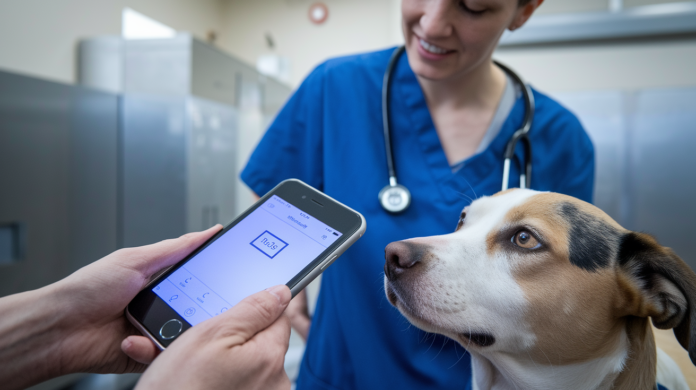

Think a collar is enough to bring a lost pet home?
Collars and tags help, but they often fail.
They break, slip off, or get chewed.
A microchip is a tiny, permanent ID under your pet’s skin that shelters can scan.
Research shows microchipped dogs are 2.5 times more likely to return and cats over 20 times more likely.
But the chip only works if it’s registered and your contact details are kept current.
This post explains how microchips work, why registration matters, and simple steps to make sure your pet can come home.
Key Reasons Microchips Matter for Lost Pet Recovery
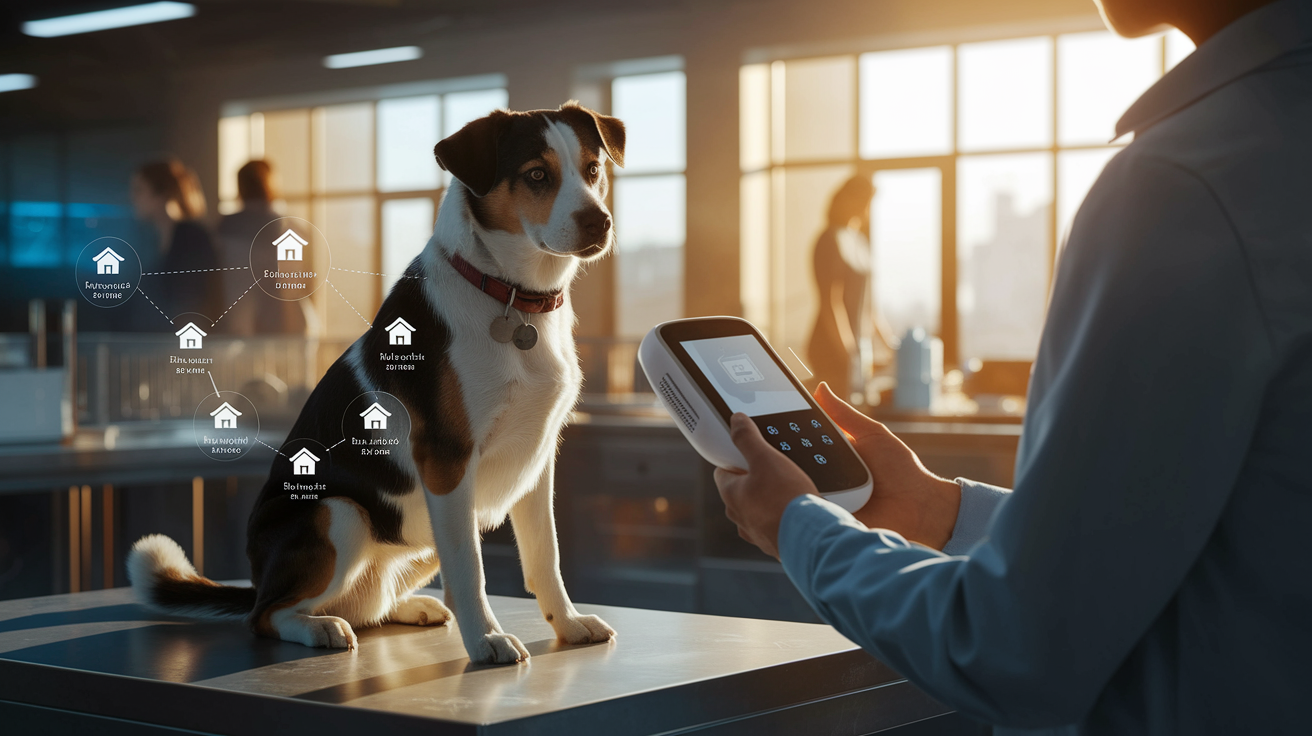
Over 10 million pets go missing in the United States every year. That’s more than 27,000 families dealing with the panic and heartbreak of a lost companion each day. Microchipping cuts through those odds better than almost anything else. The American Veterinary Medical Association found that microchipped dogs are 2.5 times more likely to make it home. For cats, the difference is even bigger: 21.4 times more likely to be reunited with their families.
The reason? Permanent identification.
Collars fall off. Tags fade or get torn away. A microchip stays with your pet for life. It’s a tiny implant, about the size of a rice grain, placed just under the skin between the shoulder blades. It carries a unique ID number linked to your contact information in a secure registry. Shelters, veterinary hospitals, and animal control agencies across the country have been using this technology safely since the 1980s, and it’s now standard practice.
But here’s the catch: registration is what makes the whole thing work. The chip itself is just a number until you connect that number to your name, phone, address, and backup contacts in the manufacturer’s database. When shelters scan your pet, they search the registry to find you. If your information isn’t current or was never registered at all, the chip can’t do its job.
A few myths still make the rounds. Microchips aren’t GPS trackers. They won’t show you where your pet is in real time. They work when a shelter or vet scans your pet and calls the number on file. And they don’t replace collars and tags. Collars are still your pet’s quickest path home. The microchip is your backup when the collar fails.
Why microchips matter most:
- Permanent identification that can’t be lost, ripped off, or faked
- Much higher reunification rates backed by veterinary research
- Essential for shelter intake, where scanning happens as standard protocol
- No batteries, no maintenance, lifetime reliability once it’s implanted and registered
How Pet Microchips Work and Why Their Technology Is Reliable
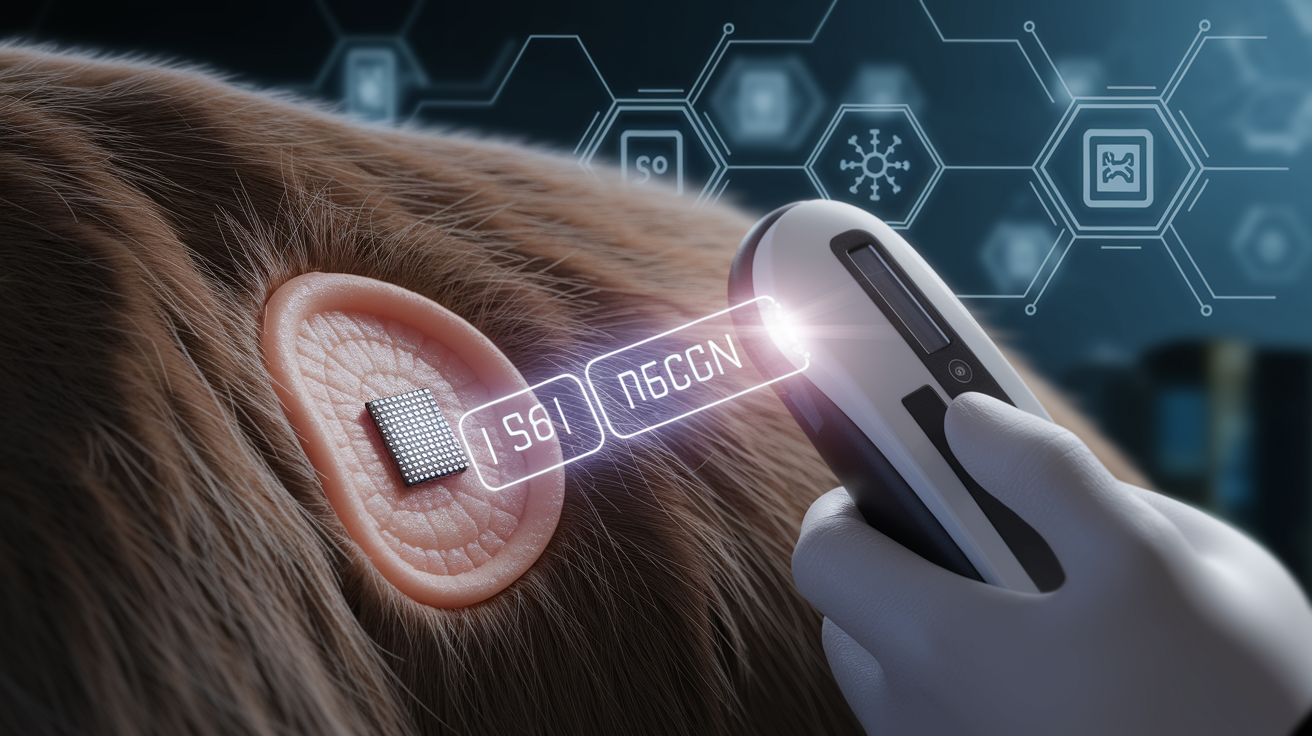
A pet microchip is a tiny electronic device about the size of a rice grain that sits just beneath your pet’s skin between the shoulder blades. There’s no power source, no moving parts. It holds a single piece of information: a unique identification number, usually 9 to 15 digits long. When a handheld scanner passes over the implant site, the scanner sends out a low frequency radio signal that briefly powers the chip and reads the number. The scanner displays that number on its screen, and the person scanning looks up the number in a microchip registry to find the registered owner’s contact details.
Most microchips in the United States follow ISO standards, which means scanners used by shelters, veterinary clinics, and animal control can read them without compatibility problems. The chip itself doesn’t store your name, phone number, or medical history. All that information lives in the registry database, linked to the chip’s unique identifier. That’s why registration matters so much. The chip is just a key. The registry is the lock that opens the door back to you.
| Technology Feature | Purpose |
|---|---|
| Rice-grain size implant | Small enough for safe, permanent placement under the skin with minimal discomfort |
| Unique ID number | Acts as a permanent, unchangeable identifier linked to owner contact records |
| RFID scanner function | Reads the chip’s number without surgery, batteries, or direct contact |
| Registry database linkage | Connects the ID number to owner name, phone, address, and emergency contacts for reunification |
Comparing Microchips With Collars and ID Tags

Collars and ID tags are still important. They’re your pet’s most visible form of identification, and they let a neighbor or Good Samaritan call you right away without needing a scanner. But collars fail more often than most pet parents realize. Breakaway collars are designed to snap open if snagged. Outdoor cats lose collars in brush or fencing all the time. Panicked dogs can slip out of even well fitted gear. Tags fade, fall off, or get chewed. A scared, lost pet may also be picked up by someone who removes the collar entirely.
Microchips solve all of that. They’re implanted under the skin, so they can’t be lost, removed, or damaged by weather, play, or time. Shelters and veterinary hospitals scan every stray animal that comes through their doors, making the microchip the single most reliable form of backup identification once a pet leaves home. For indoor cats who dart out an open door or dogs who bolt during a storm, a microchip is often the only ID that survives the journey to the shelter.
When collars fail but microchips still work:
- Collar breaks or is pulled off during a fight, fence climb, or fear reaction
- Tag is scratched, faded, or missing the phone number after months outdoors
- Pet is picked up by a stranger who removes the collar before surrendering to a shelter
- Cat squeezes through a tight space and loses breakaway collar in the process
Safety, Side Effects, and Veterinary Microchip Implantation
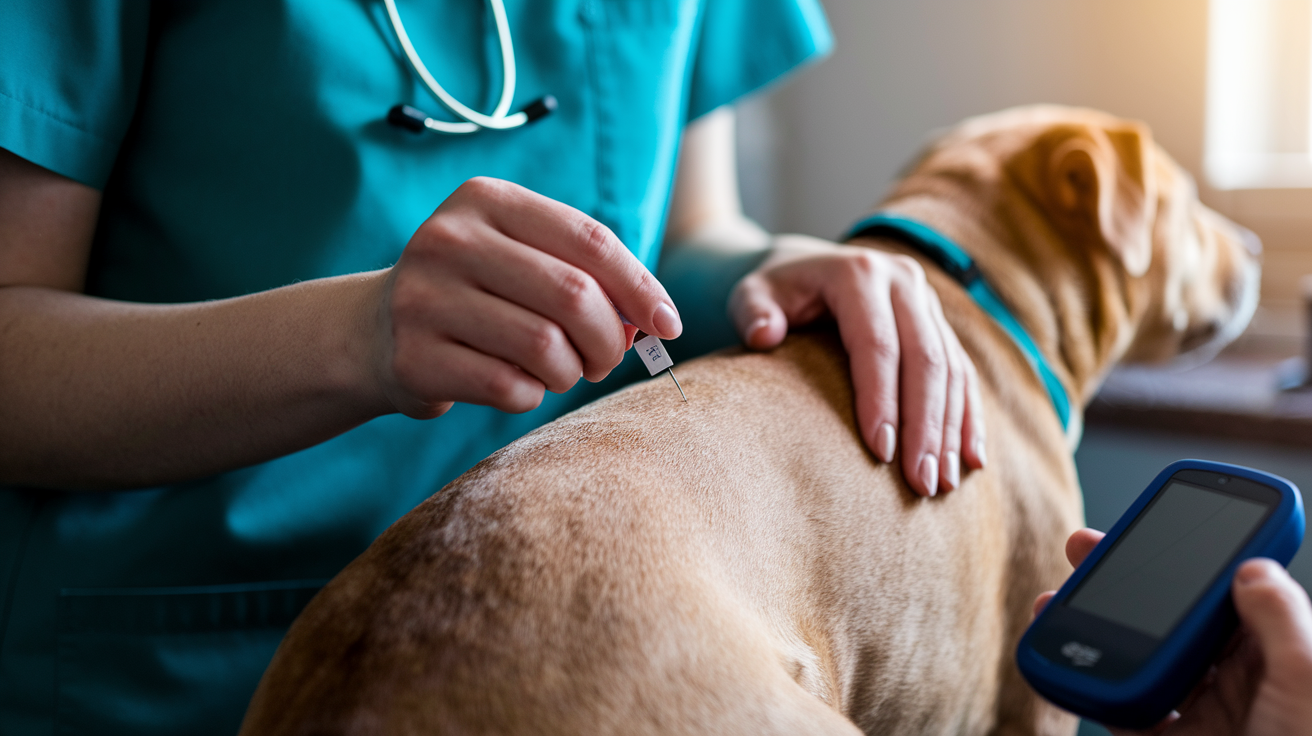
Microchip implantation is a low risk, outpatient procedure that takes just a few seconds and feels similar to a routine vaccination. The veterinarian or trained technician uses a sterile, preloaded needle to inject the microchip under the skin between the shoulder blades. Most pets tolerate it without sedation or anesthesia. The needle is slightly larger than a vaccine needle, but the sensation is brief. After implantation, the vet scans the chip to confirm it’s working and matches the displayed number against the registration paperwork you’ll take home.
The American Veterinary Medical Association considers microchipping safe and reports that serious side effects are very rare. Most pets show no reaction at all. In the days following the procedure, the chip may migrate slightly under the skin, usually just an inch or two from the original site, but this doesn’t affect scanner readability. Infection, allergic reaction, or tumor formation at the implant site are possible but extremely uncommon. If your pet is very small or has thin skin, like a Yorkshire Terrier or Greyhound, you might be able to feel a tiny firm spot under the fur, but most owners never notice the chip by touch.
You can make the experience easier by bringing a few high value treats. Small, soft options work well for quick rewards. Before the needle, during the scan, and right after, a little treat goes a long way. Many clinics will let you hold or distract your pet during the injection, and the whole appointment, including paperwork, usually wraps up in under ten minutes.
How the implant procedure works:
- The vet preps the injection site between the shoulder blades, no shaving or numbing required in most cases.
- A sterile microchip preloaded in a needle is injected just under the skin in one smooth motion.
- The vet immediately scans the area to verify the chip is functioning and reads the correct number.
Cost, Accessibility, and Free or Low-Cost Microchip Events
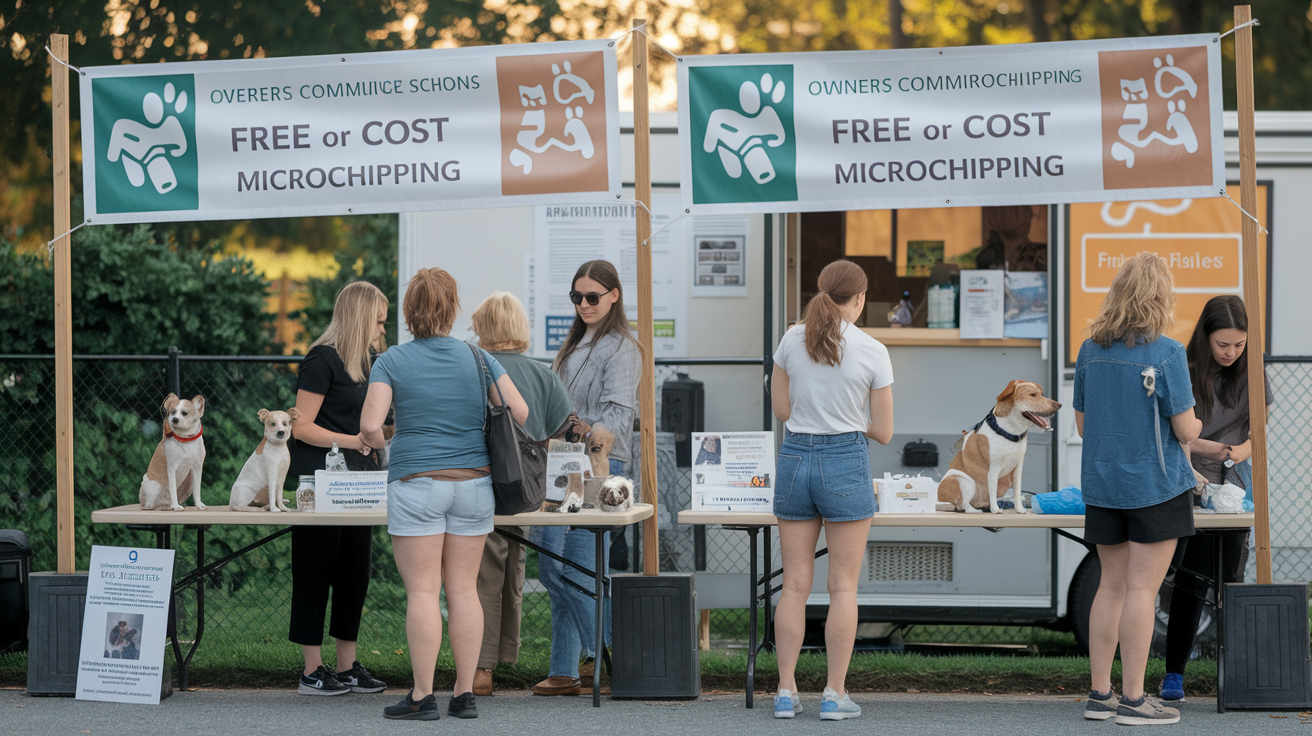
Microchipping is one of the most affordable investments in your pet’s safety. At a typical veterinary clinic, the procedure costs between $25 and $70, often less if done during a wellness visit or spay/neuter surgery. That one time fee covers the chip, the implantation, and in many cases, initial registration with the manufacturer’s database. There are no batteries to replace, no subscription fees for the chip itself, and no ongoing maintenance. The microchip is guaranteed to function for your pet’s entire life.
If cost is a concern, look for community microchip clinics and mobile vaccination events. Many animal welfare organizations, municipal shelters, and veterinary outreach programs offer free or low cost microchipping year round. Some of these events are scheduled well in advance, so you can plan ahead. The quality and safety of the chip and procedure at a low cost clinic is the same as at a private vet. You’re just getting the service at a reduced price thanks to nonprofit funding or community partnerships.
| Event Type | Cost Range or Notes |
|---|---|
| Private veterinary clinic | $25–$70, often bundled with wellness exam or surgery |
| Municipal shelter walk-in service | $15–$40, some offer free microchipping for adopted pets |
| Mobile low-cost clinic or community event | Free to $20, scheduled periodically throughout the year |
| Rescue or nonprofit special event | Often free, check local event calendars for dates like November 1, 2025, March 1, 2026, or May 16, 2026 |
Registering a Pet Microchip and Keeping Information Updated
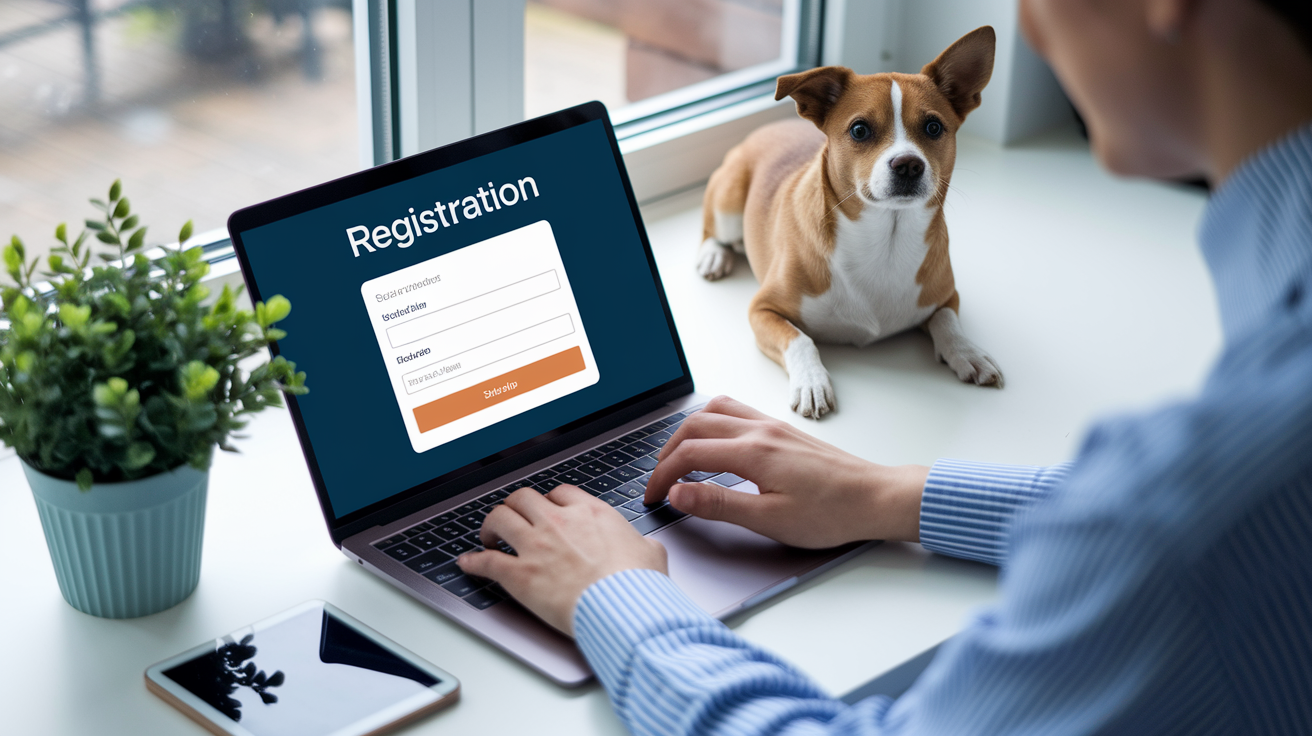
Registration is the step that turns a microchip from a piece of plastic into a lifeline. The chip’s unique ID number is only useful if it’s linked to your current contact information in the manufacturer’s registry. When a shelter scans your lost pet, they see the number and search the database for the registered owner. If your phone number is wrong, outdated, or never entered in the first place, they have no way to reach you.
Most microchip companies provide free lifetime registration when you first activate the chip. Some charge a one time fee or offer optional paid plans that include additional services like emergency medical hotlines or lost pet recovery support, but basic registration should always be free. You’ll need the microchip number, which is printed on the paperwork your vet or clinic gave you at implantation, plus your full name, current address, phone number, and ideally a backup contact in case you’re unreachable.
If you adopted your pet from a shelter or rescue, the organization may have already registered the chip in their name or in yours. Check your adoption packet for microchip details, and follow up to make sure your contact information is correct in the database. If you don’t know which registry holds your pet’s chip, use the American Animal Hospital Association (AAHA) Microchip Lookup Tool online. Enter the chip number and it will tell you which company to contact. You can also call the registry directly at the number provided in your paperwork. One common registry support line is (866) 597-2424, but the exact number depends on your chip’s manufacturer.
Steps to Register and Maintain a Microchip
- Locate the microchip number on the paperwork from your vet, shelter, or adoption agency.
- Visit the chip manufacturer’s website or call their registry phone number.
- Create an account or log in, then enter your pet’s chip number to start the registration.
- Provide your name, current address, primary phone number, email, and at least one alternate contact.
- Review and submit the registration, then save or print the confirmation for your records.
- Update your profile immediately whenever you move, change phone numbers, or need to add emergency contacts.
When to update your microchip information:
- You move to a new address or change your phone number
- You add a pet sitter, family member, or trusted friend as a backup emergency contact
- You transfer ownership of the pet through adoption, rehoming, or gifting
What Shelters Do With Microchips During Intake and Reunification
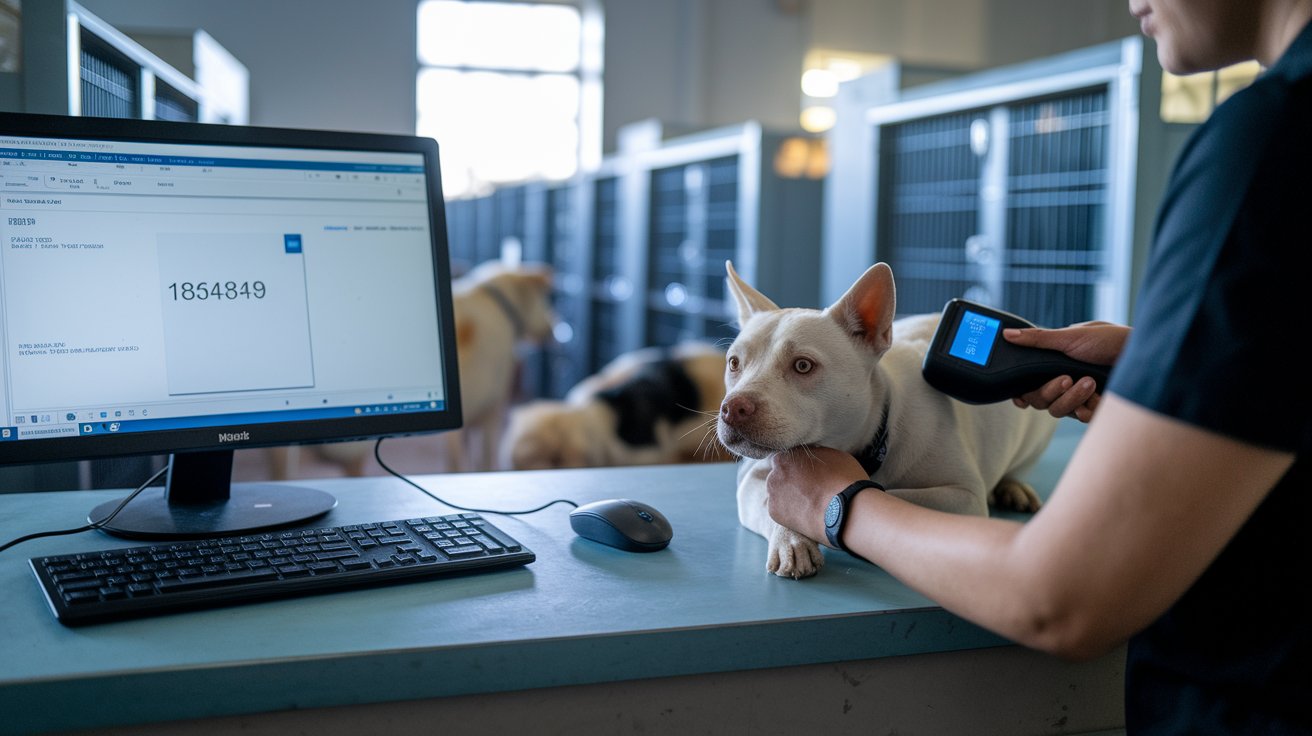
When a stray pet arrives at a shelter, one of the first steps is a full body scan for a microchip. Staff use a handheld scanner to check the standard implant site between the shoulder blades, then sweep the scanner over the pet’s entire body in case the chip has migrated. If the scanner beeps and displays a number, the shelter immediately searches the chip registry to find the owner’s contact information. That search happens within minutes of intake, often before the pet is even assigned a kennel.
If the registry shows current contact details, the shelter calls, emails, or texts the registered owner right away. Reunification can happen the same day, sometimes within hours. If the contact information is outdated or missing, the shelter may try to trace the chip number back to the veterinarian or adoption agency that implanted it, but that process takes longer and doesn’t always succeed. Pets with unregistered or out of date microchips often wait in the shelter just like unidentified strays, facing the same kennel time, stress, and risk.
How shelter microchip scanning and reunification works:
- Pet is scanned within the first few minutes of arrival using a universal RFID scanner
- Staff record the microchip number and search the manufacturer’s database or a universal registry lookup
- Owner is contacted immediately by phone, email, or text using the information on file
- Reunification appointment is scheduled, often requiring proof of ownership and payment of any intake or boarding fees
Legal, Travel, and Policy Considerations for Microchipping
Some cities and counties require microchipping as part of pet licensing or as a condition of adopting from a municipal shelter. These local ordinances are designed to reduce shelter intake and increase live release rates by making identification easier and more consistent. If you live in or are moving to an area with mandatory microchipping laws, you’ll need proof of implantation and registration to renew your pet’s license or avoid fines. Check with your city or county animal services office to find out if microchipping is required where you live.
International travel almost always requires a microchip. The European Union, United Kingdom, Australia, and many other countries mandate ISO compatible microchips for imported pets, along with rabies vaccination and health certificates. If your pet’s chip doesn’t meet ISO 11784 or 11785 standards, you may need to have a second, compliant chip implanted before travel, or carry a compatible scanner with you at entry. Even domestic travel by air can be smoother with a microchip. Some airlines and pet transport services request microchip numbers as part of their ID and tracking protocols.
Common legal and travel microchip requirements:
- Municipal pet licensing may require proof of microchip implantation and current registry
- International pet import rules typically mandate ISO standard microchips readable by universal scanners
- Some airlines and pet shipping companies request microchip numbers for ID verification during transport
Microchip Myth-Busting: Clearing Up Common Misconceptions
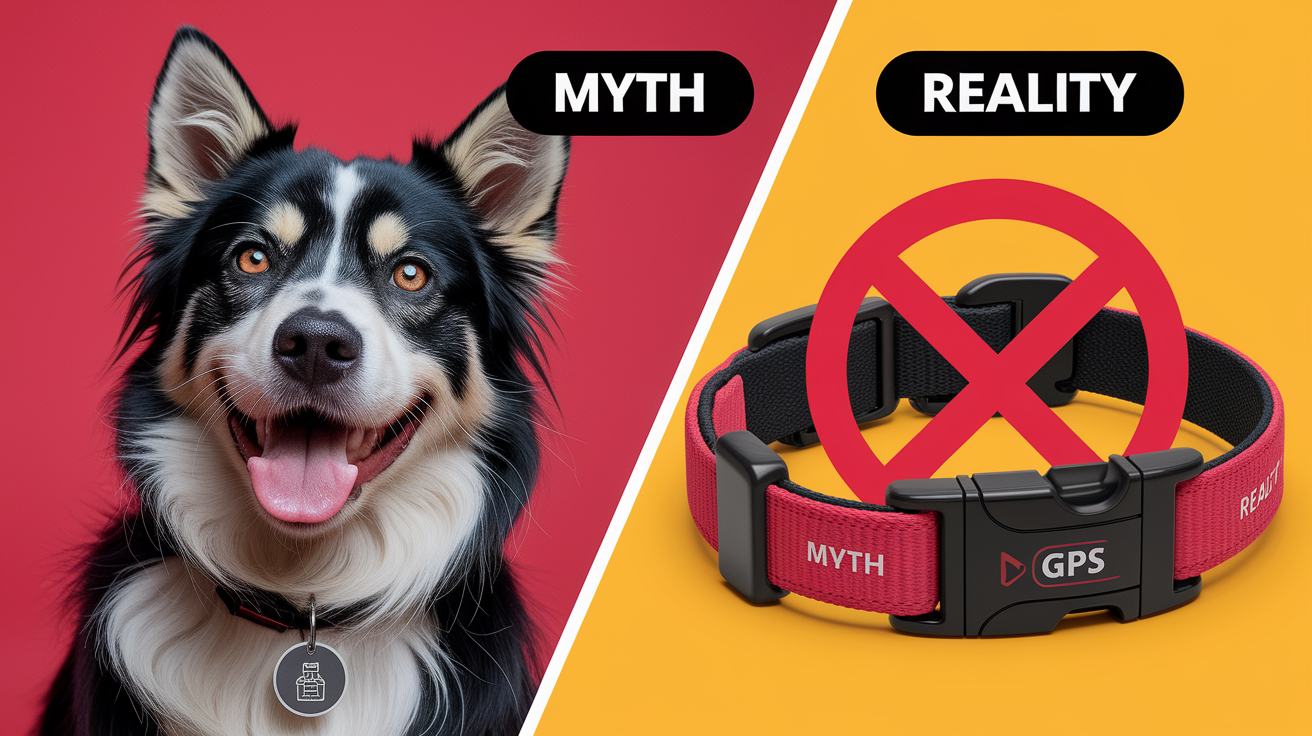
One persistent myth is that microchips can track your pet’s location in real time, like a GPS collar. They can’t. A microchip is passive. It has no battery, no signal, and no ability to transmit location data. It only works when a scanner is placed directly over it. If you want live location tracking, you’ll need a separate GPS device that attaches to a collar and connects to your phone. The microchip’s job is identification, not navigation.
Another misconception is that microchips store your pet’s medical history, vaccine records, or behavioral notes. They don’t. The chip holds only a unique ID number. Everything else (your contact details, your pet’s name, any medical alerts you want to include) lives in the registry database and only gets updated when you log in and make changes. Some premium registry services let you upload documents or add medical notes, but that’s optional and separate from the chip itself.
Myths that don’t match reality:
- “Microchips cause ongoing pain or discomfort.” The chip is inert and most pets never feel it after implantation.
- “A microchip means I don’t need a collar or tag anymore.” Collars are still your pet’s fastest ticket home. Microchips are backup.
- “Microchips can give my pet cancer.” Tumor formation at the implant site is extremely rare and not supported by large scale veterinary studies.
- “I can’t update my microchip information after I register it once.” You can and should update your details anytime your contact info changes. That’s the whole point.
Final Words
You jumped straight into the facts: big return-rate gains, permanent ID that can’t fall off, how implantation and registration work, and why shelters scan at intake.
We ran through safety, cost, common myths, and simple steps to get a chip and keep your contact details current.
That’s why pet microchips are important, and they give your pet the best chance of being reunited with you while offering small, lasting peace of mind.
FAQ
Q: Why is microchipping pets important and what happens if you don’t microchip your pet?
A: Microchipping pets is important because it provides permanent ID and greatly raises reunion chances—microchipped dogs are 2.5x and cats 21.4x more likely to be returned; without a chip, reunion odds fall.
Q: What are two disadvantages of microchipping?
A: The two disadvantages of microchipping are the need to keep registry contact information updated, because unregistered chips won’t reunite you, and rare, minor implant-site reactions or chip migration that may require vet care.
Q: How much does pet microchipping cost?
A: Pet microchipping typically costs $25 to $70, with many vets charging in that range; free or low-cost clinics and community events are often available for lower fees or no charge.