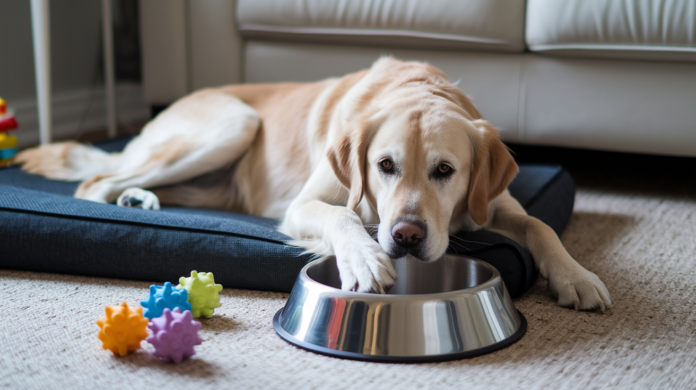

Think a cute, cheap pet accessory is harmless?
It can break, choke, or leach chemicals and land your pet in trouble.
This quick guide shows what materials, construction, sizing, and safety labels actually matter so you can buy gear that lasts and keeps your pet safe.
You’ll learn what to check before checkout, what signs mean you should skip the buy or see your vet, and why a few simple checks make a big difference.
Core Criteria for Selecting Quality Pet Accessories
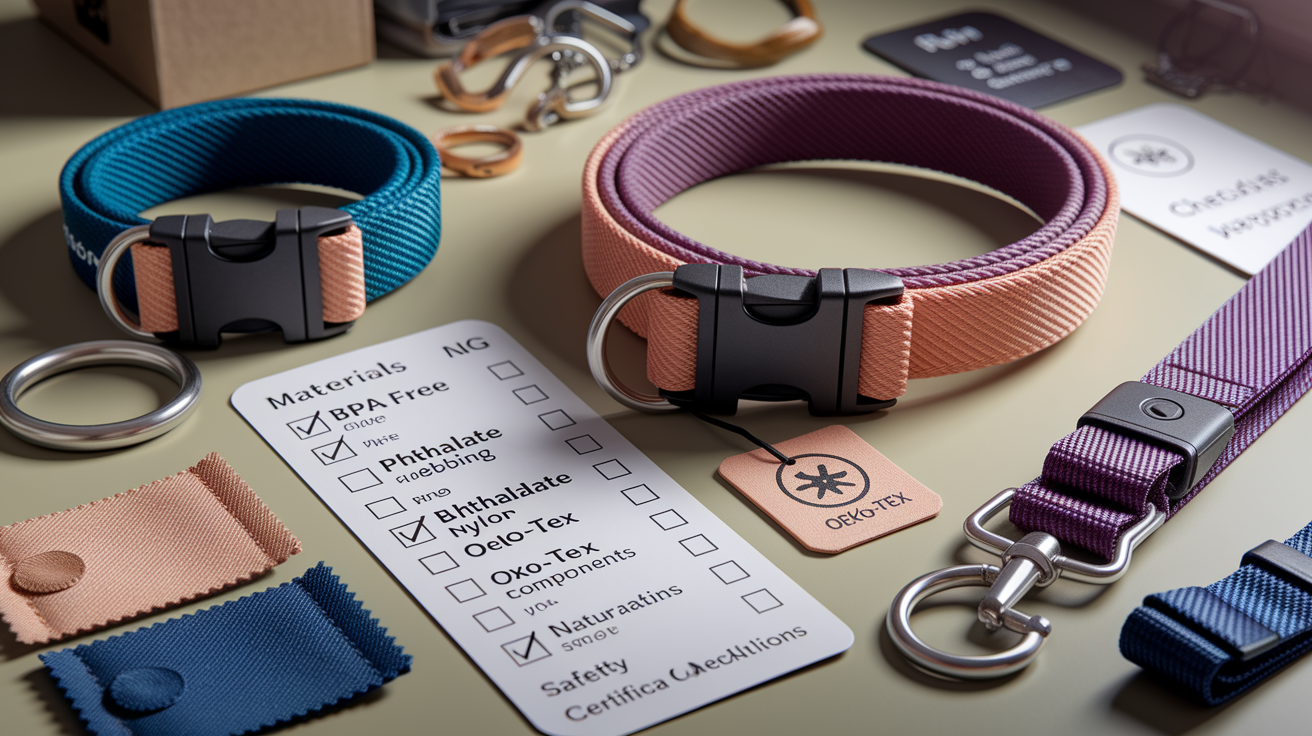
Quality means the thing works, doesn’t break, and won’t hurt your pet. You want materials that can handle daily wear without falling apart or leaching chemicals when your dog chews on it or when you toss it in the wash. A good collar shouldn’t snap when your dog pulls. A decent bed shouldn’t flatten out after three weeks. A toy that shreds into swallowable pieces on day one isn’t safe.
Check what it’s made from first. You’re looking for labels that say BPA-free, phthalate-free, fragrance-free. If the listing just says “plastic” or “metal” without getting specific, skip it. Stainless steel, food-grade silicone, ballistic nylon, natural rubber…these hold up. For fabric stuff like beds or harnesses, certifications like OEKO-TEX or GOTS tell you the textile meets actual safety standards. Treats or chews should say organic or food-grade. If you’re buying toys for a serious chewer or bowls your pet eats from every day, ask the seller for Safety Data Sheets.
Look at how it’s put together. Bar-tack stitching at stress points (where the leash connects to the handle, where a harness buckle attaches) means the maker thought about wear. Welded or riveted D-rings last way longer than sewn loops. Double stitching along seams keeps things from fraying. Check if the brand has sustainability or cruelty-free markers too. Eco-friendly packaging, published impact reports from recent years, transparent supply chains, cruelty-free certifications…these show the company isn’t cutting corners.
Before you buy, read the warranty and return policy. A 30 to 90 day satisfaction guarantee or a one-year warranty on hardware tells you they’re confident in what they’re selling. If a seller won’t take returns on opened items or doesn’t list clear terms, keep scrolling.
Quality indicators to check before buying:
- Non-toxic material labels (BPA-free, phthalate-free, no parabens or fake fragrances)
- Recognized certifications (OEKO-TEX, GOTS, cruelty-free labels, food-grade for edibles)
- Reinforced construction (double stitching, bar-tack stress points, welded hardware)
- Stainless steel or heavy-duty plastic hardware, not lightweight alloy that bends
- Clear warranty or return policy (30+ days or replacement guarantee)
- Published brand transparency (sustainability reports, ingredient lists, third-party test results)
Measuring and Sizing Pet Accessories Correctly

Measure your pet before you shop. You need three numbers: neck girth (widest part of the neck, where a collar sits), chest girth (around the ribcage just behind the front legs, where a harness goes), and body length (base of the neck to the base of the tail, for beds and clothing). Add your pet’s current weight. Write these down and keep them in your phone. Weight alone won’t tell you if a harness will fit. A medium dog can have a deep chest or a narrow one, and breed standards are averages.
For collars, wrap a soft tape measure around your pet’s neck and add two fingers’ width of space. That’s your target. Typical ranges: cat collars 8 to 12 inches, small dog collars 8 to 14 inches, medium 12 to 18 inches, large 16 to 28 inches. For harnesses, measure chest girth at the deepest point behind the front legs and match it to the manufacturer’s size chart. Don’t assume your dog’s breed automatically means “medium.” Beds should be at least your pet’s body length plus 6 to 8 inches so they can stretch out. Check the listed weight capacity: small beds usually handle 0 to 20 pounds, medium 21 to 50 pounds, large 51 to 90+ pounds. Bowls are sized by fluid capacity. Small pets need 12 to 20 ounces, medium pets 20 to 40 ounces, large dogs 40+ ounces or multi-cup feeders. Toys must be wider than your pet’s muzzle to prevent swallowing. If the toy can fit entirely in their mouth, it’s too small.
Poor fit causes real problems. A too-tight collar restricts breathing and damages the trachea. A too-loose harness lets a dog slip out during a walk. A bed that’s too small forces your pet to curl uncomfortably, and oversized crates make house-training harder because dogs won’t avoid soiling a space that feels too big. Cross-reference your measurements with the brand’s sizing chart. When you’re between sizes, go up for comfort items like beds and clothing, and choose the smaller size for safety gear like collars and harnesses so they stay secure.
| Accessory Type | Measurement Needed | Typical Ranges |
|---|---|---|
| Collars | Neck girth + 2 fingers’ space | Cats: 8–12 in | Small dogs: 8–14 in | Medium: 12–18 in | Large: 16–28 in |
| Harnesses | Chest girth (behind front legs) | Match to brand chart; sizes vary widely by design |
| Beds | Body length (neck to tail base) + 6–8 in; weight | Small: 0–20 lb | Medium: 21–50 lb | Large: 51–90+ lb |
| Bowls | Daily water/food intake; pet size | Small: 12–20 oz | Medium: 20–40 oz | Large: 40+ oz |
| Toys | Muzzle width (toy diameter must exceed it) | Toy must be too large to swallow whole; no small detachable parts for chewers |
Identifying Durable and Long-Lasting Pet Accessories
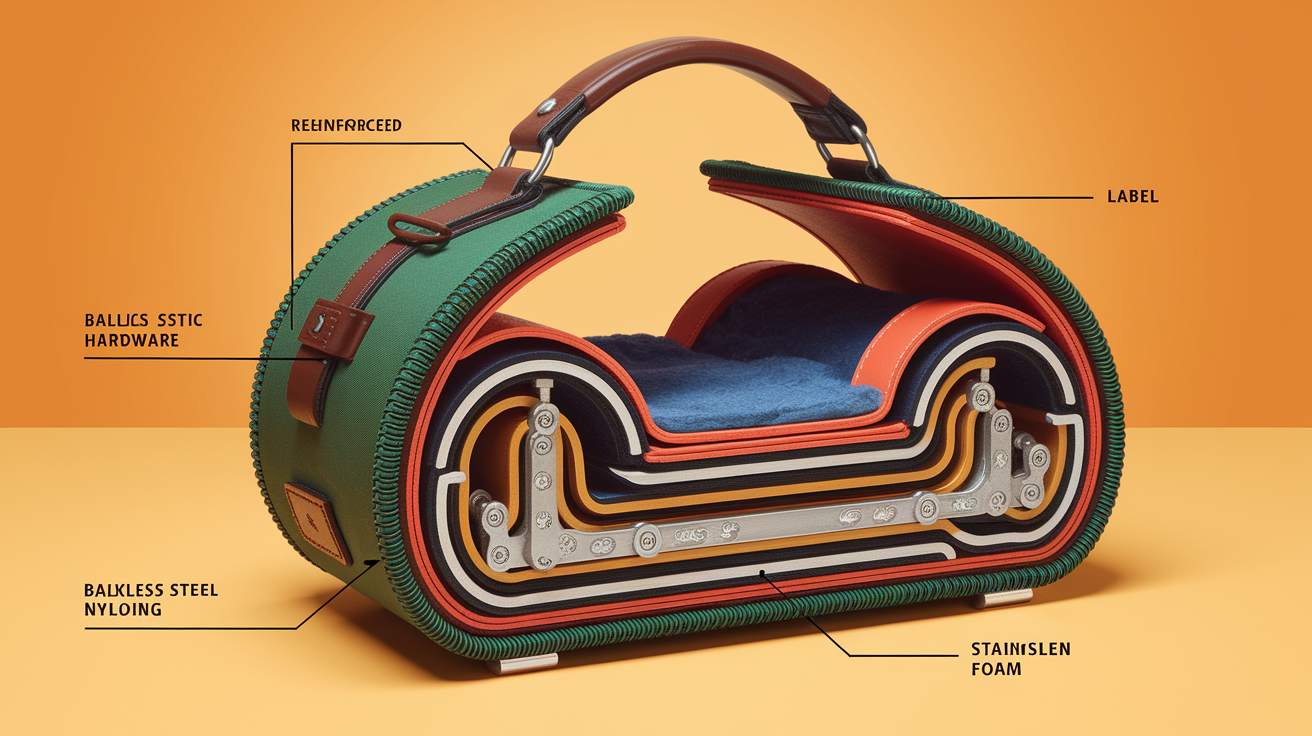
Durable accessories share a few traits. Stainless steel hardware resists rust and corrosion, even when wet daily. Food-grade silicone flexes without cracking and tolerates high heat for dishwasher cleaning. Ballistic nylon and reinforced webbing survive scratching, pulling, and chewing better than plain cotton or polyester. For beds, memory foam or high-density polyurethane foam keeps its shape under your pet’s weight. Natural rubber works for heavy chewers because it’s dense and flexible. Chew toys made from single-material molded pieces (no glued seams) last longer than layered or stitched designs. If the product says “heavy-duty” or “reinforced,” check the construction details to make sure it’s not just marketing.
Look at how parts connect. Double stitching along every seam distributes stress and prevents early tearing. Bar-tack stitching, that small square or X-shaped stitch pattern at stress points like leash handles and harness buckles, anchors the fabric and stops rips from spreading. Welded D-rings and metal buckles outlast sewn fabric loops or lightweight plastic clips. For beds and mats, a non-slip rubberized base keeps the product in place and protects the bottom fabric from wear. Zippers should have fabric flaps covering the teeth so your pet can’t catch claws or teeth on metal. Washable, removable covers let you maintain the bed without replacing the whole thing when it gets dirty.
Inspect accessories weekly for damage. Check stitching for loose threads, hardware for bends or cracks, and fabric for fraying edges or thin spots. Replace toys right away if seams split, stuffing becomes exposed, squeakers are accessible, or any piece breaks off. For heavy chewers, plan to replace frequently used toys every 3 to 6 months. Less-used toys can last a year or more if you rotate them. Clean stainless steel bowls and silicone items in the dishwasher to prevent bacterial buildup, and hand-wash webbing leashes and collars with mild soap to preserve stitching and coatings.
Red flags that signal poor durability:
- Lightweight plastic buckles or clips on products for large or strong dogs
- Single-layer fabric with no reinforcement at attachment points
- Painted or coated metal hardware that flakes or peels after a few washes
- Thin, loosely woven fabric that snags easily or lets stuffing show through
- Missing care instructions or “spot clean only” labels on items that will get dirty daily
Safety Features to Look For in Pet Accessories
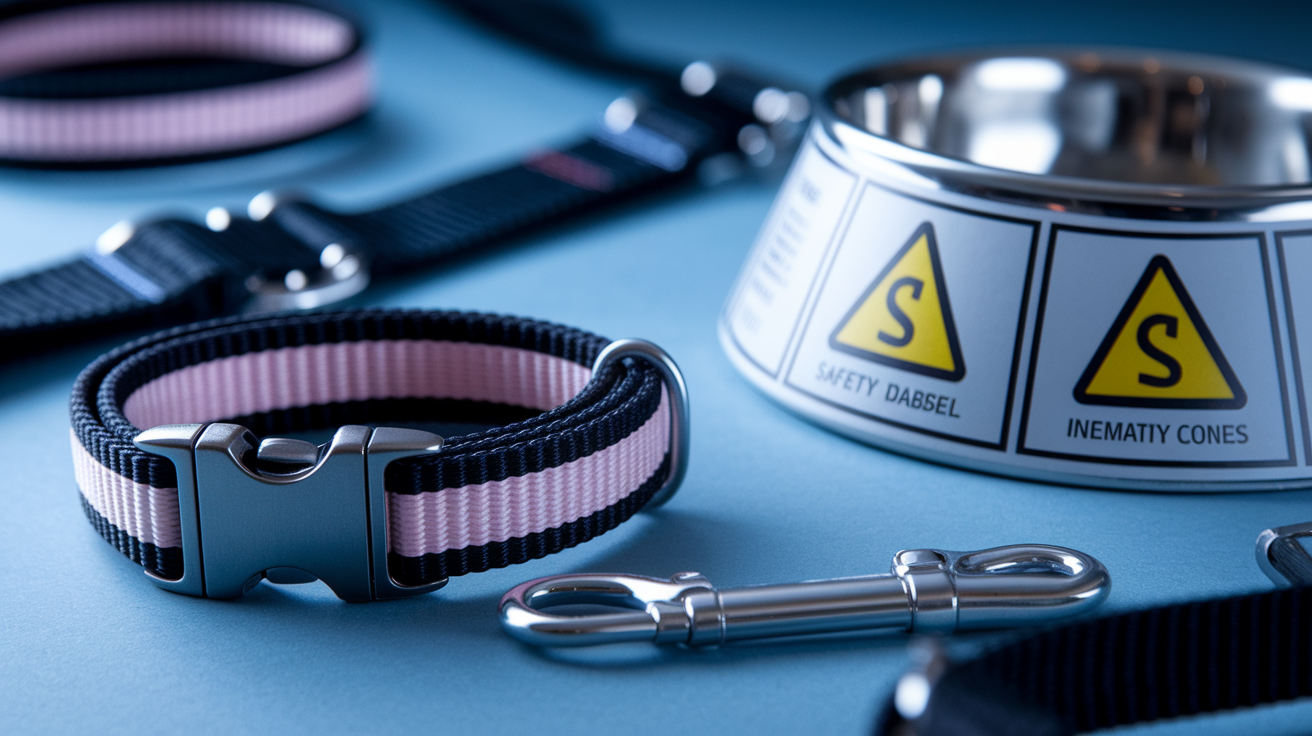
Chemical safety comes first. Avoid accessories containing parabens, phthalates, or artificial fragrances. These compounds can irritate skin, disrupt hormones, or become toxic if ingested through chewing. Look for “BPA-free” and “phthalate-free” labels on any plastic, silicone, or rubber item your pet will touch or mouth. For bowls, beds, and chew toys, confirm food-grade or pet-safe material certification. If a seller can’t provide material details or Safety Data Sheets, don’t buy it. Fabrics treated with flame retardants, stain repellents, or waterproofing chemicals should list what was used and whether it’s been tested for pet safety.
Mechanical hazards matter just as much. Small removable parts, like button eyes on plush toys, bells inside jingle balls, or plastic pieces glued to chew toys, become choking hazards. Check every seam and attachment point. If you can peel, twist, or bite a piece off with your fingers, your pet can do the same. Toys must be larger in diameter than your pet’s muzzle so they can’t be swallowed whole. Sharp edges on metal tags, buckle prongs, or plastic molding seams can cut gums, tongues, or paw pads. Run your hand over every surface before giving an item to your pet. For cats, always choose breakaway collars. A breakaway buckle releases under pressure so the collar won’t strangle your cat if it catches on a branch, fence, or furniture.
Visibility and supervision matter too. Reflective stitching, strips, or panels on collars, harnesses, and leashes make your pet visible to drivers at dawn, dusk, and night. LED collars and clip-on lights add another layer of protection during early morning or late evening walks. Supervise all play with new toys until you know your pet’s chewing style and strength. Puppies, kittens, and senior pets need softer materials and closer watch. They’re more likely to swallow things they shouldn’t or injure themselves on hard edges.
Key safety checkpoints before purchase:
- Confirm BPA-free, phthalate-free, and fragrance-free labeling on all chewable or ingestible items
- Inspect for small detachable parts (eyes, bells, buttons, caps) that could be swallowed
- Check for sharp edges on hardware, tags, buckles, and molded plastic seams
- For cats, verify breakaway collar design to prevent strangulation
- Look for reflective elements or add-on lights for visibility during low-light walks
- Plan to supervise initial use of any new toy, bed, or accessory until safety is confirmed
Comparing Specific Pet Accessory Categories
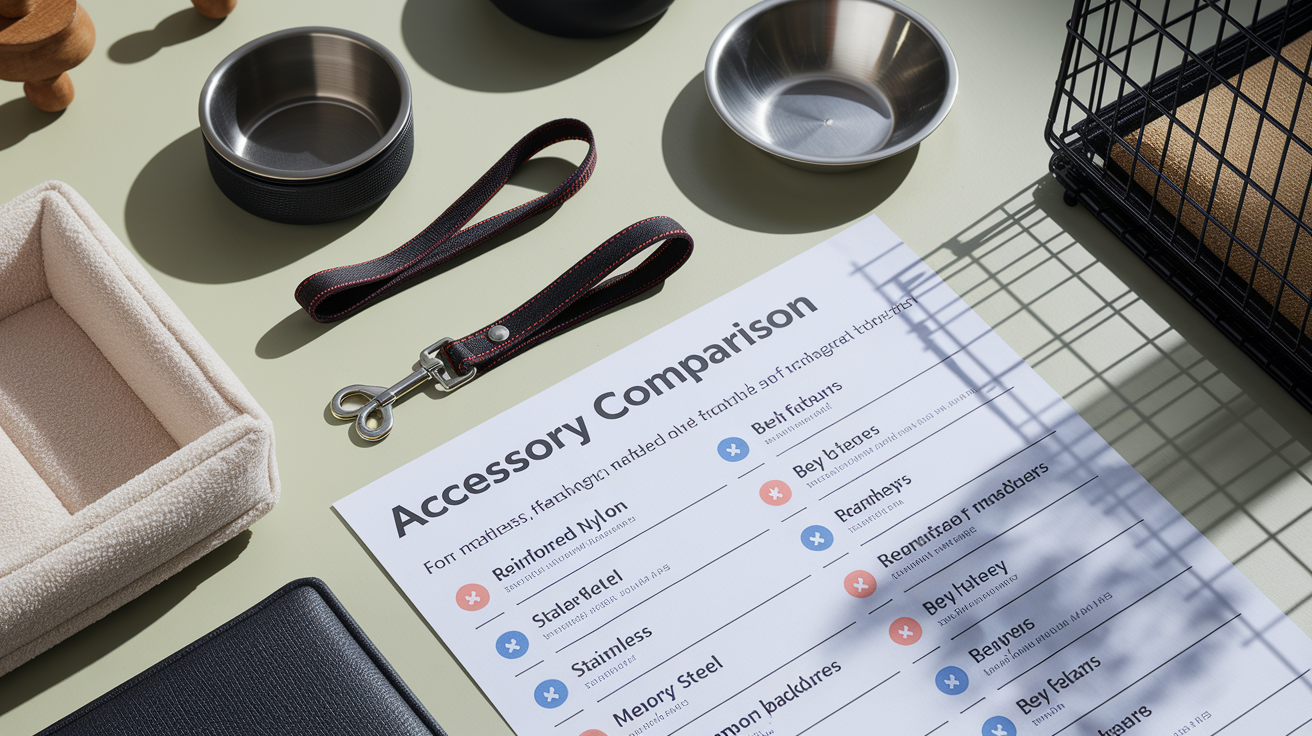
Leashes come in nylon webbing, leather, and rope. Nylon webbing is lightweight, affordable, and available in reflective styles, but it can fray at edges if your dog pulls hard. Leather is durable and softens with use, though it requires conditioning to prevent cracking and doesn’t work well when wet. Rope leashes offer good grip but can burn your hands if a large dog lunges. Check the hardware: a swivel clip prevents tangling, and a welded or bolt-snap attachment is stronger than a spring-loaded clasp. For training or reactive dogs, a 4 to 6 foot fixed-length leash gives you control. Retractable leashes work for calm dogs in open areas but offer less control and can malfunction.
Bowls made from stainless steel are non-porous, dishwasher-safe, and resist scratches that harbor bacteria. Ceramic bowls are heavy and stable, good for dogs who push their dishes around, but they chip and crack if dropped. Plastic bowls scratch easily, hold odors, and can trigger contact allergies in some pets. Avoid them unless labeled BPA-free and replaced frequently. Slow feeders, with raised interior ridges or maze patterns, force pets to eat more slowly and reduce bloating and choking. If your pet gulps food, a slow feeder is worth it. Elevated feeders reduce neck strain for large or senior dogs but aren’t necessary for most pets.
Beds vary by fill and structure. Orthopedic memory foam molds to your pet’s body and supports aging joints. High-density polyurethane foam holds its shape and costs less than memory foam. Bolster beds have raised edges for pets who like to rest their heads. Flat mats work for pets who sprawl. Look for removable, machine-washable covers with strong zippers. A non-slip rubberized or textured base keeps the bed in place on tile or hardwood. Check the fabric denier (thickness rating), 600-denier or higher resists digging and scratching better than lightweight covers.
Crates must be tall enough for your pet to stand without crouching and long enough to turn around and lie down comfortably. Wire crates offer ventilation and visibility. Plastic airline-style crates feel more den-like and work for anxious pets. Soft-sided crates are portable but not secure for dogs who scratch or chew. Make sure the crate floor is solid or has a fitted mat to protect paws. Ventilation openings should be on at least two sides.
Accessory Comparison Table
| Product | Best Materials | Key Features | Red Flags |
|---|---|---|---|
| Leashes | Reinforced nylon webbing, leather, marine-grade rope | Swivel clip, padded handle, reflective stitching, 4–6 ft length for control | Spring-loaded clips, thin single-layer webbing, frayed edges, no grip on handle |
| Bowls | Stainless steel (18/8 or 18/10 grade), heavy ceramic | Non-porous, dishwasher-safe, weighted base, slow-feeder design if needed | Plastic (scratches easily, holds bacteria), painted interiors that chip, no capacity listed |
| Beds | Memory foam or high-density poly foam, 600+ denier cover fabric | Removable washable cover, non-slip base, bolster or flat design to match pet’s sleep style | Thin foam that flattens quickly, non-removable cover, missing weight capacity, cheap zippers |
| Toys | Natural rubber, food-grade nylon, single-piece molded construction | Size larger than muzzle, tightly bonded seams, non-toxic dyes, treat-dispensing if interactive | Small detachable parts, exposed squeakers, glued seams, claims of “indestructible” without testing proof |
| Crates | Powder-coated steel wire, heavy-duty plastic, reinforced soft fabric (for travel only) | Height for standing, length for turning, ventilation on 2+ sides, solid or padded floor | Flimsy wire gauge, sharp edges, insufficient ventilation, no door latch security, wrong size |
Budgeting and Evaluating Price vs Quality

Quality doesn’t always mean expensive, but it does mean spending enough to get safe materials and solid construction. Basic collars run $10 to $30. Premium or reinforced collars with padded linings, reflective stitching, and welded hardware cost $30 to $60 or more. Harnesses range from $15 for simple nylon designs to $80 for padded, multi-adjustable models with handle grips. Beds start around $20 for basic foam mats and go up to $200+ for orthopedic or elevated large-breed options. Toys vary widely: $3 to $15 for basic rubber or plush toys, and $15 to $35+ for durable interactive or puzzle toys. Stainless steel or ceramic bowls cost $5 to $20 for single dishes, and $20+ for elevated or multi-bowl feeding stations. Seasonal promotions and sales can bring discounts up to 60% off, so timing purchases around holiday sales stretches your budget.
Calculate cost per use to compare options. A $15 toy that lasts three months costs $5 per month. A $30 toy that lasts a year costs $2.50 per month. Divide the purchase price by the expected number of months or uses. Cheaper items that need frequent replacement often cost more over time than a single higher-quality purchase. A $10 plastic bowl that cracks in six months and needs replacing twice a year actually costs $20 annually, while a $15 stainless steel bowl that lasts five years costs $3 per year.
Watch for red flags that signal low value: vague product descriptions without material grades, missing sizing charts, no listed weight capacity, and absence of third-party testing or certifications. If a listing says “durable” or “heavy-duty” but doesn’t specify what it’s made from or how it’s constructed, keep looking. Compare the same product across multiple retailers to confirm you’re seeing consistent specs and fair pricing. Check return policies before buying. A good return policy lets you test fit and quality at home and return items that don’t meet expectations.
Five steps to calculate cost per use and compare products:
- Identify the purchase price of each option you’re considering.
- Estimate realistic lifespan based on product reviews, materials, and your pet’s activity level (3 months for a basic chew toy, 2 years for a reinforced leash).
- Divide purchase price by expected lifespan in months to get monthly cost.
- Compare monthly cost across products, not just upfront price.
- Factor in replacement hassle, shipping costs, and whether the cheaper item requires more frequent vet visits or safety risks that cost more in the long run.
Verifying Information, Reviews, and Authenticity
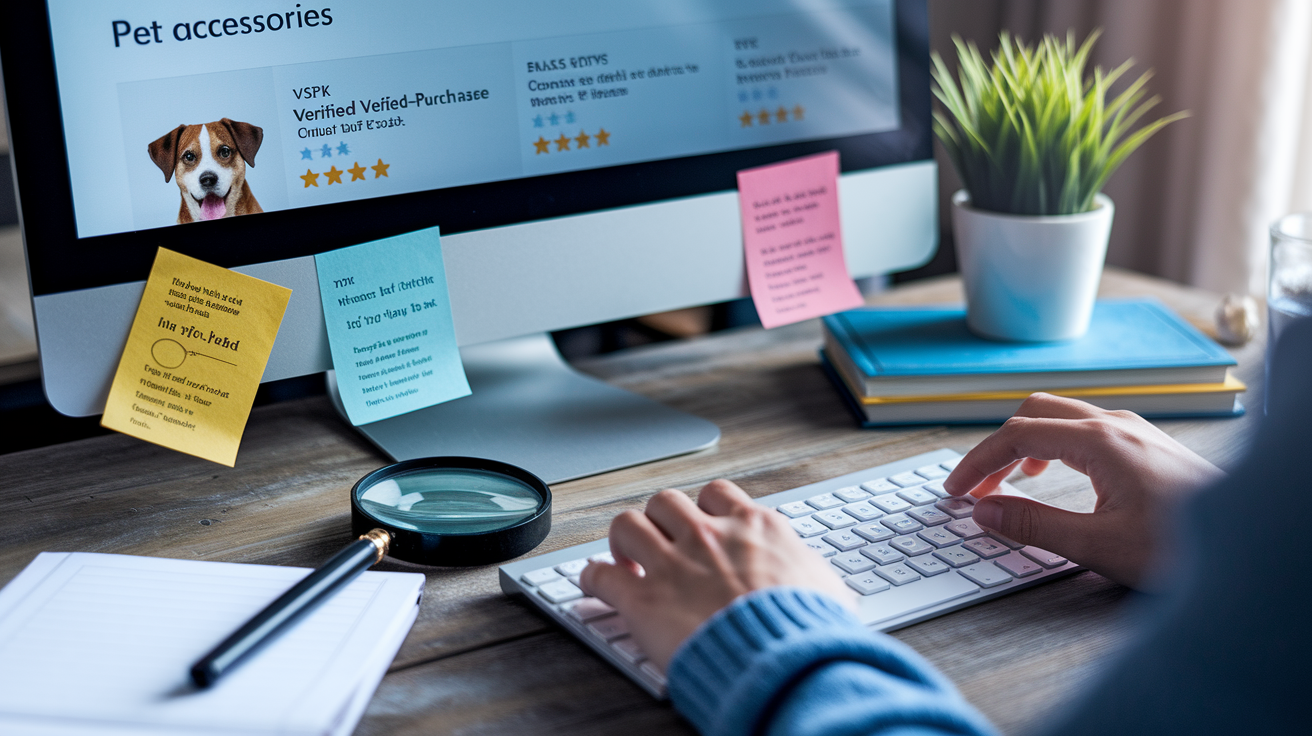
Start by confirming the basics: dimensions, weight capacity, color, and material grade should all be listed clearly in the product description. If key details are missing or listed as “varies” or “assorted,” that’s a warning. Cross-check the product specs against the manufacturer’s official site or packaging photos in verified customer reviews. Mismatched details, missing safety labels, or blurry logo images suggest counterfeit goods or misleading listings.
Read reviews from verified purchasers. Look for mentions of actual use: how the product held up after weeks or months, whether sizing matched the chart, if stitching or hardware failed, and how the company handled returns or defects. Pay attention to patterns. If five recent reviews mention fraying leashes or collars that snap under tension, believe them. Ignore single outlier reviews (extremely positive or negative with no useful detail) and focus on the middle range where people describe normal use. Photos in reviews showing the product in a home setting, with wear over time, or next to a ruler for scale are more trustworthy than studio shots.
Check the seller’s return and exchange policy before you buy. Legitimate retailers allow 30 to 90 day returns on unused or defective items and provide clear instructions for returns. If a seller won’t accept opened items, charges restocking fees over 20%, or requires you to ship returns internationally at your expense, that’s risky. Verify the seller’s business registration, customer service contact (phone or email), and physical address when buying from online marketplaces. Counterfeit accessories often arrive with missing care tags, misspelled brand names, poor stitching, or materials that don’t match the listing.
Five reliability indicators in customer reviews:
- Verified purchase badge or confirmed buyer label from the platform
- Detailed descriptions of actual use over time (“used daily for two months, stitching still tight”)
- Clear photos showing the product in real conditions, not just studio shots
- Mentions of measurements, fit, and whether sizing chart was accurate
- Balanced tone that includes both what worked and any minor issues, not just all praise or all complaints
Quick Measurement & Buying Checklist for Quality Pet Accessories
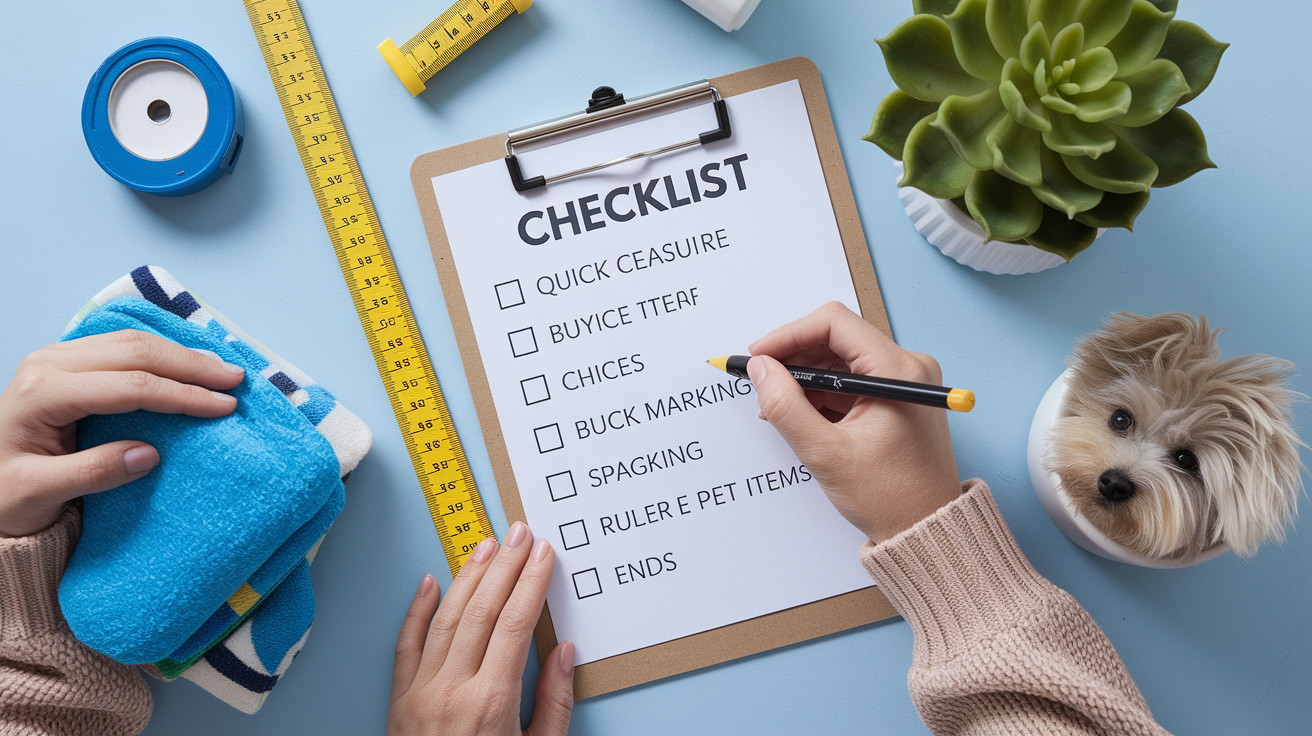
- Measure your pet’s neck girth, chest girth, body length (neck to tail base), and current weight, write it down before shopping.
- Confirm the product lists specific materials (stainless steel grade, BPA-free silicone, food-grade rubber, ballistic nylon, OEKO-TEX certified fabric) and avoid vague labels like “durable plastic” or “premium materials.”
- Check for relevant safety certifications: cruelty-free labels, GOTS or OEKO-TEX for textiles, food-grade or organic labels for chews, third-party test reports or Safety Data Sheets available on request.
- Verify construction quality: double stitching, bar-tack reinforcement at stress points, welded or riveted D-rings, rust-resistant hardware, and reinforced webbing or heavy-duty buckles for dogs over 30 pounds.
- Confirm proper sizing using the manufacturer’s chart, not guesses: collars should allow two fingers’ space, harnesses should match chest girth measurement, beds should be body length plus 6 to 8 inches, and toys must be wider than your pet’s muzzle.
- Look for machine-washable or dishwasher-safe care labels on beds, bowls, and soft accessories so cleaning doesn’t destroy the product.
- Inspect adjustability features: buckles, sliders, and Velcro should adjust easily and lock securely without slipping during use.
- Check the product’s weight capacity and confirm it exceeds your pet’s current weight, especially for beds, crates, harnesses, and leashes.
- Review the return and warranty policy: look for 30+ day returns, clear instructions, and coverage for defects or hardware failure.
- Match the accessory to your pet’s age, size, activity level, and behavior: breakaway collars for cats, soft materials for puppies and seniors, chew-proof construction for heavy chewers, reflective elements for nighttime walkers, and climate-appropriate fabrics (cooling mats for warm weather, insulated beds for cold).
Final Words
You now have a practical framework. Check core criteria: safe, non-toxic materials, clear certifications, and sturdy construction.
Measure your pet carefully so collars, harnesses, beds, and crates fit right. Look for durable materials, welded hardware, and easy-to-clean fabrics.
Balance cost, read verified reviews, and confirm return and warranty policies. Use the quick checklist in this post at purchase time. Follow these steps to feel confident about how to select quality pet accessories. Your pet will be safer and happier for it.
FAQ
Q: How do I select quality pet accessories?
A: Selecting quality pet accessories means choosing safe, tested materials, durable construction, clear certifications like OEKO-TEX or food-grade labeling, plus a fair warranty, transparent brand info, and easy return options.
Q: How do I verify non-toxic materials?
A: Verifying non-toxic materials means checking for BPA-free, phthalate-free, and fragrance-free labels, reading Safety Data Sheets and ingredient lists, and avoiding parabens or unclear material listings.
Q: What sustainability and cruelty-free markers should I look for?
A: Looking for sustainability and cruelty-free markers means checking GOTS, OEKO-TEX, cruelty-free certifications, eco-friendly packaging, and recent brand sustainability or impact reports from 2023–2026.
Q: How should I check hardware durability, stitching, and warranty?
A: Checking hardware durability means confirming stainless steel or welded hardware, bar-tack and double stitching, reinforced webbing, and clear warranty and return policies with reasonable timelines.
Q: How do I measure my pet correctly for collars, harnesses, beds, bowls, and toys?
A: Measuring your pet: use neck girth for collars (cats 8–12, small dogs 8–14, medium 12–18, large 16–28 in) with two-finger spacing; measure chest behind front legs; bed = pet length + 6–8 in.
Q: Why is weight alone insufficient for sizing?
A: Weight alone is insufficient because body shape and length vary; always use neck, chest, and length measurements to ensure proper fit, comfort, and to prevent chafing or escape.
Q: How can I recognize durable accessories and when to replace them?
A: Recognizing durable accessories means preferring stainless steel, food-grade silicone, ballistic nylon, reinforced webbing, and memory foam; inspect weekly and replace heavily chewed items every 3–6 months or when seams split or hardware bends.
Q: What safety features should I look for in toys, collars, and night gear?
A: Looking for safety features means choosing BPA-free and paraben-free materials, avoiding small removable parts or sharp edges, using breakaway collars for cats, adding reflective or LED elements for night, and supervising new toys.
Q: How do I compare bowls, beds, leashes, toys, and crates when shopping?
A: Comparing accessories means choosing stainless steel or ceramic bowls for hygiene, memory foam beds with washable covers for joint support, nylon or leather leashes with solid hardware, slow feeders for fast eaters, and well-ventilated crates.
Q: How should I balance price versus quality and calculate cost per use?
A: Balancing price versus quality means using cost-per-use: divide price by expected uses and favor durable midrange picks; typical ranges include collars $10–$60, harnesses $15–$80, beds $20–$200.
Q: How can I verify seller authenticity and reliable reviews?
A: Verifying seller authenticity means checking verified purchase reviews, clear dimensions and return policies, matching labels and logos, seller contact info, and avoiding vague product descriptions that hide details.
Q: What’s a quick pre-purchase checklist for quality pet accessories?
A: A quick pre-purchase checklist: measure neck/chest/length, confirm materials and certifications, check hardware and stitching, verify machine-washable care, read warranty/return policy, and match item to your pet’s age and activity.