

Letting your cat roam outside might be the single biggest thing shaving years off their life.
Indoor cats commonly live 12 to 18 years—or longer—while outdoor-only cats often don’t make it past 2 to 5 because of traffic, predators, and disease.
Here’s the simple truth: where your cat lives, their breed, and everyday care decide most of their lifespan.
This post breaks down the average ranges, what to watch for at every age, and practical steps you can start today to add safe, healthy years with your cat.
Quick Overview of Cat Life Expectancy Ranges
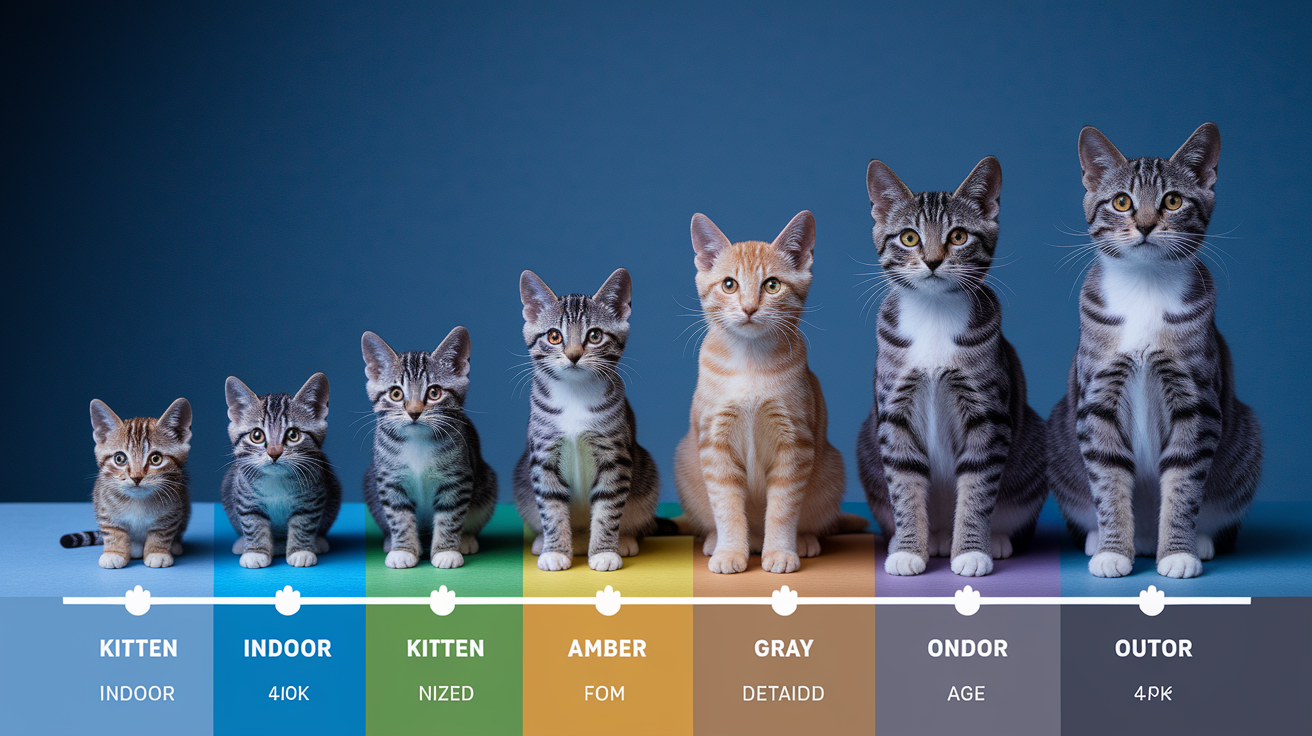
Indoor cats usually live 12 to 18 years. Plenty make it to 15 or even 20. Outdoor cats? That’s a completely different story. They’re lucky to see 2 to 5 years because of cars, coyotes, disease, and a hundred other risks. Cats that go in and out tend to land somewhere in the middle, around 7 to 11 years, depending on how much time they spend outside.
Mixed-breed cats often outlive purebreds. Keep them inside and bring them to the vet, and you’re looking at mid to late teens pretty regularly. Purebreds are all over the map. Some breeds age gracefully into their twenties. Others come with genetic baggage that cuts things short. A well-cared-for mixed-breed indoor cat will probably give you 13 to 15 years, though 18 or 19 isn’t weird.
Some cats blow past twenty. The record holder lived to 38, which is wild but real. Cats in their twenties aren’t common, but they’re not shocking either, especially Siamese, Burmese, and a few other breeds that just seem built to last.
Lifespan ranges worth remembering:
- Indoor cats: 12–18 years, often 15–20+
- Indoor/outdoor cats: 7–11 years
- Outdoor-only and feral cats: 2–5 years
- Mixed-breed indoor cats: usually 13–15 years, sometimes longer
- Record holders: 20+ years happens; all-time record is 38 years
Lifestyle Differences and Their Impact on Cat Lifespan

Outdoor access is probably the biggest thing cutting cats’ lives short. Cars, dogs, wildlife, poison, disease from other cats, freezing nights or blazing heat… it all adds up. You’re talking about losing 5 to 15 years compared to an indoor cat just because of the environment.
Keeping a cat inside removes most trauma and infection risk. No cars. No territorial brawls spreading feline leukemia or FIV. Fewer parasites from eating mice or rolling in dirt. Even cats that get supervised outdoor time in a catio or on a harness get most of the safety benefits without losing all the stimulation.
| Lifestyle | Average Lifespan Range | Major Risks |
|---|---|---|
| Indoor | 12–18 years (often 15–20+) | Obesity, dental disease, chronic kidney disease |
| Indoor/Outdoor | 7–11 years | Traffic, infectious disease (FeLV, FIV), parasites, predators, fights |
| Outdoor/Feral | 2–5 years | Trauma, starvation, exposure, disease, predators, poisoning |
Breed Variations in Cat Longevity

Breed genetics decide a lot. Some breeds carry gene mutations that set them up for kidney problems, heart trouble, or structural issues. Others got lucky with solid genes or breeders who care about health over looks. Siamese and Burmese cats regularly cruise into their late teens or twenties. Maine Coons and flat-faced Persians? They’re usually on the shorter side of the indoor range.
Long-lived breeds tend to be lean, active, and free of major hereditary conditions. Breeds that don’t live as long often wrestle with breathing problems (Persians), heart disease (Maine Coons), or kidney cysts (some Persian lines). Mixed-breed cats generally outlast purebreds because they don’t inherit two copies of the same bad gene.
| Breed | Typical Lifespan Range | Relevant Health Notes |
|---|---|---|
| Siamese | 15–20 years | Usually healthy; some lines get progressive retinal atrophy |
| Burmese | 16–18 years | One of the longest-lived; very few genetic problems |
| Russian Blue | 15–20 years | Strong health; minimal breed-specific issues |
| Ragdoll | 12–17 years | Risk of hypertrophic cardiomyopathy (HCM) |
| Maine Coon | 9–15 years | Large size; HCM and hip dysplasia are common |
| Persian/Exotic | 10–15 years | Polycystic kidney disease (PKD), breathing issues |
| Bengal | 12–16 years | Generally healthy; some HCM risk |
| British Shorthair | 12–17 years | Prone to obesity; HCM in some lines |
| Sphynx | 8–14 years | Higher metabolism; HCM and skin conditions |
| Abyssinian | 9–15 years | Progressive retinal atrophy, kidney issues in some lines |
Factors That Influence a Cat’s Lifespan

Genetics sets the starting line. Your cat inherits whatever its breed or parents passed down: heart defects, kidney risks, or just good bones. Mixed breeds usually win here because their genes are all mixed up, which means fewer doubles of the bad stuff. Purebreds can be just as healthy if breeders screen and don’t keep breeding the same narrow lines, but sloppy breeding packs in problems fast.
Lifestyle sits on top of genetics. Keeping a cat inside can add 2 to 10 years compared to outdoor living. Spaying or neutering buys another 1 to 3 years on average because fixed cats don’t roam as much, fight less, and skip reproductive cancers. Early spay/neuter also cuts down on injuries and stress.
Daily care is where you have real control. Obesity cranks up diabetes, joint wear, and heart strain. Keeping your cat within 10 to 20 percent of ideal weight can add years. Dental disease doesn’t just hurt teeth, it messes with organs through chronic inflammation. Regular brushing and professional cleanings matter. Preventive vet care catches things early when they’re still fixable.
Biggest things that affect how long your cat lives:
- Indoors or supervised outdoor time only
- Spay/neuter by 4 to 6 months
- Healthy weight and body condition
- Good food that fits their age
- Regular dental care
- Routine vet checkups and screenings
Cat Lifespan by Age Stage and Common Health Patterns
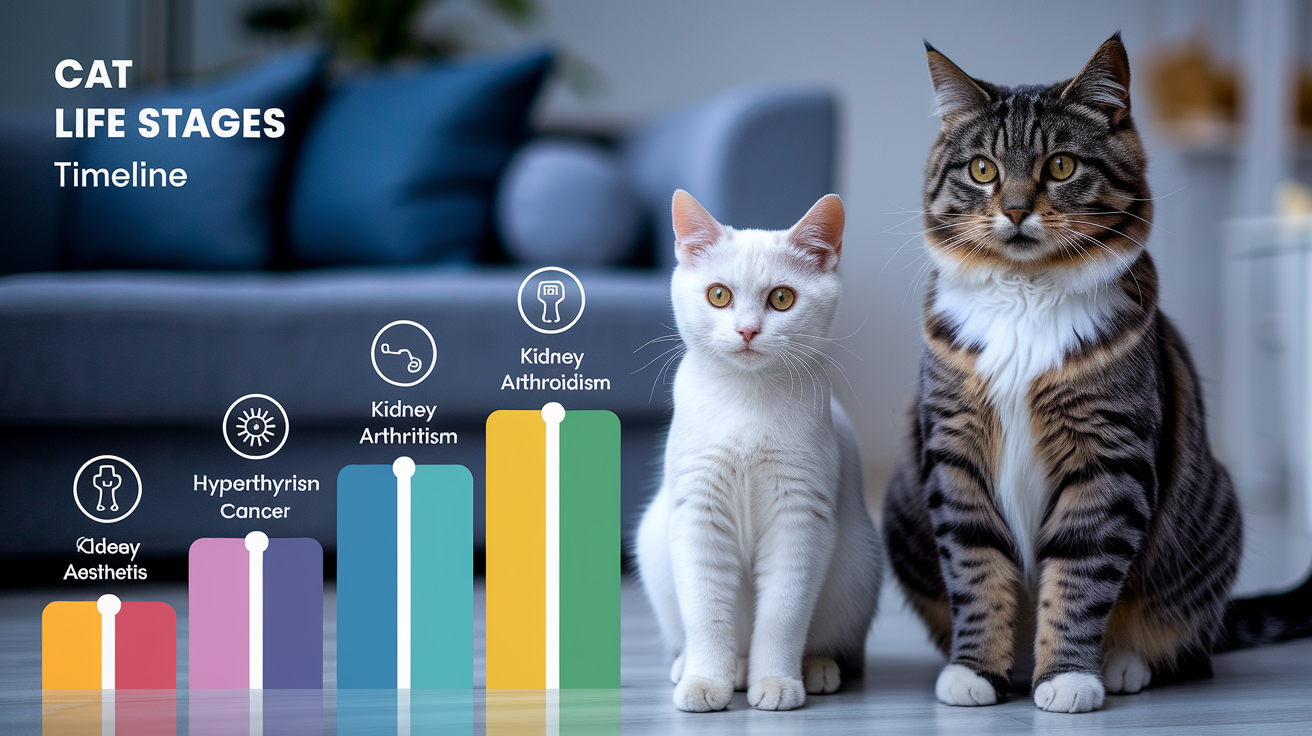
Kittens from birth to one year face the most danger from infections and birth defects. Parasites, respiratory infections, feline leukemia, and FIV can all be deadly if you don’t catch them fast. Vaccines, growth checks, and early vet visits build the foundation. Adult cats from one to seven are at their peak, but they start stacking up dental plaque and extra weight if you’re not careful.
Cats from seven to ten are transitioning. Chronic diseases start showing up on bloodwork before you notice symptoms. Kidney values creep up, arthritis begins, teeth get worse. This is when you want to start checking in more often. Senior cats from 11 to 14 deal with a lot: chronic kidney disease, overactive thyroid, diabetes, heart trouble, cancer. About half of cats over 10 will develop at least one chronic condition during this stretch.
Geriatric cats, 15 and up, carry a heavy load of age-related illness. A third of very old cats have kidney dysfunction. Cognitive decline shows up. Mobility gets harder. Many geriatric cats live comfortably for years with managed chronic disease, but you’re looking at close monitoring and often multiple meds or diet tweaks.
- Kittens (0–1 year): Infections, parasites, birth defects; vaccines and early vet visits are critical.
- Adults (1–7 years): Dental disease starts, weight gain becomes a risk; annual checkups recommended.
- Mature (7–10 years): Early kidney changes, arthritis, worsening teeth; consider twice-yearly exams and baseline bloodwork.
- Senior (11–14 years): Kidney disease, hyperthyroidism, diabetes, heart disease, arthritis, cancer all spike.
- Geriatric (15+ years): Chronic conditions are common (kidney problems, cognitive decline, mobility loss); frequent monitoring and comfort care.
Signs of Aging That Affect Overall Life Expectancy

Weight change is one of the clearest red flags. Unintended loss means muscle wasting, kidney disease, hyperthyroidism, or cancer. Unintended gain points to slower metabolism, less activity, or early diabetes. A shift of more than 10 percent over a few weeks needs a vet visit because it usually means something’s going wrong underneath, and if you ignore it, it’ll cut their time short.
Behavior and mobility shift too. Cats groom less, coats get matted or dull. Jumping becomes a struggle. Litter box access gets tricky. Play sessions shrink. Drinking and peeing more often screams kidney disease or diabetes, both manageable early but life-limiting if you let them slide. Cognitive changes like confusion, weird sleep patterns, or accidents in the house can mean brain aging or pain from arthritis.
Aging signs worth tracking:
- Unintended weight loss or gain (more than 5–10 percent)
- Less grooming, matted fur, dull coat
- Stiffness, reluctance to jump or climb
- Changes in eating or drinking (increased thirst is a big deal)
- Litter box accidents or straining
- More sleeping, confusion, or vocal changes
How to Extend the Average Cat Lifespan Through Daily Care
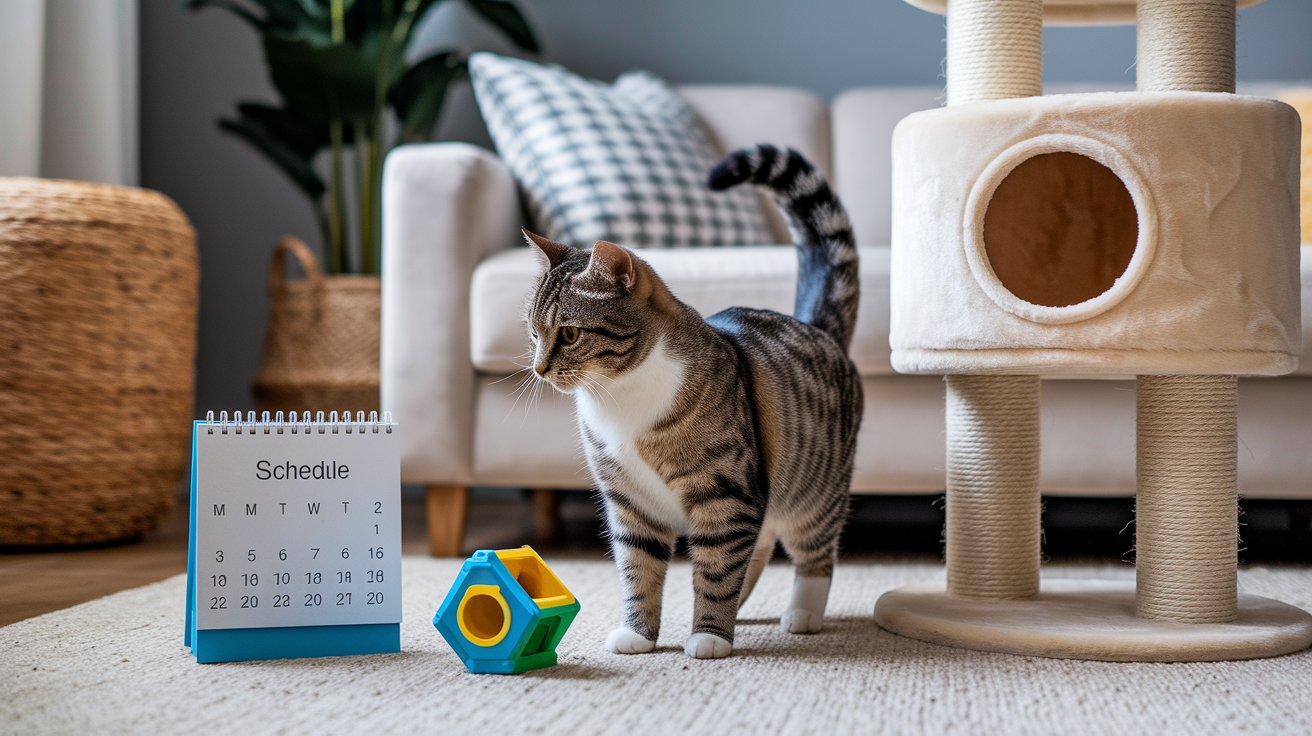
Keep your cat inside or give them controlled outdoor access like a catio or supervised harness walks. This one thing removes most of the trauma and infection risks that kill outdoor cats early. Spay or neuter before maturity, ideally by four to six months. Fixed cats live longer on average and stress less.
Watch their weight every day. Measure food, don’t free-feed junk, and go for complete, age-appropriate diets. You should be able to feel ribs easily but not see them sticking out. Obesity sets up diabetes, joint pain, and heart disease. Dental care deserves daily attention if your cat will let you brush their teeth. If not, get professional cleanings as your vet recommends to stop periodontal disease and the inflammation that spreads through their whole system.
Give them things to do. Daily play, puzzle feeders, vertical spaces, hiding spots. All of it keeps muscles strong and stress low. Monthly parasite prevention stops heartworm, fleas, ticks, and intestinal worms that cause anemia and organ damage. Start routine bloodwork and urinalysis around seven and repeat every year or every six months for seniors. Catching kidney disease, hyperthyroidism, and diabetes early is the whole game.
Steps that actually add years:
- Indoors or supervised outdoor time
- Spay/neuter by four to six months
- Measured portions; maintain ideal weight
- Daily tooth brushing or regular professional cleanings
- Monthly flea, tick, heartworm, and deworming prevention
- Daily play and environmental enrichment (vertical spaces, puzzle feeders)
- Cut household stress with predictable routines and separate spaces for each cat
- Track weight, eating, drinking, litter habits, and mobility monthly to catch changes early
Veterinary Care and Monitoring That Support Longer Lifespan
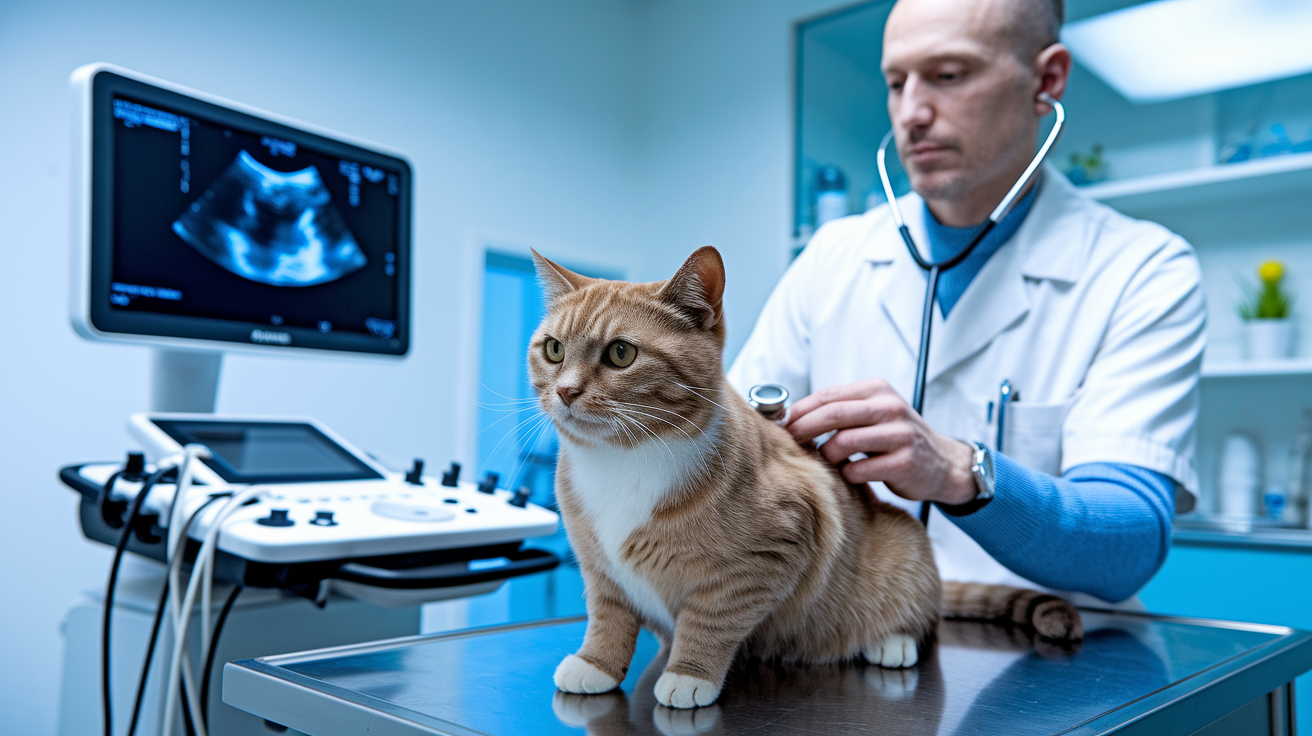
Kittens need several visits in their first year for vaccines and to screen for birth defects or parasites. Adult cats under seven should see a vet once a year for a physical, vaccine updates if needed, and a general check. This is when you set baseline weight, dental status, and behavior so you’ll notice when things shift later.
Cats seven and older benefit from more frequent visits because chronic disease risk jumps. Every six months gives your vet a shot at catching subtle changes in kidney function, thyroid, blood sugar, and heart before symptoms show. Baseline bloodwork and urinalysis around age seven or eight, then repeated every six to twelve months, catches chronic kidney disease, hyperthyroidism, and diabetes when diet, meds, or other interventions can still add years of good life.
| Age Stage | Recommended Exam Frequency | Screening Tests |
|---|---|---|
| Kitten (0–1 year) | Multiple visits (vaccine series, growth checks) | FeLV/FIV test, fecal parasite screen, physical exam |
| Adult (1–7 years) | Annual wellness exam | Physical exam, vaccine updates, fecal as needed; consider baseline bloodwork at 7 years |
| Senior (7–11 years) | Every 6–12 months | CBC, chemistry panel, urinalysis, thyroid (T4), blood pressure; dental check |
| Geriatric (11+ years) | Every 6 months | CBC, chemistry, urinalysis, thyroid, blood pressure; imaging (X-ray, ultrasound) as needed |
Final Words
Know this: indoor cats often live 12-18 years (many reach 15-20+), outdoor cats average 7-11, and feral cats often only 2-5 years. Breed and extremes also matter; some cats reach 20+ and a few exceptional ones live far longer.
Focus on the things you can change, spay or neuter, weight control, dental care, parasite prevention, indoor enrichment, and regular vet checkups. Track weight, appetite, mobility, and litter habits.
With steady daily care and timely vet visits, the average cat lifespan commonly stretches into the late teens, and that extra time is worth the effort.
FAQ
Q: What is the life expectancy of an indoor cat?
A: The life expectancy of an indoor cat is about 12–18 years, with many reaching 15–20+ years when given consistent preventive care, a safe environment, and good nutrition.
Q: Is there a 3-3-3 rule for cats?
A: The 3-3-3 rule for cats is a simple introduction guideline: 3 days to adjust, about 3 weeks to settle, and roughly 3 months to fully bond and feel confident in a new home.
Q: How old is a 17 year old cat?
A: A 17 year old cat is roughly equivalent to an 84-year-old human, placing it in the geriatric stage and needing closer monitoring for chronic conditions and regular vet checks.
Q: Are cats happier if they sleep with you?
A: Cats may be calmer and show trust when they sleep with you, so many seem happier, but individual preferences vary—some cats prefer their own quiet space instead.