

Is your eight-year-old cat really “middle-aged,” or closer to a 48-year-old human?
That mix-up is common, because cats age fast at first and then slow down.
This cat age chart lays out clear human-equivalent ages so you can match food, vet checks, and home changes to their life stage.
Use it to spot what’s normal, what deserves a closer look, and when to call your vet.
Quick, practical, and easy to read, the chart helps you make small changes that improve comfort and health.
Cat Age Conversion Chart for Quick Human-Equivalent Comparison
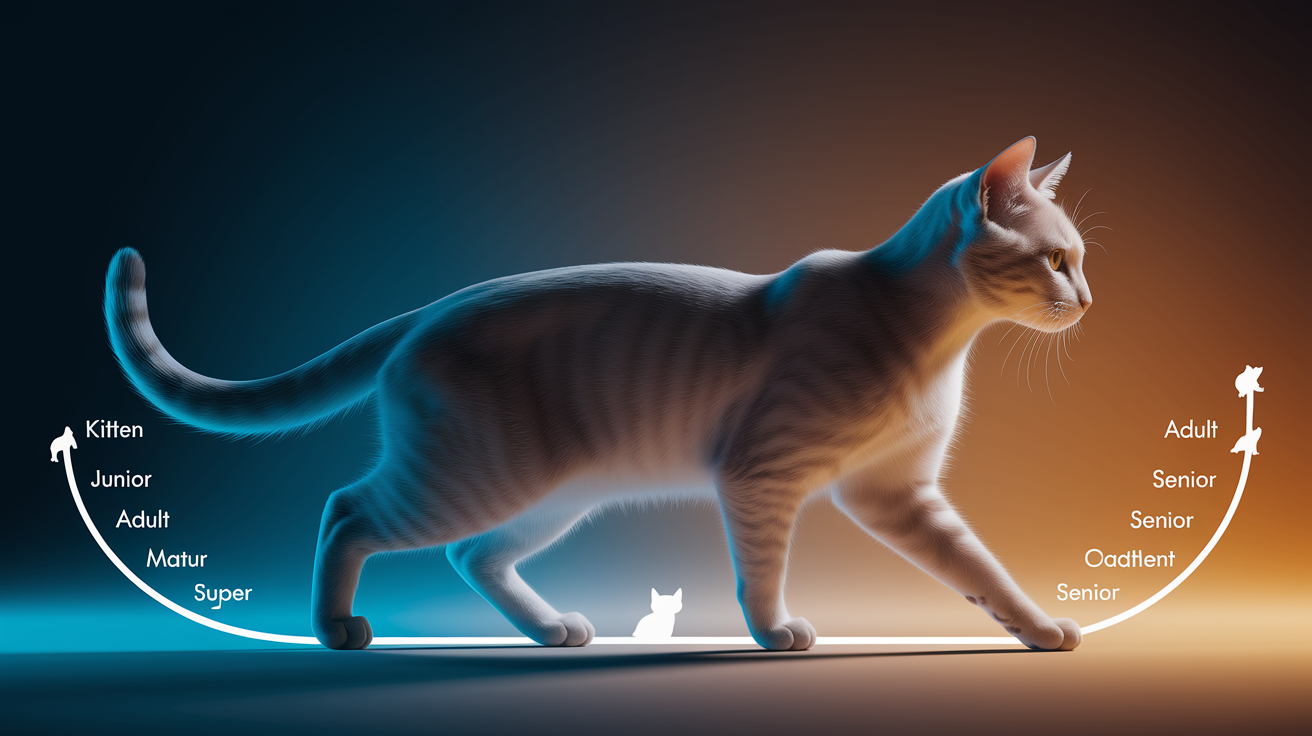
Converting cat years into human years helps you figure out where your cat is developmentally and what kind of care actually makes sense. A two-year-old cat isn’t a toddler. They’re closer to someone wrapping up college. A ten-year-old cat? Not middle-aged. More like approaching retirement. Seeing the numbers laid out makes behavior shifts, health changes, and vet advice way easier to understand.
The conversion doesn’t work one-to-one. Cats age faster in the beginning, then things slow down after year two. The first two cat years add up to about 24 human years total. After that, each year tacks on roughly four more. So a six-month-old kitten is already hitting pre-teen territory, while a 15-year-old cat is well into their late seventies.
| Cat Age (Months/Years) | Human Age Equivalent | Life Stage |
|---|---|---|
| 2 months | 2 years | Kitten |
| 3 months | 4 years | Kitten |
| 4 months | 6 years | Kitten |
| 5 months | 8 years | Kitten |
| 6 months | 10 years | Kitten |
| 7 months | 12 years | Junior |
| 12 months (1 year) | 15 years | Junior |
| 18 months | 21 years | Junior |
| 2 years | 24 years | Junior |
| 3 years | 28 years | Adult |
| 5 years | 36 years | Adult |
| 6 years | 40 years | Adult |
| 7 years | 44 years | Mature |
| 10 years | 56 years | Mature |
| 12 years | 64 years | Senior |
| 14 years | 72 years | Senior |
| 15 years | 76 years | Super Senior |
| 18 years | 88 years | Super Senior |
| 20 years | 96 years | Super Senior |
| 25 years | 116 years | Super Senior |
Use this to check where your cat is and what kind of care fits. If your eight-year-old cat is slowing down on the stairs, that’s roughly a 48-year-old human feeling their knees more. Good time to talk joint support with your vet. The chart gives you context for what’s just normal aging and what deserves a closer look.
Cat Life Stage Breakdown Using the Cat Age Chart

Cats move through six life stages. Each one has its own physical setup, behavior patterns, and care needs. Knowing which stage your cat’s in helps you adjust routines, catch health changes earlier, and set realistic expectations for their energy and social habits.
Kitten (0–6 Months)
Kittens grow incredibly fast. Six months takes them from helpless newborns to confident, playful pre-teens. This stage is all about socialization and learning boundaries. They need frequent meals, safe spaces to explore, and gentle handling from different people so they grow into calm adults. By six months, they’re roughly equivalent to a ten-year-old kid. Physically coordinated, but still testing limits constantly.
Junior (7 Months–2 Years)
Junior cats are basically teenagers. They’ve hit full size or close to it. Still figuring out their place in the world. Energy is high, curiosity is relentless, and impulsive choices happen a lot. Survival instincts sharpen during this time. Play gets rougher. Some cats start challenging other pets or people. At two years, they’re about 24 in human terms. Young adults settling into more predictable routines.
Adult (3–6 Years)
Adult cats are in their prime. Physically mature, behaviorally steady, usually at their healthiest. They know their routines, their favorite nap spots, how to tell you what they want. This maps to human ages 28 through 40. Regular exercise and mental stimulation matter for long-term health. Boredom and weight gain can sneak in if playtime drops off.
Mature (7–10 Years)
Mature cats are entering middle age. Energy dips a bit. Naps get longer. They’re roughly equivalent to humans in their mid-forties to mid-fifties. This is when subtle health stuff can start, like early dental disease, mild arthritis, or appetite shifts. Good time to bump up vet check frequency and start tracking weight, water intake, and litter box habits more closely.
Senior (11–14 Years)
Senior cats are in their sixties and early seventies in human terms. Many are still active and healthy. But most slow down noticeably. Jumping onto high surfaces gets harder. Grooming becomes less thorough. Some cats seek out warmer, quieter spots more often. Environmental tweaks help a lot here. Think lower-sided litter boxes, ramps to favorite perches, softer bedding for achy joints.
Super Senior (15+ Years)
Super senior cats are the wise elders. At 15 years, they’re 76 in human age. Many cats sail well past that. Some show few obvious aging signs. Others need more hands-on support with mobility, eating, or toileting. Behavior changes can be subtle. Sleeping in new spots. Vocalizing more at night. Seeming confused in familiar spaces. Small shifts often signal pain, cognitive decline, or illness that’s treatable when caught early.
Kitten Age Chart for Weeks 0–8 (Physical & Behavioral Milestones)
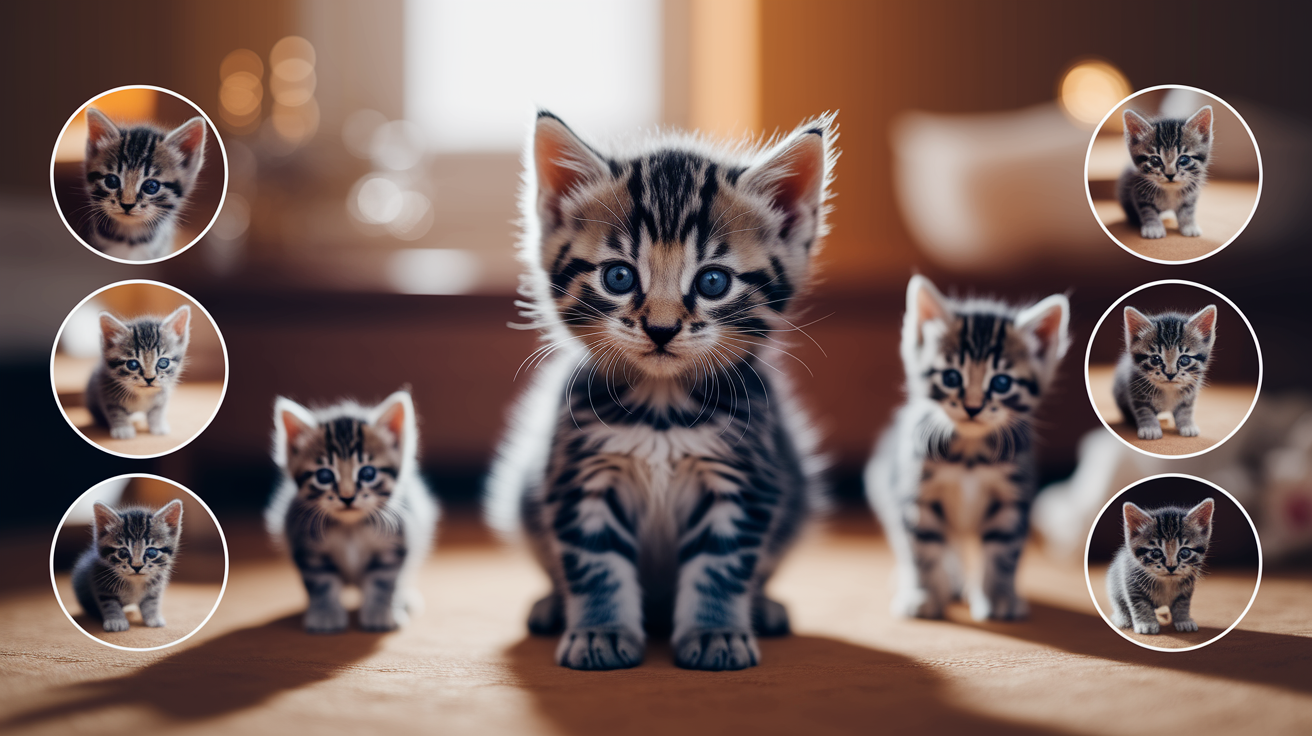
Figuring out a kitten’s age matters when you find a stray, inherit a litter, or just want to track whether development is on schedule. The first eight weeks pack in rapid changes. Knowing what to look for week by week helps you give the right care at the right time and spot any delays that need vet attention.
| Age (Weeks) | Weight | Length | Developmental Milestones | Care Needs |
|---|---|---|---|---|
| Newborn (0–1 week) | ~100 g | ~7 inches / 18 cm | Eyes closed, ears flat, umbilical cord falls off by day 3, suckling every 2 hours | Must stay with mother; she stimulates toileting by licking |
| 1 week | ~200 g | ~7 inches / 18 cm | Weight doubles, still immobile, eyes remain closed | Continue nursing; minimal handling |
| 2 weeks | ~300 g | ~8 inches / 20 cm | Eyes and ears open, baby teeth start, wobbly walking begins | Begin gentle socialization with people |
| 3 weeks | ~400 g | ~8.5 inches / 22 cm | Ears upright, more teeth coming in, may start self-toileting | Introduce shallow litter tray |
| 4 weeks | ~500 g | ~9 inches / 23 cm | Weaning begins, confident walking, running, playing | Offer soft solid food mixed with formula |
| 5 weeks | ~600 g | ~9 inches / 23 cm | Eye color may shift from blue, stalking and pouncing, self-grooming starts | Continue weaning; increase play and handling |
| 6 weeks | ~700 g | ~10 inches / 25 cm | Highly playful (chasing, hiding), improving litter habits, better grooming | Solid food primary diet; monitor litter use |
| 7 weeks | ~800 g | ~10 inches / 25 cm | Eating solids consistently, may still nurse occasionally, adult eye color set | Prepare for separation; socialization window peaks |
| 8 weeks | ~900 g | ~11 inches / 28 cm | Fully weaned, ready for first vaccinations (herpesvirus, parvovirus, calicivirus) | Vet visit for vaccines, discuss neutering and microchipping; ready for adoption |
Kittens need to stay with their mother for at least the first eight weeks. Removing them earlier puts survival, behavior, and long-term health at risk. The mother teaches bite inhibition, litter habits, and social cues that humans can’t replicate. Early weaning often leads to aggression, anxiety, or poor litter box habits later.
Estimating Cat Age Without Records Using the Cat Age Chart
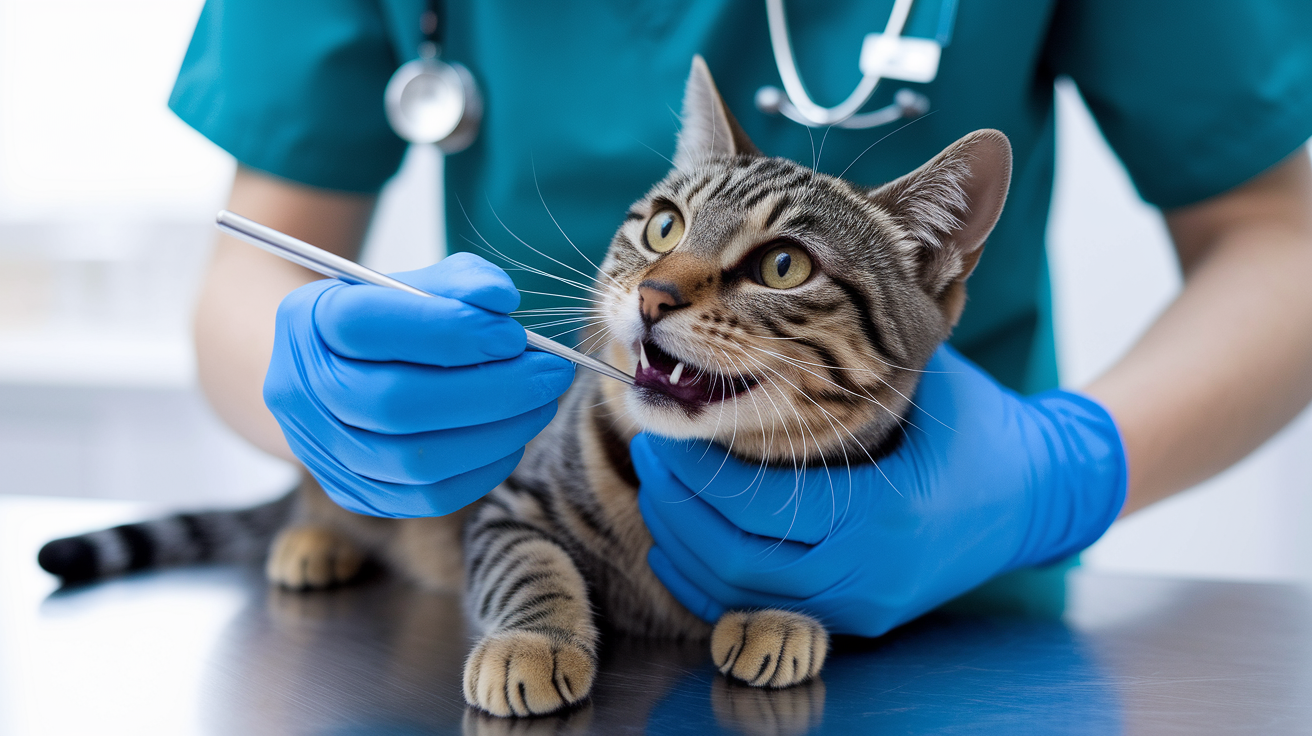
When a cat shows up without paperwork, you can get a decent age estimate by checking teeth, eyes, coat, and body condition. It’s not exact. But it’s usually close enough to pick the right life stage and care plan.
Teeth are your most reliable marker early on. Baby teeth appear around two weeks and are fully in by about eight weeks. Adult teeth start replacing them around three to four months and are complete by six months. After that, you’re looking at wear and tartar. Light yellowing and minor tartar usually mean a cat is somewhere in the adult or early mature stage, roughly three to seven years. Heavy tartar buildup, worn or broken teeth, and gum recession point to a senior or super senior cat, often ten years or older.
Other clues fill in the picture. Young adult cats have bright, clear eyes and a glossy coat with no thinning or graying. Mature and senior cats might show slight cloudiness in the eyes, a duller coat, or gray hairs around the muzzle and eyebrows. Muscle tone drops with age, so an older cat often feels bonier over the hips and spine. A young adult feels firm and well-muscled. Activity level helps too. Kittens and juniors are in constant motion. Adults are playful but calmer. Seniors spend more time resting and move more carefully.
Quick age indicators to check:
- Tartar level on teeth (none = young, heavy = senior)
- Muscle tone over ribs, hips, spine (firm = young, thin or bony = older)
- Eye clarity (bright and clear = young, cloudy or hazy = senior)
- Coat condition (shiny and thick = young, dull or patchy = older)
- Energy and movement (constant play = young, cautious or stiff = senior)
- Gum color and health (pink and smooth = young, red or receding = older)
If you’re not confident in your estimate or the cat shows signs of illness, a vet exam is the next step. Vets can give a more precise age range based on dental wear, joint condition, and internal health markers. They’ll catch anything that needs treatment right away.
Cat Lifespan Expectations and How the Cat Age Chart Predicts Aging Speed

Most cats live around 12 to 14 years. Plenty make it into their late teens or early twenties. Indoor cats tend to live longer than outdoor cats because they avoid cars, predators, disease exposure, and fights. Breed plays a role too. Mixed breed cats generally outlive purebreds. Some breeds like Siamese or Russian Blues are known for longevity. Others face genetic health issues that shorten lifespan.
Using the age chart helps you predict how fast your cat is aging and when certain health risks become more likely. A cat hitting ten years old is entering their late fifties in human terms. That’s the age when chronic conditions like kidney disease, hyperthyroidism, and arthritis start showing up more often. Knowing that timeline lets you schedule more frequent vet visits, adjust their diet, and watch for early warning signs before problems get serious.
Factors that extend indoor cat longevity:
- Regular vet checkups and vaccinations to catch illness early
- High-quality diet matched to life stage and activity level
- Consistent parasite prevention (fleas, ticks, worms)
- Safe, enriched environment with play, mental stimulation, and low stress
- Spaying or neutering to reduce cancer risk and roaming behavior
Age-Related Health Changes and How They Align With the Cat Age Chart

Health risks shift as cats age. The life stage categories on the chart give you a rough timeline for when to start watching for specific problems. Kittens and juniors are generally healthy but vulnerable to infectious diseases and accidents. Adults are at their peak, with lower disease risk overall. Mature cats start showing the first signs of wear. Mild dental disease, early arthritis, occasional digestive upset. Seniors and super seniors face the highest risk for chronic illness. Small changes in behavior or routine often signal something brewing.
Arthritis is one of the most common age-related issues. Cats hide pain well. You won’t see limping like you would in a dog. Instead, watch for stiffness after sleeping, reluctance to jump onto furniture, less grooming in hard-to-reach spots, or avoiding the litter box because it’s painful to climb in. Kidney disease becomes more common in senior and super senior cats, showing up as increased thirst, more frequent urination, weight loss, and poor appetite. Hyperthyroidism typically appears in older cats too. Weight loss despite a big appetite, hyperactivity, vomiting, and a scruffy coat are common signs.
| Life Stage | Common Health Risks | Behavioral Signs |
|---|---|---|
| Kitten (0–6 months) | Upper respiratory infections, parasites, congenital issues | Sneezing, eye discharge, diarrhea, failure to gain weight |
| Junior (7 months–2 years) | Injuries from rough play, early dental disease, obesity if overfed | Limping, bad breath, rapid weight gain, reduced activity |
| Adult (3–6 years) | Dental tartar, urinary issues, weight gain | Straining to urinate, blood in urine, avoiding hard kibble |
| Mature (7–10 years) | Early arthritis, dental disease, thyroid changes, diabetes risk | Stiffness, increased thirst, weight change, litter box avoidance |
| Senior (11–14 years) | Kidney disease, hyperthyroidism, arthritis, cognitive decline, cancer | Weight loss, poor grooming, confusion, increased vocalization, hiding |
| Super Senior (15+ years) | Advanced kidney disease, heart disease, severe arthritis, dementia | Disorientation, night yowling, litter accidents, muscle wasting, lethargy |
Care Routines by Life Stage Based on the Cat Age Chart
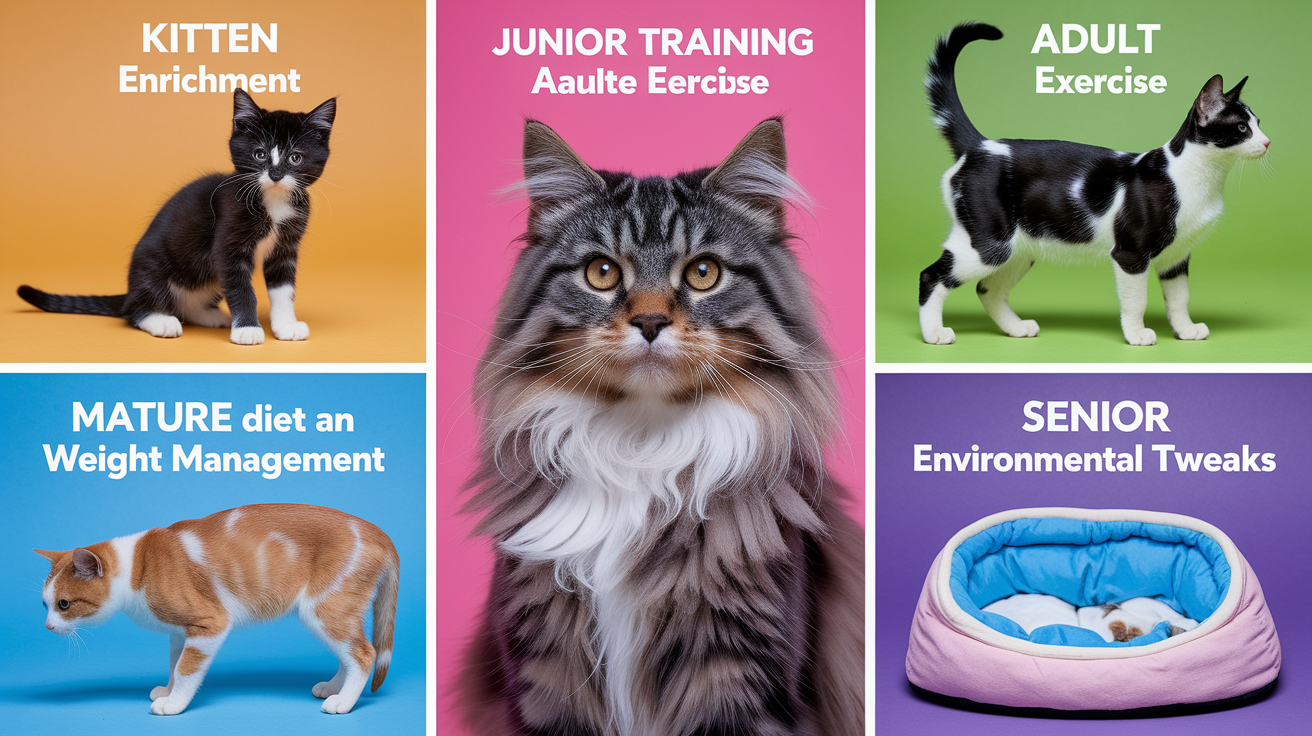
Adjusting care routines to match your cat’s life stage keeps them healthier longer and helps you catch problems early. Each stage has different nutritional needs, activity expectations, and preventive care priorities.
Kitten (0–6 Months)
Kittens need high-calorie, protein-rich kitten food to fuel rapid growth. Feed them three to four small meals a day until about four months, then transition to twice daily. Schedule their first vet visit at eight weeks for vaccinations against feline herpesvirus, parvovirus, and calicivirus, with boosters following your vet’s timeline. Start gentle toothbrushing early to build the habit. Provide safe toys and climbing options to burn energy and build coordination.
Junior (7 Months–2 Years)
Juniors still eat kitten food until about 12 months, then switch to adult formulas. Continue vaccinations and start or complete spaying or neutering if not done earlier. Prime time for behavior training. Redirecting rough play, reinforcing litter habits, and discouraging countertop jumping. Keep enrichment high with puzzle feeders, interactive toys, and regular play sessions to prevent boredom and destructive behavior.
Adult (3–6 Years)
Adults thrive on consistent routines. Feed high-quality adult cat food portioned to maintain a healthy weight, typically two meals a day. Annual vet checkups should include a physical exam, dental check, and discussion of any behavior or appetite changes. Brush teeth several times a week if possible. Keep up parasite prevention year-round. Mental enrichment stays important. Rotate toys, offer window perches, and schedule daily interactive play.
Mature (7–10 Years)
Mature cats benefit from twice-yearly vet visits to catch early signs of kidney, thyroid, or dental disease. Some cats do well staying on adult food, while others need a senior formula with adjusted protein and phosphorus. Watch for weight changes in either direction and adjust portions as activity drops. Dental disease often accelerates in this stage, so professional cleanings might become necessary. Provide easy access to favorite resting spots. Consider adding ramps if jumping looks uncomfortable.
Senior (11–14 Years)
Senior cats need more frequent monitoring. Switch to senior cat food if your vet recommends it. Consider adding joint supplements if stiffness appears. Twice-yearly vet visits should include bloodwork to screen for kidney function, thyroid levels, and blood sugar. Modify the home environment. Add lower-sided litter boxes, place food and water on every floor, provide heated beds for achy joints, and keep nails trimmed since older cats might not wear them down as much.
Super Senior (15+ Years)
Super senior care is all about comfort and close observation. Many cats need prescription diets for kidney support or other chronic conditions. Vet visits might shift to every three to four months depending on health status. Watch for subtle changes in appetite, water intake, litter box use, grooming, and sleep location. Report anything new to your vet quickly. Some super seniors develop cognitive dysfunction and benefit from nightlights, consistent routines, and extra patience when they seem confused.
Cross-stage preventive care summary:
- Keep vaccinations current and discuss titers with your vet for older cats
- Maintain year-round flea, tick, and heartworm prevention
- Brush teeth regularly and schedule professional cleanings as needed
- Track weight monthly and adjust food portions to maintain ideal body condition
- Provide fresh water daily and monitor intake for sudden increases or decreases
Downloadable & Printable Cat Age Chart Tools

A printable cat age chart gives you a quick reference to tape inside a cupboard or tuck into your vet records binder. It’s helpful when you’re tracking developmental milestones for a kitten, logging weight and behavior changes for a senior cat, or just trying to explain to family members why your 12-year-old cat isn’t “old” yet in the way they’re thinking. Having the chart on hand makes it easier to spot when something shifts. If your eight-year-old cat suddenly acts like a tired 60-year-old instead of an active 48-year-old, that’s a cue to call the vet.
Printable tools also support conversations with your vet. Bring a filled-in chart showing your cat’s current age, weight progression, and any behavior notes. Your vet can spot patterns faster. Some pet parents use a simple spreadsheet to log monthly weight, appetite, litter box frequency, and activity level alongside the age chart. Creates a health timeline that’s easy to reference during checkups or when a new symptom pops up.
Recommended printable tools:
- Full cat-to-human age conversion table with life stage labels for easy reference
- Kitten milestone tracker (0–8 weeks) with space to note weights, vaccination dates, and behavioral firsts
- Senior cat symptom log with columns for date, observation, duration, and vet follow-up
- Blank monthly health tracker to record weight, water intake, litter box use, and appetite alongside age equivalents
Final Words
in the action, this post showed a simple cat-to-human conversion and the rule for the first two cat years. It also included a kitten week-by-week chart, life-stage notes, ways to estimate age, lifespan expectations, and common age-related signs.
You got clear care routines by stage and printable tools to track weight, shots, and behavior.
Keep this cat age chart handy for quick checks, jot notes in your journal, and contact your vet if things change. Small, steady steps add up. You’re doing well.
FAQ
Q: How do you calculate a cat’s age?
A: To calculate a cat’s age, count the first two cat years as about 24 human years, then add roughly 4 human years for each additional cat year; use kitten-month mappings for finer estimates.
Q: What annoys cats the most?
A: What annoys cats the most are sudden loud noises, disrupted routines, forced handling or cuddles, a dirty litter box, and overstimulation during play or grooming.
Q: Are cats happier if they sleep with you?
A: Cats can be happier sleeping with you when they feel safe and bonded; many enjoy warmth and closeness, but some prefer their own space—watch your cat’s body language.
Q: What is the average lifespan of a cat?
A: The average lifespan of a cat is about 12–14 years; many indoor cats live into their late teens or early twenties, while outdoor cats often face higher risks and shorter lives.