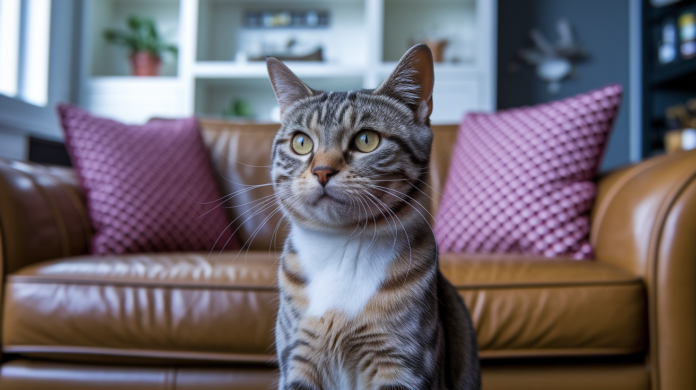

Think your cat is just being loud? Think again.
Most meowing is how your cat talks to you, asking for food, attention, or a clean litter box.
But a sudden change in volume, pitch, or timing can signal pain, stress, or illness.
This post gives simple clues like time of day, pitch, repetition, location, and recent changes to help you decode what your cat is really saying and know when to call the vet.
Understanding Immediate Reasons Behind Cat Meowing
Cats meow mainly to talk to humans, not other cats. Most of the time, your cat’s asking for something simple. Food, attention, a clean litter box, or just a quick hello when you walk in the door. Unlike dogs, cats save meowing for us. They’ve gotten really good at it over thousands of years living alongside people.
Sometimes meowing shifts from normal requests to a signal that something’s wrong. Pain, illness, stress, or confusion can all trigger more frequent or louder vocalizations, especially if the change happens suddenly.
Here are five quick context clues to help you figure out what your cat’s saying:
Time of day – Meowing around 4 a.m. is common because cats are naturally active at dawn and dusk.
Pitch – A high, sharp meow often means pain or distress. A low grumble signals annoyance or warning.
Repetition – A single chirp is friendly. Repeated, insistent calls usually mean “I want something now.”
Location – Meowing at the litter box, food bowl, or closed door points directly to the need.
Recent changes – Moving, new pets, schedule shifts, or even rearranged furniture can trigger stress-based meowing.
Later sections will walk through the behavioral and medical reasons in detail, and help you recognize when meowing crosses from chatty to excessive. For now, think of meowing as your cat’s primary tool for getting your attention, whether that’s for breakfast, playtime, or help with a problem.
Behavioral Causes of Cat Meowing and What They Mean
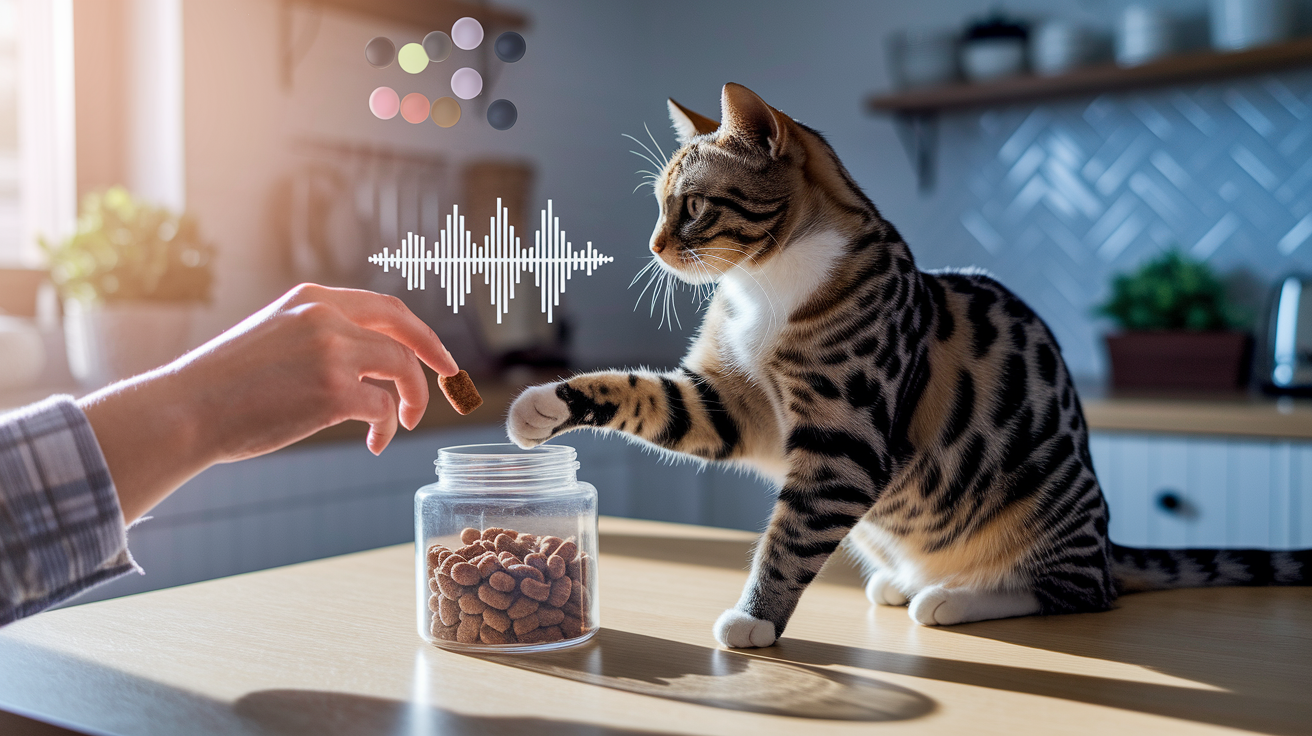
Attention seeking is the number one behavioral driver of meowing. Cats are smart. If meowing gets results (you feed them, pet them, or talk back), they’ll keep doing it. Over time, a cat learns exactly which meow pitch and volume gets you to respond fastest, and that pattern becomes a habit. If you’ve ever opened the treat jar after a loud meow just to quiet your cat, you’ve reinforced the loop.
Food-related meowing usually happens on a schedule. Most cats start vocalizing 15 to 30 minutes before mealtime, pacing near the bowl or following you into the kitchen. Some cats meow at the sight of an empty bowl, even if it’s only half empty, because they prefer a full dish. Environmental triggers matter too. A dirty litter box, stale water, or a closed door blocking access to a favorite nap spot can all prompt complaint meows. These aren’t random. Your cat’s pointing to a specific unmet need.
Here are six common behavioral meows and what they typically mean:
Greeting meow – A short, friendly chirp when you come home or enter a room. It’s the cat equivalent of “Hey, you’re back.”
Request meow – A mid-pitched, sustained sound near the food bowl, water dish, or treat cabinet. Translation: “I’d like that, please.”
Complaint meow – A low, drawn-out grumble when a door is shut, another pet is in their space, or dinner is late. Signals annoyance.
Door frustration meow – Repeated calls at a closed bedroom or bathroom door. The cat wants in (or out) and doesn’t understand the barrier.
Loneliness meow – Soft, repeated vocalizations when you’re in another room or have been gone all day. Your cat’s checking in and seeking company.
Nighttime activity meow – Loud calls between 3 and 5 a.m., often at your bedroom door or from the hallway. Driven by natural dawn/dusk energy peaks.
Routine and predictability shape these behaviors more than most owners realize. Cats thrive on consistent schedules. Feed at the same times, play at regular intervals, and keep the litter box on a daily cleaning routine, and many request meows will drop off naturally because your cat knows when needs will be met.
Medical Reasons for Cat Meowing and Red Flags to Watch For
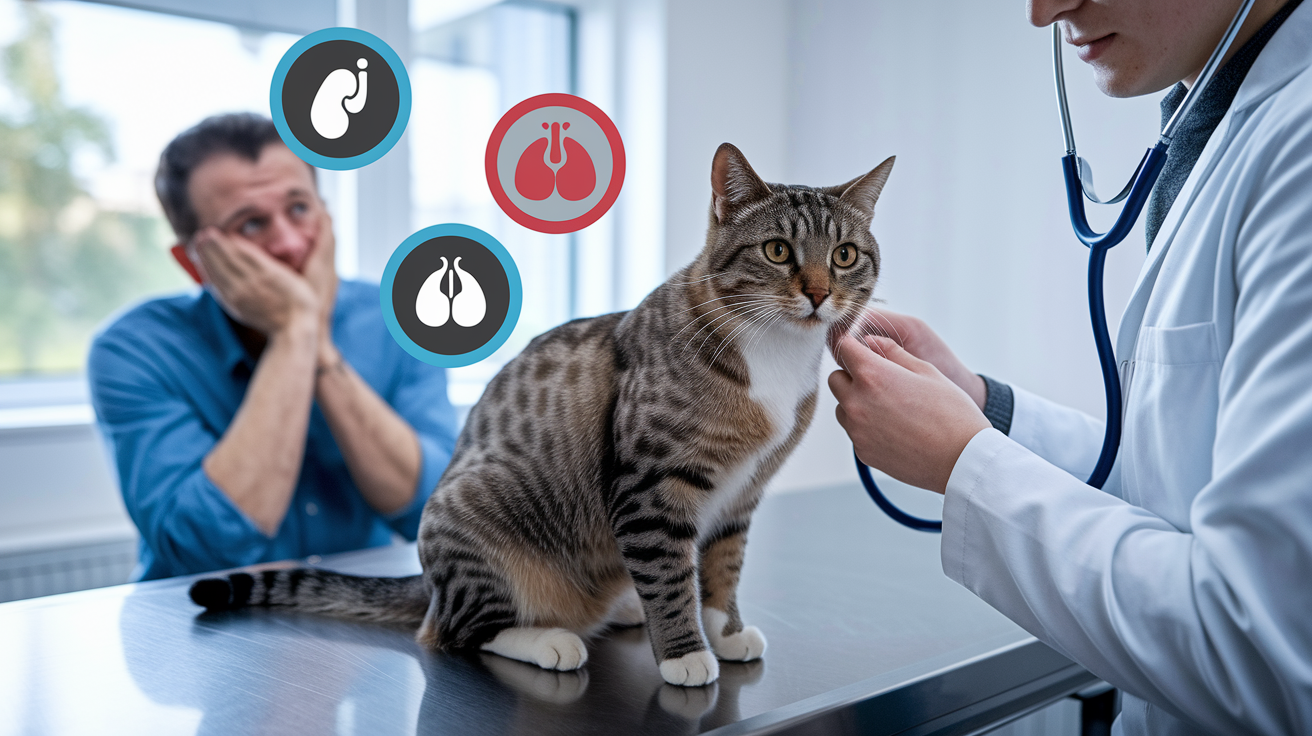
A sudden jump in meowing, especially if your cat’s always been quiet, often points to a medical problem. Cats hide pain well, but vocalization is one of the few outward signs they can’t fully suppress. If your previously calm cat starts yowling at night, pacing and crying near the litter box, or meowing while sitting still and staring at nothing, don’t wait. Those patterns suggest something hurts or something critical has changed inside their body.
Endocrine and metabolic disorders are common in middle-aged and senior cats and frequently increase vocalization. Hyperthyroidism, which speeds up the metabolism, makes cats restless, hungry, and vocal, often with weight loss despite eating more. High blood pressure can cause disorientation and anxiety, leading to persistent, aimless meowing. Kidney disease and diabetes also trigger increased thirst and urination, and cats may vocalize more as they feel unwell or confused by the constant need to drink and use the litter box. These conditions show up most often in cats over seven years old.
Pain-related meowing is sharp and sudden. A cat with arthritis may cry when jumping down from furniture. Dental disease causes meowing near the food bowl because chewing hurts. Male cats straining to urinate (a life-threatening urinary blockage) often yowl in the litter box, crouch repeatedly without producing urine, and show visible distress. This is an emergency requiring immediate veterinary care.
Sensory decline, hearing or vision loss, also changes vocalization. A deaf cat may meow louder because they can’t hear themselves, and a blind cat may call out more to orient themselves in the home. Neurological issues and cognitive dysfunction (similar to dementia) cause repetitive, aimless meowing, especially at night, because the cat feels lost or confused even in familiar surroundings.
Red flags that require same-day or emergency veterinary attention include: a male cat crying and straining in the litter box with little or no urine output, open-mouth panting combined with loud distress calls, sudden high-pitched screaming that doesn’t stop, meowing paired with rapid breathing or refusal to move, and any vocalization that comes with noticeable weight loss, appetite changes, vomiting, diarrhea, or shifts in water intake or urination patterns within a few days.
Kitten Meowing vs Adult Cat Meowing
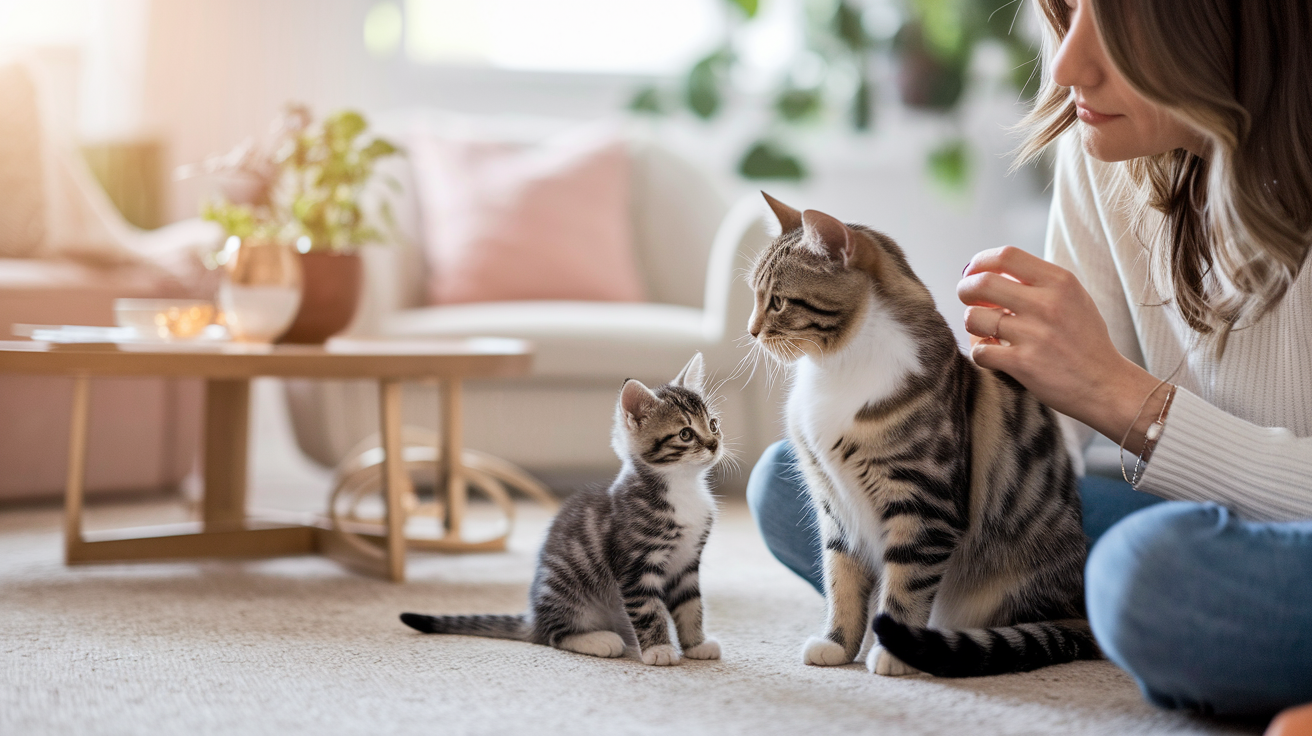
Kittens meow a lot because they rely entirely on vocal cues to communicate with their mother during the first few weeks of life. Their eyes stay closed for seven to ten days after birth, so sound is the primary way they signal hunger, cold, fear, or discomfort. A mother cat responds to specific meow pitches and rhythms, learning to distinguish a hunger cry from a distress call. This early vocal feedback loop teaches kittens that meowing works.
Adult cats, by contrast, rarely meow at each other. Feral and outdoor cats use body language, scent marking, hissing, and growling to communicate with other cats, but save meowing almost exclusively for humans. Domestic cats have learned, through thousands of years of cohabitation, that people respond to sound more reliably than we respond to tail position or ear angle. So meowing becomes a learned, human-focused behavior that sticks into adulthood if it continues to get results.
Common kitten meow meanings include:
Hunger – High-pitched, insistent calls near feeding times or when separated from the mother.
Cold – Continuous, plaintive meowing if the nest area is too cool or the kitten is isolated from littermates.
Fear or pain – Sharp, urgent cries that escalate quickly and don’t stop with gentle handling.
Seeking caregiver – Soft, repetitive meows when the kitten can’t find its mother or human caregiver and feels alone.
If a kitten’s distress meowing doesn’t calm with warmth, food, and gentle contact, a veterinary check is necessary. Persistent, inconsolable vocalization in a young kitten can signal illness, injury, or developmental problems that need prompt attention.
Cat Breeds and Individual Differences in Meowing
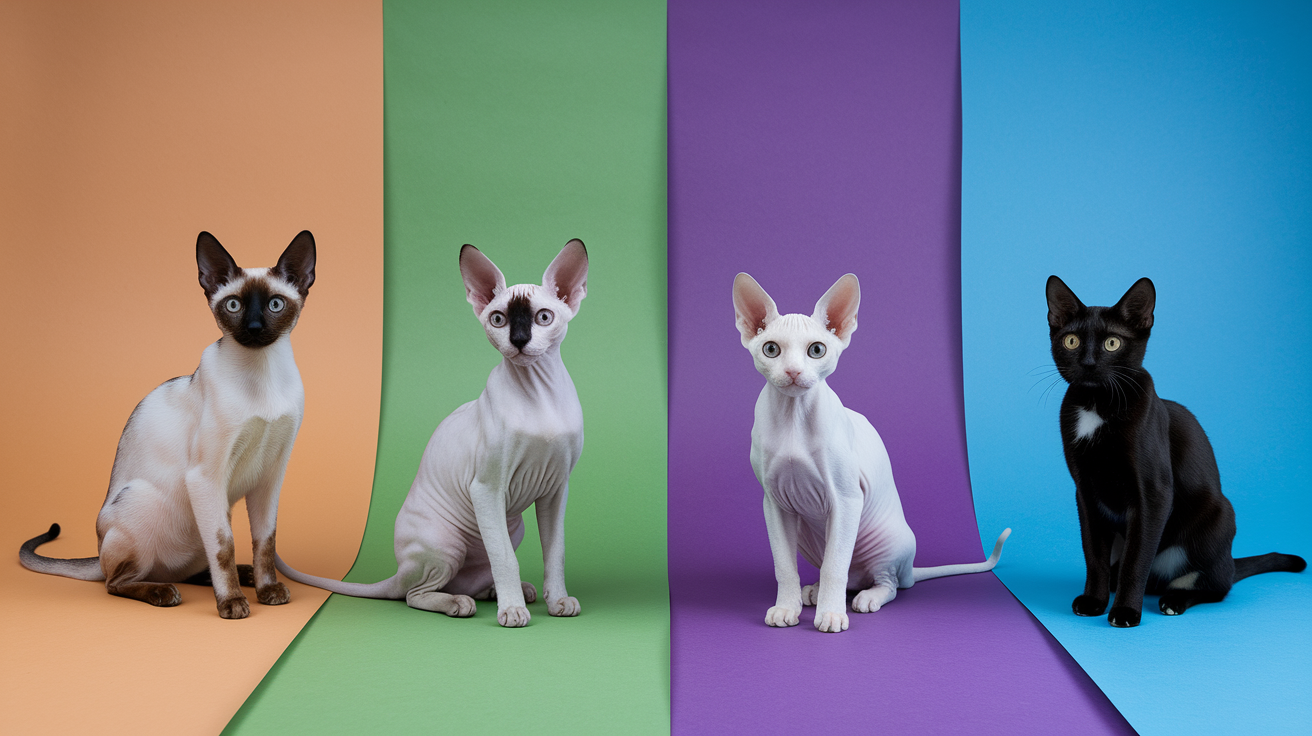
Some cat breeds are naturally chattier, and if you’ve chosen one of these, daily conversations are part of the package. Vocal breeds didn’t develop louder voices by accident. Selective breeding over decades has reinforced specific personality traits, including the tendency to “talk” to their owners frequently and with a wide range of sounds.
Here are five breeds known for high vocalization and their typical vocal traits:
Siamese – Famously talkative with loud, low-pitched, raspy meows. Will hold extended “conversations” and demand responses.
Bengal – Chatty and expressive, using chirps, trills, and insistent meows. Especially vocal during play and when seeking attention.
Sphynx – Warm, people-focused, and highly vocal. Meows often to maintain social contact and request interaction.
Tonkinese – Social and opinionated, with a voice similar to Siamese but slightly softer. Meows to greet, request, and comment throughout the day.
Oriental Shorthair – Talkative and curious, with a varied vocal range. Uses meowing to explore, ask questions, and express preferences.
Individual personality also shapes meowing habits. Even within quieter breeds like Persians or British Shorthairs, you’ll find the occasional chatty cat who learned early that vocalizing gets attention. Age, early socialization, and past reinforcement all play roles. A cat raised in a busy, interactive household may meow more than a cat from a quiet, single-person home, simply because talking was always part of the routine.
Understanding Different Types of Cat Meows
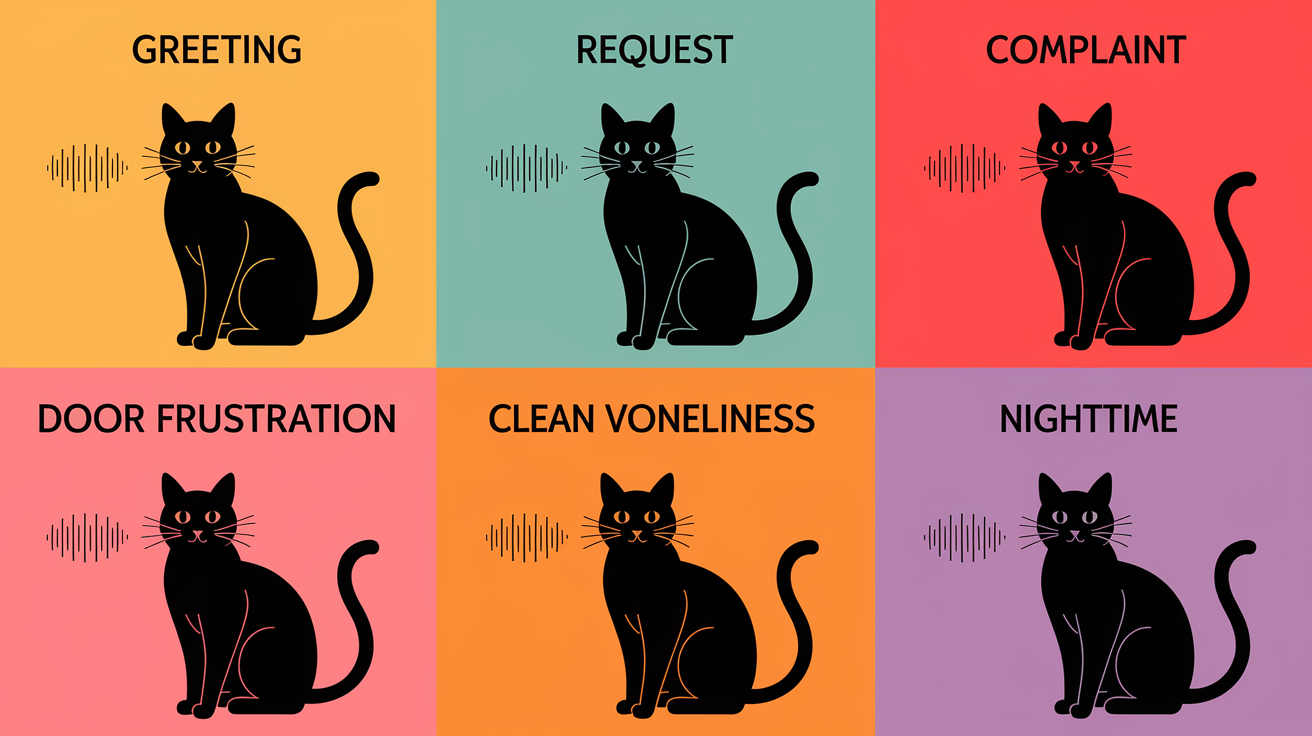
Cats produce a surprisingly wide range of sounds, and paying attention to pitch, length, and rhythm helps you decode what each meow actually means.
Short Greeting Meow
A quick, friendly chirp your cat makes when you walk into the room or come home after being out. It’s the feline version of “Hi, I see you.” The pitch is usually mid-range, the duration is brief (under a second), and it often comes with a tail held high and relaxed body language.
Mid-Pitch Request Meow
A sustained, clear meow at a comfortable pitch, often near the food bowl, treat jar, or a closed door. Your cat’s politely asking for something specific. Context and timing matter. If it’s 6 p.m. and your cat’s staring at the empty bowl, the request is obvious.
Long, Drawn-Out Demand Meow
Louder, longer, and more insistent than a request meow. The pitch may rise at the end, and the meow can last two to three seconds or more. Translation: “I’ve been asking nicely, now I really need this.” Common triggers include late meals, closed doors blocking favorite spots, or urgent litter-box complaints.
Low-Pitched Complaint Meow
A grumbly, lower-register sound that signals annoyance or mild displeasure. You’ll hear this when another pet is in your cat’s space, when you’ve moved their favorite blanket, or when you stop petting before they’re ready. It’s not aggressive, just a vocal eye-roll.
High-Pitched Pain Meow
A sudden, sharp, high-frequency cry that sounds distressing and very different from normal vocalizations. Often happens when a cat is hurt, steps on something painful, or experiences a sudden internal pain like a urinary spasm. If you hear this sound, check your cat immediately for visible injuries and contact your vet if it repeats or the cat shows other signs of distress.
Caterwaul (Mating Call)
A deep, rhythmic yowl or wail that sounds almost like a baby crying. Unspayed females produce this sound when they’re in heat, and unneutered males respond with similar calls when they detect a female. The sound is unmistakable and can be loud enough to wake the household. Spaying or neutering eliminates this vocalization entirely.
Low Growl (Warning)
A low, sustained rumble that signals your cat feels threatened, territorial, or ready to defend themselves. This isn’t a meow but a warning vocalization. If you hear growling between cats in your home, separate them calmly and give each space. Pushing interaction when a cat is growling can escalate to scratching or biting.
Repeated Affectionate Meow
A series of soft, quick meows delivered in sequence, often while your cat is approaching you or settling into your lap. These are bonding sounds. They show comfort, trust, and a desire to interact. Think of it as your cat saying, “I’m happy you’re here, let’s hang out.”
Why Cats Meow at Night and How to Reduce It
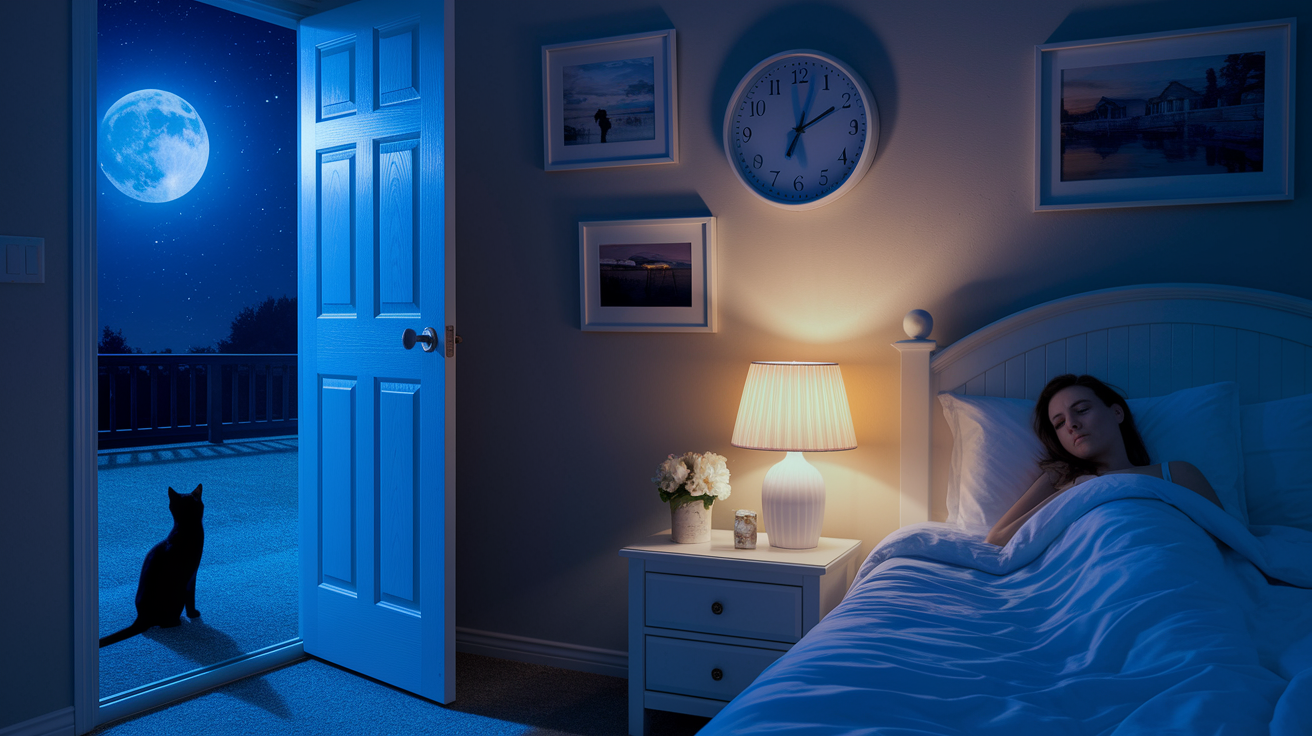
Cats are crepuscular, which means they’re naturally wired to be most active at dawn and dusk. In the wild, these are prime hunting times. In your home, that biology translates to energy surges around 4 or 5 a.m., and if your cat is bored, hungry, or wants company, meowing at your bedroom door is the fastest way to get a response.
Every time you get up to feed your cat, let them into the bedroom, or even just tell them to be quiet, you’re teaching them that meowing at night works. Cats are excellent at pattern recognition. If night meowing has ever resulted in food, attention, or access, your cat will keep trying, even if you ignore it most nights. Consistency is the only way to break the loop.
Here’s how to shift the behavior without losing sleep or your patience:
| Cause | Solution |
|---|---|
| Boredom and excess energy at dawn | Play with your cat for 10 to 15 minutes right before your bedtime using an interactive toy (feather wand, laser pointer, or motorized mouse). Follow play with a small, protein-rich meal or snack to trigger the natural hunt-eat-groom-sleep cycle. |
| Hunger between midnight and morning | Leave a food puzzle or slow-feeder toy filled with a portion of your cat’s daily kibble out overnight. This keeps their brain and stomach occupied without you having to wake up and serve a meal. |
| Learned behavior: meowing gets attention | Ignore all nighttime meowing completely, even if it escalates. Do not open the door, do not speak, do not make eye contact. Expect the behavior to get worse for a few nights (called an extinction burst) before it improves. Reward your cat with attention and breakfast only after they’ve been quiet for at least a few minutes in the morning. |
Environmental adjustments also help. Blackout curtains keep early sunlight from triggering your cat’s internal wake-up clock. A comfortable bed or heated pad in another room gives your cat a cozy alternative to your bedroom door. Some owners use white noise machines or calming music designed for cats to create a soothing nighttime atmosphere. The key is building a predictable routine: active play, a satisfying meal, then a quiet, low-stimulation environment for the rest of the night.
How to Stop Excessive Cat Meowing Humanely
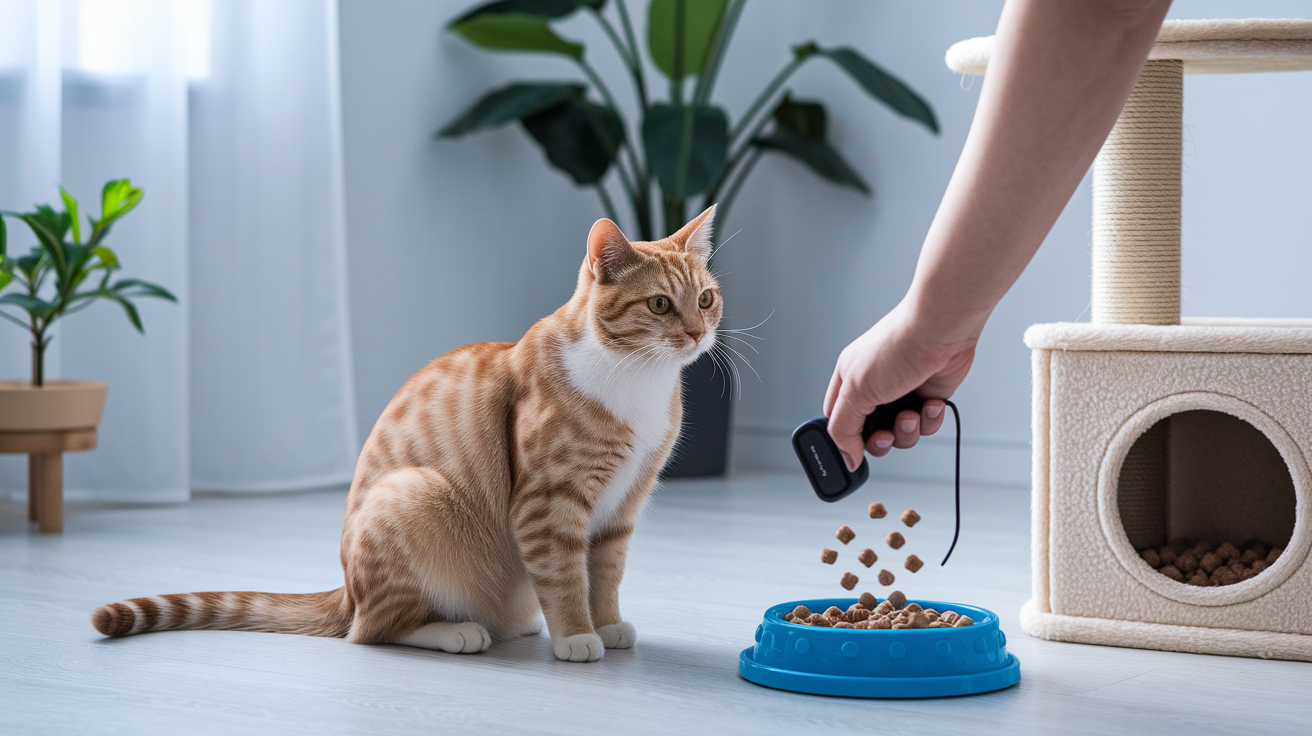
Stopping excessive meowing starts with ruling out medical causes, then shifting the environment and your responses so meowing no longer gets rewarded. Punishment, yelling, or physical correction will not work. Cats don’t connect punishment with the behavior you’re trying to stop, and stress often makes meowing worse, not better.
First, increase mental and physical enrichment. Cats meow less when their natural needs are met. Dedicate two 10 to 15 minute play sessions daily, ideally morning and evening, using toys that mimic prey movement (feather wands, balls, motorized mice). Rotate toys every few days so they stay interesting. Add vertical space like cat trees, window perches, or wall-mounted shelves so your cat can climb, observe, and feel secure. Provide puzzle feeders or treat-dispensing toys that make your cat work for food, which satisfies hunting instincts and keeps their brain engaged.
Second, ignore meowing when it’s purely for attention. This is hard, especially if your cat is loud or persistent, but it’s the most effective training method available. Do not look at your cat, do not talk to them, do not touch them, and do not give them what they’re asking for while they’re meowing. Expect an extinction burst, a temporary spike in frequency and volume, where your cat tries harder because the old strategy isn’t working. This phase usually lasts two to five days. If you give in even once during the burst, you reset the training and teach your cat that escalating works.
Third, reward quiet behavior immediately and consistently. When your cat sits calmly near you, approaches without vocalizing, or waits quietly by the food bowl, respond right away with a treat, petting, or the resource they wanted. The goal is to show your cat that silence and patience get results, but meowing doesn’t. Use a clicker or a verbal marker (“yes” or “good”) the instant your cat is quiet, then deliver the reward within two seconds so the connection is clear.
Fourth, adjust feeding and play schedules to reduce predictable meowing triggers. If your cat meows loudly at 6 a.m. for breakfast, shift the first meal to 7 or 8 a.m. over the course of a week by delaying it 10 minutes each day. Pair the schedule change with the pre-bed play and snack routine described earlier. If your cat meows when you’re working from home, schedule a midday play break so they’re not trying to interrupt for attention every hour.
Fifth, avoid unintentional reinforcement. Common mistakes include feeding your cat to stop meowing, opening the door after persistent crying, or even scolding your cat (which is still attention). Every response teaches your cat that vocalization works. Stay neutral, stay patient, and wait for quiet before you act.
When to Take a Cat to the Veterinarian for Meowing
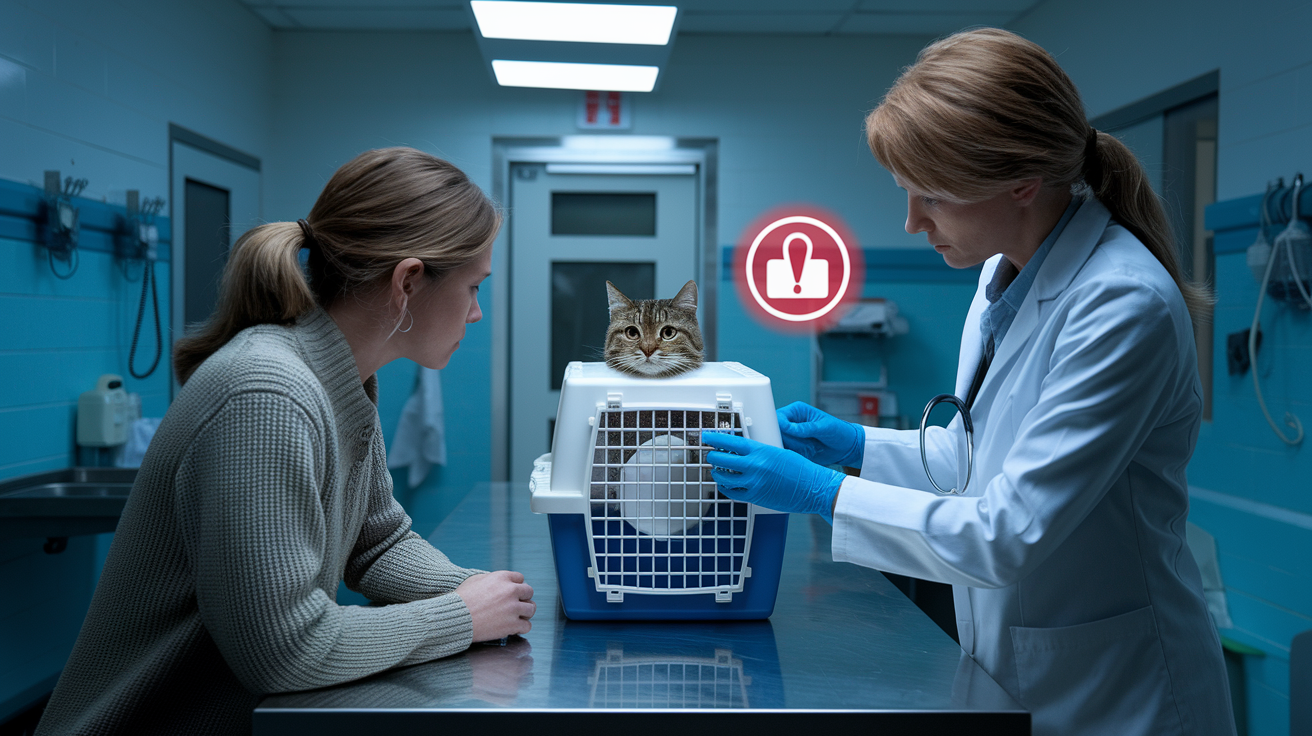
Meowing that appears suddenly, sounds different than usual, or comes with other symptoms requires a veterinary exam. Cats are very good at hiding illness, so a noticeable increase in vocalization often means the problem has been building for a while and your cat can no longer mask it.
Emergency signs that need immediate veterinary care include:
Straining to urinate with little or no output – Male cats are especially at risk for urinary blockages, a life-threatening emergency where the bladder fills but urine can’t pass. You’ll see repeated trips to the litter box, crying or yowling while squatting, licking the genital area, and visible distress. This requires same-day emergency treatment.
Open-mouth breathing or panting with loud vocalization – Cats almost never pant like dogs. If your cat is meowing and panting at the same time, or breathing with their mouth open and sides heaving, this can signal severe pain, respiratory distress, or cardiovascular problems. Get to an emergency vet immediately.
High-pitched screaming or continuous distress calls – A sudden, sharp scream that doesn’t stop, especially if your cat won’t move, hides, or shows signs of pain when touched, may indicate trauma, internal injury, or acute pain from conditions like pancreatitis or a blood clot.
Meowing combined with collapse, seizure, or loss of coordination – Neurological symptoms paired with vocalization require urgent evaluation to rule out stroke, toxin exposure, or severe metabolic crisis.
During a veterinary visit for excessive meowing, your vet will ask detailed questions about timing (when the meowing started, what time of day it happens, how long it lasts), location (does your cat meow in specific rooms or near the litter box?), and context (recent changes in the home, new pets, schedule shifts). Bring notes if you’ve been tracking patterns. Recording a video of the meowing on your phone is also helpful, since some vocal changes are hard to describe in words.
The vet will perform a full physical exam, checking body condition, hydration, heart rate, respiratory effort, and signs of pain or discomfort when palpating the abdomen and joints. They’ll compare your cat’s current weight and vital signs to previous records to spot trends like weight loss or elevated heart rate. Blood work and urinalysis are standard when medical causes are suspected, because they can detect hyperthyroidism, kidney disease, diabetes, infections, and electrolyte imbalances that don’t show obvious external symptoms. If your cat’s over seven years old and meowing has increased, these tests are especially important.
Final Words
If your cat is meowing right now, this guide gives quick, usable reasons and next steps. We covered immediate triggers—hunger, attention, greetings—then looked at learned behaviors and when meowing might signal a health issue.
You learned how kittens differ from adults, which breeds are more vocal, common meow types, and practical ways to reduce night calling. We also shared humane training tips and the clear red flags that mean a vet visit.
Note the time, pitch, and routine changes in your journal—those notes help with cat meowing and vet visits. With small routine fixes and patience, most cats settle into quieter, happier habits.
FAQ
Q: What does it mean when a cat meows?
A: The meaning of a cat’s meow is that it’s a human-directed message, often a greeting, food request, or attention call. Sudden increases, hoarseness, or new patterns can indicate pain or illness, so see your vet.
Q: How do I apologize to my cat?
A: Apologizing to a cat means offering calm, reassuring actions instead of words. Approach slowly, speak softly, offer a favorite treat or play, keep routines steady, and give space if your cat needs time to trust again.
Q: What can attract cats?
A: Things that attract cats include food and food smells, catnip or silver vine, moving toys or prey-like motion, warm sheltered spots, and friendly human attention or predictable feeding routines.
Q: What is the quietest cat breed?
A: The quietest cat breeds tend to be Russian Blue, British Shorthair, Ragdoll, Chartreux, and Persian. Each is usually calm and less talkative, though individual personality matters more than breed alone.