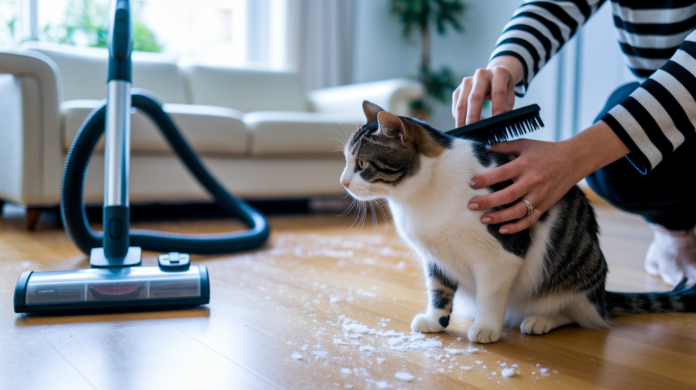

Sick of finding cat hair on your clothes, couch, and floors?
You can’t stop a cat from shedding, but you can get it under control with simple routines that cut loose fur, reduce hairballs, and save cleaning time.
This guide gives practical, easy cat shedding control tips that actually work, like quick five-minute brushing sessions, targeted vacuuming and HEPA filters, diet and hydration tweaks, stress fixes, and clear signs for when to see your vet.
Try the steps below and you’ll notice less hair in weeks, even with a long-haired cat.
Immediate Cat Hair Reduction Strategies for Fast Shedding Control
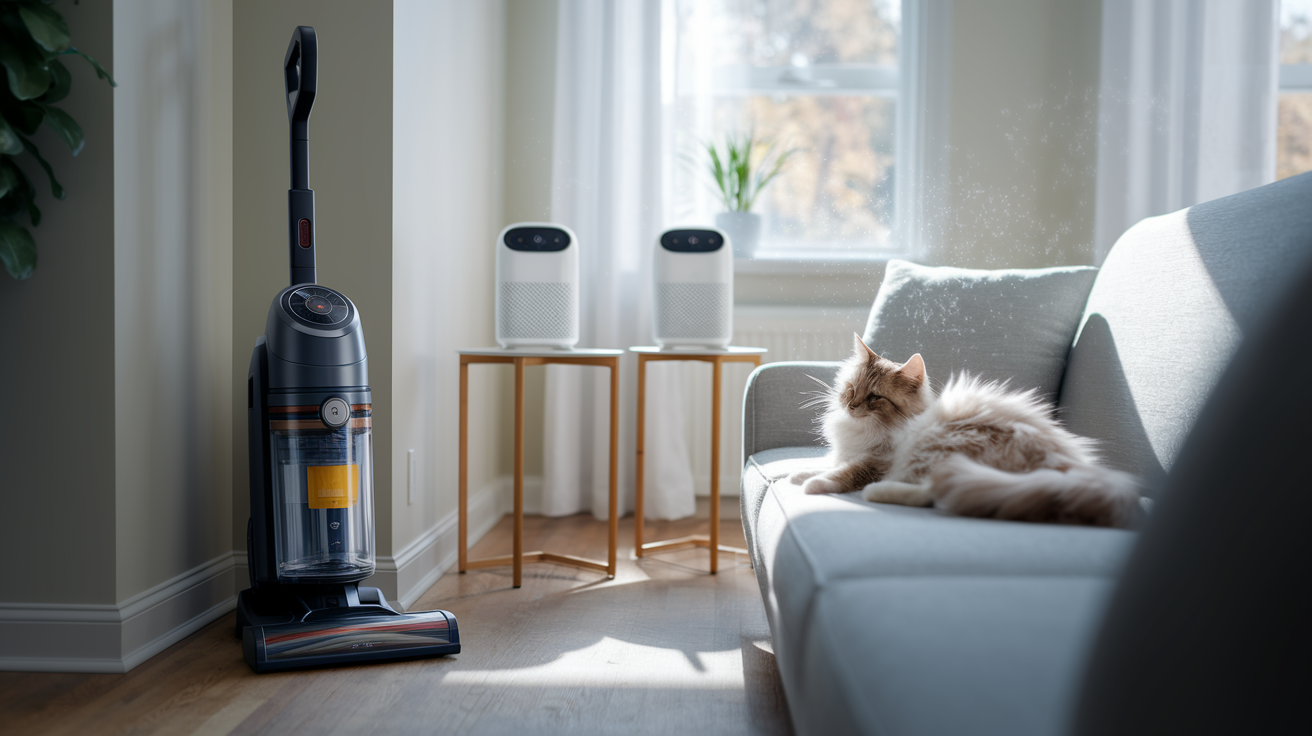
Spring’s when loose hair starts showing up everywhere. To get visible shedding under control right now, focus on air quality, smarter vacuuming, and quick grooming sessions. Run a couple of good air purifiers in the rooms your cat uses most. They’ll catch airborne fur and dander before it settles on your stuff. A HEPA vacuum with a sealed system traps allergens instead of spitting them back out, and bagged models are cleaner to empty than bagless ones.
Quick grooming doesn’t need to be a big production. Five minutes a day pulls out loose hair before it ends up on your couch or bed. Pair brushing with praise or a small treat so your cat actually starts looking forward to it. If daily sounds like too much, aim for once a week as your baseline. You can always add more sessions when shedding kicks into high gear.
Target the spots where fur piles up. Wash bedding weekly and schedule a deeper clean once a month. If you can keep cats off furniture and beds, great. If not, give them something else they’ll like better, like a cat tree or wall shelves. Ditch the extra throw pillows and blankets that just collect hair and make more laundry.
6 Fast-Acting Shedding Control Steps to Start Today:
- Switch to a HEPA sealed system vacuum with a bag and hit high traffic areas every other day.
- Set up at least two air purifiers where your cat hangs out most.
- Brush your cat for five minutes, focusing on the back, sides, and tail.
- Wash all bedding in hot water, yours and theirs.
- Remove extra throw pillows and blankets from furniture.
- Keep a lint roller near the couch and use it before you vacuum.
Grooming Techniques for Better Cat Shedding Management
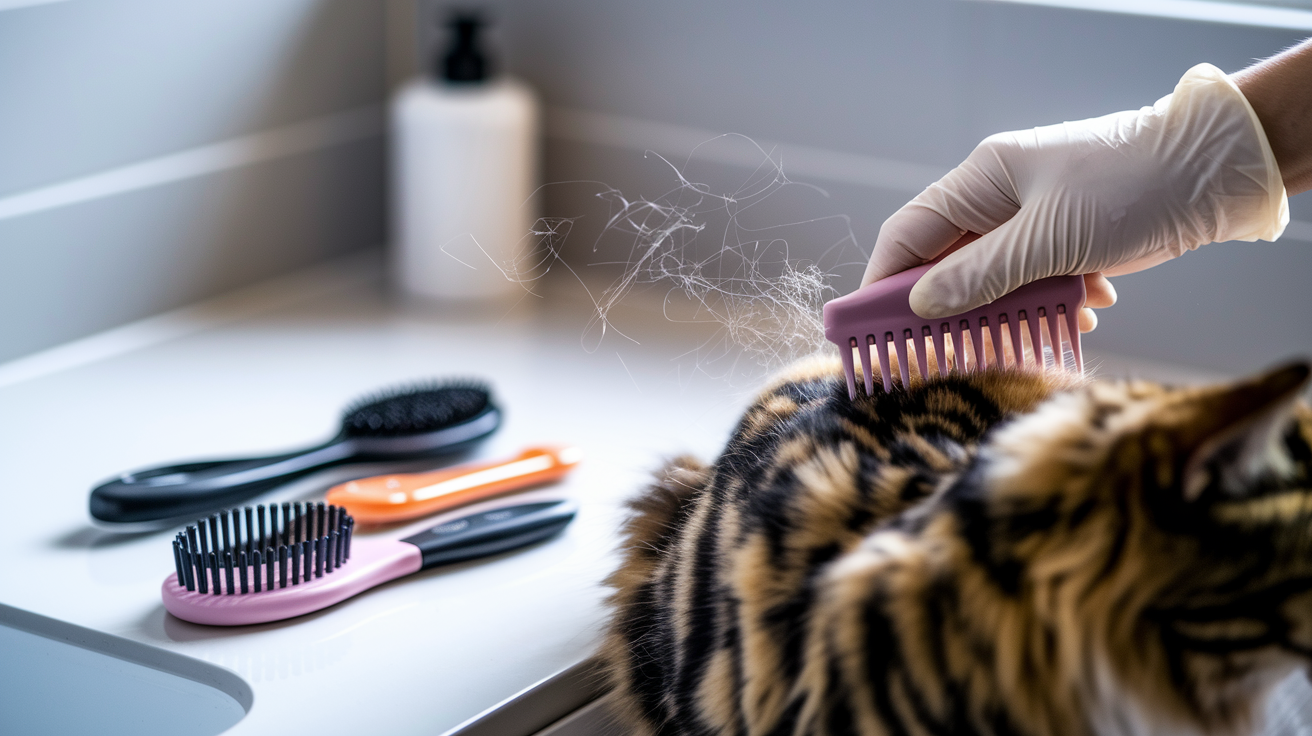
Daily brushing’s the best way to cut down on shedding around your house. Short sessions keep cats from getting overstimulated and help nervous ones get used to the routine. When you brush every day, you’re pulling out loose hair and dander before they spread, cutting down on hairballs, and stopping mats before they start. If daily’s not realistic, do it at least once a week. Then add extra sessions in spring and fall when shedding peaks.
Mats need careful handling. Don’t pull or tug because that hurts and makes your cat hate grooming. Some cats need professional help or even sedation for heavy grooming, especially if mats are close to the skin or covering large areas. A groomer who works with a vet hospital can handle high stress cases.
Choosing the Right Tool for the Coat Type
Deshedding tools work best for cats with thick undercoats. They reach the soft layer under the guard hairs and pull out loose fluff. Grooming gloves are gentler and good for short haired cats or cats who don’t like regular brushes. Undercoat rakes help remove dead hair from long haired breeds without wrecking the topcoat. Slicker brushes catch surface tangles and smooth things out, while a metal comb’s useful for checking for leftover mats after you’re done. Shedding blades pull loose hair in one pass, but use them lightly so you don’t irritate skin.
Step-by-Step Brushing Routine
Start with short sessions, maybe three to five minutes. Watch your cat’s body language for tail flicking or ear flattening. Brush in the direction the fur grows, starting at the head and working toward the tail. Focus on the back, sides, and hindquarters where loose hair collects. If you find a small mat, hold the skin near the base and gently work it out with your fingers or a comb. Never pull from the top. End every session with praise or a treat so your cat learns brushing means good things. Over time you can stretch sessions to ten or fifteen minutes as your cat gets more comfortable.
When to Seek Professional Grooming
Some cats get really stressed during grooming and may need sedation to clip mats or trim an overgrown coat safely. Aggressive swatting, biting, or panicked escape attempts mean it’s time to call in help. A professional groomer can handle difficult cats with the right tools and techniques, and one who works with a vet can coordinate sedation if needed. Professional groomers also spot skin issues, lumps, or sores you might miss at home.
How Diet, Hydration, and Supplements Reduce Excessive Cat Shedding

Brittle hair and increased shedding often come from diets that lack essential vitamins and minerals. Feed a nutritionally complete, balanced cat food that supports skin and coat health, and make sure your cat drinks enough water. A single can of wet food can provide up to half of a cat’s recommended daily water intake, so incorporating wet food is one of the easiest hydration boosts. Refill the water dish often, try different bowl locations, or elevate the bowl. Some cats prefer drinking fountains because the water moves and feels fresher.
Adding omega 3 and omega 6 fatty acids improves coat quality by nourishing the skin and reducing inflammation. Results typically show up in about six weeks, so give it time. Ask your vet before starting any supplement to make sure the dosage is safe for your cat’s age, weight, and health status. Year round supplementation or a skin support diet keeps the coat in better condition even outside heavy shedding seasons.
| Nutritional Element | Shedding Benefit | Timeline for Results |
|---|---|---|
| Omega-3 and Omega-6 Fatty Acids | Strengthens hair follicles, reduces inflammation, improves coat shine and texture | Around 6 weeks |
| High-Quality Protein | Supports healthy hair growth and reduces brittle, weak fur that sheds excessively | 4 to 8 weeks |
| Adequate Hydration | Keeps skin hydrated and reduces dry, flaky skin that contributes to shedding | 2 to 4 weeks |
Seasonal Cat Shedding Patterns and What to Expect

Photoperiod, the amount of daylight your cat gets, drives most natural shedding cycles. Shedding typically peaks in spring as cats shed their heavy winter coat, tapers through summer, spikes again in fall as they prep for colder weather, then declines in winter. Outdoor cats experience these seasonal shifts more dramatically because they follow natural light changes. Indoor cats shed more steadily year round because of artificial lighting, which reduces the dramatic spring and fall surges but results in a constant low level of loose hair.
Understanding this pattern helps you prepare. Stock up on grooming tools and schedule extra vacuuming sessions in spring and fall. If your indoor cat sheds heavily all year, that’s normal given the consistent light exposure. But it also means you need a year round cleaning and grooming routine instead of seasonal bursts.
Stress, Behavior, and Environmental Factors Affecting Shedding
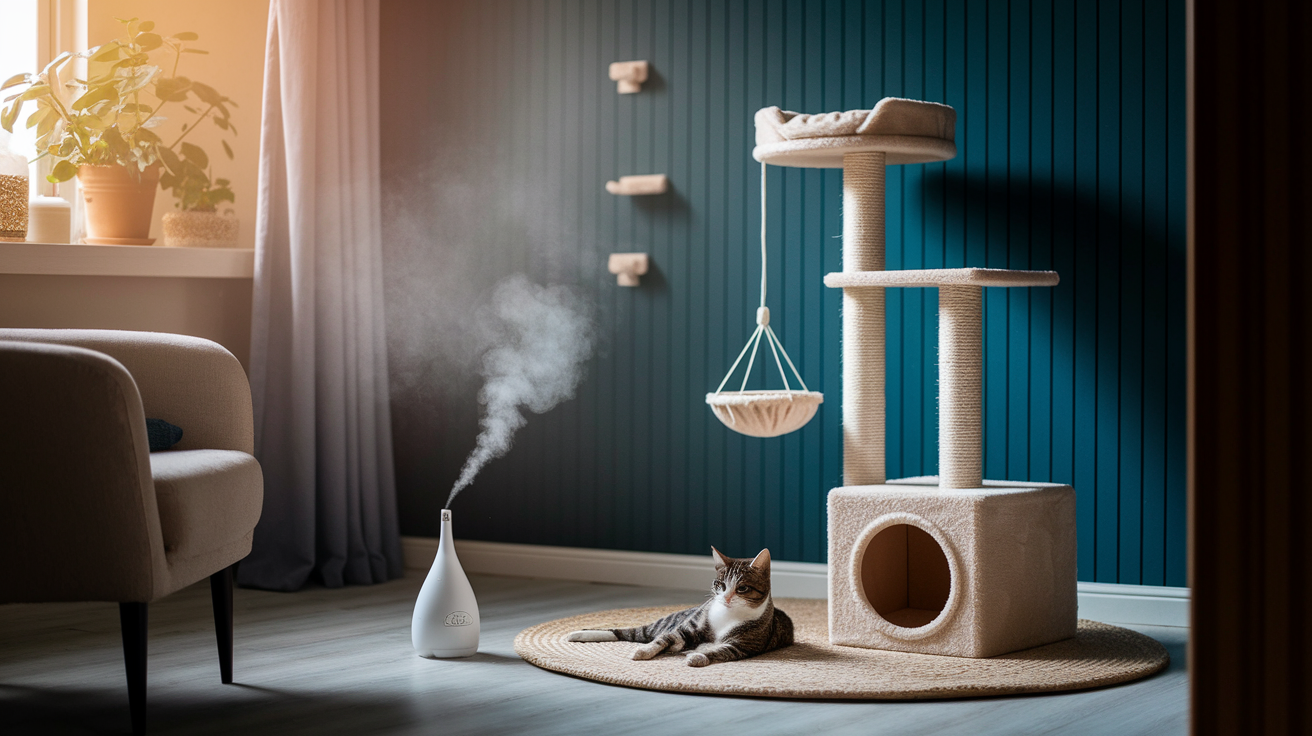
Stress increases shedding because it triggers hormonal changes that weaken hair follicles and speed up the normal shedding cycle. Common stress triggers include moving to a new home, introducing new household members like babies or roommates, schedule changes that mess with routines, and adding or losing other pets. Even smaller changes, like rearranging furniture or switching litter brands, can cause short term anxiety that shows up as extra loose fur.
Reduce stress by creating cat only zones where your cat can retreat when the house feels overwhelming. A spare room or sectioned off basement gives your cat a quiet space that smells familiar. Add vertical space like shelves or cat trees in small homes so your cat can climb up and feel secure. Use pheromone diffusers or sprays to create a calming environment, especially during transitions. Watch for behavioral signs of stress like excessive licking, hiding, changes in appetite, or avoiding the litter box, since these often come with stress related shedding.
Five Stress-Reduction Strategies That Lower Shedding:
- Set up a cat only zone in a quiet room with a favorite bed, water, and a litter box.
- Add vertical space with wall mounted shelves or a tall cat tree for climbing and perching.
- Use pheromone diffusers in high traffic areas to create a calming scent environment.
- Maintain consistent feeding, play, and bedtime routines even during household changes.
- Minimize loud noises and sudden disruptions, especially if you’re introducing a new pet or baby.
Medical Reasons for Excessive Shedding and When to Contact a Vet
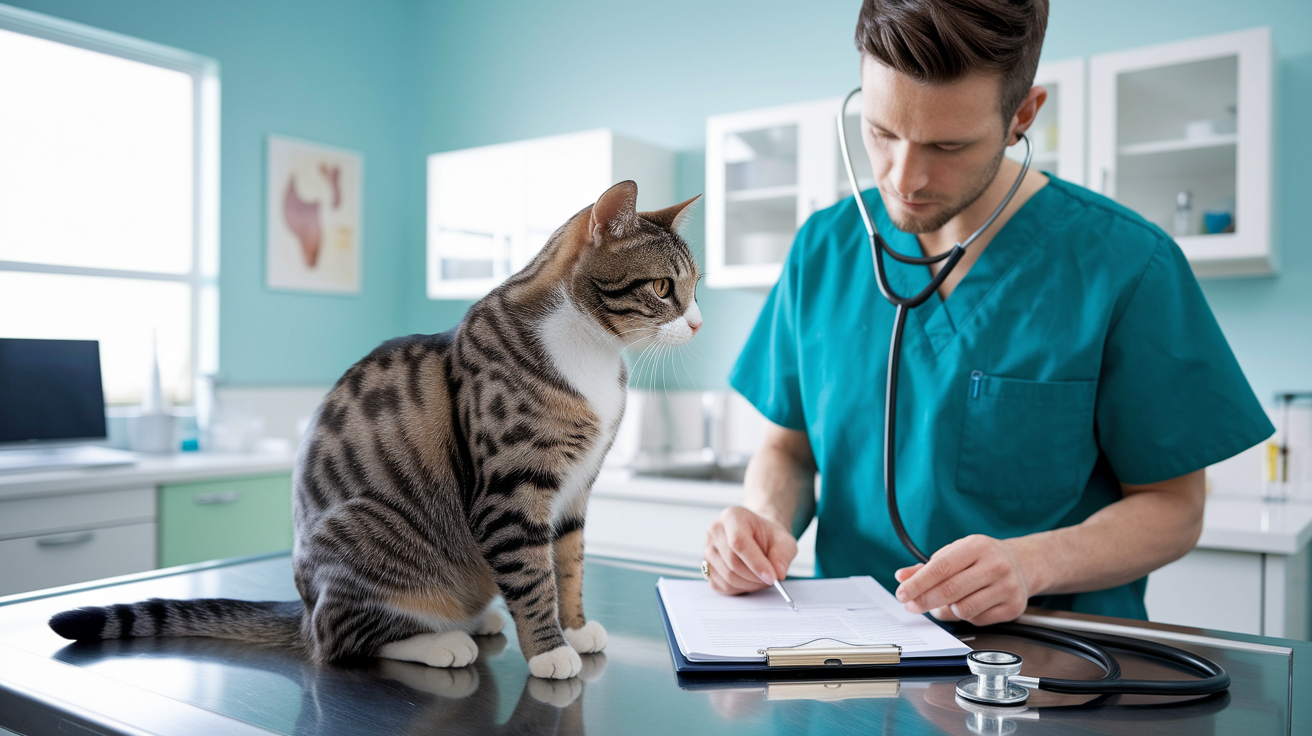
Excessive shedding that appears suddenly or outside normal seasonal patterns often signals an underlying medical issue. Dull or thin coat, bald patches, red or irritated skin, rashes, oiliness, bad odors, and changes in grooming behavior are all red flags that need a vet consultation. Medical causes include allergies to food or environmental triggers, skin infections, hormonal imbalances like thyroid disorders, pain or arthritis that limits a cat’s ability to groom, and reactions to medications.
Call your vet if shedding increases noticeably over a short period, if you see bald patches forming, or if your cat’s skin looks inflamed or feels hot. Changes in bathroom habits, appetite, energy level, or water intake alongside heavy shedding can point to bigger problems that need diagnostic testing. Your vet may run blood work to check thyroid function, hormone levels, and organ health, or perform skin scrapings and cultures to identify infections or parasites.
White or light skinned cats face a specific risk: sunburn. Sunburned skin can lead to hair loss, peeling, and even skin cancer over time. If your white cat spends time near sunny windows or goes outdoors, watch for pink or red skin, especially on the ears, nose, and belly. Sunburn requires veterinary treatment to heal properly and allow hair regrowth, plus ongoing protection like limiting sun exposure or applying pet safe sunscreen to vulnerable areas.
Home Cleaning Methods to Control Loose Cat Fur

A sealed HEPA vacuum’s the most effective tool for removing cat hair from carpets, rugs, and upholstery because it traps allergens inside instead of blowing them back into the air. Bagged models contain fur and dander more cleanly when you empty them, cutting your exposure to allergens during disposal. Vacuum high traffic areas every other day during heavy shedding seasons, and hit overlooked spots like the tops of ceiling fans, bookcases, and heating and cooling vents at least once a month.
Air purifiers reduce airborne dander and fur before they settle on surfaces. Run several units in different locations, especially in rooms where your cat spends most of their time and in bedrooms if you or a family member has allergies. Replace or clean filters in your vacuum, air purifiers, heating system, and air conditioner as recommended by the manufacturer. Dirty filters lose performance and recirculate dust and fur. Use microfiber cloths or dusters instead of dry dusting wood and hard surfaces because dry dusting just spreads particles into the air. Furniture polish or a dusting spray traps hair and dander on the cloth for cleaner removal.
Seven Most Effective Cleaning Actions for Managing Cat Fur Buildup:
- Vacuum carpets, rugs, and upholstered furniture every other day with a sealed HEPA vacuum that uses bags.
- Run at least two air purifiers in high use rooms and replace filters on the manufacturer’s schedule.
- Wash all bedding in hot water once a week, yours and your cat’s.
- Deep clean the entire home at least once a month, or every other week if allergies are a concern.
- Use microfiber cloths with furniture polish or dusting spray on hard surfaces instead of dry dusting.
- Clean or replace HVAC filters, vacuum filters, and air purifier filters as recommended.
- Remove fur from upholstered furniture with a lint roller before vacuuming, and use mattress and pillow protectors to keep allergens out of bedding.
Final Words
Grab a brush, run a quick vacuum, and wash bedding, and that’s a fast win to cut visible fur today. The post covered immediate actions, practical grooming routines, and quick household fixes to reduce loose hair.
We also walked through nutrition and hydration changes, seasonal shedding patterns, stress factors, and when to see your vet. Home cleaning tips and tool choices help keep fur out of the house.
Use these cat shedding control tips little by little, and you’ll notice less hair and a shinier, healthier coat soon.
FAQ
Q: How do I get my cat to stop shedding so much? / How to fully deshed a cat?
A: To get your cat to stop shedding so much and fully deshed them, brush daily or at least weekly with a deshedding tool in short sessions, bathe if tolerated, improve diet, and vacuum often.
Q: What month do cats shed the most?
A: Cats shed the most in spring, with a smaller peak often in fall, because longer daylight triggers coat change; indoor cats may shed more steadily year round due to artificial light.
Q: What to give cats to help with shedding?
A: To help with shedding, give high-quality protein, add omega-3 fatty acids (fish oil), offer wet food or extra water for hydration, and check with your vet before starting supplements.