
Is your cat’s sneeze harmless or a hidden health problem?
A single sneeze or two is usually just dust, but frequent, wet, or bloody sneezes can mean infection, a foreign body, dental trouble, or something more serious.
This quick guide breaks down the most common causes, simple home checks you can do, what signs mean you should call the vet, and when treatment is likely needed.
By the end you’ll know when to relax and when to act.
Understanding Cat Sneezing and When It Signals a Problem
Sneezing is normal. It’s how cats clear out dust, pollen, or whatever tickles their nose. One sneeze here and there? Not a concern. But when it’s happening in clusters, going on for days, or just won’t quit, something else might be going on.
Most of the time, repeated sneezing comes from an infection or something irritating their airway. Viral and bacterial infections top the list, but smoke, perfume, or dusty litter can set it off too. What matters is how long it lasts and what else you’re noticing.
Recording a quick video of your cat sneezing can actually help your vet. Coughing, reverse sneezing, and wheezing can all look pretty similar, and a clip makes it easier to tell them apart during the exam.
Here’s when you should call your vet:
- Blood in the sneeze or pink-tinged discharge
- Struggling to breathe or breathing through the mouth
- Not eating for more than a day
- Swollen eyes, discharge, or squinting
- Sneezing that keeps going past three days
Causes of Cat Sneezing Explained
Cat sneezing can come from infections, irritants, structural issues, or tumors. Knowing which category fits what you’re seeing helps you figure out what to expect and when to act. Each cause shows up a little differently.
Viral Infections
Feline herpesvirus and feline calicivirus are behind most viral sneezing. Herpesvirus can sit dormant for years and flare up when your cat’s stressed—moving, loud construction, a new pet. Calicivirus often causes mouth sores on top of the respiratory stuff. Both can bring clear nasal discharge, watery eyes, and sneezing fits that go on for days.
Bacterial Infections
Bacterial infections often follow a viral one or develop on their own. Bordetella, Mycoplasma, and Chlamydia are common. You’ll usually see green or yellow nasal discharge, sometimes eye gunk too. Antibiotics tend to clear these up pretty fast.
Fungal Infections
Cryptococcus is the fungal infection you’re most likely to run into. It can cause thick nasal discharge, nosebleeds, and facial swelling. Less common than viral or bacterial causes, but it needs specific antifungal treatment and sometimes surgery.
Environmental Irritants and Allergies
Dust, smoke, perfume, aerosol sprays, scented candles, harsh cleaners. Pollen and mold can trigger it too in sensitive cats. These usually cause clear discharge and sneezing without fever or appetite loss. Remove the source and the sneezing often stops within a day or two.
Foreign Bodies
Sometimes cats inhale small things like grass blades or plant bits that get stuck in the nasal passage. This usually causes sudden, intense sneezing on one side, often with pawing at the face. Left alone, these can lead to infection and ongoing discharge.
Dental Disease
Infected or damaged upper teeth can create an opening between the tooth root and nasal cavity. Bacteria get in, trigger sneezing, especially during or right after eating. Fix the dental problem (usually by pulling the tooth) and the sneezing typically stops.
Tumors and Neoplasia
Nasal tumors show up more in older cats. They can cause sneezing, bloody discharge, facial swelling, noisy breathing. Diagnosis usually needs rhinoscopy or biopsy. Not as common as infections, but worth considering when sneezing doesn’t respond to standard treatment.
Chronic Cat Sneezing and When It Becomes Serious
Chronic sneezing means it’s going on for weeks or months, either constantly or in waves. This pattern often starts after a severe viral infection damages the nasal tissues (called turbinates). Once that damage happens, inflammation can stick around even after the infection clears. That’s chronic rhinitis.
Cats with chronic rhinitis might sneeze daily, produce thick mucus, and get worse during stressful times. Stress can wake up dormant herpesvirus in 80 to 90 percent of cats who carry it, leading to repeated cycles of sneezing and congestion. Dental infections and some tumors can also cause months of sneezing if they’re not treated.
Treatment for chronic cases is about managing symptoms and cutting down flare-ups, not fixing it completely. A lot of cats live comfortably with long-term rhinitis when they’re getting consistent supportive care and medications to control inflammation.
Additional Symptoms That Often Accompany Cat Sneezing
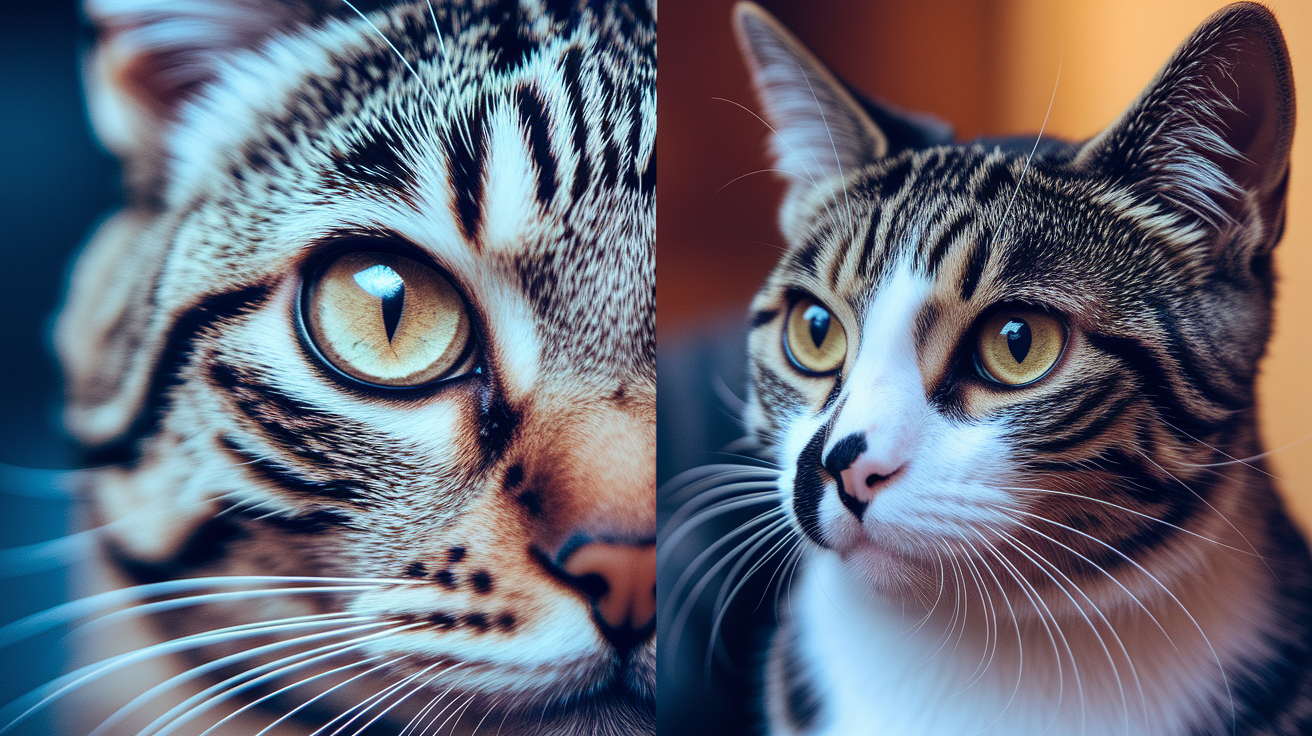
Sneezing doesn’t usually happen alone when there’s an infection or real irritant involved. Watching for other signs helps narrow down the cause and decide how fast you need to act.
Eye discharge is one of the most common things you’ll see. Viral infections, especially herpesvirus, often produce watery eyes, redness, squinting, or even ulcers on the eye’s surface. Thick eye discharge that crusts over usually means bacteria’s involved. Fever, lethargy, and not wanting to eat suggest the infection is getting worse or spreading.
Common symptoms alongside sneezing:
- Clear nasal discharge (viral or irritant)
- Yellow or green nasal discharge (bacterial)
- Watery or crusty eyes (herpesvirus or calicivirus)
- Reduced appetite or refusing food, especially if the nose is too stuffed to smell
- Lethargy or hiding (fever or discomfort)
- Nosebleeds or blood in sneezes (fungal, trauma, or tumors)
Taking a photo or video of abnormal discharge or blood before it dries helps your vet figure out what’s going on.
Veterinary Diagnosis for Cat Sneezing
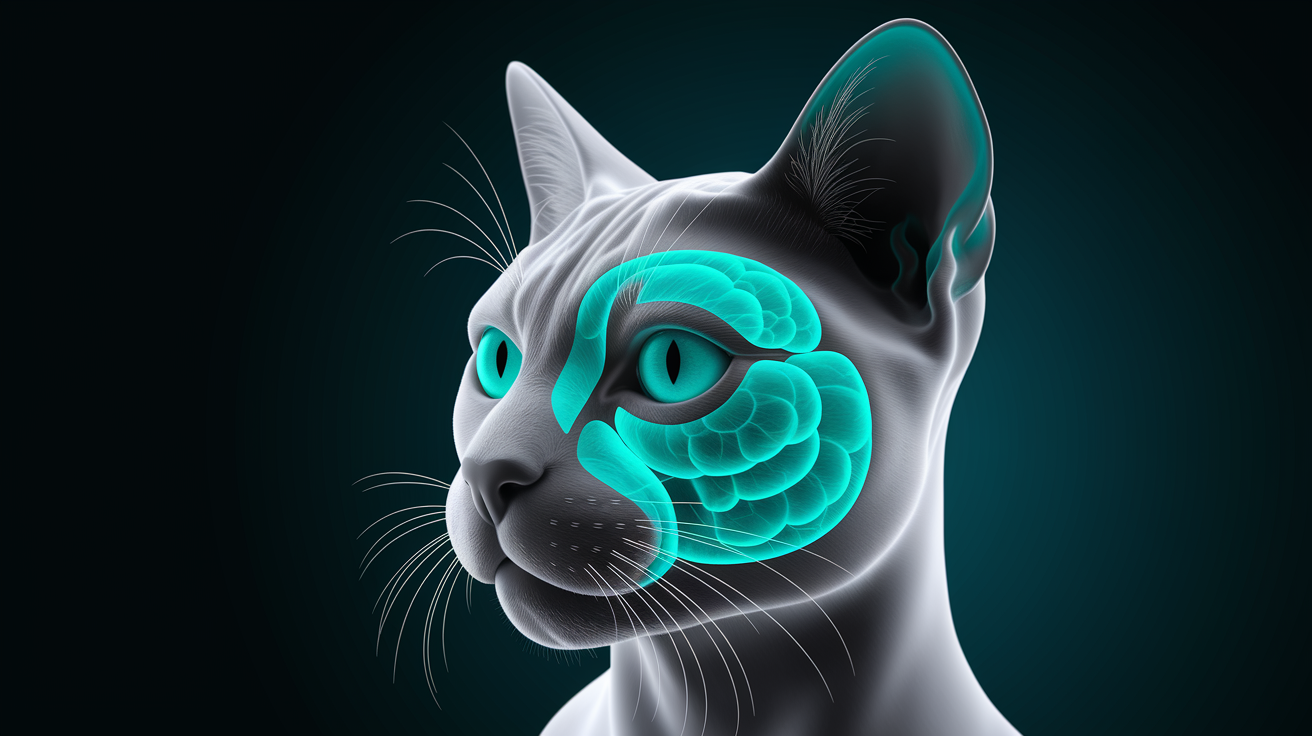
Finding the cause of ongoing sneezing usually starts with a physical exam and talking through your cat’s symptoms, environment, and recent stressors. From there, your vet might suggest tests to pinpoint the problem or rule out serious stuff.
Physical Examination
Your vet will check the nasal passages, eyes, mouth, and teeth. Dental exams matter because tooth-root infections can communicate with the sinuses. A quick look inside the mouth might show ulcers, inflamed gums, or damaged teeth. They’ll also listen to the lungs and check overall body condition.
Imaging
X-rays can show some nasal issues, but CT is the gold standard for imaging the nasal cavity and sinuses. CT scans give detailed views of bone, soft tissue, and any masses or structural changes. Because CT requires general anesthesia and is usually done at emergency or referral hospitals, it’s typically saved for severe or unexplained cases.
Rhinoscopy and Biopsy
Rhinoscopy uses a small camera inserted into the nasal passages to see inside directly. Requires anesthesia and lets the vet spot foreign bodies, tumors, fungal plaques, or severe inflammation. If something suspicious shows up, a biopsy can confirm whether it’s cancerous, fungal, or just inflamed tissue.
Nasal Lavage
A nasal flush done under anesthesia can be both diagnostic and therapeutic. Flushing the nasal passages might dislodge foreign material, clear thick mucus, and collect cells or debris for testing. Especially useful when a foreign body is suspected or when chronic discharge needs clearing out.
| Test | What It Shows | When It’s Used |
|---|---|---|
| Physical exam and dental check | Visible tooth damage, mouth ulcers, nasal discharge, eye signs | First step for all cases |
| CT scan | Detailed nasal structure, tumors, bone changes, sinus involvement | Severe or unexplained chronic cases |
| Rhinoscopy and biopsy | Direct visualization of nasal passages, tissue diagnosis | Suspected tumors, fungal disease, or foreign bodies |
| Nasal lavage/flush | Clears debris, collects samples, removes foreign material | Chronic discharge, suspected foreign body |
Treatments for Cat Sneezing and What Works Best
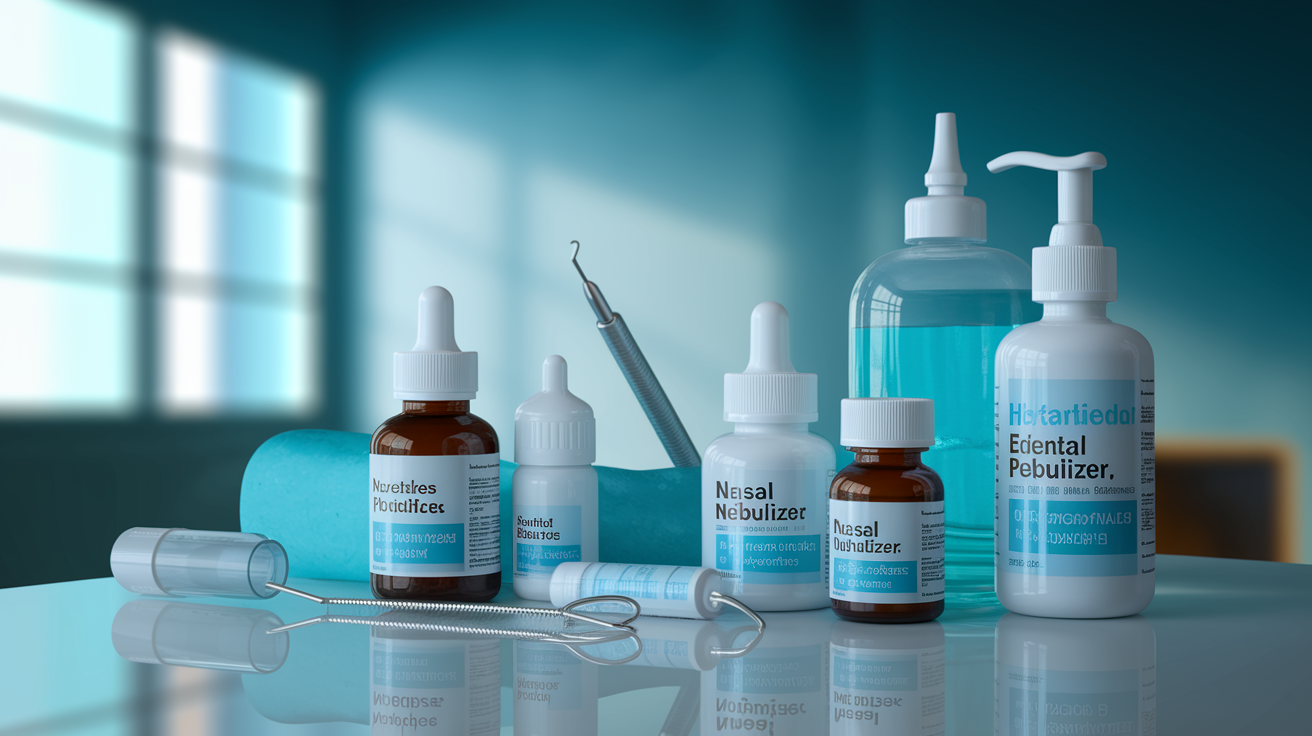
Treatment depends on what’s causing it. Infections are usually the first suspect, so many vets start with antibiotics or antivirals while waiting for test results or watching how things respond. If sneezing improves within a few days, that tells you something.
Bacterial infections usually respond fast to antibiotics. Green or yellow discharge often clears within three to five days once the right antibiotic kicks in. Viral infections like herpesvirus might be treated with antiviral drugs such as famciclovir, though supportive care is often the main thing. Lysine supplements are sometimes recommended for cats with herpesvirus. Evidence on whether they actually help is mixed.
For chronic inflammation or rhinitis, oral steroids or NSAIDs can reduce nasal swelling and mucus. Fungal infections need antifungal medications, either oral or infused directly into the nasal passages. Sometimes surgery’s needed to remove fungal masses. Dental disease gets treated by pulling the infected tooth, which usually stops the sneezing tied to tooth-root problems.
Common treatment options:
- Antibiotics for bacterial infections (often work fast)
- Antiviral medications like famciclovir for feline herpesvirus
- Antifungal drugs or nasal antifungal infusions for Cryptococcus
- Steroids or NSAIDs to reduce nasal inflammation in chronic rhinitis
- Dental extraction or surgery when tooth-root infections reach the sinuses
- Supportive care like nasal lavage, humidifiers, nebulizers, fluids, and nutritional support if appetite drops
Many chronic cases focus on reducing how often and how bad symptoms get rather than curing it completely. Regular check-ins with your vet help adjust medications as needed.
Home Remedies and Comfort Measures for Sneezing Cats
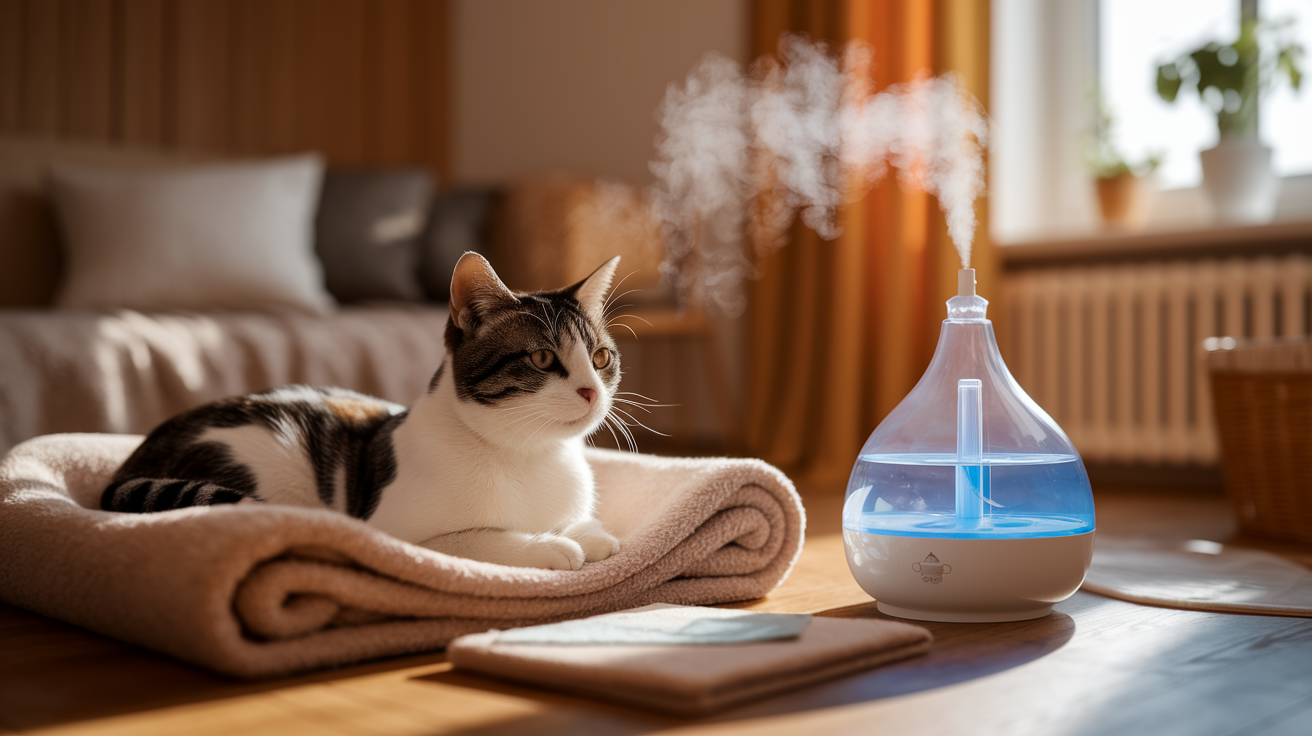
Home care can’t replace vet treatment for infections or serious conditions, but simple comfort measures can ease congestion and help your cat feel better while medications work.
Running a humidifier near where your cat rests adds moisture to the air and loosens thick nasal stuff. Putting your cat in a steamy bathroom for ten to fifteen minutes (not in the shower) can also help open nasal passages. Gently wiping away dried discharge from the nose and eyes with a warm, damp cloth keeps your cat comfortable and prevents crusting. Warming canned food slightly makes it smell stronger and encourages eating when a stuffy nose reduces smell.
Simple home steps:
- Use a cool-mist humidifier where your cat rests
- Wipe the face gently with a warm, moist cloth to remove discharge
- Offer warmed wet food to get appetite going through smell
- Keep fresh water available
- Reduce stress by keeping things calm and quiet, avoiding big changes
If your cat stops eating or drinking for more than 24 hours, contact your vet right away. Dehydration and malnutrition happen fast in cats.
Preventing Cat Sneezing Through Better Care Routines
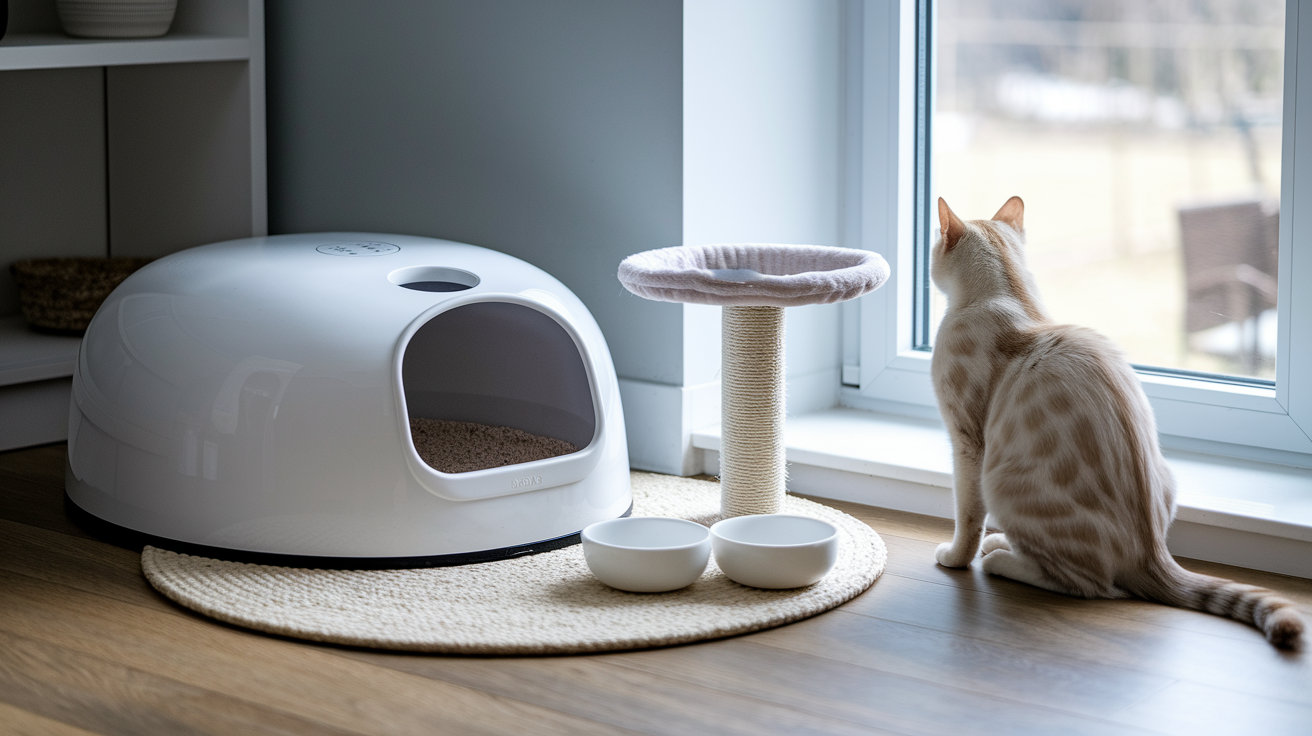
Prevention centers on reducing infection risk, cutting down irritants, and managing stress. Vaccinations are one of the best tools. The FVRCP vaccine protects against feline calicivirus, one of the top viral causes of sneezing. Keeping vaccinations current, especially for kittens and cats who go outdoors or live with other cats, lowers the chance of severe upper respiratory infections.
Environmental changes can make a real difference. Switching to low-dust, unscented cat litter reduces nasal irritation. Avoiding cigarette smoke, aerosol sprays, strong perfumes, and harsh chemical cleaners keeps the air cleaner for sensitive cats. Regular cleaning of food bowls, litter boxes, and bedding limits bacterial and fungal exposure.
Stress management matters because 80 to 90 percent of cats carry feline herpesvirus, and stress can wake it up. Boredom, bullying from other pets, loud construction, rearranged furniture can all trigger flare-ups. Providing hiding spots, vertical space, interactive toys, and predictable routines helps keep stress low.
Easy environmental improvements:
- Use unscented, low-dust litter and clean the box daily
- Get rid of cigarette smoke and limit aerosol use indoors
- Keep your cat’s space calm and avoid sudden changes
- Talk to your vet about stress reduction if viral flare-ups are common
Final Words
If your cat suddenly sneezes more than usual, use a quick triage. Note how often it happens, check for red flags like blood, breathing changes, or appetite loss, and watch for extra signs such as eye discharge or lethargy.
We covered common causes such as viruses, bacteria, allergies, foreign bodies, and dental issues, plus chronic patterns, veterinary diagnosis, treatments, and simple home care like a humidifier and gentle face cleaning.
Track episodes in your journal and bring notes to the vet. With steady care and prevention, cat sneezing is usually manageable. You’ve got this.
FAQ
Q: When should I be concerned about cat sneezing?
A: You should be concerned about cat sneezing when it’s frequent, paired with appetite loss, breathing changes, blood in nasal discharge, or when sneezing continues several days. These signs need prompt veterinary attention.
Q: Why is an indoor cat sneezing?
A: An indoor cat sneezing is often caused by viruses, allergies, dust, household irritants, dental disease, or a hidden foreign body. Stress can also trigger viral flare-ups in cats that carry certain infections.
Q: Is sneezing a symptom of FIV?
A: Sneezing is not a direct symptom of FIV. Cats with FIV can sneeze more because a weakened immune system allows secondary upper respiratory infections that cause sneezing and discharge.
Q: Do cat colds go away on their own?
A: Cat colds often go away on their own in about 7 to 14 days with rest, fluids, and humidified air, but persistent, worsening, or appetite-loss cases need veterinary care.