

Think your senior dog just needs less food?
Think again, aging dogs need different nutrients, not just smaller portions.
This post lays out clear, doable changes—how to adjust calories, boost high quality protein, add omega 3s and joint support, and spot when a vet should step in, so your older dog stays active and comfortable longer.
Key Nutritional Changes in Older Dogs

Aging dogs shift into a different metabolic stage. What worked during their active adult years doesn’t match what their bodies need now. A Saint Bernard might cross into senior territory around five years old, while a Pomeranian may not get there until closer to ten. Regardless of breed, the transition brings the same core change: energy requirements drop, but nutrient quality must rise.
The biggest shift happens inside the body. Muscle mass starts to decline. Digestion becomes less efficient. The immune system doesn’t respond as quickly. At the same time, many seniors become less active, which lowers their daily calorie burn by 20 to 30 percent compared to their younger years. That lower burn means every bite needs to do more work, carrying higher quality protein, essential fatty acids, and micronutrients that support joints, cognition, and organ function.
Senior dogs don’t just need “less food.” They need different food. The digestive tract absorbs nutrients more slowly. The liver and kidneys process waste with less margin for error. Oxidative stress builds up in cells. All of this means you’re managing a tighter nutritional window where quality, bioavailability, and balance matter more than ever.
Here’s what changes in the bowl:
Calories go down. Sedentary seniors typically need around 25 to 30 kcal per kilogram of body weight per day, compared to 30 to 40 for active adults.
Protein quality goes up. Seniors often need 20 to 30 percent high quality protein on a dry matter basis to preserve lean muscle and immune function.
Digestibility becomes critical. Ingredients need to be easily broken down and absorbed, especially animal proteins, fats, and fiber sources.
Targeted nutrients enter the picture. Omega 3s, antioxidants, glucosamine, B vitamins, and controlled phosphorus become daily priorities instead of optional add ons.
Calorie Adjustments and Weight Management

Most senior dogs simply don’t move as much as they used to. Joint stiffness, lower stamina, and longer naps all add up to fewer calories burned each day. If food portions stay the same, weight creeps up fast. A 10 kilogram senior dog that used to need 350 calories a day might now maintain a healthy weight on just 250 to 300 calories. That 20 to 30 percent reduction matches the natural slowdown in metabolism and activity.
Overweight seniors face a dangerous spiral. Extra pounds put more stress on aging joints, which leads to less movement, which leads to more weight gain. Breaking that cycle means cutting daily calories by another 10 to 20 percent and shifting to a formula with higher protein and fiber to preserve muscle while creating satiety. Aim for gradual weight loss, about 1 to 2 percent of body weight per week. Track it with a kitchen scale and weekly weigh ins at home.
Not every senior gains weight. Some older dogs lose muscle and body condition even when they’re eating normally. Sarcopenia, the age related loss of lean mass, can make a dog look thinner while body fat stays steady or even rises. For these dogs, calories may need to stay stable or even increase slightly, paired with extra high quality protein to rebuild muscle. Watch body condition score (aim for 4 to 5 out of 9) and adjust portions every few weeks based on what you see and feel along the ribs and spine.
Essential Nutrients for Healthy Aging
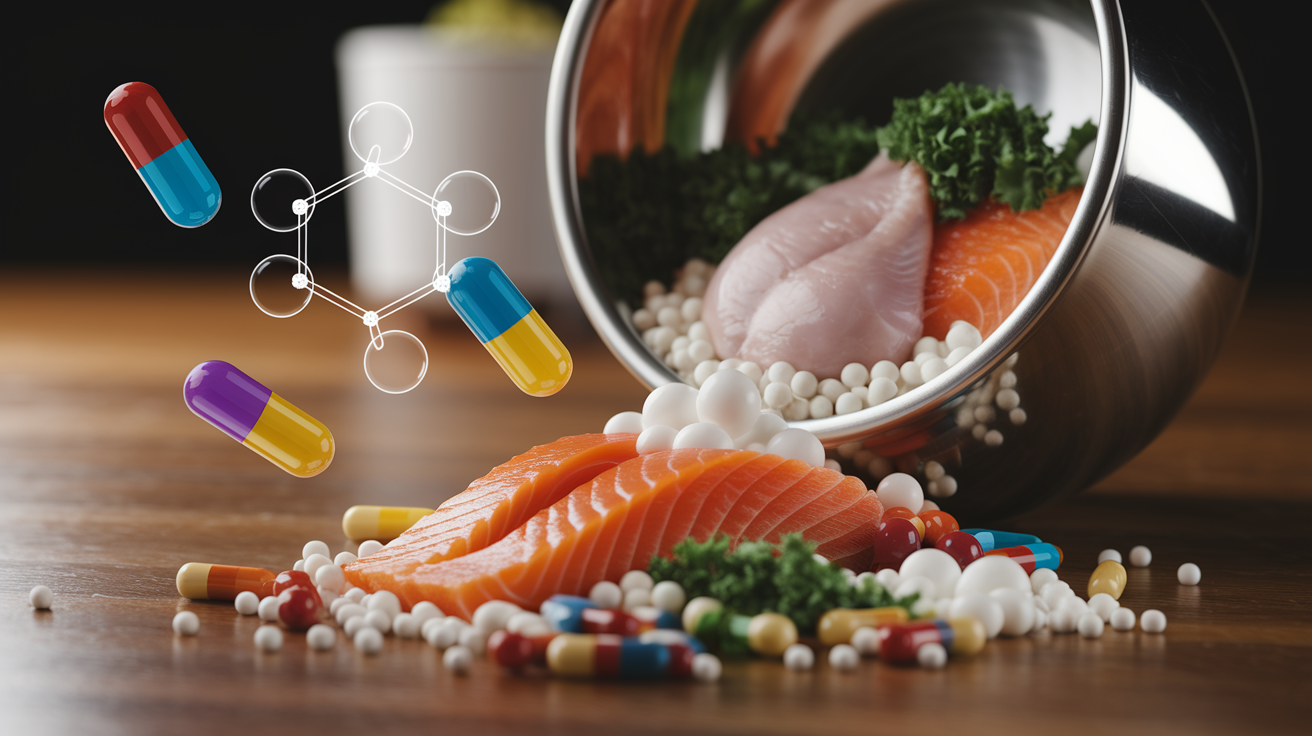
Protein is the foundation. Older dogs need more high quality protein than many people expect, not less. Research shows seniors may require up to 50 percent more protein than middle aged dogs to prevent muscle wasting and keep the immune system strong. The key word is “quality.” Look for real meat, fish, or eggs listed first on the ingredient panel, not generic meat meals or plant proteins used as cheap fillers. Aim for at least 20 to 30 percent crude protein on a dry matter basis unless your veterinarian has confirmed advanced kidney disease and recommended a therapeutic renal formula.
Omega 3 fatty acids, especially EPA and DHA from fish oil or marine sources, become essential for seniors. These long chain fats reduce inflammation in arthritic joints, support heart function, and help maintain cognitive sharpness. Typical anti inflammatory doses range from 20 milligrams of combined EPA and DHA per kilogram of body weight per day for general support. You can go up to 75 to 100 milligrams per kilogram under veterinary guidance for dogs with diagnosed arthritis. Pair omega 3s with moderate overall fat (8 to 15 percent crude fat on a dry matter basis) and adjust downward if your dog is overweight.
Fiber plays a double role in senior nutrition. Soluble fiber from sources like pumpkin, beet pulp, chicory root, and psyllium feeds beneficial gut bacteria and keeps stool consistency healthy. It also increases satiety, helping weight control efforts without leaving your dog hungry. Target around 3 to 8 percent total crude fiber, with an emphasis on gentle, fermentable sources rather than harsh fillers that can irritate a sensitive digestive tract.
Core nutrients seniors need every day:
High quality animal protein (chicken, turkey, salmon, beef) to preserve muscle mass and immune health.
EPA and DHA omega 3s from fish oil, krill, or green lipped mussel for joints, heart, and brain.
Antioxidants like vitamins C and E, beta carotene, and polyphenols to fight oxidative stress and support cognition.
B vitamins (B6, B12, folate) for nerve function, energy metabolism, and red blood cell production.
Joint support compounds including glucosamine (500 to 1,500 mg/day depending on size), chondroitin (400 to 1,200 mg/day), and MSM.
Nutrition for Senior-Specific Health Conditions
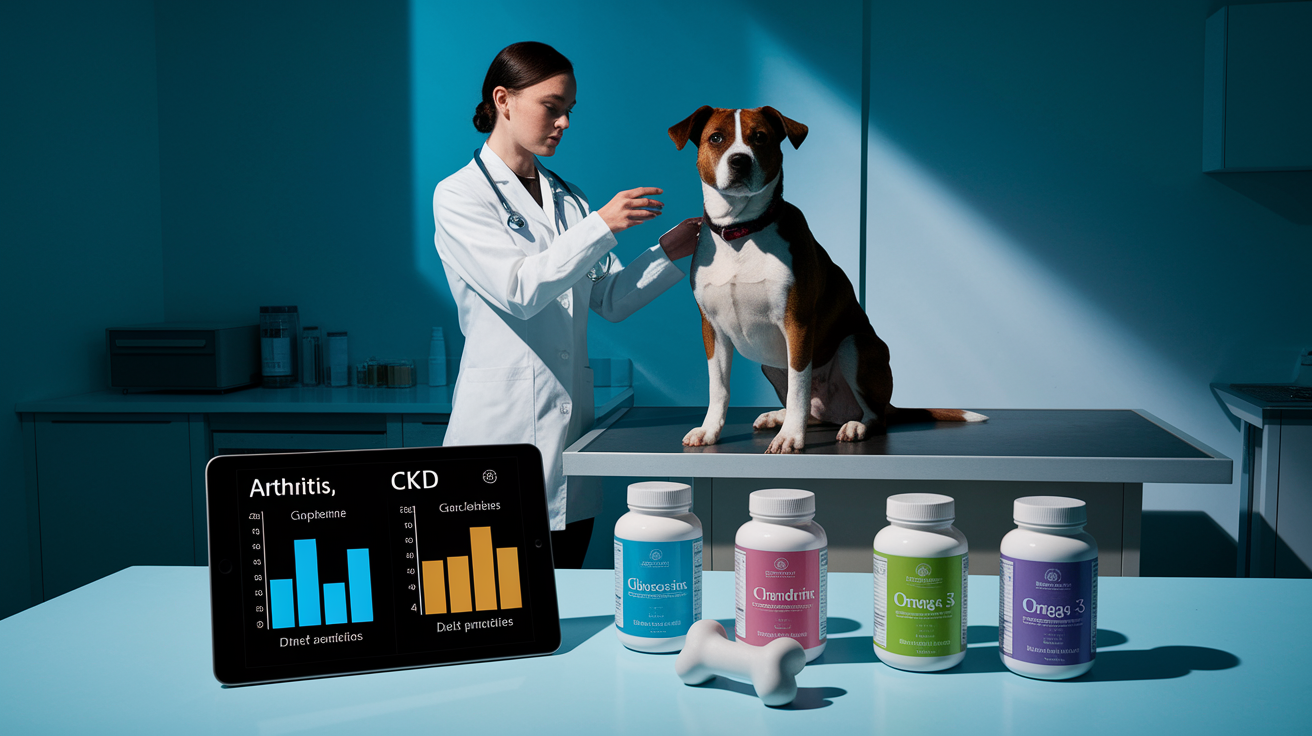
Arthritis shows up in most senior dogs eventually. Nutrition can’t reverse joint damage, but it can ease inflammation and slow progression. Omega 3 fatty acids are the front line. Doses often need to be higher than general maintenance, closer to therapeutic levels your vet can calculate based on your dog’s weight. Pair fish oil with glucosamine, chondroitin, and sometimes MSM or green lipped mussel extract. Many senior foods include small amounts of these compounds, but dogs with diagnosed arthritis usually need dedicated supplements to reach effective doses. Watch for anti inflammatory herbs like turmeric or Boswellia in formulas, and always confirm safety and dosing with your veterinarian.
Chronic kidney disease is common in older dogs. Diet becomes a cornerstone of management once it’s diagnosed. The goal is to reduce the kidneys’ workload by controlling phosphorus, moderating high quality protein, and sometimes lowering sodium. Early stage CKD diets typically target 0.3 to 0.6 percent phosphorus on a dry matter basis and around 14 to 18 percent high biological value protein. Don’t restrict protein in a healthy senior “just in case.” Only make these changes after bloodwork (creatinine, BUN, phosphorus) and urinalysis confirm kidney trouble. Work closely with your vet to monitor progress with regular rechecks every three to six months.
Heart disease requires a different set of adjustments, centered on sodium control. Many cardiac support diets aim for less than 0.2 to 0.3 percent sodium to reduce fluid retention and blood pressure strain. Some also boost taurine and L carnitine, amino acids that support heart muscle function. Dogs with both heart and kidney concerns need carefully balanced therapeutic formulas, often available only through veterinary clinics and tailored with input from a veterinary nutritionist.
Condition specific diet priorities:
Arthritis: High omega 3s, glucosamine, chondroitin, controlled calories to prevent excess weight on joints.
Kidney disease: Restricted phosphorus, moderate high quality protein, controlled sodium, regular lab monitoring.
Heart disease: Low sodium, added taurine/L carnitine, managed fluid intake, vet prescribed formulas.
How to Transition an Older Dog to New Food

Senior dogs often have more sensitive stomachs than they did in their younger years. Rushing a food change can trigger diarrhea, vomiting, or a flat refusal to eat. The standard transition window is seven to ten days, but many older dogs do better with a slower, more gradual shift that stretches to two or three weeks if you’re making a big change like switching from dry kibble to fresh food or moving to a therapeutic formula.
Start by mixing a small amount of the new food into the current food. Watch how your dog handles it over the next day or two. If stools stay firm and appetite stays normal, increase the new food portion slightly. The goal is to let the digestive system, and the gut bacteria that live there, adjust without shock. Seniors with a history of pancreatitis, inflammatory bowel disease, or frequent GI upset need an even gentler approach and closer monitoring during the transition.
Here’s the step by step schedule for a standard seven to ten day transition:
Days 1 to 2: Mix 75 percent old food with 25 percent new food. Serve at regular mealtimes and monitor stool quality.
Days 3 to 4: Shift to a 50/50 mix of old and new. Continue watching for loose stools, gas, or appetite changes.
Days 5 to 6: Increase to 75 percent new food and 25 percent old. If any GI upset appears, hold at this ratio for an extra day or two.
Days 7 to 8: Offer 100 percent new food. Keep a small reserve of the old formula in case you need to step back.
Days 9 to 10: Confirm the transition is complete by checking that stools are normal, energy is stable, and your dog is eating the full portion without hesitation.
Feeding Schedules and Portion Strategies for Senior Dogs
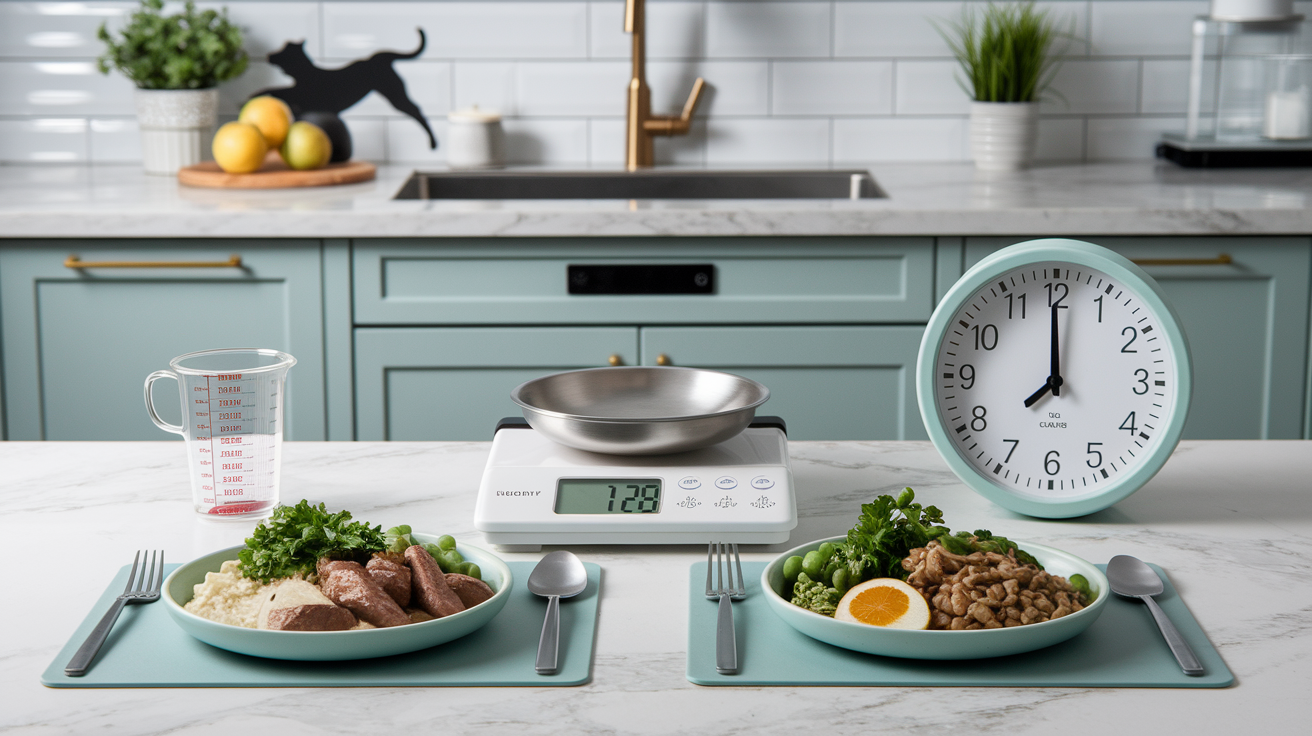
Most senior dogs do best with two meals per day, spaced roughly twelve hours apart. This schedule supports steady energy, reduces the risk of bloat in larger breeds, and makes it easier to monitor appetite and stool patterns. Some smaller seniors or dogs with sensitive digestion benefit from splitting the same daily total into three or even four smaller meals. This can ease nausea, prevent blood sugar dips, and improve nutrient absorption in dogs whose digestive efficiency has declined.
Portion size matters more than ever because metabolism has slowed and activity has dropped. Measure every meal with a kitchen scale or a dedicated measuring cup. Base portions on your dog’s actual calorie needs, not the feeding chart on the bag. Manufacturer charts often overestimate. For example, a 10 kilogram sedentary senior might need only 250 to 300 calories per day, but a generic chart could suggest 350 or more. Track body condition and weight weekly for the first month after any food change, then monthly once you’ve dialed in the right amount.
Daily feeding basics for seniors:
Standard schedule: Two meals per day, morning and evening, with consistent timing to support digestion and routine.
Sensitive or small dogs: Three to four smaller meals if your dog shows signs of nausea, low energy between meals, or has a history of digestive upset.
Portioning rule: Weigh or measure every meal. Calculate total daily calories based on your dog’s current weight and activity level. Adjust every few weeks based on body condition score and scale weight.
Recommended Senior Dog Food Types and Product Categories
Senior dog food comes in several distinct types, each with advantages depending on your dog’s health, dental condition, and your daily routine. Dry kibble remains the most popular choice because it’s affordable, easy to store, and can support dental health through mechanical chewing action. Kibble designed for seniors typically includes controlled calories, added joint support, and antioxidants, though nutrient quality varies widely between budget and premium lines. If your dog has good teeth and no trouble chewing, a high quality dry senior formula can be a practical foundation.
Wet food offers higher moisture content, which helps hydration and is often more palatable for picky eaters or dogs with dental pain. Canned and pouch formats are easier to chew and digest, and many seniors prefer the texture and aroma. The tradeoff is cost. Wet food is usually two to three times more expensive per calorie than dry, and it spoils quickly once opened. Wet diets work well for seniors with missing teeth, oral tumors, or reduced appetite. You can mix wet and dry to balance cost, hydration, and dental benefits.
Fresh or minimally processed diets, whether commercially prepared or home cooked, provide the highest nutrient bioavailability and the least exposure to advanced glycation end products (AGEs) that form during high heat processing. Fresh food is more expensive and requires refrigeration, but it allows for easier personalization and may support better digestion and lower inflammatory load. If you choose this route, work with a veterinary nutritionist or use a validated premix to ensure the diet is complete and balanced, especially for calcium, phosphorus, and essential vitamins.
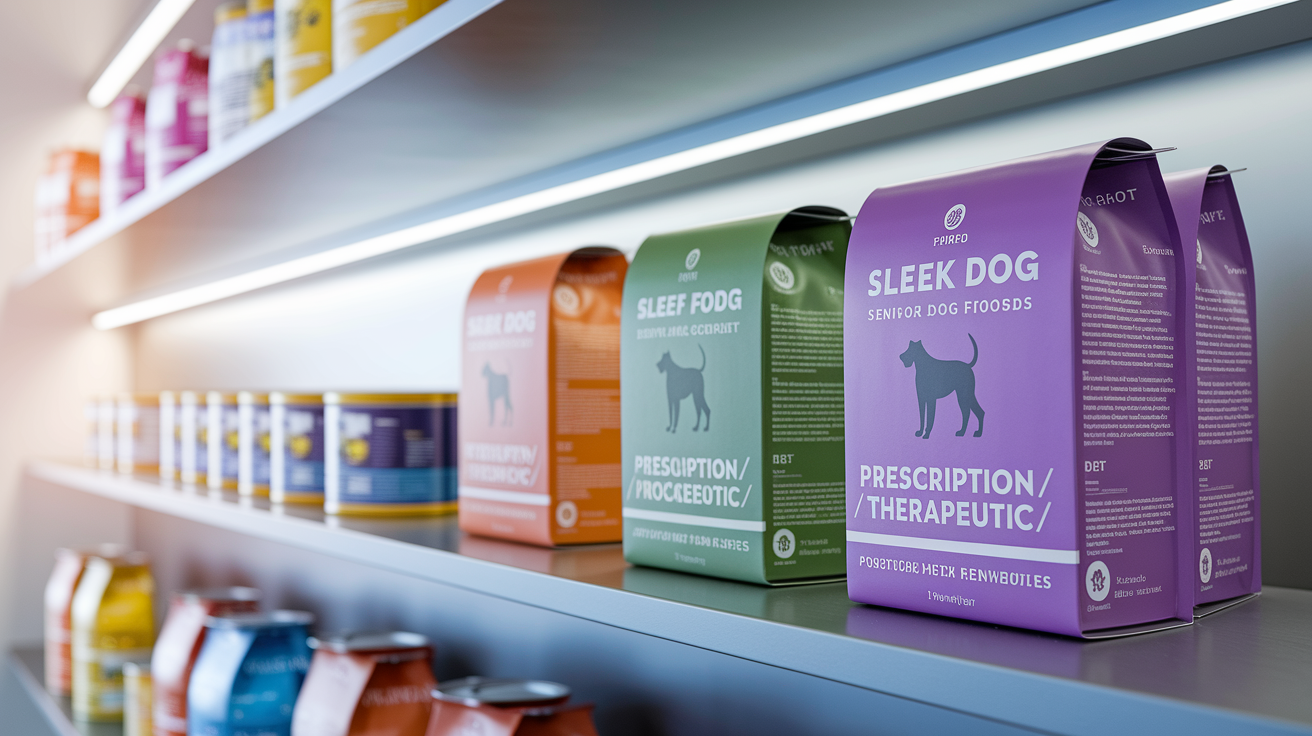
Prescription or therapeutic diets are formulated for specific medical conditions like kidney disease, heart disease, obesity, or gastrointestinal issues. These are typically available only through veterinary clinics and are backed by clinical research. They cost more than standard senior formulas but deliver targeted nutrient profiles that over the counter foods can’t match. Use therapeutic diets only under veterinary guidance and with regular lab monitoring to confirm they’re working as intended.
| Food Type | Best For |
|---|---|
| Dry kibble | Healthy seniors with good teeth, budget conscious feeding, dental health support through chewing |
| Wet (canned/pouch) | Picky eaters, dogs with dental pain or missing teeth, seniors needing extra hydration |
| Fresh/minimally processed | Dogs with sensitive digestion, owners seeking maximum bioavailability, personalized nutrition plans |
| Prescription/therapeutic | Diagnosed medical conditions (kidney, heart, GI, obesity) requiring precise nutrient control and vet oversight |
Final Words
Adjust calories, boost high-quality protein, add omega-3s, support joints, and switch foods slowly to avoid upset.
We covered how aging shifts metabolism, which nutrients matter, calorie plans for weight gain or loss, diet tweaks for kidney or heart issues, feeding schedules, and food types to consider. Use the transition steps and checklists to track appetite, weight, energy, and stool.
Small, steady changes add up. Keep notes on dog nutrition for seniors and check with your vet, and you’ll help your older dog feel their best.
FAQ
Q: What is the best diet for a senior dog?
A: The best diet for a senior dog is lower in calories but rich in high-quality protein, omega-3 fats, fiber, antioxidants, and joint-support nutrients, adjusted for weight, health issues, and vet advice.
Q: What is the 90 10 rule for dogs?
A: The 90 10 rule for dogs means 90% of daily calories should come from a balanced diet and 10% from treats or extras; keep treats under 10% of calories and choose healthy options.
Q: What not to feed a senior dog?
A: You should not feed a senior dog chocolate, grapes, raisins, onions, garlic, xylitol-sweetened items, fatty table scraps, cooked bones, or high-salt/high-phosphorus foods if they have kidney or heart issues.
Q: Should I feed my senior dog wet or dry food?
A: Whether to feed wet or dry food depends on your senior dog’s needs: wet helps hydration, appetite, and chewing; dry supports dental health and weight control. Pick based on teeth, weight, and vet advice.