
Is homemade dog food always better than store-bought?
It can be, but many recipes miss critical nutrients like calcium, omega-3s, and trace minerals.
This post shows safe, practical recipes and the simple rules to balance protein, fat, carbs, vitamins, minerals, and water for your dog’s life stage, plus clear checklists, safe ingredient swaps, and when to bring a vet or nutritionist into the plan.
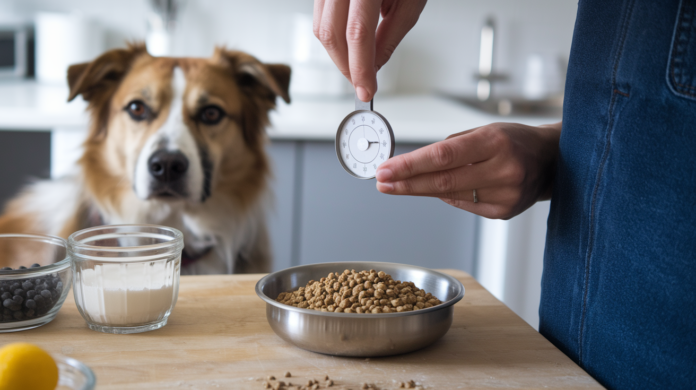
Plus step by step tips for weighing and portioning so each meal hits the target.
Core Nutrient Requirements for a Balanced Homemade Dog Diet
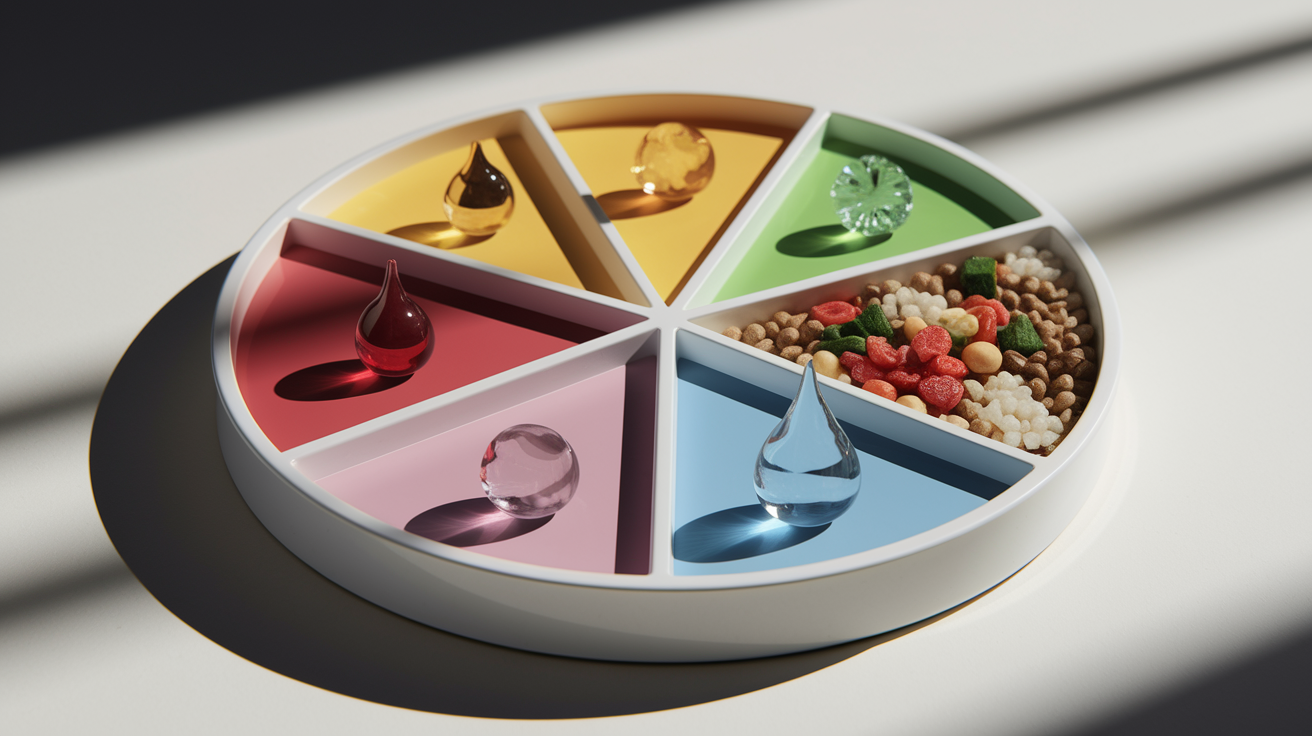
Every homemade dog meal needs to deliver six essential nutrient categories in the right amounts to meet your dog’s biological needs. Protein gives amino acids for muscle repair and enzyme production. Fat provides concentrated energy and carries fat soluble vitamins A, D, E, and K into cells. Carbohydrates and fiber support digestion and steady glucose release. Vitamins regulate metabolic pathways, immune function, and cellular repair. Minerals build bone, enable nerve transmission, and maintain fluid balance. Water remains the most critical nutrient, required for every biochemical reaction and temperature regulation.
AAFCO minimum standards form the baseline for nutritional completeness. Adult maintenance diets require at least 18% crude protein and 5.5% crude fat on a dry matter basis, while growth and reproduction formulas demand 22.5% protein and 8.5% fat. Calcium and phosphorus must appear in a ratio between 1.2:1 and 1.4:1 to prevent skeletal abnormalities, especially in growing puppies and large breed dogs. Many homemade recipes fall short because cooks skip organ meats, use insufficient calcium sources, or don’t add omega-3 supplementation.
Building a balanced plate means combining ingredients from multiple groups at measured weights, not guessed volumes. Lean muscle meat like chicken, turkey, or beef should provide 40 to 50% of total calories and complete amino acid profiles. Organ meat such as liver or kidney at roughly 5 to 10% of the meat portion supplies vitamin A, iron, zinc, and B vitamins. Cooked grains or starchy vegetables like brown rice, sweet potato, or quinoa deliver 20 to 30% of calories as digestible carbohydrate. Non starchy vegetables such as spinach, green beans, and carrots add fiber, potassium, and antioxidants at 10 to 15% of the meal. Healthy fats from fish oil or olive oil contribute omega-3 and omega-6 fatty acids at approximately 5% by weight. Calcium supplementation through ground eggshell or calcium carbonate corrects the naturally low calcium in muscle meat and helps you hit the 1.2:1 Ca:P target.
Precision in formulation isn’t optional. A 50 pound active dog requires roughly 1,200 calories per day, and every calorie must carry the right nutrients in the right proportions. Swapping chicken for beef changes the fat content. Replacing rice with potato shifts the fiber load. Even small adjustments cascade through the nutrient profile, which is why veterinary nutritionists weigh ingredients to the gram and recalculate recipes whenever a substitution occurs.
Safe and Unsafe Ingredients for Homemade Dog Meals
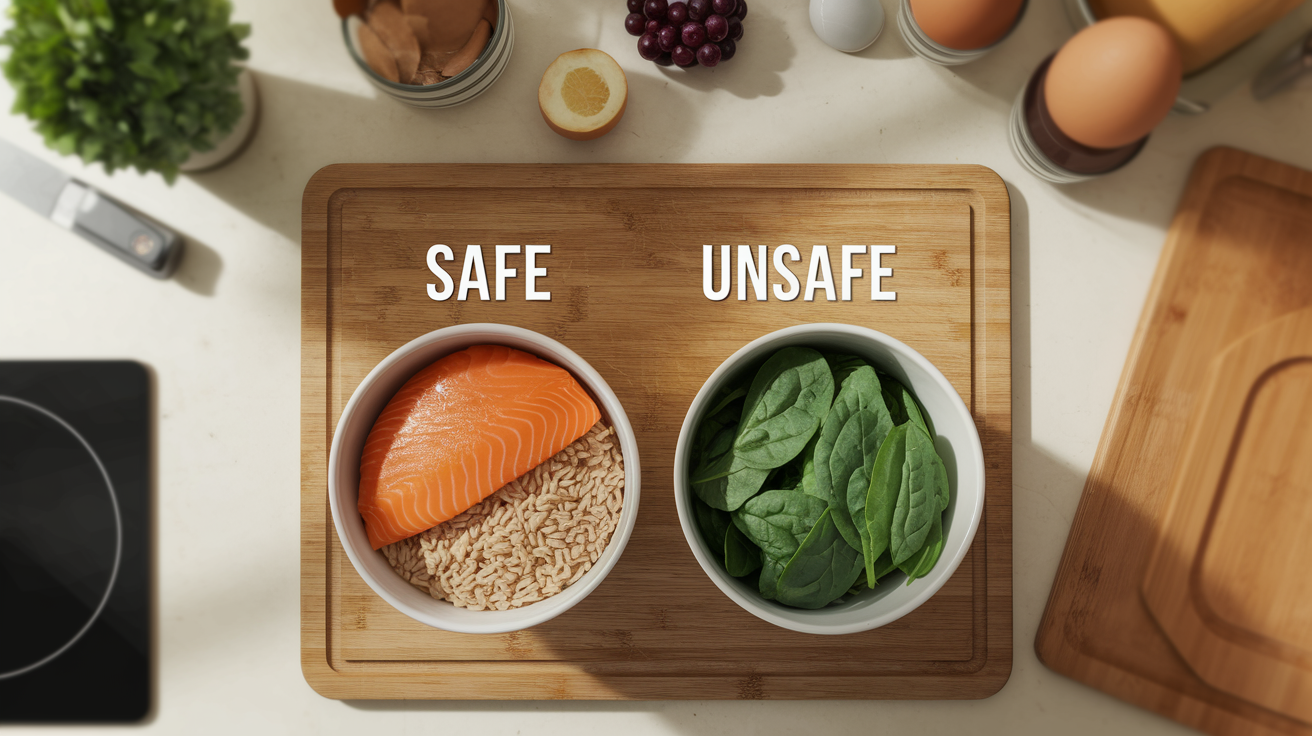
Most whole foods from the grocery store are safe for dogs when prepared correctly, but a handful of common human ingredients are toxic even in small amounts. Lean proteins, cooked grains, and steamed vegetables form the foundation of safe homemade meals, while certain fruits, sweeteners, and aromatic vegetables must be strictly avoided.
Safe ingredients include chicken, turkey, lean beef, salmon, and eggs when cooked without seasoning. Brown rice, quinoa, oatmeal, and white rice work well when fully cooked and cooled. Sweet potatoes, butternut squash, and russet potatoes are fine cooked and unseasoned. Green beans, peas, carrots, zucchini, and spinach can be steamed or boiled, though you shouldn’t serve large quantities raw. Blueberries and cranberries make good antioxidant additions when fresh or frozen, but keep portions small.
Unsafe ingredients you need to avoid completely: grapes and raisins cause acute kidney failure in dogs, even in tiny doses. Onions, garlic, leeks, and chives damage red blood cells and lead to anemia. Chocolate and anything containing caffeine create theobromine toxicity that affects the heart and nervous system. Xylitol, an artificial sweetener, triggers life threatening insulin release and liver failure. Macadamia nuts and raw yeast dough carry neurological toxicity and gastric torsion risk.
Always cook meat gently to an internal temperature that kills pathogens, let all food cool completely before serving, and store leftovers in airtight containers for up to four days in the refrigerator or portioned in the freezer. Weigh ingredients on a kitchen scale rather than estimating with measuring cups to maintain consistent nutrient delivery across every meal.
The Role of Supplements in Homemade Dog Nutrition
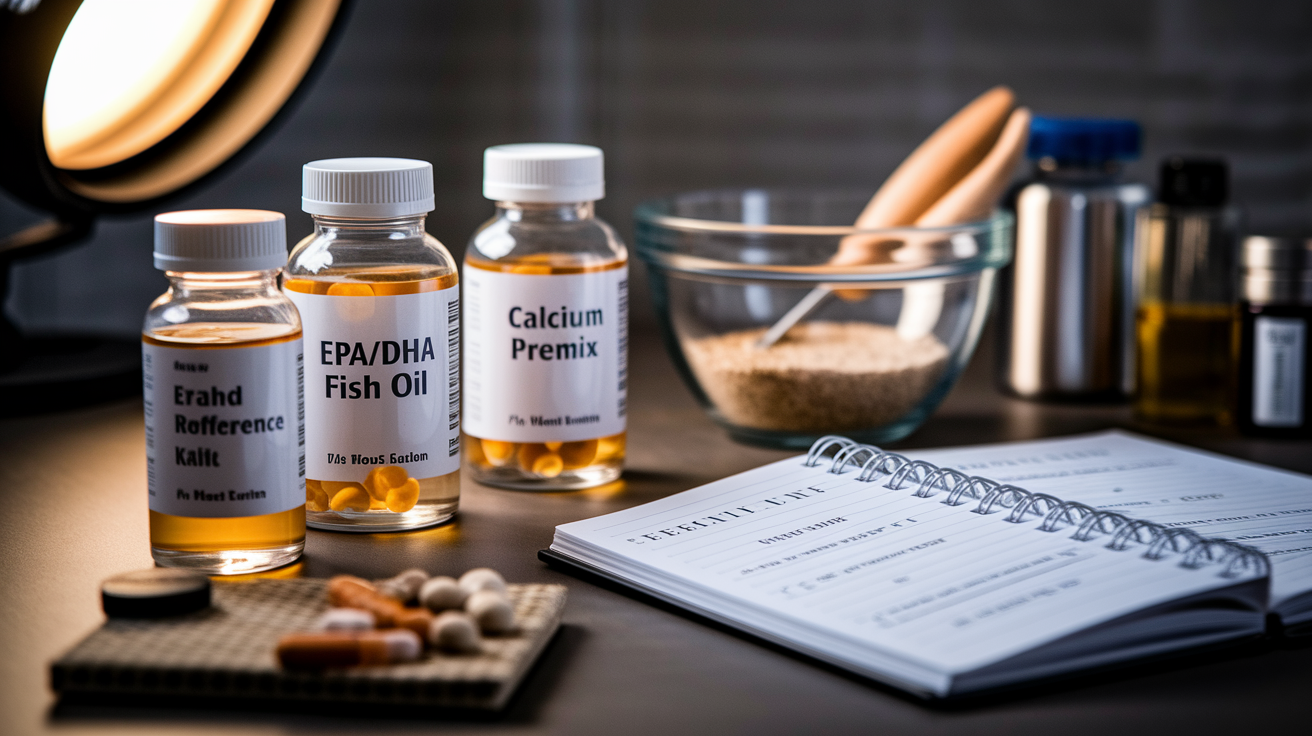
Even meticulously planned homemade diets rarely deliver complete micronutrient coverage without targeted supplementation. Muscle meat naturally contains high phosphorus and low calcium, creating an inverted ratio that weakens bone over time. Many recipes also lack adequate levels of trace minerals such as zinc, manganese, and iodine, as well as the omega-3 fatty acids EPA and DHA found primarily in marine sources. Without a vet formulated vitamin mineral premix, homemade meals leave dogs vulnerable to deficiencies that unfold silently over months.
Calcium supplementation isn’t negotiable. Ground eggshell powder or pharmaceutical grade calcium carbonate restores the 1.2:1 to 1.4:1 calcium to phosphorus ratio that muscle meat alone can’t provide. Fish oil supplies EPA and DHA for skin integrity, joint health, and cognitive function at a typical dose of 20 to 30 mg combined EPA/DHA per pound of body weight daily. A broad spectrum canine multivitamin mineral premix covers gaps in B vitamins, fat soluble vitamins A, D, E, and K, and trace elements like copper and selenium.
Work with a veterinarian or board certified veterinary nutritionist to calculate exact supplement doses based on your dog’s weight, age, and recipe composition. Select premixes designed specifically for homemade dog food. Human multivitamins contain incorrect nutrient ratios and may include unsafe additives. Follow manufacturer mixing instructions precisely, adding powdered premix to cooled food rather than cooking it in, which can degrade heat sensitive vitamins. Recheck supplementation every time you change a recipe ingredient, since swapping proteins or grains shifts the baseline nutrient profile and may require dose adjustments.
Balanced Homemade Dog Food Recipes (Examples)
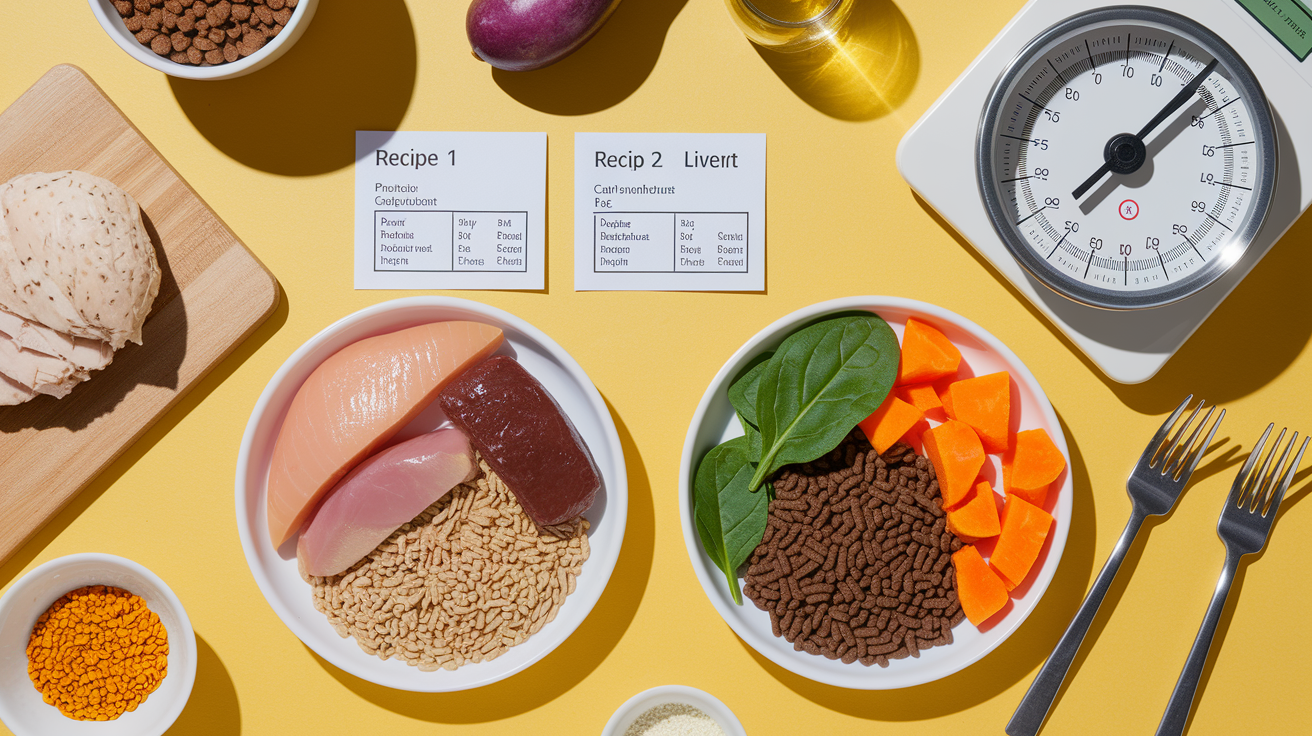
A complete homemade recipe delivers all six nutrient classes in measured ratios. The following two examples provide starting frameworks, but exact gram weights must be calculated for your dog’s daily caloric needs and rechecked by a veterinary nutritionist before long term feeding.
Recipe 1: Chicken and Brown Rice Base
This meal suits adult dogs with moderate activity levels and no food sensitivities. It pairs lean poultry protein with complex carbohydrates and added calcium to meet maintenance requirements.
| Ingredients | Quantity | Nutrient Purpose |
|---|---|---|
| Boneless chicken thighs, cooked | 1 pound (454 g) | Protein, amino acids, B vitamins |
| Chicken liver, cooked | 2 ounces (57 g) | Vitamin A, iron, zinc, folate |
| Brown rice, cooked | 2 cups (370 g cooked weight) | Digestible carbohydrate, fiber, manganese |
| Carrots, steamed and chopped | 1 cup (128 g) | Beta-carotene, fiber, potassium |
| Fish oil (EPA/DHA) | 1 tablespoon (15 mL) | Omega-3 fatty acids for skin and joints |
| Ground eggshell or calcium carbonate | 1 teaspoon (5 g) | Calcium to balance phosphorus ratio |
Recipe 2: Beef and Sweet Potato Base
This formula works for dogs needing higher fat content and easily digestible starches. It includes organ meat and dark leafy greens for micronutrient diversity.
| Ingredients | Quantity | Nutrient Purpose |
|---|---|---|
| Lean ground beef (90% lean), cooked | 1 pound (454 g) | Protein, heme iron, creatine |
| Beef liver, cooked | 2 ounces (57 g) | Vitamin A, copper, riboflavin |
| Sweet potato, cooked and mashed | 1.5 cups (328 g) | Complex carbohydrate, vitamin A, fiber |
| Spinach, steamed | 1 cup (180 g cooked) | Folate, magnesium, antioxidants |
| Olive oil | 1 tablespoon (15 mL) | Monounsaturated fat, vitamin E |
| Canine vitamin-mineral premix | Per label (typically 1 scoop) | Complete trace minerals, B vitamins, vitamin D |
Both recipes require final nutrient analysis and portion adjustment by a professional to confirm they meet AAFCO standards for your dog’s life stage and breed size.
Nutritional Adjustments by Age, Breed, and Activity Level

Adult dogs in maintenance mode need steady protein and moderate calories, but puppies, seniors, and highly active breeds each demand tailored nutrient profiles. Feeding a one size recipe to every life stage risks growth disorders in the young, obesity in the old, and energy deficits in working dogs.
Senior dogs benefit from controlled calorie density to prevent weight gain as metabolism slows, combined with joint support nutrients such as EPA, DHA, and glucosamine. Reducing fat slightly while maintaining high quality protein preserves lean muscle mass without excess energy. Active and working breeds require increased caloric density from fat and carbohydrate to fuel sustained effort. A herding dog may need 50% more calories than a companion dog of the same weight, and those extra calories should come from digestible fats and starches rather than adding bulk through low energy vegetables.
Large and giant breed dogs face unique skeletal risks throughout growth and adulthood. Excess calcium during puppyhood accelerates bone maturation and increases the chance of developmental orthopedic disease, while insufficient calcium in adults leads to brittle bones. These breeds also benefit from controlled phosphorus to protect kidney function as they age, and from omega-3 fatty acids to support joint cartilage under the mechanical stress of carrying significant body weight.
Puppies
Puppies require approximately 50% more protein and calories per pound of body weight than adult dogs to support rapid tissue synthesis and skeletal development. The calcium to phosphorus ratio becomes even more critical during growth, with AAFCO standards mandating 1.2% to 1.8% calcium and 1.0% to 1.6% phosphorus on a dry matter basis. Over supplementing calcium causes skeletal malformations in large breed puppies, while under supplementing leads to rickets and pathological fractures in any size. Every homemade puppy recipe must be recalculated by a board certified veterinary nutritionist and reassessed every four to six weeks as the puppy’s weight and growth rate change.
How to Transition from Commercial to Homemade Dog Food

Switching food abruptly disrupts the population of gut bacteria that help your dog digest meals, often leading to loose stool, gas, and appetite loss. A gradual seven to ten day transition allows the digestive system to adapt to new protein sources, fat levels, and fiber content without gastrointestinal upset.
| Day | Ratio Old Food to New Food |
|---|---|
| 1–2 | 75% commercial food, 25% homemade food |
| 3–4 | 50% commercial food, 50% homemade food |
| 5–6 | 25% commercial food, 75% homemade food |
| 7 | 100% homemade food |
| 8–10 (optional extension) | Continue monitoring on 100% homemade; revert to 50/50 if stool becomes loose |
| Ongoing | Watch stool consistency, energy level, and appetite daily for the first month |
| If problems occur | Return to previous day’s ratio, hold for 48 hours, then proceed more slowly |
Monitor stool consistency, energy levels, and coat condition throughout the transition and for the first month on the new diet. Soft or watery stool that persists beyond two days signals the need to slow the transition or consult your veterinarian to rule out ingredient intolerance or bacterial imbalance.
Final Words
Start with the essentials: get protein, fats, carbs, vitamins, and minerals in the right ratios, and keep calcium-to-phosphorus steady.
Pick safe ingredients, skip known toxins, and use targeted supplements when recipes fall short.
Adjust recipes for puppies, seniors, and active breeds, and move from kibble to homemade slowly over 7–10 days.
Careful planning makes homemade meals reliable. Prioritizing homemade dog food nutritional balance keeps your dog healthy and happy, one steady routine at a time.
FAQ
Q: What should I add to homemade dog food to make it balanced, and how can I ensure it’s nutritious?
A: To make homemade dog food balanced, add complete protein, healthy fats (omega-3), cooked carbs, calcium and a canine multivitamin/mineral mix. Use AAFCO-aligned recipes or consult a veterinary nutritionist to verify balance.
Q: What is the 90 10 rule for dogs?
A: The 90/10 rule for dogs means about 90% of daily calories come from balanced meals and only 10% from treats or extras. Track calories and choose low-calorie, nutritious treats to avoid weight gain.
Q: What dog food is good for arthritis?
A: Dog food good for arthritis includes higher omega-3 (EPA/DHA), added glucosamine and chondroitin, lean protein and calorie control to keep weight down. Choose veterinary or clinically supported joint diets and discuss options with your vet.