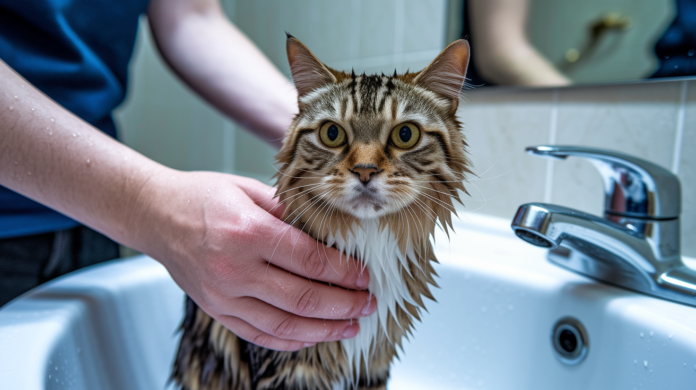

What if you could bathe a cat that hates water without both of you ending up stressed and scratched?
It’s possible with calm prep, quiet tools, and a few tricks to keep the bath under three minutes.
This quick guide gives an immediate step-by-step method, safe ways to reduce panic, and gentle alternatives for cats who will never like running water.
You’ll get a simple checklist of supplies, clear signs to stop, and what to track so the whole thing stays safe and gets easier next time.
Immediate Step-by-Step Method for Bathing a Water-Averse Cat
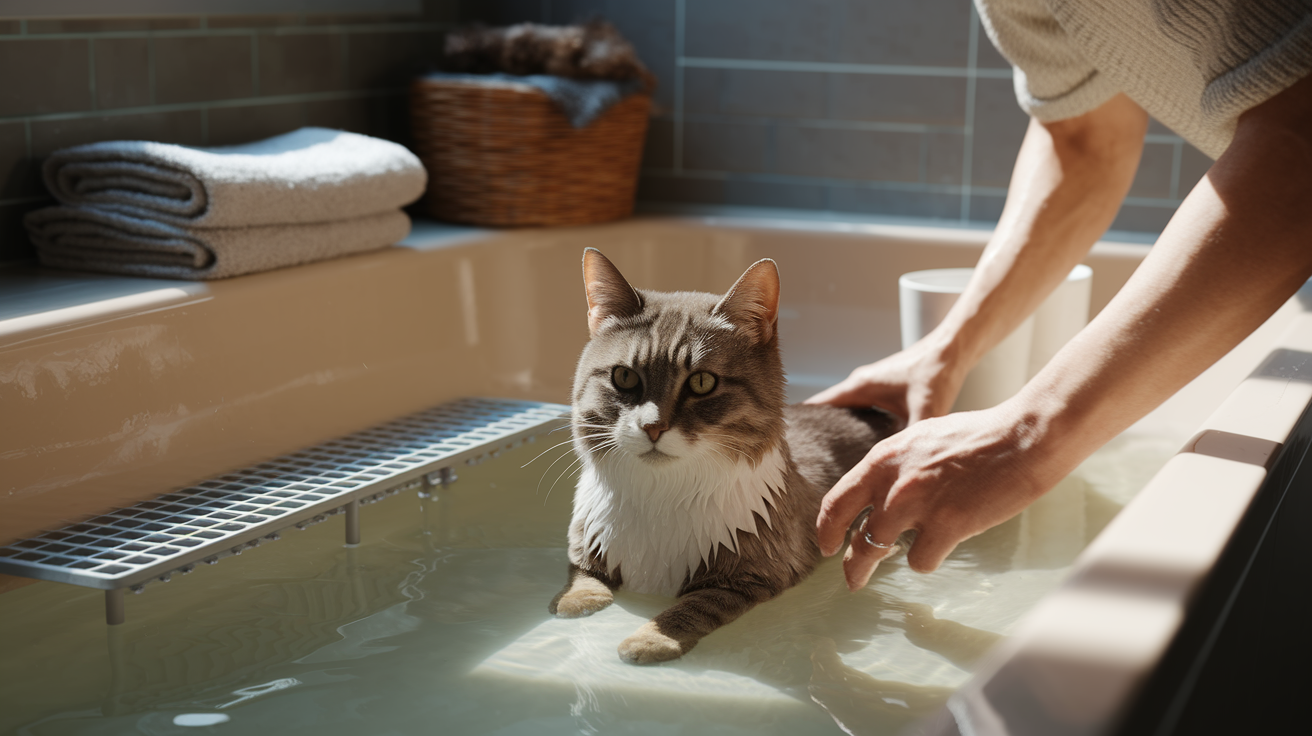
Most cats handle their own cleaning through natural grooming. Those tiny barbs on their tongues do the work of removing dirt and loose fur. You don’t need to bathe your cat regularly unless something goes wrong. If your cat walks through gasoline, antifreeze, paint, or motor oil, you need to wash it off immediately to prevent poisoning or skin burns. Your vet might also prescribe medicated baths for conditions like seborrhea, ringworm, or severe flea allergies. When these situations happen, you need a plan that gets the job done quickly and safely.
Before you start, get everything within arm’s reach. You’ll need several large towels, cat shampoo and conditioner (human products can irritate their skin), a non-slip mat, a cup or quiet handheld sprayer, nail clippers, a soft brush, and treats. Pick a warm, quiet room with a sink or tub. Fill the basin with about four inches of lukewarm water. Test it on your wrist like you would for a baby. Brush out any tangles before water touches fur, especially on long-haired cats. Wet knots become impossible to remove.
-
Prepare the area. Lay the non-slip mat in the sink or tub. Set out all tools where you can grab them without letting go of your cat. Close the bathroom door.
-
Calm your cat. Speak gently. If your cat picks up your anxiety, the bath gets harder. Take a slow breath.
-
Wet gently from neck down. Use a cup or quiet sprayer on low pressure. Start at the back of the neck and work toward the tail. Avoid the face, ears, eyes, and nose completely.
-
Apply a small amount of cat shampoo. Lather softly with your fingertips, using confident but gentle strokes. Cats usually aren’t very dirty, so you won’t need much product.
-
Rinse thoroughly. Leftover shampoo irritates skin and can cause matting. Rinse from neck to tail until the water runs clear and you feel no slippery residue.
-
Wipe the face separately. Use a damp washcloth to clean around the eyes, nose, and ears. Never spray or pour water directly on your cat’s head.
-
Move to a warm drying area. Wrap your cat snugly in a dry towel right away. Pat and squeeze gently to absorb as much water as possible.
-
Reward immediately. Offer treats and quiet praise while your cat is still wrapped. This helps build a slightly less terrible memory for next time.
If your cat starts panting, drooling, or struggling violently, stop the bath. Wrap them in a towel, let them calm down in a quiet room, and try again later or consider a professional groomer.
Preparing the Bathing Area and Supplies for a Water-Fearful Cat
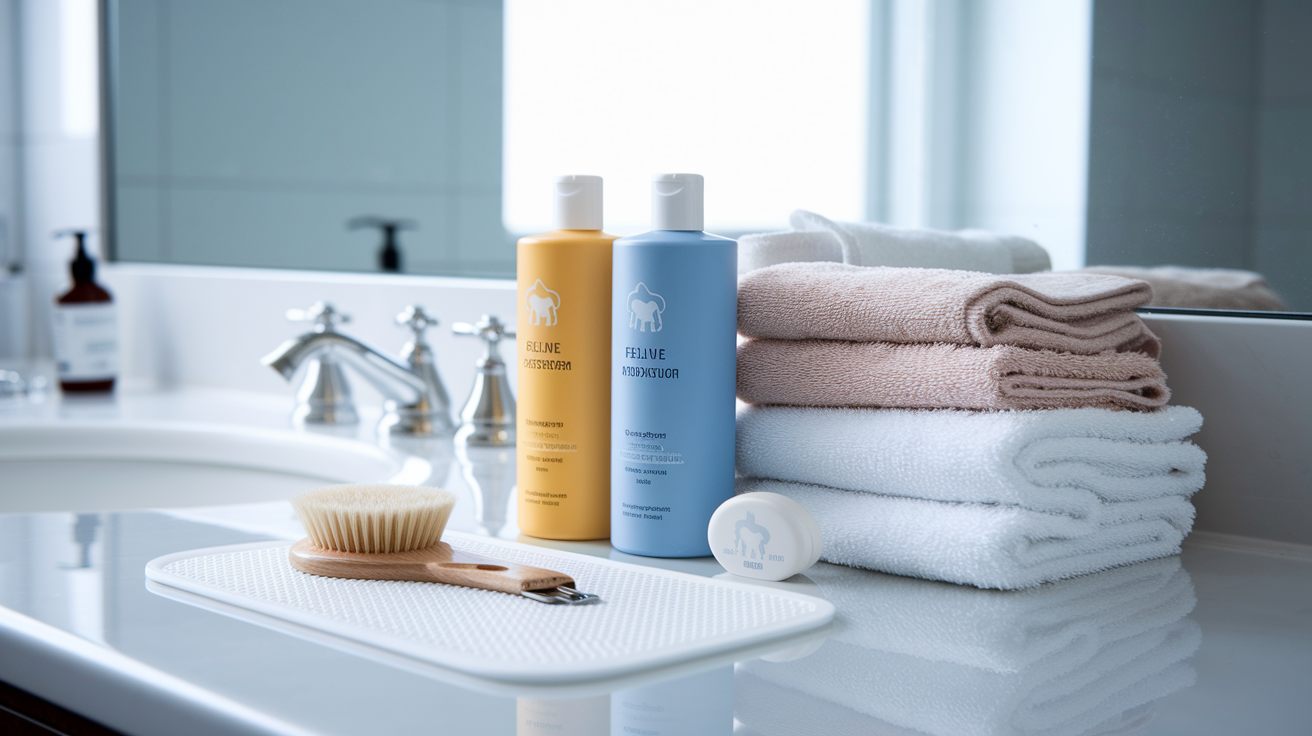
Set up everything before you bring your cat into the room. A warm, quiet bathroom with the door closed works best. It limits escape routes and keeps the space calm. Lay a non-slip mat in the sink or tub so your cat has secure footing. Slipping increases panic. Run the water and adjust the temperature before you carry your cat in. Cats can hear running water from across the house, and the sound alone can trigger fear. Test the water on the inside of your wrist. It should feel comfortably warm, like a mild shower, not hot or cold.
Cats also notice air temperature. If the room feels chilly to you, it’s too cold for a wet cat. Turn on a space heater or close windows and vents. Bright overhead lights can add stress, so consider using softer lighting if your cat seems skittish.
You’ll need 2 to 4 large, soft towels for drying and wrapping. Cat shampoo and conditioner formulated for feline skin pH. Never use human shampoo, dish soap, or dog products. A non-slip mat to prevent slipping in the sink or tub. A cup or handheld sprayer set to low, quiet pressure. A brush or comb to remove tangles before wetting fur. Nail clippers and a small file to trim and dull claws before the bath.
Calm-First Techniques to Reduce Water Fear Before the Bath
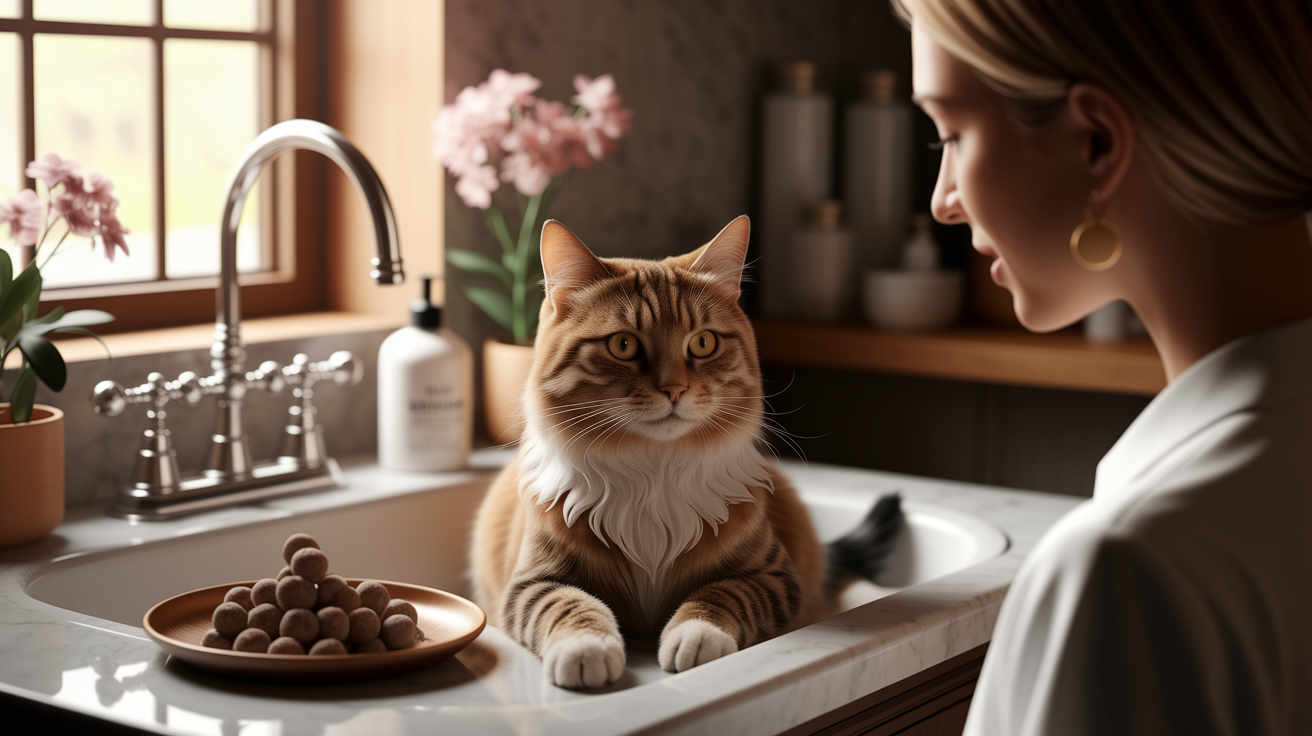
Your cat can sense your emotional state. If you’re tense or rushing, your cat will pick up on that energy and resist harder. Choose a time when your cat is naturally calmer. After a meal, after a play session, or during their usual nap window. A tired, content cat is easier to handle than one who’s alert and ready to bolt.
Pheromone diffusers that release calming scents can help signal safety to your cat. Plug one in about thirty minutes before bath time in the room where you’ll be washing. Keep your voice low and steady. Avoid sudden movements or loud noises like clanging metal bowls or slamming cabinet doors.
Use a pheromone spray or diffuser in the bathing area to create a calming environment. Offer high value treats before entering the bathroom to build a positive association. Keep the water off until your cat is settled in the sink or tub. Dim the lights slightly to reduce visual overstimulation. Breathe slowly and speak softly so your cat mirrors your calm energy.
Gradual Desensitization to Water for Highly Anxious Cats
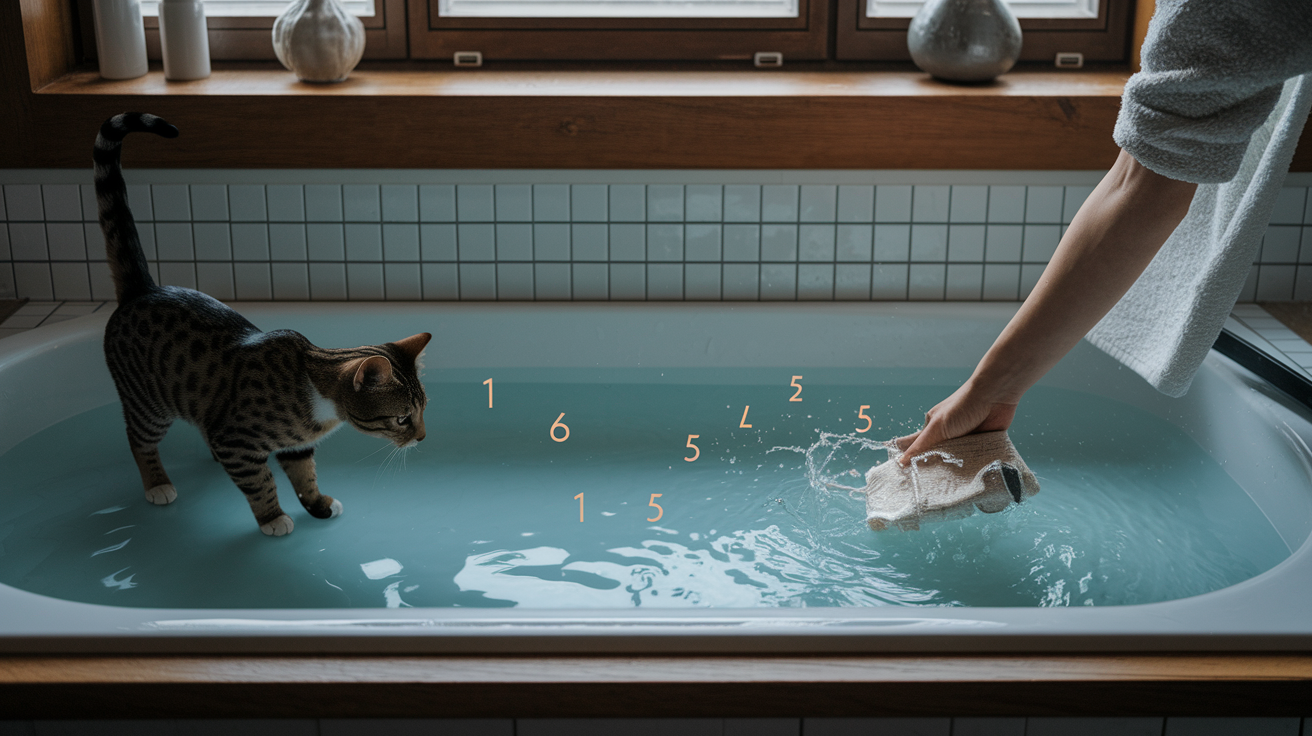
If your cat has a history of severe panic around water, forcing a full bath can damage trust and make future grooming nearly impossible. Instead, break the process into small, low stress steps spread over several days or weeks. The goal is to help your cat associate the bathroom, the tub, and eventually water itself with calm moments and rewards, not fear.
Start by letting your cat explore the empty bathroom and sink or tub while you sit quietly nearby. Toss a few treats into the dry basin. Let your cat sniff, paw, and walk around without any pressure. Repeat this for a few days until your cat enters the space without hesitation.
Next, introduce the sound of water at a very low volume. Run the faucet for a few seconds while your cat is in the room, then turn it off and offer a treat. Gradually increase the duration. Some cats respond well to a floating toy or a small stream of water they can bat with one paw. If your cat shows interest, let them play. If they freeze or back away, go slower.
5-Day Micro-Exposure Plan
Day 1: Let your cat explore the dry bathroom and tub. Reward with treats.
Day 2: Place a shallow dish of water on the floor. Let your cat sniff or touch it. Reward any curiosity.
Day 3: Wet one paw with a damp washcloth. Offer treats immediately. Repeat with each paw.
Day 4: Turn on a gentle trickle of water while your cat is nearby. Reward calm behavior.
Day 5: Wet your cat’s back paws in a shallow basin for five seconds. Dry and reward right away.
This incremental approach won’t work for emergency situations like toxic contamination, but it’s the most humane method for cats who need regular maintenance baths and have time to adjust. If at any point your cat becomes aggressive or shuts down entirely, pause and go back one step.
Advanced Adaptations for Extremely Water-Sensitive Cats
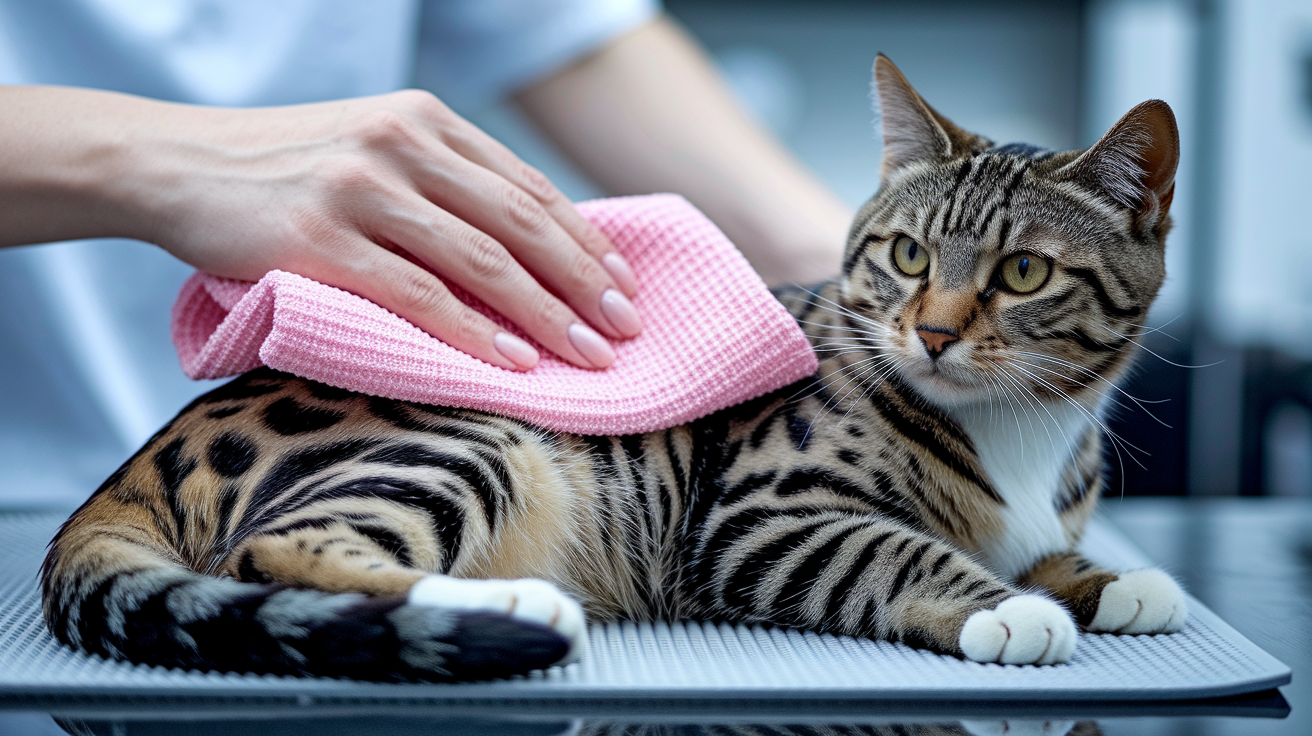
Some cats will never tolerate a traditional bath no matter how gradual the training. For these animals, strategic modifications can reduce water contact while still achieving cleanliness. The goal is to wet only the areas that truly need washing, use the quietest rinsing method possible, and keep total bath time under three minutes.
Instead of filling a tub or using a sprayer, try the washcloth only method. Dampen a soft cloth with warm water, wring it out well, and gently wipe your cat’s fur in sections. Apply a small dab of diluted cat shampoo to the cloth (not directly to the cat), work it through one area at a time, then use a second clean damp cloth to remove the shampoo. This approach eliminates the sensation of being submerged or sprayed and gives your cat more control. It works especially well for spot cleaning around the hindquarters, belly, or paws.
If you must use running water, muffle the sound by draping a towel over the faucet or running the water into a cloth lined basin first, then scooping it with a cup. Noise is often more distressing than wetness itself. A handheld sprayer set to the lowest pressure and held close to the fur, almost touching it, creates less sound and splash than a high pressure stream from a distance.
- Wrap a small towel around the faucet to muffle water noise.
- Use a damp washcloth instead of immersion for cats who panic at the sensation of being lowered into water.
- Wet only the dirtiest sections. Paws, belly, rear. Leave the rest dry.
- Hold your cat’s scruff gently with one hand while using the other to wipe or rinse, but never lift or hang by the scruff.
- Rinse with a cup tilted slowly rather than pouring water directly from above.
- Protect ears and eyes by placing a dry cotton ball just inside each ear and using your hand as a shield over the face during any nearby rinsing.
Safety Methods for Preventing Scratching, Biting, and Injury

Even the calmest cat may scratch or bite when frightened. Trimming your cat’s nails one or two days before bath day is the single most effective injury prevention step. Cut just the sharp tip of each claw, then use a small nail file to dull any remaining points. This won’t stop your cat from trying to scratch, but it will reduce the depth and pain of accidental wounds.
Restraint must be gentle but confident. A loose grip invites escape attempts and increases panic. A crushing grip causes pain and can injure your cat. If you’re bathing alone, a towel wrap, sometimes called a “kitty burrito,” can immobilize the front legs while leaving the head and rear accessible. Lay a large towel flat, place your cat in the center, fold one side over the body, tuck the front legs inside, then fold the other side snugly. Only the head and back end remain exposed. This method works for very short baths and reduces the chance of scratching. If your cat thrashes hard or seems unable to breathe comfortably, unwrap immediately.
Recruit a second person so one holds while the other washes. Use a grooming hammock or sling designed for cats if restraint is a repeated problem. Avoid scruffing as the sole hold. It’s uncomfortable for adult cats and can cause injury if they struggle while suspended. Wear long sleeves and consider grooming gloves to protect your hands and forearms. Place a towel over your cat’s head briefly if they’re biting. It interrupts the behavior and gives you a moment to reposition. Watch for dilated pupils, flattened ears, and low growling as signs that aggression is escalating. Stop the bath if your cat urinates, defecates, or becomes completely rigid. These are extreme fear responses.
If your cat bites hard enough to break skin or becomes so aggressive that you can’t safely proceed, abort the bath. Wrap your cat in a dry towel, place them in a quiet room, and contact a professional groomer or your veterinarian for help.
Drying and Aftercare for Cats Who Dislike Water
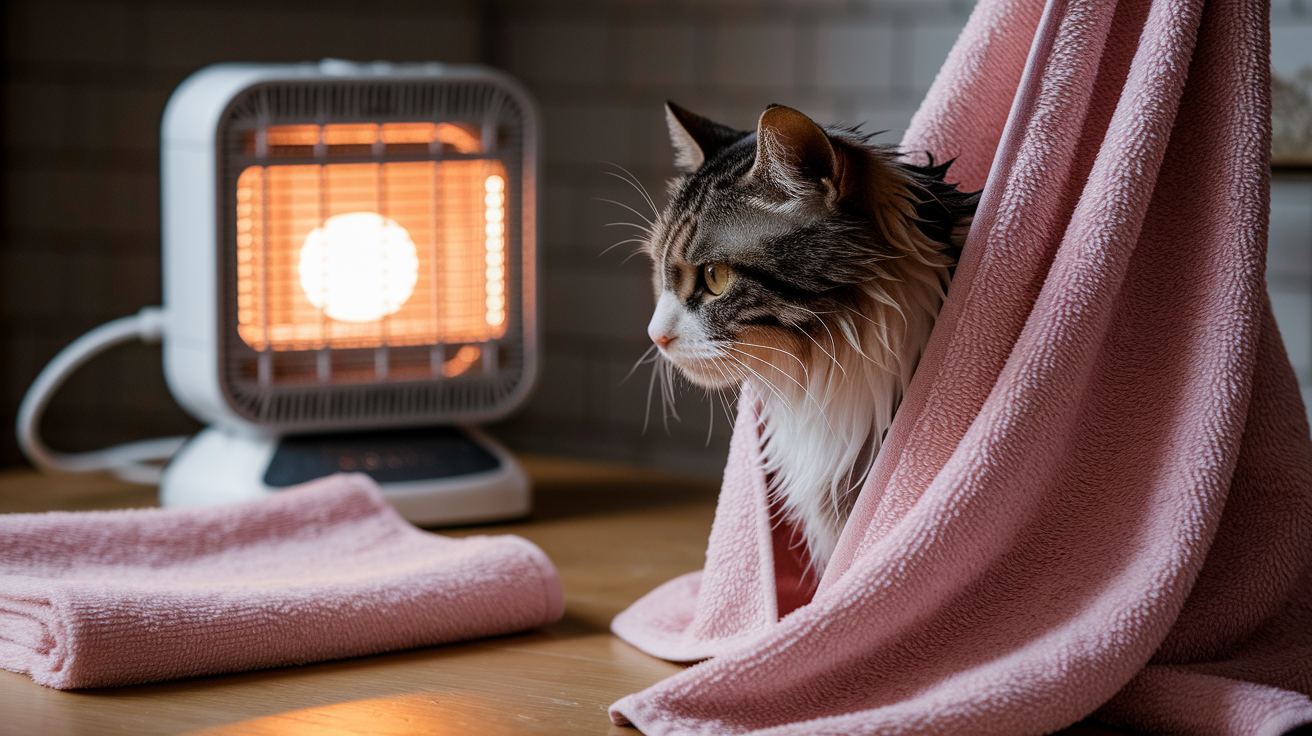
Wet fur makes cats feel vulnerable and cold. As soon as the rinse is complete, wrap your cat snugly in a large, dry towel and press gently to absorb as much water as possible. Don’t rub vigorously. This tangles long fur and can irritate skin. Instead, use a pat and squeeze motion, working from the neck toward the tail. Switch to a second dry towel if the first one becomes saturated.
Kittens and very old cats can develop dangerously low body temperature if they stay damp. After towel drying, move your cat to a warm, draft free room and keep them there until completely dry. A bathroom with a space heater or a bedroom with sunlight works well. If your cat tolerates it, you can use a blow dryer set to the lowest heat and lowest speed, held at least twelve inches away from the fur. Never point the dryer at your cat’s face, and stop immediately if they show signs of distress.
While your cat is drying, check the skin for redness, flaking, or any areas that look irritated. Bathing reveals skin problems that dense fur normally hides. If you notice anything unusual, take a quick photo and mention it at your next vet visit.
| Method | Best For | Risks |
|---|---|---|
| Towel drying | All cats, especially those sensitive to noise | Takes longer; cat may become chilled if room is cool |
| Low-heat blow dryer | Cats who tolerate noise and air movement | Can cause burns if too hot or held too close; frightens many cats |
| Warm-room air drying | Cats who stay calm in one space | Slowest method; requires monitoring to prevent chill |
Effective Waterless Alternatives for Cats That Hate Baths
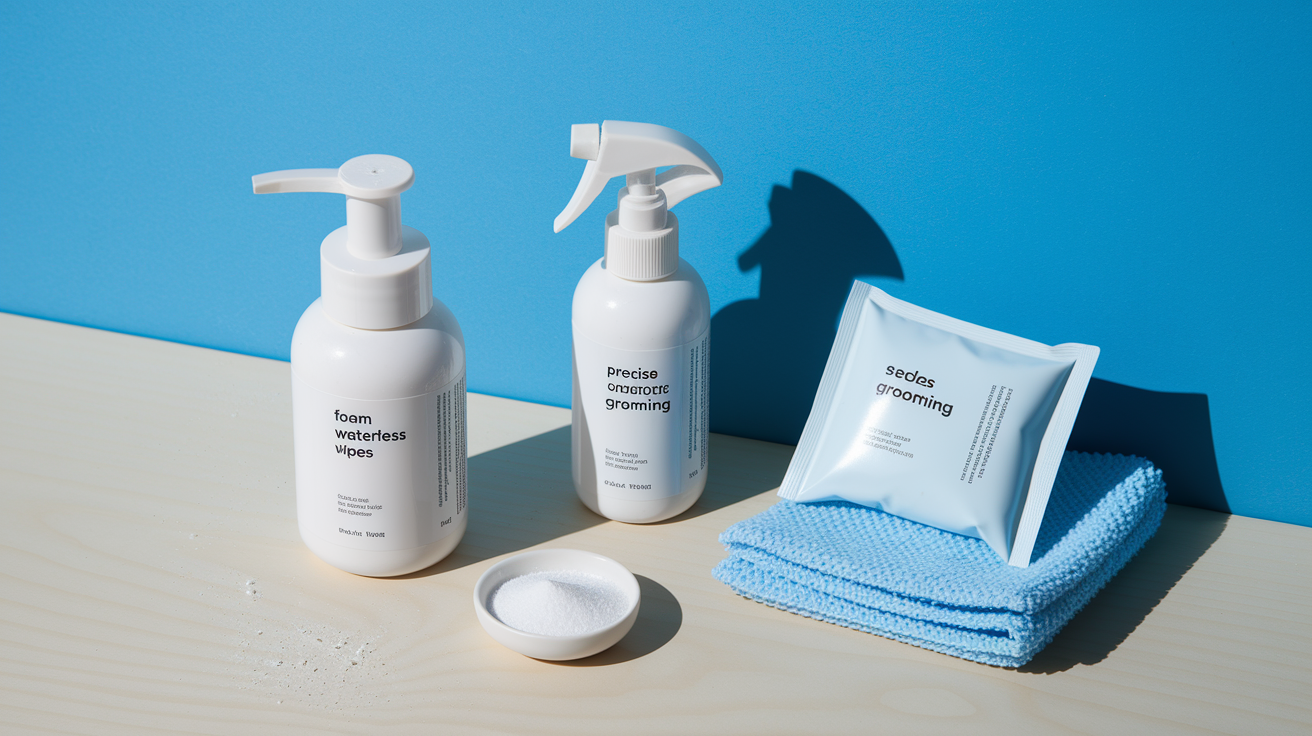
Not every mess requires a full bath. For minor dirt, dander buildup, or cats with extreme water phobia, waterless grooming products offer a safer, less stressful option. Waterless shampoos are typically foam or spray formulas you apply directly to dry fur, massage in, then towel off. They work by breaking down oils and lifting dirt without needing rinse water. Pet wipes, thick, pre-moistened cloths, are even simpler and good for quick spot cleaning around the paws, face, or rear.
When choosing a waterless product, read the ingredient list carefully. Avoid anything with alcohol, synthetic fragrances, or ingredients you can’t pronounce. Residue free formulas are best because your cat will groom themselves after you finish, and anything left on the fur will be ingested. Some waterless shampoos contain oatmeal or aloe to soothe skin, which can be helpful for cats with mild dryness or irritation.
Foam or spray waterless shampoo works for overall coat freshening. Pre-moistened grooming wipes are good for paws, face, and rear end cleaning. Cornstarch or baking soda lightly brushed through fur can absorb oil, then combed out. They’re safe if ingested in small amounts. A damp microfiber cloth with plain warm water works for gentle spot cleaning. Dry brushing with a rubber or bristle brush removes loose fur and distributes natural oils.
Waterless methods should fully replace traditional baths only in specific situations. When a cat has severe aggression or a medical condition that makes immersion unsafe. When the mess is limited to one small area. Or when a vet explicitly advises against water bathing. They’re not appropriate for removing toxic substances, treating medical skin conditions, or handling heavy contamination like motor oil or feces.
Special Considerations for Kittens, Seniors, Long-Haired, and Medically Fragile Cats
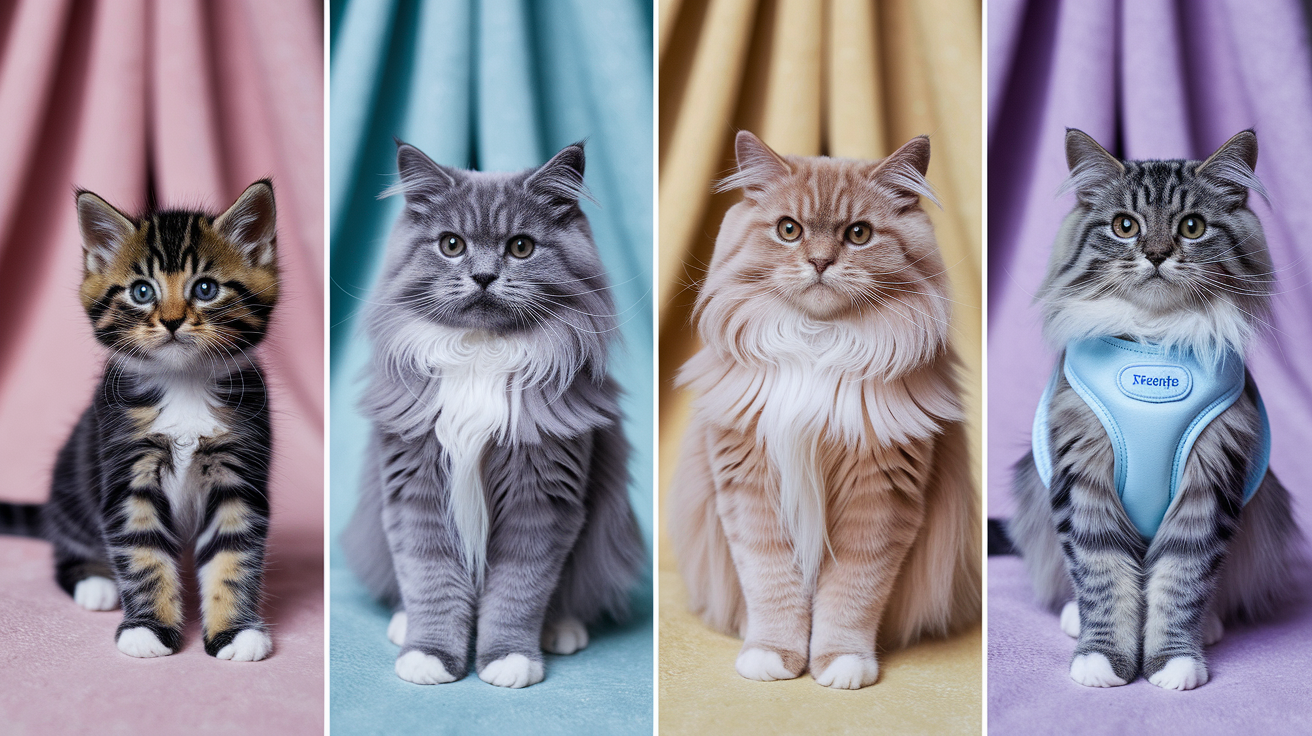
Kittens under eight weeks old should not be bathed unless absolutely necessary, and only under veterinary guidance. Their bodies can’t regulate temperature well, and even a brief chill can lead to life threatening hypothermia. If a young kitten must be cleaned, use a barely damp washcloth, work in a very warm room, and dry thoroughly with towels and gentle warmth immediately afterward.
Senior cats and those with obesity or arthritis often lose the flexibility needed for self grooming. They may develop matted fur, greasy patches, or soiled areas around the hindquarters. Regular baths, every few months or as needed, can improve comfort and skin health. Handle these cats with extra care during bathing. Arthritis makes it painful to be held in awkward positions, and older cats tire quickly. Keep the bath short, support their body weight, and check for any lumps, sores, or thinning fur while you wash.
Medically fragile cats, those with heart disease, breathing problems, or immune suppression, require veterinary approval before any bath. Stress from bathing can trigger serious complications. If your vet clears the bath, have all supplies ready so the process is as fast as possible, and monitor your cat closely for labored breathing, lethargy, or loss of appetite afterward.
Long-Haired and Double-Coated Breeds
Breeds like Persians, Maine Coons, and Ragdolls benefit from bathing about every two to three months to prevent matting and reduce oil buildup that brushing alone can’t manage. Before the bath, spend at least ten minutes brushing out tangles with a slicker brush and wide tooth comb. Wet mats tighten into solid clumps that must be cut out. After shampooing, always use a conditioner formulated for cats to keep long fur from tangling during the drying process.
Medically Fragile or Mobility-Limited Cats
Cats recovering from surgery, those with limited mobility, or cats receiving medicated baths for skin conditions like seborrhea or ringworm need modified handling. A grooming sling or hammock can support body weight and reduce the need for your cat to stand. Follow your veterinarian’s instructions exactly when using medicated shampoos. Some require a specific contact time on the skin before rinsing, and thorough rinsing is critical to prevent chemical irritation or ingestion during grooming.
When Professional Grooming Is the Best Option
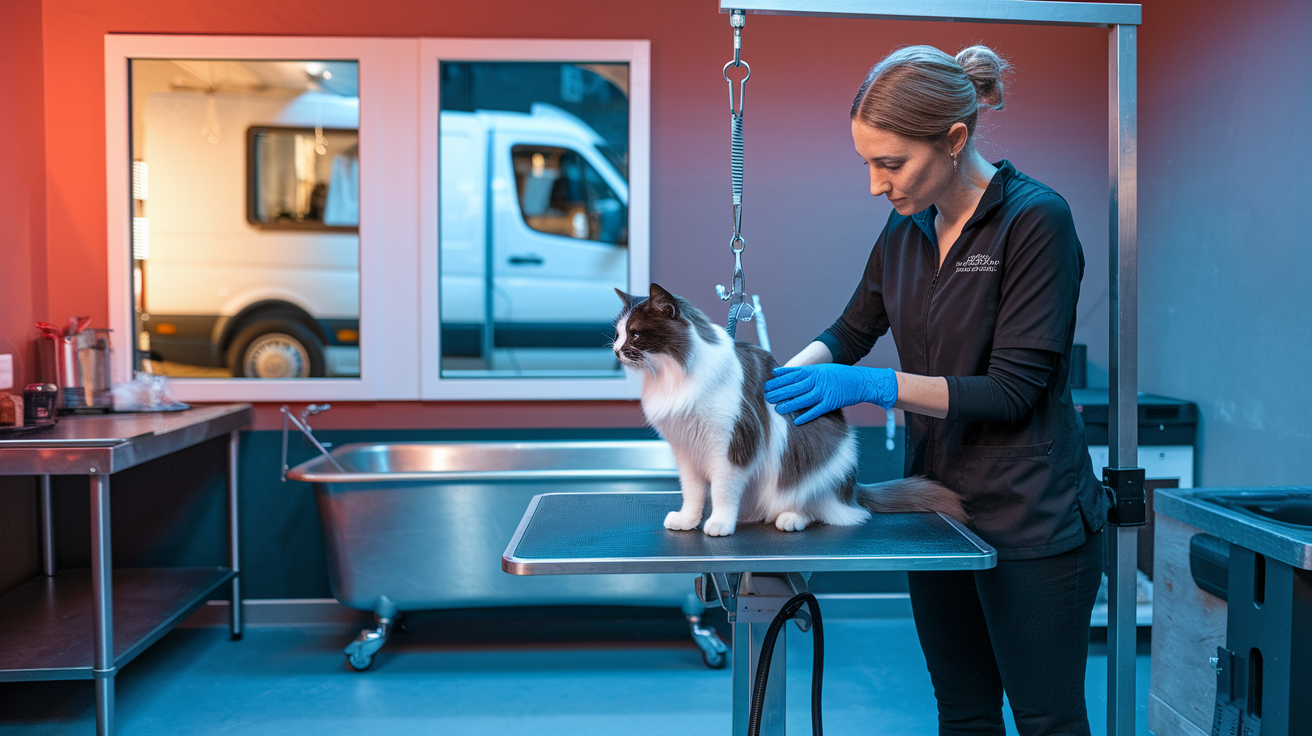
Some cats are simply too aggressive, too fearful, or too medically complex for safe home bathing. Professional groomers have specialized restraint tools, sedation protocols (in coordination with a veterinarian), and experience handling difficult animals. Mobile groomers can come to your home, which reduces the stress of car travel and unfamiliar environments. This option works especially well for senior cats or those with anxiety disorders.
Vet directed baths are necessary when a cat has been diagnosed with a condition requiring medicated treatment. Ringworm, severe seborrhea, and chemical contamination often need prescription shampoos applied under controlled conditions. Your veterinarian may perform the bath in clinic or provide detailed instructions for home use, including how long to leave the product on the skin and how to dispose of rinse water safely.
Severe aggression or biting that poses a safety risk to you or your cat calls for professional help. Heavy matting that can’t be brushed out and requires professional clipping or shaving. Medicated baths prescribed by a veterinarian for skin infections, parasites, or fungal conditions. Contamination with toxic chemicals like motor oil, paint, or antifreeze that require expert handling and thorough decontamination.
Final Words
Start by prepping a warm, quiet spot, brushing and trimming nails, and gathering towels, a non-slip mat, low-noise sprayer or cup, and cat shampoo.
Use calm-first and gradual desensitization methods. Follow the step-by-step bath sequence: wet from neck down, use cat shampoo, rinse well, avoid the face, towel dry, and keep your cat in a warm room. Watch for stress and stop if your cat panics.
Follow these tips for how to bathe a cat that hates water and reward your cat afterward. With patience, most cats can learn to tolerate short, safe baths.
FAQ
Q: How do you bathe an unwilling cat?
A: Bathing an unwilling cat involves prepping a calm, warm space, trimming nails, brushing, using shallow lukewarm water, wetting neck-down, cat shampoo, gentle rinsing, towel drying, and stopping if stress rises; consider wipes or a groomer.
Q: What is the 3-3-3 rule for cats?
A: The 3-3-3 rule for cats is a new-cat guideline: three days to hide and settle, three weeks to explore and form routines, and three months to feel fully comfortable and bonded in the home.
Q: What is the silent killer of cats?
A: The silent killer of cats is often chronic kidney disease, which progresses slowly with vague signs like increased thirst or subtle appetite change; early blood and urine tests catch it before severe illness.
Q: How do groomers handle difficult cats?
A: Groomers handle difficult cats by using low-stress techniques: towels or grooming hammocks, two-person handling, calming pheromones, quiet tools, short sessions, and safe sedation only when necessary for severe fear or injury risk.