
Is the closest pet store really the best choice, or just the easiest one to reach?
Choosing a pet supply store matters for your pet’s health, your wallet, and your time.
You’re balancing eight clear factors — staff knowledge, product quality, return rules, specialty care, stock, pricing, convenience, and honest labeling.
This post shows simple checks to do in-store or online, a quick rating method to compare shops, and the signs that mean a store is worth sticking with.
By the end you’ll know which store fits your pet’s needs and your routine.
Key Criteria for Choosing the Right Pet Supply Store

Choosing a pet supply store isn’t just about grabbing the closest bag of kibble. You’re weighing eight factors that touch your pet’s health, your wallet, and how much time you waste hunting down what you need. Staff knowledge, product quality, return flexibility, whether anyone behind the counter actually remembers your dog’s name or your cat’s grain allergy.
When you compare stores, walk through the list below during visits or while scrolling online. Check off each factor as you go so you’re deciding based on what counts, not just convenience or a sale sticker.
- Reliable brands — Stick with names that have been around and check reviews before you buy anything unfamiliar.
- Specialty retailer expertise — Niche stores (raw diets, reptiles, birds) train staff deeper and give better advice than generalists.
- Stock availability across four main categories — Make sure the store consistently carries food, grooming kits, bedding, and potty-training supplies. Multiple stops get old fast.
- Refund and return policy clarity — A clear policy protects you. Vague or missing terms? Walk away.
- Friendly and helpful staff — Do they greet you and your pet, ask about breed or health, suggest budget options without pushing?
- Special-needs awareness — Regular stores should learn your pet’s restrictions (allergies, sensitivities, behavioral quirks) and recommend products that fit.
- Accurate product labeling — Read ingredients and watch for preservatives, fillers, chemical additives. Online labels can be wrong, so double-check with the manufacturer.
- Animal health and adoption legitimacy — If they offer adoptions, check living conditions, ask about processes, and confirm staff can guide you on breed care and suitability.
Once you’ve gathered info on these eight, rate each store one to ten across pricing, product quality and variety, staff knowledge, location convenience, return policy presence, loyalty programs and savings, specialty item availability, and customer service or animal care. Stores scoring seven or higher are solid contenders.
Product Variety and Quality When Comparing Pet Supply Stores
Wide-range stores stock products for dogs, cats, birds, fish, and small mammals under one roof. Practical if you’ve got multiple pets or you want one stop. Specialty shops narrow focus to a single species or diet type (raw, grain-free, exotic), so their staff get ongoing training and can answer detailed questions about ingredients, feeding schedules, behavioral enrichment.
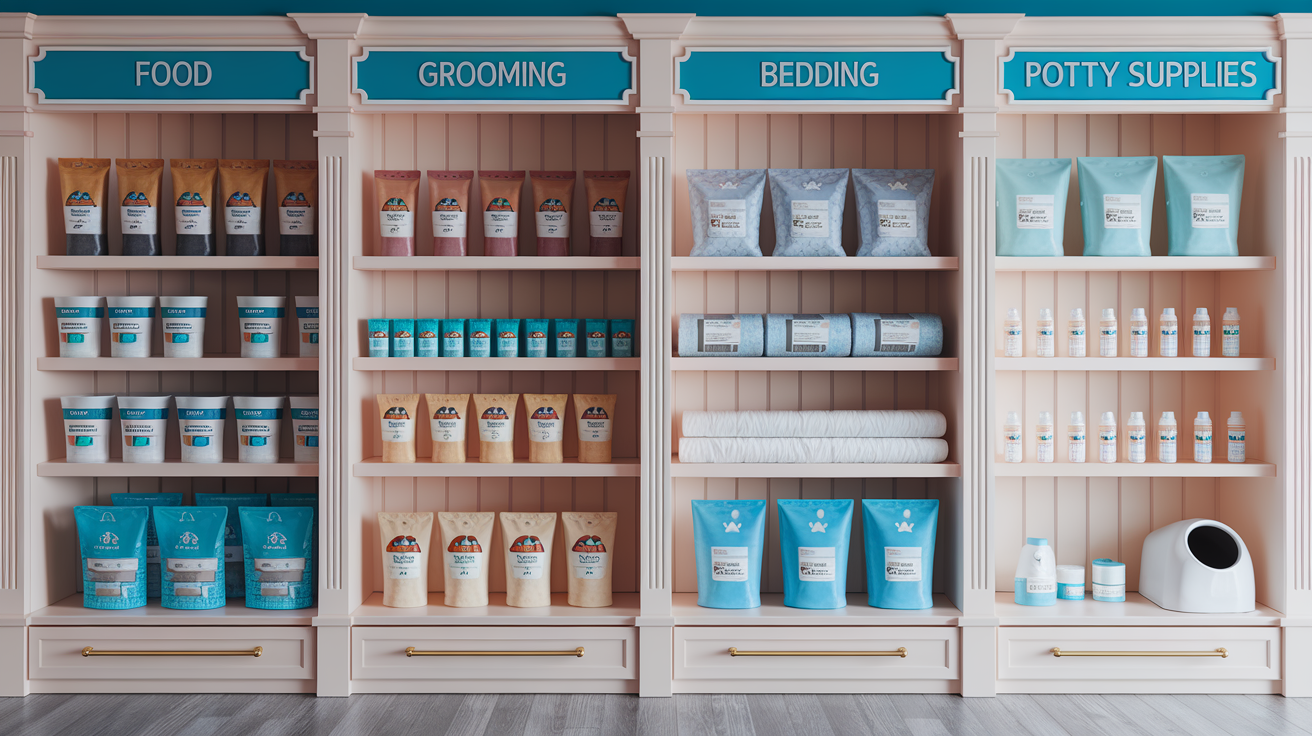
Check whether the store consistently carries all four essential categories: food (kibble, wet, raw, freeze-dried), grooming kits (shampoos, nail trimmers, brushes), bedding (crate pads, litter, substrate), and potty-training supplies (pads, litter boxes, outdoor cleaners). Missing even one means extra trips or multiple shipping orders.
- Food selection with visible ingredient panels
- Grooming kits that match coat type or species
- Bedding options for crates, tanks, or litter boxes
- Potty-training supplies including enzyme cleaners and absorbent materials
Inspect labels before you buy. Look for preservatives like BHA or BHT, fillers such as corn gluten meal or wheat middlings, chemical additives that might trigger allergies or digestive issues. Some online retailers display complete ingredient lists and guaranteed analysis panels, but cross-check those details with the manufacturer’s site to confirm accuracy.
Pricing, Savings, and Value Differences Across Pet Supply Stores

Pet supply stores vary wildly in base pricing, discount structures, long-term savings options. Do a price check on three to five staples (your pet’s regular food, favorite treats, bedding refills, grooming wipes) to get a clear cost baseline before you commit.
Loyalty programs are common across local shops, specialty retailers, big-box chains. A simple Frequent Buyer Program can save you hundreds every year. “Buy ten bags, get the eleventh free” adds up when you’re purchasing 30-pound food bags monthly. Stack loyalty rewards with monthly promotions (20% off all toys, double points on wellness items) and your total annual savings climb.
| Program Type | What It Offers | Typical Savings |
|---|---|---|
| Points Program | Earn 1 point per dollar, redeem points for discounts or free items | 5–10% back on total annual spend |
| Frequent Buyer | Buy X, get one free on select products (food, litter, treats) | 8–12% back on repeat purchases |
| Cash Back Rewards | Percentage of purchase returned as store credit or cash | 2–5% back per transaction |
| Adoption Rewards | One-time discount or bonus points for adopters, ongoing perks for rescue pet parents | $25–$50 initial bonus, then standard program benefits |
Local stores often counter the myth that independent retailers cost more by matching or beating chain pricing on national brands and offering competitive loyalty programs. Compare the effective per-unit price (price per pound, per ounce, per count) across stores to see where you get the best long-term value.
Customer Service and Staff Knowledge as a Deciding Factor Between Pet Supply Stores

Staff expertise shapes whether you leave with the right product or waste money on something that doesn’t fit. Specialty retailers invest in supplier-sponsored training where employees learn ingredient sourcing, species-specific nutrition, behavioral enrichment, so they can answer detailed questions and recommend alternatives when your first choice is out of stock.
Strong customer service starts when you walk in. Notice whether staff greet you and your pet by name (if you’re a repeat visitor), offer a treat or a quick scritch, ask open-ended questions about your pet’s breed, age, activity level, health concerns. Staff who take notes or remember your pet’s dietary restrictions from visit to visit signal that the store values individualized care over transactional speed.
Ask these six questions during your first or second visit to gauge staff knowledge:
- Can you identify where the food brands you carry are sourced and manufactured?
- Do you understand the care and behavior differences between dogs, cats, birds, reptiles, and small mammals?
- Where’s the nearest emergency pet hospital, and do you keep a list of after-hours vet contacts?
- Can you walk me through alternatives if my pet refuses this food or develops a sensitivity?
- Are you familiar with the ingredients and intended use of the products you stock, or do I need to research everything myself?
- Do you know local resources like training classes, dog parks, or species-specific meetups?
If staff answer confidently, offer to look up what they don’t know, provide written resources or product samples, the store is equipped to support you long-term.
Convenience Factors That Influence Choosing Between Pet Supply Stores

Location determines whether a store becomes part of your routine or a special trip you avoid. Pick stores along your normal commute, near your home, or close to your workplace so you can pop in for a forgotten item without rerouting your day. A store ten minutes out of your way costs you twenty minutes round-trip every visit. Hours add up over a year.
Store hours matter as much as location. If you work late or have an unpredictable schedule, look for retailers open until 8 or 9 p.m. on weekdays and offering weekend hours that align with your availability. Perfect selection doesn’t help if the place closes before you can get there.
When a nearby store is off your regular route, check whether it offers online ordering with home delivery or curbside pickup. Many local and specialty retailers now provide delivery within a set radius (5 to 15 miles) and let you call ahead for curbside service, turning an inconvenient location into a practical option. Confirm delivery fees, minimum order requirements, whether the store packs perishable or temperature-sensitive items (frozen raw food, refrigerated supplements) appropriately for transport.
Comparing Online vs. Local vs. Big-Box Pet Supply Stores

Each store type solves different problems. The right choice depends on whether you’re chasing selection, expertise, speed, or price. Online retailers give you access to niche brands and hard-to-find specialty items that local stores may not stock, but you’re relying on product descriptions and images instead of inspecting packaging, checking expiration dates, asking staff questions in real time.
Local independent stores build relationships over repeat visits. Staff greet your pet, introduce themselves, track your purchase history so they can recommend products that match your pet’s preferences and health needs. A Sacramento family-owned store operating since 1995 shows this model. Staff learn individual pets’ dietary restrictions, offer a Picky Eater Guarantee (exchange food until your pet loves it, no limit), provide VIP clinic services like vaccines, microchipping, lab testing, deworming alongside self-serve dog washing and ID tag manufacturing. Many local retailers now add delivery and curbside pickup, combining personalized service with modern convenience.
Big-box chains focus on speed and one-stop shopping. You can grab pet food, cleaning supplies, and groceries in a single trip, and checkout is fast. The trade-off is limited specialty selection (pet products occupy a small section of a general retail floor), minimal staff training on species-specific care, no local knowledge of nearby vets, trainers, or dog parks.
| Store Type | Strengths | Limitations |
|---|---|---|
| Online Retailers | Broadest brand access, convenient home delivery, easy price comparison, detailed product reviews | No in-person staff support, can’t inspect products before purchase, shipping delays, higher return complexity |
| Local Independent Stores | Personalized service, staff remember pets and needs, local vet and trainer referrals, flexible exchange policies, community events | Smaller selection of brands, may have higher base prices on some items, limited hours in some cases |
| Big-Box Pet Chains | Wide product range, competitive pricing, extended hours, one-stop shopping for household and pet items | Limited specialty expertise, transactional service, less knowledge of exotic or special-needs pets, generic product recommendations |
Matching Store Selection to Your Pet’s Specific Needs
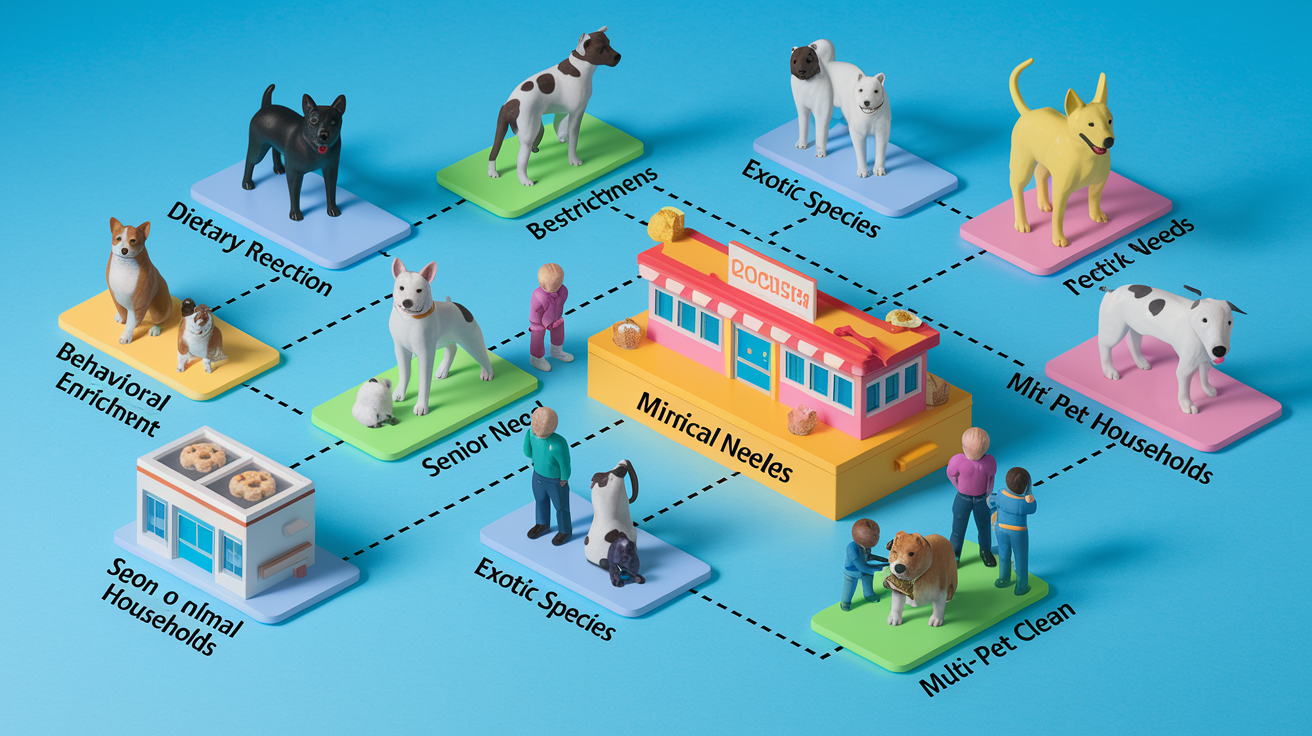
Your pet’s diet, health conditions, species, age, and household dynamics change which store type serves you best. If your dog has a grain allergy or your cat needs a hydrolyzed protein diet, specialty stores with trained staff and direct supplier relationships can source limited-ingredient foods and recommend alternatives when your brand is backordered. Local stores visited regularly build familiarity with your pet’s sensitivities, so staff stop suggesting products that trigger flare-ups and instead point you toward proven options.
Exotic pet owners (birds, reptiles, small mammals) benefit from stores with dedicated departments and employees who understand species-specific lighting, temperature, substrate, dietary needs. A general big-box store may stock basic gecko supplies, but a specialty reptile shop will carry UVB bulbs with the correct spectrum, calcium supplements without added phosphorus, substrates that won’t cause impaction. Senior pets need joint supplements, softer food textures, orthopedic bedding, so confirm the store regularly stocks age-appropriate products rather than just puppy and adult lines.
Match your household type to the store’s strengths:
- Dietary restrictions or allergies — Seek specialty stores with ingredient transparency, food trials, flexible return policies.
- Behavioral issues (anxiety, aggression, boredom) — Look for stores that stock enrichment toys, calming supplements, can refer local trainers or behaviorists.
- Exotic or less-common species — Choose retailers with species-specific departments and staff trained on habitat setup, feeding schedules, health monitoring.
- Senior or medical-needs pets — Go for stores carrying prescription diets, joint supplements, mobility aids, senior-specific gear.
- Multi-pet households — Favor wide-range stores or online platforms with bulk discounts and varied product lines so you’re not making separate trips for each species.
Product Safety and Quality Standards in Pet Supply Store Comparisons
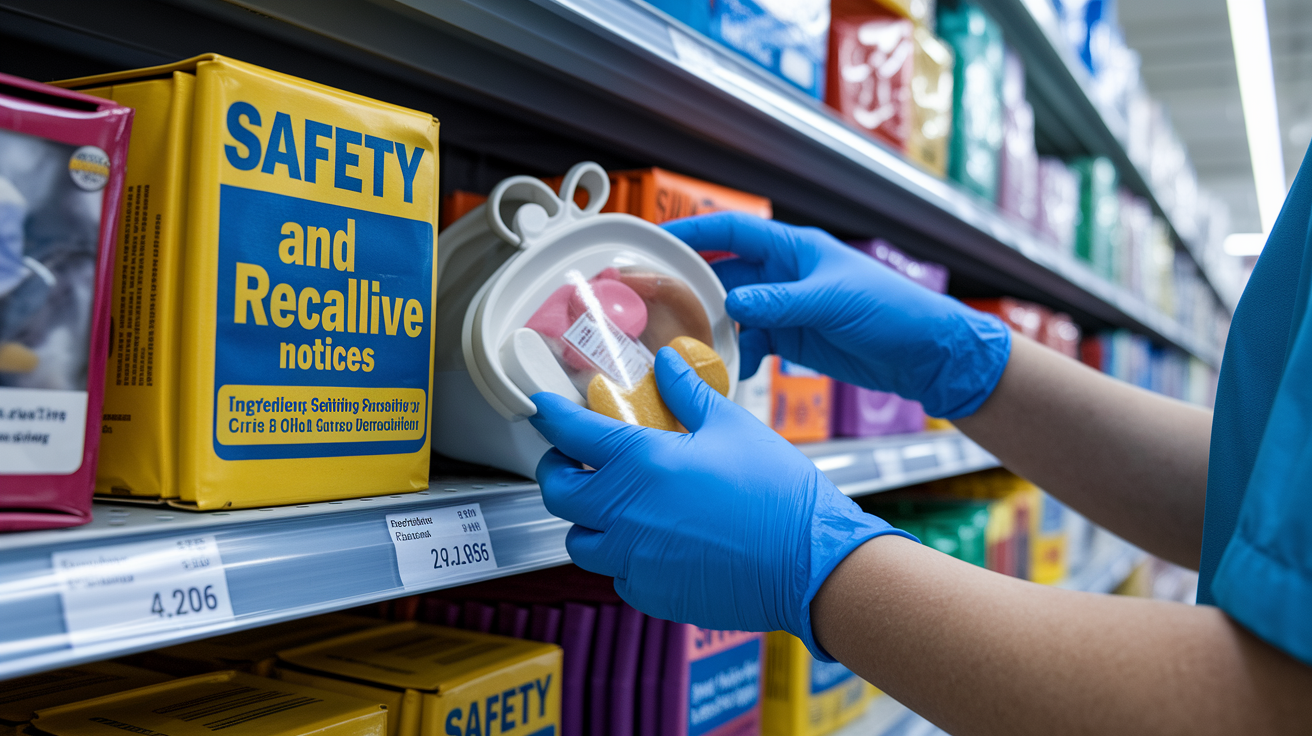
Product safety starts with ingredient transparency and recall responsiveness. Specialty stores often maintain direct contact with suppliers and can tell you where food is manufactured, what safety testing the company performs, whether the brand has a history of recalls. Local retailers with strong supplier relationships may pull products proactively if a safety concern arises, even before an official recall announcement.
Ask whether they inspect shipments for damaged packaging, check expiration dates on arrival, rotate stock so older inventory moves first. Stores that leave expired food on shelves or sell dented cans and torn bags at discount without clear labeling create safety risks. For toys and accessories, confirm the store knows which products meet safety standards (non-toxic materials, no small detachable parts for chewers, flame-retardant bedding) and whether they’ve verified supplier claims or rely solely on manufacturer descriptions. Check a brand’s recall history online before your first purchase, then ask store staff how they handled past recalls. That tells you whether the retailer cares about safety or just moves product.
Reputation Checks and Community Engagement When Choosing a Pet Supply Store

A store’s reputation shows up in customer reviews, but also in how it treats the local pet community. Stores that host adoption events, donate to rescues, sponsor low-cost vaccination clinics, support breed-specific meetups demonstrate long-term commitment beyond profit. Spending your money at a community-focused store means some of it cycles back into local animal welfare efforts.
Before you commit, verify the store’s refund and return policies, read recent customer reviews for patterns (consistent complaints about expired stock, rude staff, refused returns are red flags), observe how staff interact with animals in-store if the retailer offers adoptions or boarding. Animals should be clean, alert, housed in appropriate enclosures with visible water and food, handled gently by staff who can answer health and care questions.
Use this four-step reputation check:
- Read at least ten recent reviews (within the past six months) on multiple platforms to spot consistent praise or recurring problems.
- Verify the refund and return policy is posted clearly in-store and online. A missing or vague policy signals potential trouble.
- Visit in person and observe staff interactions with customers and animals. Friendly greetings, knowledgeable answers, calm handling are good signs.
- Ask whether the store supports local rescues, hosts adoption events, contributes to community pet programs. Strong community ties usually match up with better long-term service.
Final Words
Start by scoring stores on the eight key factors: reliable brands, specialty expertise, stock across food/grooming/bedding/potty, clear returns, helpful staff, special-needs support, accurate labels, and adoption legitimacy.
Use the 1–10 scorecard for pricing, product quality, staff knowledge, convenience, return policy, loyalty perks, specialty items, and customer service. Tally the totals and compare.
This simple, repeatable method is how to choose between pet supply stores. You’ll find a shop that fits your pet and your life, and feel ready to shop with confidence.
FAQ
Q: What is the 3-3-3 rule for pets?
A: The 3-3-3 rule for pets explains new-pet adjustment: three days of initial shock, three weeks to settle into routines, and three months for full bonding and consistent training with steady routines and vet checks.
Q: What are red flags in a pet store?
A: Red flags in a pet store include sick or crowded animals, dirty enclosures, no vaccination records, expired or mislabeled products, pushy staff, unclear return policies, and poor staff knowledge about pet care.
Q: What is the 95 rule for pet food?
A: The 95 rule for pet food requires that a single-meat product (for example, “chicken”) contain at least 95% of that meat by weight, excluding water, to meet common labeling standards.
Q: What are the best pet supply brands?
A: The best pet supply brands vary by need; trusted names include Hill’s, Royal Canin, Purina, Orijen for food, and Kong, PetSafe, Furminator, Earth Rated for toys, training, and grooming.