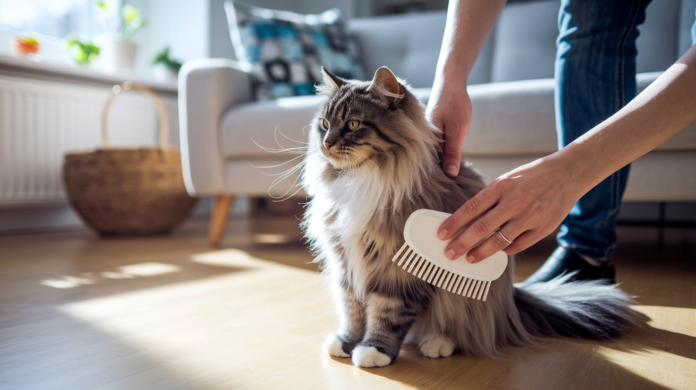

What if you could cut your cat’s hairballs with just a few minutes of daily routine?
Cats swallow a lot of loose fur when they groom, and sometimes it clumps up into a hairball that makes them retch and leaves a mess for you.
This post gives simple, practical daily methods like quick brushing, water and wet food tweaks, small fiber or oil supplements, and easy home changes that start reducing hairballs within a week.
Do them consistently and you’ll see less retching, less mess, and a calmer cat.
Immediate Solutions to Reduce Cat Hairballs Effectively
Cats spend anywhere from 15% to 50% of their day grooming themselves. That’s a lot of licking, which means they’re swallowing loose fur constantly. Most of that hair just slides through the digestive system without a problem, but sometimes it clumps up in the stomach and gets coughed back up as a hairball. You’re looking at something around 1 to 5 inches long, usually shaped like a sausage, and it can contain up to 30% fat from the natural oils in your cat’s coat.
If your cat hacks up a hairball every few weeks, that’s normal. Once a week or more? That’s when you’ve got a problem. You’ll see more of them during spring and fall when shedding goes into overdrive. But here’s the good news. You can start cutting down on hairballs today with a few simple steps that work fast.
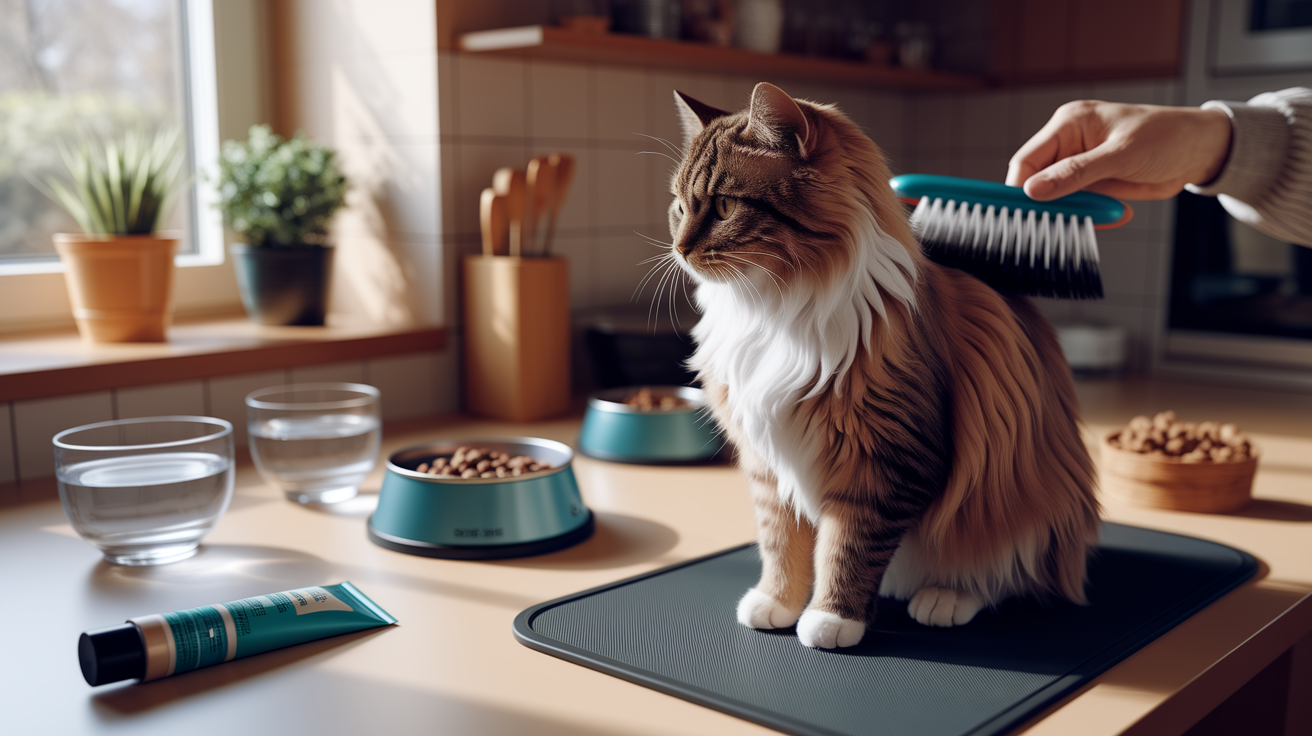
Here’s what you can do right now to stop the next one:
- Grab a brush or grooming glove and remove loose fur immediately, even if it’s just for a minute or two.
- Give your cat some wet food to add moisture and help move any swallowed hair through the system.
- Make sure there’s fresh water available in at least two spots to get them drinking more.
- If you’ve got hairball gel or paste on hand, give the dose at least an hour before or after mealtime so it doesn’t mess with nutrient absorption.
- Check the litter box over the next day to make sure stool looks normal, which tells you hair is passing through instead of piling up.
When you do these things consistently, most cats will produce fewer hairballs within a week or two. You’ll notice less retching, shorter episodes, and longer gaps between hairballs. If the frequency doesn’t drop after two weeks of daily grooming and diet tweaks, it’s time to call your vet.
Grooming Routines to Reduce Cat Hairballs at Home
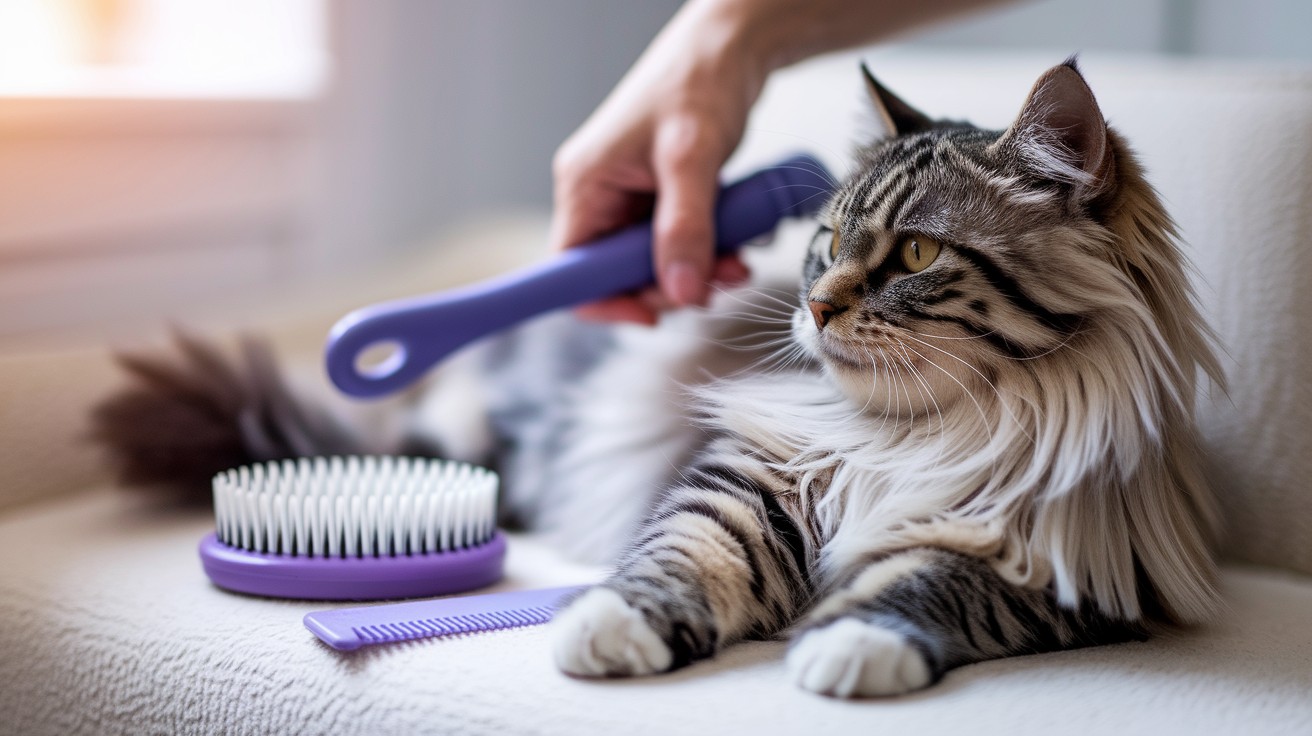
Regular grooming is hands down the most effective way to stop hairballs before they happen. It removes loose fur before your cat can swallow it. How much brushing your cat needs depends on coat length and how heavily they shed. Long haired breeds like Persians, Maine Coons, and Ragdolls do best with daily sessions of 5 to 10 minutes. Medium haired cats need brushing three to five times a week. Short haired cats usually only need it one to three times a week, though you can bump that up during seasonal shedding peaks.
Different coat types respond better to certain tools. Here’s what works:
- Deshedding tools like Furminator rakes pull out loose undercoat without cutting hair. Use them once or twice a week when shedding is heavy.
- Slicker brushes have fine, bent wires that work well on long or fluffy coats to detangle and remove mats.
- Rubber grooming gloves or bristle brushes are great for short haired cats and double as a gentle massage your cat might actually like.
- Massage brushes like the Furbliss Pet Brush work for cats that don’t tolerate traditional brushes or for owners who want a calm, low pressure grooming session.
- Wide tooth combs help work through tangles in long hair before you switch to a slicker brush.
- If mats form, use clippers or visit a groomer instead of scissors, which can easily nick your cat’s thin skin.
Step-by-Step Brushing Technique
A lot of cats handle grooming better when you start small and build up slowly. Begin when your cat’s relaxed, ideally after a short play session or a meal when their energy is lower and they’re calm.
Here’s how to make brushing easier:
- Start with just a few strokes along the back and shoulders where most cats don’t mind being touched.
- Stop as soon as your cat shows discomfort, even if it’s only been 30 seconds. You’re building trust, not checking off a list.
- Offer a small treat or gentle praise after every session so your cat links the brush with something positive.
- Gradually make sessions longer as your cat gets more tolerant. Aim for 5 to 10 minutes once they’re comfortable.
- Always brush in the direction of hair growth, never against it, which can irritate skin and break the coat.
Dietary Adjustments for Hairball Prevention in Cats

What your cat eats directly affects coat quality, shedding volume, and how well the digestive system moves swallowed hair. Moisture is one of the biggest factors. Wet food formats like canned, dehydrated, freeze dried, or raw give your cat more water than kibble does, which helps soften any ingested hair and keeps it moving through the intestines. Diets rich in animal protein also support healthier skin and a stronger coat, so there’s less brittle hair breaking off during grooming.
Fiber helps too. It binds to swallowed hair and carries it through the digestive tract before it can turn into a hairball. Ingredients like sweet potato, pumpkin, chicory root, and pea fiber show up a lot in hairball control formulas. During heavy shedding periods in spring and fall, you can add about a teaspoon of plain canned pumpkin or a product like Pumpkin Super Supplement to your cat’s daily food. That small fiber boost can make a noticeable difference in how often hairballs show up.
If you’re switching from dry food to wet or changing to a hairball control formula, make the transition slowly over 7 to 10 days. Start by mixing a small amount of the new food with what they’re eating now and gradually increase the proportion each day. Quick changes can upset your cat’s stomach and cause vomiting or diarrhea, which defeats the whole point.
High fiber ingredients to look for on food labels:
- Pumpkin or sweet potato
- Pea fiber or beet pulp
- Chicory root or butternut squash
- Cellulose or psyllium husk
Natural Supplements and Remedies to Support Hairball Reduction

Supplements can fill in the gaps when grooming and diet alone aren’t enough. Digestive enzymes added to your cat’s food help break down ingested hair and improve overall nutrient absorption. Daily fish oil supplements, especially those made from salmon, pollock, or sardine, deliver omega 3 fatty acids that nourish the skin and coat, reduce shedding, and support the intestinal tract’s ability to move hair through smoothly.
Hairball gels and pastes are easy to find over the counter. They contain petroleum jelly, mineral oil, or soybean oil to lubricate the digestive system. These products work, but timing matters. Give the labeled dose at least an hour before or after meals so the oil doesn’t coat the food and block nutrient absorption. Some cat owners prefer herbal options like slippery elm or marshmallow root, which provide mucilage that coats and soothes the gut lining. Always check with your vet before adding any supplement to make sure it’s safe for your individual cat, especially if your cat has a chronic health condition or takes medication.
| Remedy Type | Primary Benefit | Notes |
|---|---|---|
| Hairball gel (petroleum-based) | Lubricates gut to move hair | Give 1 hour away from meals |
| Fish oil (omega-3) | Reduces shedding, improves coat | Daily use, dose per label or vet |
| Digestive enzymes | Breaks down swallowed hair | Mix into food at each meal |
| Pumpkin or fiber supplement | Binds hair, aids passage | 1 teaspoon during heavy shedding |
Understanding Cat Hairball Patterns and When to Seek Vet Care
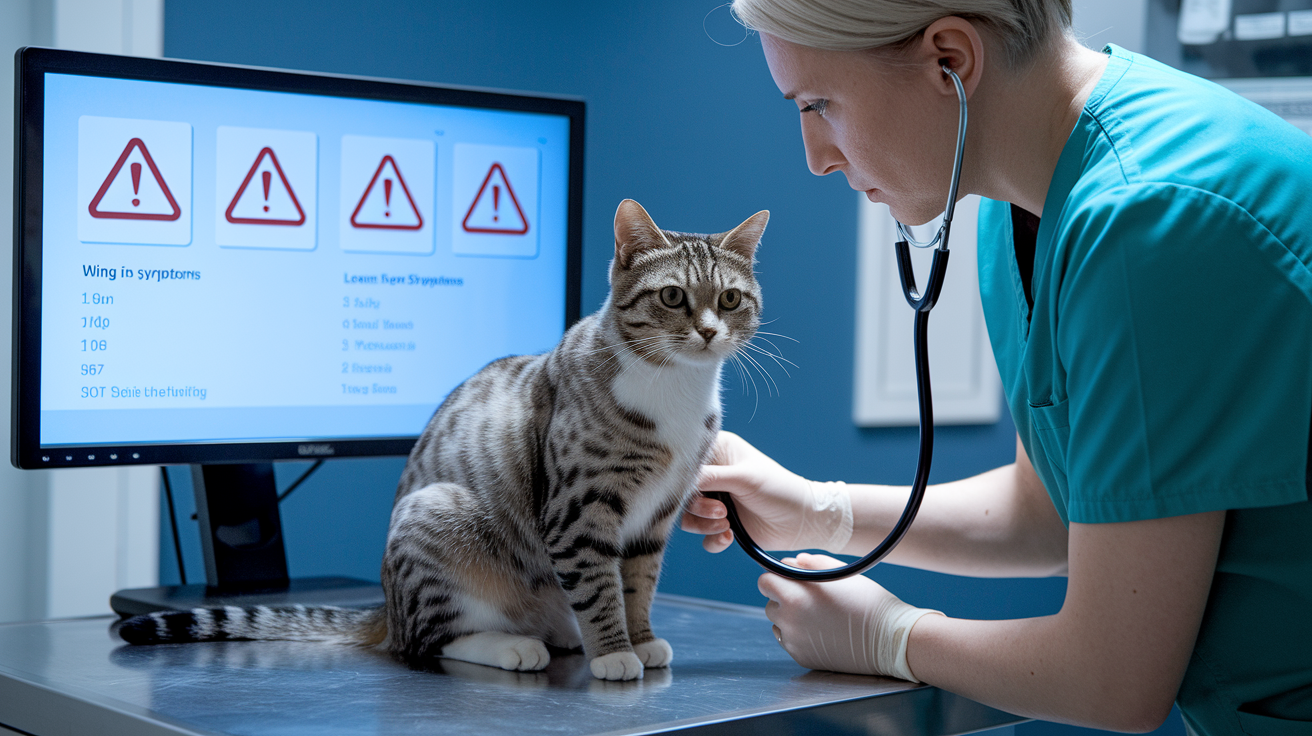
A hairball every few weeks is typical. Every week? That’s not. If your cat’s hacking up hairballs more than once or twice a month despite regular grooming and diet changes, it’s time to talk to your vet. Frequent hairballs can point to an underlying digestive issue, a skin condition causing excessive shedding, or compulsive grooming triggered by stress or allergies.
Some symptoms need immediate veterinary attention instead of home management. If your cat is retching over and over without producing a hairball, that can mean a blockage is forming. Diarrhea, visible abdominal pain, refusing to eat, no stool production for more than 24 hours, or extreme lethargy are all red flags that a hairball may be stuck in the intestines. An obstruction left untreated can become life threatening and may require imaging like ultrasound or X rays, and in severe cases, endoscopy or surgery to remove the blockage.
Even if your cat isn’t showing emergency signs, schedule annual wellness exams to catch problems early. Cats over seven years old or those with chronic conditions benefit from checkups every six months. During these visits, your vet can assess coat quality, check for skin irritation or parasites, and run bloodwork if repeated vomiting has been an issue. Chronic conditions like inflammatory bowel disease or even lymphoma can first show up as frequent hairballs or vomiting, so early diagnosis improves outcomes.
Watch for these warning signs and contact your vet if you notice any:
- Hairballs or vomiting more than once per week
- Repeated retching with no hairball produced
- No bowel movement for 24 hours or longer
- Blood in vomit or stool
- Loss of appetite, weight loss, or dehydration
Long-Term Hairball Prevention Through Coat, Skin, and Environment Management
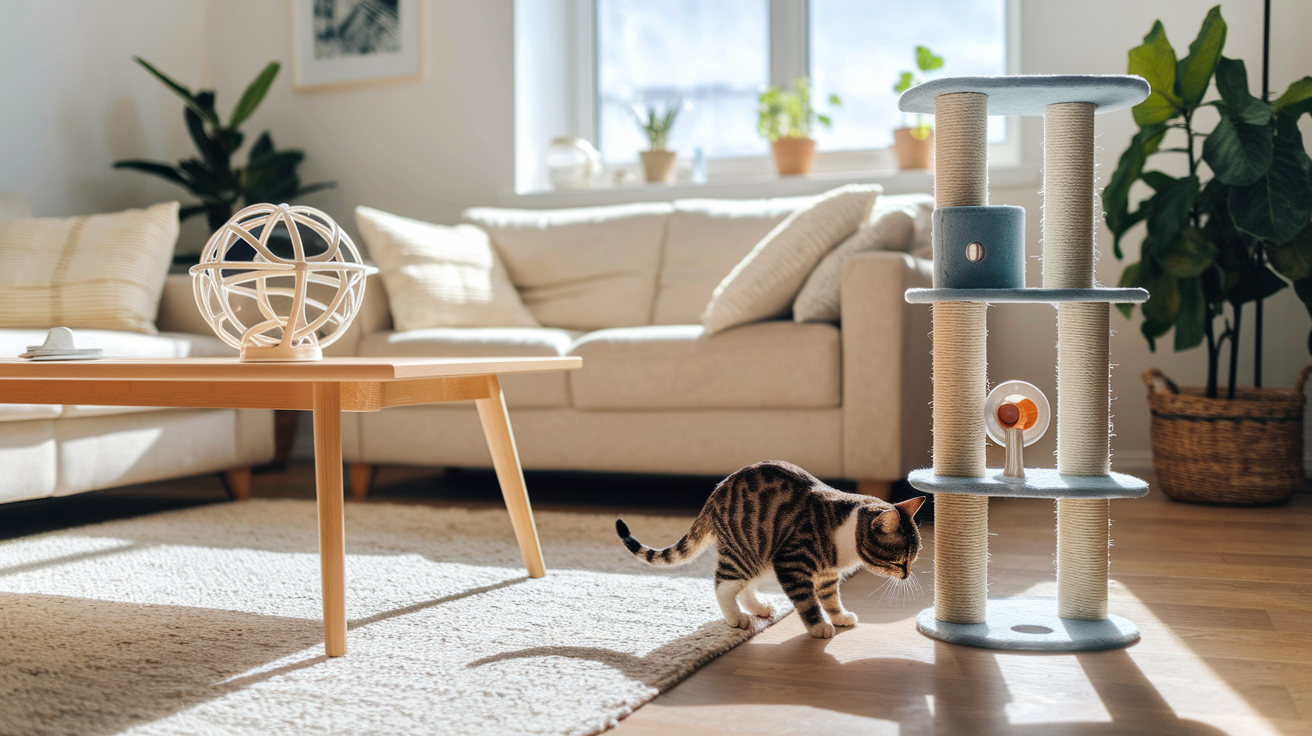
Beyond grooming and diet, the environment you create for your cat affects how much they groom themselves and how healthy their coat stays. Cats that are bored, anxious, or stressed often overgroom as a coping behavior, which leads to more ingested hair and more frequent hairballs. Providing enrichment like puzzle feeders, interactive toys, vertical climbing spaces, and regular play sessions can reduce compulsive licking. Even small changes like rotating toys weekly or adding a window perch can make a difference.
Coat and skin health also play a long term role in hairball frequency. A brittle, dry coat sheds more and breaks easily during grooming, which means your cat swallows more loose hair. Omega 3 fatty acids from fish oil or algae based supplements strengthen hair shafts and reduce breakage. Seasonal shedding is heaviest in spring and fall, so plan to increase grooming frequency during those months and keep an eye on hairball patterns. If you notice a sudden increase in shedding outside of those windows, check for skin conditions, parasites, or dietary deficiencies that might be weakening the coat.
Five ways to support your cat’s environment and reduce overgrooming:
- Add at least two 10 minute interactive play sessions each day using wand toys or laser pointers.
- Rotate toys every week so they feel new and interesting.
- Provide vertical space like cat trees or wall mounted shelves to reduce territorial stress in multi cat homes.
- Use puzzle feeders or treat dispensing toys to slow eating and add mental stimulation.
- Keep litter boxes clean (scoop daily) and place them in quiet, low traffic areas to reduce anxiety.
Breed-Specific Hairball Reduction Strategies for Cats
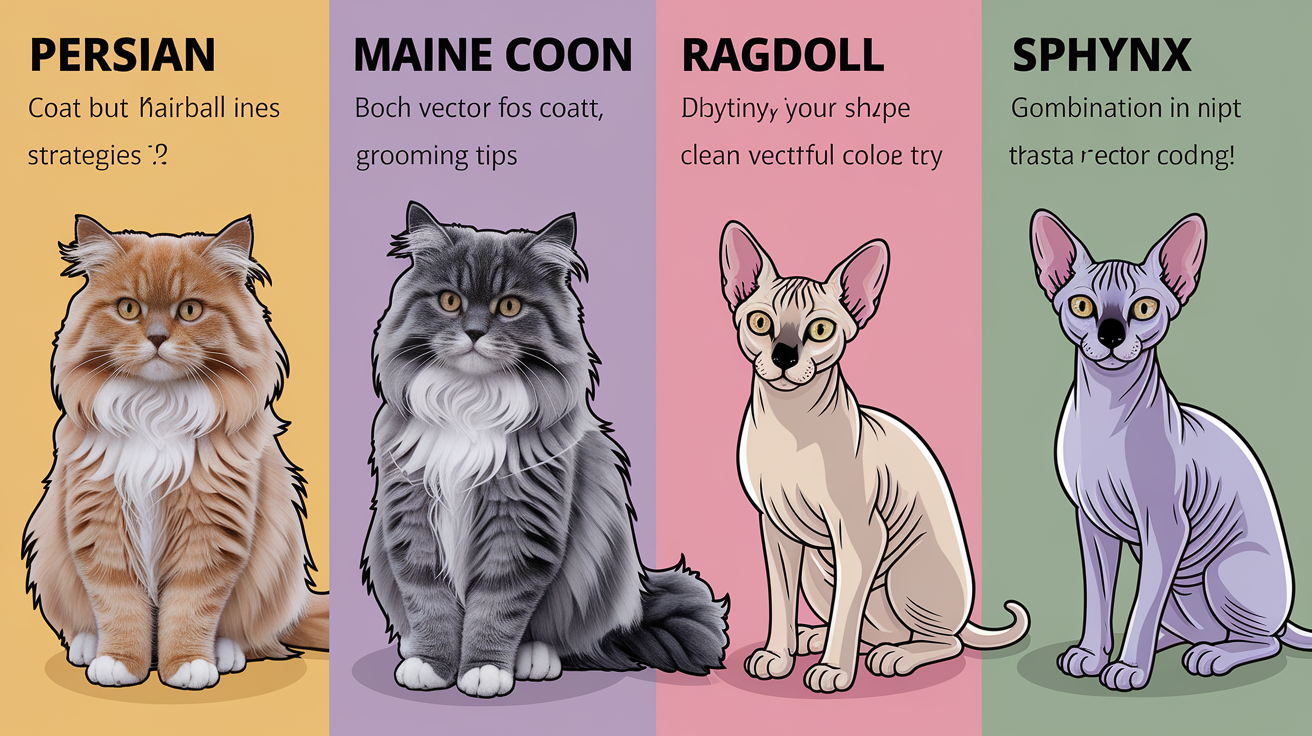
Not all cats have the same hairball risk. Breed plays a big role in how much grooming attention your cat will need. Long haired breeds like Persians, Maine Coons, and Ragdolls have thick, flowing coats that mat easily and shed year round. These cats need daily brushing, and many benefit from professional grooming every 8 to 12 weeks to trim problem areas and remove deep mats that home brushing can’t reach. Skipping even a few days of grooming can lead to tangles that pull at the skin and increase the amount of loose hair your cat swallows.
Medium haired and short haired cats shed less and tolerate longer stretches between grooming sessions, but they still benefit from weekly brushing. Breeds like the British Shorthair or American Shorthair have dense coats that shed heavily during seasonal changes, so increase brushing to three times per week in spring and fall. Even hairless breeds like the Sphynx aren’t completely off the hook. They don’t have fur to shed, but they produce body oils that accumulate on the skin, and they groom themselves just like other cats. Regular bathing or wiping with grooming wipes helps reduce the oils they ingest during self cleaning.
Unique grooming needs by breed:
- Persians: daily combing with a wide tooth comb followed by a slicker brush. Face and eye area need gentle daily cleaning.
- Maine Coons: daily brushing focusing on the ruff, belly, and tail where mats form most often. Consider a deshedding tool in spring and fall.
- Ragdolls: daily brushing with attention to the underarms and behind the ears. Their silky coat tangles less than a Persian’s but still sheds heavily.
- Sphynx: weekly bathing or daily wipe down with a damp cloth to remove oils. No fur means fewer hairballs, but grooming behavior remains.
Final Words
in the action, we covered fast fixes like brushing, offering wet food, boosting hydration, and the right timing for hairball gel. We also noted what hairball frequency is normal and what needs watching.
We gave grooming schedules, diet tips, safe supplements, breed notes, and a red flag checklist. Keep simple journal notes on stool, vomiting, appetite, energy, and grooming frequency.
If things don’t improve, call your vet. Use this plan as a practical guide for how to reduce cat hairballs and keep your cat more comfortable.
FAQ
Q: What can I give my cat to stop hairballs?
A: To stop hairballs, give your cat a vet-approved hairball gel in the labeled dose, offer more wet food, a teaspoon of canned pumpkin for fiber, fish oil for coat, and regular brushing.
Q: Does dry cat food cause hairballs?
A: Dry cat food can contribute to hairballs but does not directly cause them. Low moisture and low-fiber diets slow gut transit, so adding wet food and brushing helps reduce hair buildup.
Q: Can cats poop out hairballs?
A: Cats can poop out hairballs sometimes. Some hair passes in stool while other hair is vomited; watch for straining, no stool, or lethargy, which need prompt vet attention.
Q: What age do cats start having hairballs?
A: Cats start having hairballs when they begin regular grooming and adult shedding, often around 6–12 months, though older kittens and adults can develop them during seasonal shedding.