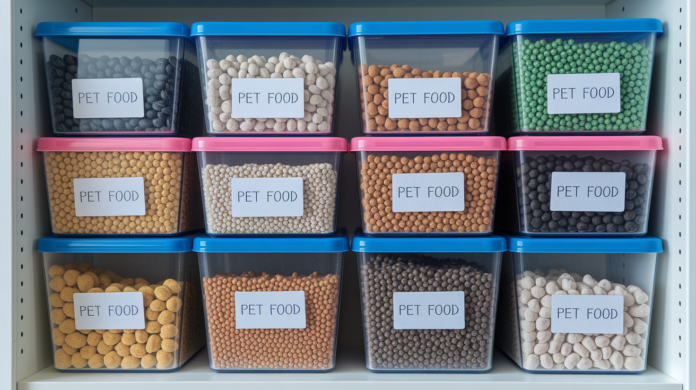

Think tossing your pet’s kibble into a bin is the same as proper storage? Think again.
How food is stored affects freshness, nutrients, and your pet’s stomach.
Fats go rancid, vitamins break down, and mold or bugs can move in if food sits warm, humid, or open.
This post shows simple, daily steps to keep food fresh longer and protect your pet.
Follow three rules: keep it cool, keep it dry, and keep it sealed.
You’ll cut waste, avoid tummy trouble, and save money.
Essential Steps for Storing Pet Food Safely and Effectively
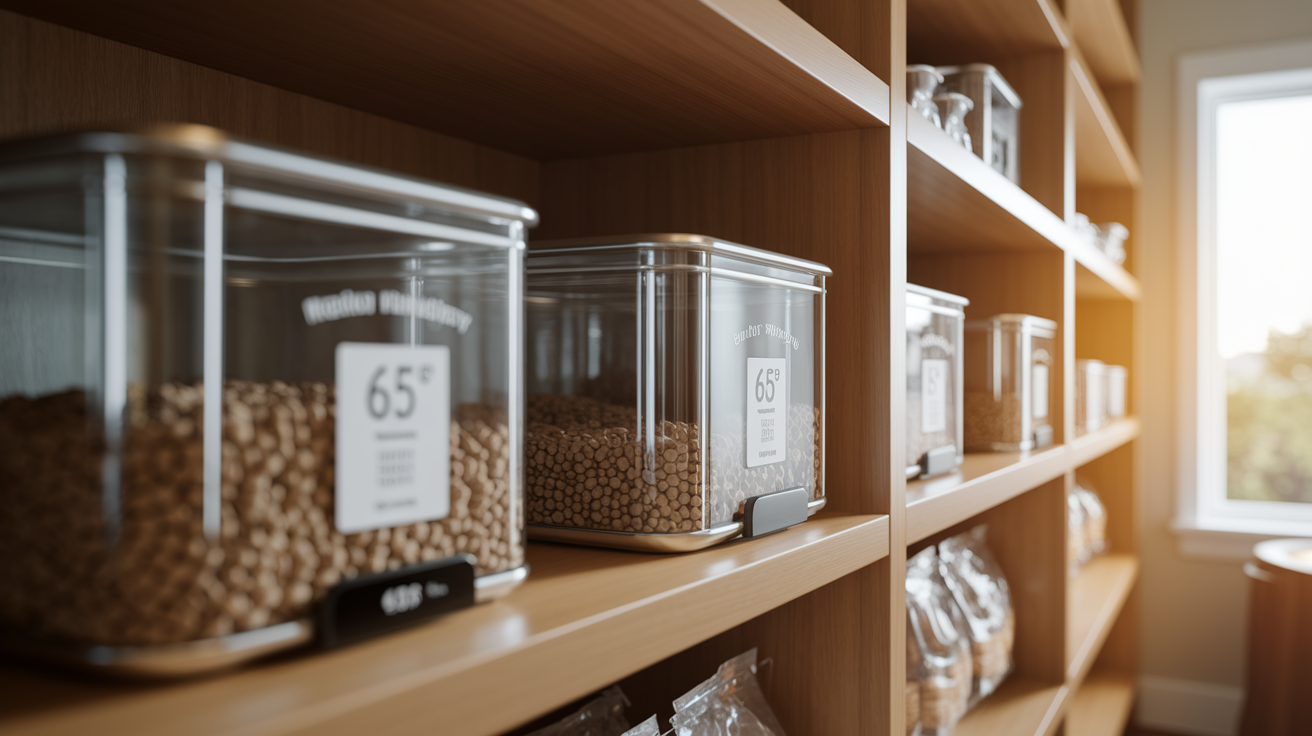
How you store your dog’s or cat’s food matters more than you’d think. Leave it sitting in warm, humid, or open conditions and the fats go rancid, vitamins break down, and bacteria or mold start moving in. That can mean vomiting, diarrhea, or nutritional gaps that show up over time.
Three rules work for every type of pet food: keep it cool, keep it dry, keep it sealed. Store food somewhere between 50–70°F with humidity under 60%. Use airtight containers or reseal the original bag tight to block oxygen, moisture, and pests.
Here’s what to do right now:
- Leave dry food in its original bag, then slide that bag into an airtight, food‑grade container.
- Store unopened and opened dry food in a cool, dry spot away from heat and sunlight.
- Transfer opened wet food to a sealed container and get it in the fridge right away. Use it within 3–5 days.
- Freeze raw pet food at 0°F and thaw only what you’ll use in 24–48 hours, in the fridge.
- Label containers with the date you opened the food so you know when to toss it.
- Check for weird smells, mold, or pests before every feeding.
Different foods need different care, so the sections below walk you through dry kibble, wet cans, raw diets, and specialized products. Each one includes shelf‑life windows, container choices, and safety checks you can use today.
Best Practices for Storing Dry Pet Food to Maintain Freshness
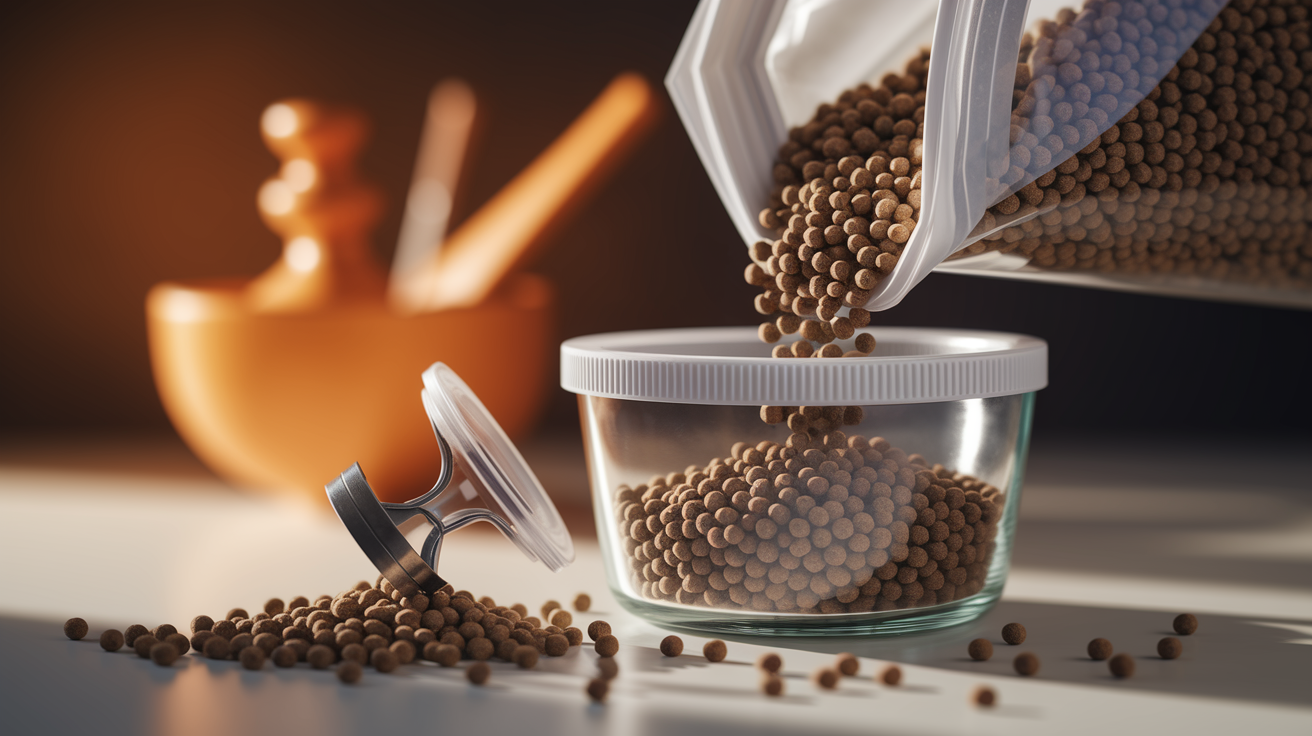
Keep your dog’s or cat’s dry food in its original bag. Manufacturers test shelf life and nutrient stability in that packaging, and the bag has the lot number, batch code, and expiration date you’ll need if there’s a recall. Pouring kibble straight into a bin loses that information and exposes food to more air and light.
Once you open a bag, squeeze out as much air as you can, fold the top down tight, and secure it with a bag clip, rubber band, or tape. Then slide the whole sealed bag into an airtight container. This double layer slows fat oxidation and keeps out humidity, insects, and curious pets.
Choosing the Right Container
An airtight seal is the most important feature. Air carries moisture and oxygen, both of which speed up rancidity and nutrient breakdown. Look for containers with gasketed lids or locking mechanisms that create a firm seal around the rim.
Size matters too. Buy a container that holds roughly one to two months of food based on how much your pet eats. If your dog goes through a 30‑pound bag in six weeks, a container sized for 30–35 pounds works well. Oversized bins tempt you to buy bulk bags that sit open too long.
Dry kibble stays freshest when used within 4–8 weeks after opening. If you notice a stale smell, a greasy feel, or your pet suddenly refuses to eat, the fats have probably oxidized. Toss it and start fresh. Even if the “best by” date is months away, opened food degrades faster than sealed food.
How to Store Wet and Canned Pet Food the Right Way
Unopened cans and pouches are shelf‑stable and typically last two to five years when stored in a cool, dry spot. Check the printed date on each can and rotate stock so older cans get used first. Keep them away from heat sources like ovens, water heaters, or sunny windowsills. High temperatures degrade nutrients and mess with texture.
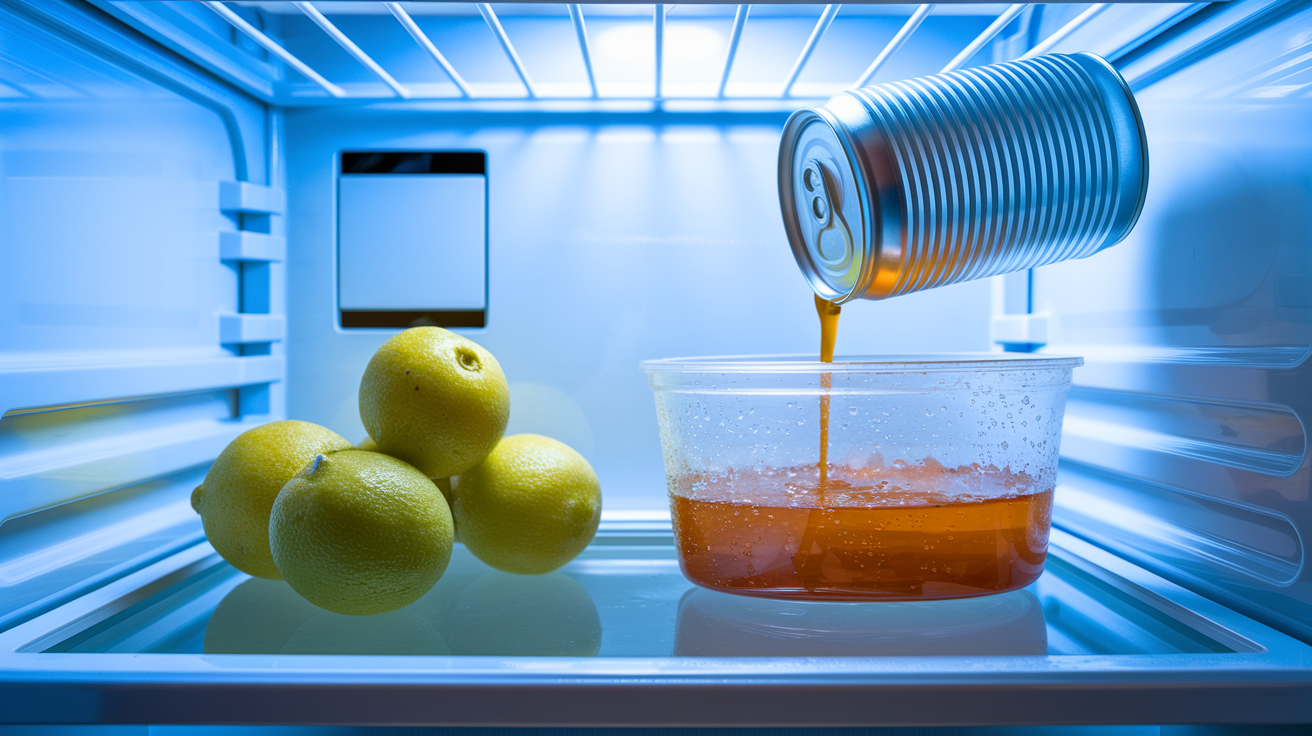
Once you pop a can or tear open a pouch, bacteria start multiplying within minutes. Transfer any uneaten portion into a clean, airtight container right away and refrigerate it immediately. Leaving wet food in the opened metal can is fine for a few hours in the fridge, but transferring to plastic or glass prevents metallic taste and makes portioning easier.
Opened wet food lasts three to five days in the refrigerator. Write the date on the container lid so you remember when you opened it. If wet food sits at room temperature for more than four hours, toss it. In hot or humid weather, cut that window down to one or two hours.
Here’s when to throw out wet food:
- After sitting out for 4 hours at room temperature, or 1–2 hours in warm conditions
- After 5 days in the refrigerator, even if it looks fine
- If it develops an off smell, visible mold, or unusual color
- If the can is bulging, dented along a seam, or leaking
- If your cat or dog refuses to eat it or shows signs of stomach upset afterward
Safe Storage Guidelines for Raw, Frozen, and Fresh Pet Diets
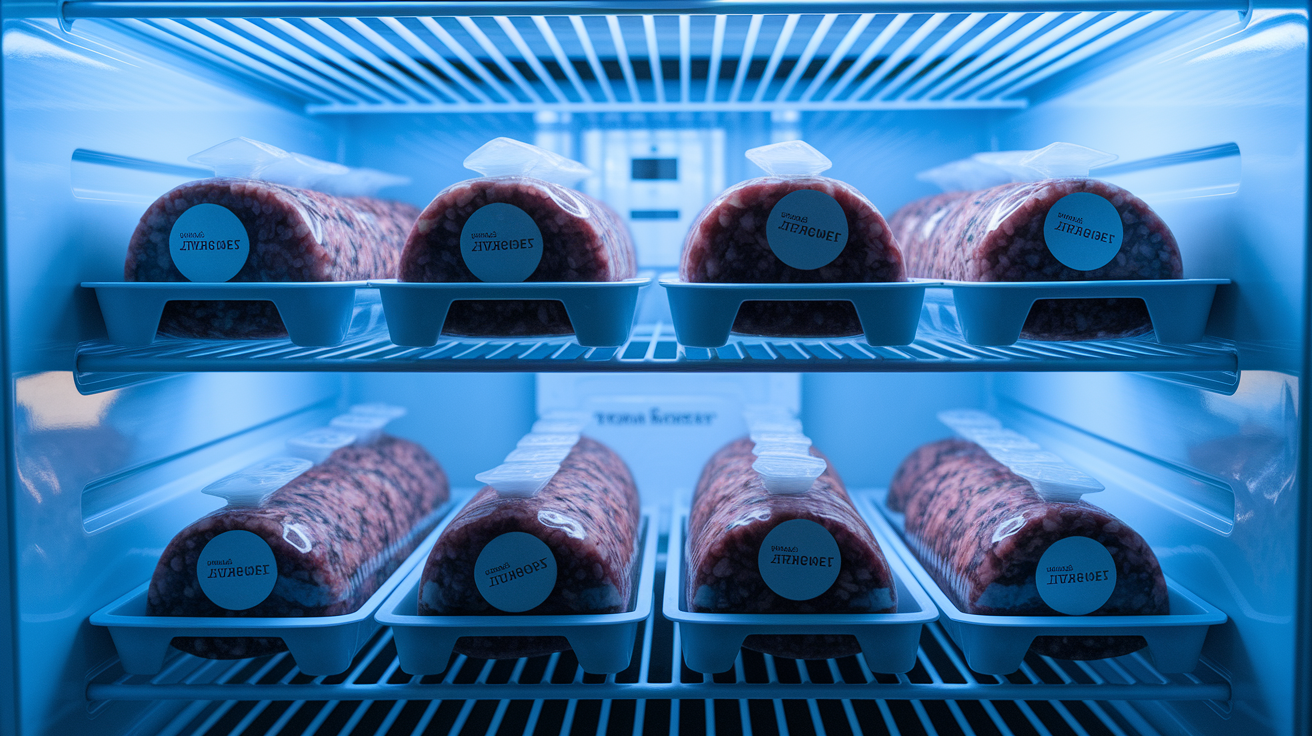
Raw and frozen diets must stay at 0°F or colder to stop bacterial growth. Most commercial raw foods stay safe and nutrient‑rich for three to six months in the freezer, but always check the package for the manufacturer’s guidance. Label each package with the date you bought it so you use the oldest food first.
When it’s time to feed, move a portion from the freezer to the refrigerator and let it thaw slowly overnight. Thawed raw food should be used within 24–48 hours. Never leave raw food on the counter to thaw at room temperature, and never refreeze food once it’s been fully thawed. Refreezing creates ice crystals that damage texture and can let bacteria survive freeze cycles.
Preventing Cross‑Contamination
Handle raw pet food exactly like you handle raw chicken or beef for your own meals. Wash your hands with soap and warm water before and after touching raw food. Use separate cutting boards, knives, and bowls for pet food prep, or thoroughly sanitize shared tools with hot, soapy water and a diluted bleach solution. Wipe down countertops and any surfaces the raw food touched.
Store raw food on the lowest refrigerator or freezer shelf so drips can’t contaminate other foods. Place thawing packages on a rimmed tray or plate to catch leaks.
Avoid these risky mistakes:
- Thawing raw food on the counter or in warm water
- Refreezing previously thawed portions
- Using the same utensils for raw pet food and human food without sanitizing between uses
- Letting pets lick your hands or face right after handling raw meat
Understanding Pet Food Shelf Life and Expiration Dates
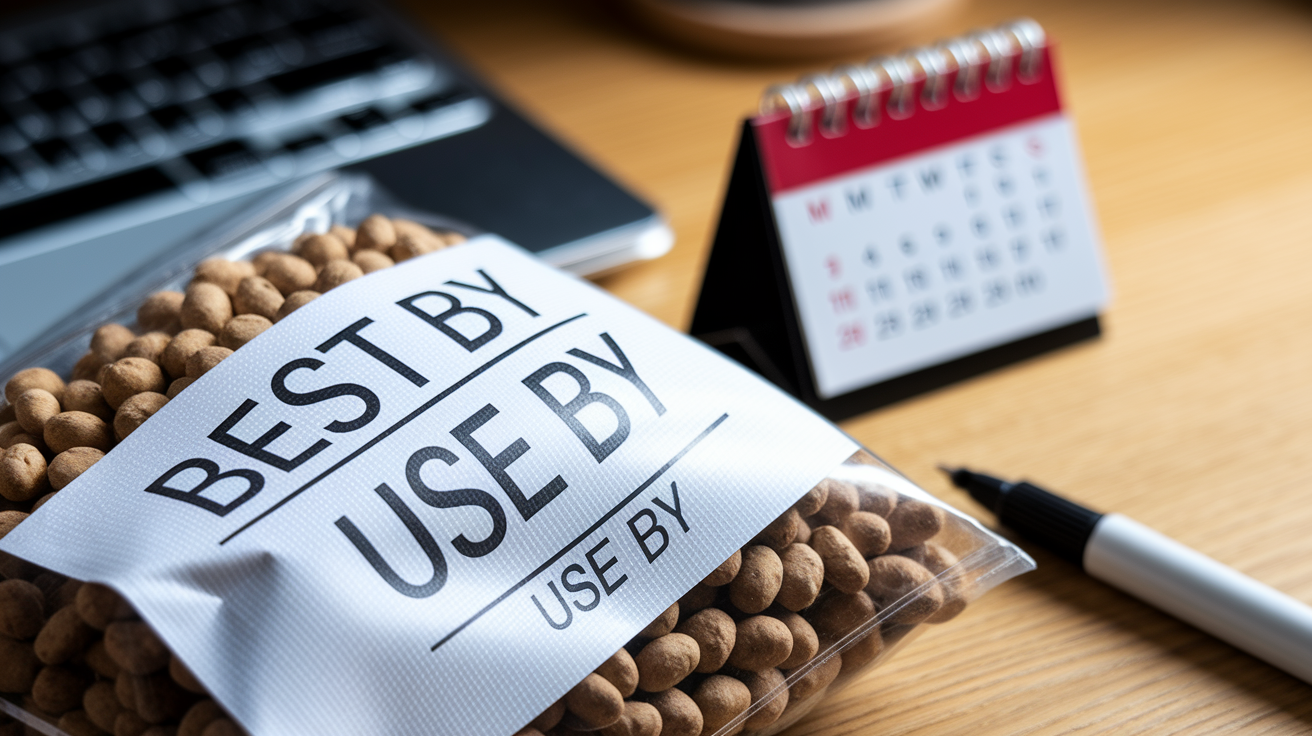
“Best by” dates tell you when the manufacturer expects the food to taste and perform at peak quality. They’re not hard safety cutoffs. If dry kibble is a few weeks past its best‑by date but smells fresh, looks normal, and has been stored properly, it’s usually still safe. Opened food degrades faster than the printed date suggests, so always track the day you first opened the bag.
“Use by” dates are stricter and more common on fresh, refrigerated, or raw diets. These dates show the last day the food should be fed for safety. Lot numbers and manufacturing codes appear on every bag and can. Keep that information accessible by leaving food in its original packaging or taking a photo of the label before transferring.
When you open any pet food package, write the date on the bag, can, or storage container with a permanent marker. This simple habit stops guesswork and helps you rotate stock correctly.
| Food Type | Unopened Shelf Life | Opened Shelf Life |
|---|---|---|
| Dry kibble | 12–18 months (check “best by” date) | 4–8 weeks for peak freshness |
| Canned/wet food | 2–5 years (check label) | 3–5 days refrigerated |
| Frozen raw | 3–6 months at 0°F | 24–48 hours thawed in fridge |
| Fresh refrigerated | Follow package “use by” date | 3–5 days refrigerated |
Label your storage containers clearly so anyone feeding your pet knows exactly when the food was opened. Stick a piece of masking tape on the bin lid and write the month and day, or use a label maker for a permanent solution.
Identifying Spoiled Pet Food and Preventing Dangerous Contamination
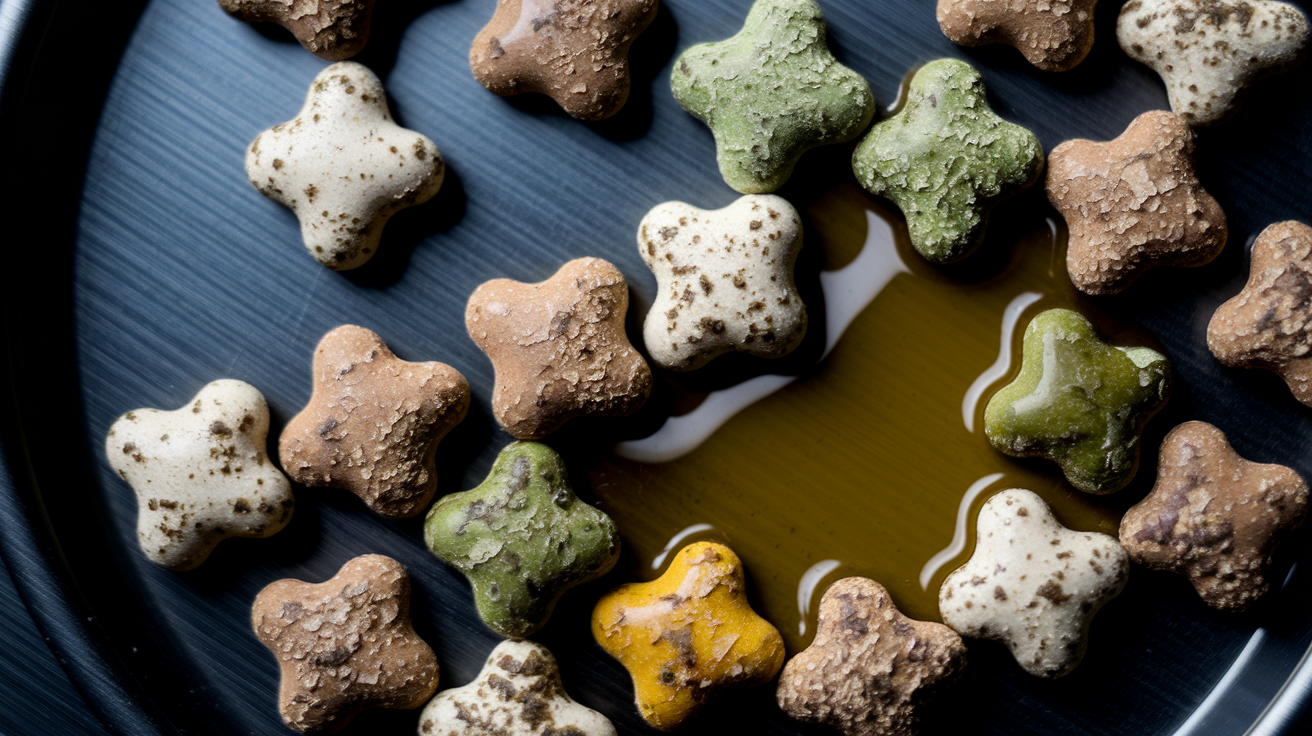
Rancid pet food smells sour, chemical, or like old cooking oil. Fresh kibble has a mild, grain‑like scent. If you open a bag and immediately notice a sharp, unpleasant odor, don’t feed it. Rancid fats can cause vomiting and diarrhea and offer almost no nutritional value.
Visual cues matter too. Look for white or green patches of mold, especially along the sides of kibble pieces or inside clumps. Oily residue on your hands after scooping kibble signals fat breakdown. If kibble sticks together in hard chunks or feels damp, moisture has gotten in and mold growth is probably starting even if you can’t see it yet.
Common Pest Threats
Insects like grain beetles, moths, and weevils are drawn to dry pet food. You might spot tiny bugs crawling in the bag, fine webbing near the top, or small larvae on kibble pieces. Rodents chew through paper and thin plastic bags to reach food, leaving droppings and urine that carry disease.
Storage mites are microscopic pests that thrive in protein and fat‑rich kibble. They don’t damage the food visibly, but they can trigger allergic reactions in sensitive pets. Itchy skin, ear infections, or respiratory symptoms that look like food allergies. Airtight containers and cool, dry conditions keep mite populations low.
Prevent pests with these steps:
- Store all pet food in heavy‑duty, airtight containers with secure lids.
- Keep food off the floor on shelves or elevated platforms.
- Sweep up spilled kibble immediately and wipe down storage areas weekly.
- Inspect new bags for holes, tears, or insect activity before opening.
- Avoid storing food in garages, sheds, or basements where rodents are common.
- Wash and completely dry storage bins between bags to remove residue that attracts pests.
If you find mold, insects, or rodent evidence in your pet’s food, throw out the entire bag and sanitize the container with hot, soapy water. Rinse thoroughly and let it air‑dry completely before refilling.
Choosing the Safest Containers and Materials for Pet Food Storage
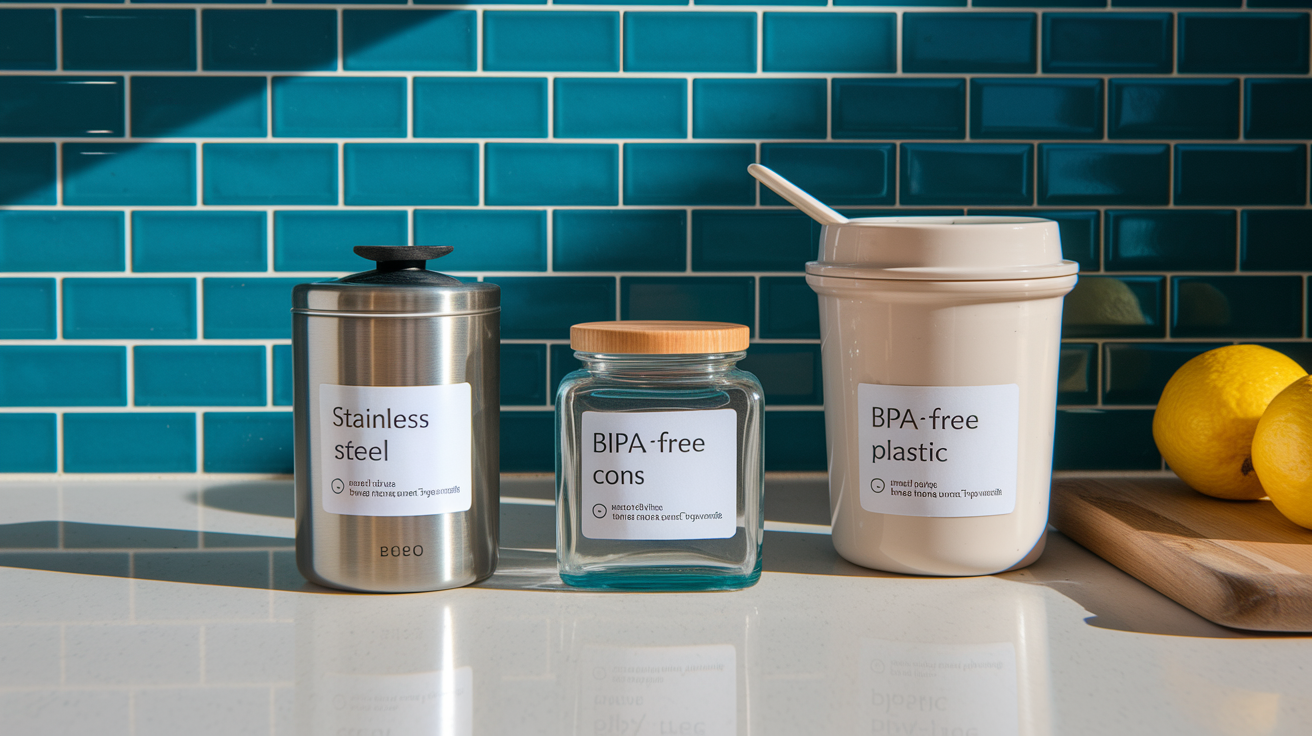
Stainless steel containers resist odors, clean easily, and block light completely. They’re durable, rodent‑proof, and don’t leach chemicals into food. The main downside is weight and cost. Glass containers offer the same benefits, transparency so you can see food levels at a glance, and complete protection from pests. But they’re fragile and heavy for large‑capacity storage.
BPA‑free plastic containers are lightweight, affordable, and available in many sizes. Look for containers labeled “food grade” to ensure they meet safety standards. Plastic can absorb odors over time and may scratch, creating crevices where bacteria hide, so wash plastic bins thoroughly and replace them every few years or when they show wear.
| Material | Pros | Cons |
|---|---|---|
| Stainless steel | Durable, odor‑resistant, blocks light, easy to clean, rodent‑proof | Heavy, more expensive |
| Glass | Non‑porous, clear visibility, blocks pests and light | Fragile, heavy, limited large sizes |
| BPA‑free plastic | Lightweight, affordable, many size options | Can absorb odors, may scratch, needs regular replacement |
Match container size to your pet’s consumption rate. If your cat eats through a 10‑pound bag in five weeks, a 10–12 pound container works perfectly. Oversized bins encourage you to buy bulk bags that sit open too long, and undersized bins force you to leave bags partially exposed. Measure how much food your pet eats per week, multiply by four to eight weeks, and choose a container that holds that amount comfortably.
Best Locations in the Home for Proper Pet Food Storage
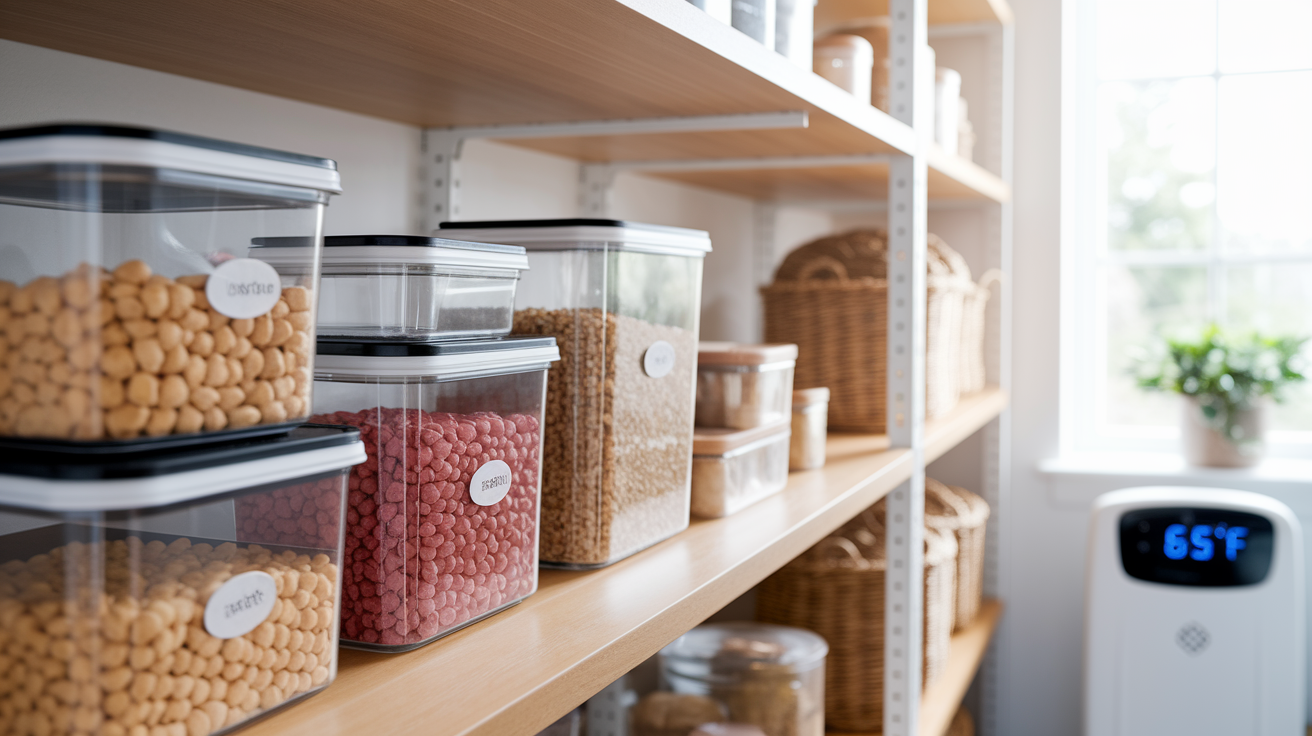
A pantry or kitchen cabinet keeps pet food at stable indoor temperatures and makes feeding routines convenient. These spaces typically stay between 60–70°F year‑round and have low humidity. If cabinet space is tight, a dedicated shelf in a climate‑controlled laundry room or mudroom works just as well.
Basements can be good storage spots if they’re finished, heated, and dehumidified. Unfinished basements with concrete floors and fluctuating moisture levels are risky. The cool temperature might seem ideal, but humidity over 60% promotes mold and clumping. If you must use a basement, place containers on wire shelving at least six inches off the floor and run a dehumidifier during humid months.
Never store pet food in these locations:
- Garages, where summer heat can exceed 90°F and winter cold may drop below freezing
- Sheds or outdoor storage buildings with no climate control
- Near furnaces, water heaters, ovens, or radiators
- In direct sunlight, even indoors near windows
Keep a small indoor thermometer near your pet food storage area. If the temperature regularly climbs above 75°F or humidity stays above 60%, move the food to a cooler, drier spot. These small environmental checks prevent rancidity and contamination before they start.
Storing Pet Treats, Supplements, and Specialized Diets Properly
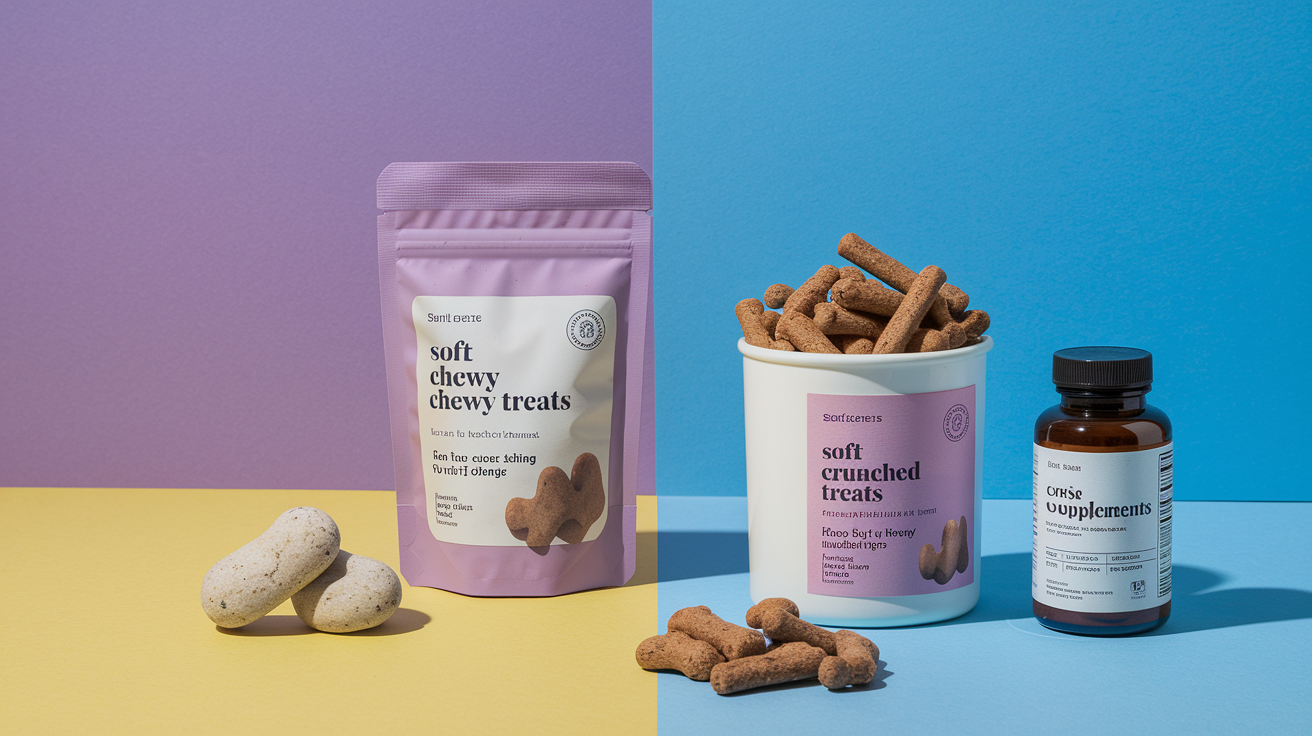
Soft, chewy treats contain more moisture than crunchy biscuits, so they spoil faster once opened. Store soft treats in their original resealable pouch or transfer them to a small airtight container and refrigerate if the package recommends it. Use soft treats within two to four weeks after opening. Crunchy treats last longer, usually several months, but still need a dry, sealed environment to stay crisp.
Supplements, powders, and vitamins are sensitive to heat and light. Keep them in a cool, dark cabinet and always replace the cap tightly after each use. Many supplements have a “use within” window after opening, typically three to six months, even if the expiration date is further out. Write the date you opened the bottle on the label.
Prescription diets often have specific storage instructions from your vet or the manufacturer. Some therapeutic foods contain higher fat levels or added moisture and may spoil faster than standard kibble. Always check the package for any special guidance. If the prescription food is refrigerated or frozen, follow the same timelines as fresh or raw diets.
Best practices for secondary food items:
- Store treats in airtight containers separate from main meals to avoid cross‑contamination of flavors and smells.
- Keep supplement bottles in their original packaging so dosing instructions and expiration dates stay visible.
- Refrigerate any treat or supplement that lists refrigeration on the label, even if it was shelf‑stable before opening.
- Use smaller treat pouches if your pet doesn’t finish a large bag within a month.
- Discard treats that feel sticky, smell off, or show visible mold, even if the date hasn’t passed.
Cost‑Saving Strategies and Common Storage Mistakes to Avoid
Buying a 40‑pound bag of kibble sounds economical, but if your small dog only eats 15 pounds in two months, the last 10 pounds will be stale and nutrient‑poor by the time you reach the bottom. Smaller bags cost a bit more per pound but deliver fresher food and less waste. Calculate your pet’s monthly consumption, then buy bag sizes you’ll finish within four to eight weeks.
One common mistake is topping off an old bag with a new one. Mixing batches hides older, potentially stale food under fresh kibble and makes it hard to track how long any portion has been open. Finish the old bag completely, wash and dry the container, then pour in the new bag and label it with the new opened date.
Risky storage errors to avoid:
- Storing food in non‑food‑grade plastic bins that can leach chemicals
- Leaving kibble bags open or loosely clipped, allowing air and moisture in
- Placing storage bins in hot garages where temperatures spike above 80°F
- Transferring food without keeping the original bag and its label information
- Ignoring expiration dates or continuing to feed food that smells off
- Using dirty scoops or containers that haven’t been washed between bags
Buy only what fits your storage capacity and your pet’s appetite. If you have two large dogs and go through food quickly, bulk buying makes sense. If you have one cat and limited cool storage space, stick to smaller bags and reorder more often. Matching purchase size to actual consumption keeps food fresh, reduces waste, and often costs less in the long run than tossing spoiled bulk bags.
Quick Checklist for Proper Pet Food Storage
Use this list every time you open a new bag or restock your pet’s food supply:
- Keep dry food inside its original bag, then place the bag in an airtight, food‑grade container.
- Store all pet food in a cool, dry location with temperature under 70°F and humidity below 60%.
- Write the date you opened the food on the bag or container with a permanent marker.
- Practice first in, first out rotation. Use older bags before opening new ones and place new stock behind old stock.
- Refrigerate opened wet food immediately in a sealed container and use within 3–5 days.
- Freeze raw diets at 0°F and thaw only the portion you’ll use in the next 24–48 hours in the refrigerator.
- Discard wet food left at room temperature for more than 4 hours, or 1–2 hours in warm weather.
- Check for off smells, mold, clumping, or insect activity before every feeding.
- Wash and completely dry storage containers between bags to prevent contamination.
- Keep original packaging or photograph labels so lot numbers and expiration dates are always accessible in case of a recall.
Final Words
Keep dry food in its original bag inside an airtight container, refrigerate opened wet food and use within 3-5 days, and keep raw diets frozen at 0°F until thawed. Follow the basic rules. Keep temperatures around 50-70°F, humidity under 60%, and use airtight storage to slow spoilage and pests.
Label, rotate with FIFO, and check for smell, oiliness, or insects. Use the checklists and sections above to learn how to store pet food properly. Small, consistent steps protect nutrition and make feeding easier.
FAQ
Q: What is the best way to store pet food?
A: The best way to store pet food is to keep it cool (50–70°F), dry (humidity under 60%), and airtight; keep dry food in its original bag inside a sealed container and refrigerate opened wet food.
Q: What is the 95 rule for pet food?
A: The 95 rule for pet food refers to labeling standards where a product named for a single ingredient (for example, “beef”) must contain at least 95% of that ingredient, excluding water used in processing.
Q: What is the 90 10 rule for dogs?
A: The 90 10 rule for dogs commonly refers to raw-diet balance: roughly 90% muscle meat and 10% edible bone, while some feeding plans add organs separately (for example, 80/10/10 variations).
Q: What is the 25 rule for pet food?
A: The 25 rule for pet food means a product labeled as a “dinner” (like “chicken dinner”) must contain at least 25% of the named ingredient by weight in the finished product.