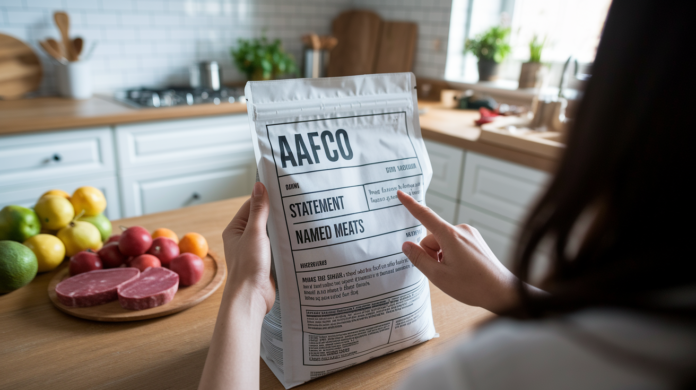

Can a shiny bag labeled “premium” still be junk?
It’s easy to be fooled by marketing and photos.
Here’s the short version:
Check the nutritional adequacy statement, which shows if the food meets AAFCO standards.
Look for named proteins or named meals near the top.
Convert protein and fat to a dry-matter basis so you compare fairly.
Avoid artificial preservatives.
This post walks you through these quick checks so you can pick food that truly supports your dog’s health, energy, and coat.
Key Ways to Identify High-Quality Dog Food at a Glance
The nutritional adequacy statement is what you need to look at first. It’s usually tucked somewhere on the bag, and it tells you whether the food actually meets AAFCO standards for complete nutrition. This statement confirms whether the product is balanced for your dog’s life stage, whether that’s growth, adult maintenance, reproduction, or all life stages combined. If you see “intended for supplemental or intermittent feeding only,” walk away. That’s not a complete diet.
Ingredient order matters, but there’s a catch. Everything gets listed by weight before cooking, which means moisture throws off the rankings. Fresh chicken might look impressive at the top of the list, but it’s about 70% water. Once that’s cooked out, chicken meal (which is already concentrated and dried) often delivers more usable protein. Quality foods put a named protein first, like chicken, turkey, lamb, or salmon, and they’ll usually have a named meal in the top three.
Here’s what good food should hit:
- Protein: 20–30% crude protein for most adult dogs, more if they’re active or working
- Fat: 10–20% crude fat for energy and coat health
- Named proteins: First three ingredients should be specific, not generic “meat meal”
- Preservatives: Mixed tocopherols, vitamin C, or rosemary extract instead of BHA, BHT, or ethoxyquin
- Transparency: Brands that publish sourcing, testing, and manufacturing details
- AAFCO method: Verified through feeding trials, not just formulation alone
Protein under 18% or fat under 5% is a red flag. Those numbers technically meet survival standards, but they won’t support actual health or energy.
Dog Food Ingredient Quality and What It Reveals
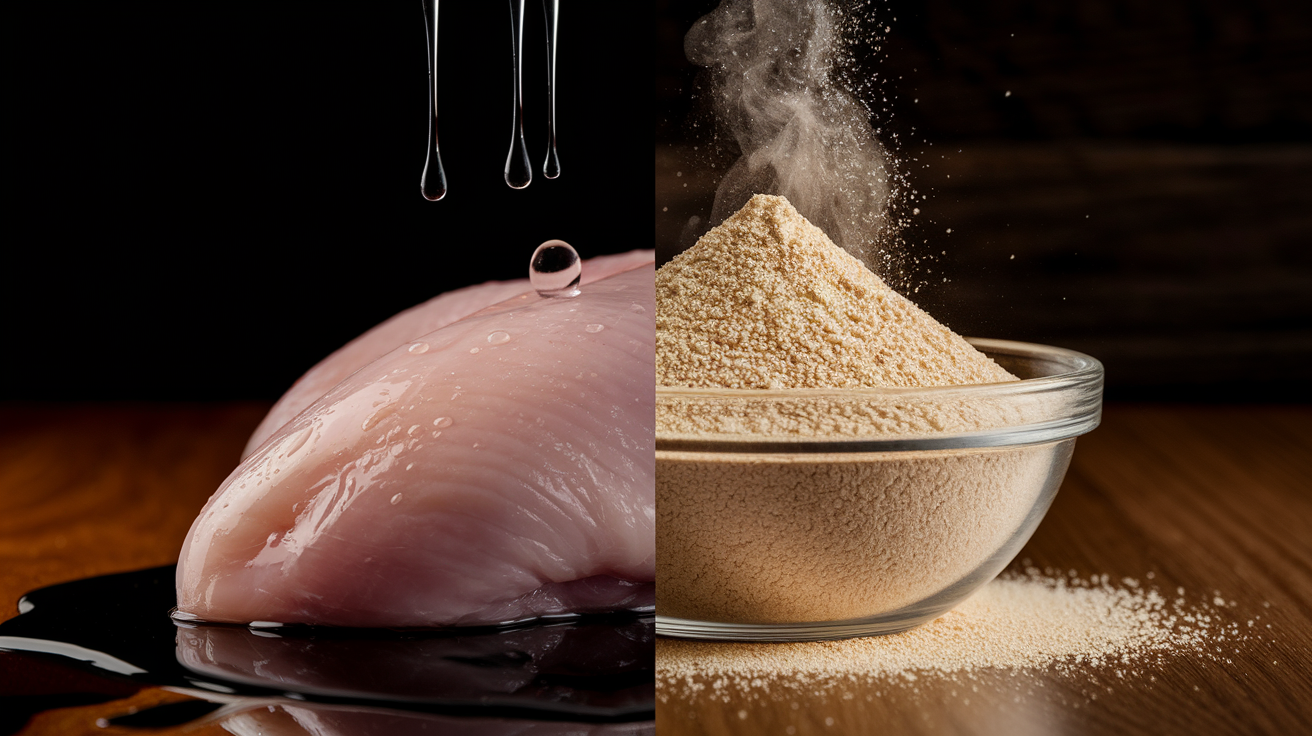
Fresh meats sound great. But they’re mostly water. Chicken or beef can be 60–75% water before cooking, so their actual protein contribution shrinks once everything’s processed. Named meals like chicken meal, lamb meal, or whitefish meal concentrate that protein by removing moisture upfront. A bag with chicken meal listed first often gives you more protein than one listing fresh chicken, even though fresh sounds better. The best foods use both. Something like “Chicken, chicken meal, brown rice.”
Carbohydrates vary a lot in quality. Whole grains like barley, oats, brown rice, millet, and quinoa give you fiber, B vitamins, and steady energy. Active dogs handle these well. Cheap fillers (corn, wheat, soy, sorghum) are usually by-products from human food manufacturing. They don’t offer much nutrition and can irritate digestion. Refined grains spike blood sugar and pack on weight. Cats need grain-free diets. Dogs can do well on either grain-inclusive or grain-free, depending on their activity level and health.
| Ingredient Type | Quality Level | Notes |
|---|---|---|
| Named whole meats and named meals (chicken, lamb meal, salmon) | High | Clear species ID, concentrated protein |
| Vague by-products (meat meal, animal by-products) | Low | Can include unspecified parts, dead or diseased animals |
| Whole grains (brown rice, barley, oats, quinoa) | Medium to High | Good fiber, nutrients, digestible energy |
| Cheap fillers (corn, wheat, soy, sorghum) | Low | By-products, minimal nutrition, often GMO |
| Fish oil, named animal fats (chicken fat) | High | Omega-3, EPA, DHA for coat and inflammation |
| Artificial preservatives (BHA, BHT, ethoxyquin) | Very Low | Linked to health risks, avoid entirely |
Understanding Nutrient Levels and Guaranteed Analysis for Quality
Every dog food label has a Guaranteed Analysis section. It lists minimum crude protein and crude fat, plus maximum crude fiber and moisture. AAFCO sets the floor at 18% protein and 5% fat for adult maintenance. Growth and reproduction formulas need at least 22.5% protein and 8% fat. But these are minimums, not targets. Quality foods go way past that, typically hitting 20–30% protein and 10–20% fat for adult maintenance, higher for performance diets.
Moisture messes everything up. Kibble has about 8–12% moisture. Canned food can be 70–78% moisture. A canned food showing 9% protein looks weak compared to kibble at 24% protein. But once you account for water, that canned formula might actually be stronger. To compare fairly, you need to calculate dry-matter basis. Here’s the formula: DMB% = (% nutrient) ÷ (100 − % moisture) × 100. Example: A food lists 24% protein and 10% moisture. Subtract moisture from 100, you get 90. Divide 24 by 90, multiply by 100. Result is 26.7% protein on a dry-matter basis.
Here’s how to convert any nutrient to dry-matter basis:
- Find the moisture percentage in the Guaranteed Analysis.
- Subtract moisture from 100 (like 100 − 10 = 90).
- Divide the nutrient percentage by that number (24 ÷ 90 = 0.267).
- Multiply by 100 to get percentage (0.267 × 100 = 26.7%).
- Repeat for protein, fat, and fiber so you can compare different products on equal terms.
High numbers alone don’t mean quality. A food with 30% protein from corn gluten and wheat gluten looks strong on paper but delivers poor digestibility and incomplete amino acids. Dogs absorb and use animal proteins way more efficiently than plant proteins. Bioavailability matters just as much as raw percentage.
Additives, Preservatives, and Fats That Affect Dog Food Quality
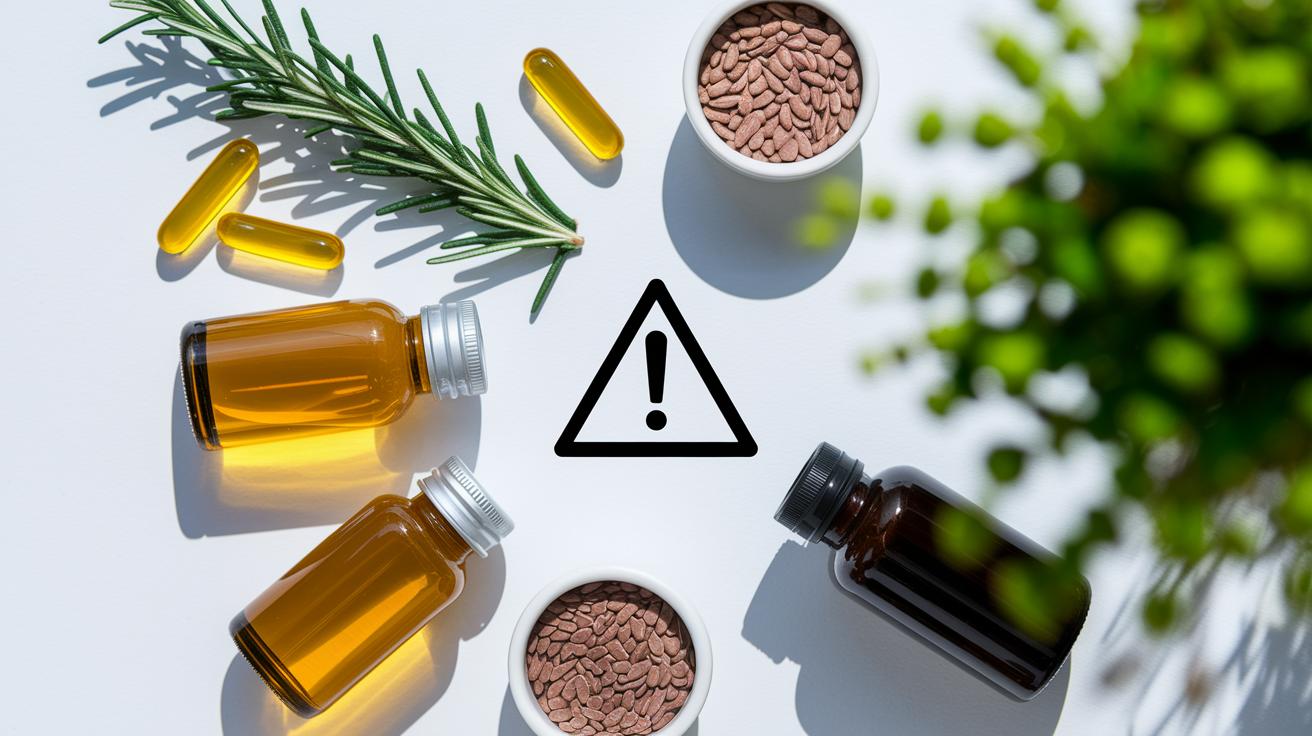
Artificial preservatives keep food shelf stable, but they’re not worth the long-term cost. Avoid anything with BHA, BHT, ethoxyquin, propylene glycol, benzoates, nitrates, sulfites, or caramel color. These have been linked to organ stress, allergic reactions, and potential cancer risks. Propylene glycol shows up a lot in semi-moist foods and treats. Artificial dyes like Red 40, Yellow 5, Yellow 6 serve no purpose except to make the food look better to you, not your dog.
Quality foods stick with natural preservation and good fats:
- Mixed tocopherols (vitamin E): Effective natural antioxidant
- Vitamin C (ascorbic acid): Supports immune function and freshness
- Rosemary extract: Natural preservative with antioxidant properties
- Fish oil: Supplies EPA and DHA, critical omega-3s for brain, joint, and heart health
- Flaxseed and chia seed: Plant-based omega-3 sources, though less bioavailable than fish oil
Fat quality determines coat shine, inflammation control, and how cells function. Cheap fats like soybean oil, sunflower oil, safflower oil, or generic vegetable oil only give you omega-6 fatty acids. Zero omega-3s. An imbalanced omega-6 to omega-3 ratio fuels chronic inflammation. Quality foods list named animal fats like chicken fat or turkey fat preserved with mixed tocopherols, paired with fish oil. Guaranteed Analysis should spell out omega-3, omega-6, EPA, and DHA levels. Avoid anything listing generic “animal fat.” It’s a mix from multiple species and has the highest chance of containing pentobarbital, a euthanasia drug residue.
Evaluating Manufacturing Standards and Brand Transparency

AAFCO sets minimum nutritional standards, but quality manufacturers go beyond that with rigorous internal testing and third-party audits. Good brands publish full nutrient profiles beyond the basic Guaranteed Analysis. They disclose where ingredients come from and identify manufacturing facilities. Many keep veterinary nutritionists on staff and formulate recipes using feeding trials (actual animal feeding studies that verify nutrition in real dogs) instead of just lab formulation to meet nutrient profiles on paper.
Third-party testing separates premium brands from budget options. Look for companies that test every batch for heavy metals like lead, arsenic, mercury, and cadmium, plus pathogens including Salmonella, Listeria, and E. coli. GMP (Good Manufacturing Practices) certifications show compliance with strict production hygiene and consistency standards. Independent lab testing for nutrient accuracy confirms the label matches what’s in the bag. Brands that publish these test results show accountability.
Recall history tells you how a company responds to problems. One isolated recall, handled quickly with clear communication, isn’t as concerning as repeated issues or vague responses. Check the FDA pet food recall database and the brand’s website for recall archives. Quality manufacturers post clear explanations of affected lot numbers, causes, corrective actions, and contact info. If a brand refuses to name suppliers, hides manufacturing locations, or only provides a generic email, they’re prioritizing cost over care.
Cost, Value, and Price to Quality Signals in Dog Food

Budget dry kibbles usually cost less than $1.50 per pound. They prioritize cheap ingredients like corn, wheat, meat and bone meal, and artificial preservatives. Mid-tier brands range from $1.50 to $3.00 per pound and often include named proteins, whole grains, and natural preservatives. Premium formulas cost $3.00 to $8.00 or more per pound. You get multiple named meat sources, functional supplements like glucosamine and probiotics, transparency in sourcing, and batch testing. A 30-pound adult dog on mid-tier food costs roughly $30–$60 per month to feed. On premium, expect $60–$200 monthly depending on activity level and portion size.
Higher cost usually gets you:
- Better protein sources: Named meats and meals instead of generic by-products
- Fewer fillers: Whole food carbs replace cheap refined grains
- Rigorous testing: Contaminant screening, nutrient verification, palatability trials
- Transparency: Published ingredient origins, manufacturing locations, nutritionist oversight
Price per bag is misleading. A $60 bag of calorie-dense, high-protein food lasts longer than a $30 bag of low-density filler because dogs need smaller portions to meet energy needs. Calculate cost per calorie to compare value. Divide total price by calories per cup, then by cups per bag. A food with 400 calories per cup in a 30-pound bag at $60 is often cheaper per day than a 300-calorie food in a 40-pound bag at $45 once you adjust for portion size. Quality ingredients also reduce vet costs tied to poor diet. Skin issues, obesity, digestive trouble, and chronic inflammation all improve with better nutrition.
Red Flags That Show Dog Food Is Low Quality
Some label signals immediately identify poor formulas. Unnamed meat sources like “meat,” “meat meal,” “poultry meal,” or “meat and bone meal” can legally contain dead, diseased, or euthanized animals, plus heads, feet, intestines, and other inedible parts. If the species isn’t named, the ingredient is untraceable and unreliable. Primary ingredients dominated by corn, wheat, soy, or rice by-products mean a carb-heavy formula with minimal animal protein, formulated to hit cost targets instead of nutrition goals.
Watch for these warning signs:
- No AAFCO nutritional adequacy statement or wording like “for supplemental feeding only”
- Unnamed proteins such as meat, meat meal, or animal by-products without species
- Fillers as top ingredients, including corn, wheat, soy, rice hulls, or wheat middlings
- Artificial additives like BHA, BHT, ethoxyquin, propylene glycol, artificial colors
- Very low nutrient levels: crude protein below 18% or crude fat below 5% as-fed basis
- Misleading packaging: words like “natural,” “premium,” or “gourmet” without supporting ingredient quality
Beyond the label, poor food quality shows up in your dog’s physical condition. Loose, frequent, or foul-smelling stools suggest poor digestibility. A dull, dry, or flaky coat means insufficient fat quality or protein. Low energy, excessive shedding, chronic itching, and frequent stomach upset all point to inadequate nutrition. These signs often improve within weeks of switching to a better formula with quality protein sources and fat profiles.
Using Health Signs to Judge Whether Your Dog’s Food Is High Quality

Stool quality is one of the clearest daily indicators of food quality and digestibility. Good diets produce firm, well-formed stools in moderate volume, usually one to two bowel movements per day. Poor diets result in large, soft, or loose stools because the dog’s body can’t absorb filler-heavy ingredients and passes them mostly undigested. Excessive gas, frequent diarrhea, or mucus in stool signal digestive strain. When dogs eat better protein and fewer fillers, stool volume often decreases because the body uses more of what it consumes.
A shiny, smooth coat and healthy skin reflect balanced omega fatty acids, sufficient protein, and bioavailable vitamins. Foods rich in fish oil, chicken fat preserved naturally, and named animal proteins deliver the building blocks for skin cell repair and hair growth. Dogs on low-quality diets often show dry, flaky skin, dull or brittle fur, and frequent scratching without fleas. Chronic itching and hot spots can stem from food sensitivities to cheap fillers like corn, wheat, or soy, or from imbalanced fat ratios favoring omega-6 over omega-3.
Energy and activity levels reveal whether a dog’s diet supports metabolic needs. Well-nourished dogs maintain consistent energy, healthy weight, strong muscle tone, and mental alertness. Lethargy, sudden weight gain, muscle loss, or hyperactivity followed by crashes can indicate poor-quality protein, excessive carbs, or nutrient gaps. Rotating between multiple high-quality proteins (chicken, lamb, fish) helps identify sensitivities and provides varied nutrient profiles, though rotation should happen gradually over 7–10 days to avoid digestive upset.
Comparing Ingredient Lists: Clear Examples of High vs. Low Quality

Ingredient lists visually encode nutrition quality. The first five ingredients account for the majority of the food’s weight and nutritional contribution, so those positions matter most. A quality list names the animal protein source explicitly, includes a concentrated protein meal, and uses whole-food carbs without artificial additives. The ingredients after the vitamin and mineral blend usually appear in such small quantities that they provide negligible nutritional benefit, though they may add flavor or texture.
Ingredient order reflects weight before cooking, which means water content affects position. A formula listing “chicken, chicken meal, brown rice” is stronger than one listing “chicken, corn, wheat” because the meal concentrates protein even though it ranks second. When multiple filler ingredients appear consecutively (corn, wheat, soy), it often means the manufacturer split a single ingredient category to push animal protein higher on the list while still using cheap carbs as the formula base.
| Good Ingredient List Example | Bad Ingredient List Example |
|---|---|
| Chicken, chicken meal, brown rice, barley, peas, dried sweet potato, chicken fat (preserved with mixed tocopherols), fish oil (source of DHA), flaxseed, natural chicken flavor, vitamins and minerals, glucosamine, chondroitin, probiotics | Meat and bone meal, corn, wheat, soy, unspecified meat, glycerin, propylene glycol, artificial color (Red 40), BHA, BHT, animal fat, soybean oil, natural flavors, vitamins and minerals |
Practical Checklist for Evaluating Dog Food Quality

Choosing quality food requires a systematic approach that combines label reading, brand research, and health observation. A clear checklist removes guesswork and helps you compare products confidently, especially when marketing claims obscure real nutritional value. Use this screening tool every time you evaluate a new food or reassess your current brand.
Follow these steps to judge any dog food:
- Check the AAFCO nutritional adequacy statement to confirm complete and balanced nutrition for your dog’s life stage (growth, maintenance, or all life stages).
- Verify the first three ingredients are named animal proteins or meals, like chicken, lamb meal, or salmon, not vague “meat” or “poultry meal.”
- Convert Guaranteed Analysis to dry-matter basis using the formula provided earlier to fairly compare protein and fat levels across products.
- Scan the ingredient list for artificial preservatives including BHA, BHT, ethoxyquin, propylene glycol, artificial colors, and avoid any product containing them.
- Research the brand’s recall history and transparency: visit their website, look for published testing data, sourcing locations, and veterinary nutritionist involvement.
- Confirm protein is over 20% (dry-matter basis) and fat is 10–20%, depending on your dog’s activity level and life stage.
- Look for beneficial supplements like fish oil, glucosamine, probiotics, and named fat sources preserved with mixed tocopherols.
- Contact the manufacturer with questions about sourcing, testing, or formulation if information is unclear. Quality brands respond quickly and thoroughly.
Final Words
Check the AAFCO statement and life stage first, then make sure the top ingredients are named animal proteins. Convert the guaranteed analysis to a dry-matter basis and compare protein and fat ranges.
Scan for natural preservatives and quality fats, and note brand transparency and recall history. Then watch your dog’s stool, coat, and energy — those are practical signs that matter.
Follow the checklist we gave and track changes. That’s a straightforward way to know how to tell if dog food is high quality, and you’ll feel more confident feeding choices.
FAQ
Q: What is the 25% rule in dog food and what is the 90 10 rule for dogs?
A: The 25% rule in dog food says a named meat should make up at least 25% of the product’s total weight before moisture is removed. The 90/10 rule guides raw diets: about 90% muscle meat, 10% organ/fat.
Q: Which dog foods are considered high-quality?
A: Dog foods considered high-quality are AAFCO-complete for the right life stage, list named meats or meals first, offer roughly 20–30% protein (DMB), include healthy fats like fish oil, natural preservatives, and clear sourcing or testing.
Q: What not to look for in dog food?
A: You should avoid dog foods that use vague “meat” or unnamed by-products, rely heavily on corn/soy fillers, include BHA/BHT/ethoxyquin or propylene glycol, list misleading moisture-heavy claims, or lack an AAFCO statement.