
What if switching your dog’s food is the most common reason for messy days and worried nights?
Good news. You can avoid that with a simple, slow plan.
Your dog’s gut, the trillions of tiny microbes that break down food, needs time to adjust, so a seven to fourteen day day-by-day mix-and-increase timeline helps prevent vomiting, loose stool, and loss of appetite.
This post gives a clear day-by-day plan, signs to watch, and exact steps to pause or call the vet.
Core Steps for a Safe Dog Food Transition Timeline
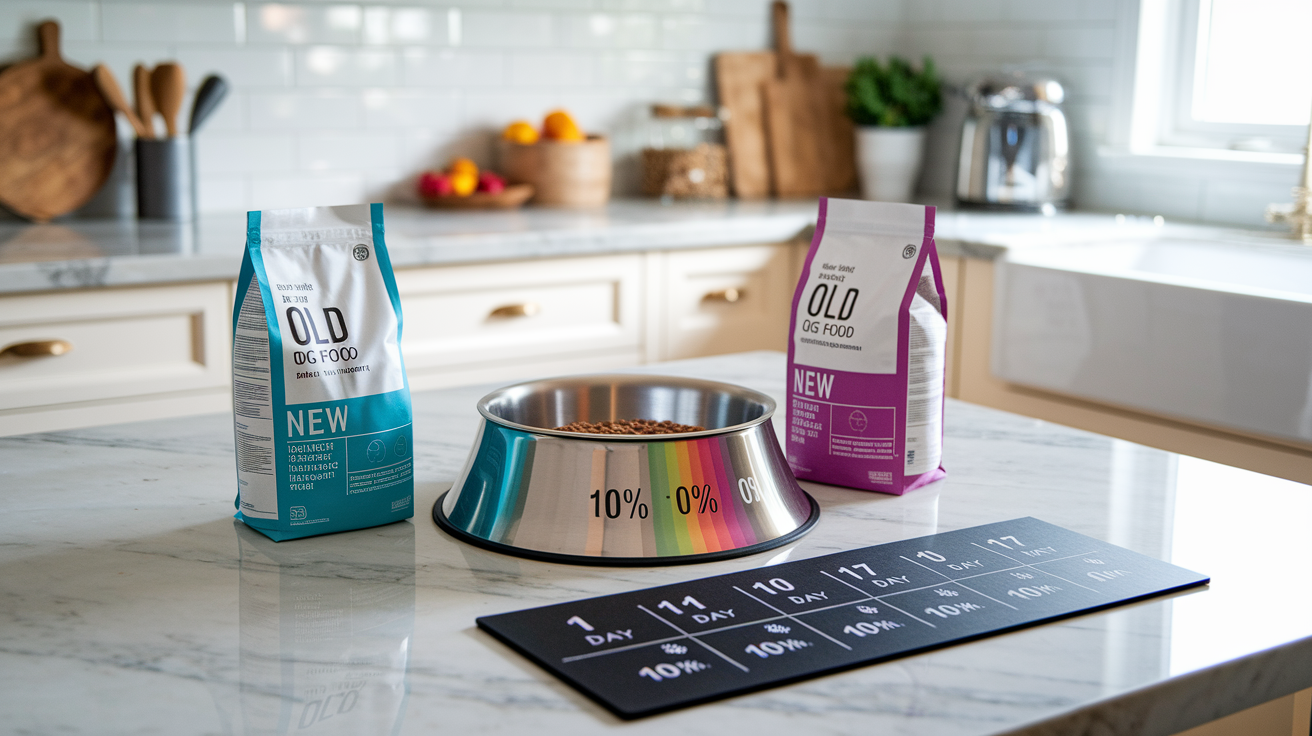
How to transition dog food safely starts with understanding that your dog’s digestive system needs time to adapt to new ingredients. A gradual transition over at least seven days gives the gut microbiome and digestive enzymes a chance to adjust, reducing the risk of vomiting, diarrhea, and appetite loss. Rush the change and you’re looking at days of cleanup, discomfort, and starting over.
The most common schedule is a seven day gradual transition that starts with a small amount of new food mixed into the old. On Day 1, mix 10% new food with 90% old food. Each day, increase the new food by 10% and decrease the old food by the same amount. By Day 7, your dog’s eating 100% new food. If your dog has a sensitive stomach or you’re switching between very different formulas (say, from dry salmon based to wet chicken based), you can stretch this timeline to 10 or even 14 days by slowing the daily increases.
An alternative five to seven day plan works for dogs who handle changes well. This method uses larger jumps in the mixing ratio. Start with 25% new food and 75% old food on Day 1. Move to a 50/50 split on Day 3, then 75% new and 25% old on Day 5, and finish with 100% new food by Day 7. Watch your dog’s stool and energy closely with this faster approach. Be ready to slow down if any digestive upset appears.
| Day | Old Food % | New Food % |
|---|---|---|
| 1 | 90% | 10% |
| 2 | 80% | 20% |
| 3 | 70% | 30% |
| 4 | 60% | 40% |
| 5 | 40% | 60% |
| 6 | 20% | 80% |
| 7 | 0% | 100% |
Understanding Why a Gradual Dog Food Transition Matters
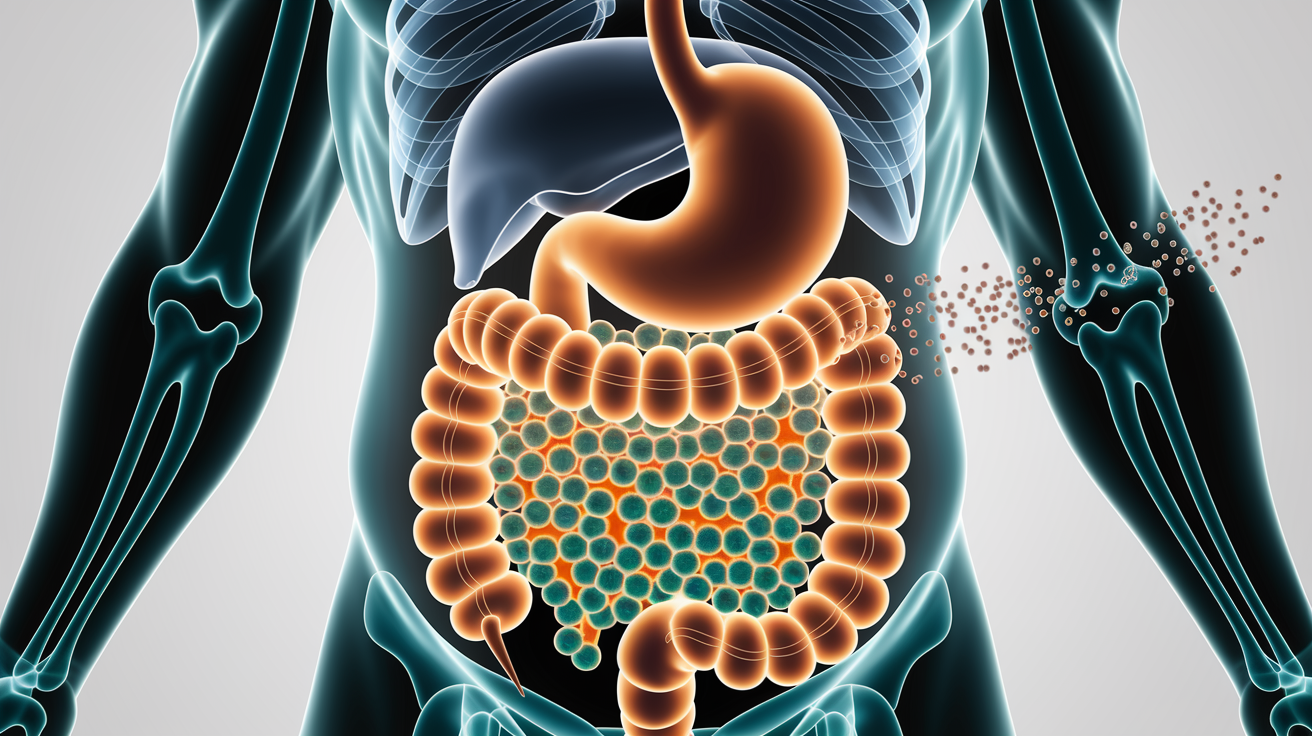
Your dog’s gut is home to billions of bacteria, fungi, and other microbes that work together to break down food and absorb nutrients. When you introduce new ingredients, especially different protein sources or fiber types, the microbiome needs time to shift its population balance. An abrupt change can leave the digestive system unprepared, causing gas, cramping, and loose stool while the microbes scramble to catch up.
Digestive enzymes also need time to adjust. Your dog’s pancreas and small intestine produce specific enzymes tailored to the current diet. Switching from chicken to beef, or from dry kibble to wet food, changes the protein and fat profile your dog’s digesting. A gradual transition gives the body time to ramp up or dial back enzyme production, keeping stool consistency normal and preventing nausea or reduced appetite.
Rushing a food change commonly leads to gas and bloating as undigested food ferments in the intestines. Loose stool or diarrhea from microbiome imbalance. Vomiting when the stomach rejects unfamiliar ingredients. Refusal to eat due to nausea or discomfort. Lethargy and low energy from poor nutrient absorption.
Monitoring Stool and Health During a Dog Food Transition
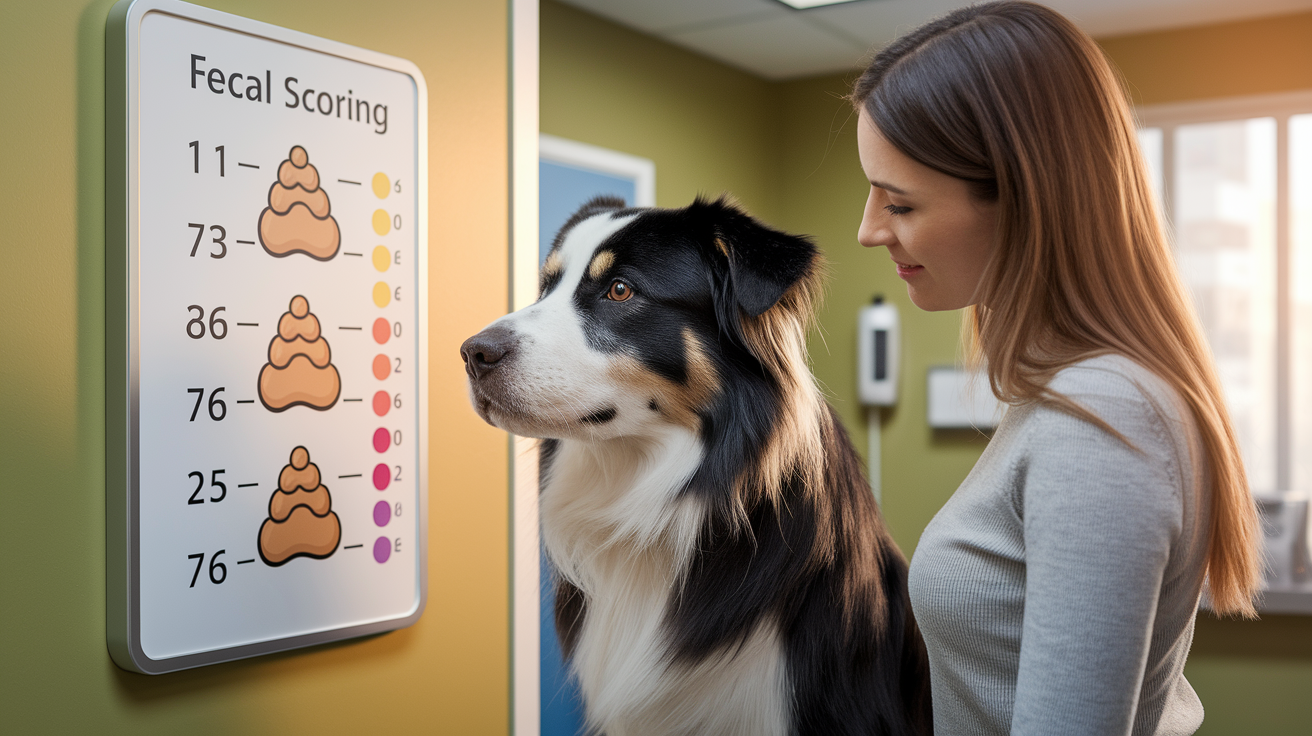
Stool quality is the clearest signal of how well the transition’s going. Veterinary professionals use a fecal scoring chart that rates stool on a scale from 1 to 7, with 3 to 4 being ideal. A score of 3 looks like a firm, log shaped stool that holds its form when picked up. A score of 4 is slightly softer but still structured. Anything above 5 starts to look mushy or watery and suggests gastrointestinal upset. Below 3 means the stool is hard, dry, or pellet like, which can point to dehydration or constipation.
Behavior changes matter just as much as bowel movements. Watch your dog’s energy level, interest in food, and overall mood. A dog who suddenly becomes quiet, skips meals, or seems uncomfortable after eating may be struggling with the new food. Appetite changes are normal on Day 1 or 2 as your dog adjusts to a new smell and taste, but consistent refusal or hesitation beyond that window is worth noting.
Track patterns over several days rather than reacting to a single unusual stool or one skipped snack. Write down what you see each morning and evening. Note stool consistency, how much your dog ate, water intake, and any signs like scratching, pacing, or stomach gurgling. This record will help you spot trends and make smarter decisions about whether to continue, slow down, or stop the transition.
Dog Food Transition Variations for Puppies, Adults, and Seniors
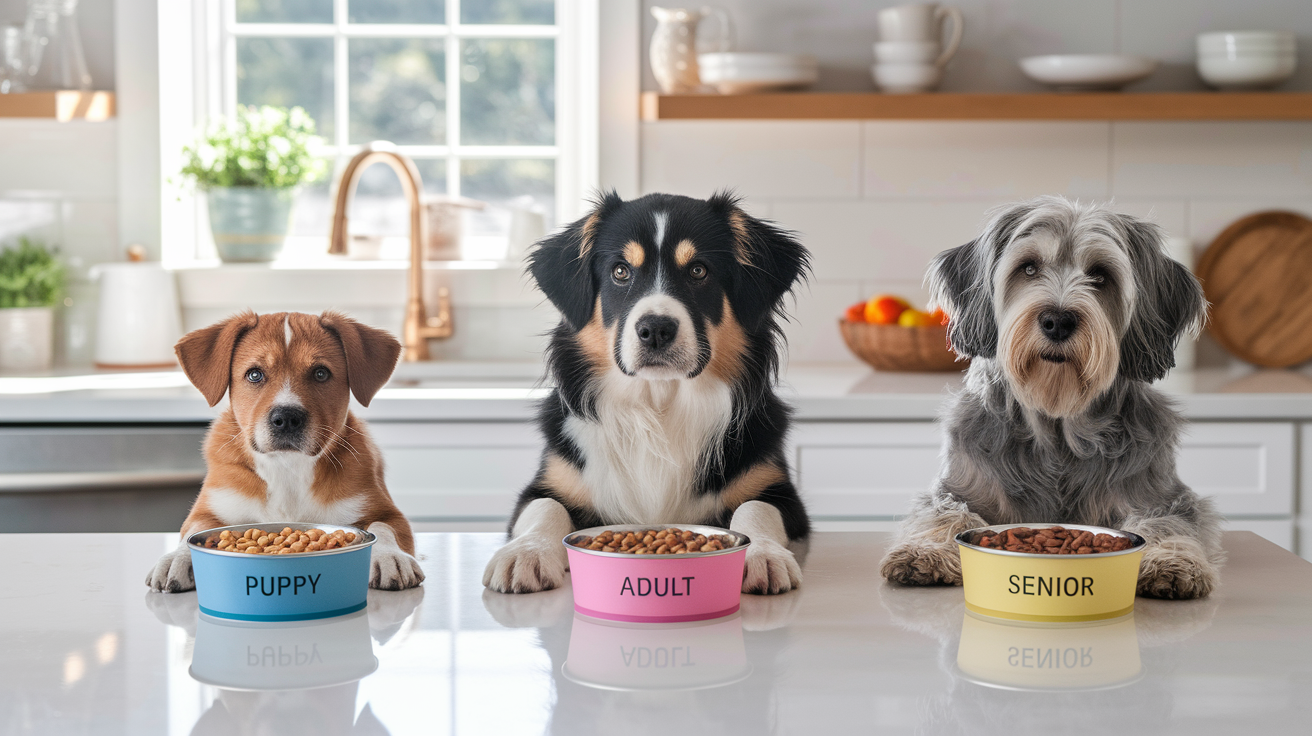
Puppies have developing digestive systems and can’t afford to skip meals or tolerate prolonged upset. Never use a quick switch method with a puppy. Stick to a slow, conservative seven to fourteen day timeline and watch stool quality closely. Puppies also have higher energy and growth demands, so any diet change must be timed carefully and often guided by your veterinarian or the feeding instructions on the new food bag.
Adult dogs generally handle the standard seven to ten day transition well, especially if they’re healthy and have no history of food sensitivities. Their digestive systems are mature, and they can tolerate moderate ingredient changes as long as the mixing ratio increases gradually. Adults are good candidates for the faster five to seven day plan if they’ve switched foods successfully in the past.
Senior dogs often need extra care. Many older dogs have weaker teeth, reduced stomach acid, or chronic conditions like kidney disease or arthritis that affect digestion. Softer textures, wet food, or prescription diets may be necessary. If your senior dog’s moving to a new food because of a health issue, follow your veterinarian’s transition instructions closely and be prepared to slow the schedule if any digestive trouble appears.
Growth needs in puppies require high calorie, nutrient dense food and can’t tolerate fasting. Texture needs in seniors may call for softer kibble or wet food to protect teeth and gums. Activity level in adults allows more flexibility in timing and portion adjustments. Digestive sensitivity increases with age, illness, or previous food reactions.
Choosing the Right New Dog Food Before Transitioning
Picking a new food that closely matches the old one makes the transition smoother. Start by comparing the main protein source. If your dog currently eats chicken based kibble, switching to another chicken formula is usually easier on the digestive system than jumping to beef or fish. Matching the protein reduces the chance of an adverse reaction and keeps enzyme production more stable.
Format matters, too. Wet food and dry kibble are digested differently. Wet food has higher moisture content and softer texture, which can speed up digestion and change stool consistency. Dry kibble requires more chewing and stomach acid to break down. Switching from one format to another (for example, dry salmon to wet chicken) is a bigger leap than staying within the same format. If you must switch formats, extend the transition timeline and expect a few days of adjustment as your dog’s gut adapts to the new moisture and density.
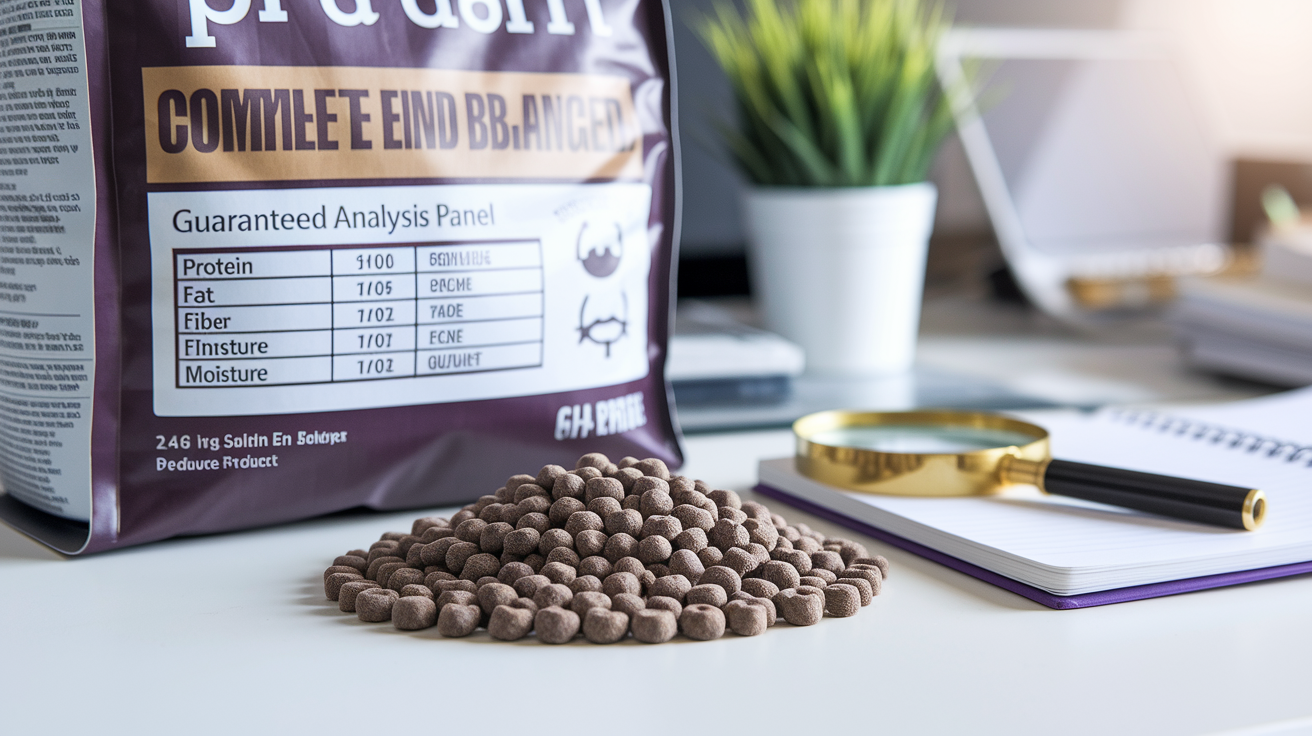
Look for the words “complete and balanced” on the label, which means the food meets AAFCO (Association of American Feed Control Officials) standards for your dog’s life stage. Check the guaranteed analysis panel for protein, fat, fiber, and moisture percentages, and compare them to your current food. Staying with the same manufacturer can also help, since many brands use similar ingredient sourcing, processing methods, and quality controls across their product lines. These small similarities add up to a gentler transition.
Tips for Picky Eaters During a Dog Food Transition
Picky eating during a transition usually happens because the new food smells, tastes, or feels different. Dogs rely heavily on scent, so even a small change in aroma or texture can make them hesitate. If your dog’s used to one protein or fat level, anything new might seem suspicious. This is normal behavior, not defiance, and it usually resolves within a few days once the dog realizes the new food is safe and tasty.
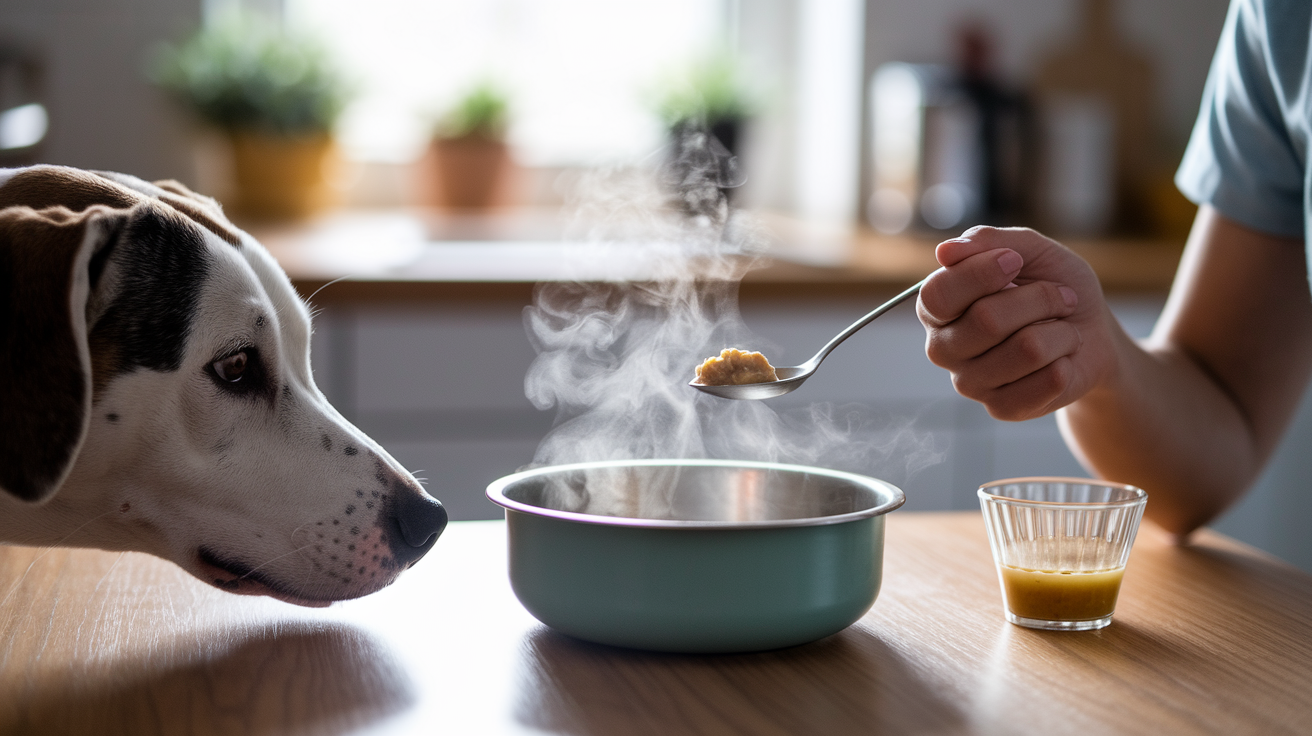
Warm the food slightly in the microwave or add warm water to boost aroma and make it more appealing. Mix in a small spoonful of plain low sodium chicken broth or a dog safe topper, keeping total treat and topper calories under 10% of the daily total. Serve meals at the same times every day and pick up uneaten food after 20 minutes to create routine and mild hunger.
Hand feed a few bites of the new food as a treat or reward to build positive associations. Reduce or temporarily eliminate other treats and snacks so your dog’s genuinely hungry at mealtime. Try a different flavor within the same brand if texture isn’t the issue, since some dogs have strong preferences for certain proteins.
When a Dog Food Transition Should Be Slowed, Stopped, or Reversed
Mild digestive discomfort, like slightly softer stool or a single episode of gas, doesn’t always mean you need to stop. If your dog’s stool score creeps up to a 5 but energy and appetite stay normal, you can pause at the current mixing ratio for an extra day or two before increasing the new food percentage. Adding a tablespoon of plain canned pumpkin (not pie filling) to each meal can help firm up stool, and a dog safe probiotic may speed up microbiome rebalancing.
If symptoms don’t improve within 48 hours of pausing, or if they get worse, revert completely to the old food for three to five days. Wait until stool returns to a normal score of 3 to 4 and appetite is steady. Then restart the transition at a slower pace. Instead of increasing the new food by 10% each day, move up by 5% every other day. This gentler slope gives the digestive system more time to adapt without triggering another upset.
Go back to 100% old food immediately if vomiting, severe diarrhea, or appetite loss appears. Wait until stool is normal and firm for at least two full days before trying again. Restart with only 5% new food mixed into 95% old food. Increase the new food by 5% every two to three days, watching stool and behavior closely. If problems return at any ratio, stop the transition and try a completely different food formula.
Quick Switch Method for Special Circumstances
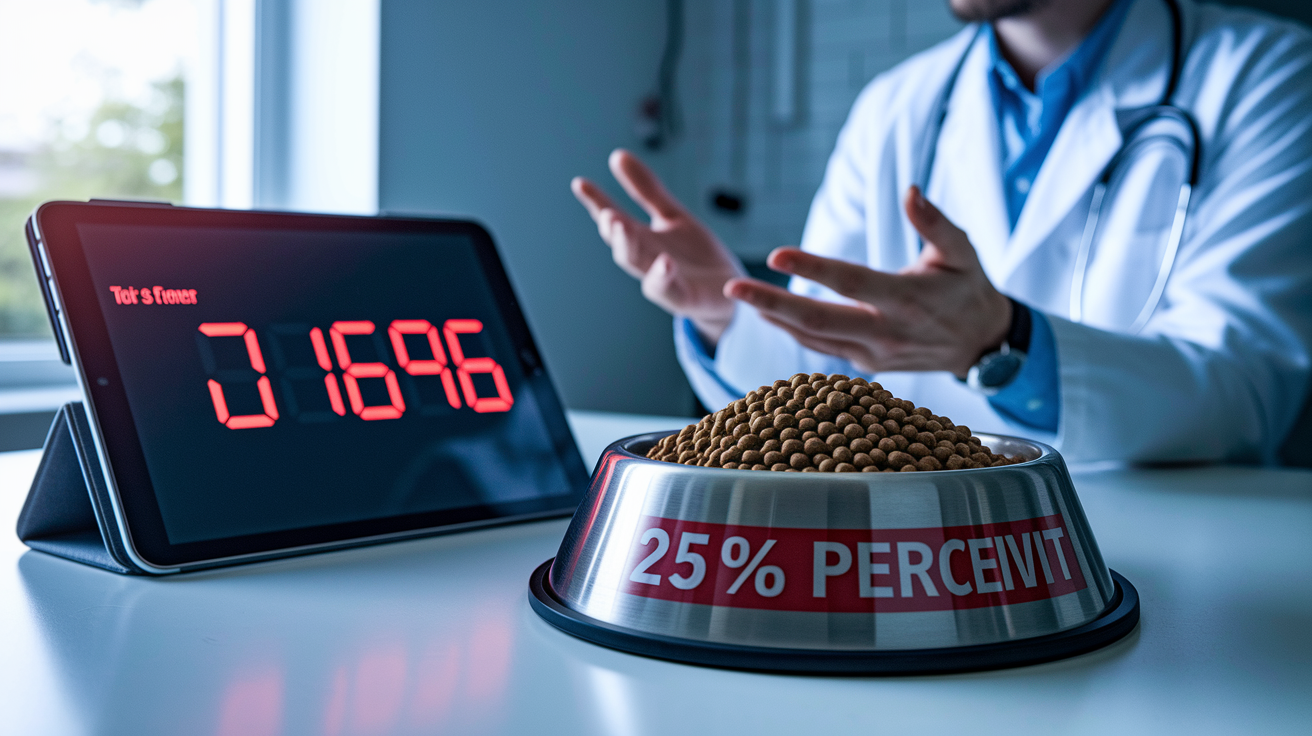
The quick switch method is only appropriate for healthy adult dogs in urgent situations. Use it when the old food has been recalled, is suddenly unavailable, or when your veterinarian directs an immediate change due to a confirmed allergy or acute gastrointestinal episode. This method should never be used with puppies, senior dogs with chronic illness, diabetic dogs, or any dog with a history of pancreatitis or digestive sensitivity.
To execute a quick switch, offer about 25% of a normal meal portion using only the new food. Leave the food down for 30 minutes. If your dog doesn’t eat it, remove the bowl and wait until the next scheduled mealtime. At the next meal, offer the same small portion again. If your dog ate the previous meal normally, you can increase the portion size slightly. If not, continue offering the small portion until your dog begins eating. Slowly increase portion size over the next few meals as long as your dog tolerates the food without vomiting or diarrhea.
Stop the quick switch method immediately if your dog refuses all food for 48 hours, vomits more than once, or develops diarrhea at any point. These are signs that your dog’s system can’t handle the abrupt change, and continuing puts your dog at risk for dehydration and malnutrition. Contact your veterinarian right away if any of these symptoms appear, or if you’re unsure whether your dog qualifies as healthy enough for a quick switch.
When to Contact a Veterinarian During a Dog Food Transition

Persistent vomiting, ongoing diarrhea, or complete appetite loss are clear signals that the transition has gone wrong and professional help is needed. If your dog vomits more than twice in 24 hours, or if diarrhea lasts longer than two days despite reverting to the old food, call your veterinarian. Dehydration can set in quickly, especially in puppies and small dogs, and waiting too long can turn a manageable problem into an emergency.
Dogs with chronic medical conditions need veterinary supervision during any food change. Diabetic dogs rely on consistent carbohydrate intake to match insulin doses, and skipping meals or experiencing digestive upset can cause dangerous blood sugar swings. Dogs with kidney disease, pancreatitis, or inflammatory bowel disease often require prescription diets with specific nutrient profiles, and switching without guidance can worsen their condition. Always discuss diet changes with your veterinarian before starting a transition if your dog has any ongoing health issues.
Vomiting that contains blood or looks like coffee grounds requires immediate veterinary contact. Diarrhea that’s black, tarry, or contains visible blood. Refusal to eat or drink for more than 24 hours (or 48 hours in a quick switch scenario). Lethargy so severe that your dog won’t stand, walk, or respond to you.
Final Words
Start by following a simple day-by-day mixing plan and give your dog time to adjust. Match the new food to the old when you can, watch stool consistency, and note appetite and energy changes as you go.
If a dog is picky or sensitive, slow the timeline or try small toppers for acceptance. Keep a short log of what you see — that makes decisions easier and is the practical heart of how to transition dog food safely. You’ll feel more confident with each meal.
FAQ
Q: What is the 7 7 7 rule for dogs?
A: The 7 7 7 rule for dogs is a week‑long gradual switch where you increase the new food each day so the dog reaches 100% new food by day seven; extend if sensitive.
Q: How long does it take to transition a dog from one food to another?
A: Transitioning a dog from one food to another typically takes 7–10 days; sensitive dogs may need 7–14 or more days to adjust to new ingredients and textures.
Q: What is the 95 rule for dog food?
A: The 95 rule for dog food means starting with about 95% old food and 5% new food on day one, used for dogs with very sensitive stomachs to slow the change.
Q: What is the 90/10 rule dog?
A: The 90/10 rule for dogs means feeding 90% old food and 10% new food at first—day one of a common 7‑day transition chart to reduce digestive upset.