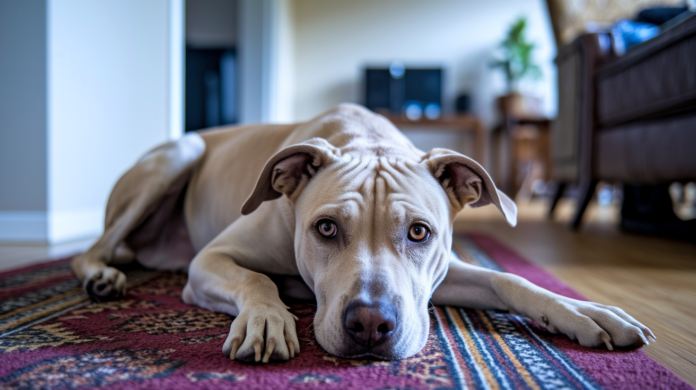

Could your dog be slowly malnourished and you don’t even notice?
You see them every day, so small changes like dull fur or low energy slip by until weight loss becomes obvious.
This guide walks through the physical signs, like visible ribs, dull coat, and muscle loss, and the behavioral changes, like low energy and mood shifts, that often show up first.
Spotting these early gives you time to adjust diet, check for parasites or illness, and get the right help before things spiral.
Immediate Signs Your Dog May Be Malnourished

You see your dog every day. That’s actually part of the problem. When weight loss happens gradually, it’s easy to miss until things get serious.
Knowing what to watch for changes that. You can spot trouble weeks before it turns into something worse.
If you’re noticing any combination of what’s listed below, especially if it came on fast or doesn’t make sense, it’s time to call your vet. These signs don’t always point to malnutrition, but they do mean something’s off and needs attention.
Here’s what to check for:
- Ribs, spine, or hip bones visible from across the room or easy to feel without any pressure
- Weight dropping fast over just a few weeks with no clear reason
- Your dog seems tired all the time or has way less energy than normal
- Coat looks dull, dry, brittle, or you’re seeing more shedding than usual
- Skin feels flaky, rough, or looks irritated
- Muscle loss, especially around the shoulders, hips, or back legs
- Trouble standing, climbing stairs, or jumping onto the couch
- Acting different lately, like pulling back from people, getting snappy, or not interested in playing anymore
Physical Changes That Suggest Nutritional Deficiencies
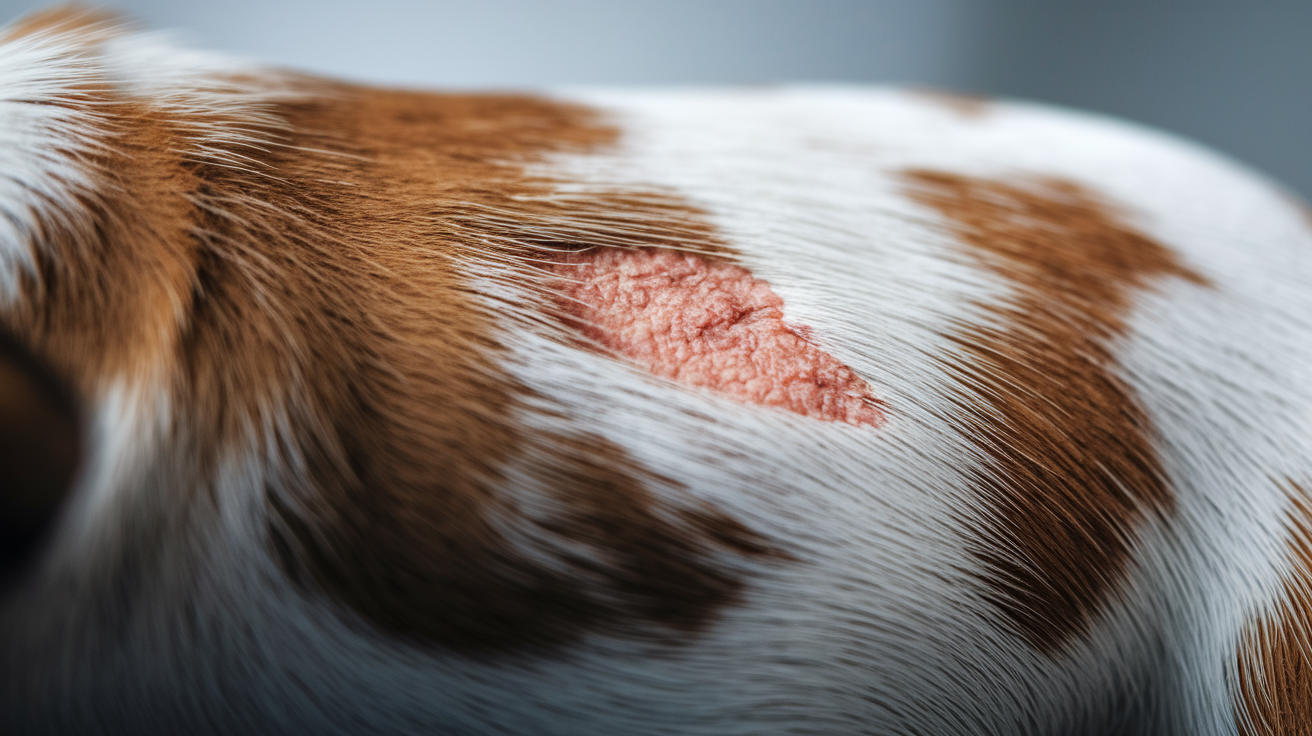
One of the first things you’ll notice is the coat. A healthy coat tells you what’s going on inside. When dogs aren’t getting enough protein, essential fatty acids, or vitamins like biotin and zinc, their coat loses that shine and starts feeling rough or brittle. You might see more hair on the floor, stuck to the couch, or coming out in clumps when you brush them. Sometimes patches thin out or fall out completely.
Muscle loss is another big one. It shows up along the spine, over the hips, around the shoulders. If you run your hand down your dog’s back and feel bones sticking out where there used to be smooth muscle, that’s telling you their protein intake isn’t keeping up with what their body needs. Dogs not getting enough calories will actually start breaking down their own muscle for energy, and that speeds everything up.
Skin problems usually follow. Dry, flaky skin. Wounds that heal slowly. Infections that keep coming back. Dogs on poor quality food can also get more sensitive to allergens or stuff in the environment because their immune system isn’t getting the backup it needs from what they’re eating.
Behavioral and Energy Level Indicators

Malnutrition doesn’t just change how a dog looks. It changes how they act.
Fatigue’s usually the first thing. A dog who used to meet you at the door or beg for a walk might start sleeping more, moving slower, losing interest in their toys. This isn’t laziness. When dogs don’t get enough calories or the right nutrient balance, their body shifts into survival mode. Play becomes optional. Carbs give quick fuel, protein helps with muscle repair. Without enough of either, energy tanks fast.
You might also notice your dog seems mentally slower. Less responsive. Takes longer to react. Gets startled easier.
Some dogs go the other direction and get irritable or restless instead of withdrawn. They pace, whine more than they used to, or snap at things that never bothered them before. Changes in gut health and how well they’re absorbing nutrients can mess with the gut brain connection, which affects mood and behavior in ways that can look like anxiety or even depression.
Medical Causes and Risk Factors Behind Malnutrition
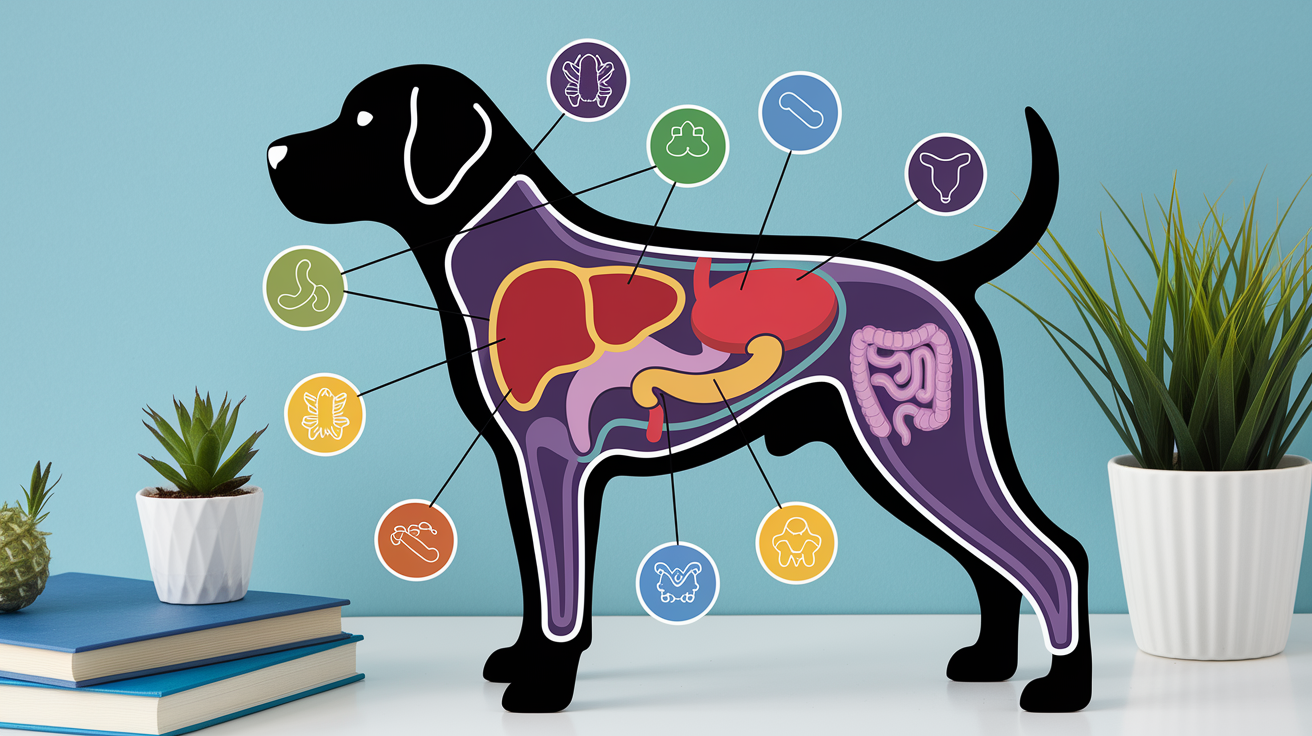
Malnutrition isn’t always about what’s in the bowl. Sometimes a dog’s eating plenty, but their body can’t use it. Digestive diseases like inflammatory bowel disease or exocrine pancreatic insufficiency stop the intestines from absorbing nutrients the right way. Vomiting and diarrhea flush out vitamins, minerals, and calories before the body even gets a chance.
Parasites are common too, especially in puppies. Roundworms, hookworms, giardia, coccidia. They steal nutrients straight from the digestive tract. Even well fed dogs can become malnourished if parasites stick around untreated. Dental disease plays a part as well. Dogs with painful teeth, abscessed gums, or broken molars might avoid eating enough or drop kibble while they’re trying to chew, and that leads to slow weight loss over time.
Here are five medical causes that raise the risk:
- Chronic kidney disease or liver disease, which mess with how the body processes and stores nutrients
- Diabetes, which disrupts how the body uses glucose and protein
- Cancer, especially gastrointestinal tumors or lymphoma, which ramp up metabolic demand and kill appetite
- Addison’s disease, a hormone disorder that hits digestion and energy metabolism
- Congenital defects like portosystemic shunt in puppies, which hurt liver function and nutrient processing
Breed, Age, and Lifestyle Factors That Change Nutritional Needs
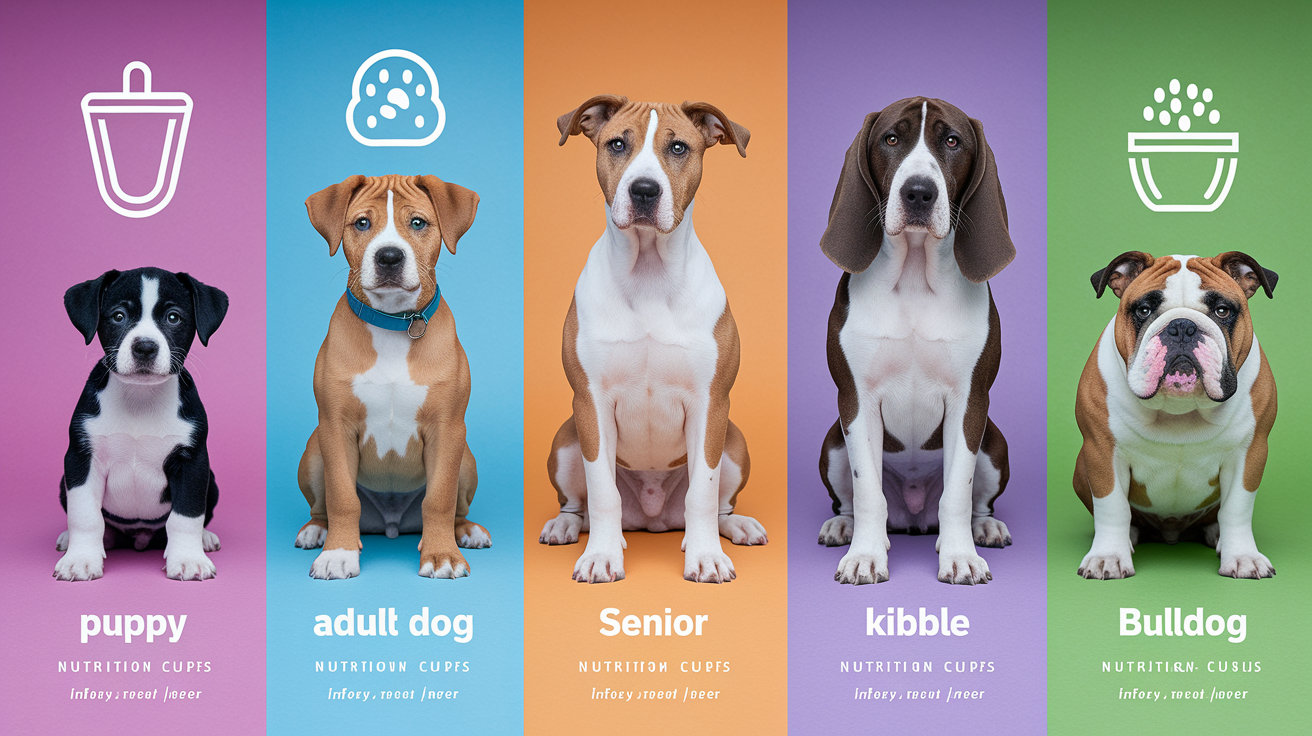
Not every dog needs the same food or the same amount. Puppies are growing fast, so they need way more calories and protein per pound than adults. A puppy fed adult food might not get enough fuel to support bone growth, brain development, and immune function.
Senior dogs face the opposite issue. Metabolism slows down. Many lose the ability to absorb certain vitamins and minerals as well as they used to. At the same time, they might be losing muscle or developing chronic conditions that shift what they need. What worked when they were three might leave them underfed at twelve.
Breed and activity level matter just as much. Sighthounds like Greyhounds and Salukis are naturally lean. Visible ribs aren’t always a warning sign. But the same body on a Bulldog or Rottweiler would mean trouble. Highly active dogs (working breeds, agility competitors, dogs who hike or run every day) burn through calories fast and need more food than whatever the bag says. Dogs with slower metabolisms might need less, even if the guidelines suggest otherwise.
Warning Signs That Require Immediate Veterinary Attention
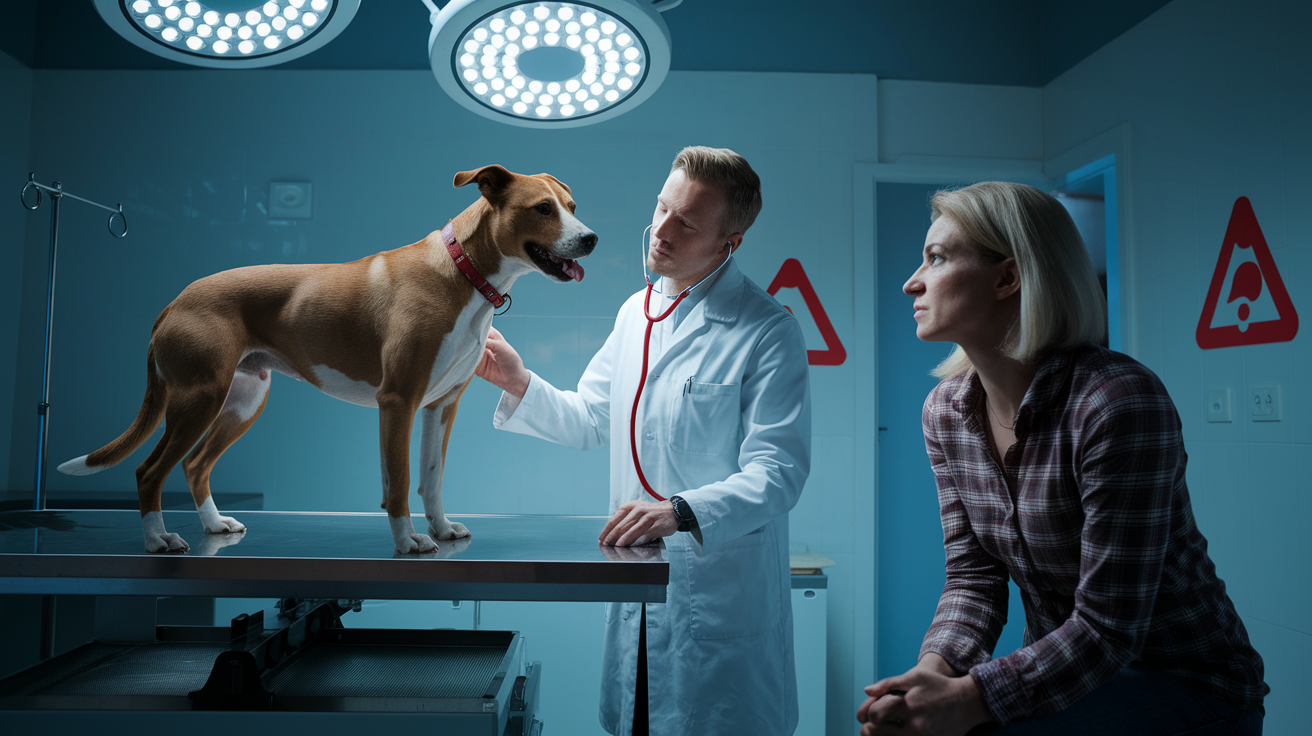
Some symptoms go past “make an appointment” and into “go now” territory. If your dog’s showing any of these, don’t wait to see if things get better:
- Severe or sudden weight loss, especially if ribs and spine become sharply visible in just days or weeks
- Collapse, extreme weakness, or can’t stand up without help
- Won’t eat or drink for more than 24 hours
- Vomiting or diarrhea that won’t stop for more than a day or two
- Signs of dehydration: dry gums, sunken eyes, skin that doesn’t bounce back when you gently lift it
- Breathing trouble, heavy panting while resting, or sudden exercise intolerance
Extremely thin dogs, including some rescues, are at risk for refeeding syndrome. This happens when a starving dog gets fed too much too fast and their body can’t handle the sudden change. It can cause respiratory or cardiac failure. If you’re caring for a severely malnourished dog, they need controlled refeeding under vet supervision, not a full bowl at home.
Preventing Malnutrition Through Proper Diet and Routine Care

The best way to prevent malnutrition is feeding a complete, balanced diet that matches your dog’s life stage and activity level. Look for foods meeting AAFCO standards. These have been tested or formulated to provide everything dogs need. Don’t fill up your dog’s stomach with treats, table scraps, or low quality fillers like white flour and corn syrup. Those crowd out real nutrition.
Consistency matters. Feed at the same times each day, measure portions, and track your dog’s weight and body condition over time. After puppyhood, most dogs hold a stable weight. If that changes without a clear reason (more exercise, a diet switch, a health issue), it’s worth looking into.
Here are seven prevention steps that work:
- Schedule annual wellness exams and bloodwork to catch problems early
- Use year round parasite preventatives to stop worms and other parasites before they cause damage
- Monitor your dog’s body condition at home. You should be able to feel ribs easily but not see them standing out
- Adjust food portions if your dog’s highly active, has a slow metabolism, or moves into a new life stage
- Bring a complete diet history and food packaging to vet visits so your vet can check nutritional quality
- Deal with dental disease right away. Painful teeth lead to poor eating and slow weight loss
- If you’re switching diets, do it slowly over 7 to 10 days to avoid digestive upset that can look like malnutrition
Final Words
If you spot visible ribs, sudden weight loss, a dull coat, low energy, or behavior changes, this post gave the quick signs to watch and where they often start. We also covered how physical changes, medical causes, life stage differences, and clear red flags fit together.
Keep a simple checklist: appetite, weight, coat, energy, and stool. Note changes and call your vet if you see severe signs.
Watch for signs of malnutrition in dogs and act early. Small checks and steady routines make a big difference.
FAQ
Q: How to tell if your dog is malnourished?
A: You can tell if your dog is malnourished by spotting visible ribs or spine, rapid weight loss, low energy, a dull or brittle coat, dry flaky skin, muscle wasting, and changes in appetite or behavior.
Q: Can a dog recover from malnutrition?
A: A dog can recover from malnutrition with a vet-guided refeeding plan, treatment for underlying illness or parasites, proper nutrition, and regular monitoring. Many dogs improve within weeks, though severe cases need longer care.
Q: What is the 7 second rule for dogs?
A: The 7 second rule for dogs is a training guideline that gives a dog seven seconds to obey a “drop” or “leave it” cue before you take further steps, helping build impulse control and clear timing.
Q: What is a silent killer for dogs?
A: A silent killer for dogs is a health problem that shows few early signs, such as kidney disease, heart disease, internal parasites, or toxin exposure. Regular vet exams help detect these conditions early.