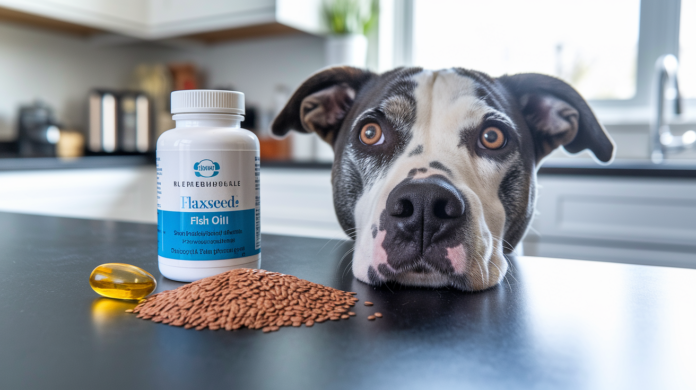

Could your dog’s food be missing fats that affect its skin, joints, and mood?
Essential fatty acids, omega-3 and omega-6, are nutrients dogs can’t make enough of, so they need to get them from food or supplements.
This post explains what those fats do, where to find reliable sources like salmon, sardines, chicken fat, and how to balance their ratio for better skin, less inflammation, and sharper brain health.
I’ll finish with practical supplement tips and clear signs that mean it’s time to talk to your vet.
Key Fatty Acids Dogs Require for Optimal Health

Your dog can’t make certain fats on their own. That means they’ve got to get them from food, which is why they’re called essential fatty acids, or EFAs. There are two main families here: omega-3 and omega-6. These fats do everything from supporting brain development to keeping your dog’s skin barrier working properly. Without them, basic cellular tasks fall apart and inflammation goes unchecked.
Omega-3s come in three forms: alpha-linolenic acid (ALA), eicosapentaenoic acid (EPA), and docosahexaenoic acid (DHA). You’ll find ALA in plant sources like flaxseed, but here’s the catch. Dogs aren’t great at converting ALA into EPA and DHA, so you’re better off feeding marine sources that deliver those two directly. Omega-6s mostly revolve around linoleic acid (LA), which dogs need for skin health, cell membranes, and energy. Unlike cats, dogs can turn LA into arachidonic acid (AA), so LA is the only omega-6 they actually need from their diet.
What essential fatty acids do for your dog:
- Keep skin hydrated, coat waterproofed, and the skin barrier strong
- Control inflammatory responses and support immune function
- Help absorb fat-soluble vitamins like A, D, E, and K
- Deliver concentrated energy (fats give 2.25 times more energy than protein or carbs)
Natural Dietary Sources of Essential Fatty Acids for Dogs
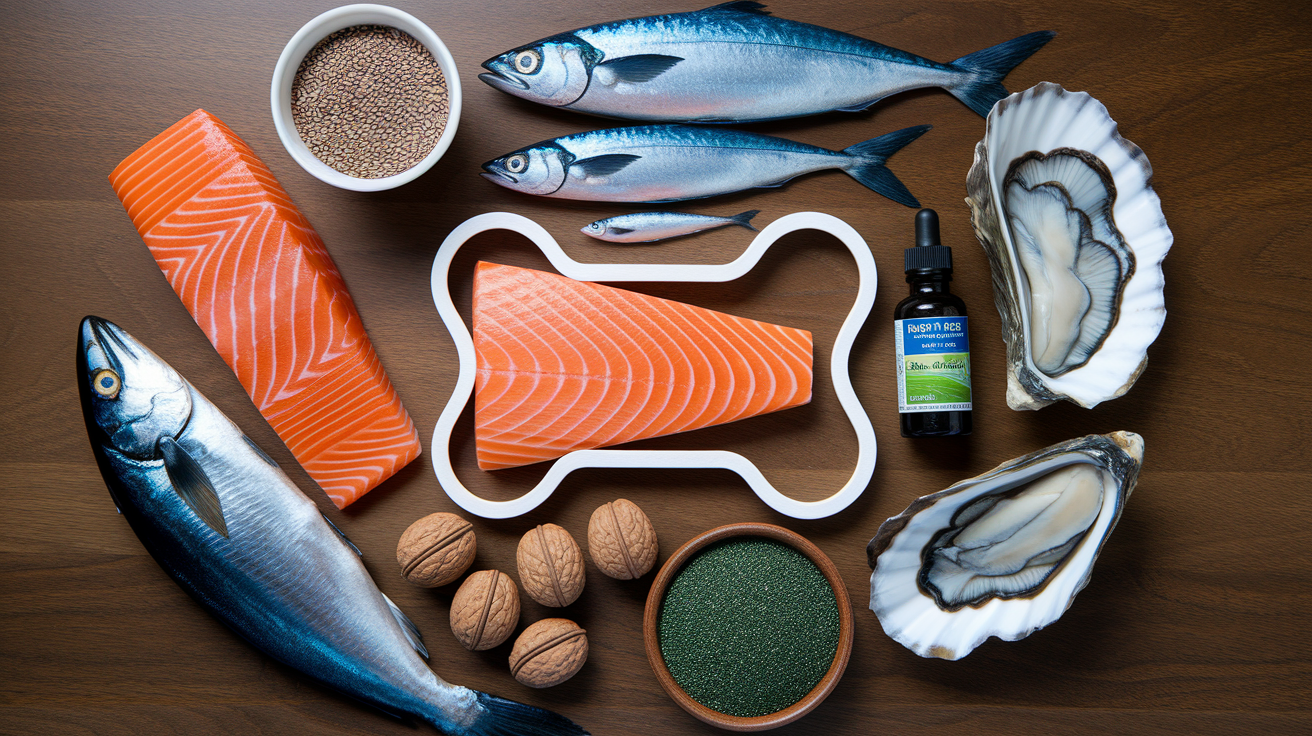
Cold-water fish like salmon, mackerel, sardines, and herring are loaded with EPA and DHA that your dog’s body can use right away. Fish oil, oysters, and mussels also deliver these active omega-3s. Plant sources like flaxseed, walnuts, chia seeds, and algae (think spirulina) offer ALA, but don’t forget dogs struggle to convert that into the more useful EPA and DHA.
Omega-6s mostly come from animal fats and plant oils. Chicken fat, beef, and pork naturally contain linoleic acid. Plant oils such as corn oil, safflower oil, soybean oil, canola oil, and sunflower oil are packed with LA and show up in most commercial dog foods. Corn oil is one of the most concentrated LA sources out there. To get the same amount of linoleic acid from coconut oil, you’d need about 30 times as much, which makes coconut and olive oils pretty useless for omega-6 needs.
| Source | Fatty Acid Type | Bioavailability |
|---|---|---|
| Salmon, sardines, mackerel | EPA, DHA (omega-3) | High (direct use) |
| Fish oil, krill oil | EPA, DHA (omega-3) | High (direct use) |
| Flaxseed, chia seeds | ALA (omega-3) | Low (requires conversion) |
| Chicken fat, beef, pork | Linoleic acid (omega-6) | High |
| Corn oil, safflower oil | Linoleic acid (omega-6) | High |
| Coconut oil, olive oil | Minimal LA or ALA | Low for EFA needs |
Recognizing Fatty Acid Deficiencies in Dogs
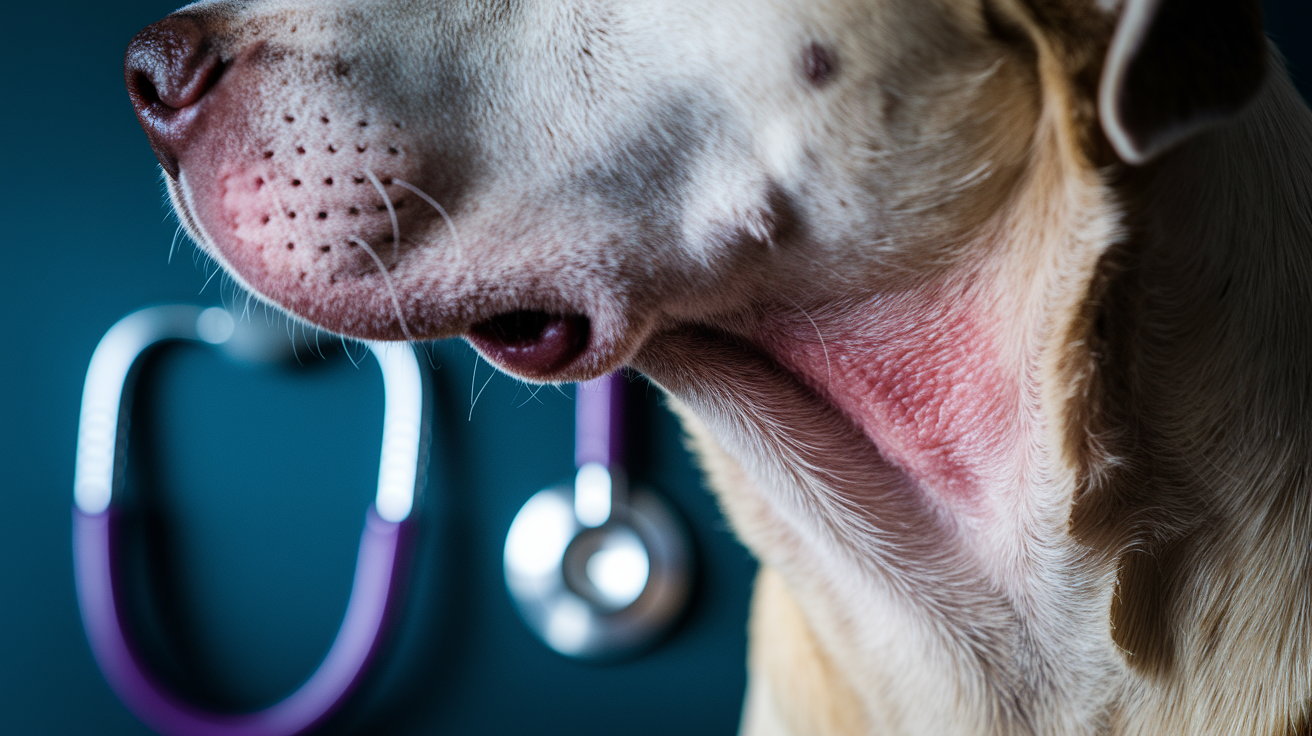
When your dog isn’t getting enough essential fatty acids, the skin and coat usually show the first warning signs. Not enough linoleic acid (omega-6) often means dry, flaky skin, a dull coat, and visible skin lesions, especially in puppies. Omega-3 deficiency might look like ongoing inflammation, stiff joints, wounds that heal slowly, or subtle mental changes in older dogs. Both types leave the skin’s moisture barrier weak, making it easier for irritation and infection to set in.
Signs your dog might be low on EFAs:
- Dry, itchy, or flaky skin with noticeable dandruff
- Dull, brittle coat that sheds excessively
- Minor wounds that take forever to heal or skin infections that won’t clear up
- Behavior or cognitive shifts, especially in seniors
- Stiff joints or heightened sensitivity to inflammation
If you’re seeing two or more of these at once, write down when they started and how often they happen. Bring those notes to your vet. Catching this early can help you avoid bigger problems like weakened immunity, chronic skin issues, or inflammatory joint disease down the road.
Supplementing Essential Fatty Acids Safely
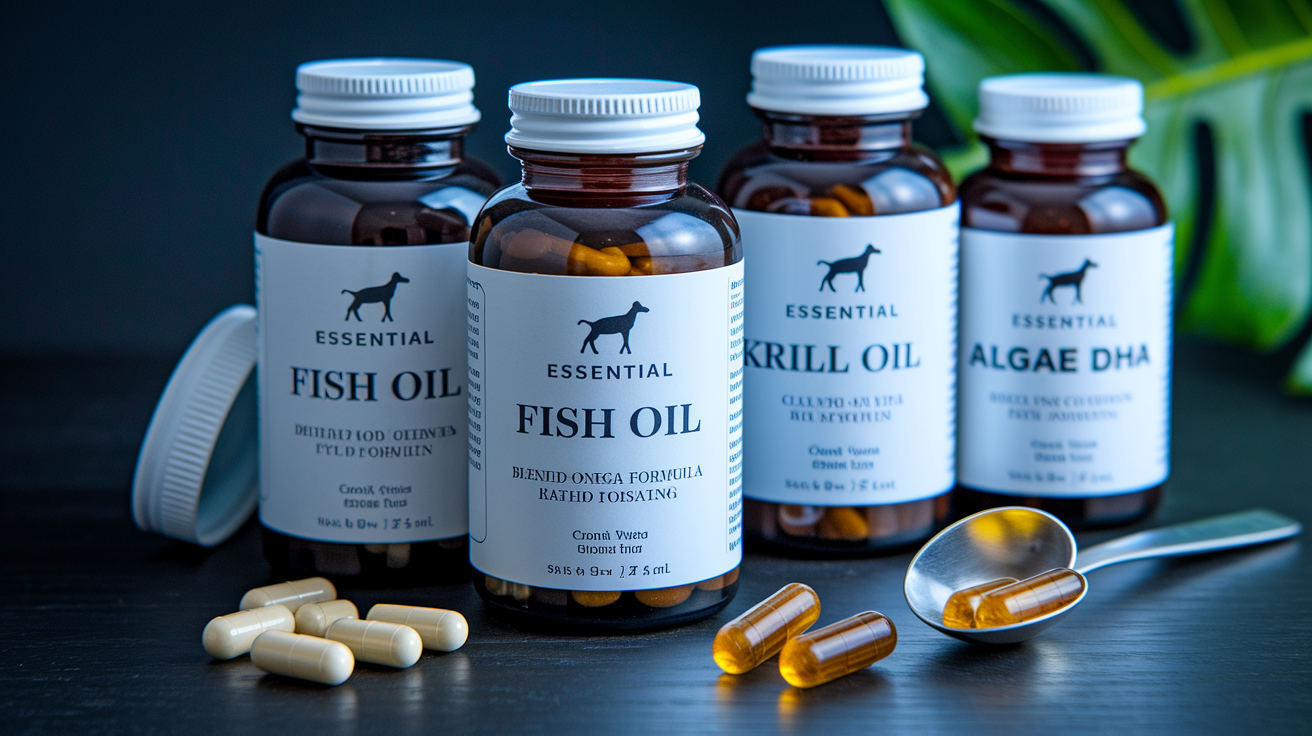
Sometimes whole foods don’t deliver enough EPA, DHA, or linoleic acid. That’s when supplements come in. The most common options are fish oil (loaded with EPA and DHA), krill oil (marine omega-3 with added antioxidants), algae-based DHA (plant-derived), and blended omega formulas that balance both families. Look for products that tell you where the oil comes from, use cold-pressed or minimally processed methods, and come in dark bottles to protect against light and oxygen.
Popular EFA supplement types:
- Fish oil from salmon, sardine, or anchovy for direct EPA and DHA
- Krill oil for omega-3 plus natural astaxanthin
- Algae-based DHA if you want a plant-derived marine omega-3
- Blended omega formulas built to balance both families
More isn’t always better. Too much omega-3 can mess with blood clotting, upset your dog’s stomach, or create nutrient imbalances that block absorption of fat-soluble vitamins. Stick to the label instructions and check with your vet before adding anything, especially if your dog’s on medication or dealing with a condition like heart disease or diabetes. Most quality supplements dose by weight, and you’ll usually see improvements in coat and skin within a few weeks. Some dogs take up to six weeks to show real change.
Understanding the Omega-3 to Omega-6 Ratio
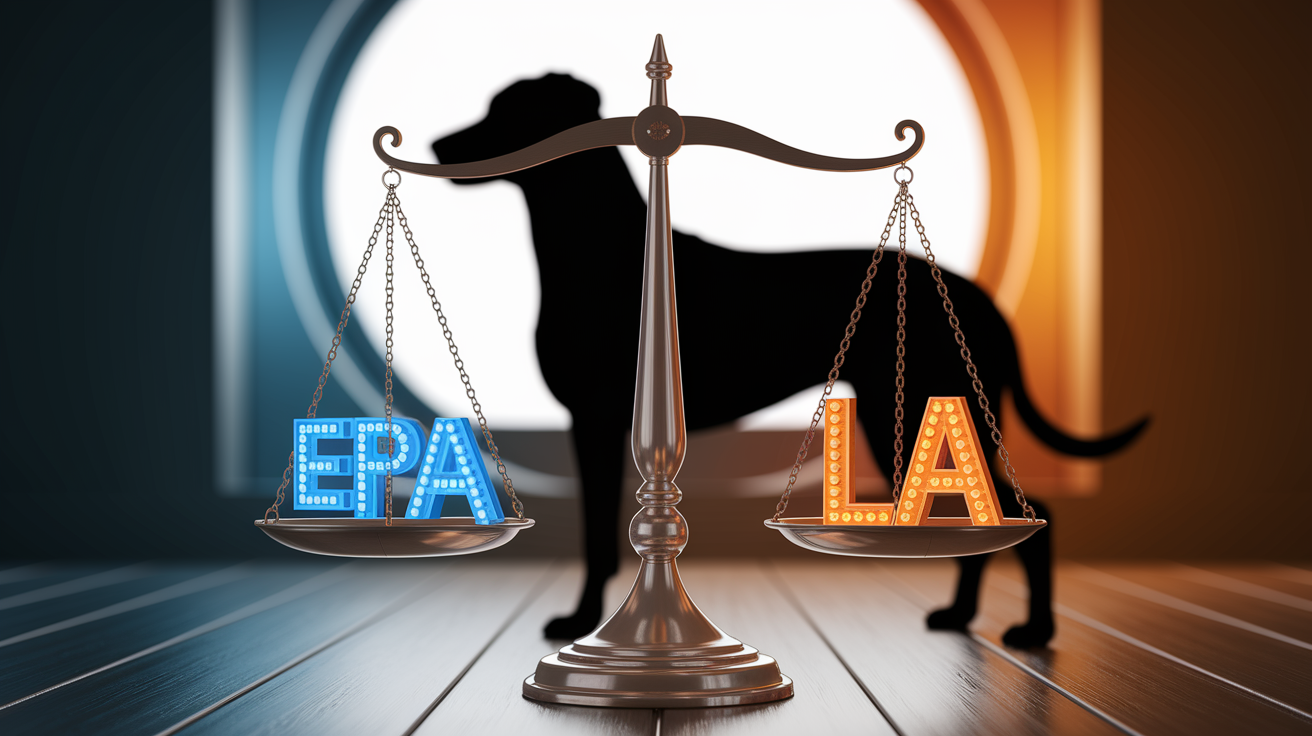
It’s not just about how much of each fatty acid your dog gets. The balance between omega-3 and omega-6 matters just as much. Omega-6s tend to promote inflammation as part of normal immune responses, while omega-3s help calm that inflammation and keep the immune system in check. When omega-6 levels get too high without enough omega-3 to balance things out, chronic low-grade inflammation can take hold. That contributes to arthritis, cardiovascular stress, bowel irritation, and ongoing skin problems. Most commercial dog foods lean heavy on omega-6 because poultry fat, corn oil, and soybean oil are cheap and shelf-stable.
Experts suggest omega-3 to omega-6 ratios somewhere between 1:2 and 1:10, though opinions differ. AAFCO allows ratios as wide as 1:30, which a lot of nutritionists think is way too high. Dr. Doug Bibus recommends 2:1 to 4:1, while Dr. Gregory Reinhart says 5:1 to 10:1. Ancestral canine diets featured prey that grazed on vegetation, which gave ratios closer to 1:1 to 3:1. If your dog’s eating grain-fed beef (typical ratio 5:1 to 10:1), consider adding a measured amount of fish oil to shift the balance toward omega-3. Work with your vet or a veterinary nutritionist to figure out your dog’s current ratio and adjust portions safely, because both too little and too much can cause problems.
Final Words
Check your dog’s food and supplements for omega-3 and omega-6. These essential fatty acids support coat and skin health, inflammation control, cellular function, and brain support.
Watch for dry, flaky skin, a dull coat, slow wound healing, extra shedding, or stiffness. Those are signs we covered and things a vet can help with.
If you’re still asking what are essential fatty acids for dogs, they’re omega-3 (ALA, EPA, DHA) and omega-6 (linoleic acid). Start small, track changes in your pet journal, and check with your vet. Small fixes often help a lot.
FAQ
Q: What foods have essential fatty acids for dogs? What can I give my dog for fatty acids? What is a good source of essential fatty acids?
A: Foods and supplements that provide essential fatty acids for dogs include oily fish (salmon, sardines), fish or krill oil, algae-based DHA, flaxseed, chicken fat, and some vegetable oils; marine sources give the most usable EPA and DHA.
Q: What is the number one food you should never feed your dog?
A: The number one food you should never feed your dog is chocolate, which can cause vomiting, tremors, seizures, and dangerous heart problems; contact your vet right away if ingestion occurs.