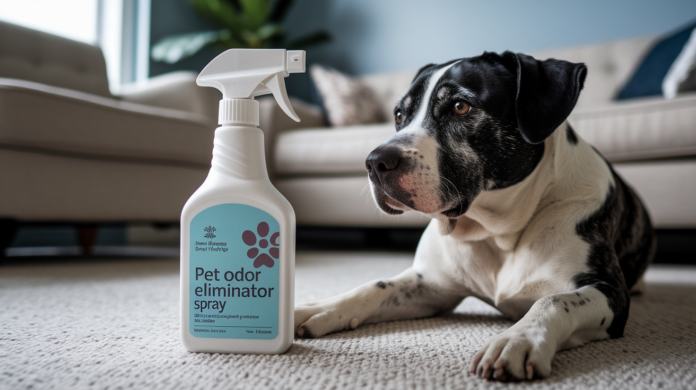

Most pet odor products only hide the problem.
A pet odor eliminator actually removes the molecules that cause animal smells, not just cover them with fragrance.
Some break down organic messes with enzymes, some oxidize odor chemicals, and some trap smells in porous materials.
This post explains what a pet odor eliminator is, how the main types work, and simple steps to pick and use the right one so the smell stays gone.
Defining Pet Odor Eliminators and Their Core Purpose

A pet odor eliminator removes or neutralizes the molecules that cause animal smells instead of just covering them with fragrance. These products go after the source: dried urine in carpet padding, dander on furniture, volatile compounds floating in the air. They break down, trap, or chemically change those molecules so they stop smelling.
Here’s the difference between an odor eliminator and an air freshener. Air fresheners mask odors by introducing stronger, nicer scents. When the fragrance fades, the original smell comes back because the odor compounds are still there. Odor eliminators actually do something:
- Trap odor molecules inside cage structures or on absorbent surfaces
- Break down organic waste and residues using enzymes
- Oxidize or chemically change odorous compounds into non-odorous forms
- Neutralize molecules through binding or pH adjustment
If your home smells clean only while the plug-in’s running, you’re masking. If the smell doesn’t come back after treatment, you’ve eliminated it.
How Pet Odor Eliminators Work: Core Mechanisms Explained

Pet odor eliminators use three main approaches to remove smells. Each targets odor molecules differently, and knowing these mechanisms helps you pick the right product. Some combine more than one approach for better coverage.
Speed and depth depend on the mechanism. Chemical oxidation can neutralize surface odors in minutes. Enzymatic digestion works slower but removes embedded organic material that other methods miss. Absorption and encapsulation often support cleaning rather than replace it.
Enzymatic Breakdown
Enzymatic cleaners contain biological catalysts: protease, lipase, and amylase. These digest the organic compounds in pet messes. Protease breaks down proteins in urine and feces, lipase targets fats and oils, amylase handles starches and carbohydrates. They don’t cover the smell. They consume the food source that odor-causing bacteria feed on, stopping the smell at its origin.
Enzymatic breakdown needs time and moisture. The enzymes need direct contact with the soiled area and enough time to work, typically 24 to 72 hours for deep or old odors. That’s why many enzymatic products tell you to saturate the stain and leave it wet rather than blotting it dry right away.
Chemical Neutralization and Oxidation
Oxidizing agents like hydrogen peroxide, sodium percarbonate, and activated oxygen chemically alter odor molecules so they no longer smell. These products donate oxygen atoms to volatile compounds, breaking them into simpler, odorless substances. Oxidizers act quickly, often within 5 to 15 minutes. They’re useful for immediate odor control on hard surfaces and fabrics.
Ozone generators and activated oxygen systems fall here too. They’re powerful for smoke, decomposition, and stubborn organic odors, but they carry health risks. Ozone can irritate lungs and damage mucous membranes. Use these systems only in unoccupied spaces with proper ventilation and safety protocols.
Absorption and Encapsulation
Absorbent materials physically trap odor molecules instead of breaking them down. Activated carbon is the most common example. It has a porous structure that captures volatile organic compounds from the air. Cyclodextrin is a ring-shaped molecule that encapsulates odor particles inside its hollow center, locking them away. Polymers and other binding agents work similarly by surrounding odor molecules and preventing them from reaching your nose.
You’ll find these methods in powders, air purifiers, and fabric sprays. They reduce airborne odors but may not address the source embedded in carpets or upholstery. For best results, combine absorption with enzymatic or oxidative cleaning to remove both the source and the residual smell in the air.
Types of Pet Odor Eliminators and Their Best Uses
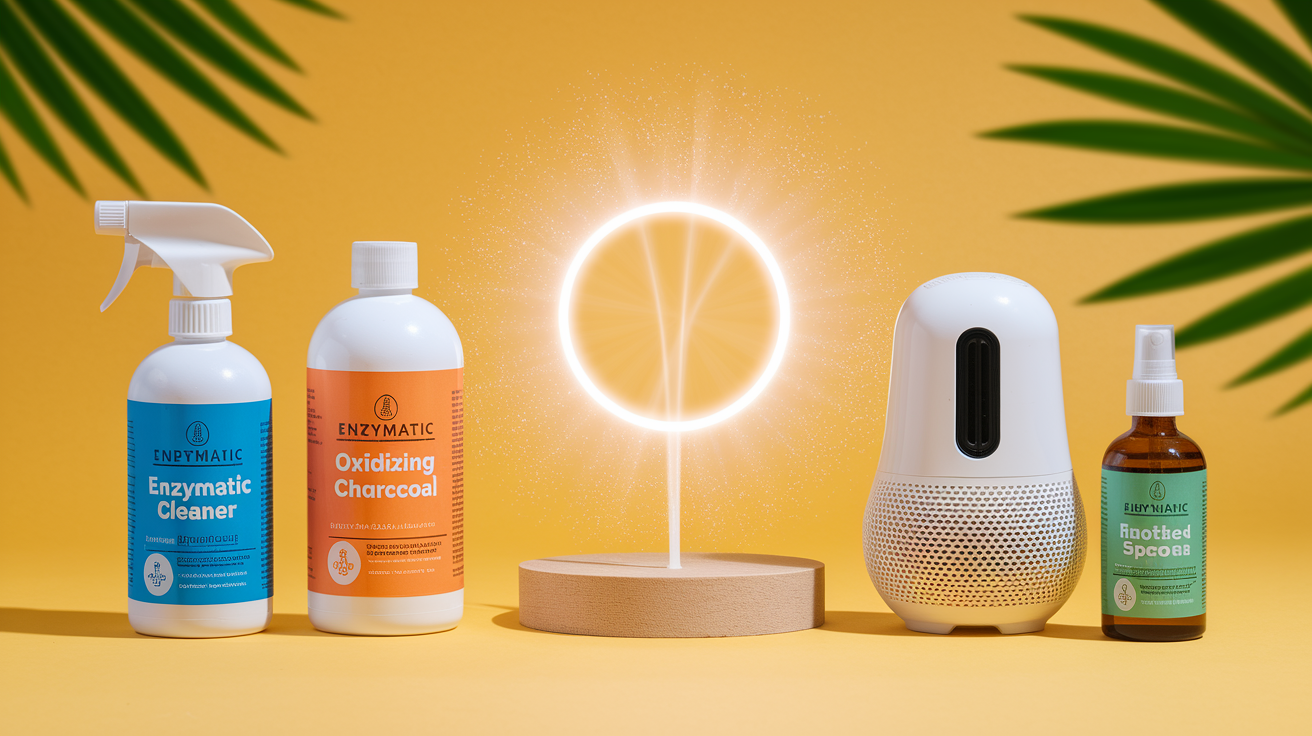
Pet odor eliminators come in several forms, each suited to different problems and surfaces. Enzymatic cleaners are liquid formulas, either ready-to-use sprays or concentrates you dilute. They digest organic matter like urine, feces, and vomit. They’re the go-to for biological messes because they remove the odor source rather than just neutralizing the smell temporarily.
Oxidizing cleaners include products with hydrogen peroxide or sodium percarbonate (oxygen bleach). They work fast on many stains and odors, especially on colorfast fabrics and hard surfaces. Adsorbent powders like baking soda and activated charcoal are secondary treatments. You sprinkle them on carpets or in litter boxes, let them sit for several hours, then vacuum. They help control airborne odors but won’t clean embedded stains.
Air purifiers with HEPA filters and activated carbon are useful for continuous odor control in rooms where pets spend time. HEPA filters capture dander and hair, carbon filters absorb volatile compounds in the air. Masking fragrances (plug-ins, sprays, scented powders) temporarily cover smells but don’t eliminate the underlying problem. They’re not a standalone solution for biological odors.
Main types of pet odor eliminators:
- Enzymatic cleaners (sprays and concentrates for organic stains and odors)
- Oxidizing cleaners (hydrogen peroxide, oxygen bleach for fast neutralization)
- Adsorbent powders (baking soda, activated charcoal for surface and air deodorizing)
- Air purifiers (HEPA plus carbon for continuous room-scale odor control)
- Masking fragrances (temporary cover-up, not true elimination)
Understanding Key Ingredients in Pet Odor Eliminators
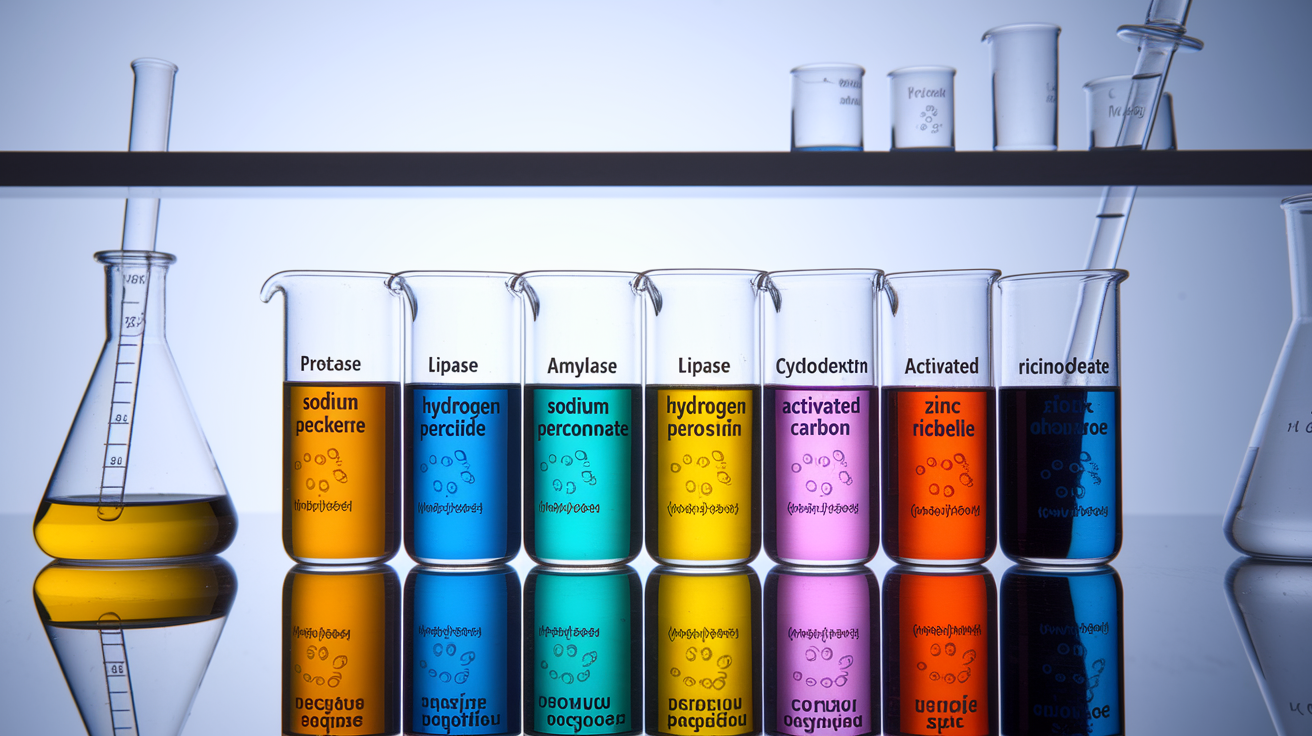
Active ingredients determine how a product removes odors and what surfaces it’s safe to use on. Protease, lipase, and amylase are the enzymes that digest proteins, fats, and carbohydrates in organic messes. Citric acid adjusts pH to reduce bacterial growth and odor production. Cyclodextrin is a molecular cage that traps odor particles, often found in fabric sprays and carpet powders.
Hydrogen peroxide and sodium percarbonate are oxidizers that chemically break down odor molecules. They’re effective but can bleach or damage certain fabrics and finishes. Always test on a hidden area first. Activated carbon absorbs volatile compounds in air purifiers and powder treatments. Zinc ricinoleate is a natural compound that binds to malodorous molecules, commonly used in eco-friendly sprays.
Some products include beneficial bacteria or bacterial spores (often Bacillus species) that continue breaking down organic material over time. These are especially useful in litter boxes and septic systems where ongoing odor control is needed. Always check labels for ingredients that may be harmful to pets, such as phenols or undiluted strong oxidizers.
| Ingredient | Function | Typical Use |
|---|---|---|
| Protease, lipase, amylase | Digest proteins, fats, carbohydrates in organic waste | Enzymatic cleaners for urine, feces, vomit |
| Hydrogen peroxide, sodium percarbonate | Oxidize odor molecules into non-odorous compounds | Fast-acting sprays, laundry boosters |
| Cyclodextrin | Encapsulate and trap odor particles | Fabric refreshers, carpet powders |
| Activated carbon | Absorb volatile organic compounds from air | Air purifiers, deodorizing sachets |
| Citric acid | Lower pH to inhibit odor-causing bacteria | General-purpose cleaners, sprays |
How to Use Pet Odor Eliminators Effectively
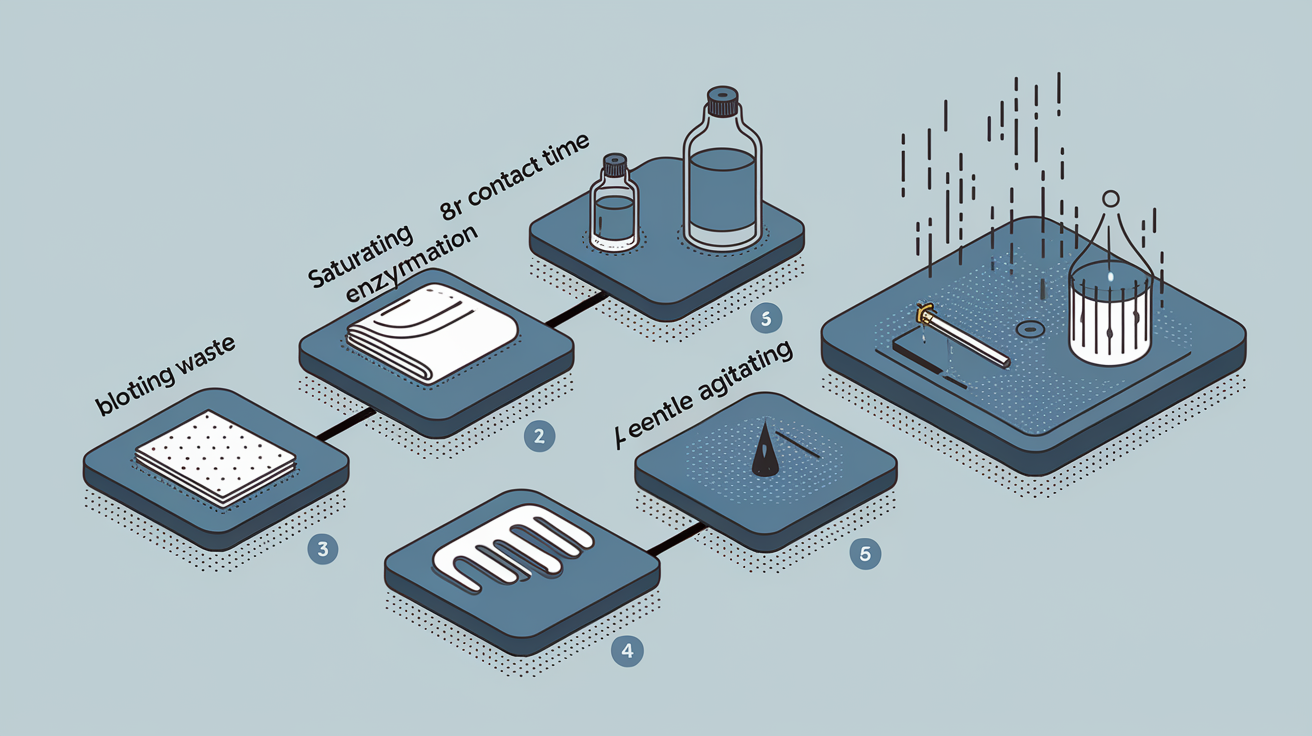
Proper application makes the difference between partial masking and complete odor removal. Start by removing as much of the mess as possible. Blot liquids with paper towels, scrape up solids, and don’t rub, which pushes waste deeper into porous materials. For enzymatic products, apply enough solution to reach the full depth of the stain. On carpets, that often means saturating the area until moisture reaches the padding underneath.
Follow the product’s contact time instructions. Oxidizing cleaners typically need 5 to 15 minutes of wet contact to neutralize odors. Enzymatic cleaners require much longer (24 to 72 hours for deep or old stains) because the enzymes need time to digest organic material. Don’t wipe or blot enzymatic cleaners too soon, or you’ll remove the enzymes before they finish working.
For best results, follow this process:
- Blot or remove as much solid and liquid waste as possible without rubbing.
- Apply the odor eliminator according to label directions. Saturate the area for enzymatic cleaners, or apply enough to wet the surface for oxidizers.
- Allow the recommended contact time (5 to 15 minutes for chemical cleaners, 24 to 72 hours for enzymatic products).
- For porous surfaces like carpet, gently agitate with a brush if instructed, then extract or blot excess moisture.
- Let the area air-dry completely, which may take 24 to 48 hours depending on humidity and ventilation.
- If odor persists after drying, reapply the product and repeat. Old or deep odors often need multiple treatments.
Surface-Specific Odor Treatment for Carpets, Upholstery, and Hard Floors
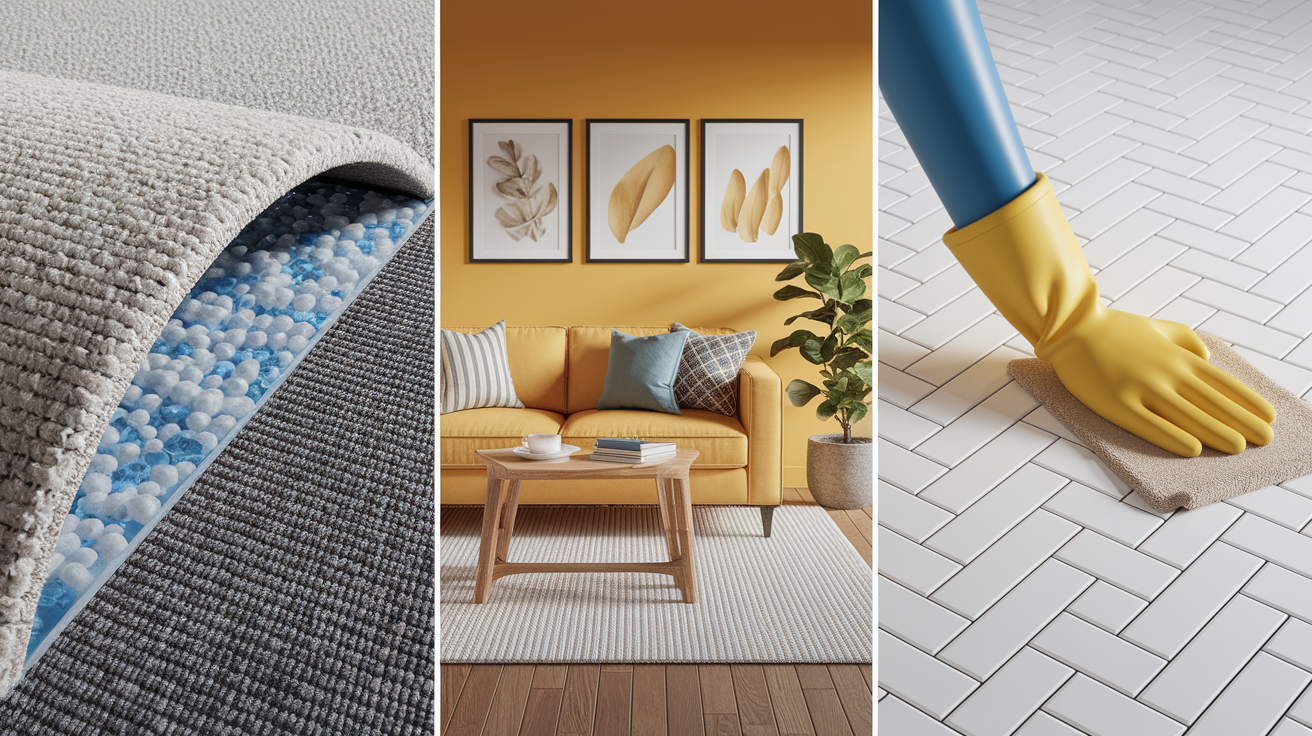
Hard, nonporous surfaces like tile, vinyl, and sealed hardwood are easiest to deodorize. Wipe or mop with an enzymatic or oxidizing cleaner, let it sit for the recommended contact time, then rinse or wipe clean. Drying happens quickly. Odors usually don’t return after one thorough treatment.
Carpets and rugs are trickier because urine and other liquids soak into the fibers and padding. If the padding’s saturated, surface cleaning won’t remove the odor source. For fresh accidents, blot immediately, apply enzymatic cleaner liberally, let it dwell for 10 to 15 minutes, then blot again. For older stains or persistent smells, you may need to treat the area two or three times, or use a carpet extractor with hot water and enzymatic detergent.
Upholstery and mattresses require careful treatment to avoid over-wetting, which can lead to mold. Use enzymatic sprays labeled safe for fabric. Apply just enough to dampen the affected area and allow 24 to 48 hours for complete drying. If odor remains after drying, reapply and consider using a fan to speed up the drying process. For mattresses with deep urine saturation, professional cleaning or replacement may be the only option.
Litter boxes and pet bedding benefit from regular enzymatic maintenance. Wash bedding with enzymatic laundry detergent at warm temperatures when fabric care allows. For litter boxes, scrub with an enzymatic cleaner weekly and sprinkle baking soda or a specialized litter additive to control ongoing odors between deep cleanings.
Safety Considerations for Pets and Humans
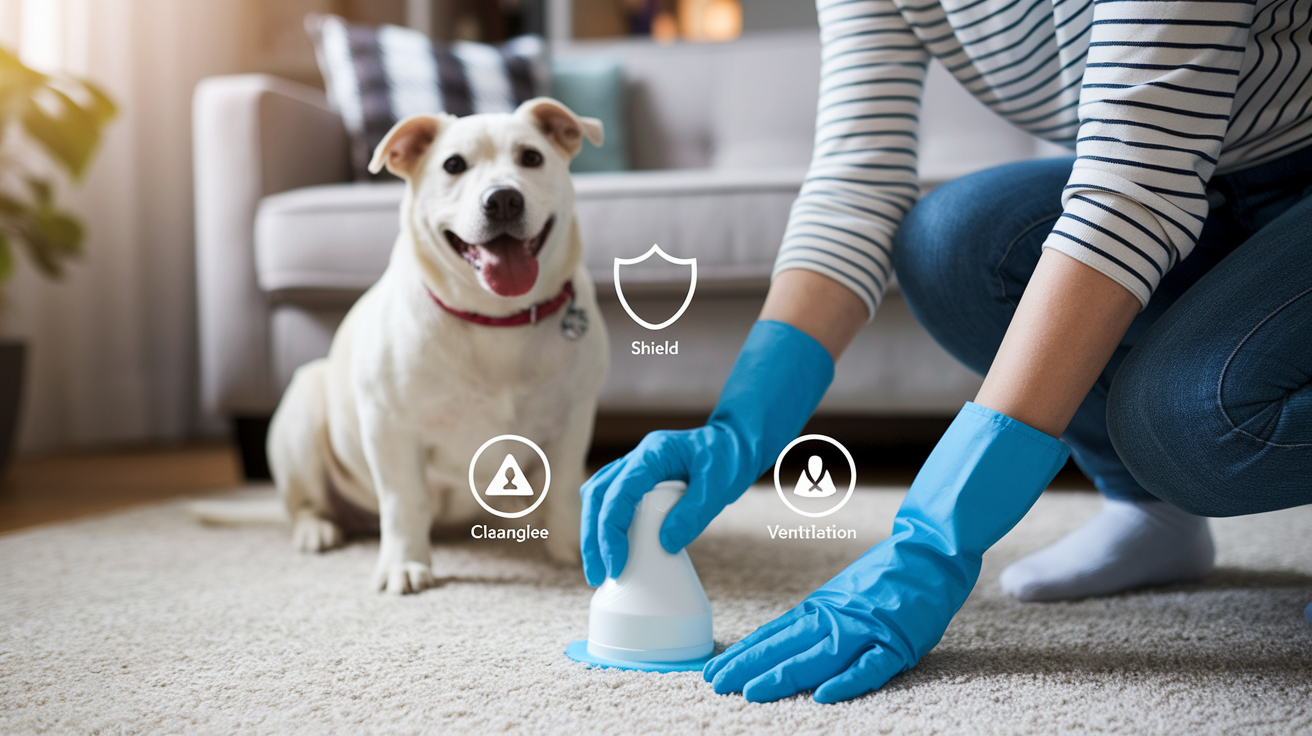
Enzymatic cleaners are generally safe around pets and children when used according to label instructions. Most formulas use naturally derived enzymes and don’t contain harsh chemicals. Still, it’s smart to keep pets away from treated areas until the surface is dry, especially if the product includes surfactants or fragrances that could irritate skin or paws.
Oxidizing cleaners require more caution. Hydrogen peroxide and oxygen bleach can irritate skin and eyes. Concentrated formulas should never be applied directly to pets or their bedding without dilution. Ozone generators and activated oxygen systems are powerful but dangerous. Ozone irritates the respiratory system and should only be used in unoccupied spaces. Never run an ozone machine in a room where pets or people are present. Avoid products containing phenols or essential oils like tea tree, which are toxic to cats and can cause neurological symptoms in dogs.
Key safety guidelines:
- Keep pets out of treated areas until surfaces are fully dry
- Don’t mix oxidizers like bleach with ammonia-based cleaners (creates toxic gases)
- Test products on hidden fabric areas to check for discoloration or damage
- Use ozone generators only in vacant, well-sealed spaces and ventilate thoroughly before re-entry
Choosing the Best Pet Odor Eliminator for Your Needs
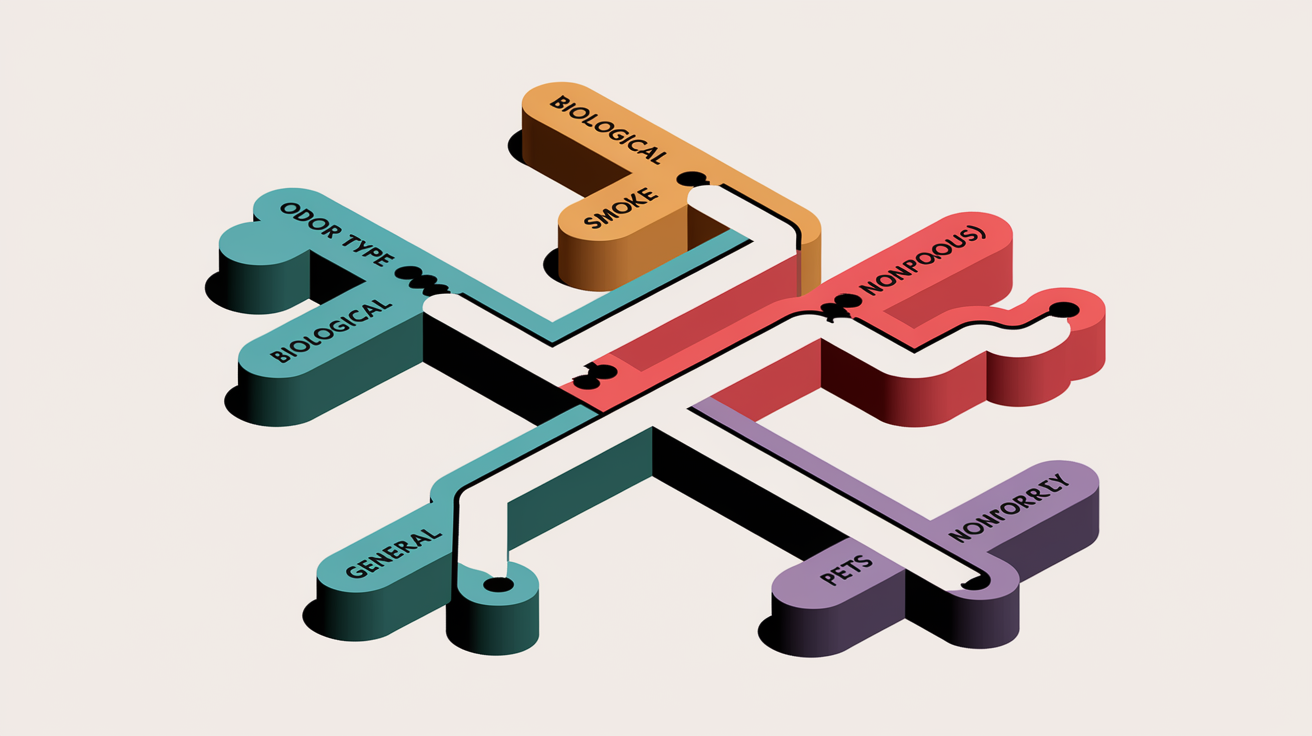
Start by identifying the odor source. Enzymatic cleaners are your best choice for biological messes: urine, feces, vomit, and anything with proteins or fats. Oxidizing cleaners work well on smoke, chemical odors, and general staleness. If the smell is airborne but surfaces are clean, consider an air purifier with activated carbon and a HEPA filter to capture dander and absorb volatile compounds.
Room size and ventilation matter. Air purifiers are rated by clean air delivery rate (CADR) and recommended coverage area. Small units handle up to 860 square feet, mid-range models cover around 1,600 square feet, and large units can manage 4,000 square feet or more. For enclosed spaces with poor airflow, combine mechanical air cleaning with enzymatic surface treatment for better results.
Read labels carefully and be skeptical of vague marketing claims like “professional grade” or “industrial strength.” Look for products that list specific active ingredients (protease, lipase, hydrogen peroxide concentration, or cyclodextrin) and clear instructions for dilution and contact time. If a product doesn’t explain how it works or what it contains, it’s likely just a masking fragrance.
When choosing a product, consider:
- The type of odor (organic waste, smoke, or general pet smell)
- The surface you’re treating (porous carpet vs. nonporous tile)
- Safety for pets, children, and anyone with respiratory sensitivities
Preventing Recurring Smells and Long-Term Odor Control
Recurring odors usually mean the source wasn’t fully removed. Urine contains uric acid crystals that are insoluble in water and resistant to standard cleaning. These crystals can remain in carpet padding, upholstery foam, or grout even after surface cleaning, and they release odor again when exposed to moisture or heat. To prevent this, use enzymatic cleaners specifically formulated to break down uric acid, and apply enough product to reach the full depth of the stain.
Regular grooming reduces odor at the source. Bathing your pet every few weeks, brushing to remove loose hair and dander, and cleaning ears and anal glands as needed all cut down on the organic material that contributes to household smells. Keep litter boxes scooped daily and deep-clean them weekly with an enzymatic cleaner to prevent ammonia buildup.
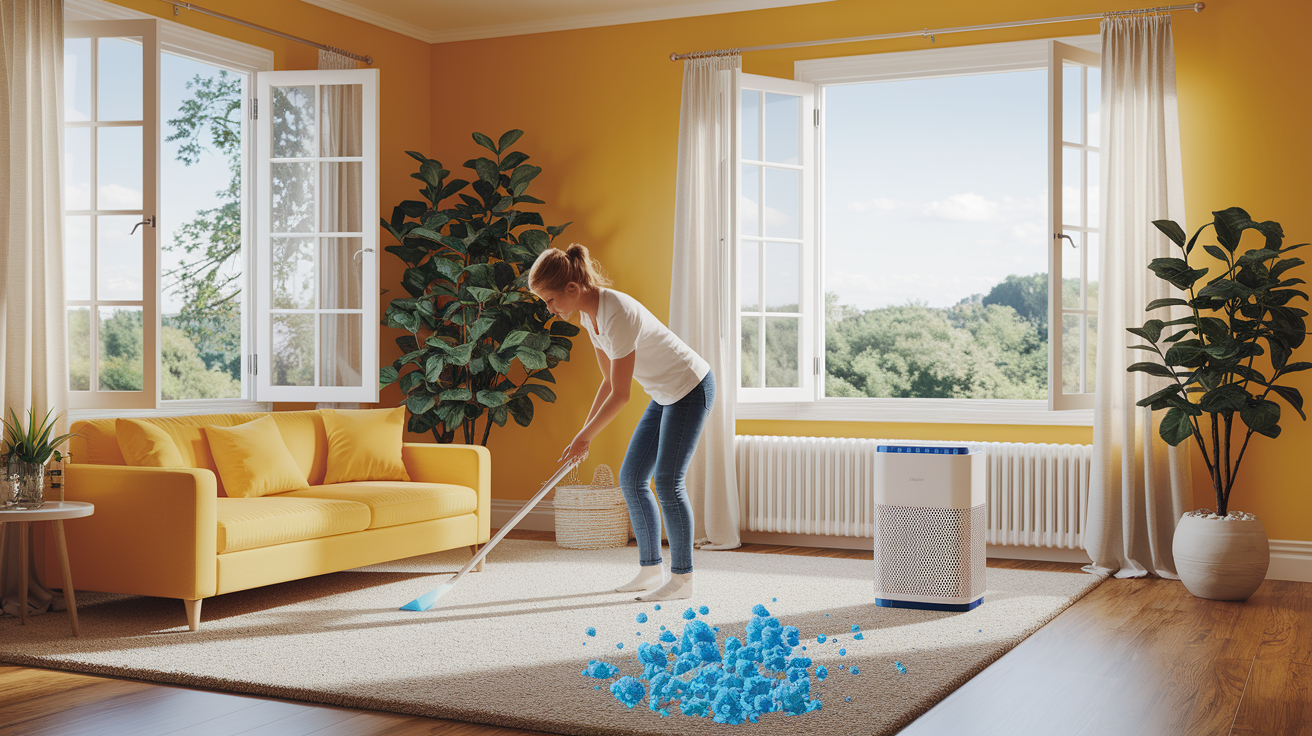
Ventilation and air exchange make a big difference. Open windows when weather permits, use exhaust fans in areas where pets spend time, and run air purifiers with carbon filters to continuously capture airborne odor molecules. Combine these strategies with routine deep cleaning (extracting carpets, washing pet bedding, and treating high-traffic areas with enzymatic products) to maintain long-term freshness without relying on masking fragrances.
Final Words
You now know how pet odor eliminators differ from air fresheners and the main ways they work: enzymes, oxidizers, and absorbers. We walked through types, ingredients, surface-specific tips, safe use, and how to pick the right product.
Use the simple steps. Pre-clean, apply, wait the right contact time, and reapply when needed. Track progress in your journal.
A quick answer to what is a pet odor eliminator and how it works. It removes or neutralizes odor molecules instead of just covering them. You’ve got this, and small steady steps make a real difference.
FAQ
Q: How does a pet odor eliminator work?
A: A pet odor eliminator works by removing or neutralizing the molecules that cause smell rather than masking them. It absorbs, oxidizes, or uses enzymes to break down organic sources like urine and vomit.
Q: What is the old lady’s smell called?
A: The “old lady” smell is often called “old person smell” and is linked to 2-nonenal, an aldehyde produced when skin oils oxidize with age, giving a faint grassy or oily scent.
Q: What is the hardest smell to get rid of in a house?
A: The hardest smells to remove are pet urine (uric acid crystals) and tobacco smoke, because they embed in fabrics, padding, and walls and need enzymatic or oxidative treatment plus deep cleaning.
Q: What do nursing homes use to get rid of pee smell?
A: Nursing homes use enzymatic urine cleaners to break down proteins and uric acid, along with hospital-grade oxidizers, heavy-duty laundering, good ventilation, and regular cleaning to prevent lingering odors.