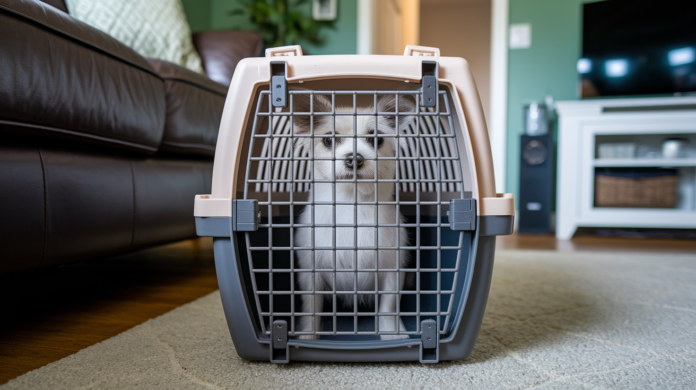

Think one pet carrier will work for every trip? Think again.
What fits a sleepy cat for a quick vet visit can be a disaster on a long flight, for a nervous dog, or when you carry it up stairs.
This guide helps you choose the right carrier by covering five clear factors, including size, ventilation, safety, material, and handling, so you buy once and avoid returns.
Read on to learn how to measure your pet, what features really matter, and when spending a bit more gives you peace of mind.
Key Factors to Evaluate Before Choosing a Pet Carrier
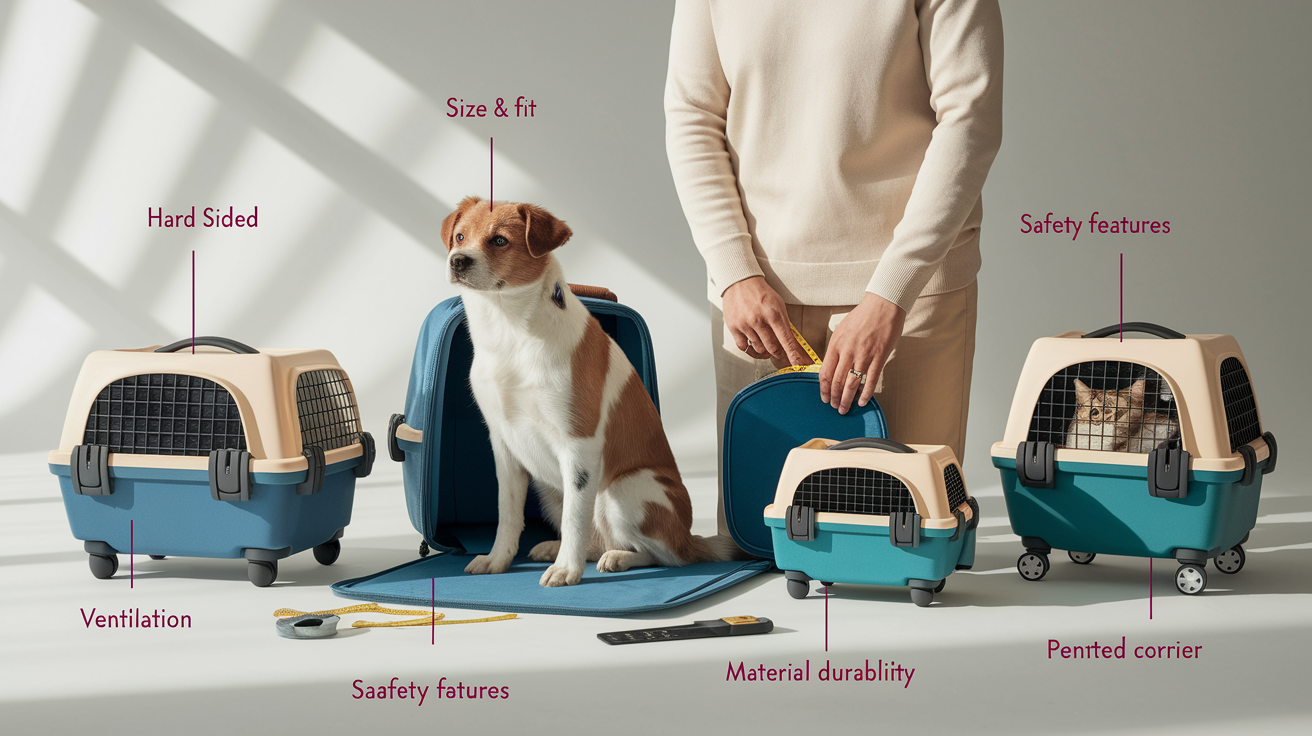
Before you start comparing prices or scrolling through endless carrier options, take a minute to figure out what actually matters for your situation. The right carrier isn’t universal. It depends on your pet’s size, personality, how you’re traveling, and whether this is a once-a-year thing or part of your weekly routine. A carrier that’s perfect for a mellow cat heading to the vet can be a nightmare for an anxious dog on a long flight.
Getting clear on your priorities first? That’s what saves you from buying twice.
This guide walks you through the decision points in an order that actually makes sense. You’ll learn how to measure your pet properly, what ventilation and safety features matter (and which ones don’t), how materials hold up over time, what airlines actually enforce, and which carrier types work best for specific trips. Each section tells you what to look for, what to skip, and when spending more is worth it.
Six things to evaluate before you buy:
Size and fit. Your pet needs to stand up, turn around, and lie down without cramping. If they can’t, the carrier’s too small.
Ventilation. Look for openings on at least two sides. Poor airflow can cause overheating or panic, especially during delays.
Safety features. Secure zippers or latches, reinforced stitching, and seatbelt loops keep your pet from escaping or getting hurt if the carrier shifts.
Material durability. Hard-sided plastic or metal holds up better for frequent use. Soft fabric works for light trips, but cardboard or cheap mesh won’t last.
Ease of cleaning. Removable liners you can toss in the wash, plus surfaces that wipe clean, make cleanup after accidents way less stressful.
Portability and handling. Padded handles, adjustable straps, wheels, or backpack-style designs matter more than you think, especially if your pet’s heavy or the trip involves stairs, terminals, or long walks.
Final Words
You now have a quick checklist of the main things to check: size, ventilation, safety, materials, ease of cleaning, and secure closures.
Use this checklist to narrow options, try a test fit, and focus on what matters most for your pet.
Keep this list handy when deciding. Focus on what to consider when buying pet carriers, and you’ll find one that keeps your pet safe, comfortable, and ready for more relaxed trips together.
FAQ
Q: What to look for in a pet carrier?
A: What to look for in a pet carrier includes correct size so your pet can stand, turn and lie down, secure closures, ample ventilation, durable easy-to-clean materials, and airline-approved dimensions for travel.
Q: What are some important factors to consider when choosing a pet carrier for air travel?
A: Important factors when choosing a pet carrier for air travel include meeting the airline’s under-seat size rules, sturdy but flexible sides, secure zippers, good ventilation, and a comfortable interior for your pet.
Q: What is the highest rated pet carrier airline approved?
A: The highest rated airline-approved pet carriers vary by reviewer and pet size; typically top-rated options are soft-sided carriers that meet under-seat rules, offer secure closures, ventilation, and easy cleaning.
Q: Do cats prefer larger or smaller carriers?
A: Cats generally prefer carriers that are snug yet allow them to stand, turn and lie down; many feel calmer in slightly smaller enclosed spaces, as long as they aren’t cramped and can move comfortably.