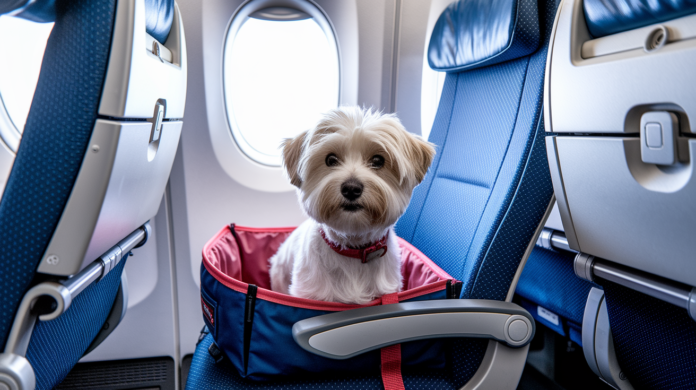

Think ‘airline-approved’ means your pet carrier will always pass at the gate? Think again.
Airlines set their own rules for size, ventilation, leakproof bases, and secure closures, so a carrier that works for one airline might be rejected by another.
This guide walks you through the core requirements, what humane space really means, the ventilation and leakproofing standards, and why external measurements (handles and all) matter, plus practical tips for choosing the right soft or semi-rigid model.
You’ll get a quick checklist to avoid gate surprises and keep your pet calm and safe on the flight.
Key Requirements to Understand Before Choosing Airline-Approved Pet Carriers
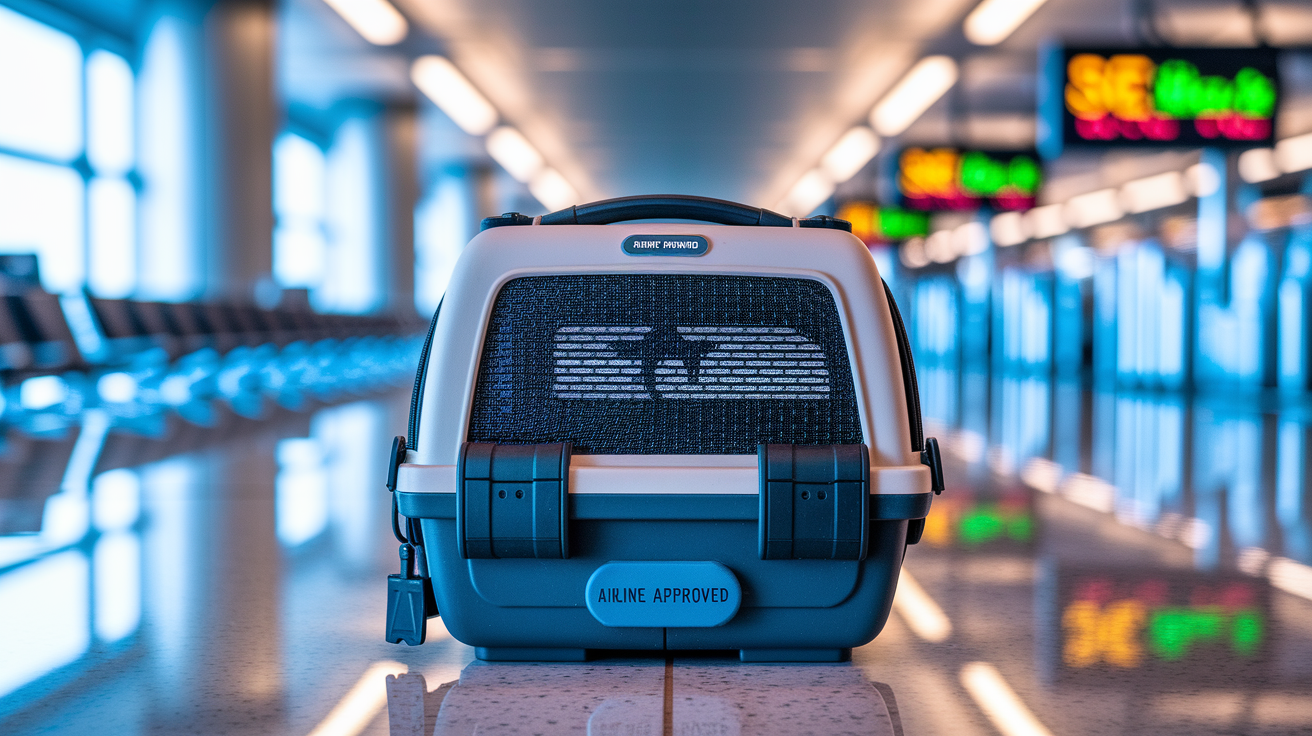
Airlines run their own show when it comes to pet transport policies. There’s no one-size-fits-all approval stamp.
The International Air Transport Association (IATA) publishes Live Animal Regulations that guide cargo and checked-baggage shipments, but these aren’t legally binding for in-cabin travel. Airlines look at IATA principles when they design cargo standards, but they make up their own in-cabin rules. That’s why one carrier might accept a 19‑inch carrier while another caps at 17 inches. Both are “compliant” within their own systems.
When a carrier is called “airline‑approved,” it means the design meets an airline’s published safety and welfare criteria. Your pet needs to breathe, turn, stand, and lie down comfortably without risk of escape or injury. Approval comes down to secure construction, humane space, and materials that protect both your animal and the aircraft cabin or hold.
Nearly every airline expects these six core things:
- Your pet must be able to stand up without touching the top, turn around in a full circle, and lie down naturally.
- Ventilation must allow continuous airflow. Most carriers require mesh or vent openings on at least two sides.
- The base has to be leakproof to contain accidents and prevent contamination of the cabin or hold.
- All closures, zippers, and latches must be secure enough to prevent escape and strong enough to resist breakage during handling.
- Materials need to be non-toxic, durable, and free of sharp edges or loose parts that could injure your pet or pose a safety hazard.
- The carrier structure must hold its shape under normal travel stress. Collapsible carriers that cave in are typically rejected.
In-Cabin Carrier Features and Dimensions for Airline Travel
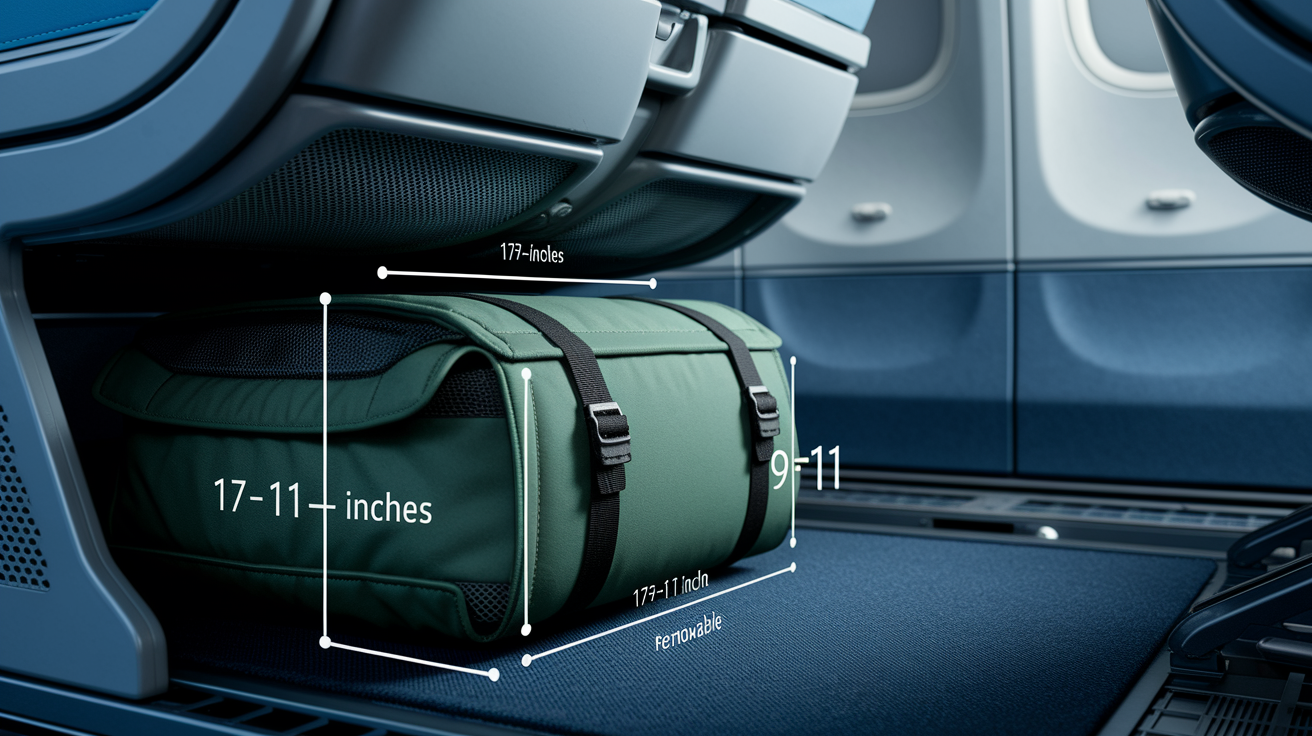
Under‑seat clearance changes depending on the aircraft and seat configuration. A mainline 737 typically offers more vertical space than a regional CRJ‑200. Some airlines measure to the seat frame, others to the floor rail. That’s why you see ranges instead of one magic number.
Common maximum external dimensions for in-cabin carriers cluster around 18 inches long, 11 inches wide, and 11 inches tall. But individual airlines publish exact limits. Always measure your carrier’s exterior including handles, straps, and any wheels, because gate agents enforce external measurements.
Soft‑sided carriers are popular for in-cabin travel because they compress slightly to slide under seats. But they still need semi‑rigid frames or reinforced panels to hold shape once stowed. Look for ballistic nylon or heavy oxford fabric with reinforced stitching at seams and stress points. Mesh panels on at least two opposite sides give you cross‑ventilation. You want a leakproof, removable tray or padded base liner. Strong YKK or equivalent zippers with double sliders and lockable pulls are standard. Top‑entry designs make TSA screening simpler when you need to lift your pet out quickly.
| Model/Type | Key Dimension Range | Notes |
|---|---|---|
| Standard soft carriers | 17–18″ L × 10–11″ W × 9–11″ H | Most airlines; check external height including handle |
| Hybrid semi‑rigid carriers | 16–18″ L × 10–12″ W × 9–10″ H | Hard base, soft walls; heavier but more protective |
| Expandable soft carriers | Collapsed: 17″ L × 11″ W × 10″ H; expanded adds 4–6″ W | Use expansion only when permitted, not during taxi/takeoff/landing |
Final Words
You learned why airlines set different approval rules and how IATA guidance helps shape cargo standards without mandating in-cabin rules. The post spelled out the humane expectations, like ventilation, posture space, secure, leakproof construction, and six universal check points.
You also saw practical in-cabin details: typical under-seat sizes, soft-sided material tips, leakproof bases, strong zippers, and how to measure external vs internal dimensions to verify fit.
Keep this list of what to know about airline approved pet carriers handy when you book. Travel with a calm plan and confidence.
FAQ
Q: What makes a pet carrier airline-approved?
A: A pet carrier is airline-approved when it meets an airline’s safety and size rules, has secure, leak-proof construction, proper ventilation, and enough room for the pet to stand, turn, and lie down comfortably.
Q: How strict are airlines about pet carrier size?
A: Airlines are strict about pet carrier size; they enforce under-seat limits at check-in and boarding, and carriers that don’t fit can be refused or require the pet to travel in cargo with possible extra fees.
Q: What are the TSA requirements for a pet carrier?
A: TSA requires pet carriers to be screened at security; carriers go through X-ray and pets may be removed for inspection or walked through a metal detector, while airlines still set the in-cabin approval rules.
Q: What is the highest rated pet carrier airline-approved?
A: The highest rated airline-approved pet carrier varies by reviewer and pet size; pick carriers with strong ventilation, leak-proof bases, sturdy closures, and confirmed under-seat fit in recent user and expert reviews.