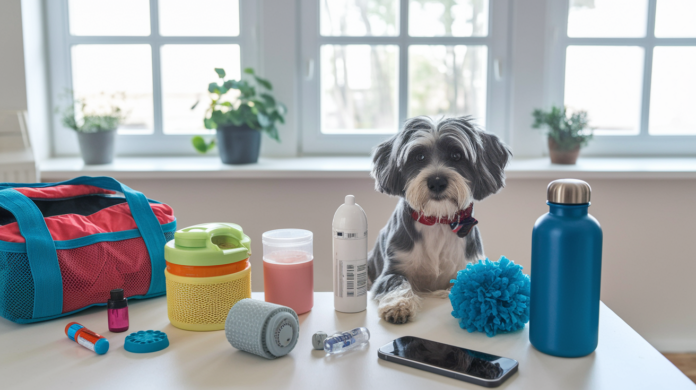

Think a small bag is enough for pet travel? Think again.
A half-packed kit turns small hiccups into major stress for you and your pet.
A solid pet travel kit with essentials keeps your pet safe, fed, hydrated, and calm when plans change.
This post gives a simple checklist: how much food and water to pack, meds and health papers to bring, safety gear, comfort items, cleanup supplies, and a basic first-aid pouch.
Pack for the trip plus extra days and keep everything in one grab-ready bag.
Essential Items for a Complete Pet Travel Kit

A solid travel kit is what keeps a trip calm instead of chaotic. When you’ve packed the right gear in real quantities, you can handle delays, spills, forgotten bowls, and weather surprises without scrambling. A complete kit covers food, water, safety, comfort, medical needs, cleanup, and paperwork in one organized spot.
The goal? Your pet stays safe, fed, hydrated, and comfortable no matter what comes up. That means packing enough supplies for the entire trip plus at least two extra days, keeping medications labeled and easy to grab, and making sure you can prove vaccinations and ownership at any checkpoint.
Here’s what belongs in every complete pet travel kit:
Food: pre-measured daily portions in airtight bags or containers for the full trip plus two extra days
Water: bottled or jugs totaling about 50 ml per kg of body weight per day, plus extra
Two collapsible bowls: one for food, one for water
All medications: in original labeled bottles, full trip supply plus seven extra days minimum
Health records: printed vaccination certificates, rabies certificate, microchip number, and vet contact info
Leash, collar, and ID tag: one primary leash, one backup, and current contact info on tag
Travel carrier or crate: airline compliant if flying, crash tested or secured if driving
Seatbelt harness or restraint system: for safe car travel
Bedding and one familiar blanket: something that smells like home
One to three favorite toys: small, packable, and comforting
Waste bags or portable litter setup: enough for the entire trip (plan three bags per day for dogs, litter for seven days for cats)
Grooming wipes and a brush: ten to twenty wipes and one small brush or comb
First aid pouch: gauze, antiseptic wipes, tweezers, bandage tape, saline, styptic powder, and a digital thermometer
Recent photo of your pet: printed and saved digitally
Emergency contact list: printed copy of local emergency vet addresses and phone numbers along your route and at your destination
When you organize everything into one dedicated pet travel bag with labeled compartments, you can grab what you need in seconds at a rest stop, security checkpoint, or hotel check in. Being prepared removes guesswork and keeps stress low for both you and your pet during every phase of the trip.
Food and Hydration Supplies for Travel

Pack enough food for the entire trip plus at least one to two extra days to cover delays or unexpected stops. Pre-measure daily portions into resealable bags or small airtight containers so feeding stays quick and consistent. Familiar food prevents stomach upset, so now isn’t the time to try a new brand. If your pet gets picky or anxious when traveling, bring a small bottle of kibble topper or a few pouches of wet food to encourage eating.
Hydration matters just as much as food, especially in warm weather or during long stretches in the car or crate. Plan for roughly 50 ml of water per kilogram of body weight per day. A 10 kg dog needs about 500 ml per day, a 30 kg dog needs around 1,500 ml. Bring bottled water if your pet’s sensitive to taste changes, and always pack extra in case rest stops don’t have clean water access. Collapsible bowls save space and work anywhere.
What to pack for food and hydration:
Pre-portioned food in airtight bags or containers (trip days plus two extra days)
Portable water bottles or a gallon jug, enough for the full trip plus buffer
Two collapsible bowls (one food, one water)
Small bottle or packet of kibble topper or wet food for encouragement
Spill proof travel water dispenser or attachable crate bowl for flights
Medications and Health Documentation

If your pet takes any prescription medication, pack the full supply for the trip plus at least seven extra days in case you’re delayed. Keep medications in their original labeled bottles so dosing instructions, expiration dates, and prescriptions are clear if a vet or airline official asks. For trips longer than a week, consider bringing a printed copy of the prescription and your vet’s contact information in case you need a refill on the road.
Chronic conditions often require careful timing and sometimes refrigeration. If your pet needs refrigerated meds, pack them in a small insulated pouch with an ice pack and plan your stops around access to coolers or hotel mini fridges. Set phone reminders for dosing schedules so you don’t miss a dose during the chaos of check ins, flights, or long drives. It’s easy to lose track of time when routines change.
Vaccination records and health certificates are required for many trips, especially flights and interstate or international travel. Bring printed copies of your pet’s rabies certificate, full vaccination history, and microchip registration number. Some destinations require a health certificate signed by a vet within ten days of travel, so schedule that appointment early. Store all documents together in a waterproof folder or plastic sleeve, and save digital backups on your phone. Include your vet’s phone number and the phone number for an emergency vet clinic near your destination in case something goes wrong.
Comfort Items and Bedding
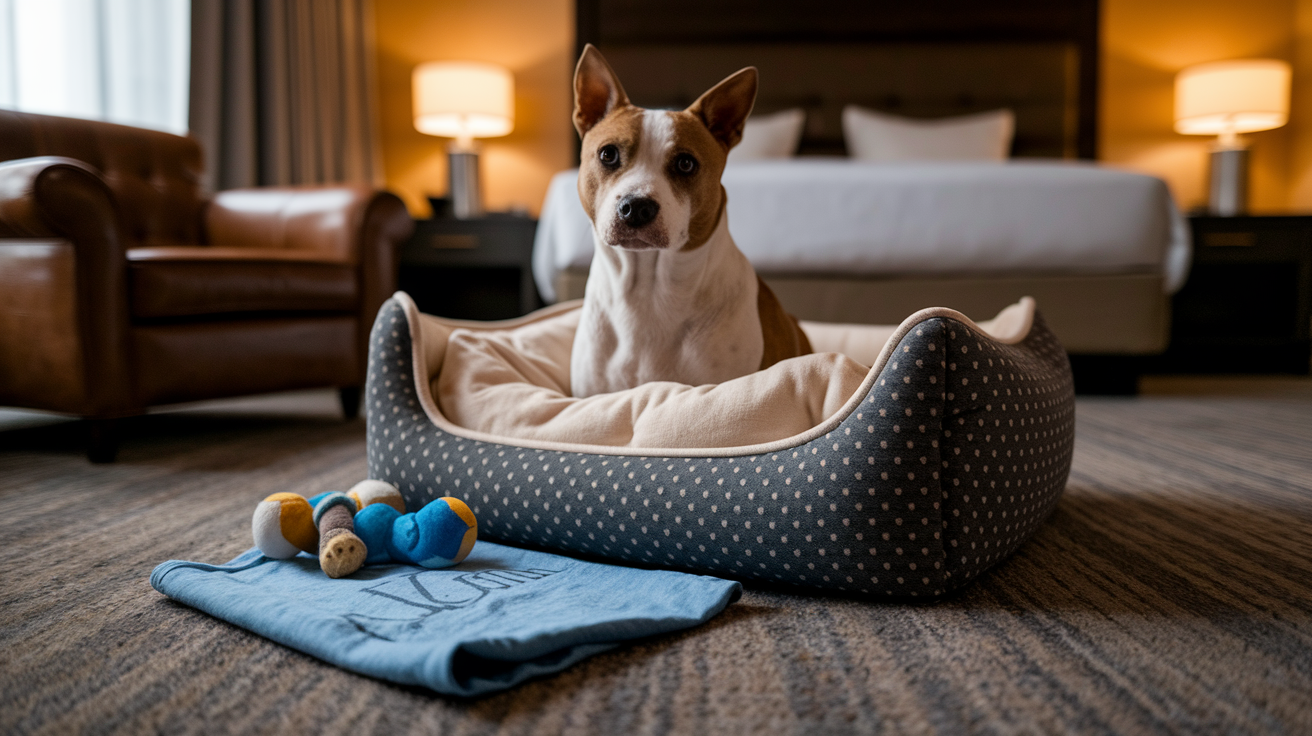
Familiar smells and textures reduce anxiety during travel. Pack at least one blanket or towel that your pet’s been sleeping on at home. The scent signals safety and helps them settle faster in a new hotel room, a friend’s house, or even a parked car during a rest break. For cats, a small piece of bedding from their favorite nap spot works wonders inside the carrier.
Bring one to three small, favorite toys. Not the entire toy basket. A well loved chew toy for a dog or a crinkle ball for a cat gives them something to do during downtime and can distract from stress. Rotating toys throughout the trip keeps things interesting without taking up too much space in your bag.
Comfort items to pack:
One familiar blanket or towel that smells like home
One to three small favorite toys
An old T-shirt or pillowcase with your scent for anxious pets
A lightweight travel bed if your pet refuses to sleep on unfamiliar surfaces
Safety and Travel Equipment
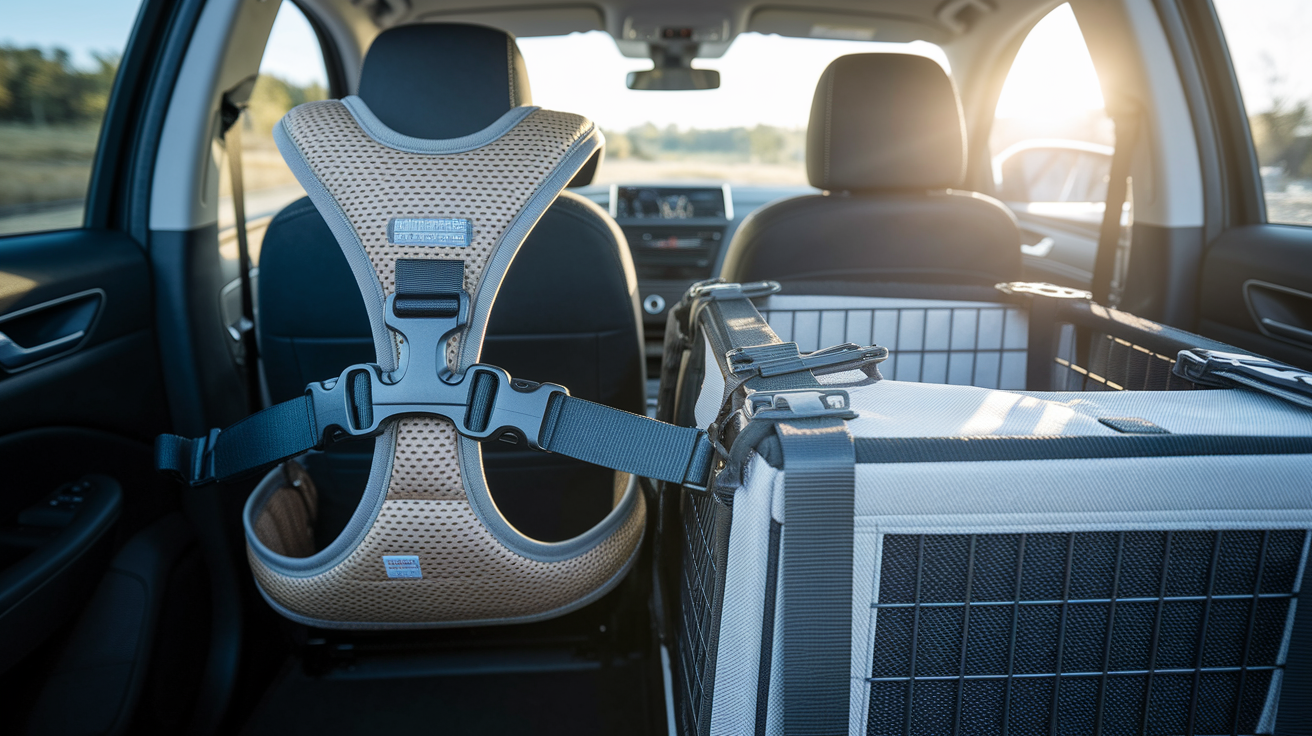
Safety gear protects your pet during sudden stops, turbulence, and the everyday chaos of travel. In the car, never let a pet roam loose. Use a crash tested harness attached to a seatbelt tether or secure a crate with straps so it won’t slide or tip. Loose pets become projectiles in accidents. Even a minor fender bender can cause serious injuries when a dog or cat gets thrown forward.
Carriers and crates must match your travel method. Soft sided carriers work for small pets flying in cabin or riding in a car, but they need to fit comfortably under the airline seat and allow your pet to stand and turn around. Hard sided, IATA compliant crates are required for cargo or checked baggage on most airlines and offer better protection during handling. Measure your pet fully stretched out, then add two to four inches of clearance on all sides when choosing crate size. Proper ventilation is non negotiable, especially during warm weather or long waits on tarmacs.
Restraint laws vary by state, and some require secured pets in moving vehicles. Even without a legal requirement, restraint prevents distracted driving and keeps your pet from bolting out an open door at a rest stop. Collar and leash checks matter too. Make sure the collar fits snugly, the ID tag is readable and current, and you have a backup leash in case the primary one breaks or gets lost.
Grooming and Cleanliness Supplies

Grooming tools keep your pet comfortable and your travel space cleaner. A small brush or comb helps manage shedding and prevents mats during long trips, especially for dogs with thick coats or cats who stress groom. Brushing also gives you a few minutes of calm, familiar routine when everything else feels chaotic.
Pet safe grooming wipes handle the quick cleanups that always happen on the road. Muddy paws after a rest stop bathroom break, drool on the carrier, or a little mess after a meal. Pack ten to twenty wipes for a short trip, more for a week or longer. An old towel you don’t mind getting dirty is invaluable for drying off a wet dog, protecting car seats, or laying down a clean surface in a hotel room. Small bottles of dry shampoo or waterless coat cleaner work when a full bath isn’t possible but your pet needs freshening up before checking into a nice hotel.
Waste Management Tools

Waste management is one area where running out of supplies becomes a problem fast. For dogs, pack poop bags in serious quantity. Plan for at least three bags per day, so a week long trip needs about 25 bags minimum, but bringing 50 gives you breathing room for extra stops or a dog with an upset stomach. Biodegradable bags are gentler on the environment and work just as well as standard plastic.
Cats need a portable litter solution. Compact travel litter boxes with low sides and disposable liners make setup and cleanup easier in hotel rooms or at a friend’s house. Bring enough litter for the full trip, at least one to two kilograms for a weekend and up to five kilograms for a week. A small scoop and sealable waste bags let you dispose of used litter hygienically. If your cat’s particular about litter type, now isn’t the time to experiment.
Essential waste tools to pack:
Poop bags in quantity: 25 to 50 for a week long trip
Portable litter box and scoop for cats
Enough familiar litter for the full trip (one to five kilograms depending on length)
Pet First Aid Essentials
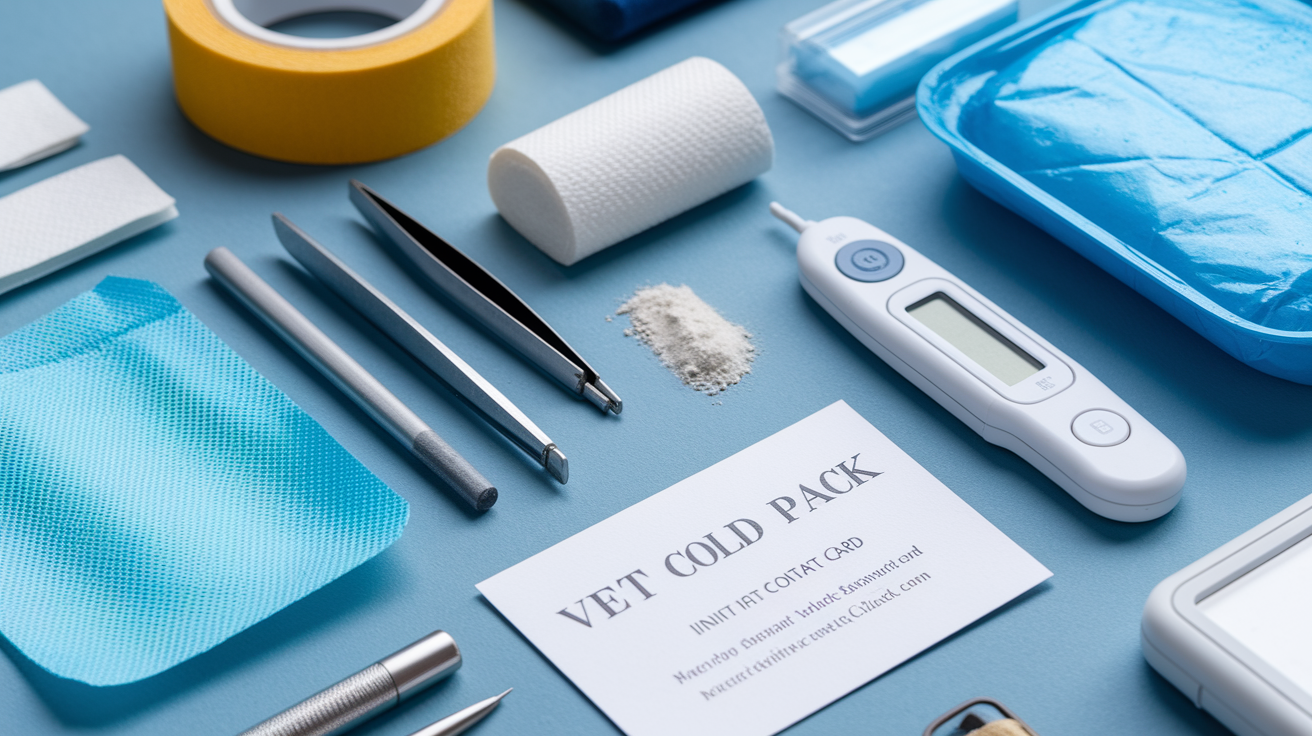
A basic first aid kit handles the small emergencies that happen during travel. A scraped paw, a tick picked up during a hike, or a minor cut from jumping into a car. You don’t need a full veterinary clinic, but a few core supplies can prevent a small problem from becoming a stressful crisis when you’re far from home.
Start with wound care basics. Pack five to ten sterile gauze pads, one roll of adhesive bandage tape, and one roll of flexible vet wrap for securing dressings without sticking to fur. Add ten antiseptic wipes for cleaning cuts and a small bottle of saline solution for flushing debris from eyes or wounds. Tweezers handle splinters and ticks, and a tick remover tool makes the job safer and easier. Styptic powder or a styptic pencil stops bleeding quickly if you accidentally trim a nail too short.
A digital thermometer lets you check for fever if your pet seems off. Normal temperature for dogs and cats is about 38 to 39 degrees Celsius (100.5 to 102.5 Fahrenheit). An instant cold pack helps with swelling or heat exhaustion. Keep a printed card with your vet’s phone number, your pet’s medication list, and any known allergies inside the first aid pouch so it’s always accessible. If your phone dies or you’re in a rural area with no signal, that printed backup becomes critical.
First aid items to pack:
Five to ten sterile gauze pads and adhesive tape
Antiseptic wipes and saline flush
Tweezers and tick remover tool
Styptic powder or pencil
Digital thermometer and instant cold pack
Travel Requirements for Cars vs. Flights
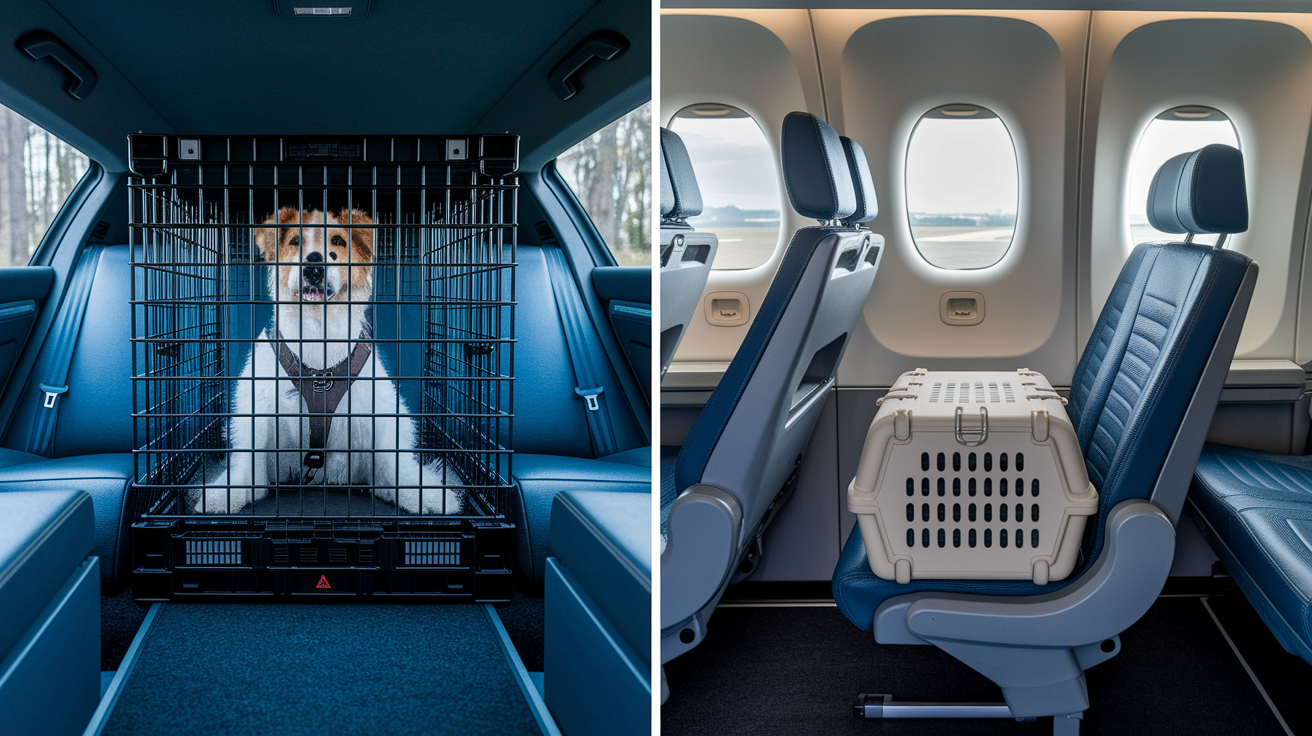
Car travel and air travel demand different preparation. In the car, plan stops every two to three hours so dogs can stretch, drink water, and use the bathroom. Cats usually prefer fewer interruptions, so keep the carrier secure, maintain a steady temperature, and minimize sudden movements or loud noises. Never leave a pet alone in a parked car. Interior temperatures climb dangerously fast, even with windows cracked, and pets can suffer heatstroke or hypothermia depending on the season.
Feed a lighter meal a few hours before departure to reduce motion sickness, then offer a full meal once you’re settled at your destination. Keep the car well ventilated and avoid blasting heat or air conditioning directly at the crate. Secure all loose items in the cabin so nothing can fall and startle your pet during sudden stops.
Flying requires advance planning and strict compliance with airline rules. Contact the airline four to eight weeks before your trip to confirm crate dimensions, weight limits, carrier specifications, and required documentation. For small pets flying in cabin, the carrier must fit completely under the seat in front of you. Typical maximum dimensions are around 18 × 11 × 11 inches, but every airline’s different, so measure and confirm. For larger pets traveling in cargo, you’ll need a hard sided, IATA compliant crate with proper ventilation, secure latches, and enough interior space for your pet to stand, turn, and lie down comfortably. Attach two copies of your contact information and destination address to the crate, and include a “LIVE ANIMAL” label.
Pack absorbent liners for the carrier floor and bring at least one spare. Include a small dish of water that can be attached to the crate door for cargo travel, and freeze it beforehand so it melts slowly during the flight instead of spilling immediately. For anxious pets, consult your vet well before the trip to discuss safe calming options. Sedatives aren’t generally recommended for air travel because they can affect balance and body temperature regulation at altitude, but your vet may suggest alternatives. Book direct flights when possible, and choose early morning or late evening departures in hot weather to avoid tarmac heat exposure.
Final Words
You’ve got a ready-to-go checklist covering everything from food and water to safety gear. We covered meds and records, comfort items, grooming, waste tools, first aid, and car vs flight rules.
Prep makes travel calmer for you and your pet. Pack familiar bedding, extra food, meds, ID, a sturdy carrier, wipes, poop bags, and a basic first-aid kit.
If you keep a short list of what to pack in a pet travel kit, trips become easier and more joyful.
FAQ
Q: What is the 3 3 3 rule for dogs moving?
A: The 3 3 3 rule for dogs moving is expecting three days of shock, three weeks to show personality, and three months to fully settle into new routines, so plan patience and consistent care.
Q: What should you bring with you when traveling with pets?
A: You should bring food for extra days, water and bowls, medications, ID and copies of records, collar/leash or carrier, familiar bedding and toys, waste bags, and a pet first‑aid kit.
Q: What is the 7 second rule for dogs?
A: The 7 second rule for dogs is to wait about seven seconds after a cue, letting the dog respond before repeating or correcting, which reduces confusion and encourages independent thinking.
Q: What is the 90 10 rule for dogs?
A: The 90 10 rule for dogs suggests roughly 90% of behavior is managed by environment and routine, while 10% is direct training—so fix management first, then train for lasting results.